Skip to content

Ahlem Memorial of the Hanover Region

Mahn- und Gedenkstätte Ahlem der Region Hannover


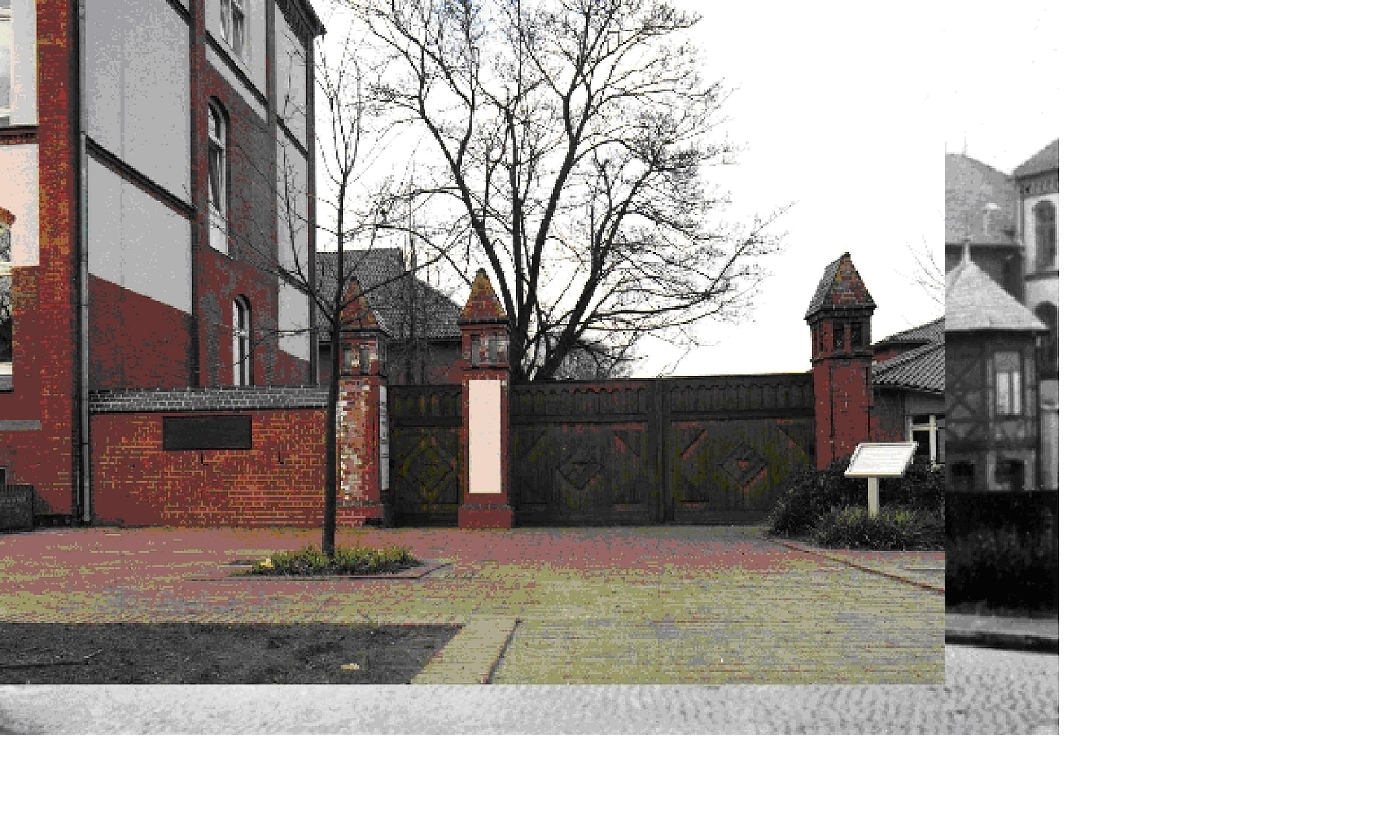
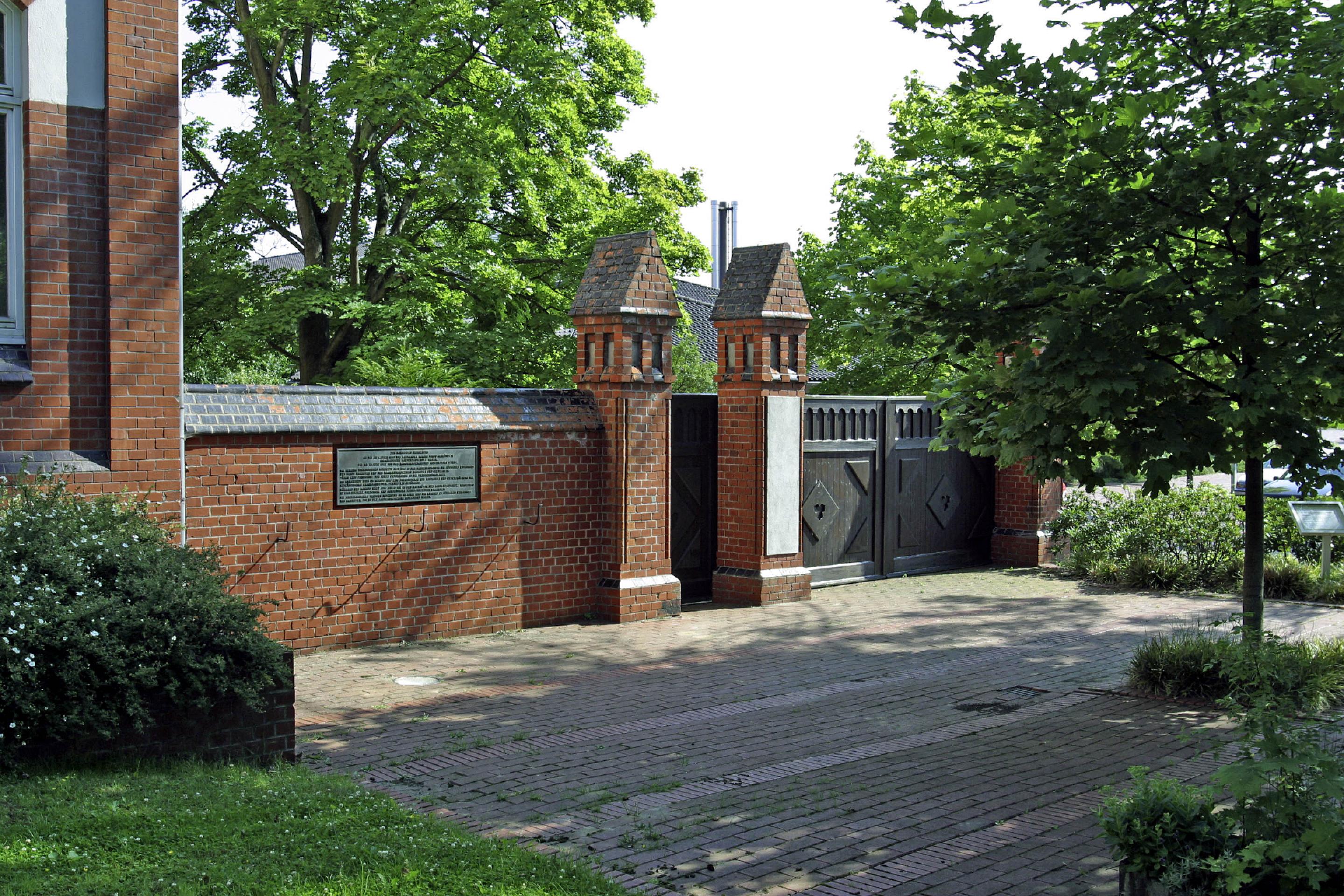
Since 1987, the Ahlem Memorial on the premises of the former Israelite School of Horticulture at Ahlem commemorates the Jews from the region of Hanover who were deported from the school grounds between 1941 and 1944. Moreover, it also commemorates the prisoners of the substitute police prison, which was established on the site by the Gestapo in 1943.

History

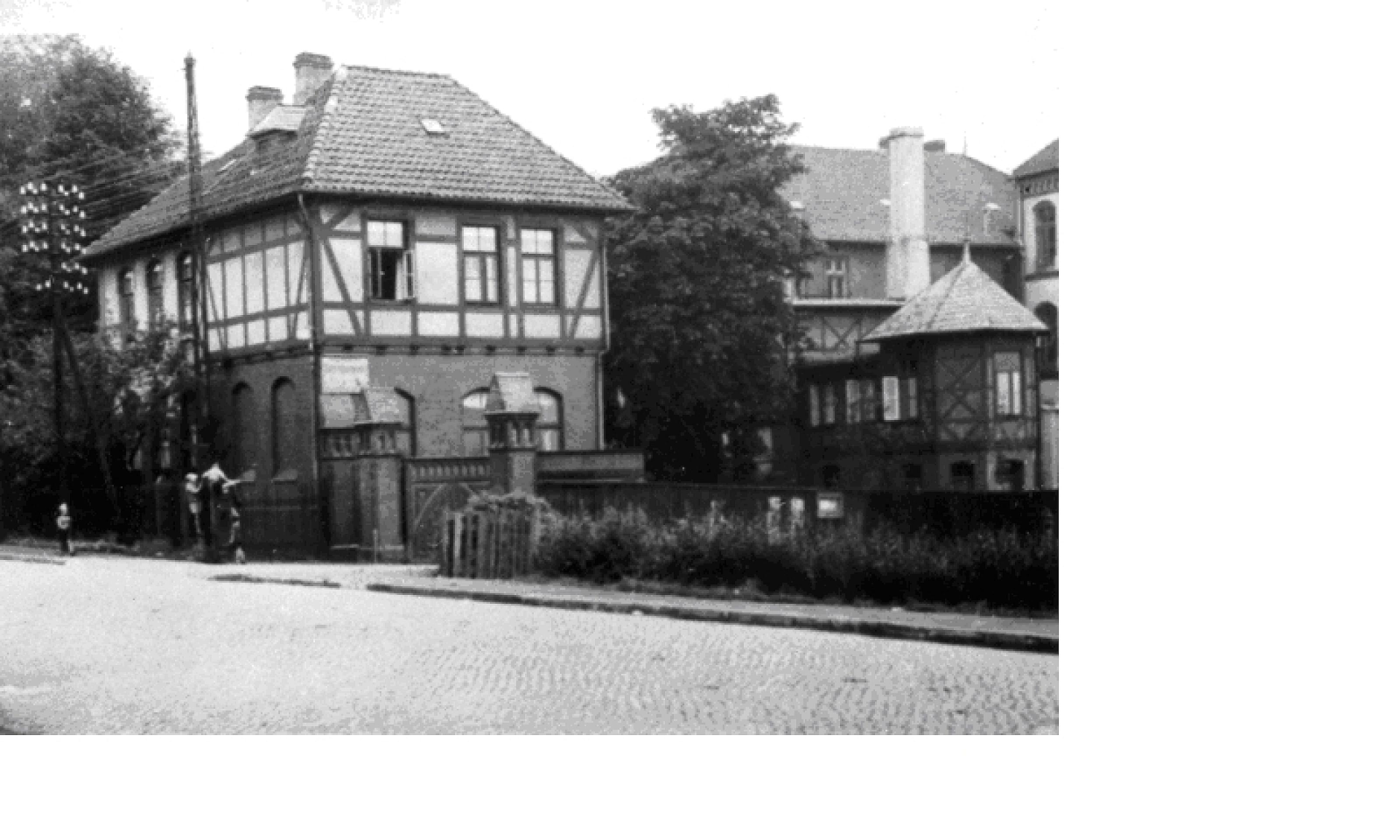
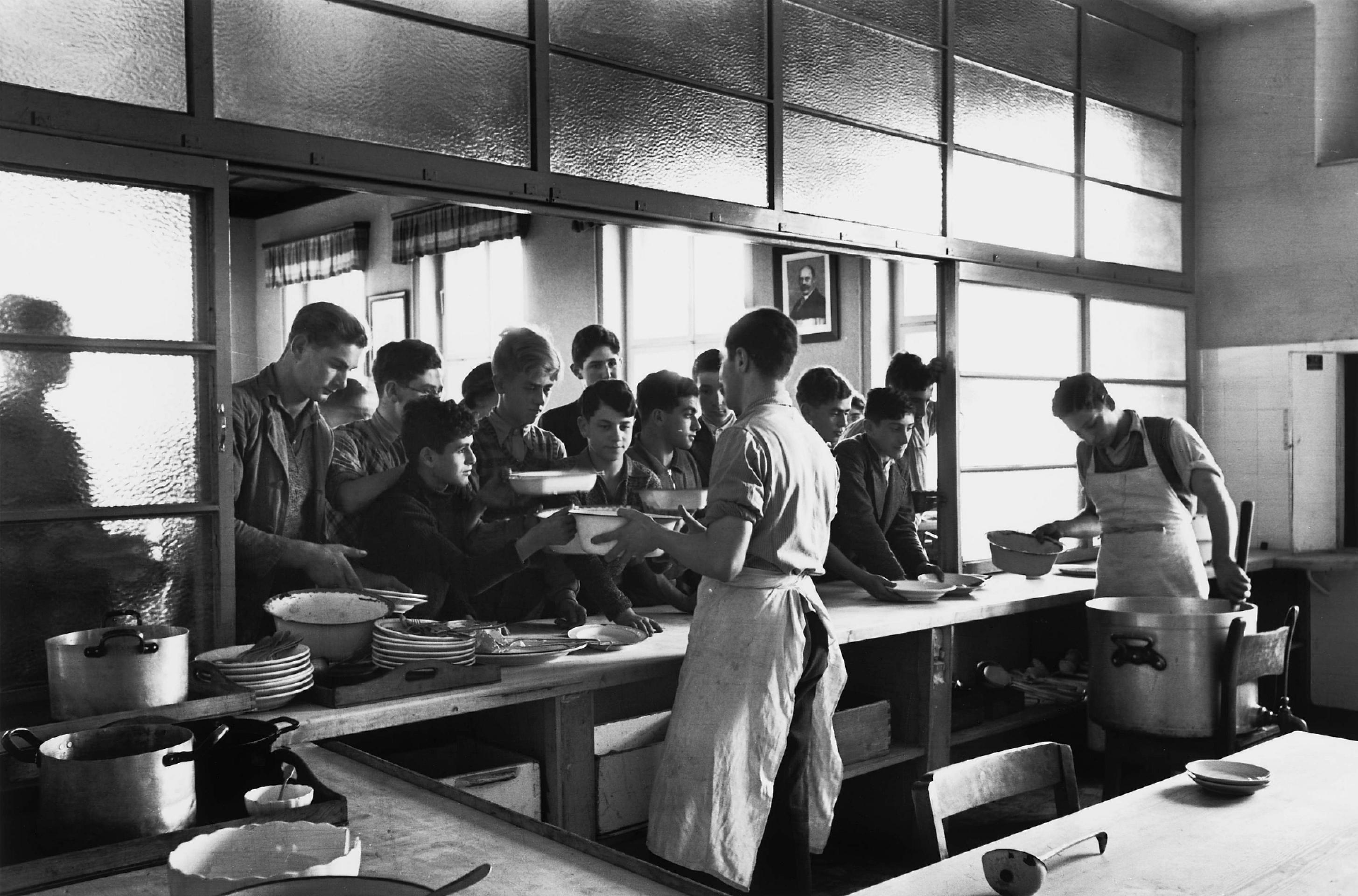
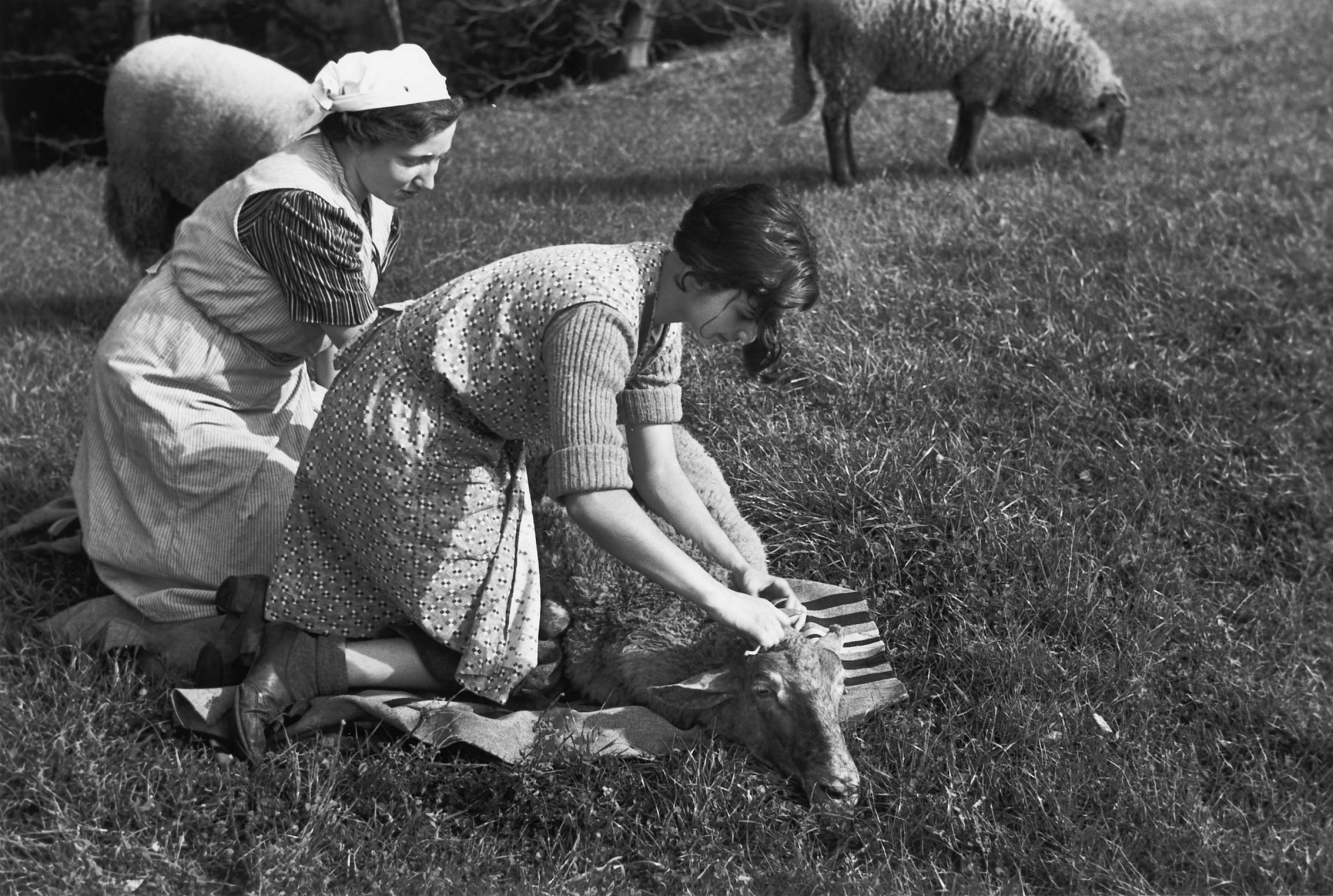
The Jewish banker Alexander Moritz Simon founded the »Israelite School at Ahlem near Hanover« with the aim of giving Jewish apprentices the opportunity to learn a trade or receive vocational training in horticulture or agriculture. After centuries during which Jews had been forbidden to practice many trades, this vocational school presented an opportunity for economic integration outside of the sphere of commerce. Eastern European Jews were the school's target group, as at the time, a majority of them lived as impoverished merchants. In 1919, the school war renamed the »Israelite School of Horticulture at Ahlem«. After 1933, the school focused its teaching on preparing Jews for emigration; between 1935 and 1939, many of its graduates left for Palestine, the US, Latin America, Australia, or Africa. In 1941, the Hanover Gestapo designated the school premises as a collecting point for Jews from the administrative district of Hanover. From there they were deported to concentration and extermination camps. One of the school buildings served as a »Jewish house« in which the detainees were placed. The school was shut down in 1942; in 1943, the Gestapo established an outpost and a substitute prison on the school premises, primarily meant for non-German forced labourers. Shortly before the end of the war, the school's former Sukkah was used as an execution site: The Gestapo murdered at least 59 prisoners there. On April 8, 1945, members of the Gestapo set the Sukkah on fire and erased their traces. Two days later, American troops liberated the remaining 27 inmates from the substitute prison.
Victims

Between December 1941 and January 1944, about 2,000 Jews from southern Lower Saxony were deported from the premises of the Israelite School of Horticulture to ghettos, extermination and concentration camps. From 1943 on, the Hanover Gestapo held non-German forced labourers captive on the school premises. In March 1945, the Gestapo shot or hanged at least 59 of them in the school's former Sukkah.

The entry to power of the National Socialists in 1933 heralded the state persecution of opponents of the regime, Jews, Roma – who were classed as »gypsies« -, the sick and many other groups. For the first time, anti-semitism became part of the government policy of a modern state and the persecution of all groups was progressively heightened. The process was characterised by the interplay between state regulation, violence from supporters of the regime and rabble-rousing propaganda from the press. The acts of terror against the Jews in November 1938 (»The Night of the Broken Glass«), culminating in around one hundred deaths, marked the prelude to the complete exclusion and murder of the Jewish minority. With the outbreak of the Second World War in September 1939, large parts of Europe fell under German control. In Eastern Europe in particular a multi-tiered system of camps and extermination sites was established, in which the SS murdered up to six million Jews, among them around 165,000 German Jews. It is estimated that around seven million Germans lost their lives in the war, including almost 3.5 million civilians. Around 28 million residents of the occupied Soviet Union (both soldiers and civilians) and three million non-Jewish Poles met a violent death. These groups are still barely commemorated in Germany. Germany came under Allied occupation in 1945 and 1949 saw the foundation of the German Democratic Republic (GDR) and the Federal Republic of Germany (FRG), who had very different cultures of remembrance. The GDR profiled itself as an »antifascist« state. The former concentration camps at Buchenwald, Ravensbrück and Sachsenhausen became »National Memorials« and primarily documented the communist resistance during the war. In the Federal Republic, the dominant memory was initially of the victims of Allied bombing raids and those who had fled or been expelled from their homes in the former territory of the Third Reich. It was left to specific groups to remember Nazi persecution, the Holocaust or the resistance. With the exception of the war crimes trials, there was no public discussion of perpetrators or involvement in crimes. However, the situation was to change in the mid-1960s, when the statute of limitations for murder was lifted following a lengthy debate. Also during this period, memorial sites were established at former concentration camps (1965: Dachau and Neuengamme; 1966: Bergen-Belsen) and the German Resistance Memorial Centre was opened in 1968 in West Berlin. However, it was not until the 1980s that a diverse and often small-scale landscape of memory developed as the result of local initiatives. Following German unification in 1990, a national memorial site concept was developed and there was a major review of German sites of memory. The Memorial to the Murdered Jews of Europe in Berlin was inaugurated in 2005. The Topography of Terror, a comprehensive documentation of National Socialist crimes and perpetrators, has opened with a new centre in May 2010; the documentation centre »Flight, Expulsion, Reconciliation« followed suit in 2021. In the meantime, central memorials in Berlin have been erected to commemorate further groups of Nazi victims as well: the murdered Sinti and Roma, the patients murdered in the context of the Nazi’s »Euthanasia« killings and the persecuted homosexuals. The German victims of National Socialist terror in the former Eastern territories of the Third Reich were forgotten by both German states after the end of the war. For decades, memory of these victims was only preserved by West German associations for Germans born in these territories and it mainly excluded the period from 1933 to 1945.

Remembrance

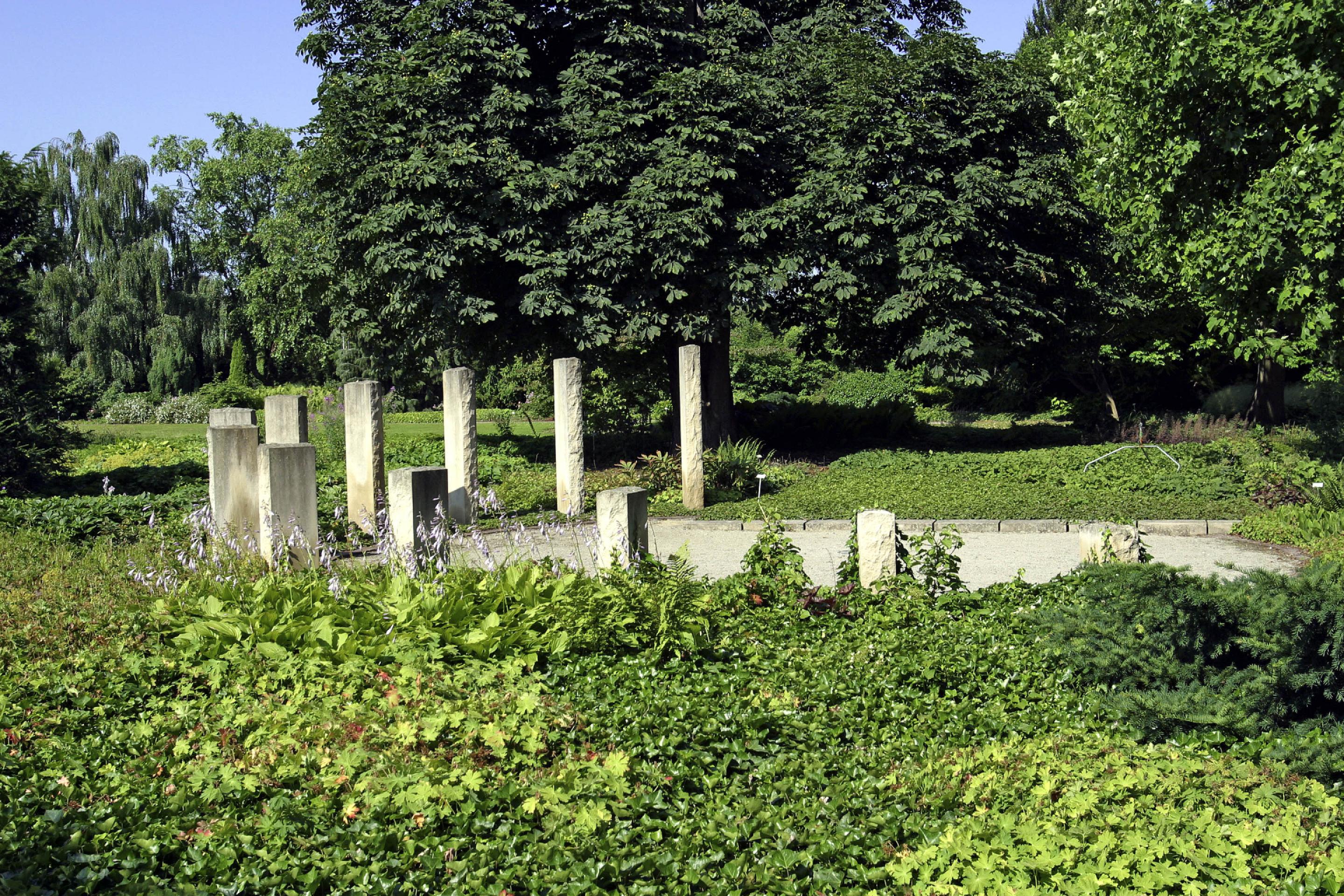
After the war, refugee housing and a preparation camp for emigration to Palestine, and later Israel, were set up on the premises of the former horticultural school. Since 1958, the Teaching and Research Institute for Horticulture at Ahlem has been located here; since the 1970s, a professional school for horticulture and floristry, the Justus-von-Liebig School, has been situated here. In 1987, the Ahlem Memorial was opened on this site as the central place of remembrance for the Hanover region. In 1993, a memorial was set up on the site of the former Sukkah: Standing in a semi-circle are twelve granite steles, symbolising the twelve tribes of Israel as well as the twelve destroyed Jewish communities from the area of Hanover.
Possibilities

Permanent exhibition, workshops and guided tours

Open

Tuesday and Wednesday 10 a.m. to 5 p.m.
Thursday 10 a.m. to 7 p.m.
Friday 10 a.m. to 2 p.m.
Sunday 11 a.m. to 5 p.m.
Closed on Monday, Saturday and on holidays

Contact

http://www.gedenkstaette-ahlem.de/

gedenkstaette@region-hannover.de

+49 (0)511 616 237 45

Heisterbergallee 8
30453 Hannover