Skip to content

Albanian National Historical Museum

Muzeu Historik Kombëtar


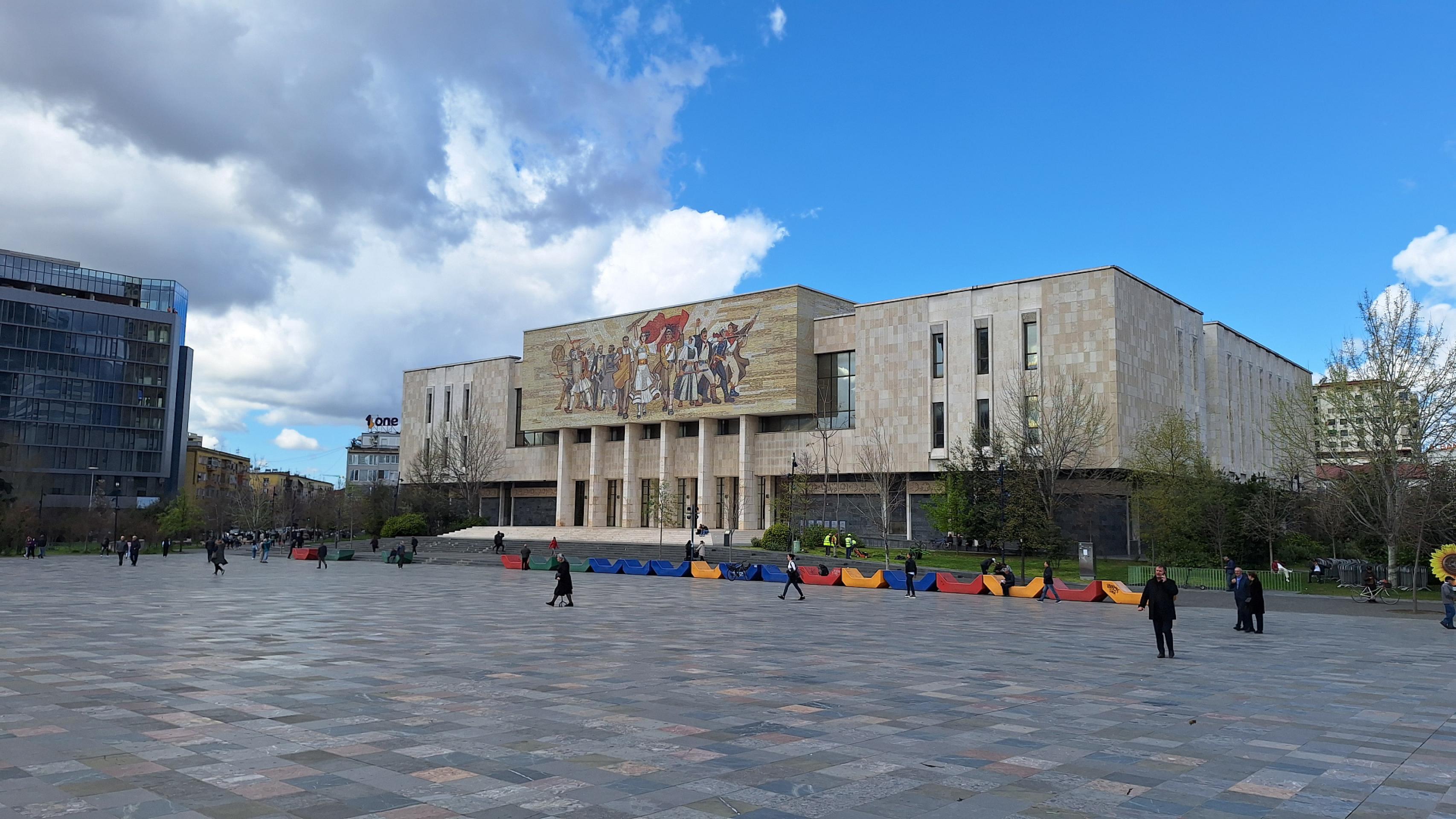
The National Historical Museum in the Albanian capital city of Tirana is the country's largest museum. It deals with all of Albanian history, including World War II and the Albanian resistance movement.

History

On April 7, 1939, the Kingdom of Albania was occupied by Germany's ally Italy, and Albania became a puppet state of Mussolini's control. In 1941, after Yugoslavia was dismembered, Kosovo and parts of Macedonia were incorporated into the Albanian state.
There was resistance against the Italian occupation from the very beginning, and gradually the communists, who closely cooperated with the Yugoslav partisans of Tito, played a leading role in the partisan movement. Following Italy's armistice with the Allies in September 1943, German troops invaded Albania. However, they were not able to gain complete control of the country: the resistance movement grew in strength, despite the »reprisal measures« carried out by the occupying forces - such as in the village of Borova. The partisans finally managed to force the Wehrmacht to retreat in autumn 1944.
Victims

The exhibition honours, amongst others, the victims of the Albanian resistance movement against the Italian and German occupation as well as the victims of the communist regime after 1945.

In April 1939 the Kingdom of Albania became a »Protectorate« of Italy, which had been a dictatorship under Benito Mussolini (1883–1945) and his fascist party since 1922. Although Mussolini did implement »racial laws« in Albania, he refused to hand Jews over to the Third Reich. Albania had a small Jewish community. In 1930, there were 204 persons of Jewish faith registered as living in Albania. After the events of 1933 and 1938 a small number of refugees from Germany and Austria added to this figure, as did an unknown number of refugees who came to Albania from occupied Yugoslavia and Greece in 1941. After Italy had broken its alliance with Germany in 1943 and concluded a ceasefire with the Allies, Albania – like all Italian territories – was occupied by the Wehrmacht and SS. Once it became apparent that the Albanians were unwilling to cooperate with the Germans, in spring 1944 the SS deported more than 300 Jews from the hitherto Serbian province of Kosovo - annexed to Albania since 1941 - to the Bergen-Belsen concentration camp. In addition, 500 non-Jewish Albanians were deported to the Mauthausen concentration camp near Linz in Austria. Only 23 of them survived. The German occupation forces were assisted in these deportations by the SS »Skanderbeg« division, which consisted of Kosovan and Albanian volunteers along with forced recruits and was also deployed in the anti-partisan campaign. The division was named after a national hero, Prince Georg Kastriota (1405–1468), also known as Skanderbeg. He is celebrated for defending Albania against the Ottoman Empire. Yet most Christian and Muslim Albanians endeavoured to protect Albanian Jews. Faced with increasing Albanian resistance, the German occupying forces withdrew from the country in autumn 1944. The minimal research carried out into the Holocaust in Albania thus far has yielded contradictory results. The estimated number of victims ranges from under one hundred to over 200. A total of around 30,000 Albanians lost their lives in World War Two. Under the dictator Enver Hoxha (1908–1985), the communist resistance was the dominant feature of post-war remembrance. Decades after his death, this limited perspective was still apparent in a room in the monumental National History Museum in Tirana, as well as in the national military museum in the southern Albanian town of Gjirokastra, the birthplace of Hoxha and a UNESCO World Heritage site. There are only few memorials to the victims of the Holocaust, though in recent years, the history of the Albanian rescue operations is increasingly being addressed. A new Holocaust memorial was inaugurated in Tirana in 2020. Moreover, a museum is to be built in Tirana in the near future that will tell the story of the Jews in Albania and also focus on the rescue operations during the Holocaust.

Remembrance

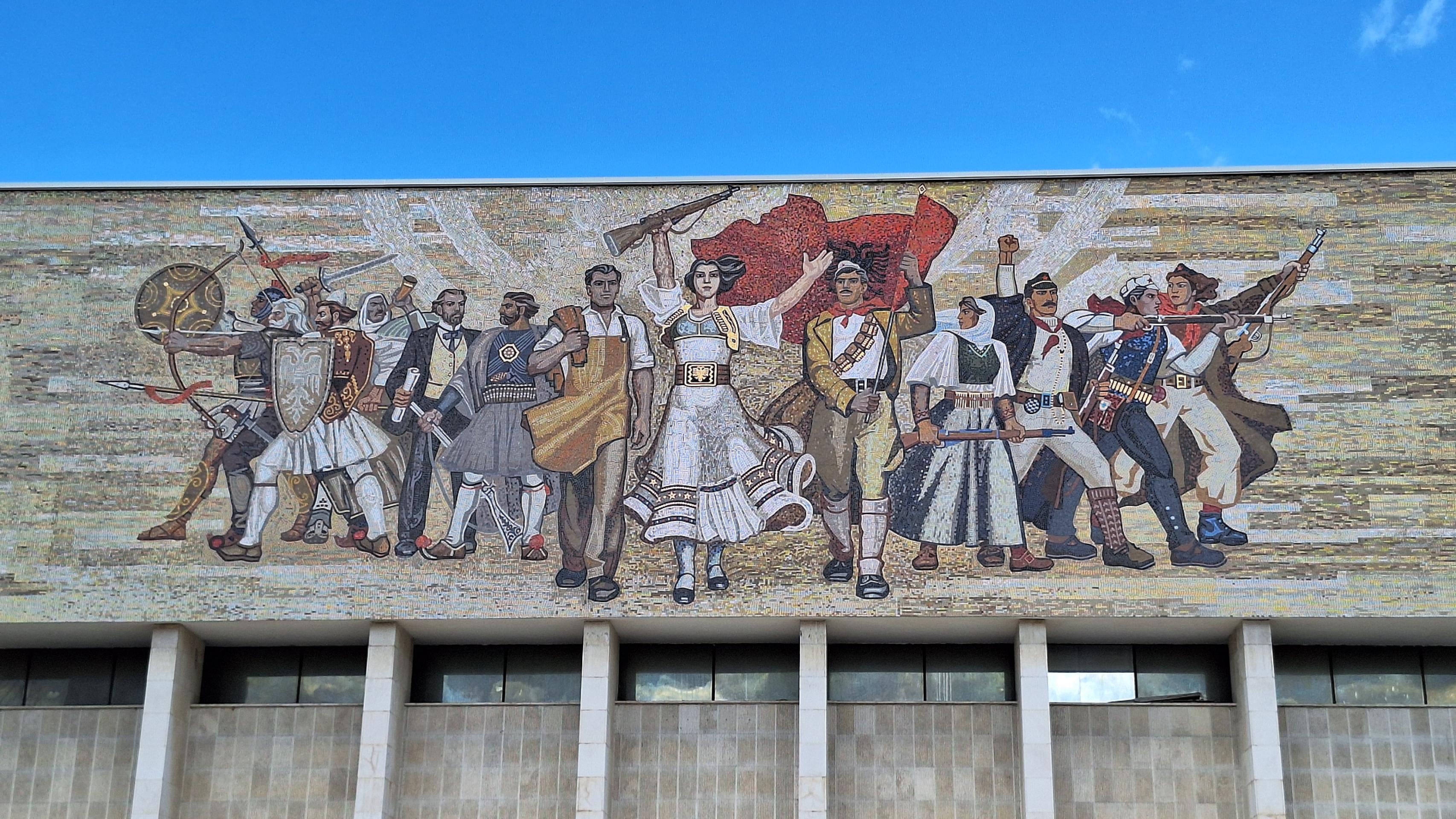
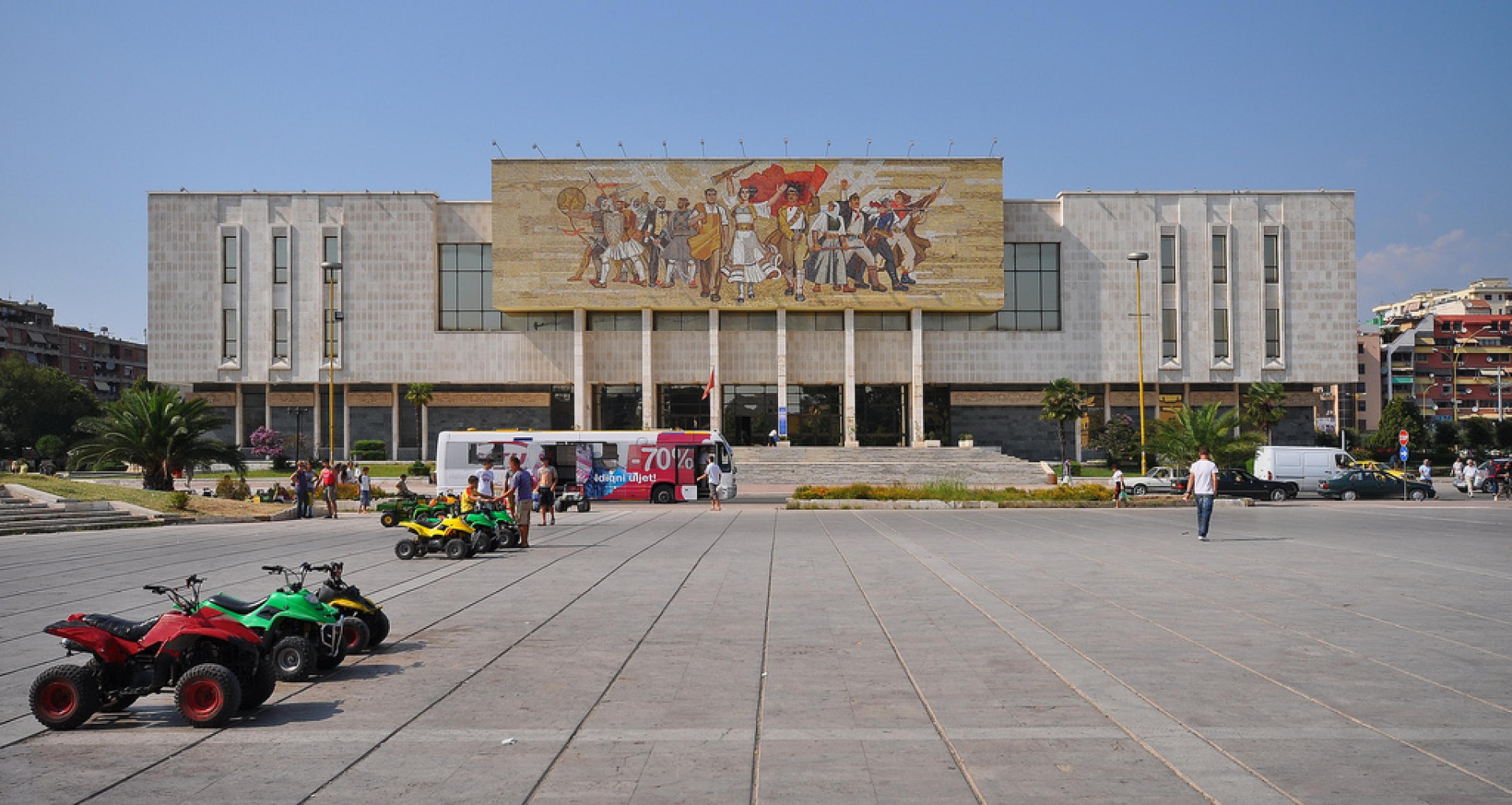
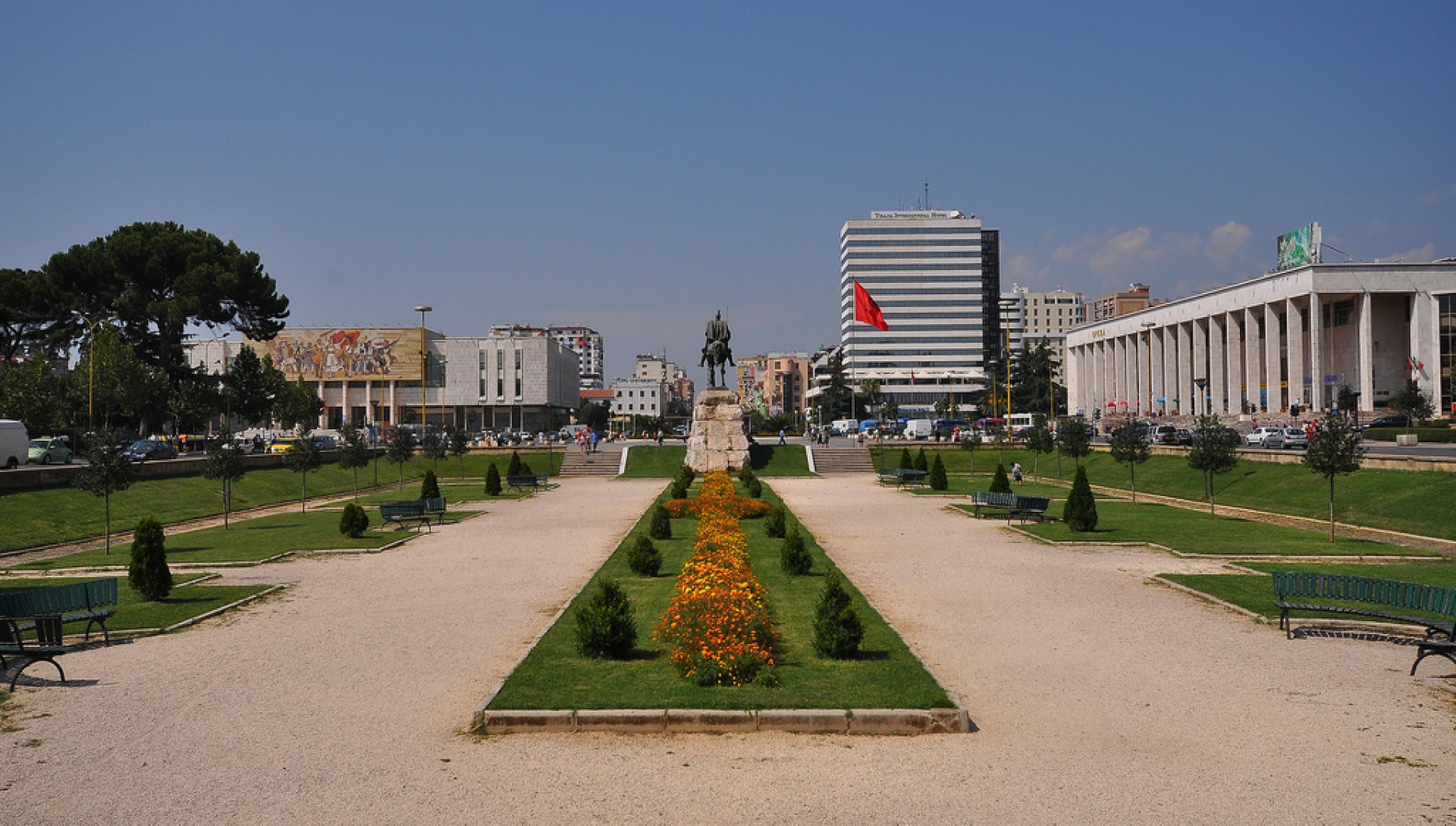
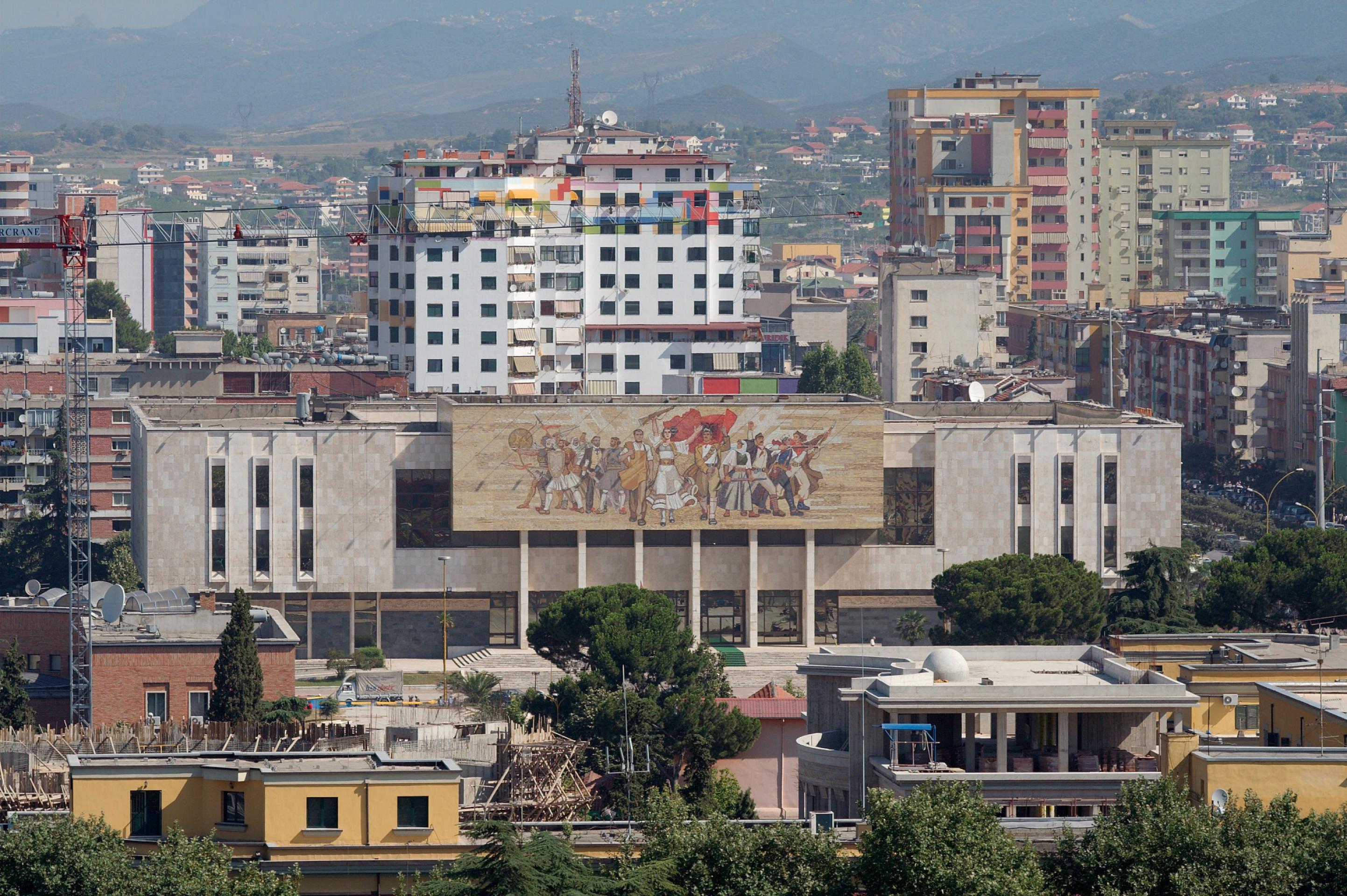
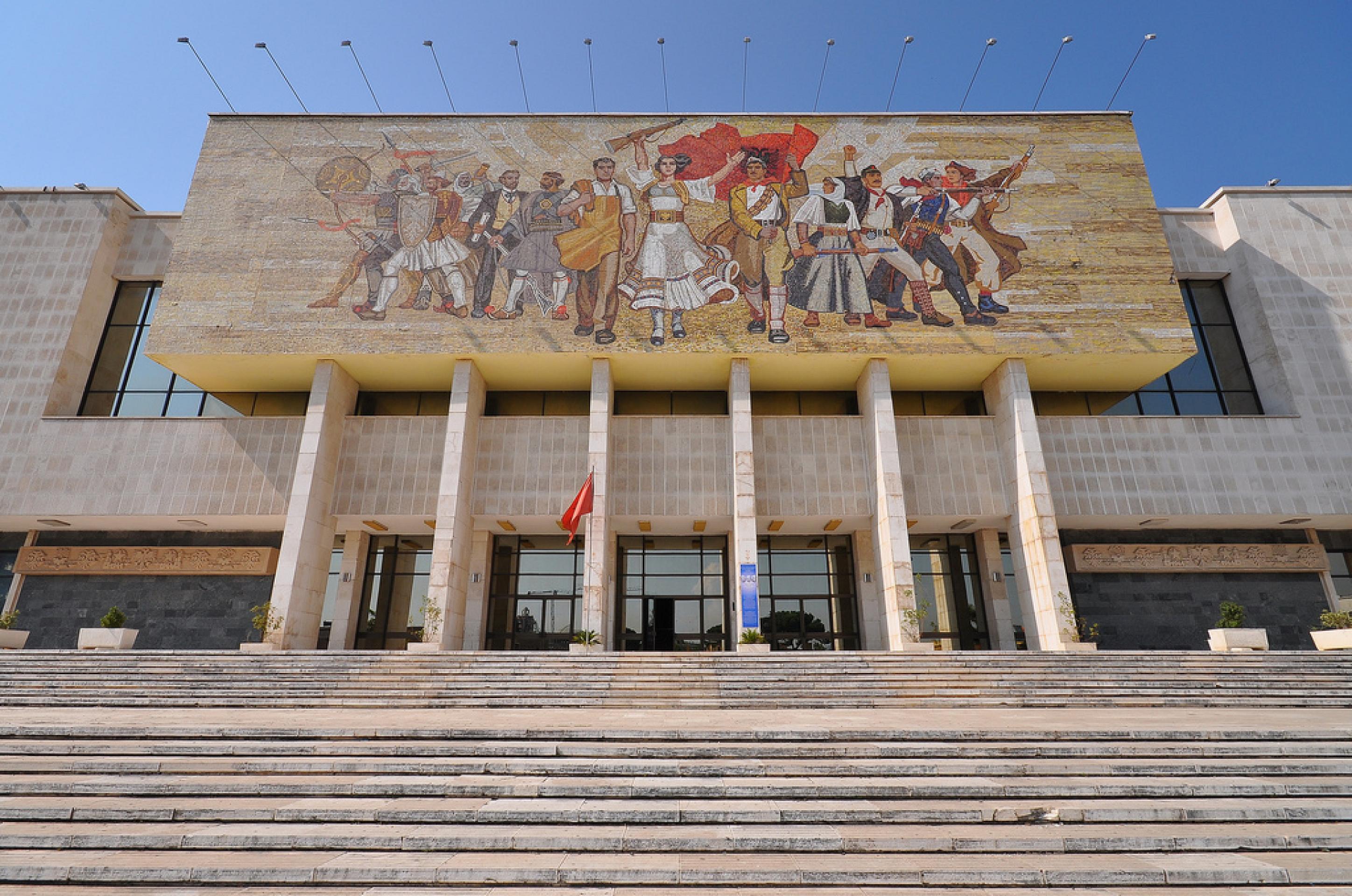
The National Historical Museum, opened on October 28, 1981, is the largest museum in Albania. It is located in the city centre of the capital Tirana, close to the Palace of Culture. The historic town hall was torn down in order to make space for the new construction. Today, the museum is one of the most important landmarks of the city. Until 1991, a statue of the long-standing dictator Enver Hoxha (1908-1985) stood in close vicinity - it was taken down following the collapse of the communist regime. On the façade of the building is a large mosaic entitled »Shqiptarët« (English: the Albanians). One of the centrepieces of the mosaic used to be a red star, but it was removed in the 1990s. The museum presents the history of Albania beginning in the stone age. The exhibition concentrates on Skanderbeg, the Albanian national hero who lived in the 15th Century. A separate room is dedicated to the Albanian resistance movement against the Italian and German occupation regimes during World War II.
Possibilities

Permanent exhibition (there is an English translation for some of the content), museum shop

Open

Tuesday to Saturday 10 a.m. to 5 p.m., Sunday 9 a.m. to 2 p.m.

Contact

http://www.mhk.gov.al/

dorian.koci@mhk.gov.al

+355 422 239 77

Sheshi »Skënderbej«
1001 Tirana