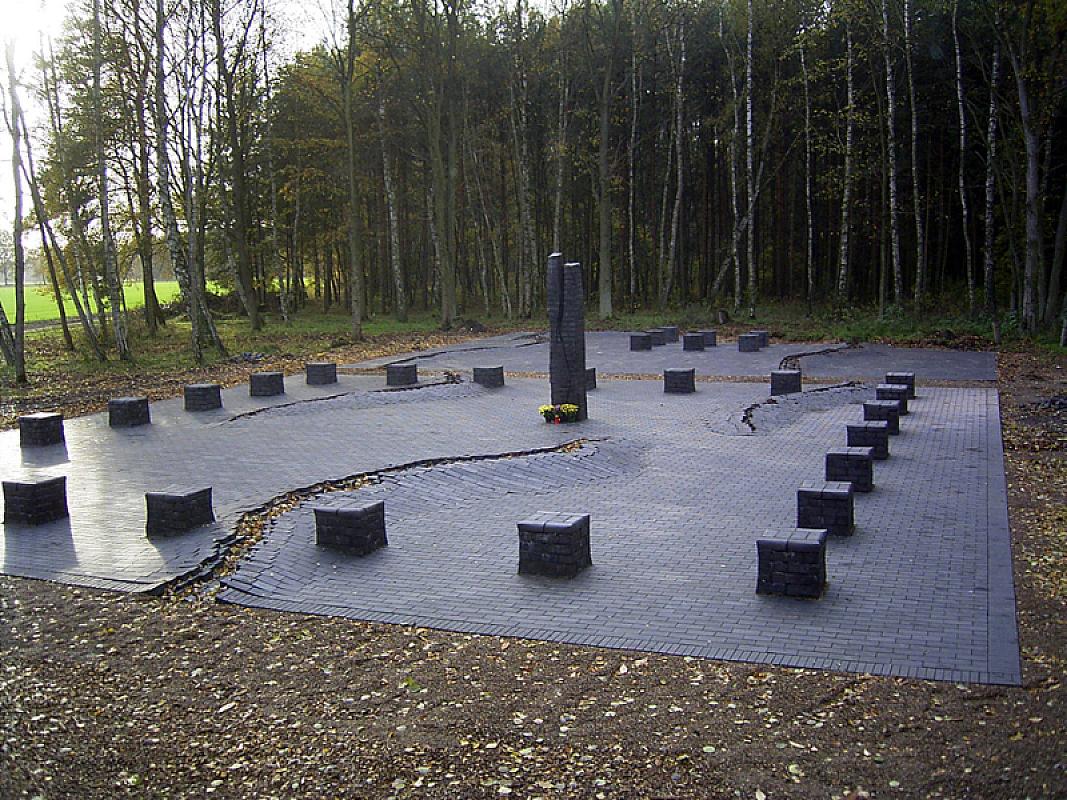
Alcide Cervi Institute, Reggio Emilia/Cervi Museum, Gattatico
Istituto Alcide Cervi di Reggio Emilia/Museo Cervi di Gattatico
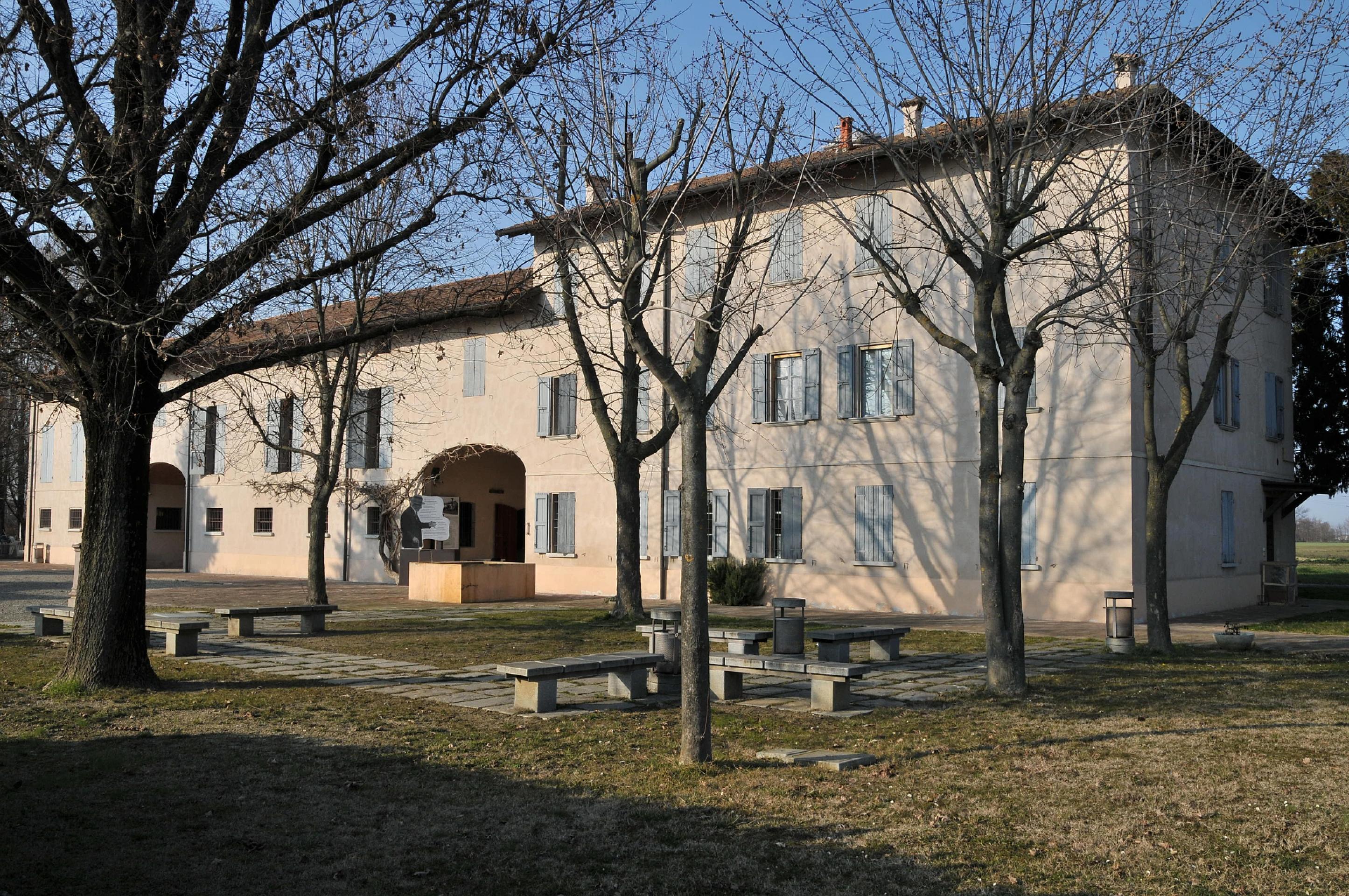
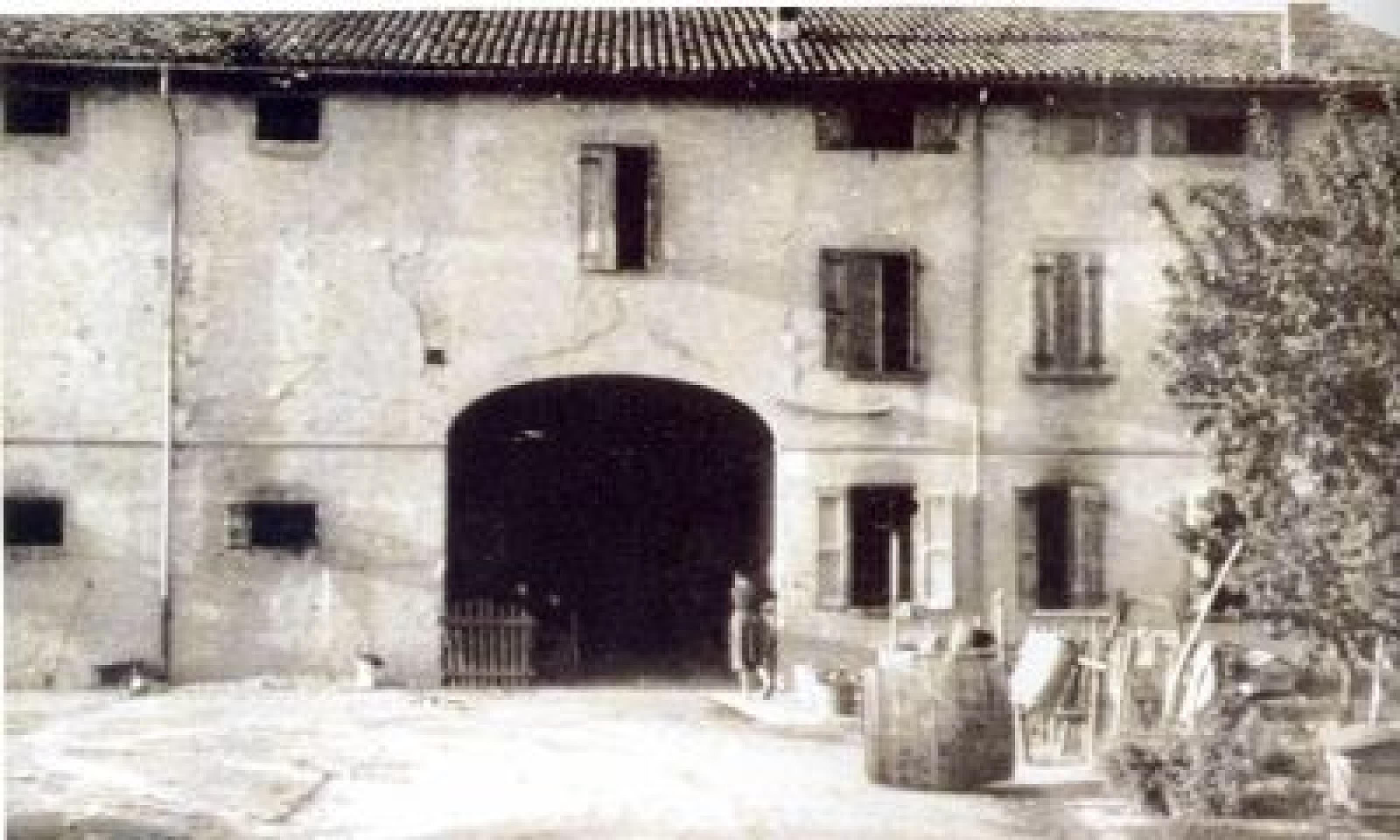
The farmhouse of the Cervi family was a safe haven for resistance fighters against the German occupation and Italian fascism. In November 1943, Italian fascists raided the house, and in December, the seven Cervi brothers were shot. Since 1972, the house has been home to the institute and museum Alcide Cervi, named in honour of the father.
History
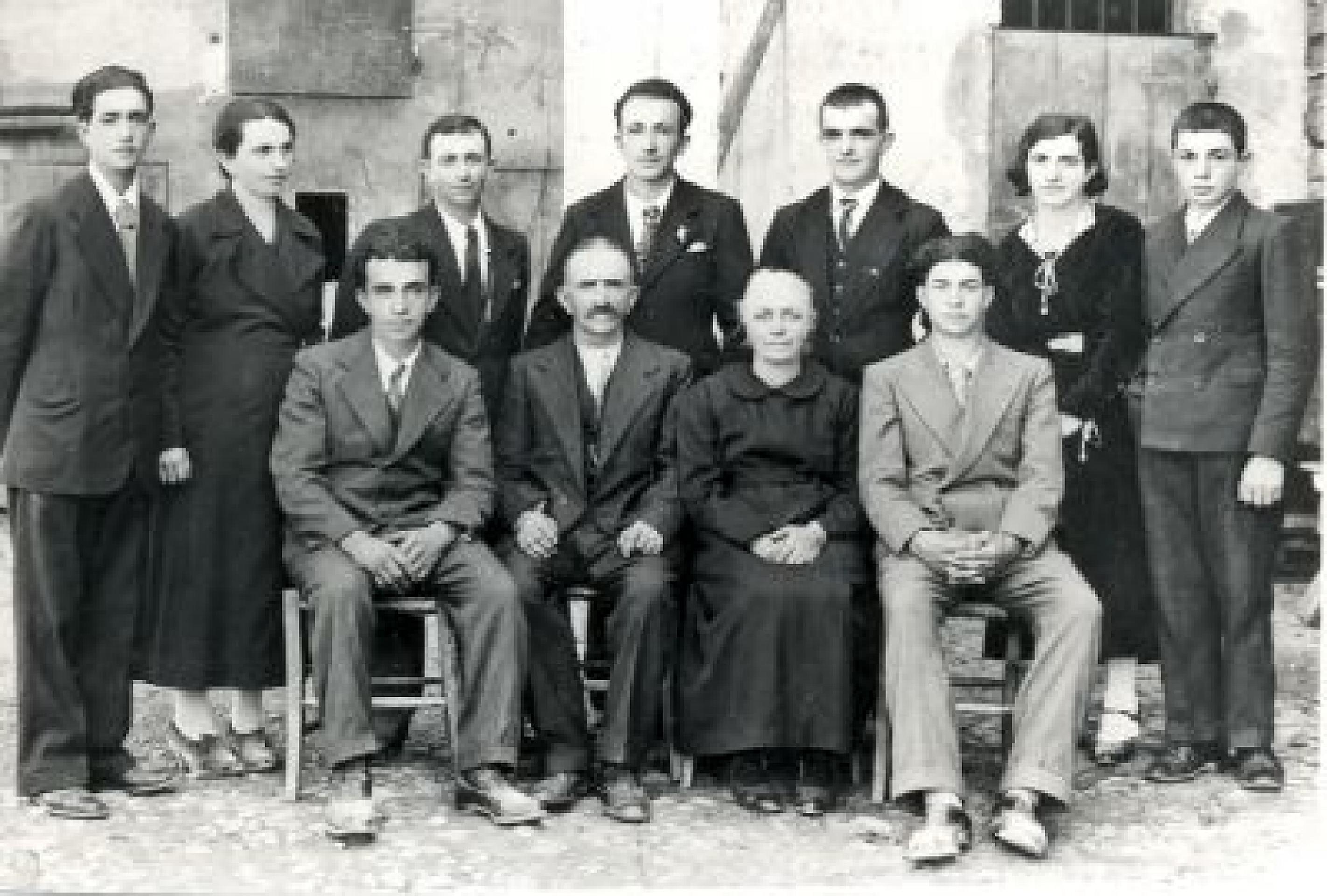
Alcide Cervi and Genoveffa Cocconi married in 1899. Between 1901 and 1921, they had seven sons and two daughters. In 1934, the family moved into a farmhouse in Campi Rossi in the Gattatico commune, where the family-run farm was established. Like many families in the region of Emilia-Romagna, the Cervi family began supporting socialist ideas after the First World War. After 1922, when the fascists came to power, the Cervis actively supported the resistance movement, working closely with many other families of peasants. Several family members received prison sentences, and in prison they came in touch with anti-fascist intellectuals. At the beginning of the Second World War, when farmers were forced to give up large parts of their produce, resistance grew among them. Following Italy's armistice with the Allies on September 8, 1943 and the subsequent occupation of northern Italy by the Germans, the Cervi brothers managed to unite several conflicted resistance groups and jointly establish the »Cervi Band«, the first partisan formation in the region. The group, which comprised well-known anti-fascists and former Soviet prisoners of war, regularly met at the Cervi family home; fugitives and persecuted people could hide there. On November 25, 1943, Italian fascists opened fire on the house during a meeting of the »Cervi Band«. The resistance fighters were taken into captivity and brought to the »dei Servi« prison in Reggio Emilia. The seven Cervi brothers were shot on December 28, 1943, by order of the fascist police chief of Reggio Emilia, Enzo Savorgnan. In October 1944, the home of the Cervi family was set on fire. Not long afterwards, the mother – Genoveffa Cocconi – died.
Victims
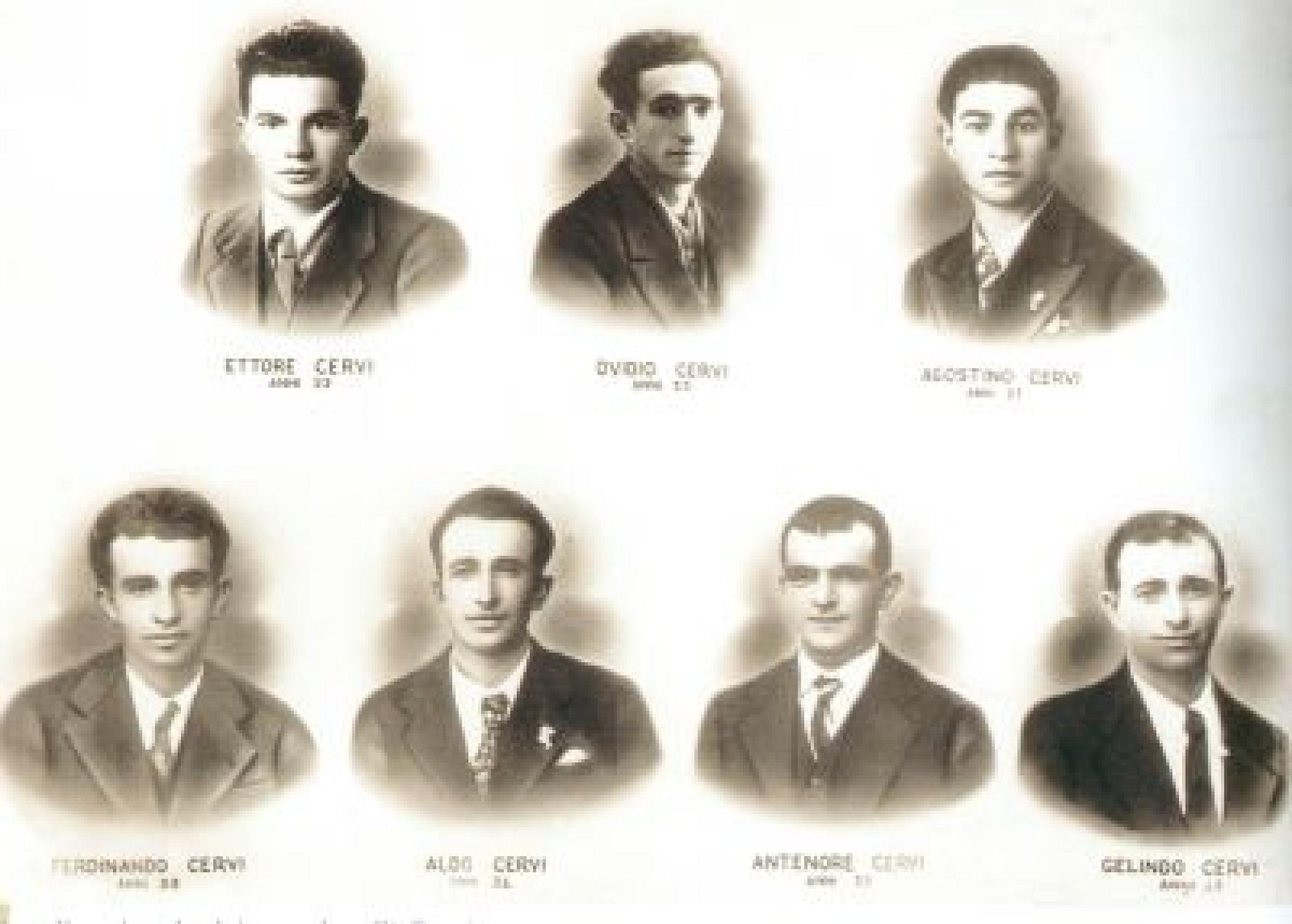
Already at the end of the 1930s the home of the Cervi family was a place of refuge for anti-fascists. Opponents of Italian fascism, draft resisters, deserters or soldiers unaffiliated after September 8, 1943, could hide at the Cervi house. Among those who sought refuge here were also former prisoners from the Fontanellato (Parma) and Fossoli (Carpi) camps. The seven brothers who were shot on December 28, 1943, were called Gelindo, Antenore, Aldo, Ferdinando, Agostino, Ovidio, and Ettore Cervi. They were aged between 22 and 42. Their friend and comrade Quarto Camurri, a deserter of the fascist »Republican National Guard« was shot together with the brothers. Other members of the »Cervi Band« were also arrested.
Remembrance
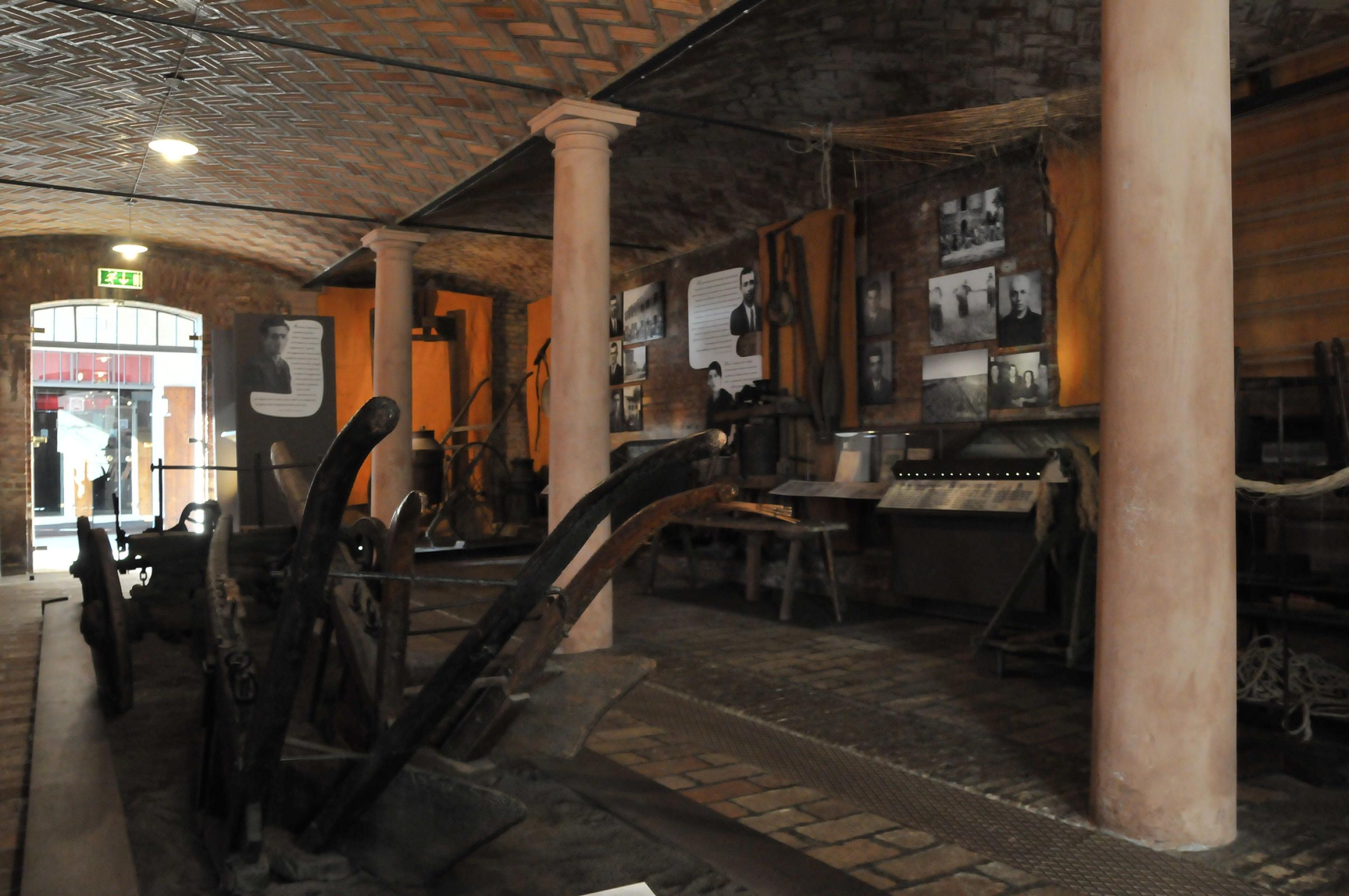
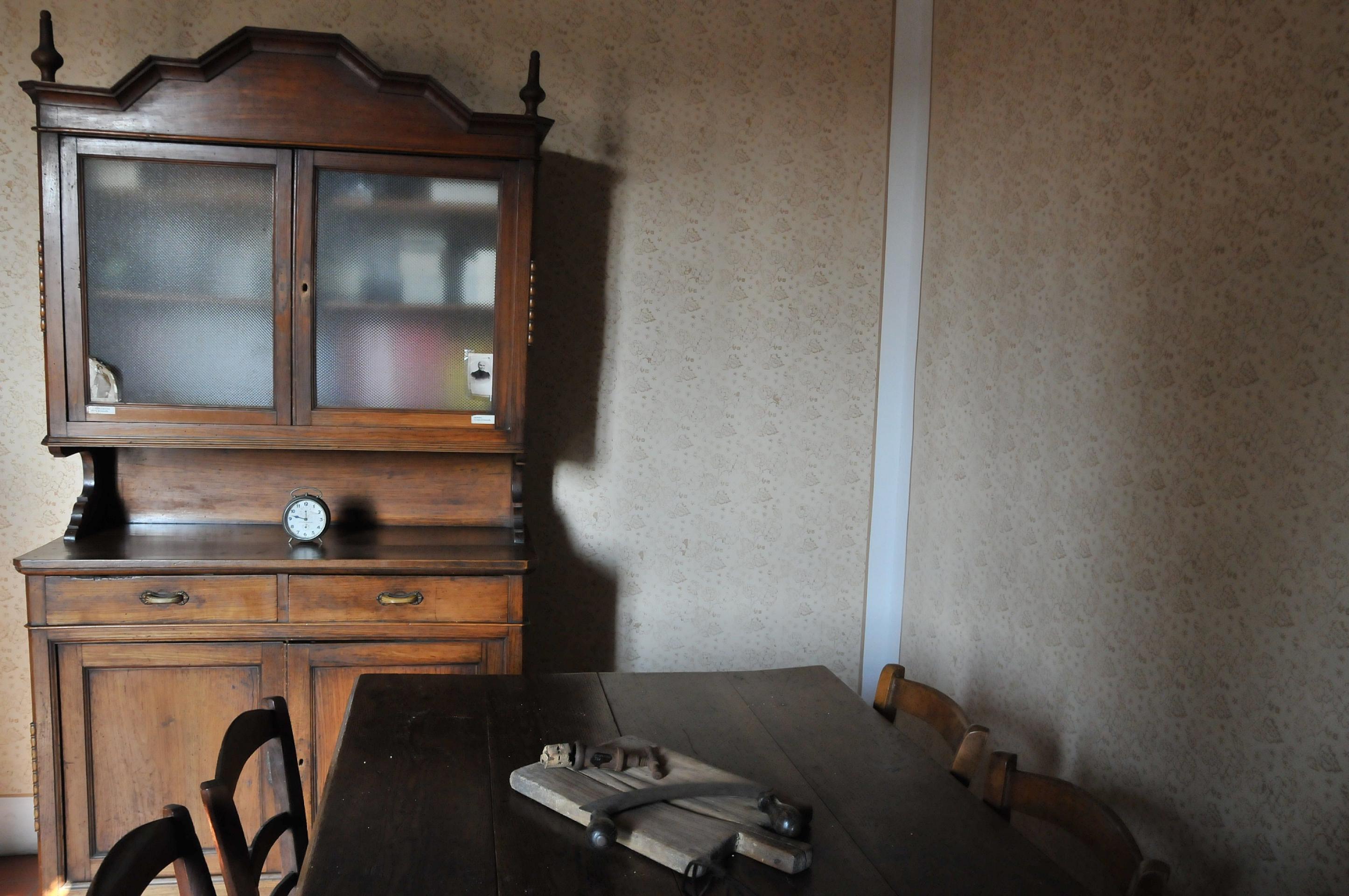
The seven Cervi brothers could only be buried officially after the liberation, on October 28, 1945. The father, Alcide Cervi, held a memorable speech during the funeral on the cemetery in Campegnine, saying: »I do not demand revenge, but justice«. In 1947, he was given seven posthumously awarded medals of bravery. The Cervi family home became a place of pilgrimage: individual citizens, holders of political offices and groups from partisan associations visited the house. In 1960, parts of the old farmhouse were reconstructed in order to be able to accommodate visitors. On April 24, 1972, the »Alcide Cervi Institute« was founded in Reggio Emilia on the initiative of the »National Association of Italian Partisans«, the »National Farmers' Association« and the Gattatico commune. The institute mainly deals with anti-fascist resistance in the countryside. In 1975, the entire Cervi family home was converted into a museum. Personal objects that belonged to the Cervis testify to the family's history, presenting their life in the countryside as well as their motivations for being politically active. The narrative is embedded in a broader history of the region.
In 1955, Alcide Cervi's book »My Seven Sons« was published. When he died in 1970 – aged 95 – over 200,000 people came to his funeral.
Possibilities
Guided tours for groups and schools by appointment, bookshop, library, film library, archive, gallery of paintings, publications, exhibitions, seminars
Open
March to October: Tuesday to Thursday 9 a.m. to 1 p.m., Friday to Sunday 10 a.m. to 1 p.m. and 3 p.m. to 7 p.m.
November to February: Tuesday to Friday 10 a.m. to 12.30 p.m., Saturday and Sunday 10 a.m. to 12.30 p.m. and 3 p.m. to 6 p.m.
Contact
museo@fratellicervi.it
+39 0522 678 356
Via Fratelli Cervi, 9
42043 Gattatico