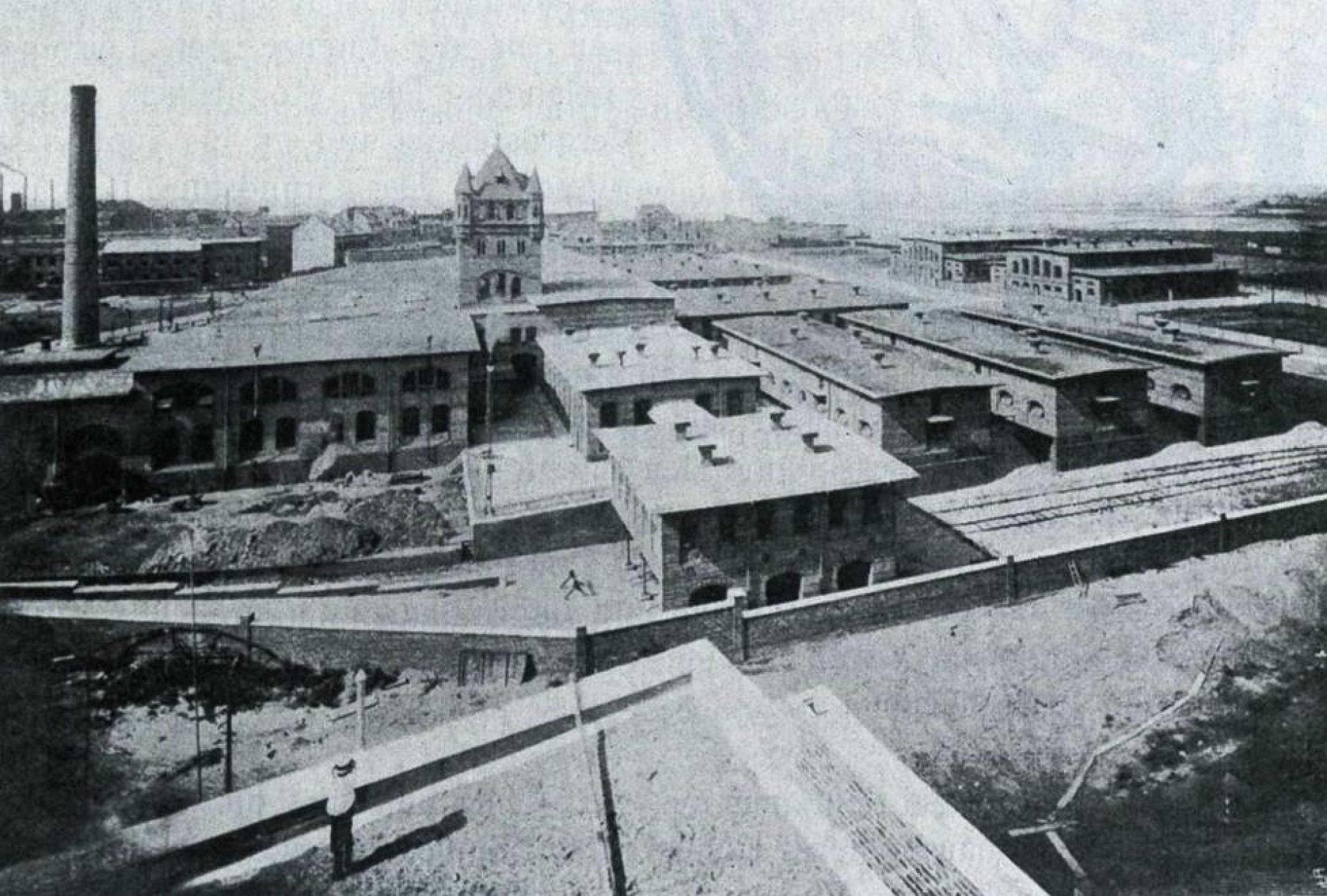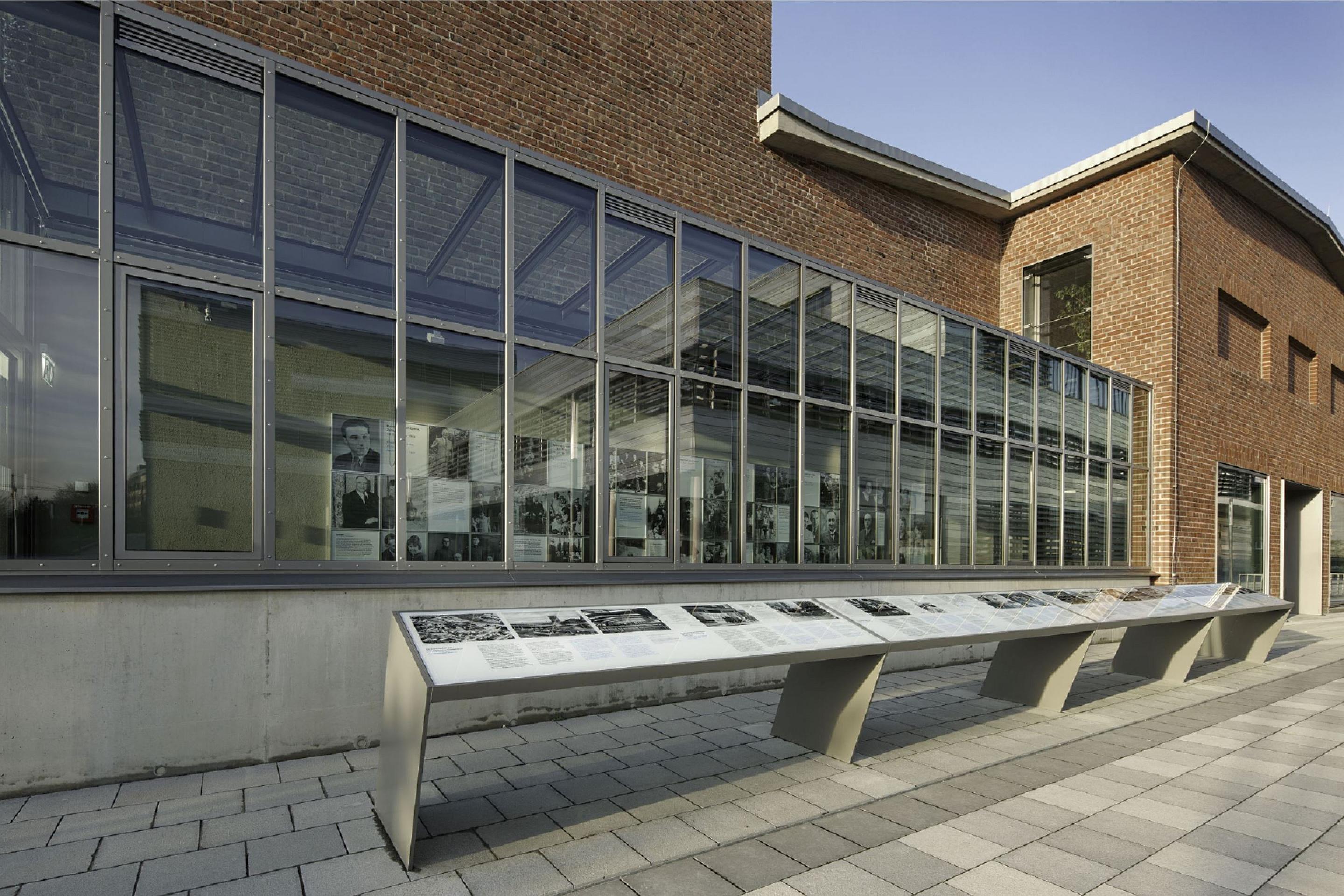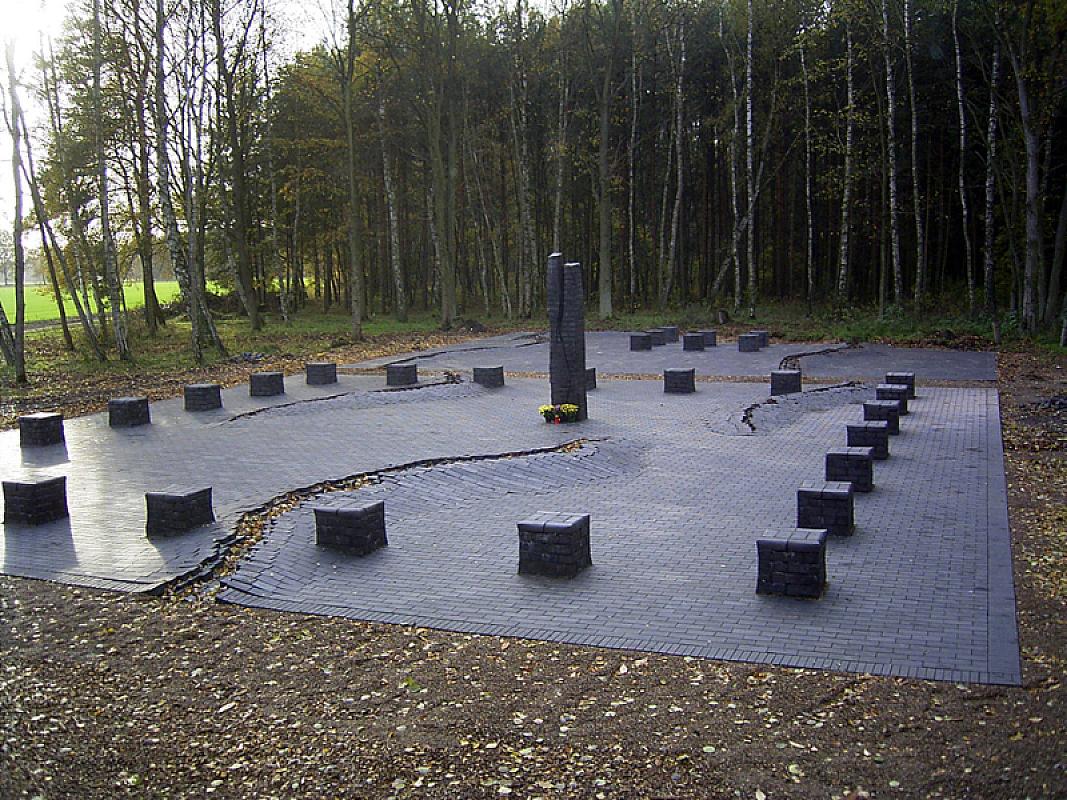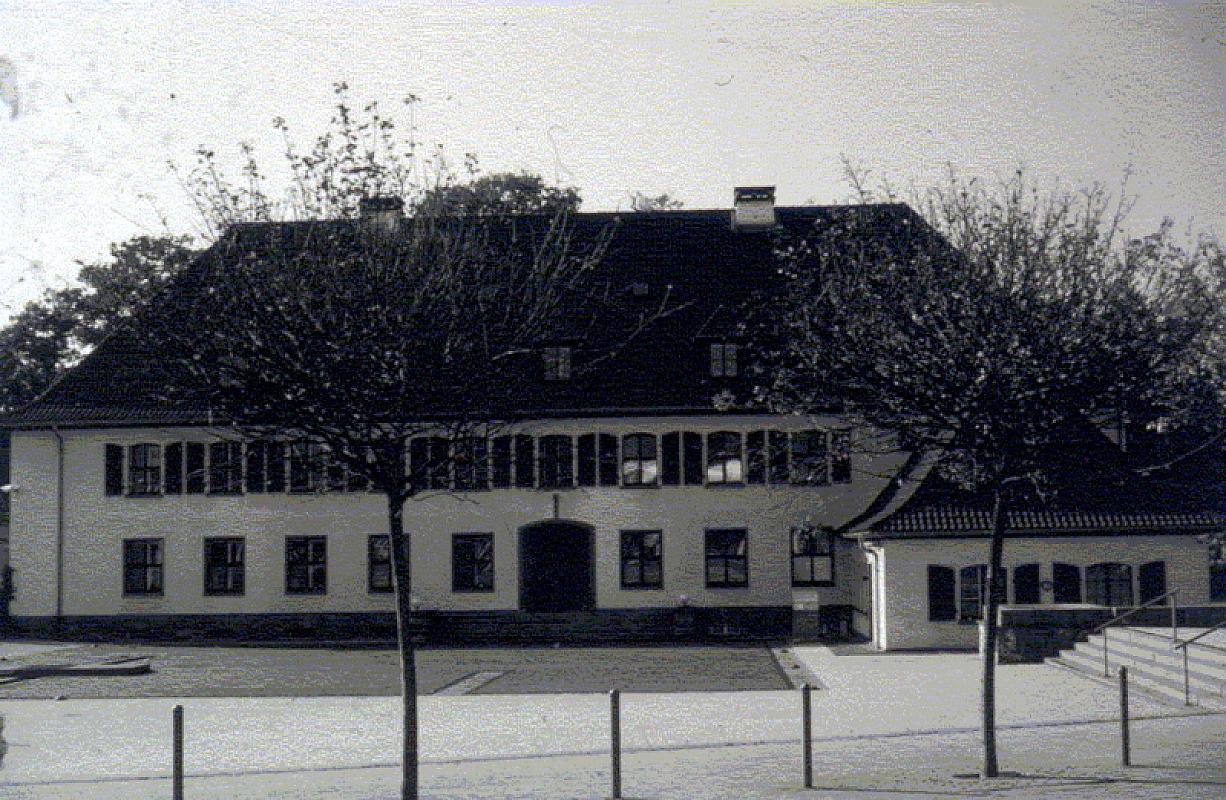
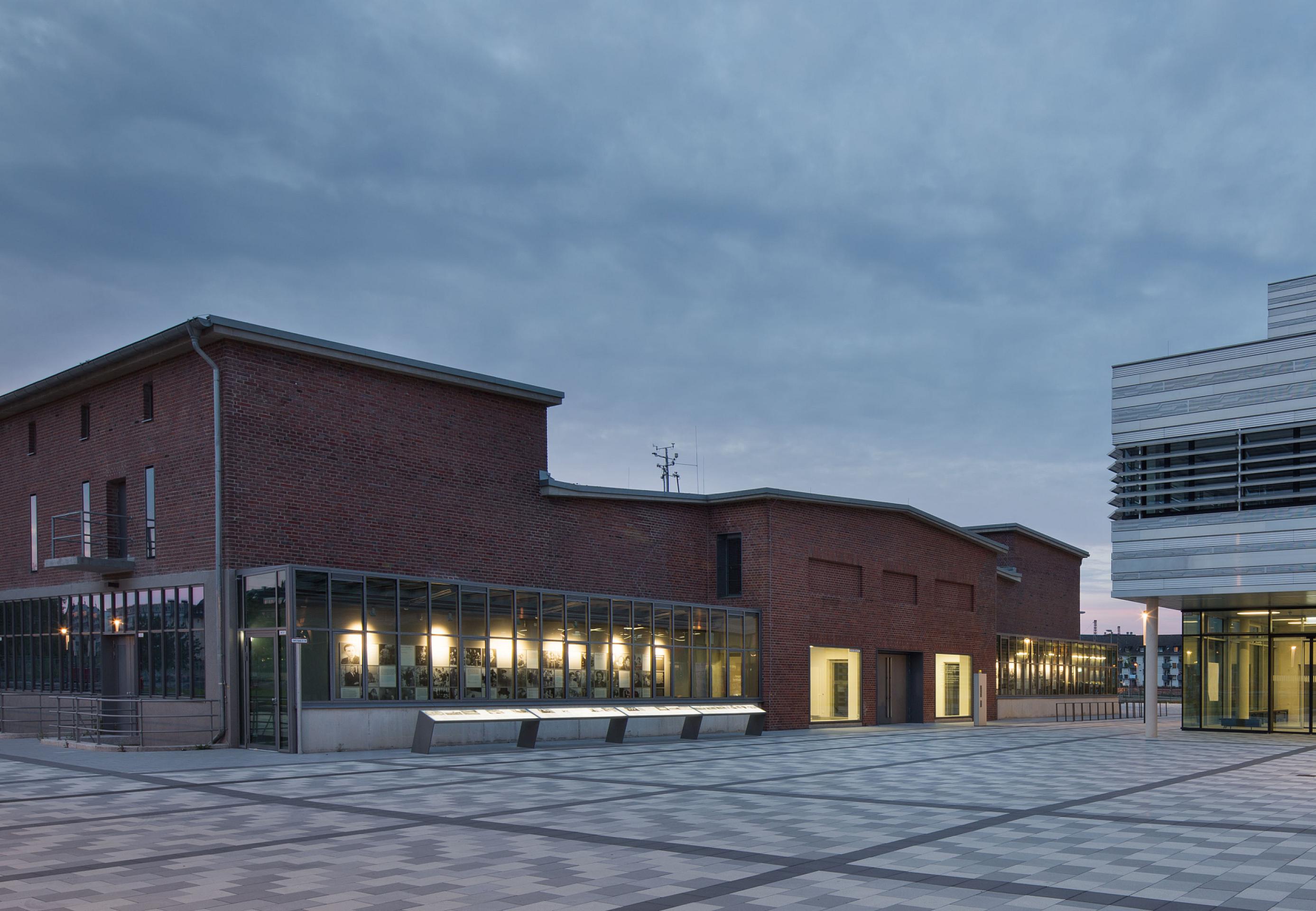
Since 2016, the »Alter Schlachthof« Memorial Centre on the campus of the Düsseldorf University of Applied Sciences commemorates the deported Jews of Düsseldorf and its surrounding region. The cattle market of a former municipal slaughterhouse was used by the Nazis as a collection camp for Jews prior to their deportation.
History
Jews have lived in Düsseldorf already in medieval times, but it was not until the 18th century that a Jewish community established itself in the city. Their numbers were never particularly high, but the Jewish community in Düsseldorf was famous for being one of the most liberal Jewish communities in Germany. Before the First World War, Jews accounted for 3,000 of the approximately 400,000 inhabitants of the rapidly growing city. 1904 saw the opening of the New Synagogue, and between 1907 and 1912, one of the best-known leaders of Liberal Judaism, Leo Baeck (1873–1956), served the community as its rabbi.
About 5,000 Jews were living in Düsseldorf when the Nazis came to power in 1933. Soon they were gradually pushed out of public life and from 1936 on, the Nuremberg racial laws discriminated against them even further. During the November pogroms of 1938, local Nazis and their sympathizers pillaged Jewish homes, arrested 141 Jews and destroyed the New Synagogue that was demolished soon thereafter. Many Jews chose to emigrate after this outbreak of open violence.
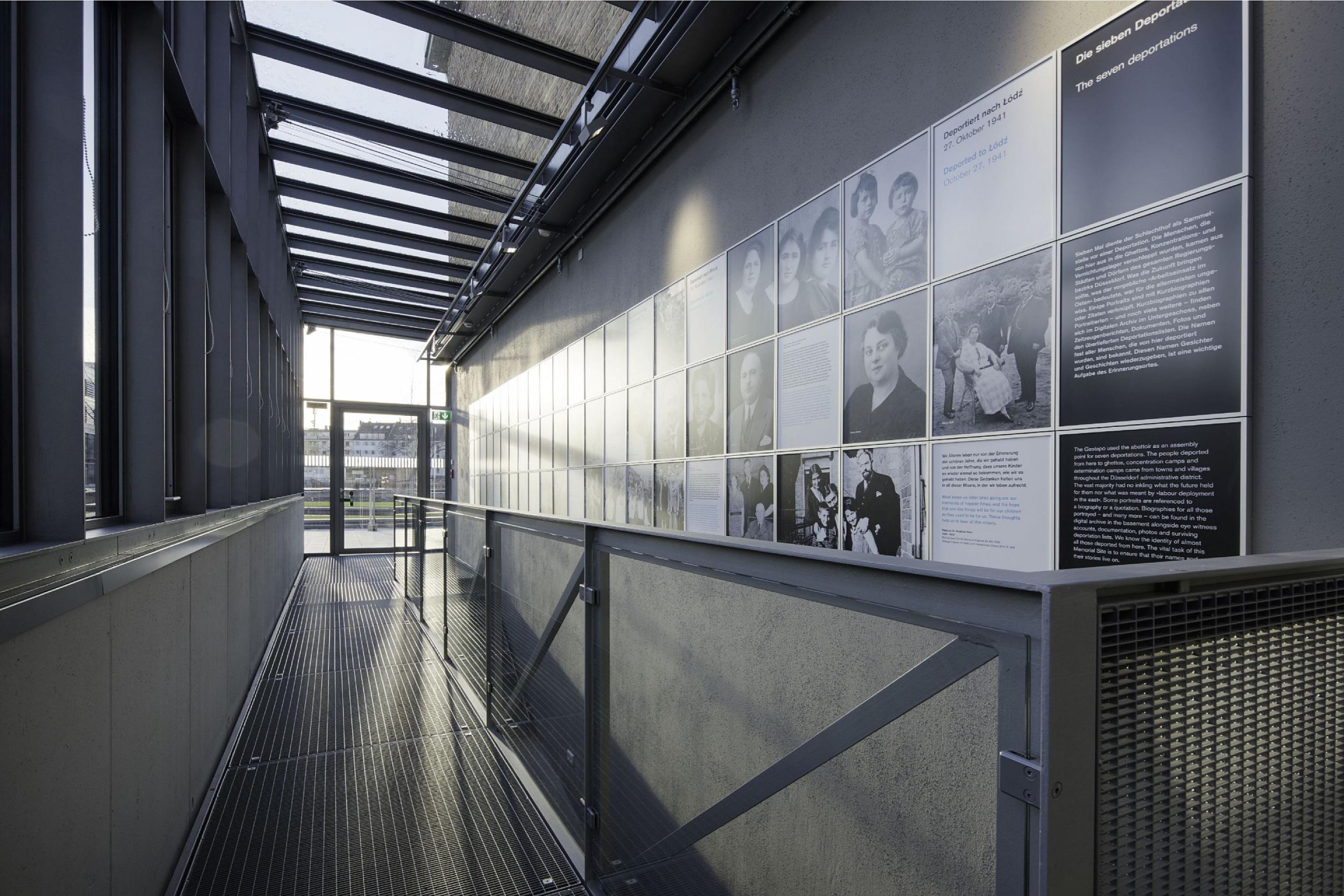
In 1941, the Nazi leadership began mass deportations of Jews from the German Reich to ghettos and extermination sites in the occupied territories of Eastern Europe. The first transport of approximately 1,000 Jews from Düsseldorf and its surrounding region left the city on October 27, 1941 in the direction of the Łódź ghetto. Another six transports from Düsseldorf followed to Minsk, Riga, Izbica and Terezín (German: Theresienstadt). Prior to all these transports, the Jews were rounded up in the stockyard of the municipal slaughterhouse directly adjacent to the freight station of Düsseldorf-Derendorf. Here they were registered and robbed of their belongings before forced to board the trains. The victims were from all over the region of Düsseldorf including cities like Essen, Mönchengladbach, Oberhausen and Duisburg.
Victims
Up to 6,000 Jewish men, women and children were deported in seven transports by the Nazi authorities from the Düsseldorf region to ghettos and extermination sites in occupied Eastern Europe. All of the victims had to pass through the collection camp in the slaughterhouse of Düsseldorf-Derendorf. Only a handful of them survived the Holocaust.
Remembrance
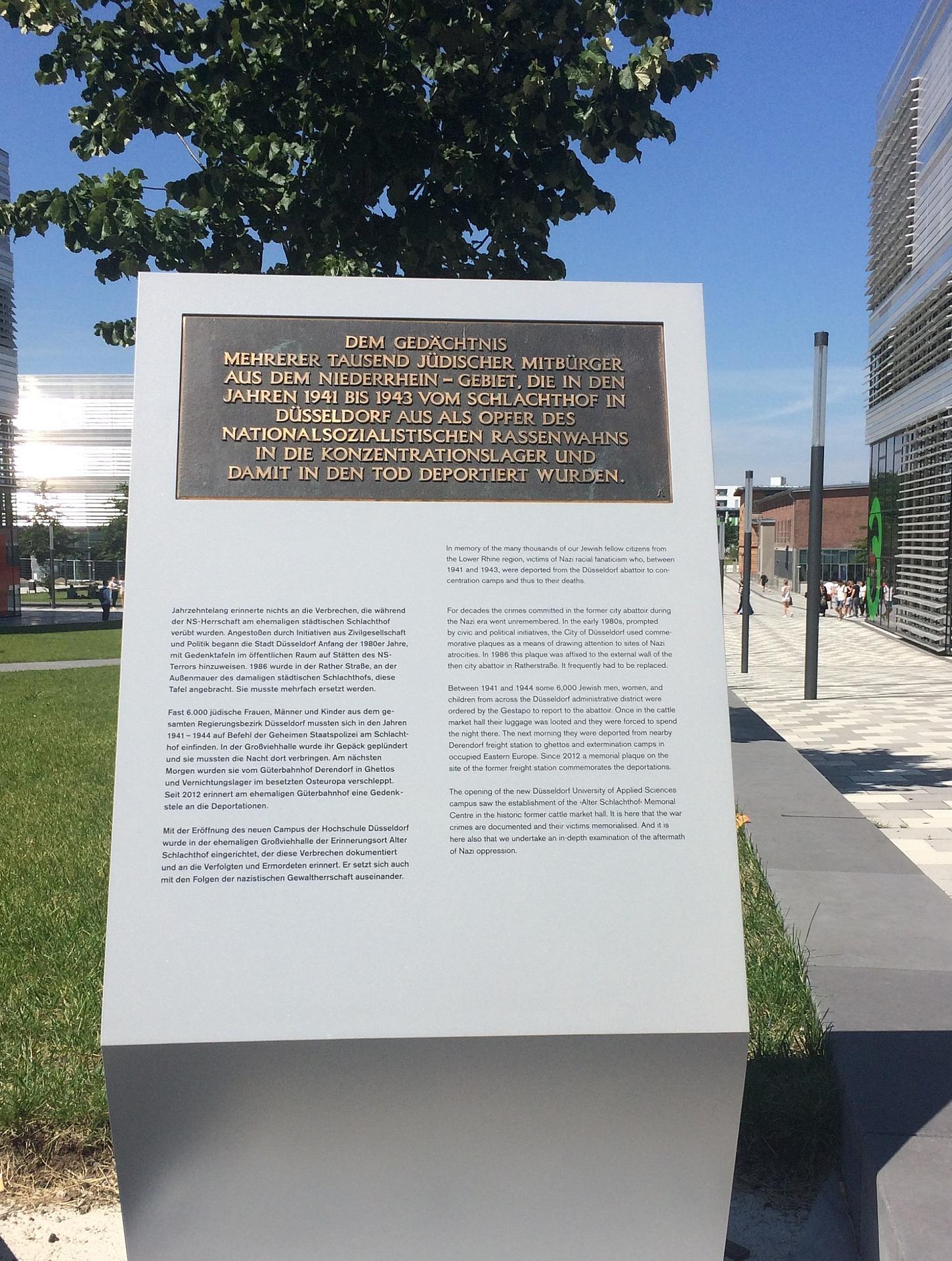
The municipal slaughterhouse in Düsseldorf-Derendorf opened in 1899 and remained in use up until 2002. Afterwards, the historical premises remained deserted, while only a small plaque commemorated the victims of the deportations. In February 2016 the new Düsseldorf University of Applied Sciences campus opened on the site of the former abattoir. Accorded conservation status, the former cattle market hall accommodates the Campus IT department and the University library. What was once the cattle market reception area is now the »Alter Schlachthof« Memorial Centre, designed and implemented by University staff and students.
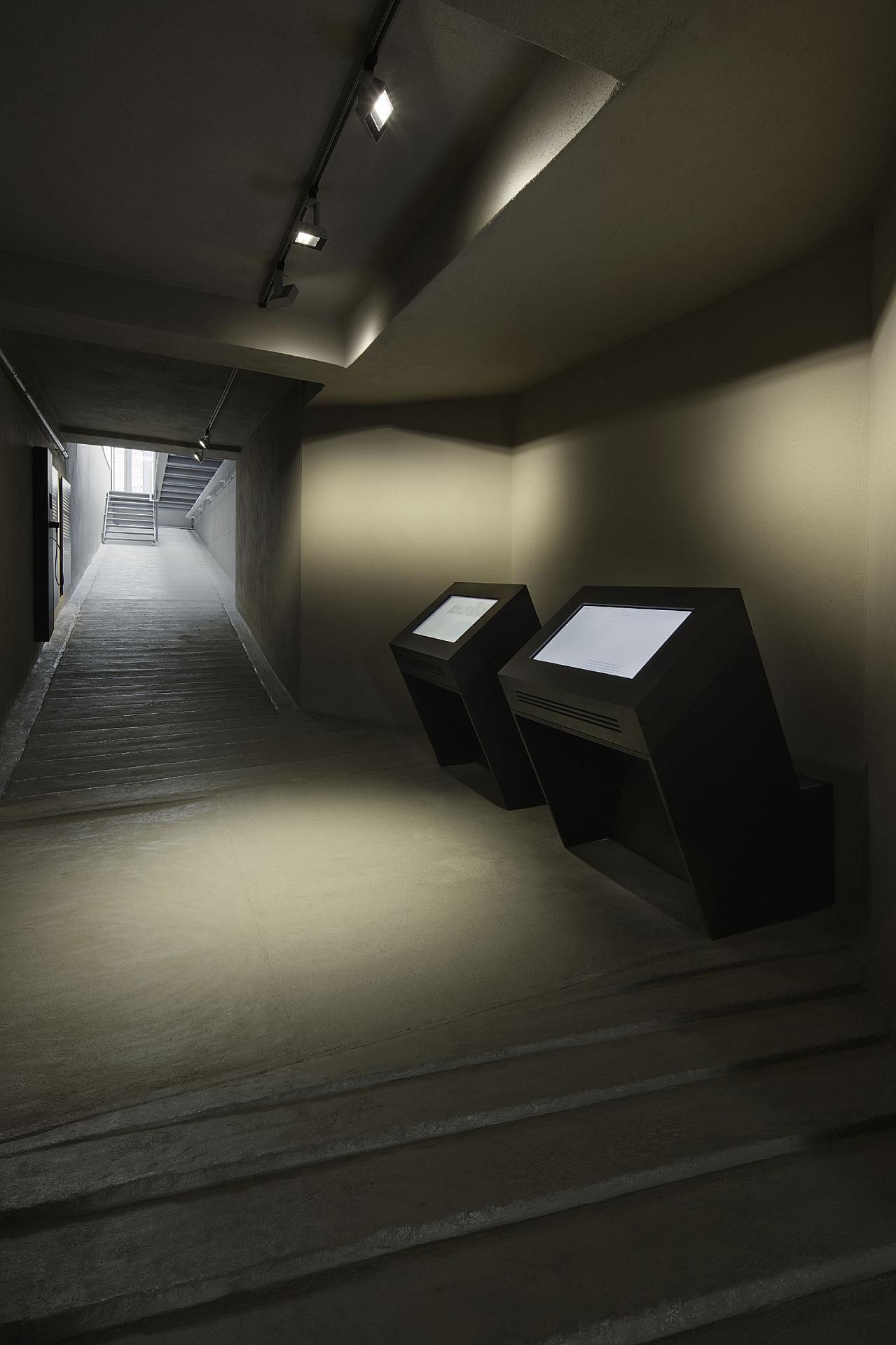
Located at the historical site, the permanent exhibition documents the crimes committed and reconstructs life stories. The digital archive shows numerous historical documents as well as biographical details and photographs of victims, perpetrators and profiteers. The centre also emphasises the significance of the remaining Holocaust survivors and addresses discussions on the aftermath of the Nazi dictatorship.
An educational programme, developed together with the University’s Centre for Research in Right-wing Extremism/Neonazism, complements the exhibition. Guided tours, workshops, readings and lectures provide the narrative for the historic site and the people of the region who were deported to ghettos and extermination camps. Also addressed are contemporary issues such as racism, antisemitism, right-wing extremism, social exclusion and the treatment of minorities.
Possibilities
Permanent exhibition, digital archives, public guided tours, workshops, lectures
Open
Monday to Friday: 8.00 a.m. to 8.00 p.m.
Saturday: 11.00 a.m. to 7.00 p.m.
Closed on Sundays and on holidays
Contact
http://www.erinnerungsort-duesseldorf.de
info@erinnerungsort-duesseldorf.de
+49 (0)211 435 133 70
Münsterstraße 156
40476 Düsseldorf