The Argelès-sur-Mer internment camp was opened in early 1939 to accommodate Republican refugees from the Spanish Civil War. However, after the outbreak of World War II, the French authorities reorganised the camp to detain people considered »undesirable«—notably Jews, as well as Sinti and Roma. Today, a memorial and several monuments in the city of Argelès-sur-Mer commemorate the camp’s history and the experience of its detainees.
History
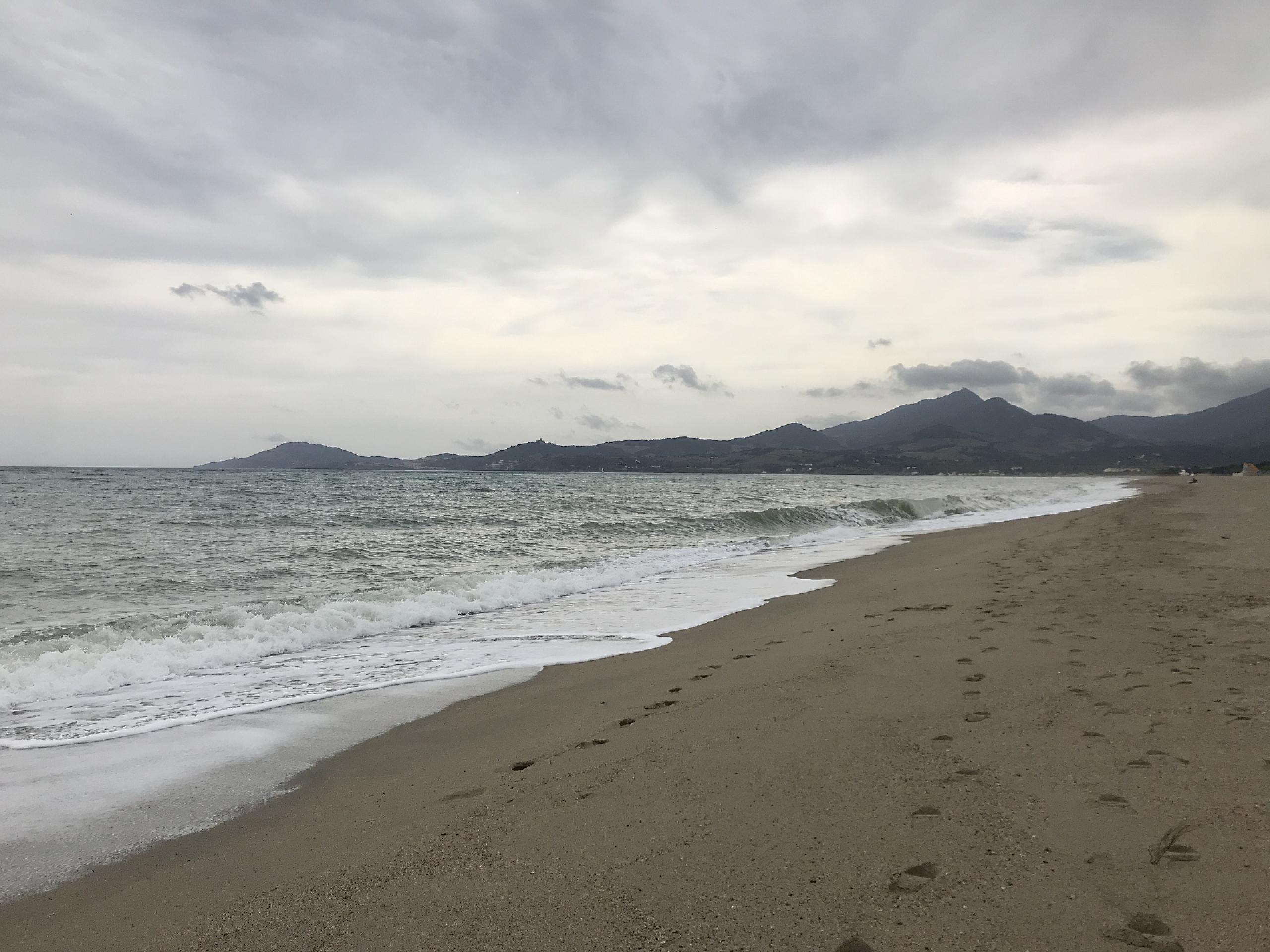
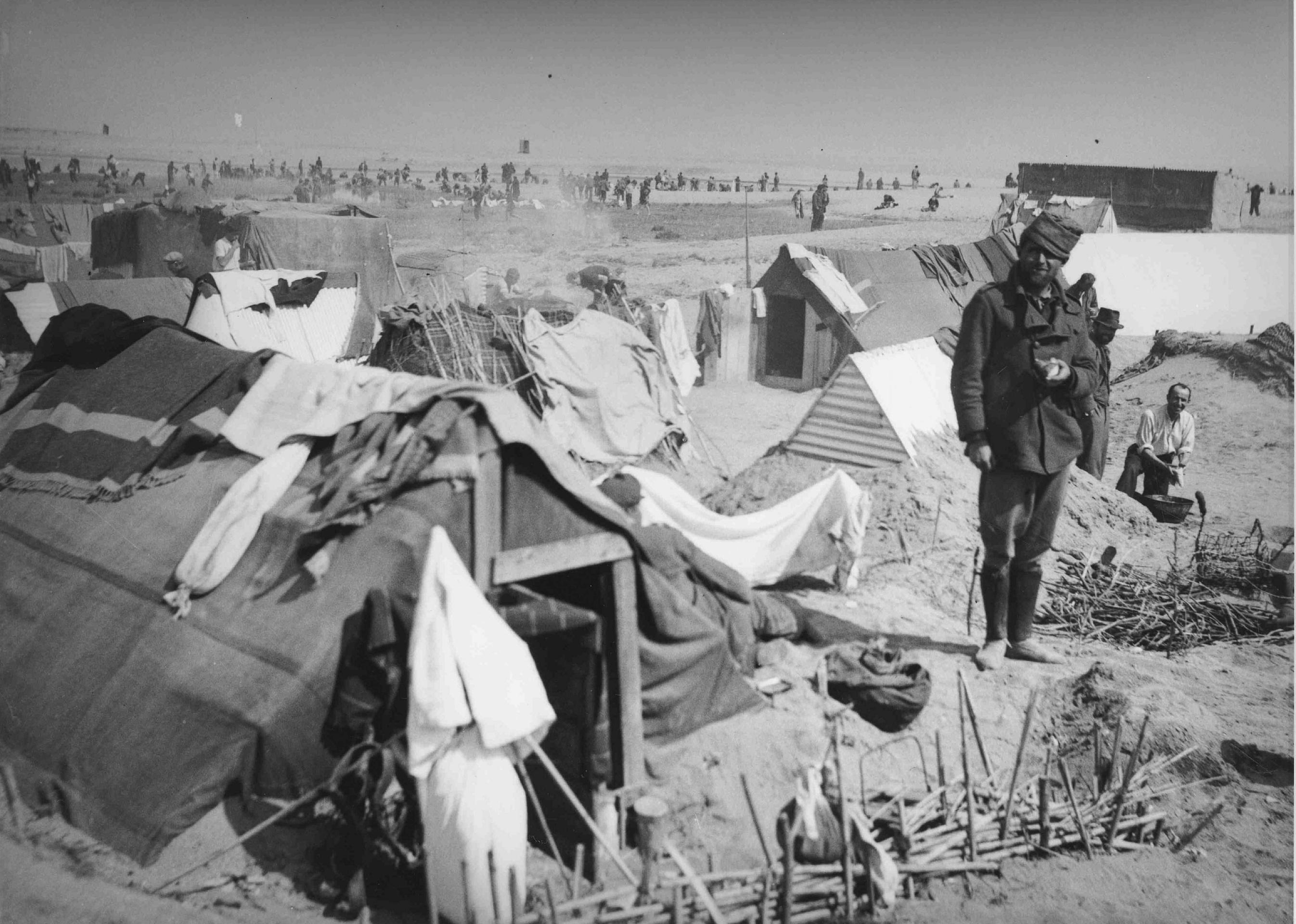
In the final months of the Spanish Civil War (1936-1939), the advance of Franco’s troops in Catalonia compelled over 450,000 Republicans to flee to France across the Pyrenees during the »Retirada« (in English »retreat«). Then-French head of government Édouard Daladier had gradually allowed them to cross the French-Spanish border from the end of January 1939, but the French authorities were soon overwhelmed with providing them with accommodation. As a consequence, they hastily set up an internment camp on the beach of the village of Argelès-sur-Mer, close to the Spanish border, in February 1939. By June 1939, over 100,000 refugees had passed through the camp.
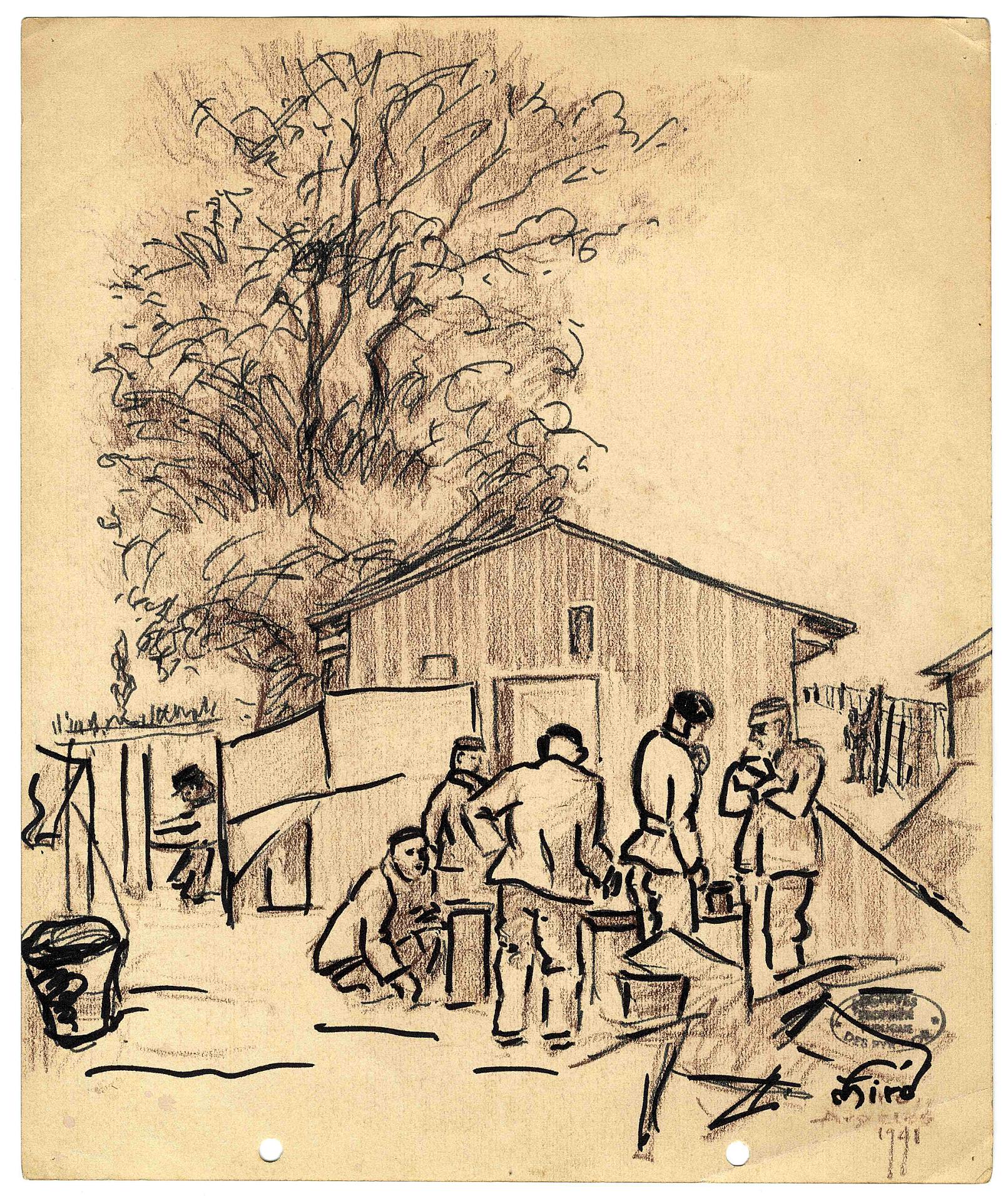
After a brief closure in the summer of 1939, the camp was reopened in September 1939 due to the outbreak of World War II. The camp was reorganised and started to welcome an increasing number of nationalities, including wounded soldiers from various regions in Europe that had been taken over by the German Wehrmacht.
After France surrendered to the Wehrmacht in June 1940 and the Vichy regime was established in southern France, additional persons who were considered »undesirable« by the Vichy government were detained in the camp, including non-French Jews and Sinti and Roma. At the same time, the French authorities handed over several thousand Republican refugees to the Nazis, who then deported them to German camps such as the Mauthausen concentration camp.
From 1941 onwards, the camp was gradually emptied from its occupants: many detainees were deployed as forced labourers in the Vichy regime’s foreign labourer battalions and in the Nazi Organisation Todt, while others were transferred to other camps such as the Rivesaltes internment camp. In the spring of 1942, the camp’s administration was handed over to the Vichy regime’s Ministry of Education. The camp was used as a youth camp by the Vichy regime’s youth organisation until it was brought to a standstill in November 1942. The camp was eventually demolished in January 1943.
Victims
The estimated number of persons detained at the Argelès-sur-Mer internment camp ranges from 160,000 and 220,000, including around 600 non-French Jews and 524 Sinti and Roma. Members of these two groups were gradually transferred to the Rivesaltes internment camp between 1940 and 1942. Whereas the Sinti and Roma were eventually brought to the Saliers internment camp near Arles, some of the non-French Jews were deported from Rivesaltes to the Drancy internment camp and then to Auschwitz, which led to the death of most of them.
In addition, several thousand Spanish Republicans and international brigadiers who were still detained in the Argelès-sur-Mer camp after France surrendered to the German Wehrmacht in June 1940 were handed over to the German authorities by the Vichy regime. Around 7,200 Spanish Republicans were deported to the Mauthausen concentration camp alone. Over 5,000 of them lost their lives there.
According to official figures from the Vichy regime authorities, 215 persons died during their internment in the Argelès-sur-Mer camp, including 23 Sinti and Roma. However, the actual number of victims among the detainees is higher, as deaths after transfers to medical facilities outside the camp were not taken into account.
Remembrance
In 1956, on the initiative of a Belgian family who wanted to honour the memory of a relative, a memorial stone was erected in the cemetery of the Argelès-sur-Mer internment camp. The memorial stone bears the names of many of the detainees who died in the camp.
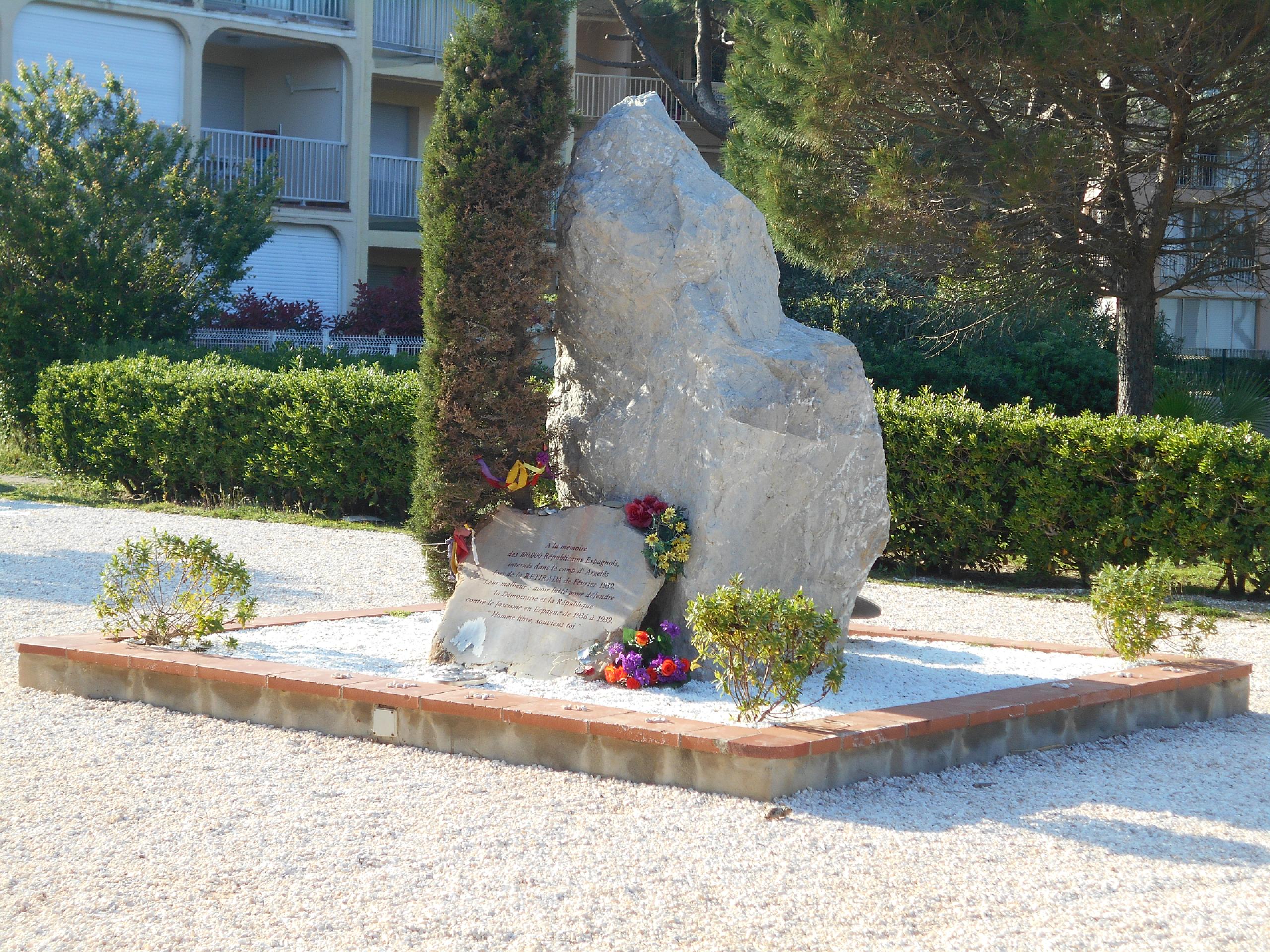
However, it was not until the 1990s that serious effort was put into commemorating the camp’s history. In 1999, the organisation FFREEE (»Fils et Filles de Républicains Espagnols et Enfants de l’Exode«, in English »Sons and Daughters of Spanish Republicans and Children of the Exodus«) was founded by Maria Sanchez Monroy, the daughter of an officer in the Republican Army. The organisation played an important role in the erection of monuments in memory of the camp in Argelès-sur-Mer. In 1999, a memorial stone known as the Monolith was erected at the former site of the camp entrance. A commemorative plaque was added 550 metres away, marking the northern boundary of the camp.
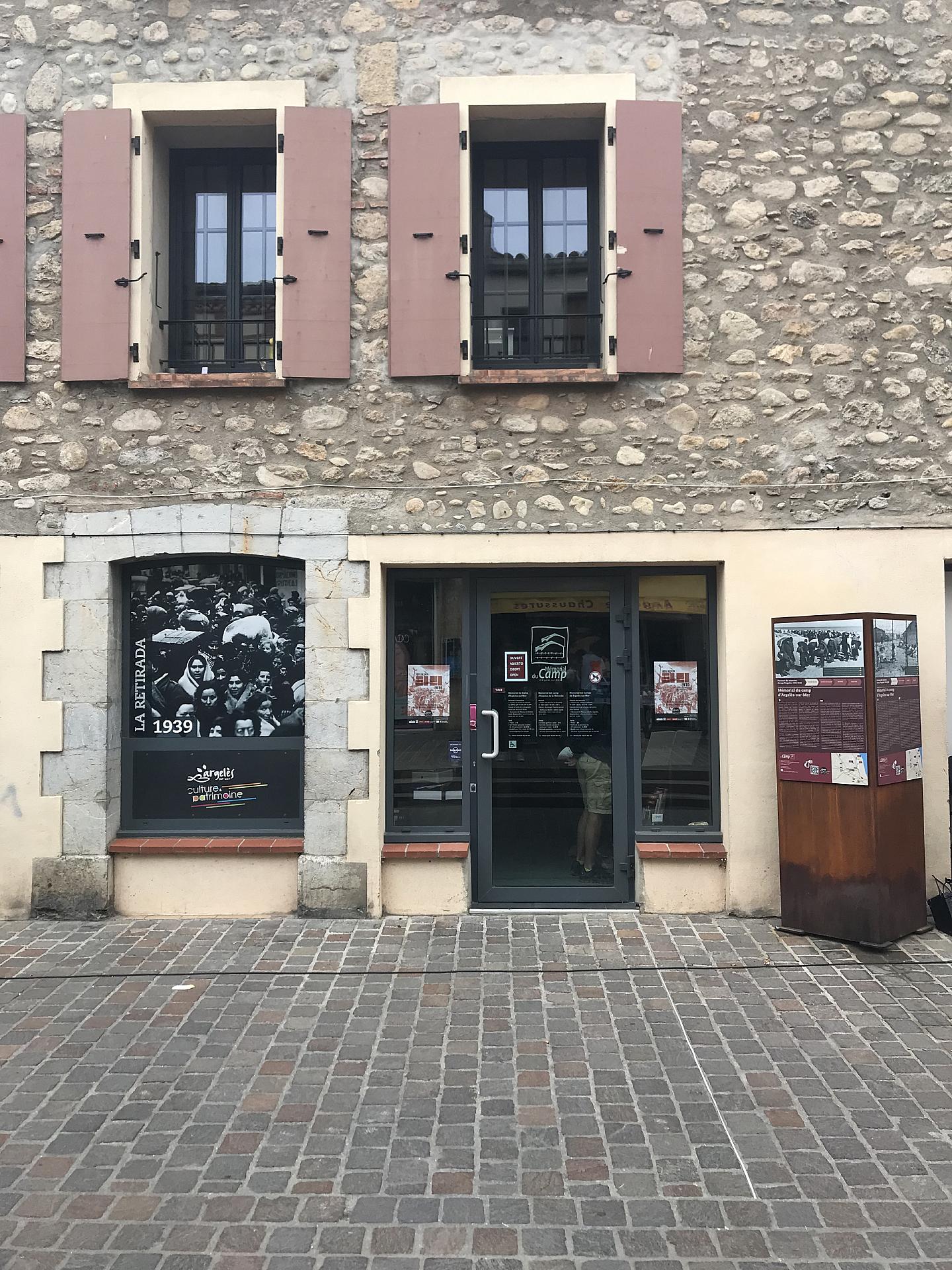
In 2014, the Argelès-sur-Mer Camp Memorial was inaugurated, and in 2017, it was moved to the centre of the city. In addition to the permanent exhibition on the camp’s history, it hosts temporary exhibitions on various topics and provides access to a library with extensive specialised literature.
Possibilities
Permanent exhibition on the history of the Argelès-sur-Mer camp, temporary exhibitions on various topics, guided tours, virtual tour, documentation centre
Open
October to June: Tuesday to Saturday, 10.00 a.m. to 1.00 p.m. and 2.00 p.m. to 6.00 p.m.
July to September and Easter week: open daily, 10.00 a.m. to 6.00 p.m.
Contact
https://www.memorial-argeles.eu/
contact@memorial-argeles.eu
+33 4 68 95 85 03
26 avenue de la Libération
66700 Argelès-sur-Mer, France