Belarusian State Museum of the History of the Great Patriotic War
Белорусский государственный музей истории Великой Отечественной войны / Беларускі дзяржаўны музей гісторыі Вялікай Айчыннай вайны
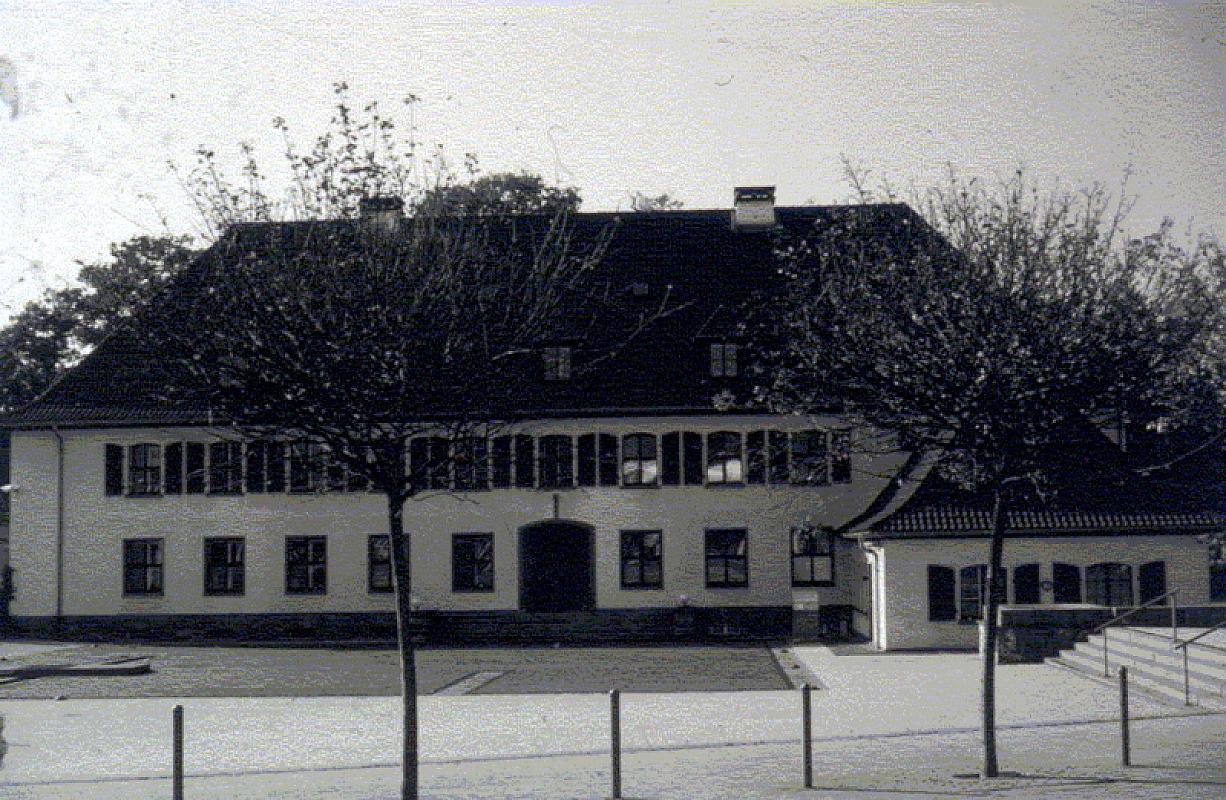
The predecessor of the Belarusian State Museum of the History of the Great Patriotic War was opened in Minsk as early as 1944. In summer of 2014 the museum took up new quarters.
History
The territory of today's Republic of Belarus – including the former Polish territories which were occupied by and incorporated into the Soviet Union in 1939 – was one of the bloodiest theatres of the Second World War as well as the centre of Soviet partisan warfare. After the German attack on the Soviet Union in July 1941 the Wehrmacht occupied the area within a couple of weeks. This was followed by one of the most vicious occupation regimes in Europe: The land was to be looted completely and death by starvation of millions of inhabitants, above all Jews, prisoners of war and inhabitants of cities was the professed goal of the National Socialists.
Despite the ever-present terror the occupants never completely managed to seize control of the country. The strengthening of the partisans who operated from the virtually inaccessible woods and marshes was answered by unprecedented terror. More than 600 villages in Belarus were completely destroyed and frequently their entire population was killed. Altogether about a quarter of the country's eight million inhabitants were killed during the occupation.
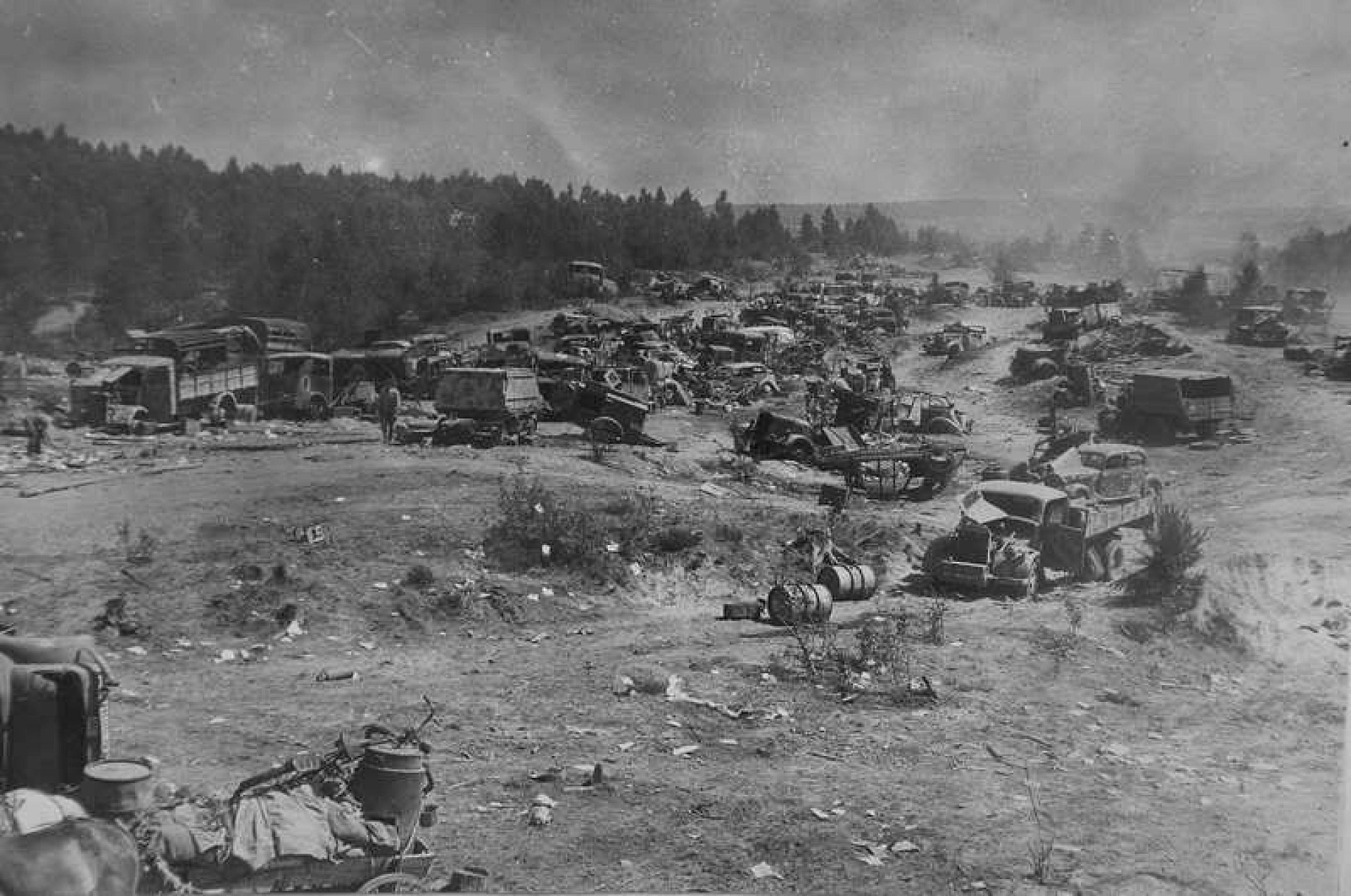
In July 1944 »Operation Bagration« was launched whereby the Red Army managed to retake the more or less completely destroyed area by end of August 1944. The operation proved to be decisive for the outcome of the war: The Wehrmacht could never recover from the immense casualties and had to surrender less than a year later.

Victims
During the three-year German occupation of Belarus approximately two million people were killed, more than a quarter of the country's population. Among the victims were about 230,000 Jews who were murdered at mass shootings, in camps or in ghettos. The best known death camp was Maly Trostenets near Minsk, where tens of thousands of Jews from the German Reich were murdered too.
During the combat operations in 1941 and 1944 hundreds of thousands of soldiers on both sides fell in battle. Exact numbers are not ascertainable. After the war the Soviet authorities deported more than 100,000 Poles from the territory of the Byelorussian Soviet Socialist Republic.
Remembrance
The decision to establish a »Museum of the History of the Great Patriotic War« was made by the Communist Party in 1943, long before the Red Army had even started to recapture Belarus. Soldiers and partisans were asked to save material such as documents and weapons for later use in the museum. In September 1944, few months after the liberation of Minsk the museum was already opened in the then totally ruined city. In 1966 the museum was relocated to another building where it stayed until 2014.
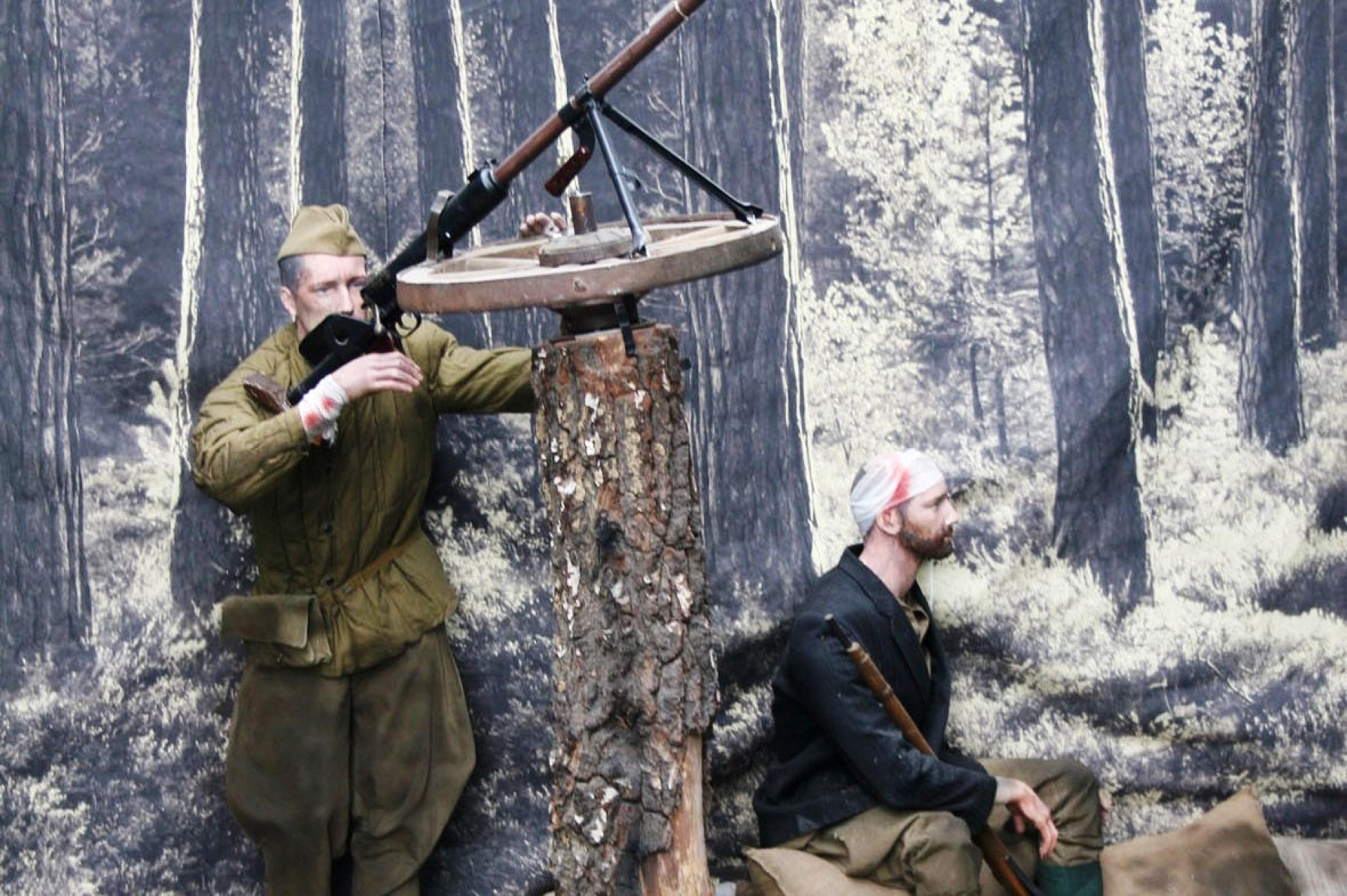
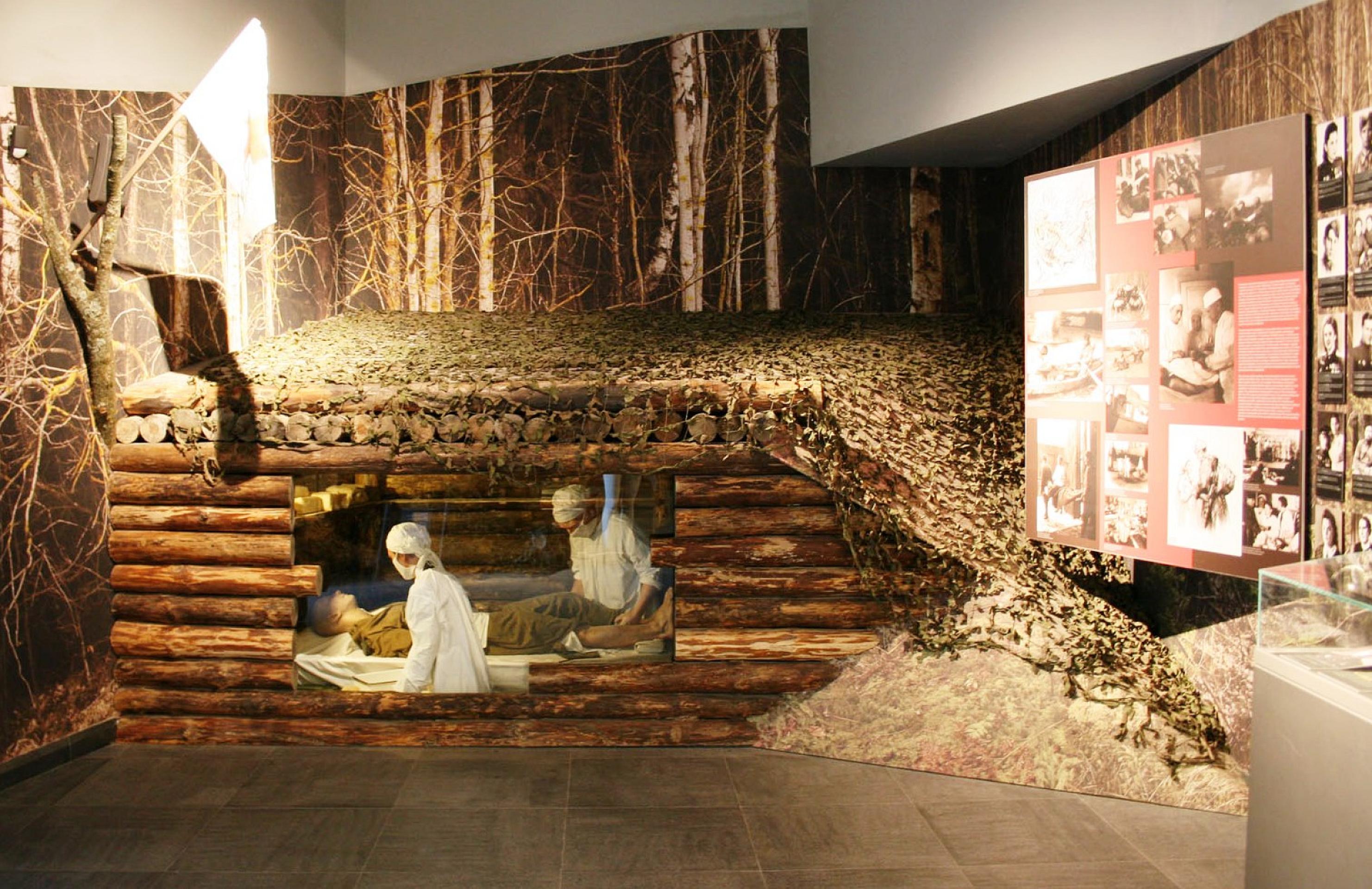
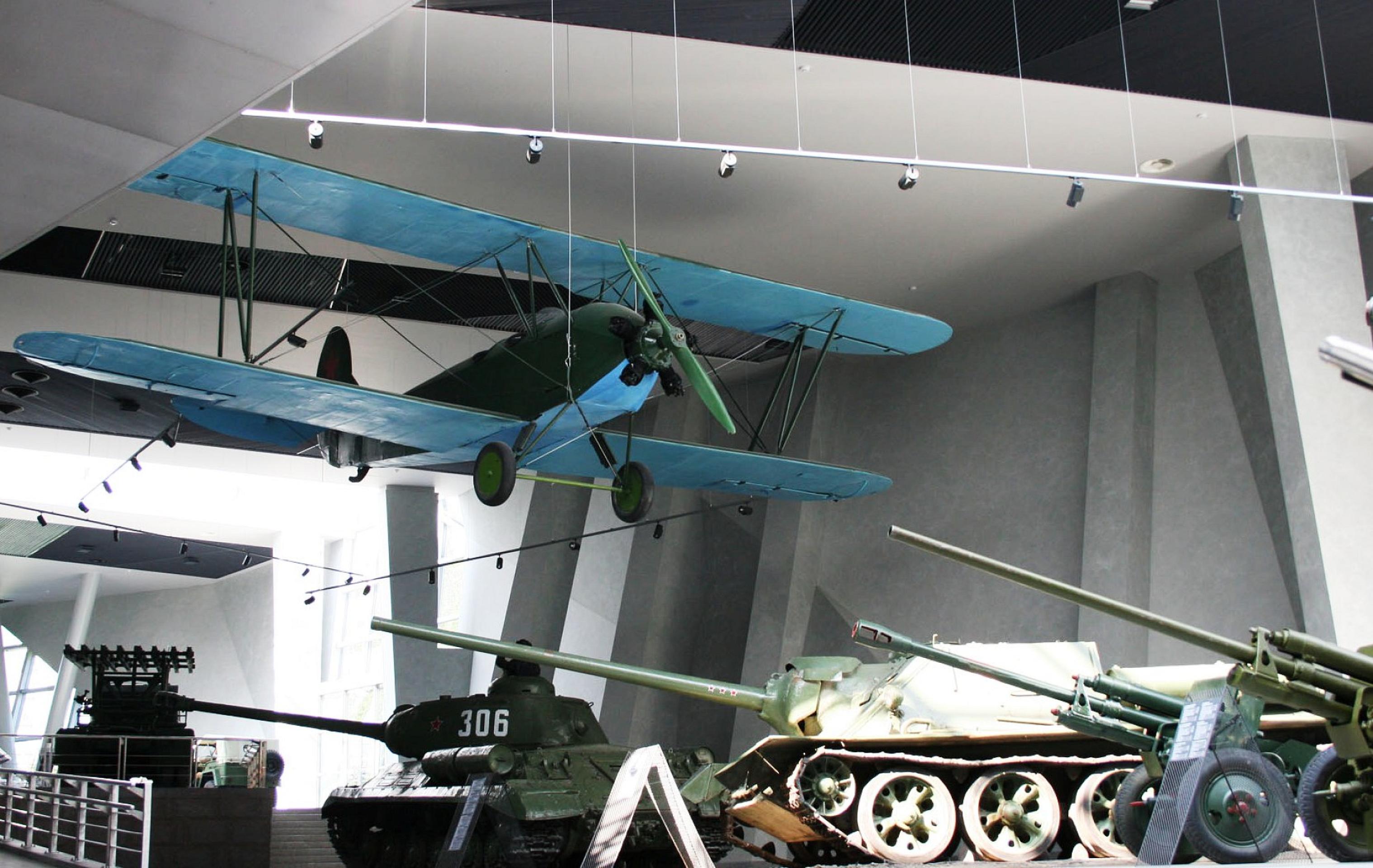
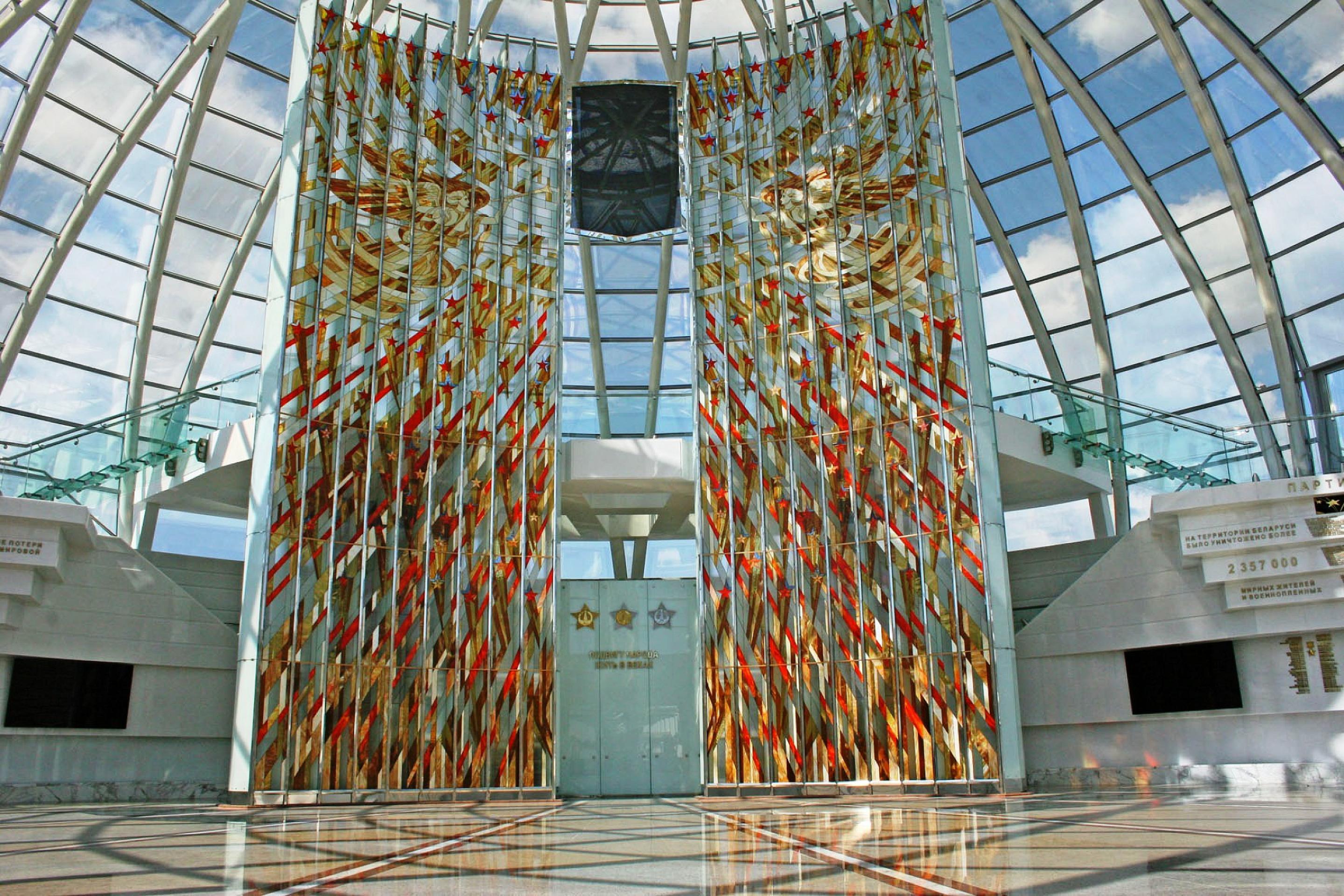
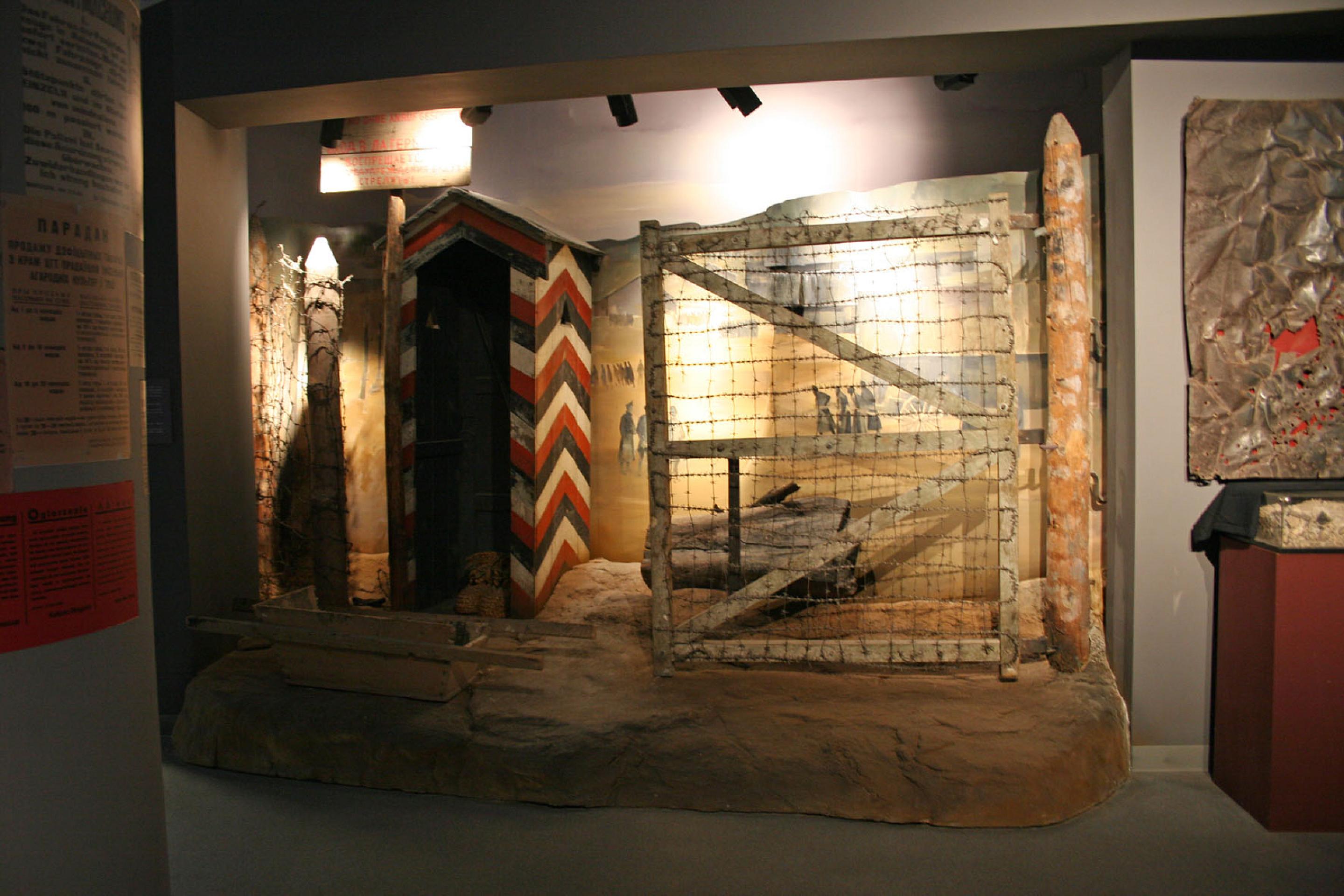
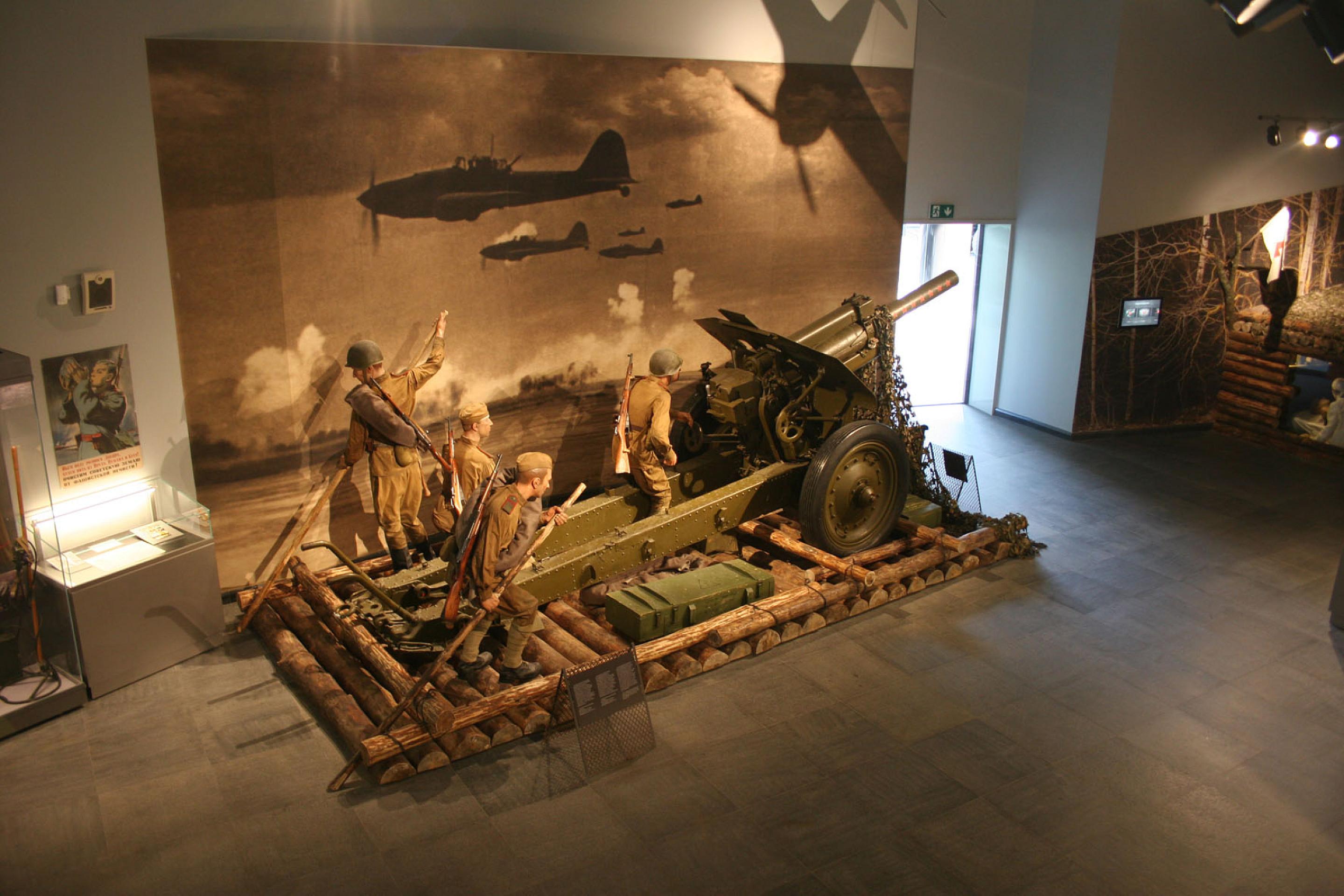
In 2010 the government in Minsk decided to provide the museum with a very spacious new building. The museum was to become the country's most important project regarding politics of remembrance. The result is an area of more than 4,000 square meters of exhibition space, while numerous weapons from WWII and several memorials are placed in the outdoor area. The entrance is behind a 45-meter obelisk which had already been erected in 1985 in honour of the »Hero City Minsk«. Like in Soviet times the exhibition is dominated by a heroic view of the »Great Patriotic War«, which according to the Soviet point of view began with the German attack on the Soviet Union – the incorporation of the eastern part of Poland into the USSR in September 1939 remains unmentioned. The suffering of the civilian population, the camps and the deportation of hundreds of thousands for forced labour is mentioned only peripherally and only a small installation remembers the hundreds of thousands of Jews from Eastern Poland, Belarus and other European countries who were murdered by the German occupiers on the territory of today's Belarus. Instead, the triumphs of the Red Army, the partisan warfare and the remembrance of Soviet war heroes are in the fore.
Possibilities
Permanent exhibitions, tours, workshops, archive, individual consultations, borrowable exhibition
Open
Open Tuesday and Thursday to Saturday from 10.00 am to 6.00 pm
Wednesday and Sunday from 11.00 am to 7.00 pm
Closed on Monday and national holidays.
Contact
mail@warmuseum.by
+375 (0)17 203 0792
проспект Победителей, 8 / Pr. Pobeditelej, 8
220004 Minsk