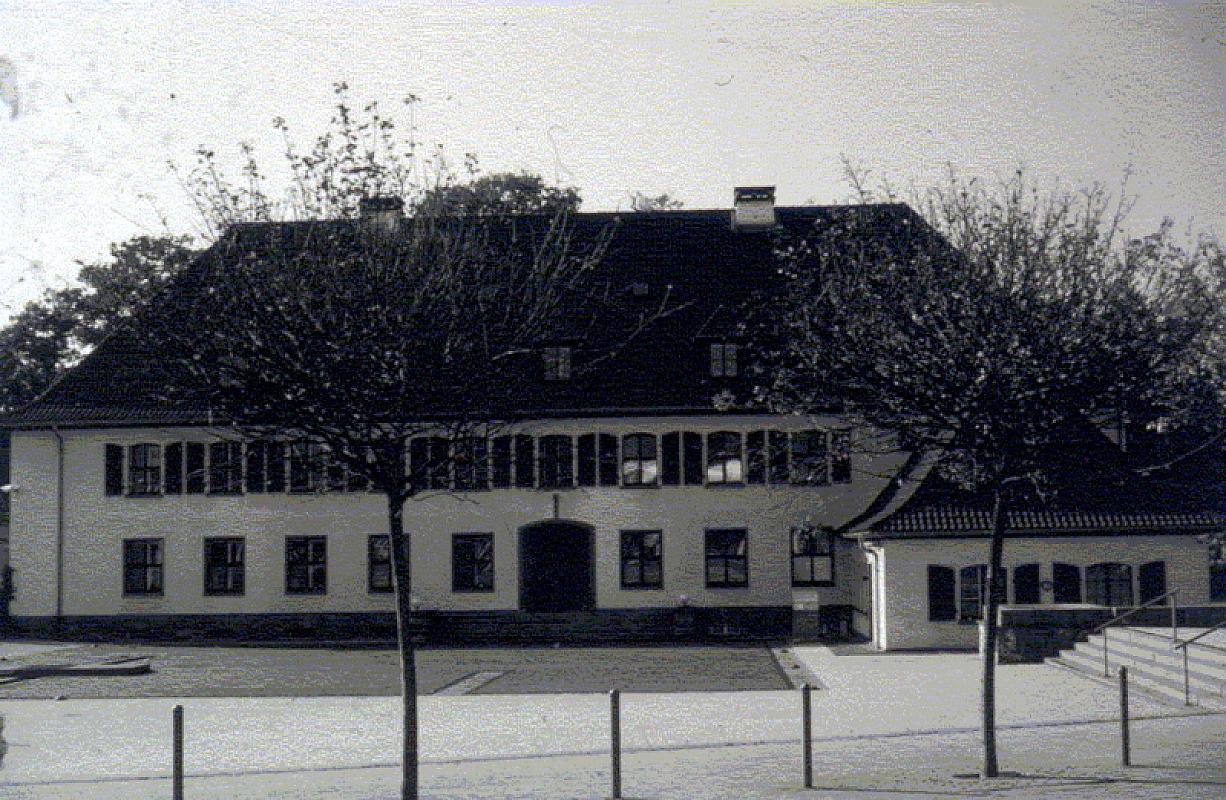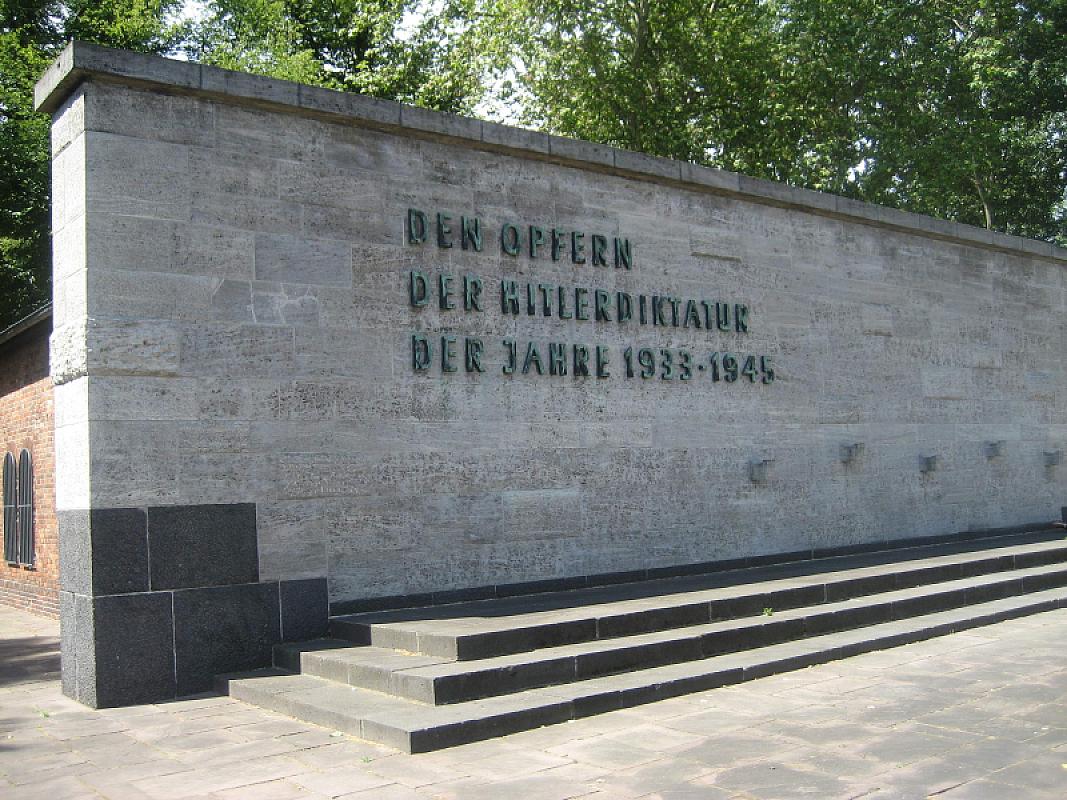
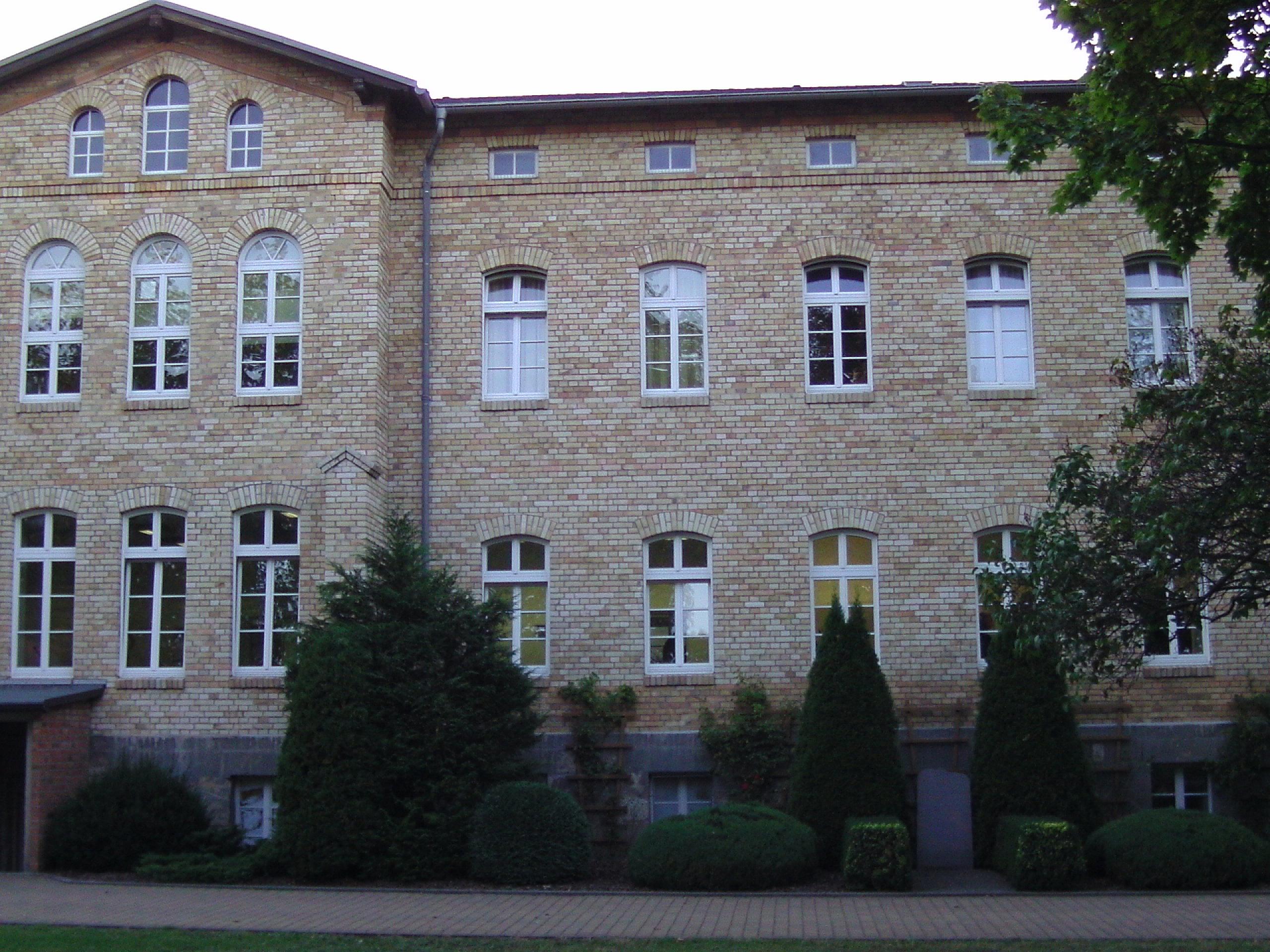
Between 1940 and 1943, the former Bernburg mental hospital functioned as one of several »euthanasia« killing centres in National Socialist Germany. The memorial to the victims of National Socialist »euthanasia« honours the thousands of mentally and physically handicapped patients as well as concentration camp prisoners who were murdered in Bernburg by doctors and medical staff.
History
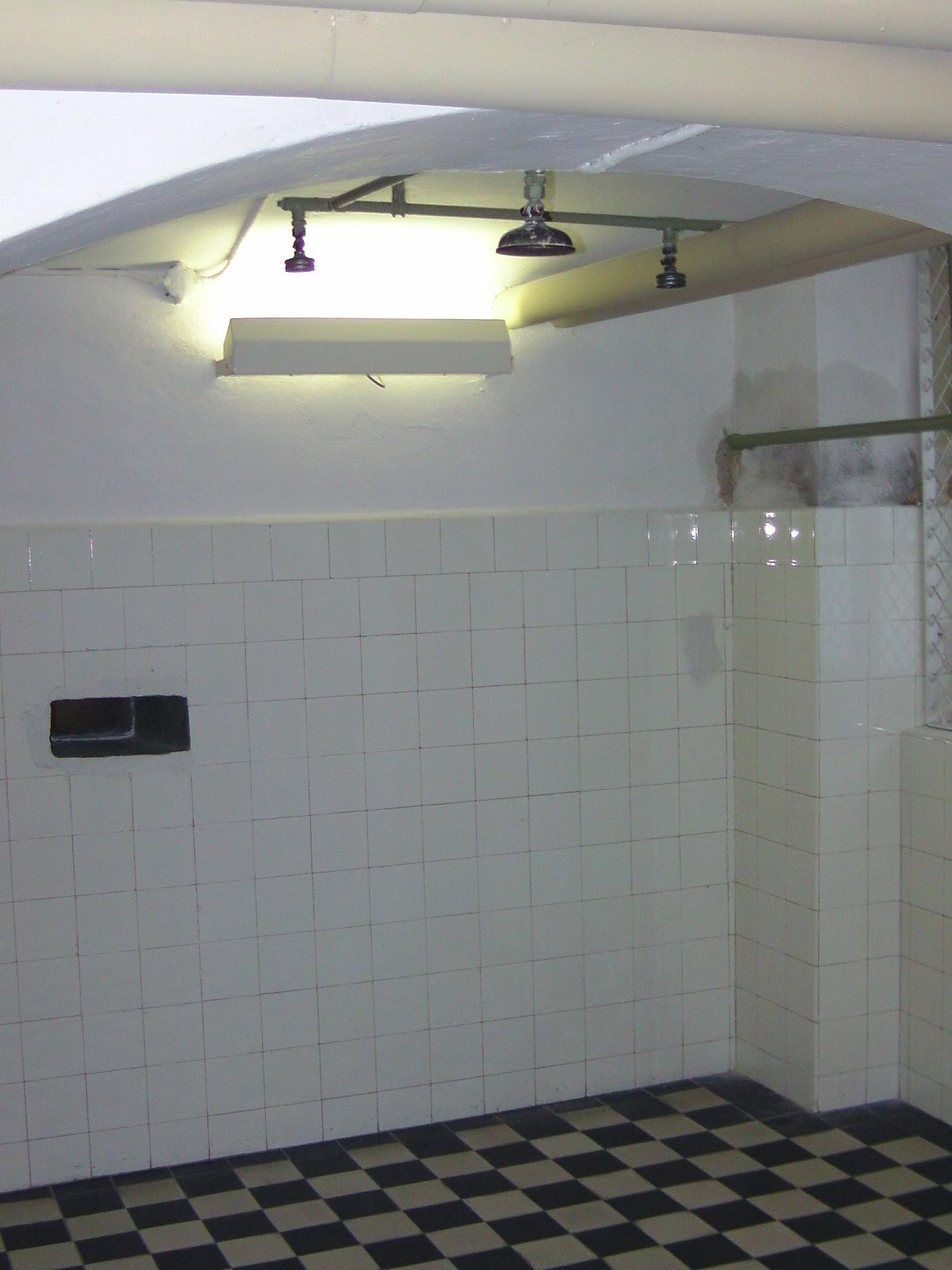
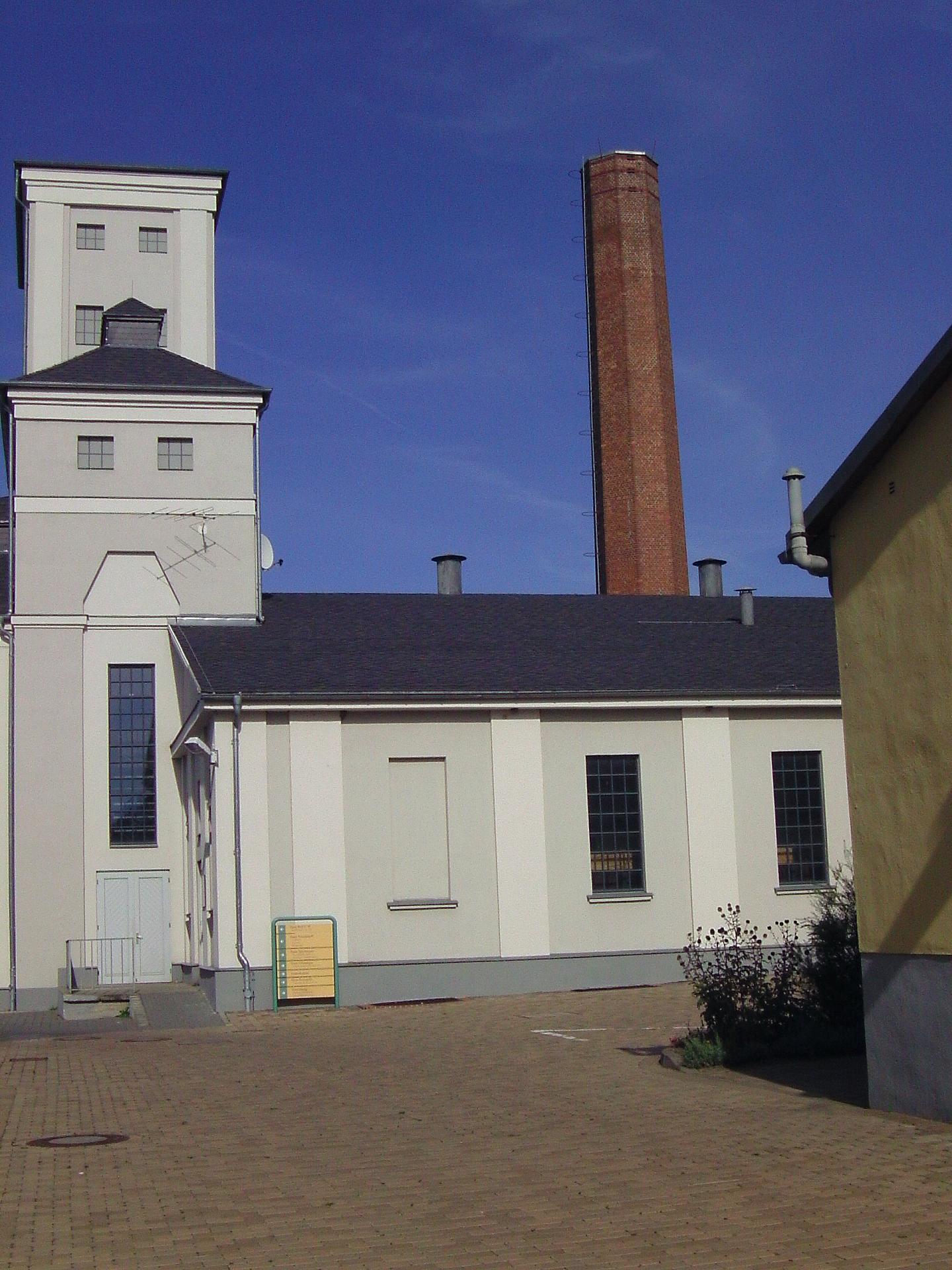
Under the National Socialist regime the term »euthanasia« stood for the murder of thousands of mentally and physically handicapped people. The murder was planned and organised by a central office which directly reported to Adolf Hitler. The office was code named »T4« in reference to its postal address in Berlin's Tiergartenstraße. At first, toddlers up to the age of three fell victim to »euthanasia«, later older children and youths were affected. Beginning 1940, handicapped adults and ill people were included in the scheme under the new code »Action T4«. During the initial phase, people were killed by malnourishment, poison or medications. From January 1940, more and more »T4« killing centres began operating their own gas chambers. From 1941, the SS also used the »Action T4« hospitals to murder concentration camp prisoners who were no longer able to work or were deemed undesirable. The mass killings of camp inmates were referred to as »Sonderbehandlung 14f13« (»Special treatment 14f13«) by the National Socialists. Part of the former Bernburg mental hospital functioned as one of the six central »euthanasia« killing centres in Germany. In October 1940, a gas chamber disguised as a shower room was installed in the former men's house of the hospital along with a dissecting room and a crematory. These facilities made it possible for medical personnel to kill patients on the day of their arrival. On November 21, 1940, the first transport carrying 25 patients from the Brandenburg state hospital in Neuruppin arrived. Within a few months, thousands more people were murdered in Bernburg. In the spring of 1943, one and a half years after the official end of the »Action T4«, the »euthanasia« centre in Bernburg was shut down. Some of those responsible went on to participate in the systematic murder of Jews in occupied Poland.
Victims
By August 1941, over 9,300 mentally ill and handicapped patients had been killed by doctors and medical personnel in the Bernburg mental hospital. In the years 1940/41, a total of over 70,000 old, sick and handicapped people were murdered in the German Reich. By March 1943, about 5,000 inmates from the Buchenwald, Flossenbürg, Groß-Rosen, Neuengamme, Ravensbrück, and Sachsenhausen concentration camps had been transferred to Bernburg as part of the »Action 14f13«. Most of them were Jews, but also homosexuals, Jehovah's Witnesses, Sinti and Roma and »asocials«. In all, the number of victims killed at hospitals in National Socialist Germany until 1945 is estimated to be over 200,000.
Remembrance
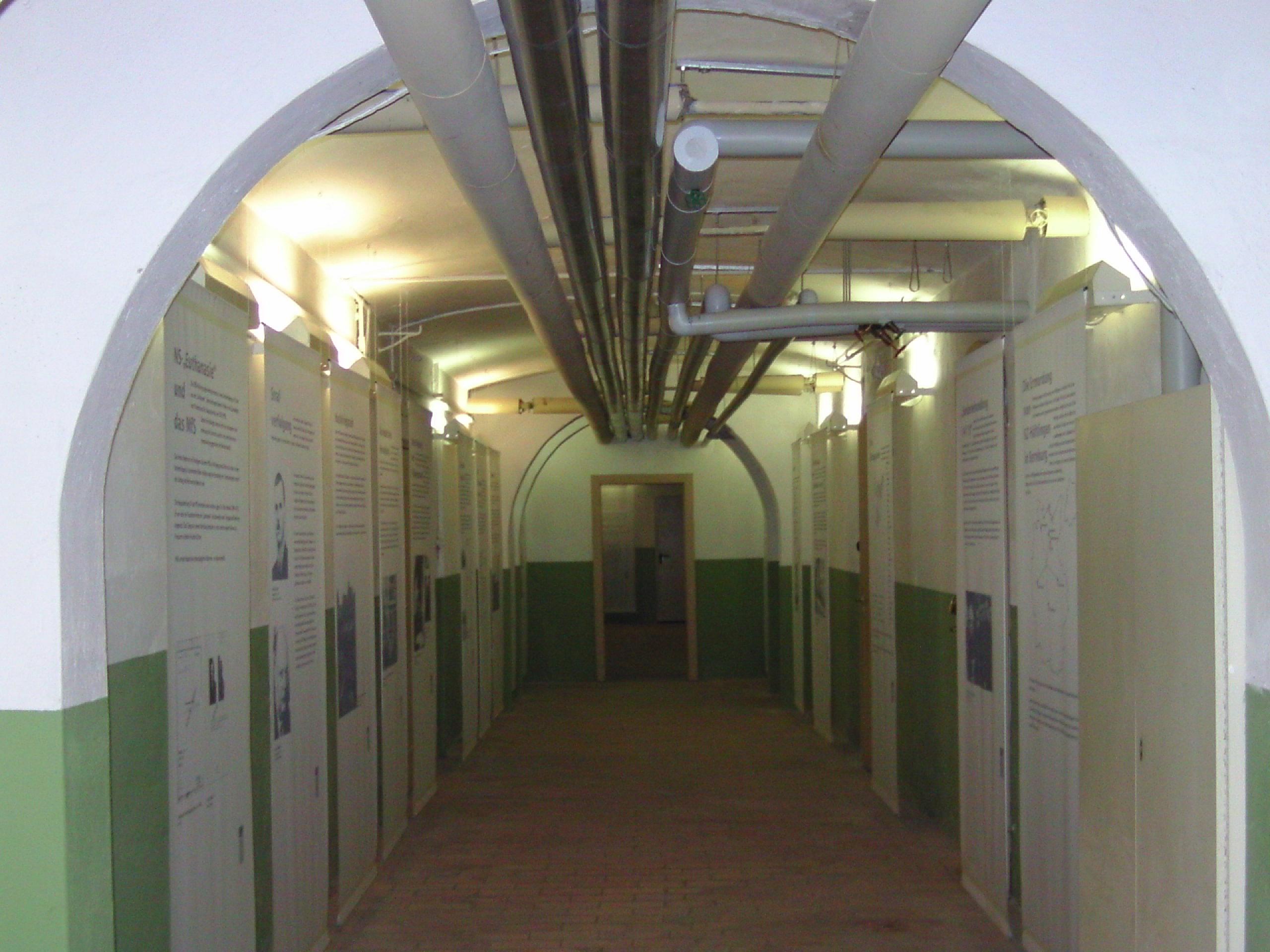
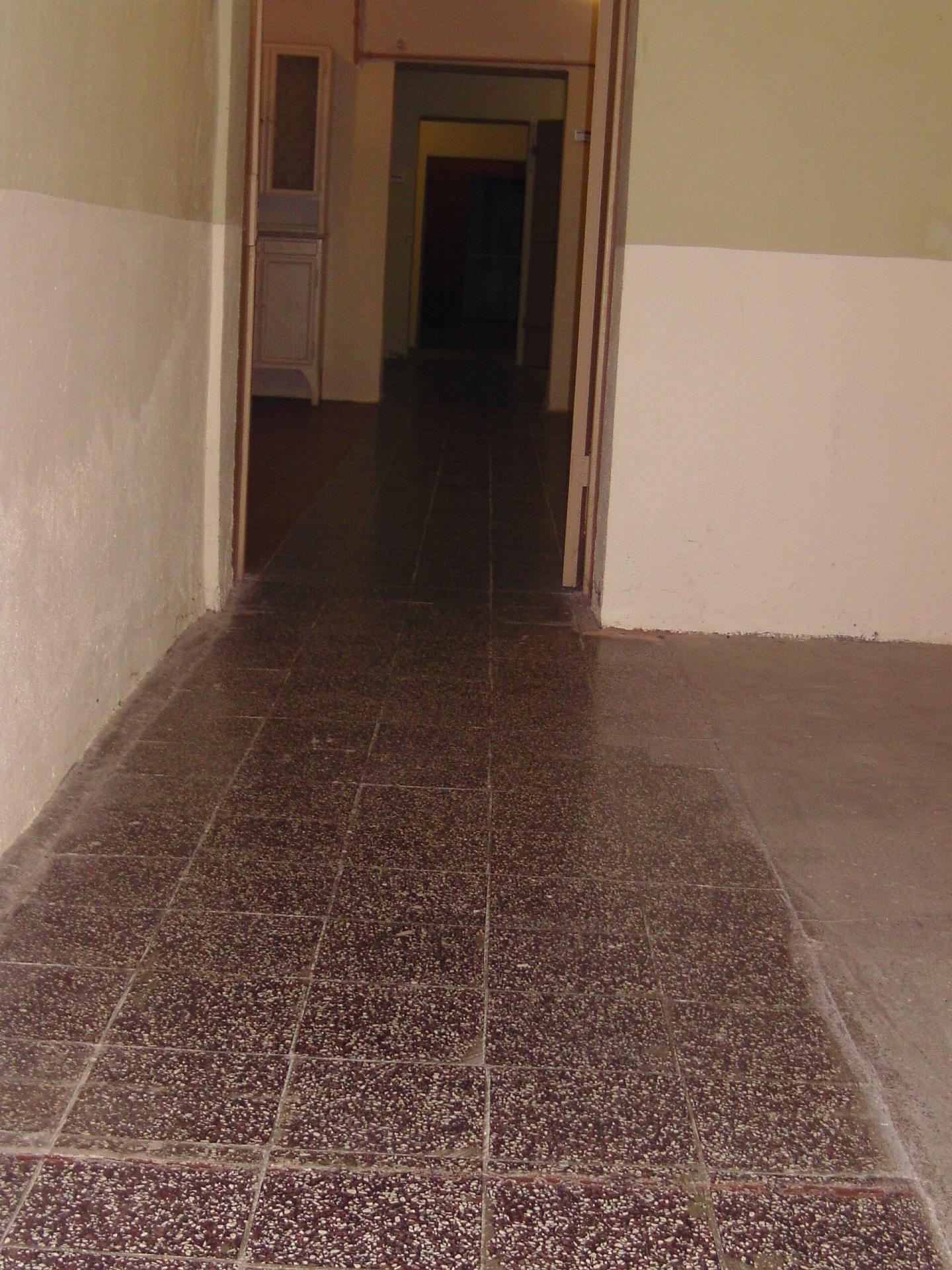
Today, a psychiatric and neurological clinic is located on the grounds of the former Bernburg mental hospital. A small memorial, which had previously been established, was re-opened in 1989. It is situated in the basement and on the first floor of the hospital. Visitors can see the remains of the crematory and the gas chamber. The former crematory now serves as a commemorative chamber. The »corpse transport corridor« has also been preserved: the dead were dragged along the corridor from the gas chamber to the crematory. Even today traces of this are visible on the floor. Medical personnel would smear soft soap onto the floor in order to be able to move the corpses more easily.
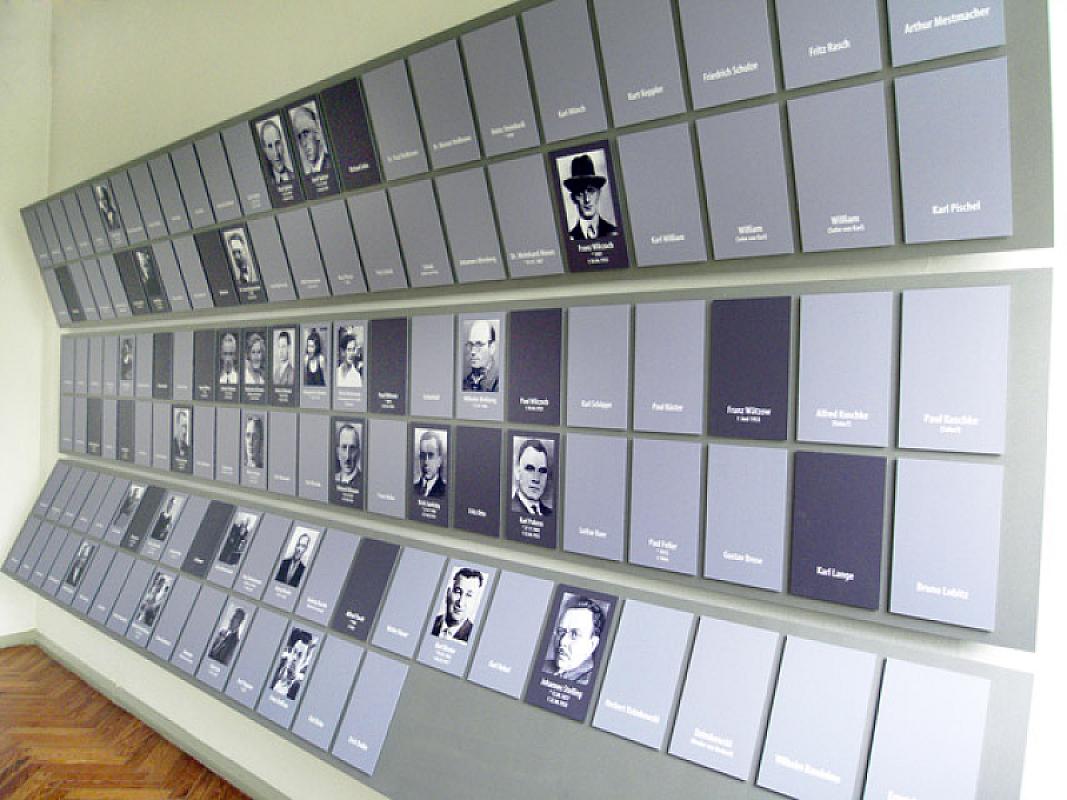
An exhibition spread over various rooms of the memorial documents National Socialist forced sterilisation, the history of the »euthanasia« programme and »Special treatment 14f13« in Bernburg. The work of the Bernburg Memorial not only deals with the fate of marginal groups during the National Socialist period, but instead presents a broader perspective reaching from the beginning of the 20th century into our times.
Possibilities
Workshops, guided tours, reference library, archive, guided city tours, contact with eyewitnesses for lectures at schools
Open
Tuesday to Friday 9 a.m. to 4 p.m.,,
Every first Sunday of the month 10 a.m. to 4 p.m., workshops and guided tours on other days by appointment
Contact
https://gedenkstaette-bernburg.sachsen-anhalt.de/
info-bernburg@erinnern.org
+49 (0)3471 319 816
Olga-Benario-Straße 16/18
06406 Bernburg