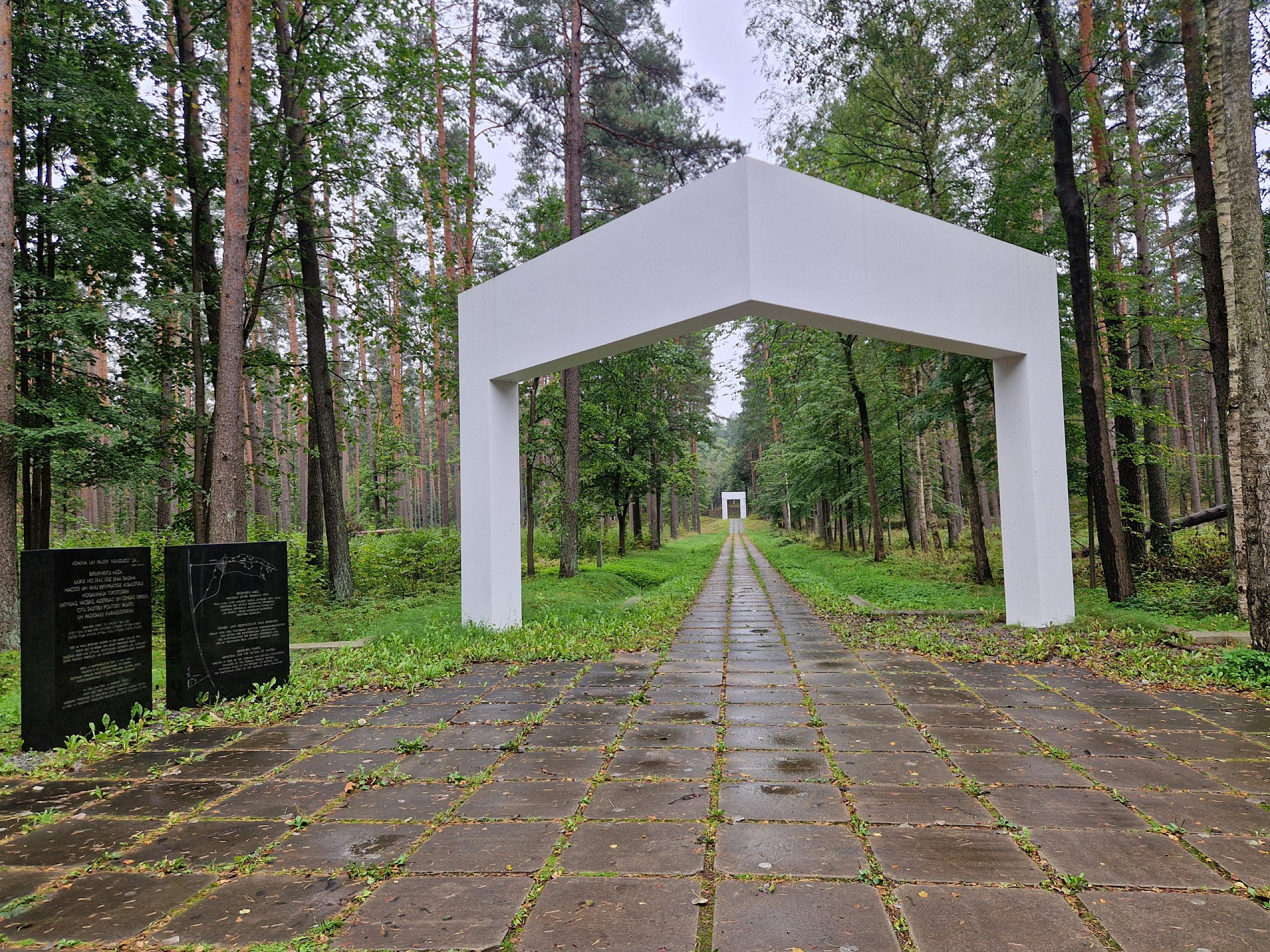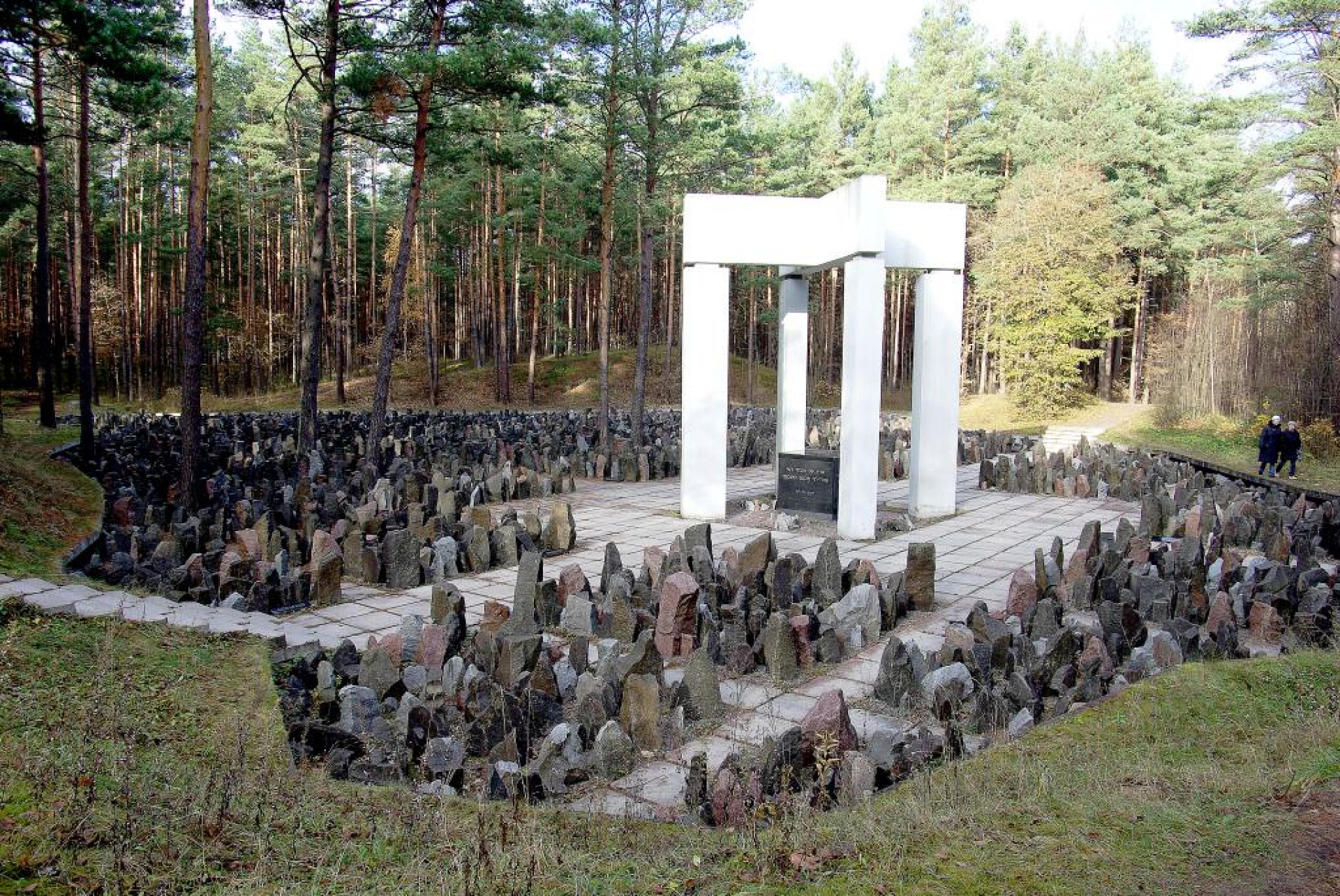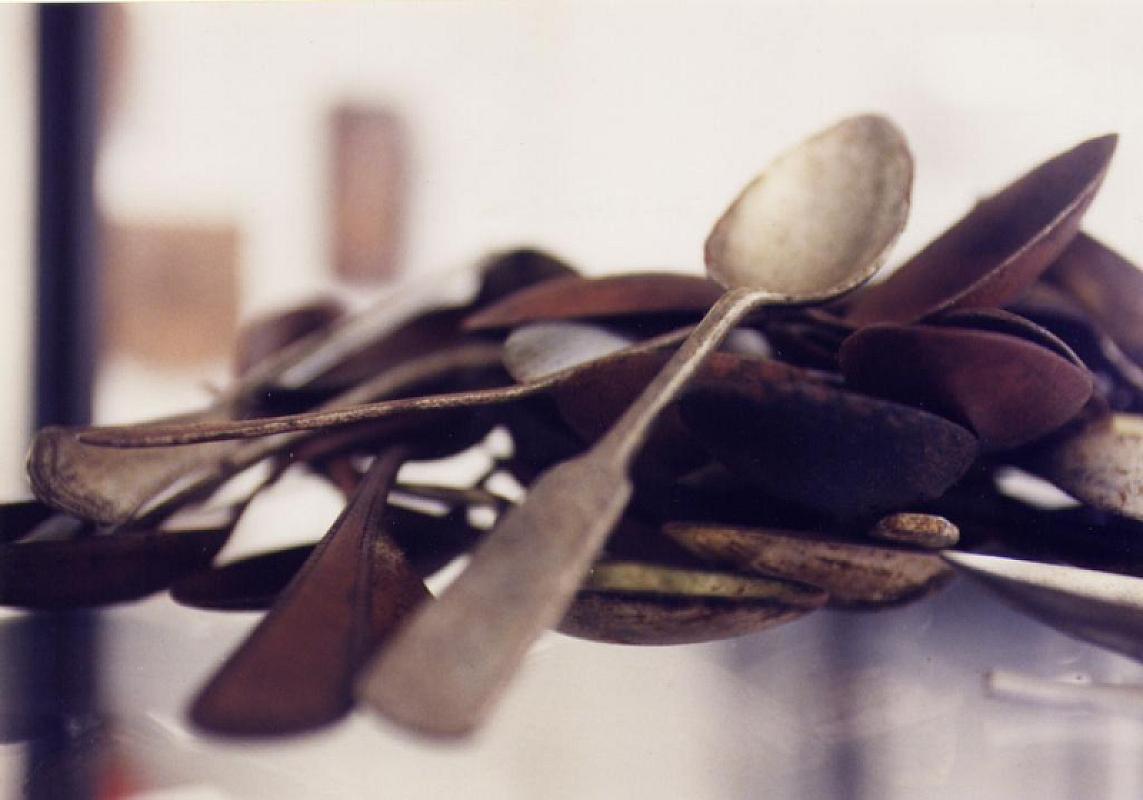
Between 1941 and 1944, members of the SS and Latvian collaborators shot tens of thousands of German, Latvian, Austrian and Czech Jews in the forest of Biķernieki, east of Riga. A memorial at the site commemorates the victims.
History
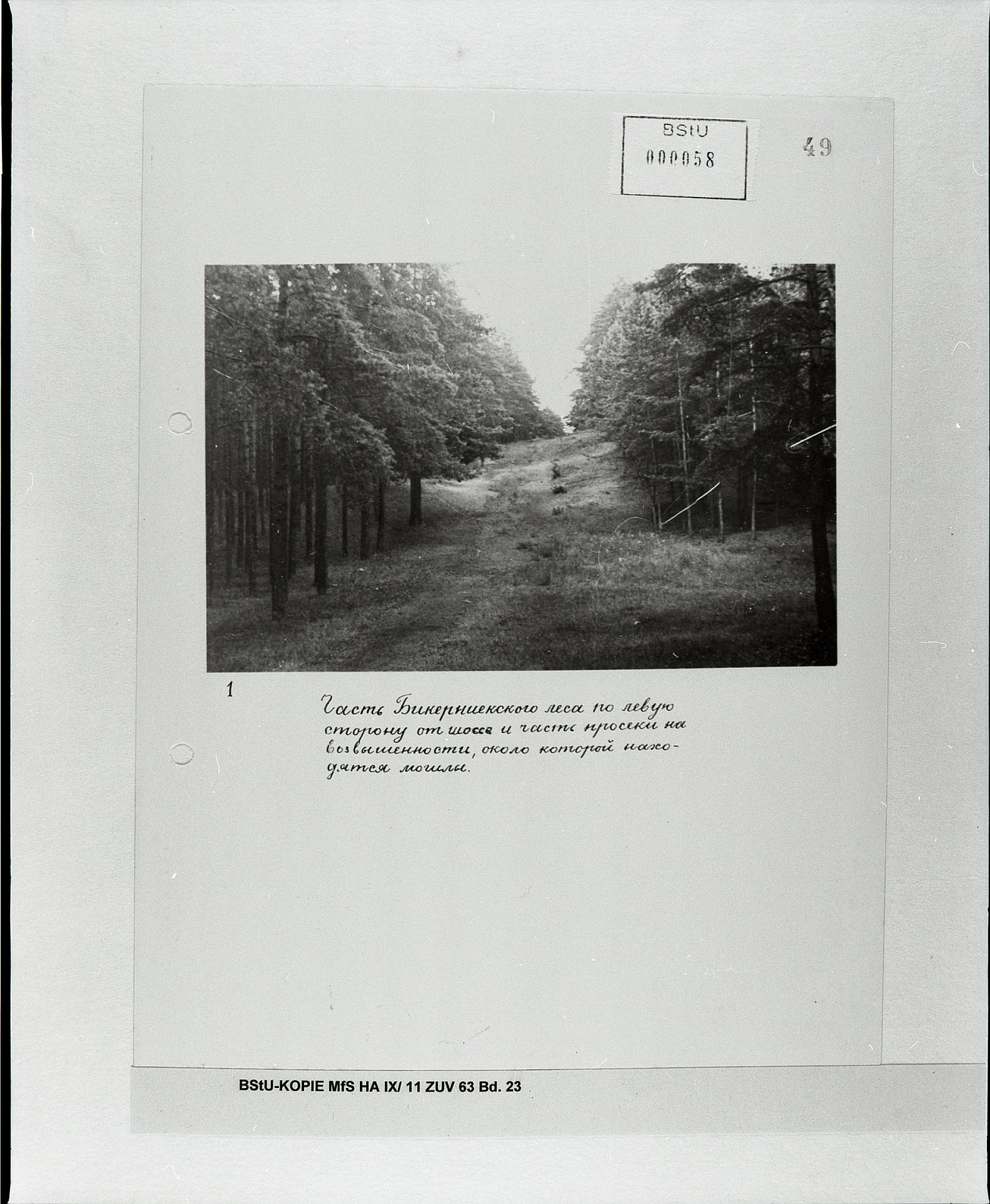
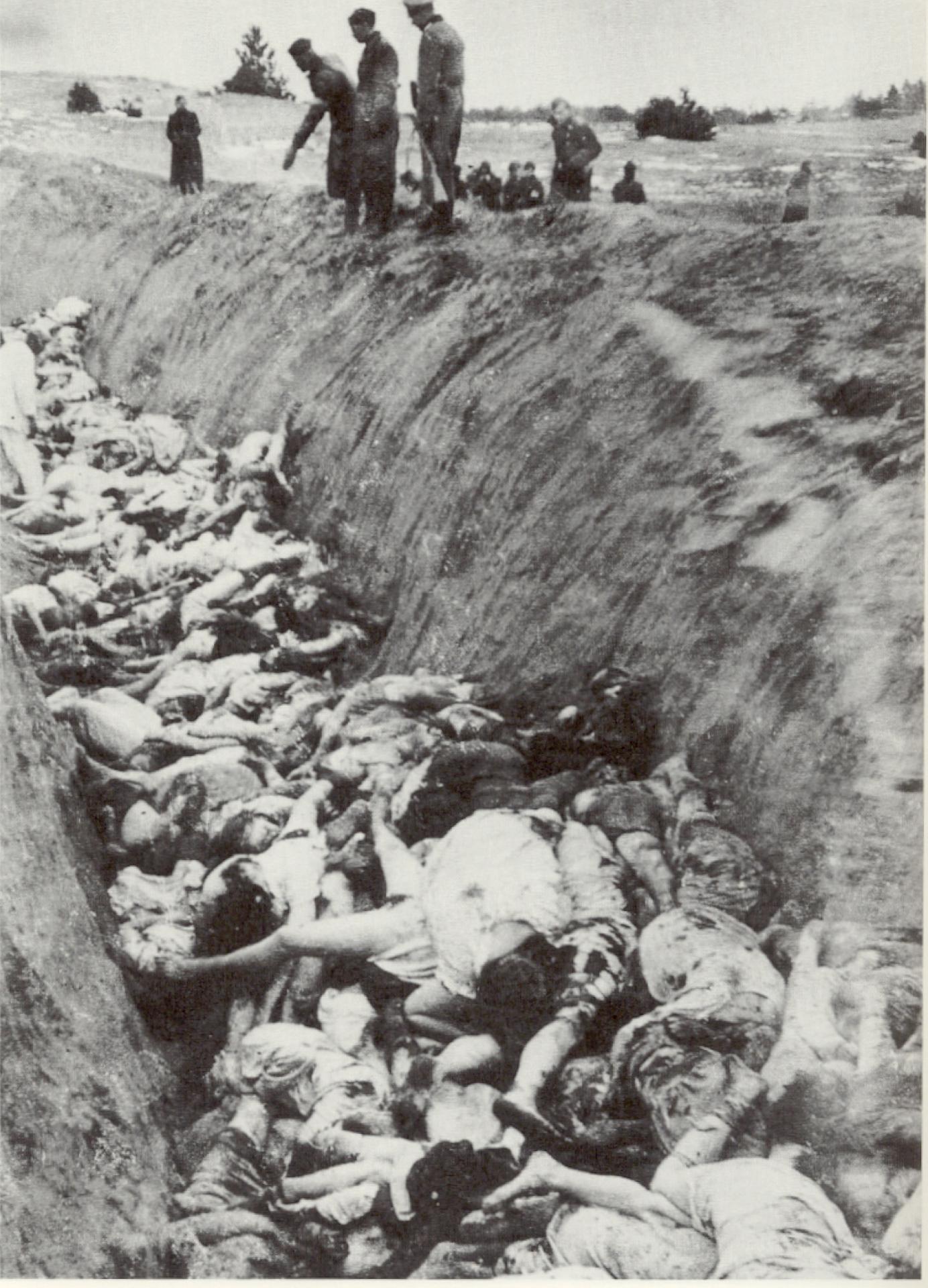
Several pogroms and attacks against Jews had taken place in Riga before mass shootings began in the summer of 1941. Members of the SS and Latvian collaborators destroyed synagogues and confiscated Jewish property. Numerous Jews were arrested by the SS and Latvian security police and taken to the central prison in Riga. Hundreds of Jews had been murdered during the anti-Semitic attacks, many of the victims had been members of the Jewish intelligentsia. Without causing a public stir, the Jews who had been brought to the central prison were taken by the SS to the forest of Biķernieki. The Jewish prisoners were shot in groups and buried in previously prepared mass graves in the forest area. Only about 10 to 15 prisoners from the central prison are said to have survived the shootings. By October 1941, over 6,300 Jews from the area of Riga had been shot.
In the summer of 1941, the German occupying forces established a large ghetto in a suburb of Riga. All of the city's Jewish residents had to move to the ghetto by August. By the beginning of December 1941, almost all of the ghetto's residents were shot by the SS and Latvian helpers in a forested area near Rumbula. On November 30, 1941, the first of many transports of Jewish men, women and children from the German Reich reached the emptied Riga ghetto. The German Jews who were sick and unable to work were selected by the SS upon arrival and murdered at the mass shooting site in the forest of Biķernieki. Jews able to work were deployed in the construction of the Salaspils concentration camp. Further transports of Austrian and Czech Jews reached the ghetto by February 1942. Transports of selected Jewish prisoners from the Salaspils concentration camp were also taken by the SS to be shot in the forest of Biķernieki.
Victims
Jews from Latvia, Austria, Bohemia and Moravia and the German Reich were murdered in the forest of Biķernieki. Around 25,000 of the victims were Jews from the German Reich. Later, resistance fighters and Soviet prisoners of war were murdered in the forest of Biķernieki. In all, up to 45,000 people perished here until the region was captured by the Red Army.
Remembrance
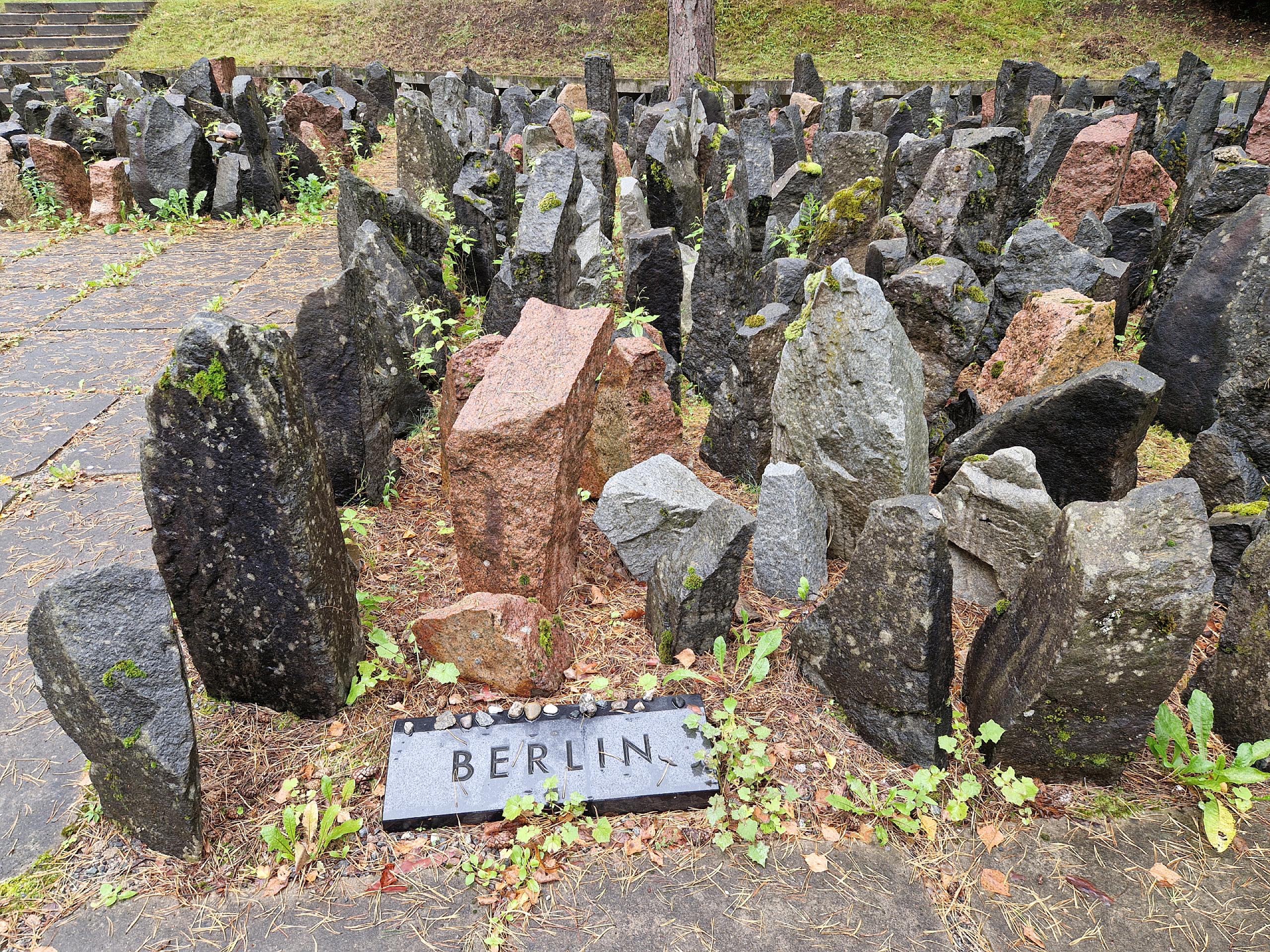
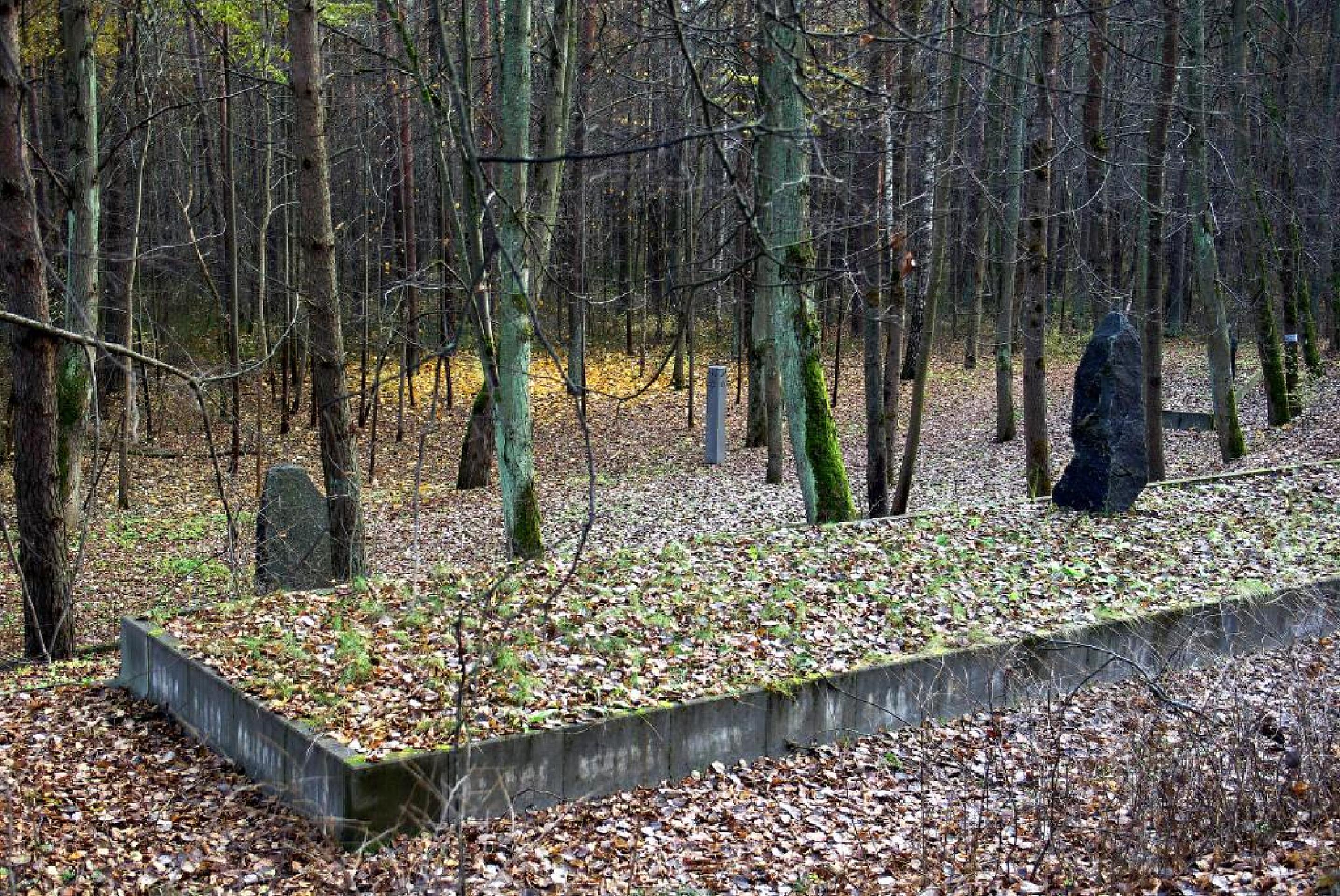
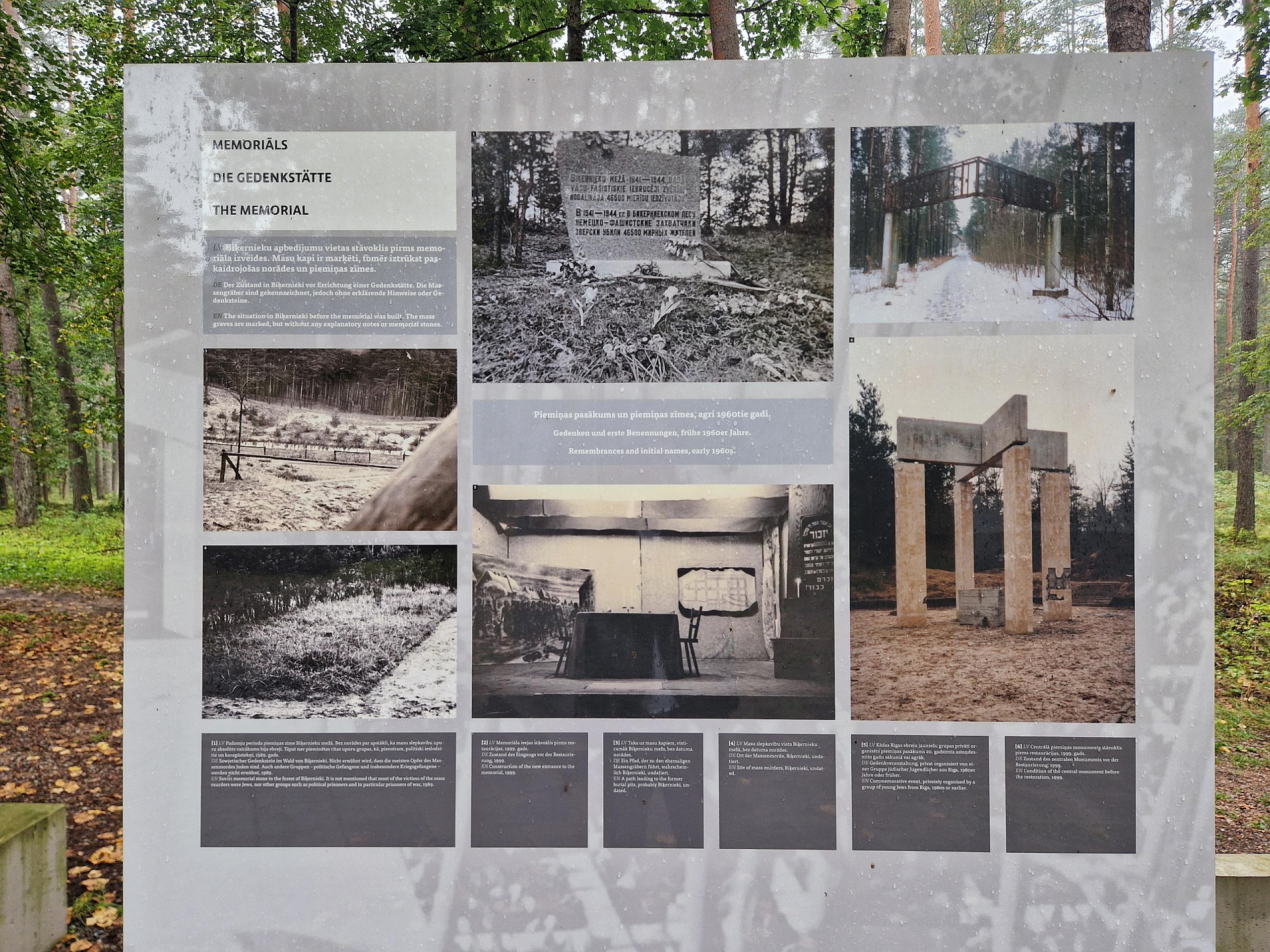
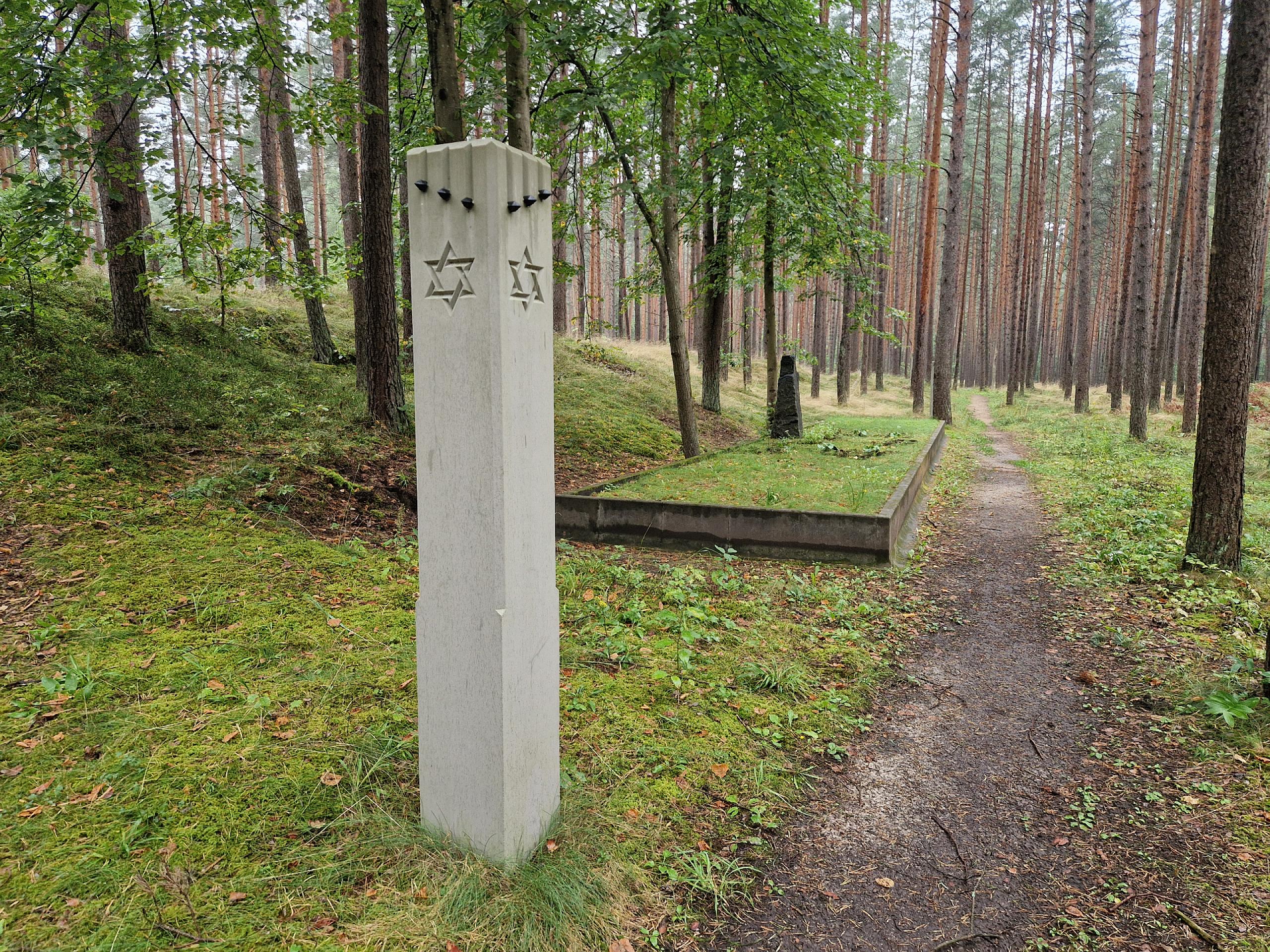
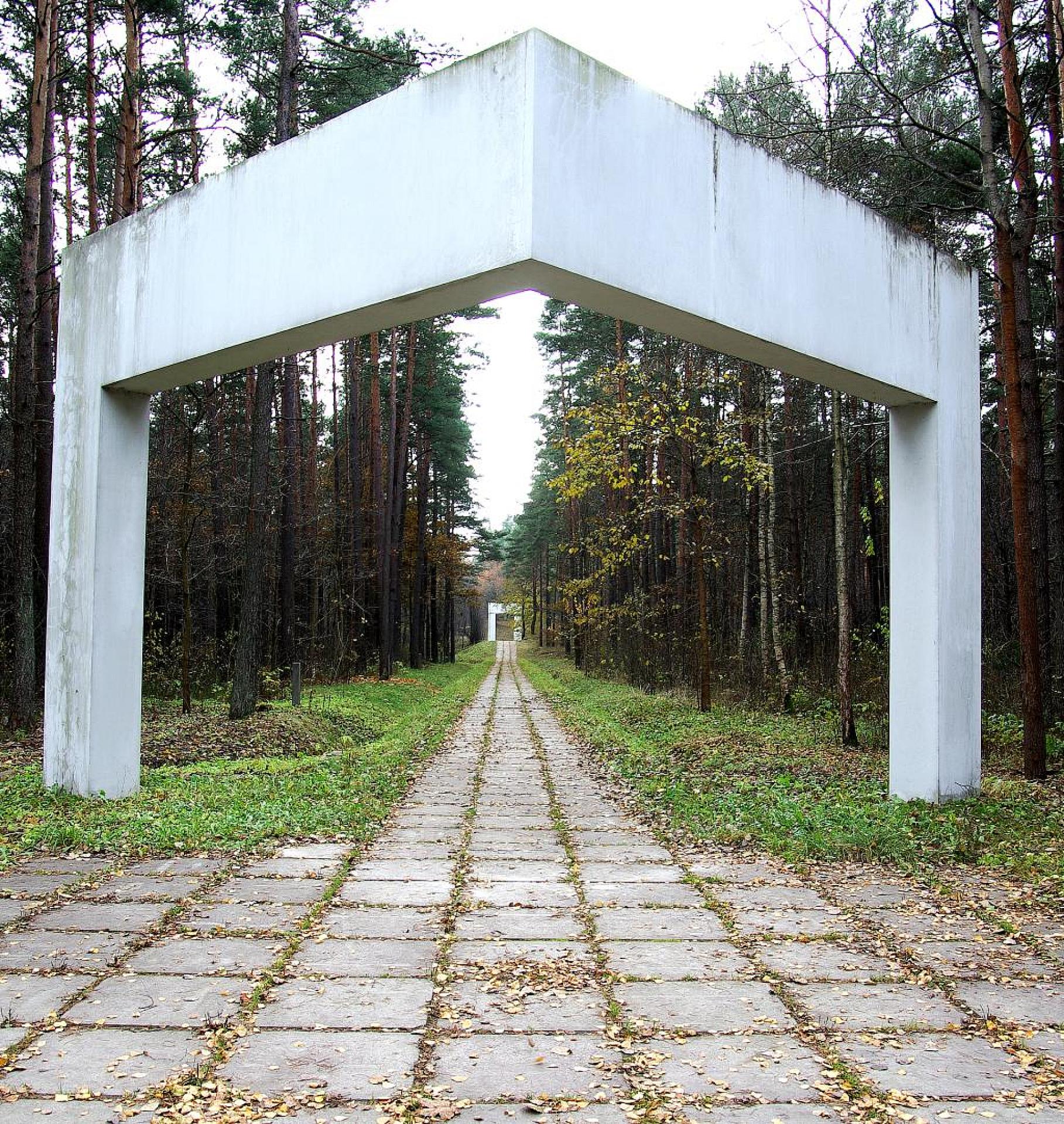
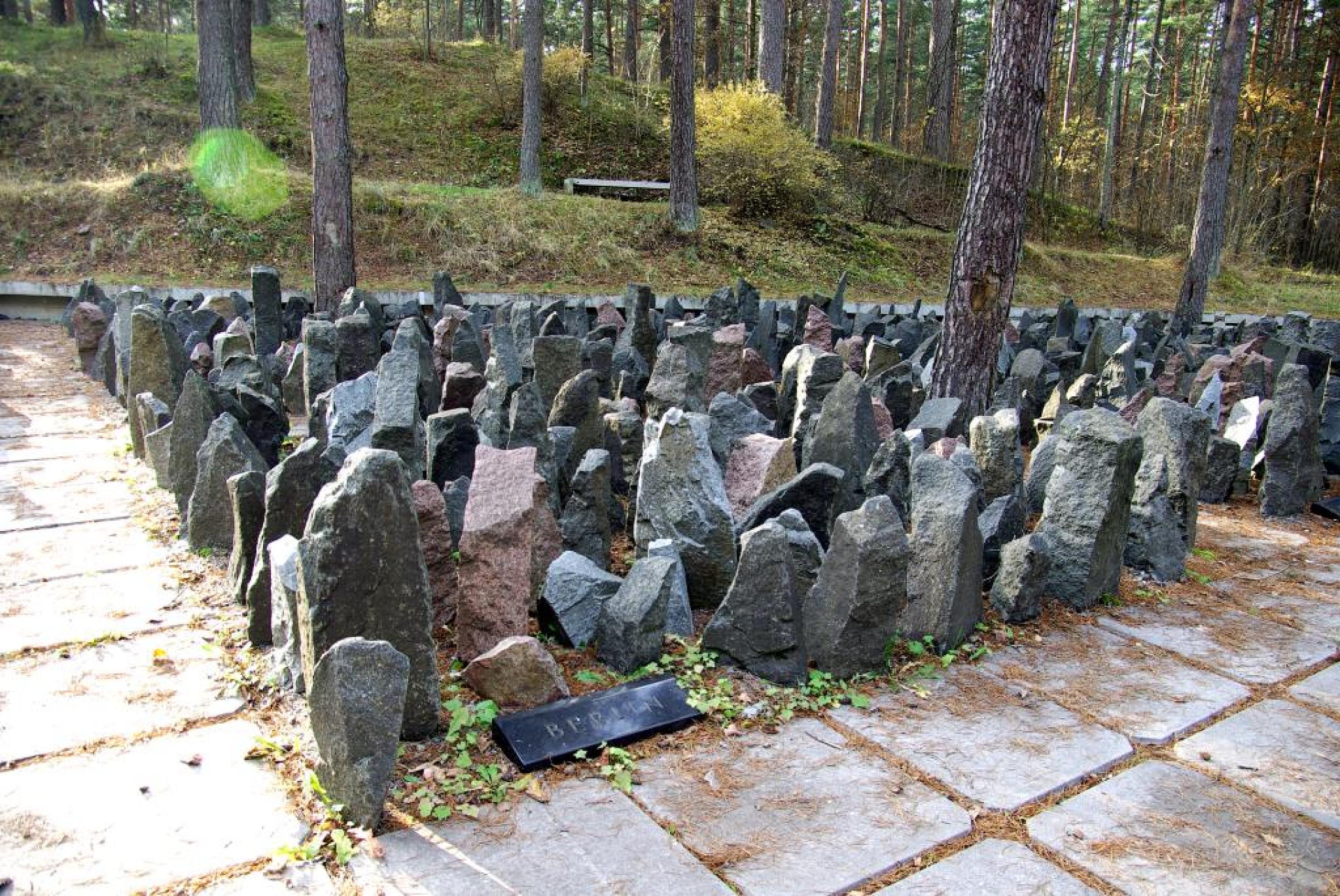
At the beginning of the 1990s, the construction of a memorial was begun. It was dedicated on November 30, 2001. The central memorial square consists of a monument which is surrounded by thousands of granite stones. The sites of the 55 discovered mass graves have been marked by single stones. The forest path which leads along the mass graves to the memorial is lined with further concrete stelae bearing Jewish and Christian symbols. The memorial complex, which was established on the basis of the war graves treaty between Germany and Latvia, received federal funds from the German War Graves Commission. It is the first of its kind in Eastern Europe; currently it is supervised and financed by the »German Riga Committee«. The German War Graves Commission and several German cities, from which Jews were deported to Riga, form this association. The memorial complex is maintained by young Germans and Latvians.
Open
The memorial is accessible at all times.
Contact
jews@jews.lv
+371 (0)672 856 01
Biķernieku iela 70
LV-1006 Rīga