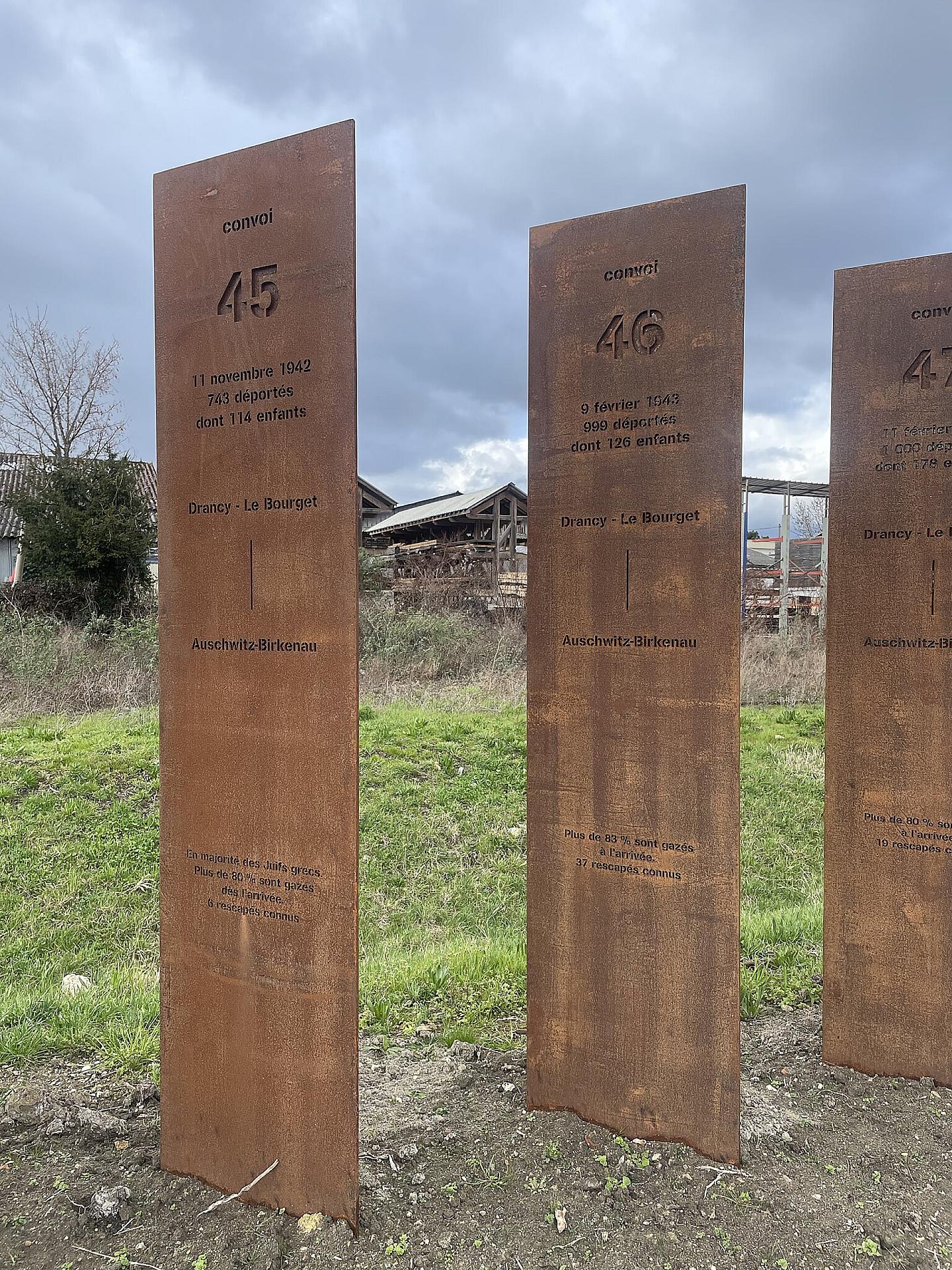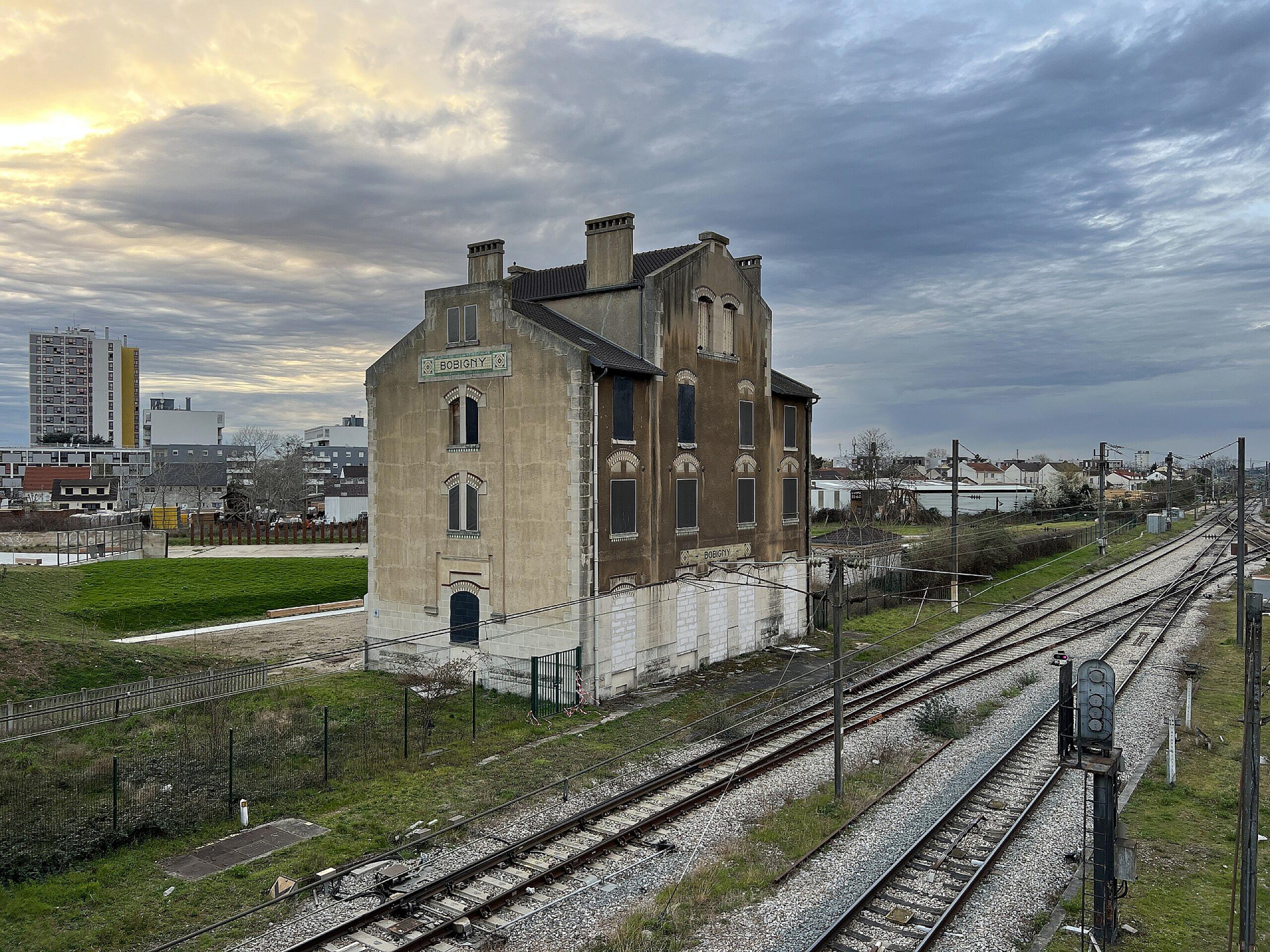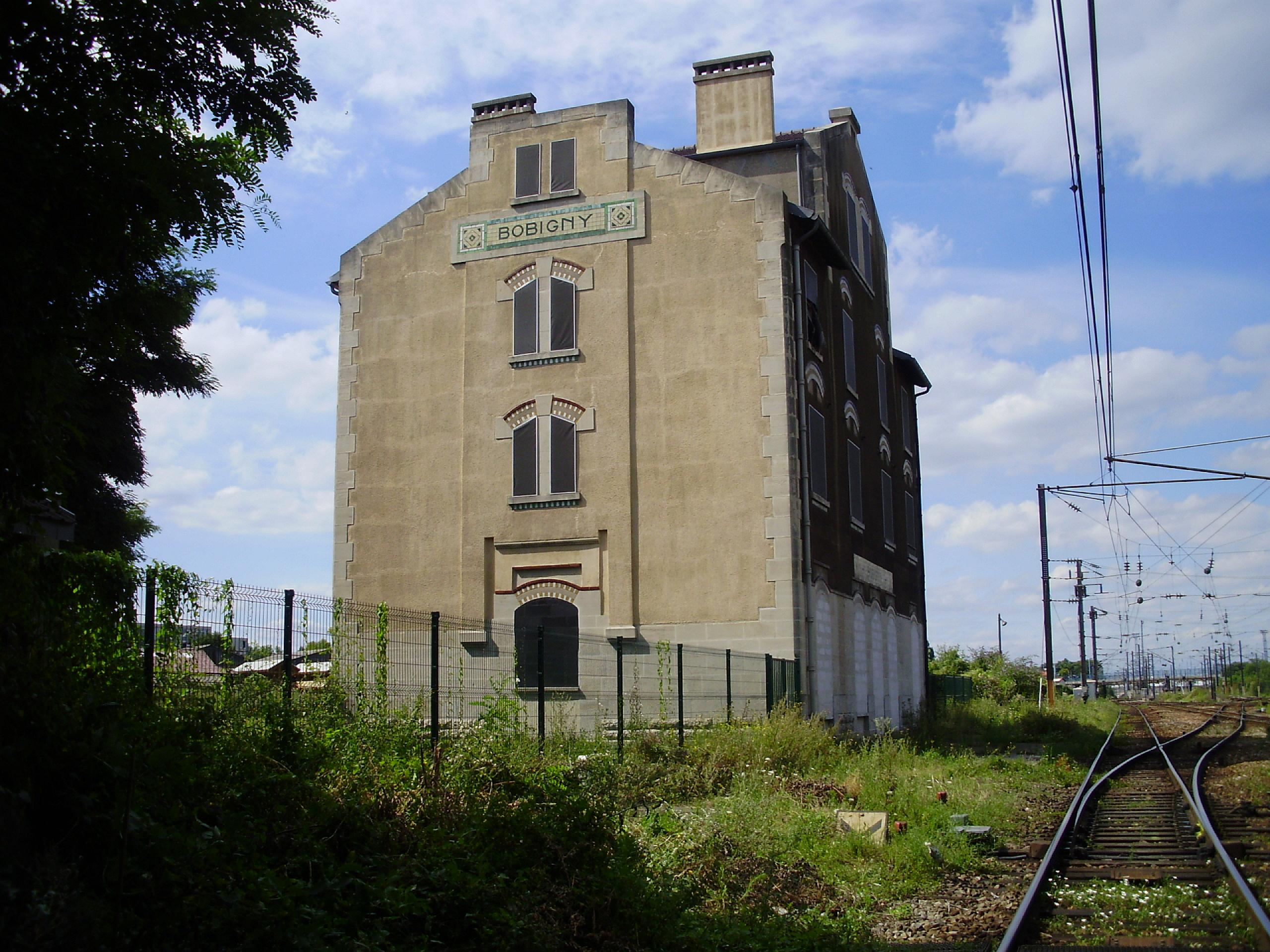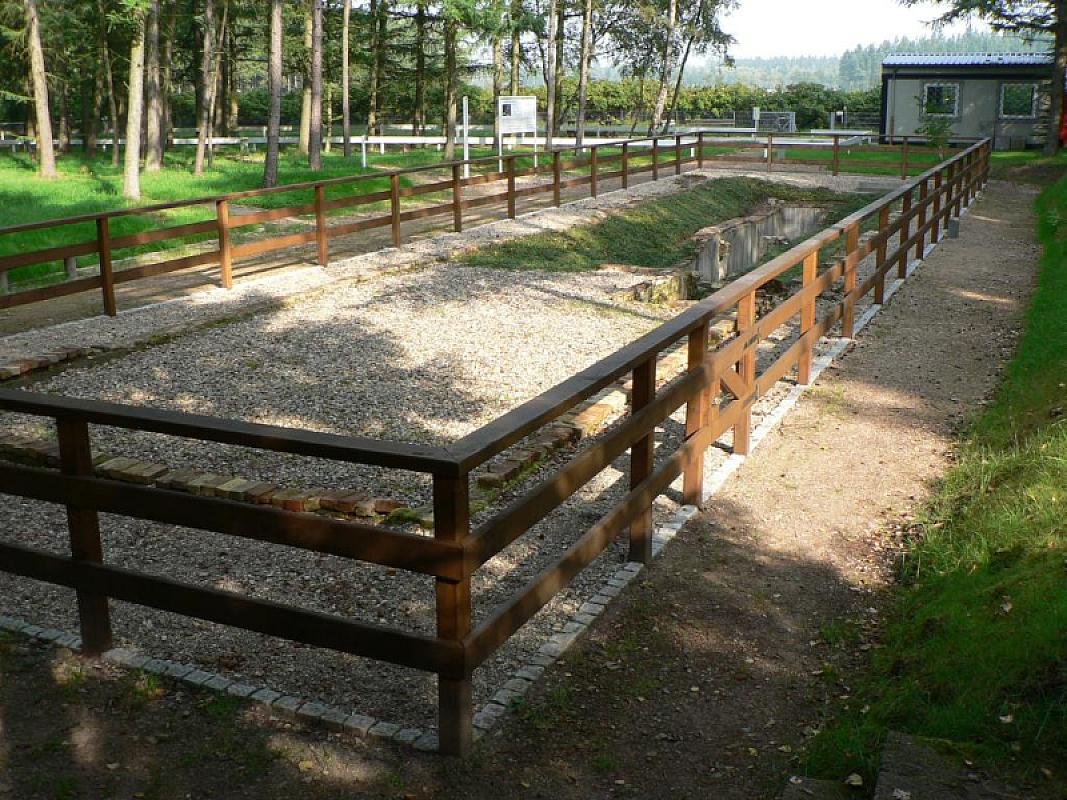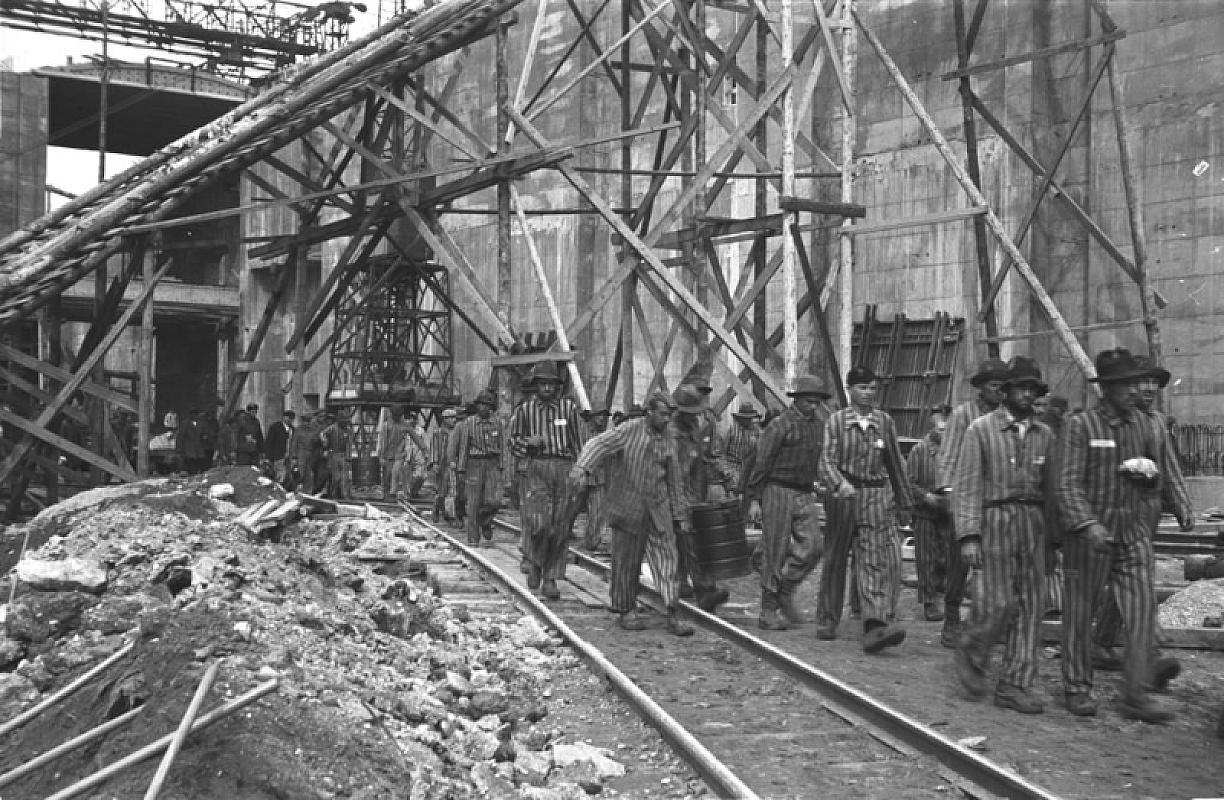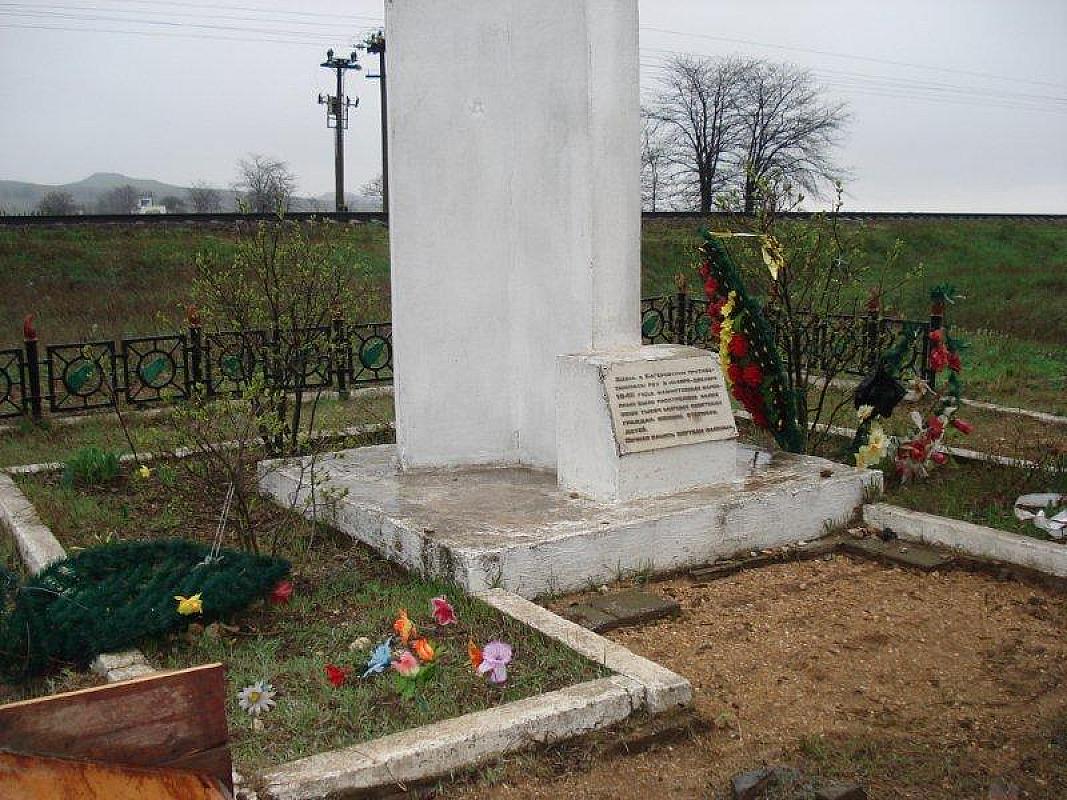
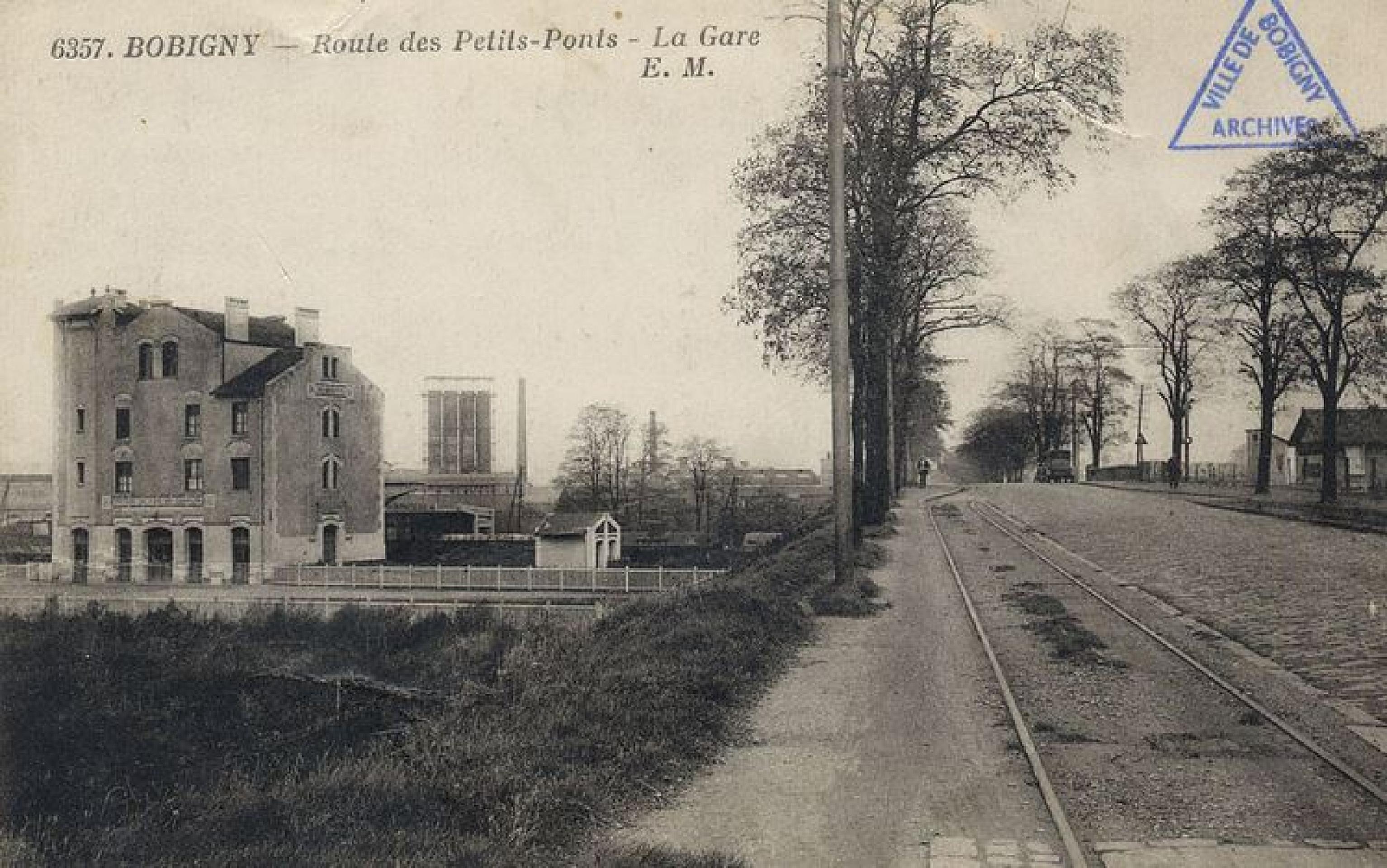
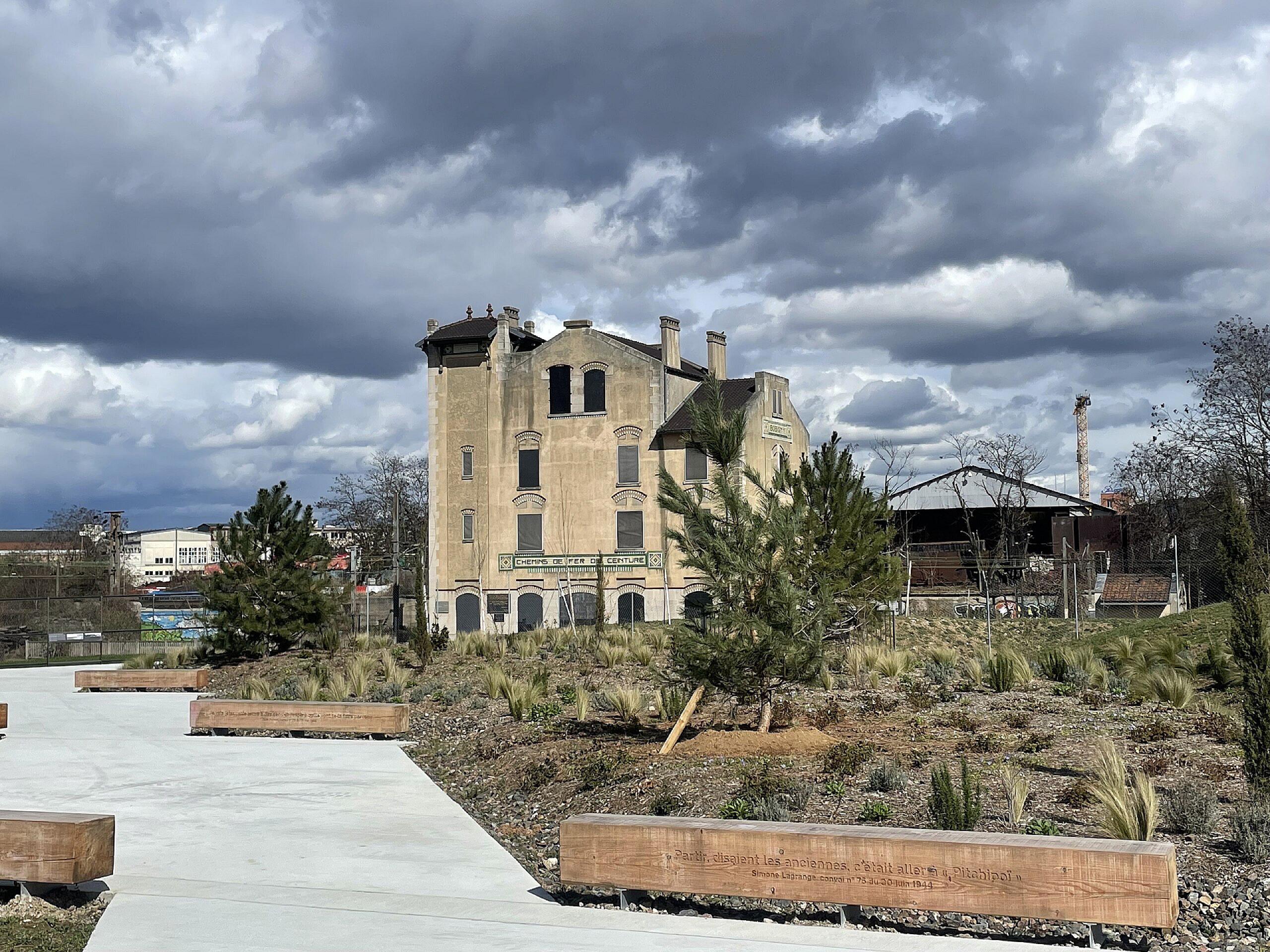
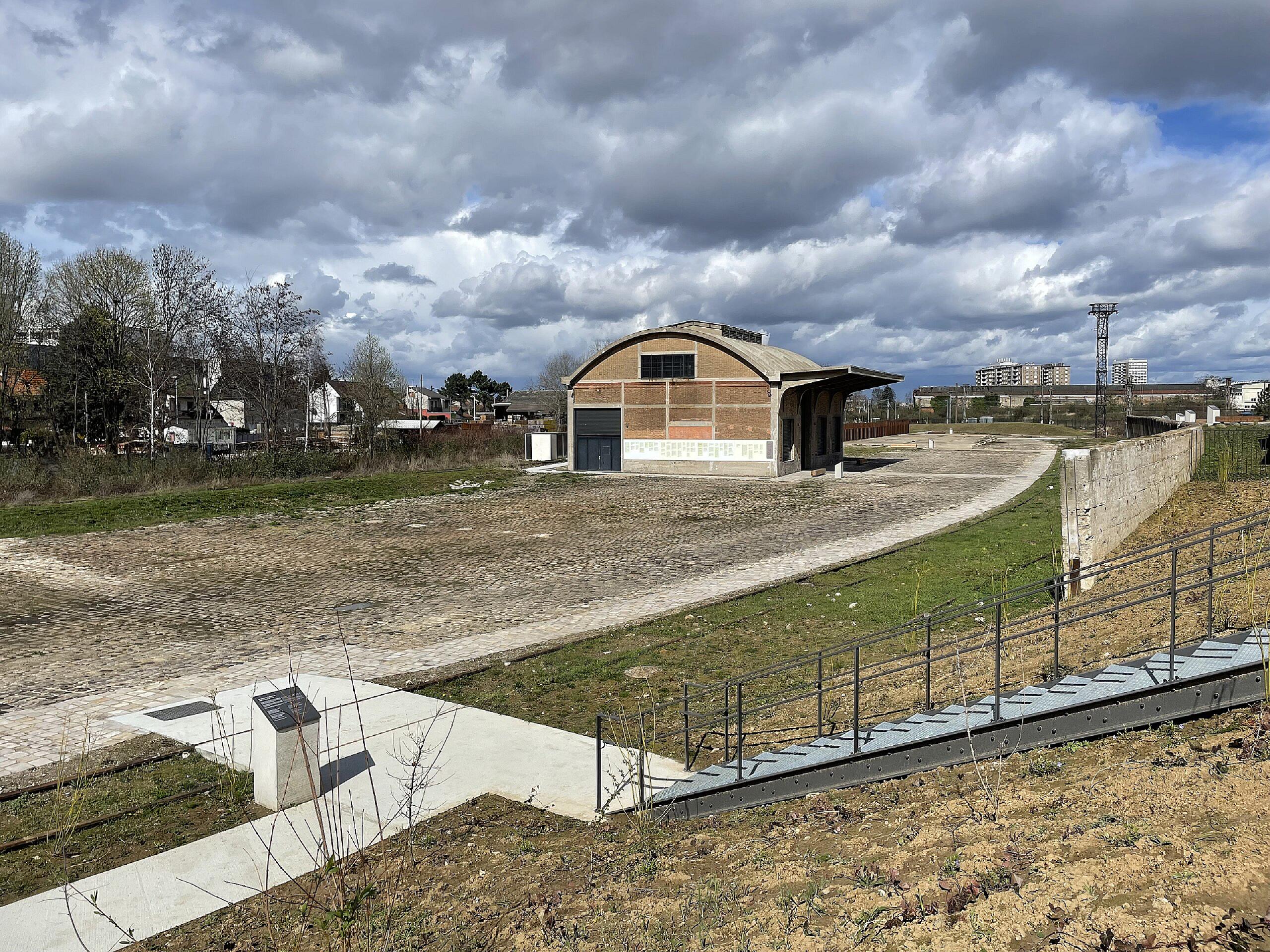
As the successor to the Le Bourget train station, the Bobigny train station became a hub for the deportation of Jewish children, women and men held at the Drancy internment camp to Auschwitz from 1943 onwards. Inaugurated in July 2023, a newly designed memorial site on the grounds of the former Bobigny train station commemorates the key role it played in the persecution and extermination of the Jewish population in France.
History
After France surrendered to the German Wehrmacht in June 1940, the Germans occupied northern France. In the same month, they seized a social housing complex in Drancy, a suburb northeast of Paris, to detain prisoners of war there. However, following the first raids against Jews in 1941, the German authorities converted the complex into an internment camp for Jewish prisoners.
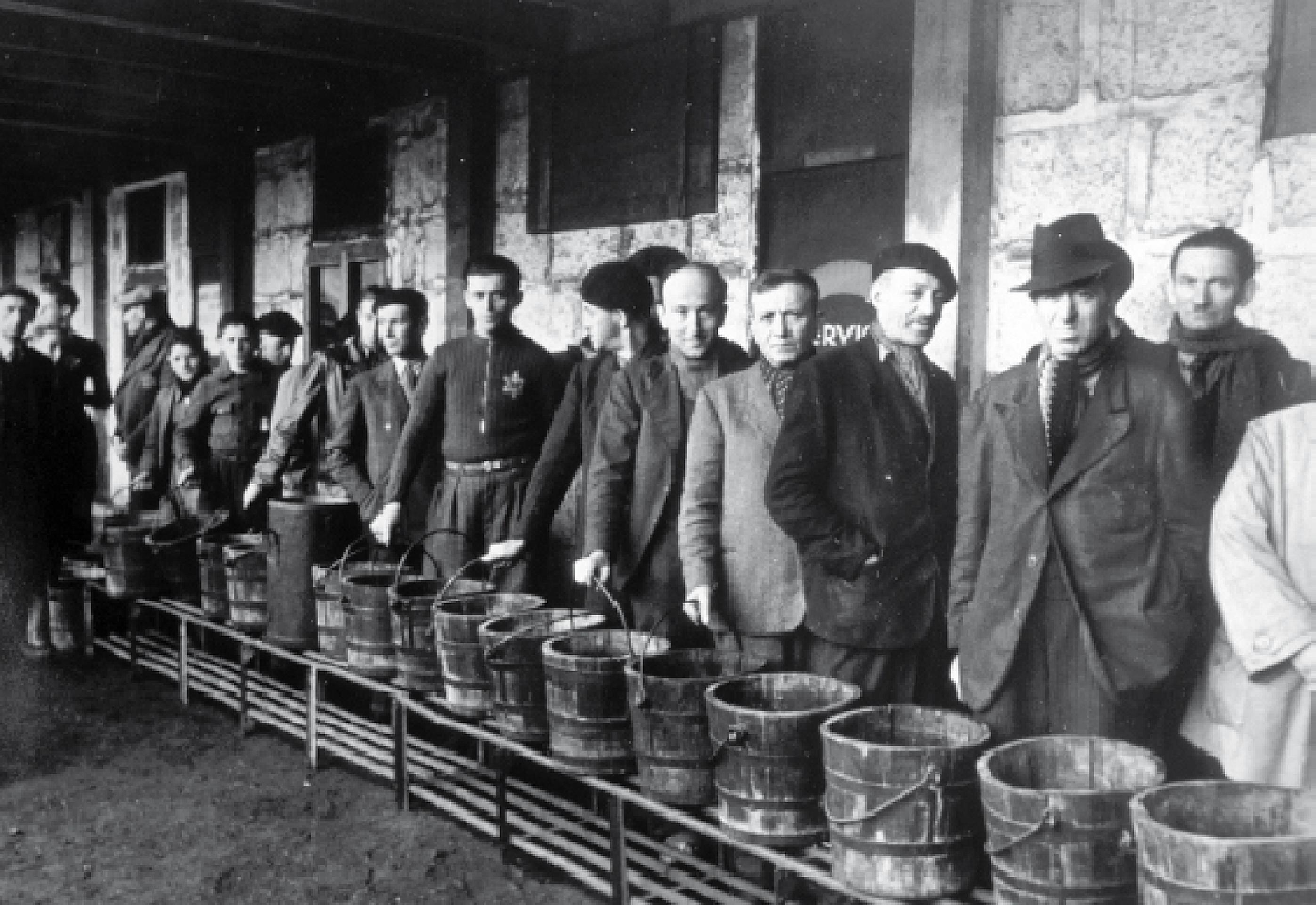
After the Wannsee Conference on 20th January 1942 in Berlin, at which the »Final Solution to the Jewish Question« was discussed, the Nazis began the systematic extermination of the Jewish population in France. The French authorities also took a leading role in the arrests and the subsequent deportations. Drancy became a centre for the deportation of the Jewish population from France to German extermination camps located in German-occupied Eastern Europe: until its liberation in August 1944, around 64,000 Jewish children, women and men passed through the camp. From June 1942 to June 1943, transports initially departed from the Le Bourget train station. During this period, about 40,000 prisoners were deported from Drancy to Auschwitz in 41 transports.
The situation changed in June 1943 when SS-Hauptsturmführer Alois Brunner (1912– died after 2001) was appointed head of the Gestapo’s special unit for the Drancy internment camp. From July 1943 onwards, the Bobigny train station was used as the new departure point for deportations. By August 1944, 21 trains carrying over 22,500 deportees had departed from Bobigny. Almost all transports headed for Auschwitz, except for transport 73 on May 15, 1944 with 878 men, some of whom were taken to Kaunas in Lithuania and others to Tallinn in Estonia, and the last transport on August 17, 1944, which left for the Buchenwald concentration camp.
Victims
A total of 25 percent of the Jewish population in France fell victim to the Shoah. Around 76,000 Jewish children, women and men were deported from France to German concentration and extermination camps, including more than 11,000 children.
More than 22,500 Jewish prisoners from the Drancy internment camp were deported from the Bobigny train station to German extermination camps, including 10,222 women and 3,285 children. Almost all of the transports left for the Auschwitz-Birkenau extermination camp, where most of the deportees were murdered upon arrival.
Remembrance
In the post-war period, the history of the Bobigny train station was initially neglected. Although three commemorative plaques had already been unveiled there in September 1948 on the initiative of two organizations (»Confédération générale des internés déportés politiques« and the »Union internationale contre le racisme«), the Bobigny train station continued to be used as a freight station by the French national railway company SNCF until the 1970s. In addition, a scrap metal recycling company settled on the grounds of the train station in 1954.
The resistance of the then mayor of the city of Bobigny, George Valbon, and the Association Fonds Mémoire d’Auschwitz (AFMA, in English »Auschwitz Remembrance Fund Association«) to the planned demolition of the passenger building by the SNCF in 1988 gave the initial impetus to preserve the Bobigny train station as a memorial site. This set in motion a long process of research and historical reappraisal, which ultimately led to the train station being listed as a historic monument and handed over to the city of Bobigny in 2005.
In January 2011, the city of Bobigny and SNCF signed a memorandum planning the establishment of a memorial site on the grounds of the former Bobigny train station in the presence of Auschwitz survivor and former President of the European Parliament Simone Veil (1927–2017) and historian Serge Klarsfeld (1935–). The architecture firm Atelier d’architecture Philippe Prost (AAPP) was the winner of the architectural competition. After three years of construction, the memorial site was provisionally opened to the public on 18th January 18, 2023 and officially inaugurated on July 18, 2023, exactly 80 years after the departure of the first deportation train from the Bobigny train station.
Possibilities
Permanent exhibition on the history of the Bobigny train station, temporary exhibitions on various topics, guided tours, cultural events
Open
Wednesday to Sunday: 9.30 a.m. to 12.30 p.m. and 2.00 p.m. to 5.00 p.m.
Closed on Mondays and Tuesdays
Guided tours by appointment
Contact
https://garedeportation.bobigny.fr/52/accueil.htm
gare.deportation@ville-bobigny.fr
+33 1 89 57 21 57 / +33 6 26 49 91 96
69-151 avenue Henri Barbusse
93000 Bobigny, France