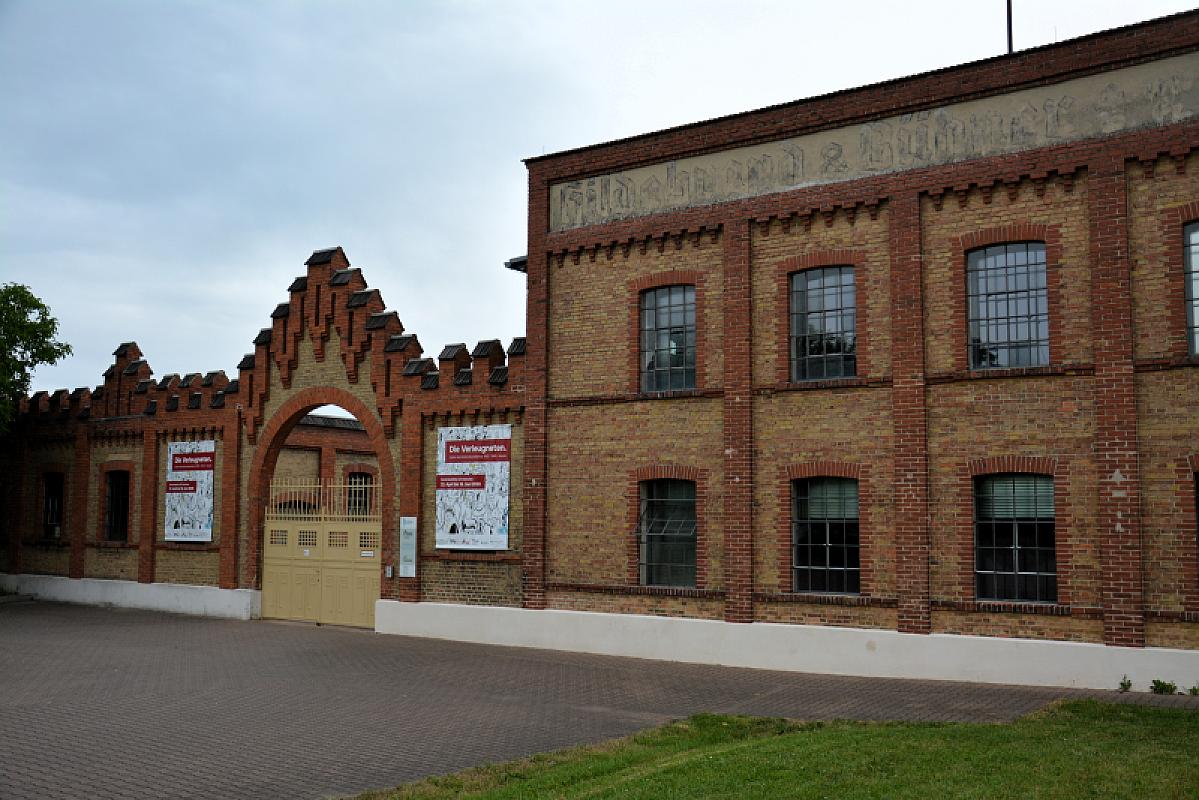
The police transit camp Bolzano was one of four German concentration camps on Italian territory. The SS conducted selections of political prisoners and Jews at the camp prior to deporting them to concentration and extermination camps north of the Alps. Today, various artworks located at the historic sites commemorate the fate of the prisoners.
History
Following the First World War, Austria had to cede South Tyrol to Italy. During the interwar period, severe nationality conflicts took place in the provincial capital Bolzano: the local German-speaking population vehemently resisted the »Italianization« policy of the fascist Italian government. In 1943, the German-speaking population of South Tyrol enthusiastically greeted the invasion of the German Wehrmacht. Many hoped that the region would soon be annexed to the German Reich, this did not happen however. Nevertheless, the German influence on the region of Bolzano - since September 1943 referred to as »Prealpine Operations Zone« - was more significant than anywhere else in occupied Italy.
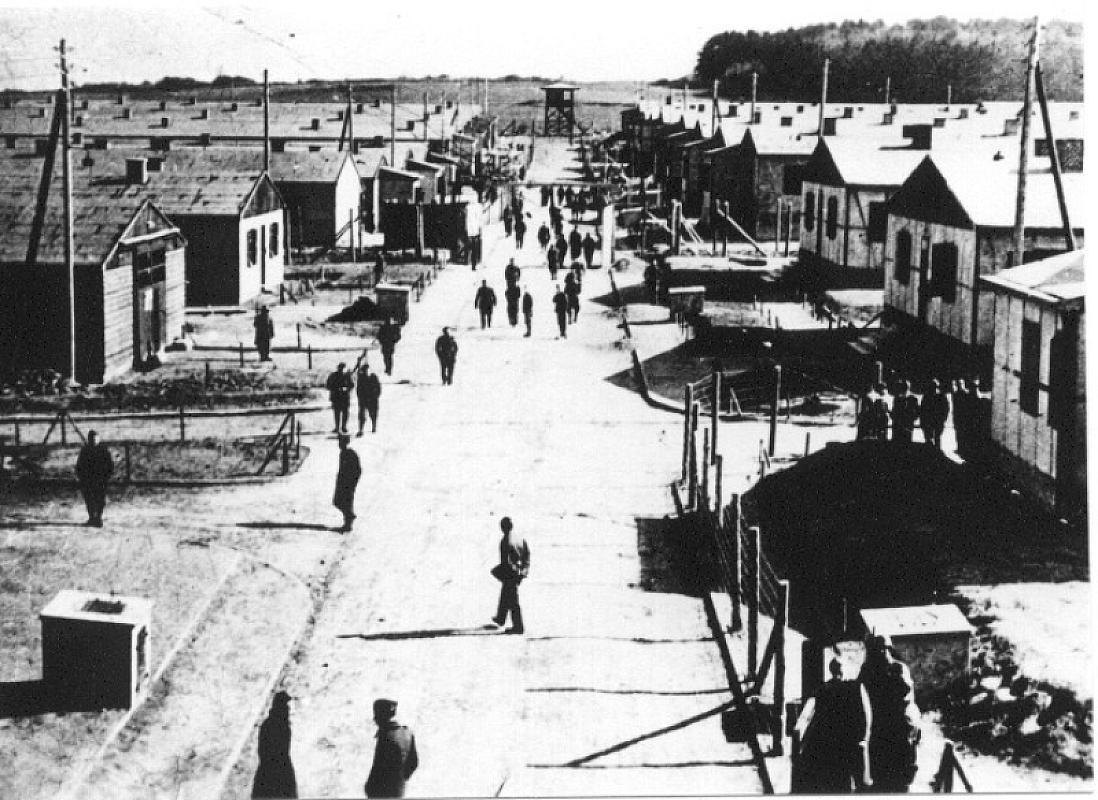
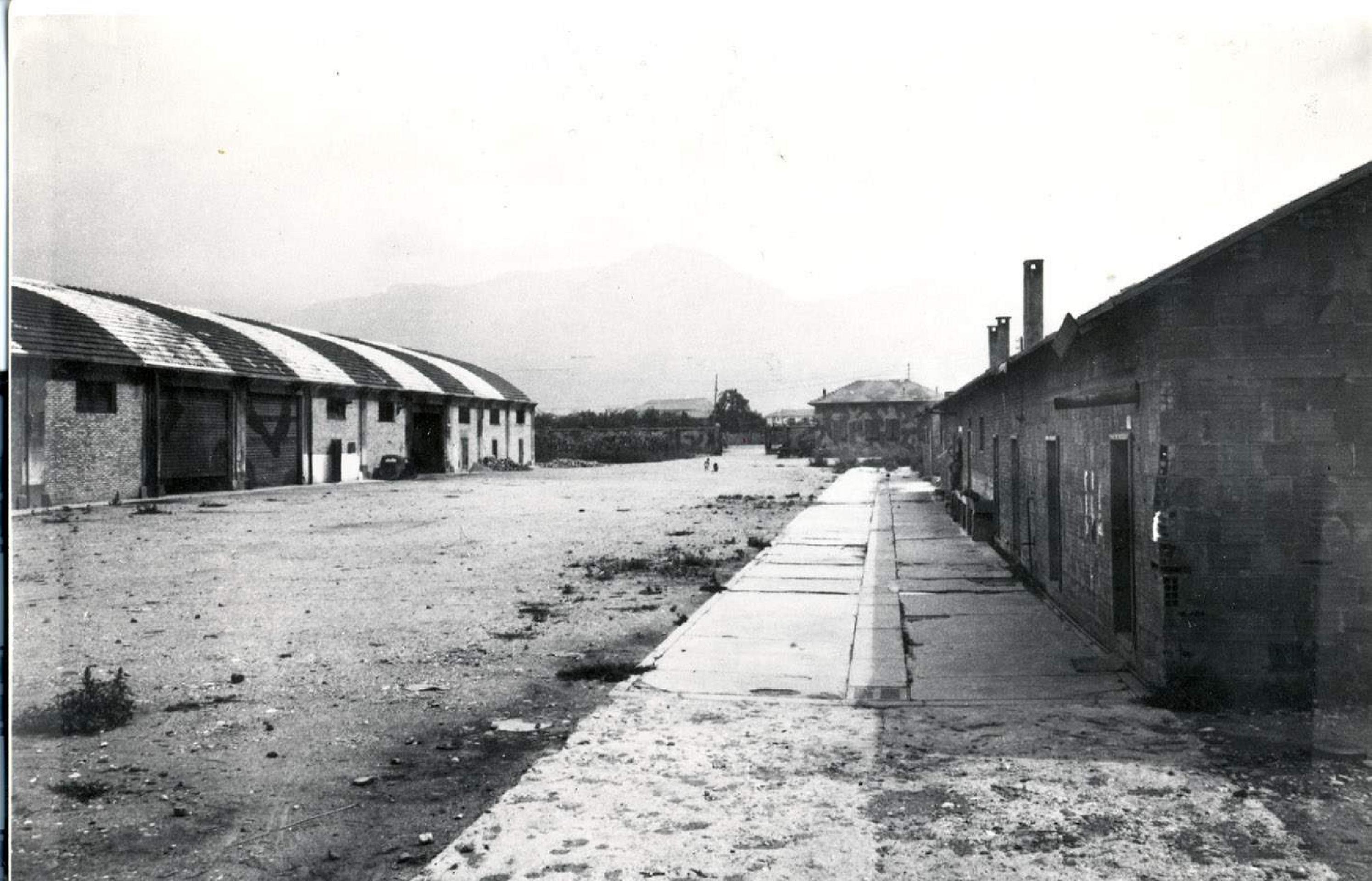
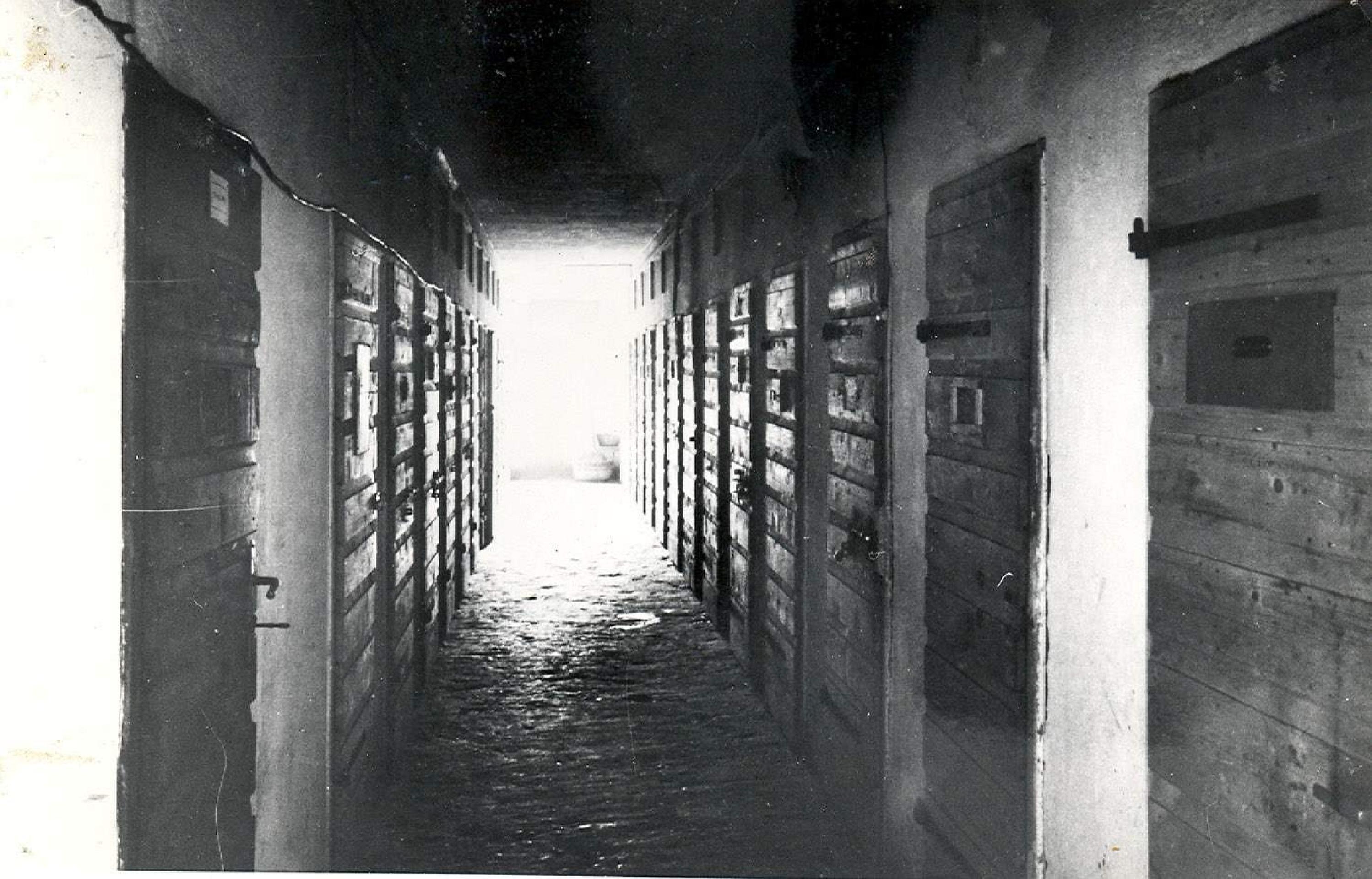
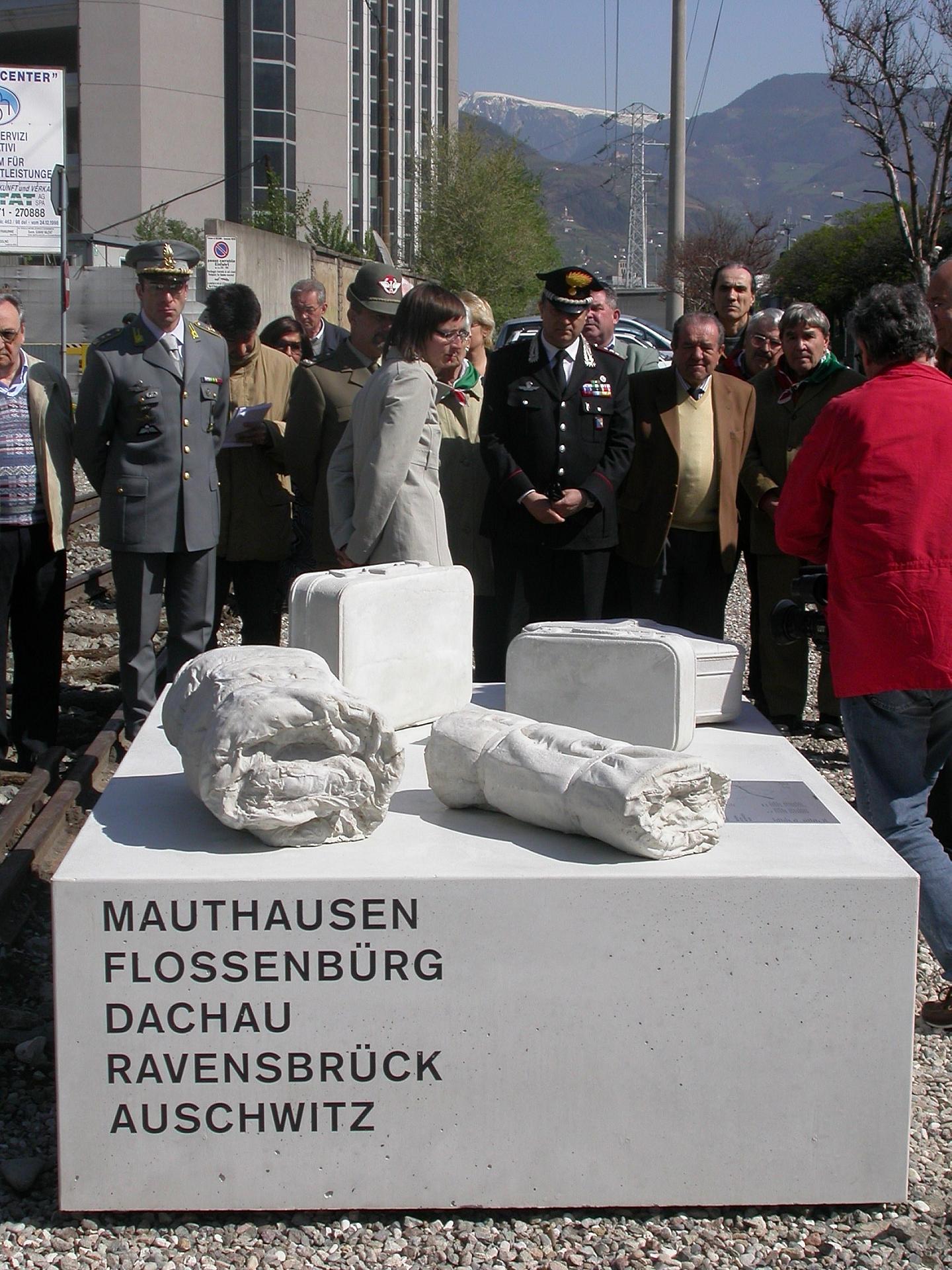
In July 1944, a police transit camp was established in the Gries district of Bolzano, in close vicinity to the road leading to the Brenner Pass. It was meant to replace the Fossoli transit camp, which had been deemed unsafe due to the advance of the Allies. Both the camp administration under SS-Untersturmführer Karl Titho and the entire guard personnel were transferred from Fossoli to Bolzano; in August 1944, the inmates from Fossoli too were moved to Bolzano. The camp had been built to hold 1,500 prisoners, yet an average of 4,000 were held there at one time. They had to conduct forced labour in the camp and outside: in the ball bearing factory IMI in the Virgl Tunnel, harvesting fruit or clearing rubble following air raids in the region. Just as Fossoli had, the Bolzano transit camp mainly served as a collection camp for compiling transports headed for concentration and extermination camps north of the Alps. Most of the approximately 13 transports went to the Mauthausen concentration camp, others were destined for Auschwitz, Dachau, Flossenbürg and Ravensbrück. The camp was dissolved on May 3, 1945, four days after the German troops in Italy had surrendered. A previously planned prisoner uprising did not take place.
Victims
About 11,000 prisoners passed through the Bolzano camp. Most of them were political prisoners, though several hundred Jews, Sinti and Roma, prisoners of war and hostages - frequently relatives of draft resistors and resistance fighters - were among those imprisoned. They came from all of northern and central Italy, some even from the south. Apart from Italian inmates, 150 foreigners from a total of 29 countries were held at the camp.
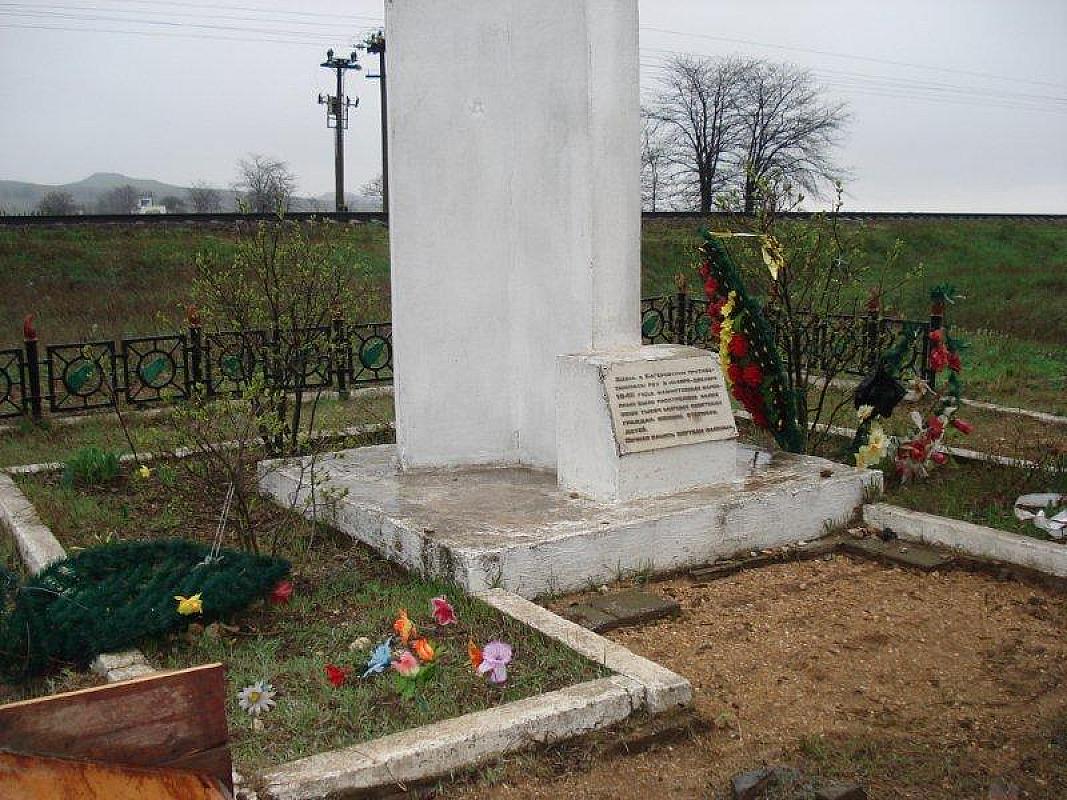
3,500 prisoners were liberated when the camp was dissolved. 44 prisoners died in the camp, of those 20 were killed during a mass execution on September 12, 1944. The victims were most probably soldiers who had cooperated with Allied intelligence services. Approximately 2,050 people who were deported from Bolzano to concentration camps in the German Reich did not return.
Remembrance
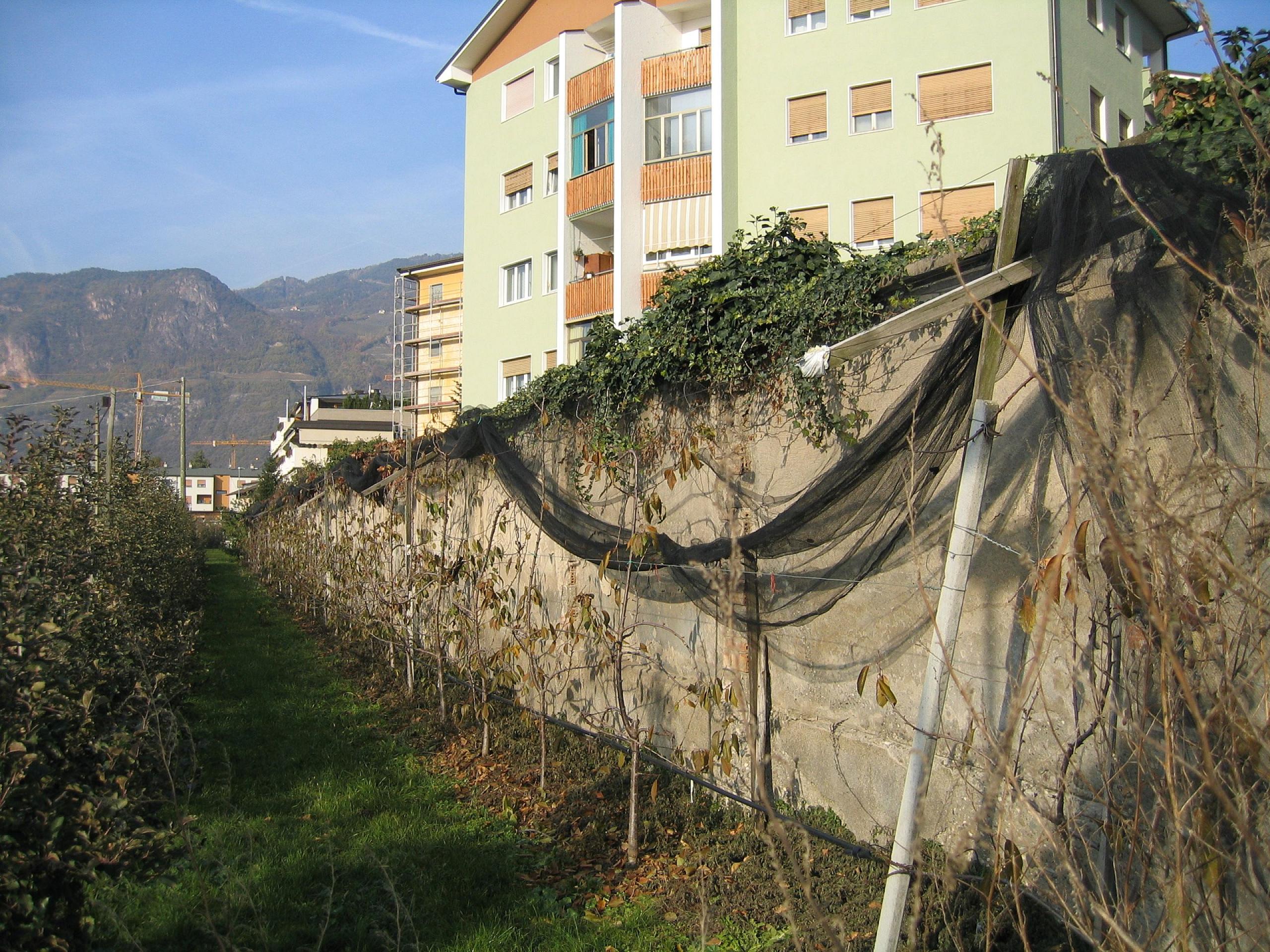
After the war, the former transit camp briefly served as an internment camp for German prisoners of war, later it was a resort and training location. Until 1968, the barracks were inhabited by families from Bolzano who had lost their homes in the war. Today, only a part of the wall surrounding the former camp premises remains. In 2003, it was placed under landmark protection laws and in 2004, six information boards were set up on it.
Today, the municipal archive tends to the remains of the camp and runs a project it initiated entitled »History and Remembrance. The Bolzano Camp«. The project entails historical research as well as artistic and educational forms of commemoration.
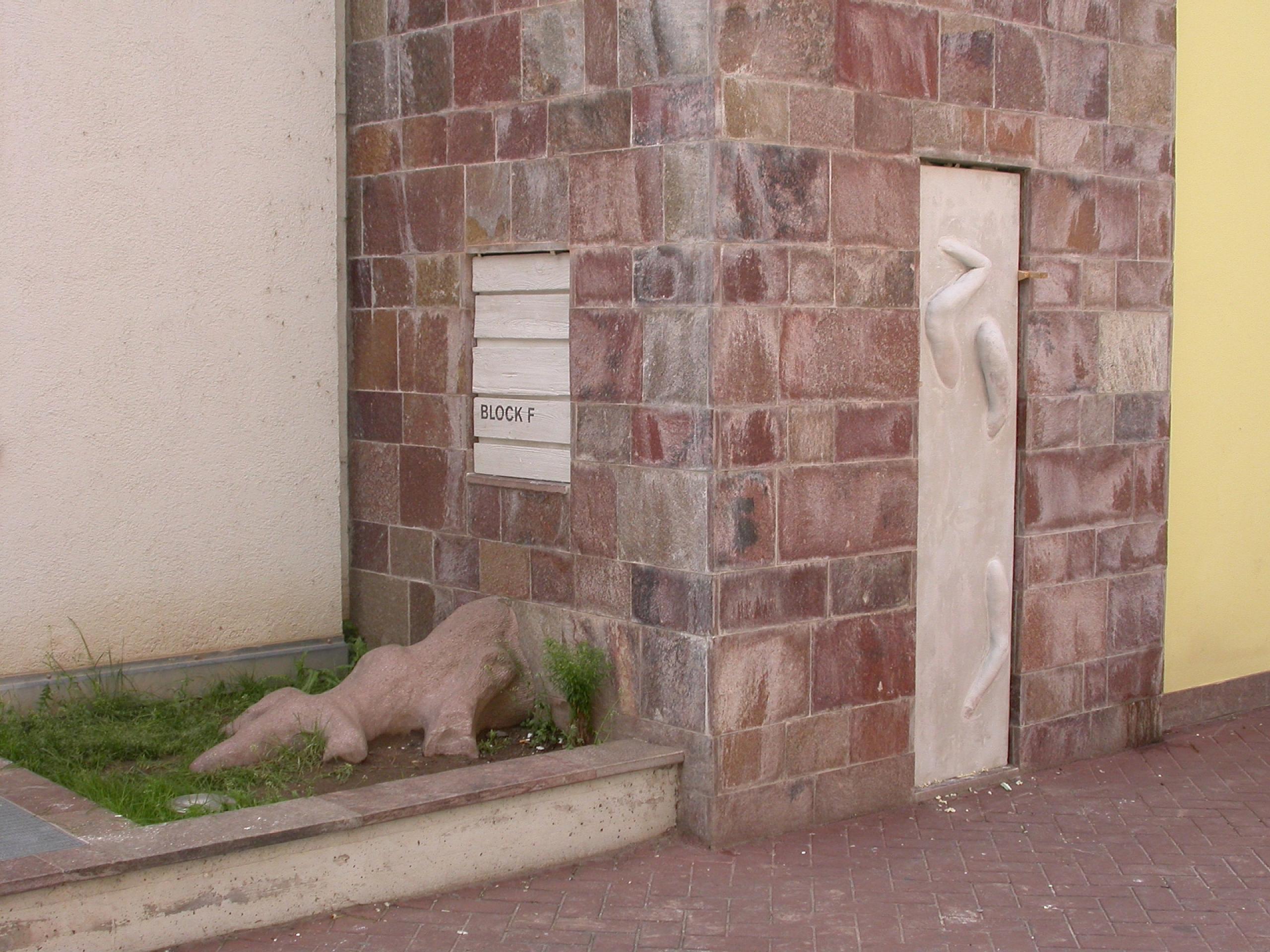
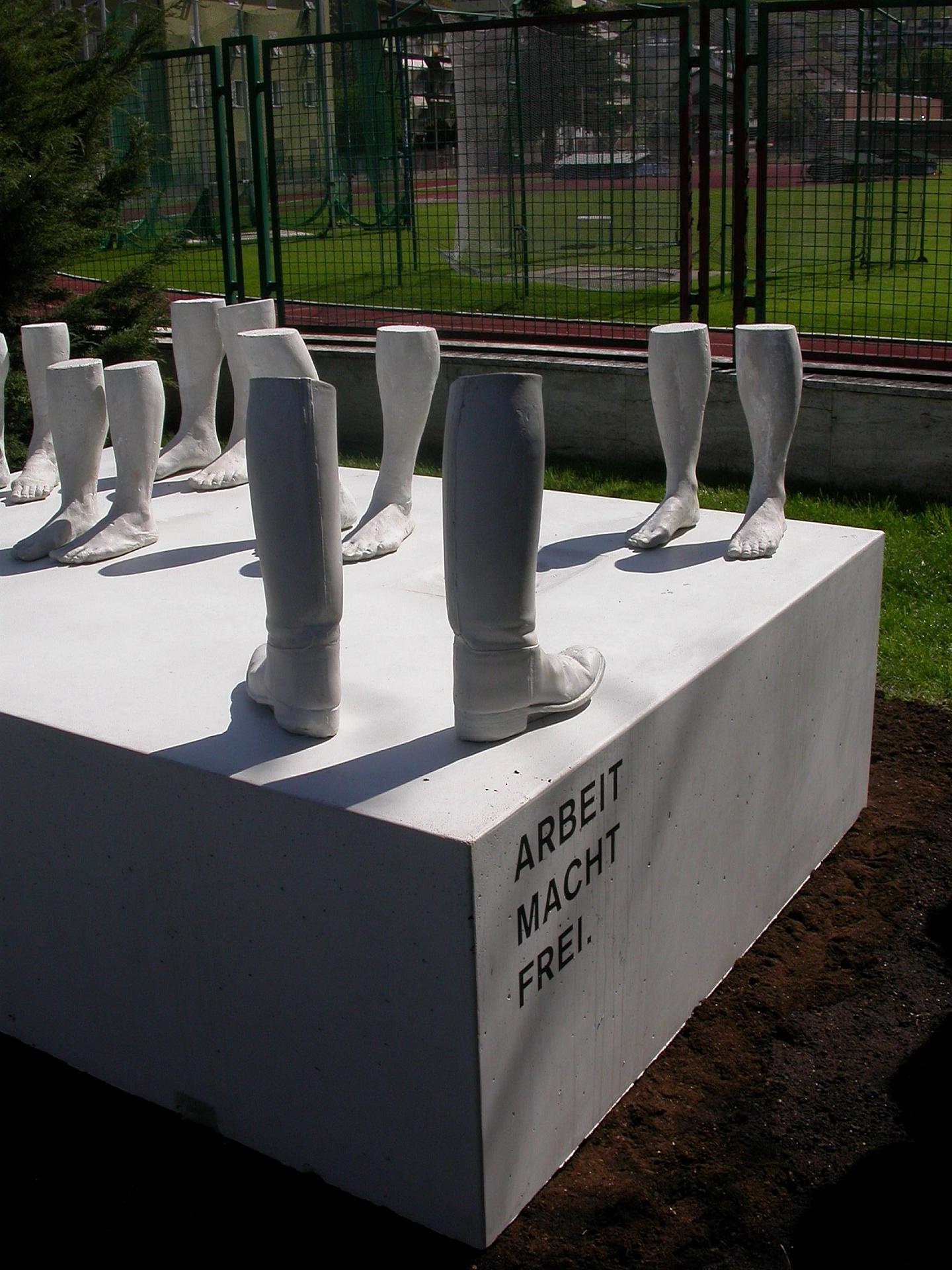
In April 2005, on the 60th anniversary of the liberation of Bolzano, four artworks by local artist Christine Tschager, who had won an international competition, were unveiled. Her works honour the victims at three historic sites: at the former camp premises, at the Virgl Tunnel, where many prisoners had to conduct forced labour, and at Pacinotti street, from where the prisoners were sent off to board deportation trains.
Possibilities
Municipal archive Bolzano: Guided tours by appointment, publications, travelling exhibition, conferences, audiovisual archive of remembrance
Open
The remains of the perimeter wall and the monuments are accessible at all times.
Contact
http://www.gemeinde.bozen.it/cultura_context.jsp?ID_LINK=739&area=11
carla.giacomozzi@comune.bolzano.it
+39 0471 997 391
Via Resia 80
39100 Bolzano