Brandenburg-Görden Prison Memorial
Gedenkstätte Zuchthaus Brandenburg-Görden
The Brandenburg-Görden Prison Memorial tells the story of the prison during National Socialism and in the time of the German Democratic Republic (GDR).
History
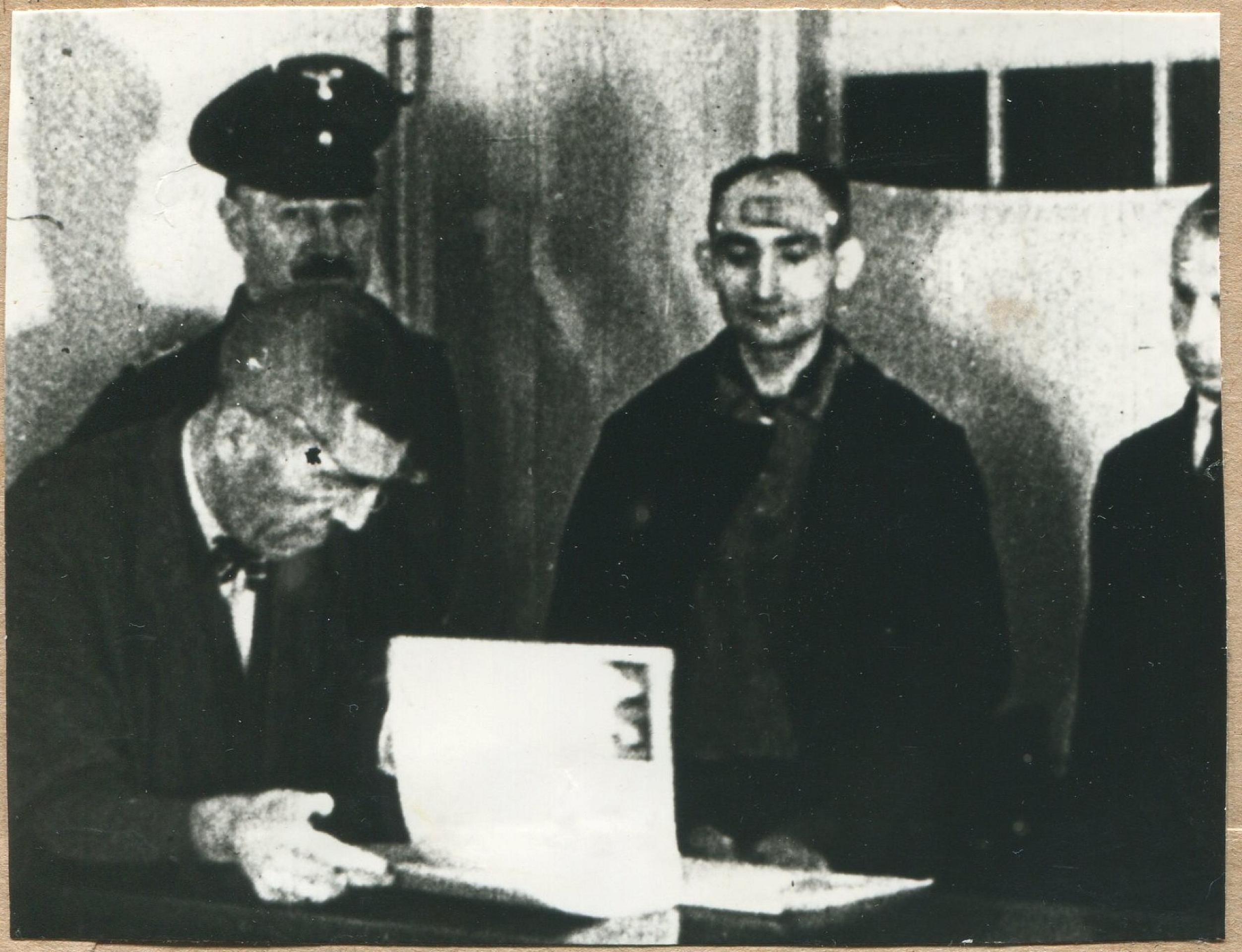
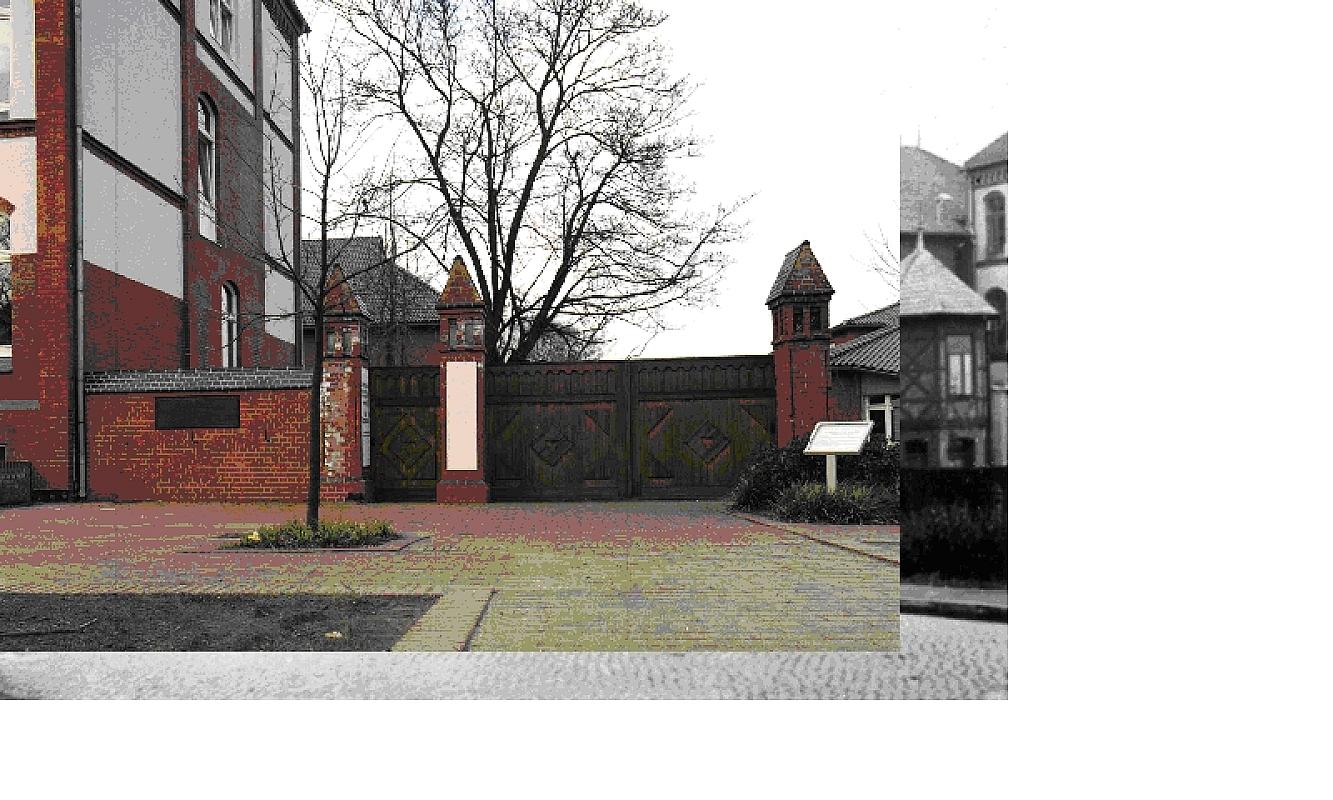
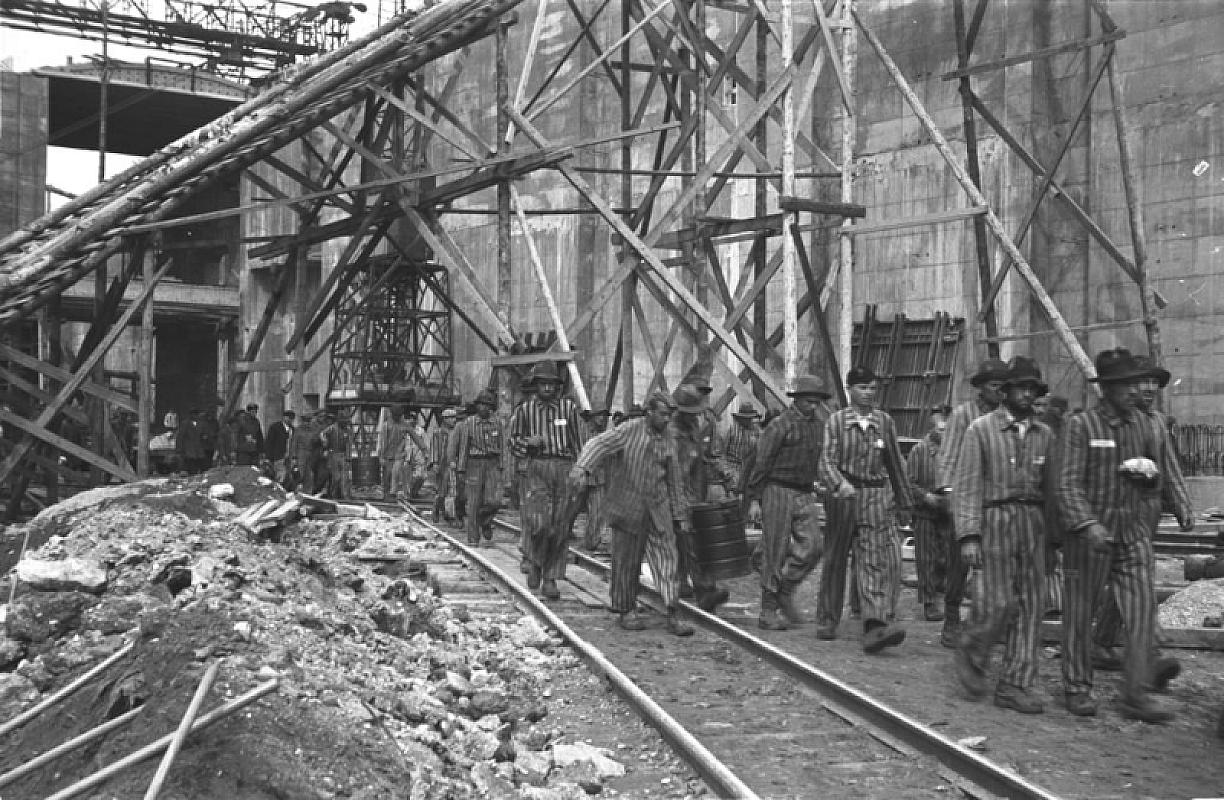
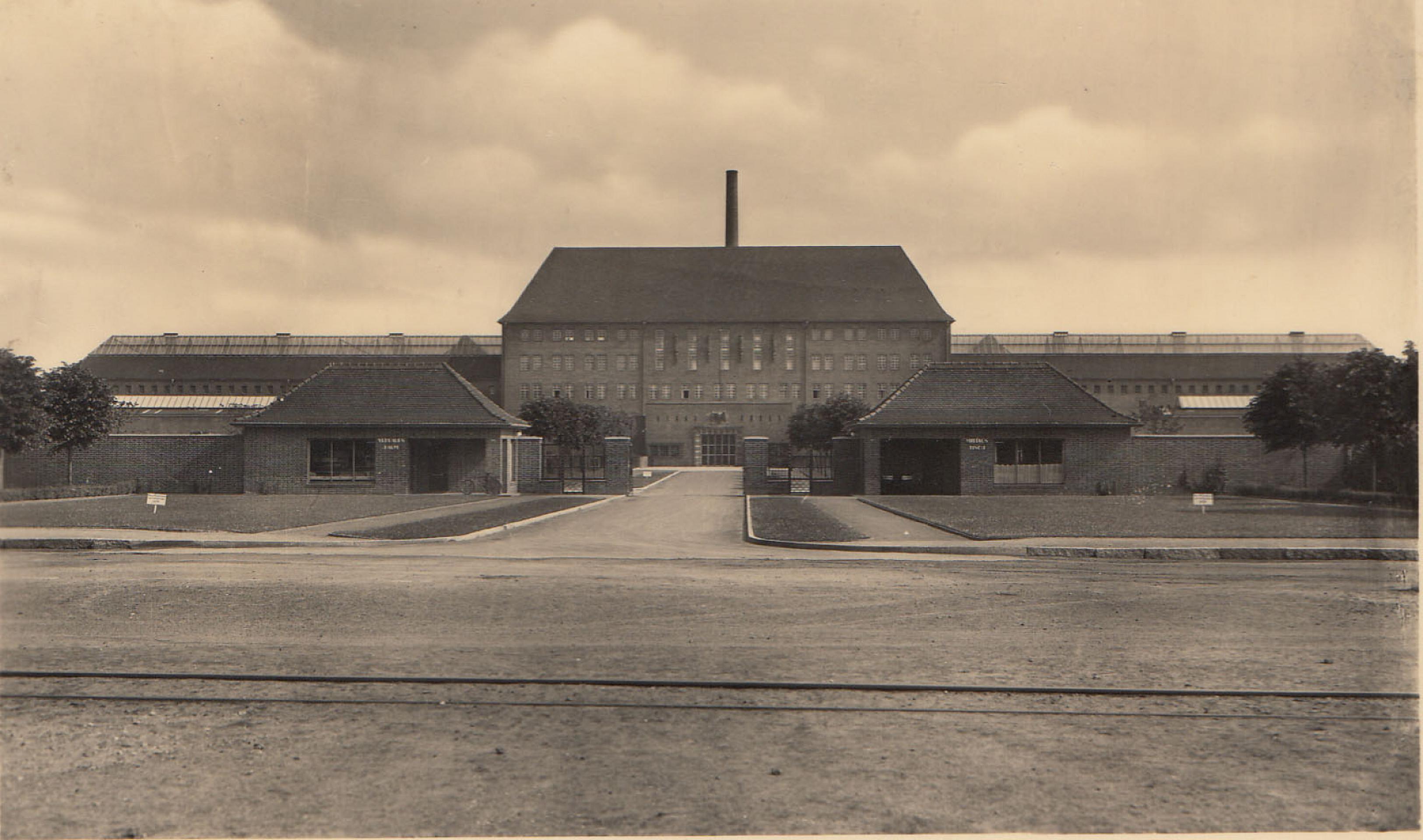
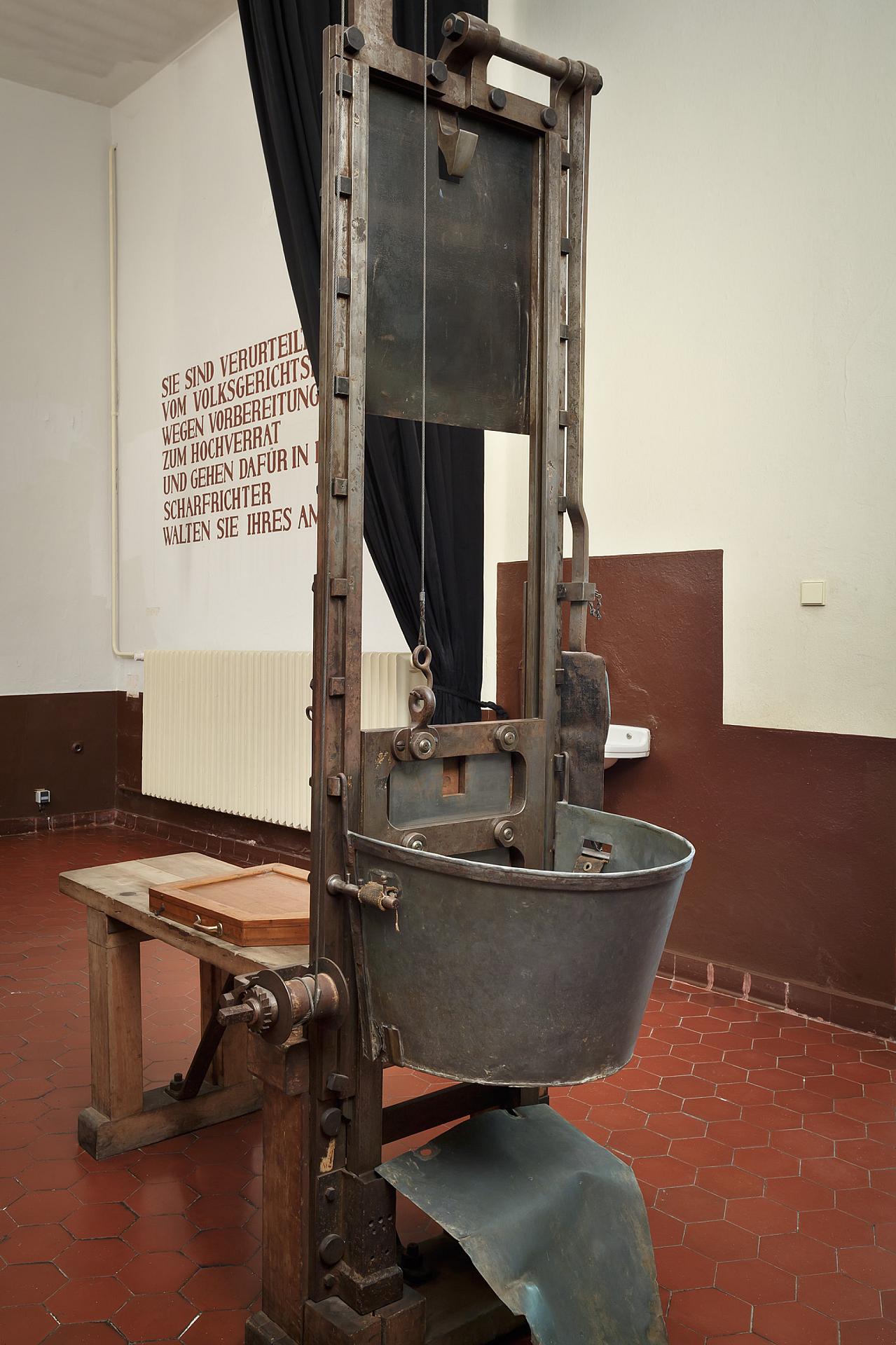
Construction on the Brandenburg-Görden prison began in 1927 to replace the prison in the centre of Brandenburg, which no longer met new hygienic and technical standards. Designed in the Weimar Republic as a modern, humane prison, after 1933 under the Nazi dictatorship the prison quickly became a place of aggravated prison conditions and massive violence. The majority of the detainees were political prisoners, and the prison was always overcrowded. The prisoners were divided according to the National Socialist racial ideology; the Jewish prisoners for example were housed separately. During the war, many prisoners from all over Europe were transferred to the Brandenburg prison. They had to conduct forced labour in arms factories. Since the Nazi judiciary pronounced more and more death sentences, a place of execution was established in the jail in 1940. By the end of the war, 2,032 prisoners who had been sentenced to death mainly for political reasons such as »Wehrzersetzung« (»negatively affecting the fighting forces«) were executed there with the guillotine.
On April 27, 1945 the Red Army liberated the prison’s approximately 3,000 prisoners. Most of them were now able to return home. At first the prison was used as a military hospital. Later, the Soviet occupation authorities set up a camp on the grounds where former Soviet forced labourers and prisoners of war were examined before returning home and where Soviet citizens suspected of collaborating with the Nazis were imprisoned.
In May 1948 the prison was handed over to the East German administration. From 1949 onwards the prison was mainly used for prisoners convicted by East German courts as Nazi perpetrators. From 1950, the Volkspolizei (»People's Police«) took over the prison, in which more and more opponents of the Communist dictatorship were imprisoned. By the end of the GDR, the proportion of political prisoners had decreased again. Prison conditions varied, but overall they were repressive and often arbitrary.
Victims
Between 1933 and 1945 about 22,000 men passed through the prison. Many prisoners were not released at the end of their official prison term but taken to concentration camps. Starting in 1942, the judiciary committed more than 1,200 prisoners from Brandenburg-Görden to the SS for »Vernichtung durch Arbeit« (»annihilation through labour«), including almost all prisoners in preventive detention, Jews, Sinti and Roma, Poles, as well as many Germans and Czechs with high prison sentences.
The Nazi judiciary executed 2,032 men in Brandenburg-Görden, all but 300 for political reasons. More than 800 prisoners died during their imprisonment or shortly after their liberation as a result of the devastating prison conditions.
Remembrance
In April 1946, one year after their liberation, former political prisoners and relatives of victims held the first commemoration ceremony in Brandenburg-Gören. In 1947 a »Memorial for the anti-fascist resistance fighters executed in the Brandenburg-Görden prison« was inaugurated at the Marienberg cemetery. Since the jail was still a prison and therefore difficult to access, larger commemorative events took place later, above all at this location. In 1949, Walter Hammer, a former prisoner, set up a memorial in the former execution garage, whose most important element to this day is a reconstructed guillotine. Hammer himself left the GDR in 1950 for West Germany.
In April 1975 the memorial site at the former execution site was extended and rebuilt. One possible reason for the extension was that between 1937 and 1945 Erich Honecker, who had been the dominant political figure in East Germany since 1971, was imprisoned in Brandenburg-Görden. The Marienberg memorial site was also expanded for mass rallies during this period.
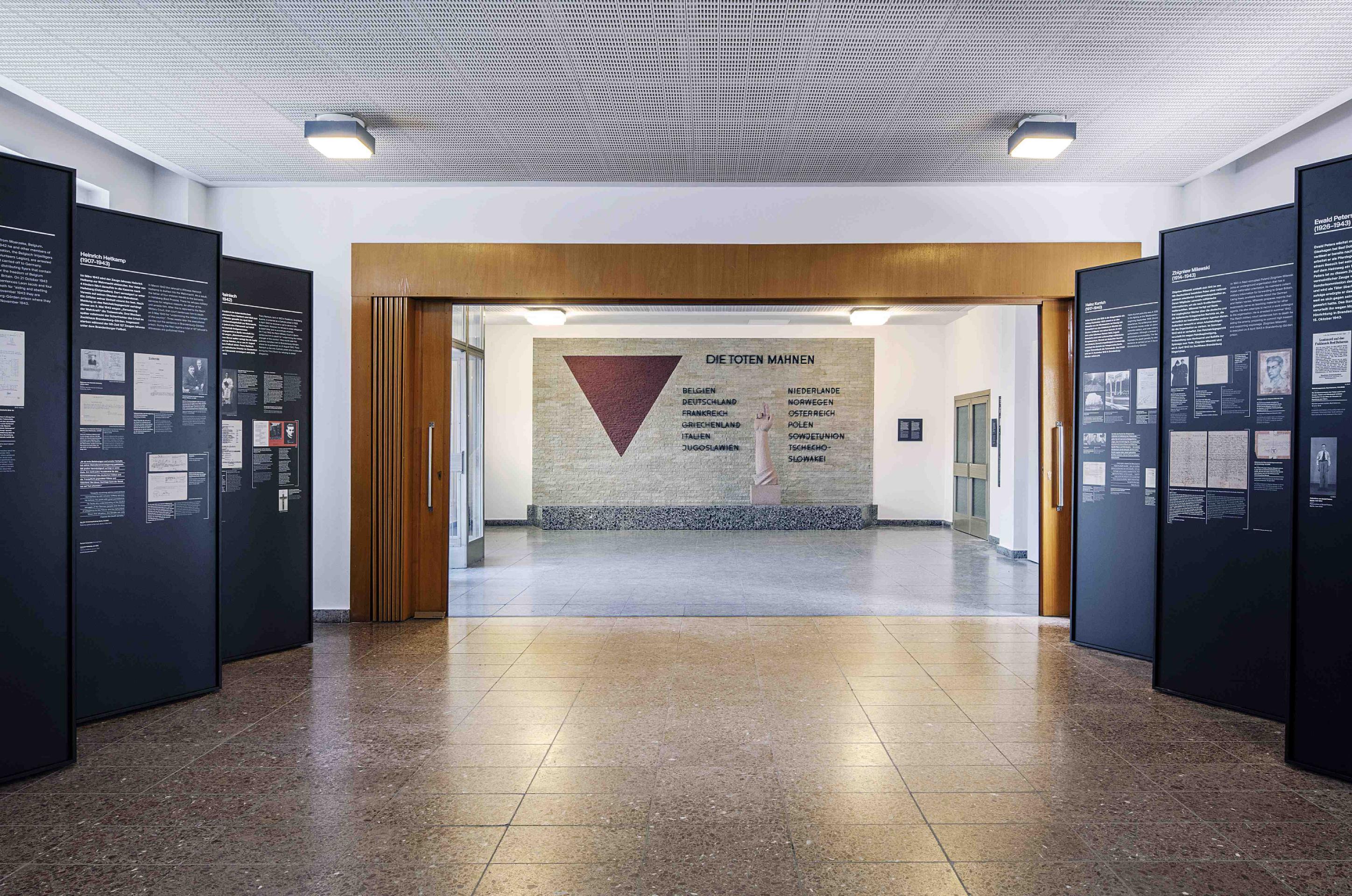
In 1988 the East German government founded the »Nationale Mahn- und Gedenkstätte Brandenburg« (National Memorial Brandenburg). Due to the collapse of the GDR, the opening of a new permanent exhibition, which would have represented the East German state as the realization of the goals of the antifascist resistance fighters, did not take place any more. The old memorial rooms were preserved even after reunification, as well as the penal institution. In the meantime, steles with victim biographies have been exhibited there.
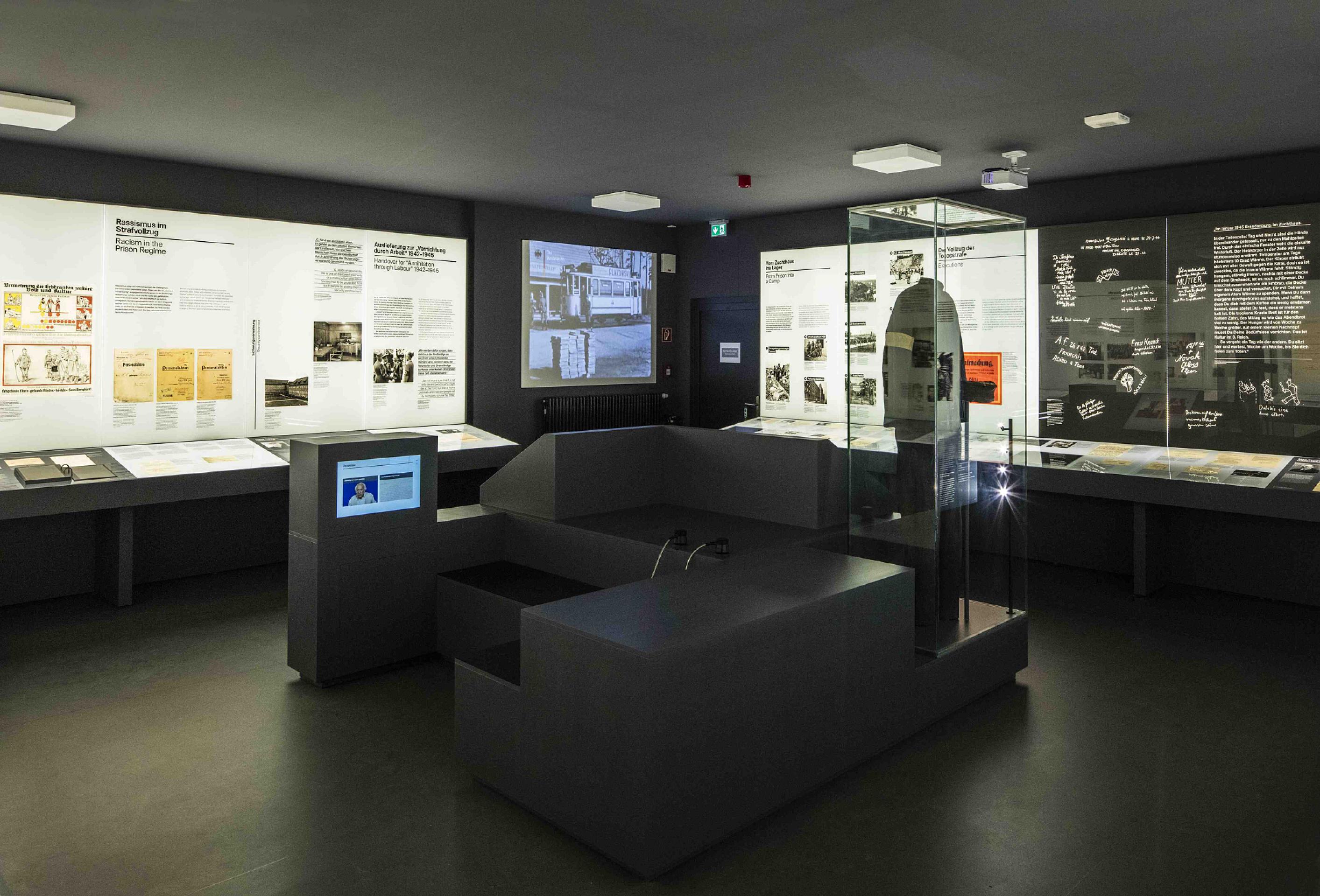
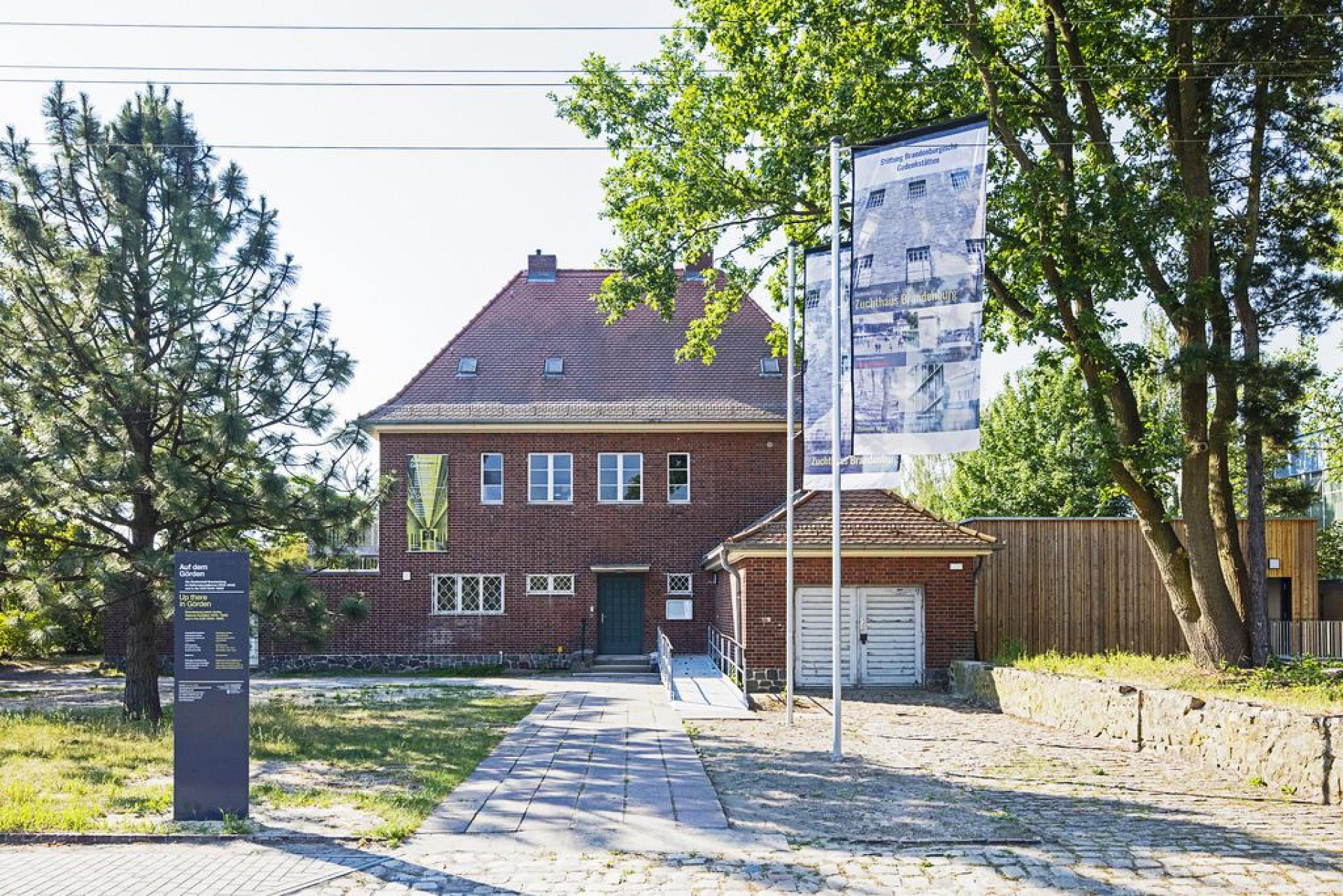
In 2018, the Stiftung Brandenburgische Gedenkstätten (Brandenburg Memorials Foundation) opened a new permanent exhibition entitled »On the Görden. The Brandenburg Prison under National Socialism (1933-1945) and in the GDR (1949-1990)«.
Possibilities
Permanent exhibition, archive and collection, educational projects for pupils and young people.
Open
Permanent exhibition at Anton-Saefkow-Allee 38:
Thursdays and Fridays 1 to 5 p.m., Saturdays and Sundays 10 a.m. to 5 p.m.
The memorial rooms are located in the prison. Visits by prior arrangement only.
Contact
https://www.brandenburg-zuchthaus-sbg.de/
brandenburg@stiftung-bg.de
+49(0)3381 793 511 2
Anton-Saefkow-Allee 22
14772 Brandenburg an der Havel