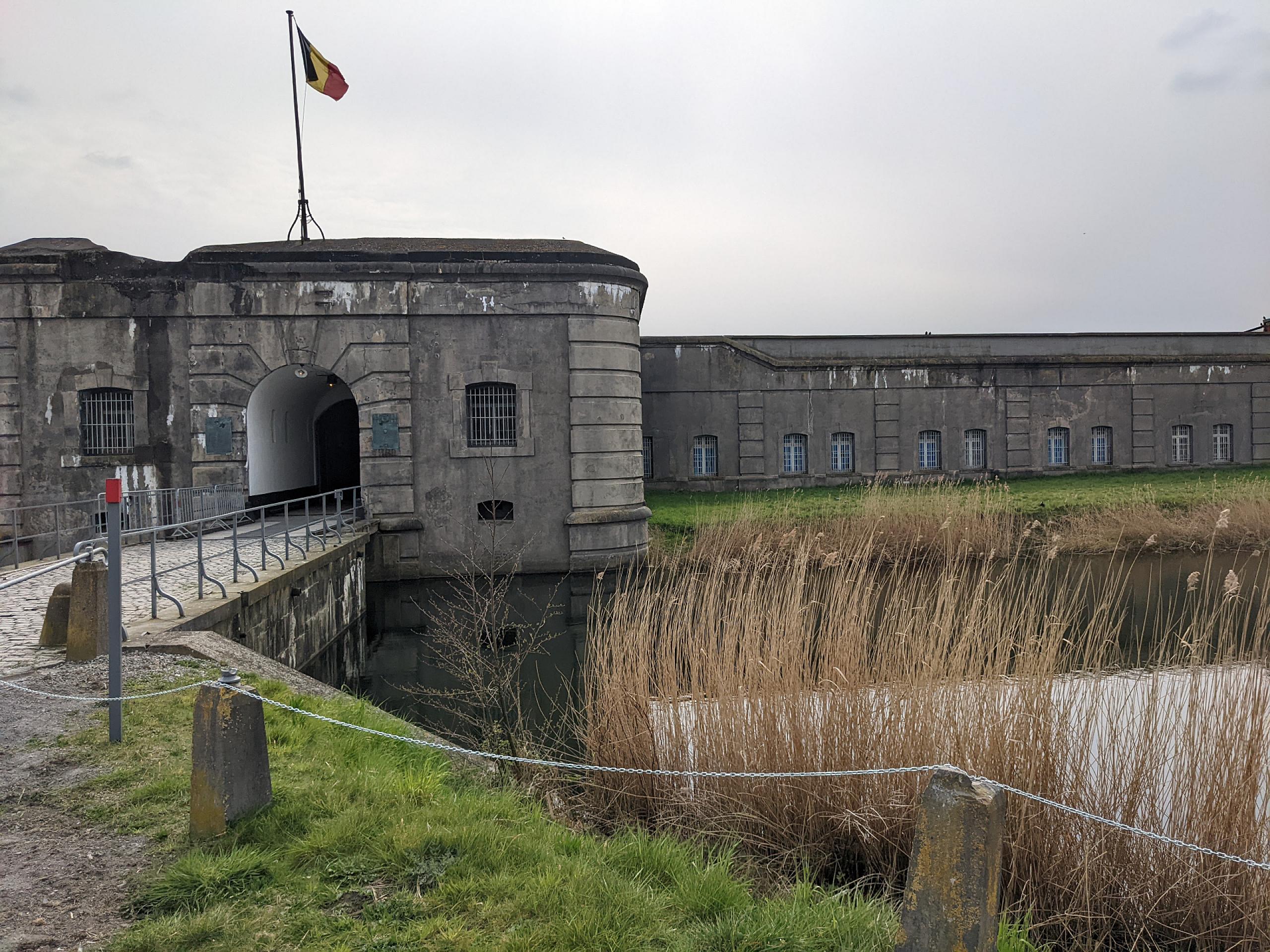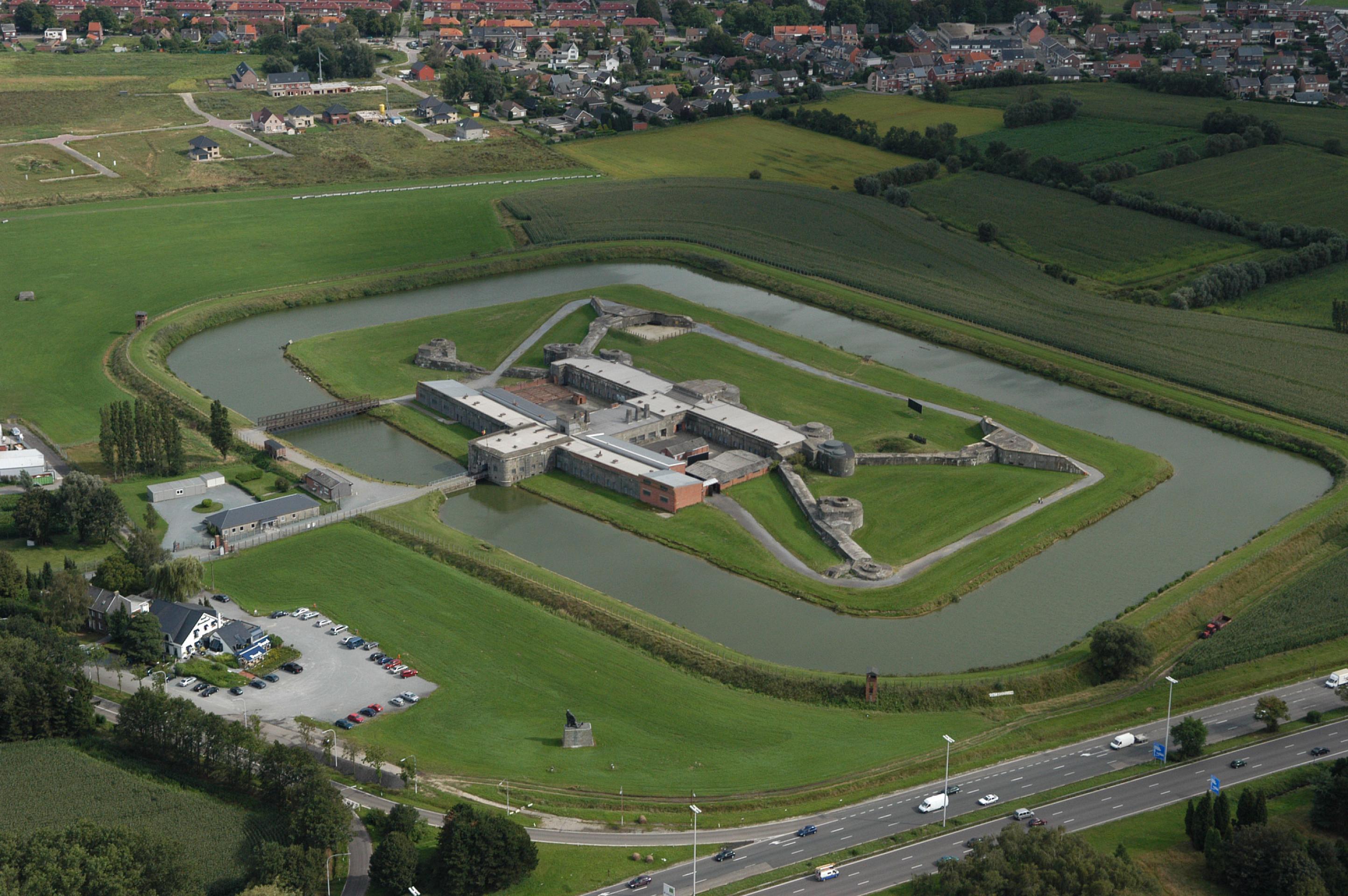
Breendonk Fort was used as a police internment camp under German occupation in Belgium. Today, the former stronghold is a memorial.
History
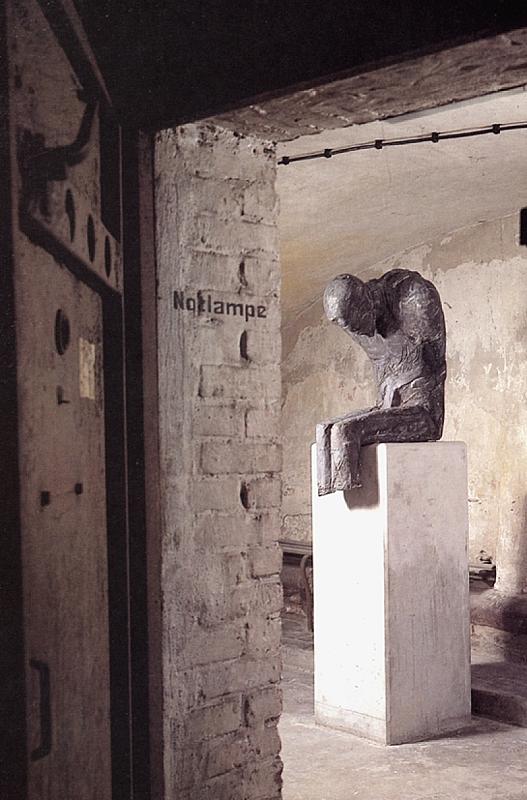
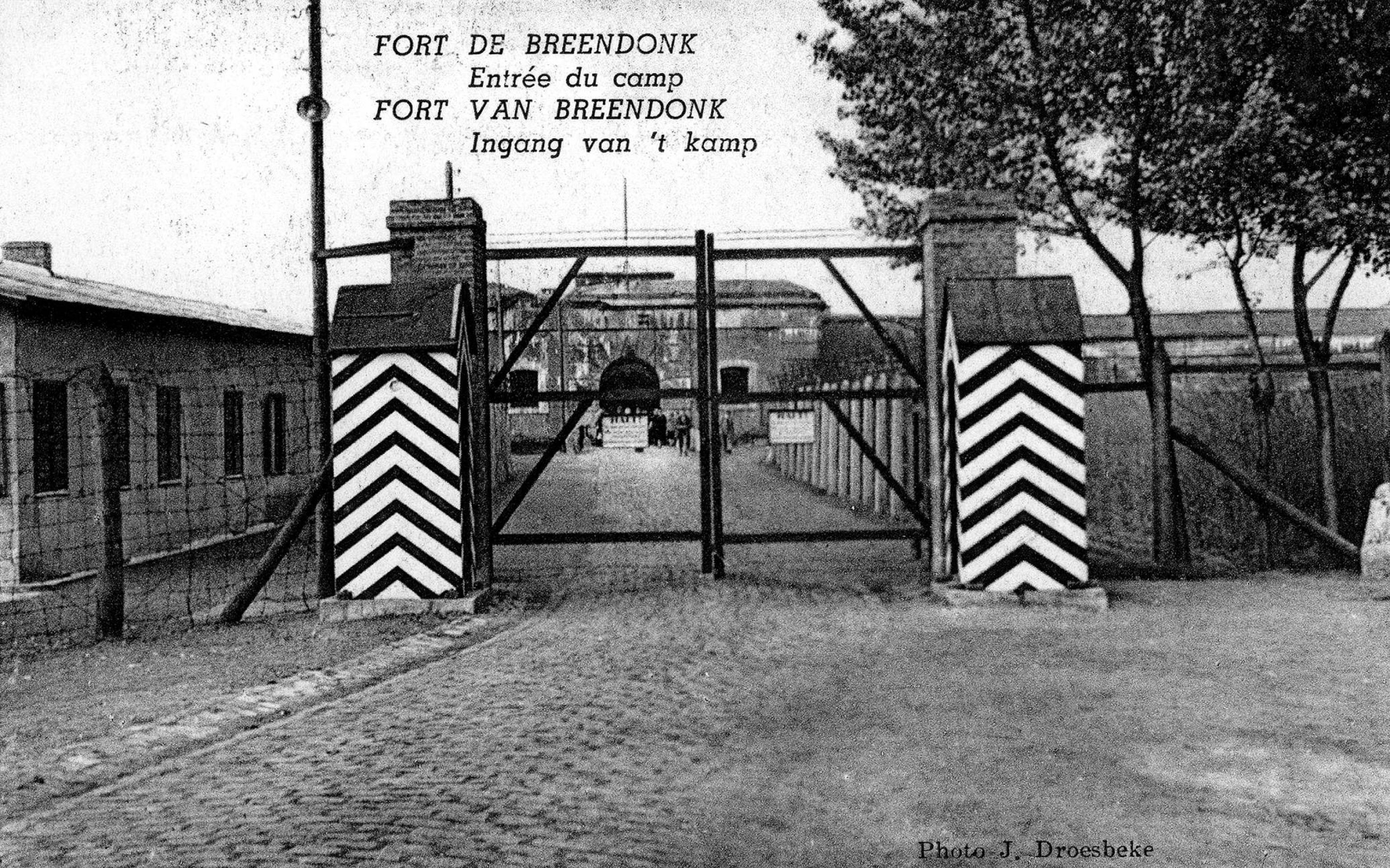
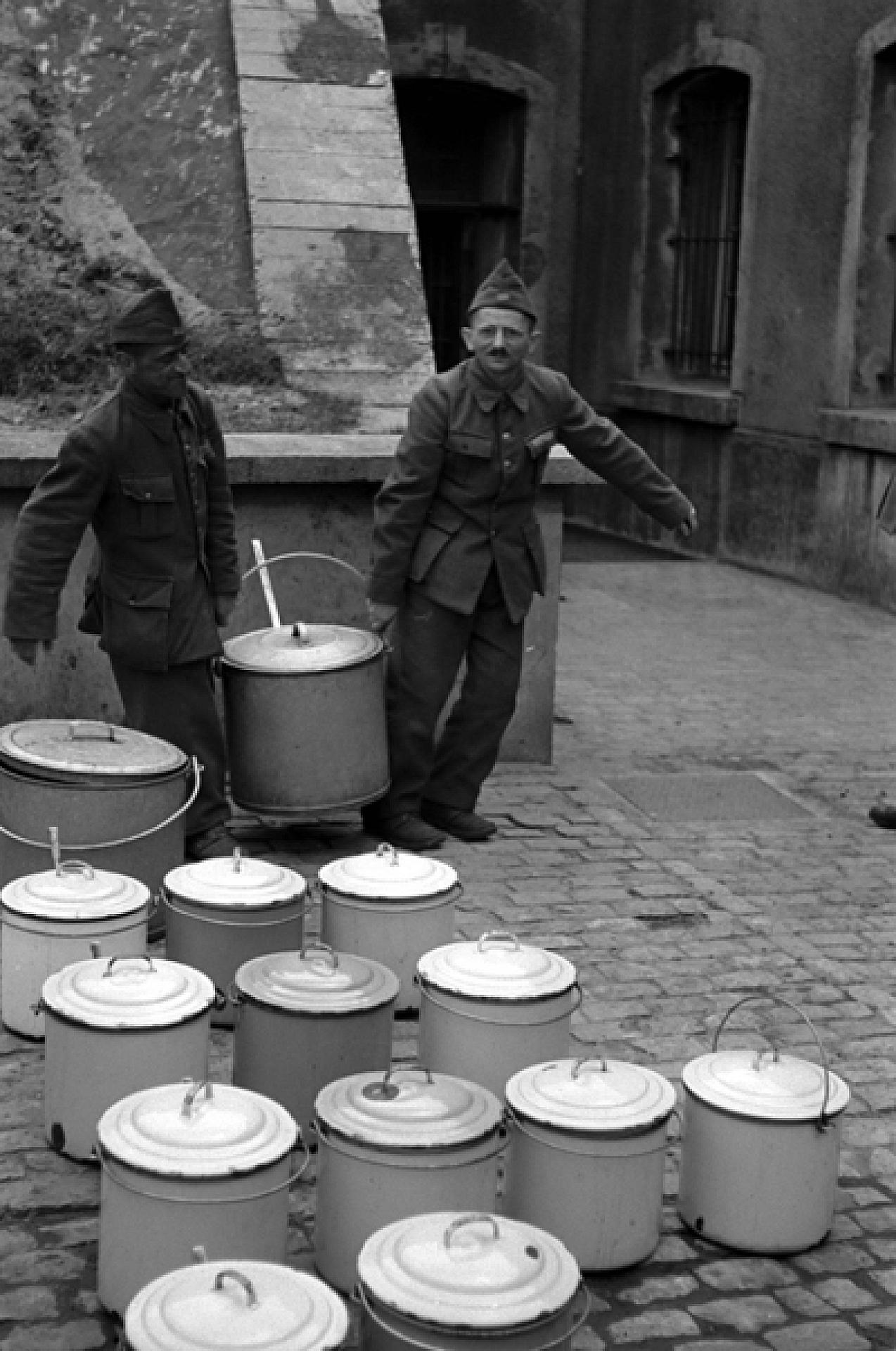
Breendonk Fort was built in 1906 as part of a defence complex surrounding Antwerp. It was severely damaged at the beginning of World War I, when after nine days of German besiegement the fort capitulated. During the inter-war period, the Belgian army used the stronghold and it was decided that if Belgium should be attacked, the army's headquarters would be installed there. After Germany's invasion of Belgium on May 10, 1940, King Leopold III took high command of the army at Breendonk Fort. When Belgium capitulated on May 28, 1940, the stronghold was used as a prison and collection camp. The first Jews were arrested in September of that year and held captive separately from the »Aryan« prisoners. On June 22, 1941, in the course of »Aktion Sonnenwende« (»Operation Solstice«), communists, other political opponents as well as Soviet citizens residing in Belgium were brought to the prison. The number of prisoners rose further. From 1942 on, Breendonk functioned as a transit camp. From here prisoners were deported to concentration camps such as Buchenwald. The Jewish inmates were first taken to the collection camp in Mechelen and from there deported to Auschwitz-Birkenau. The camp at Breendonk was one of the worse National Socialist camps in Western Europe due to insufficient supplies and severe punishments. Until its liberation in September 1944, between 3,000 and 3,600 prisoners passed through Breendonk Fort. Jewish prisoners from Belgium made up about 7 per cent, the largest groups were communist resistance fighters, Soviet prisoners of war, hostages and black market traders. In November 1942, the security police set up a special cell for interrogating political prisoners called the »bunker«. The SS deported approximately 2,330 prisoners from Breendonk to other prisons and concentration camps.
Victims
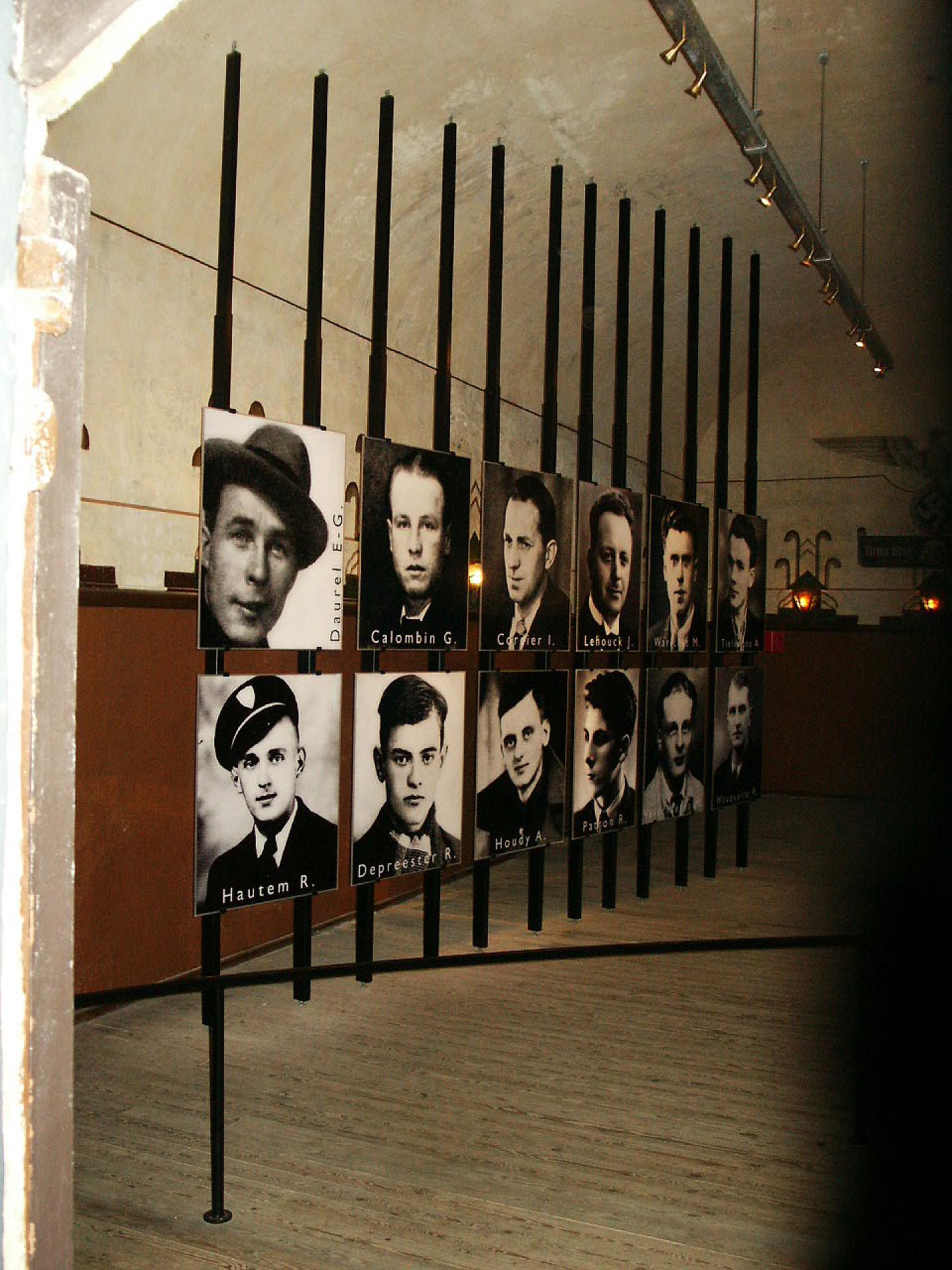
Of the 3,600 prisoners that passed through Breendonk Fort, around 300 died on site. At least 164 prisoners were shot and 21 hanged at the camp's execution site. Most of the Jewish prisoners who were later deported via the Mechelen collection camp to Auschwitz-Birkenau were murdered there.
Remembrance
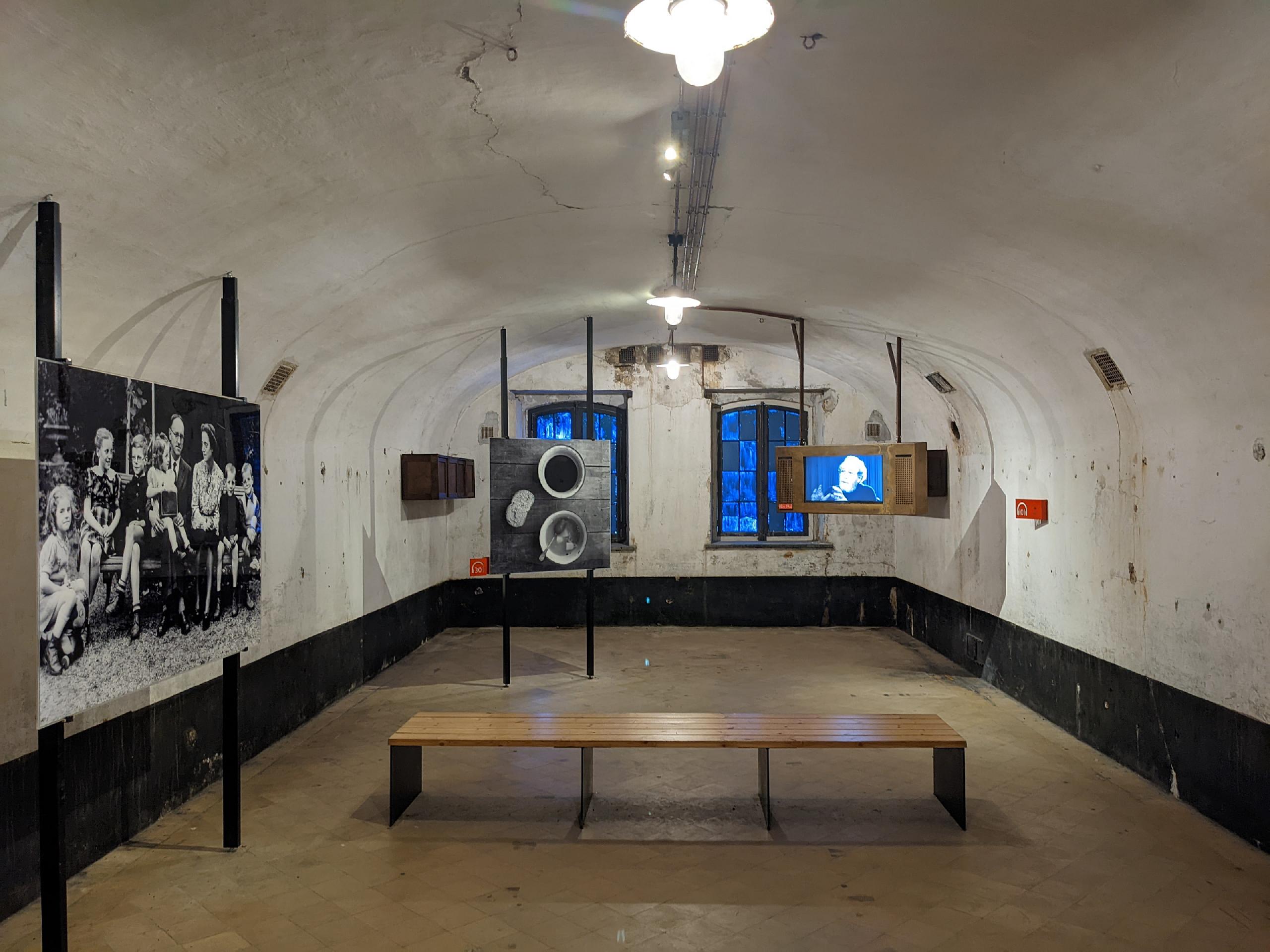
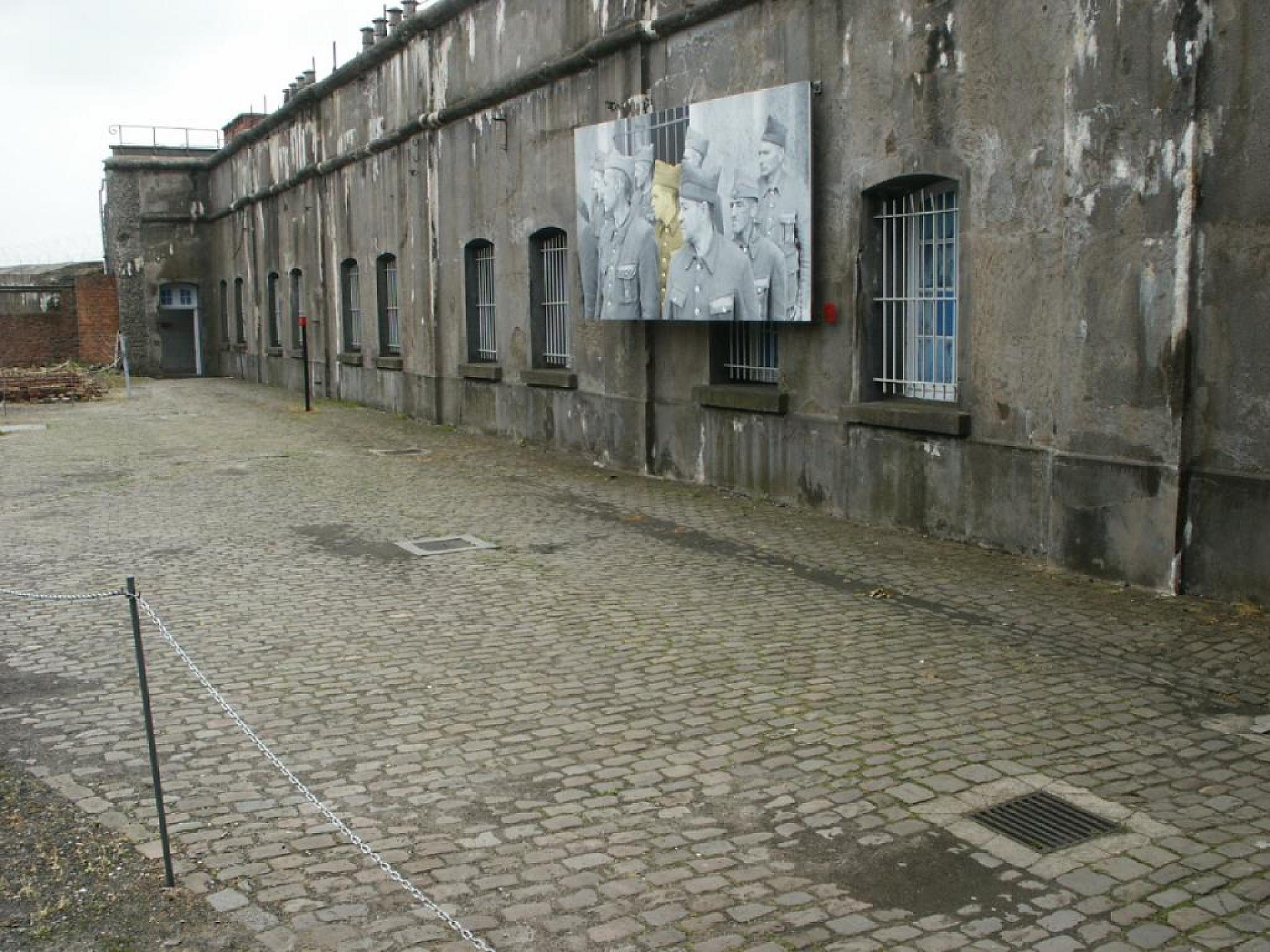
In 1947, the Belgian parliament unanimously decided to convert the fort into a national memorial site. In 1954, the King dedicated a memorial in the fort's courtyard to all political opponents of the German occupation. In the meantime, a museum has been established at the stronghold. An exhibition on the prisoners' everyday lives and torture methods of the SS is on display at the museum. Breendonk Fort was reopened in 2003 after being fully renovated.
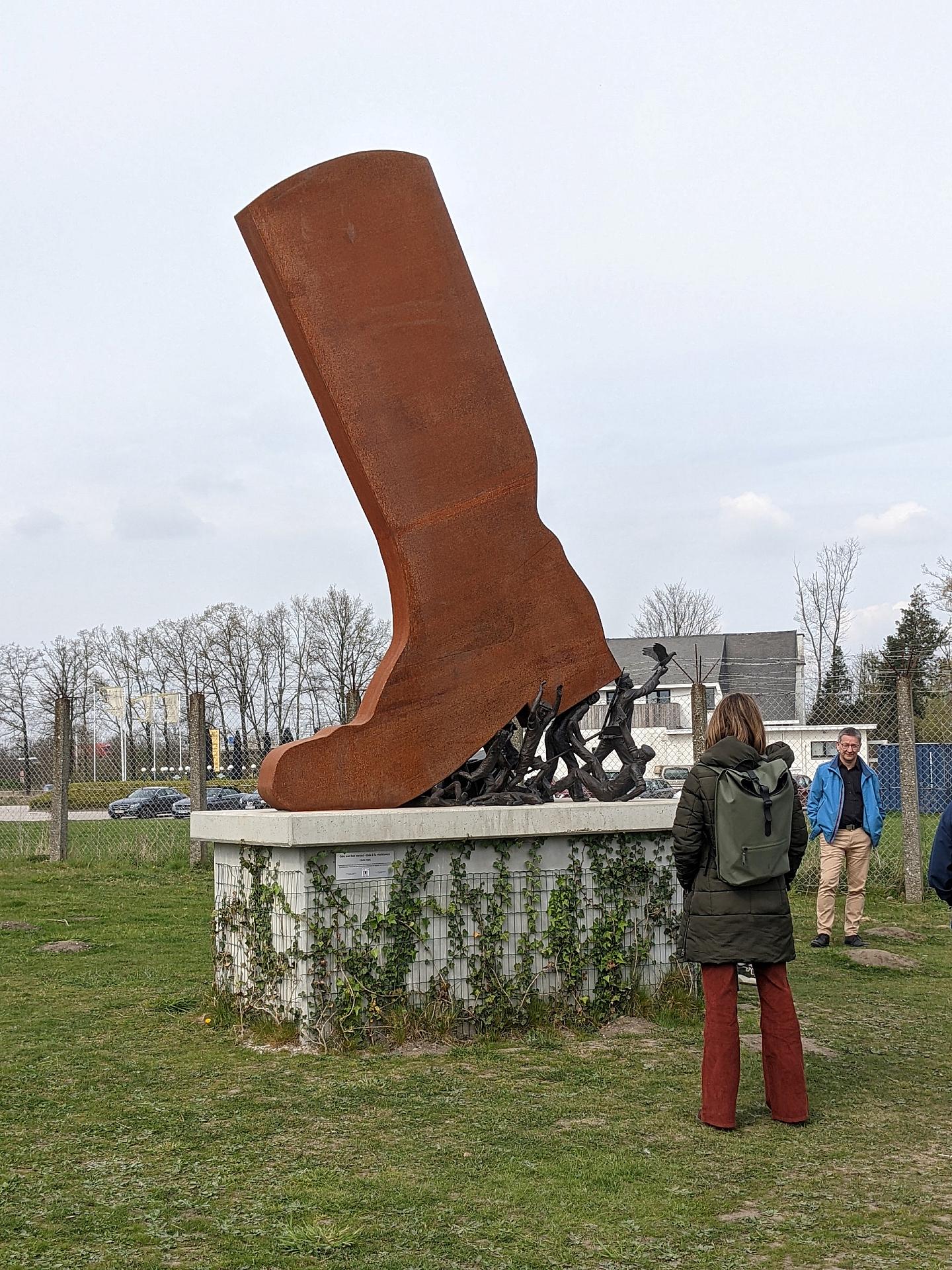
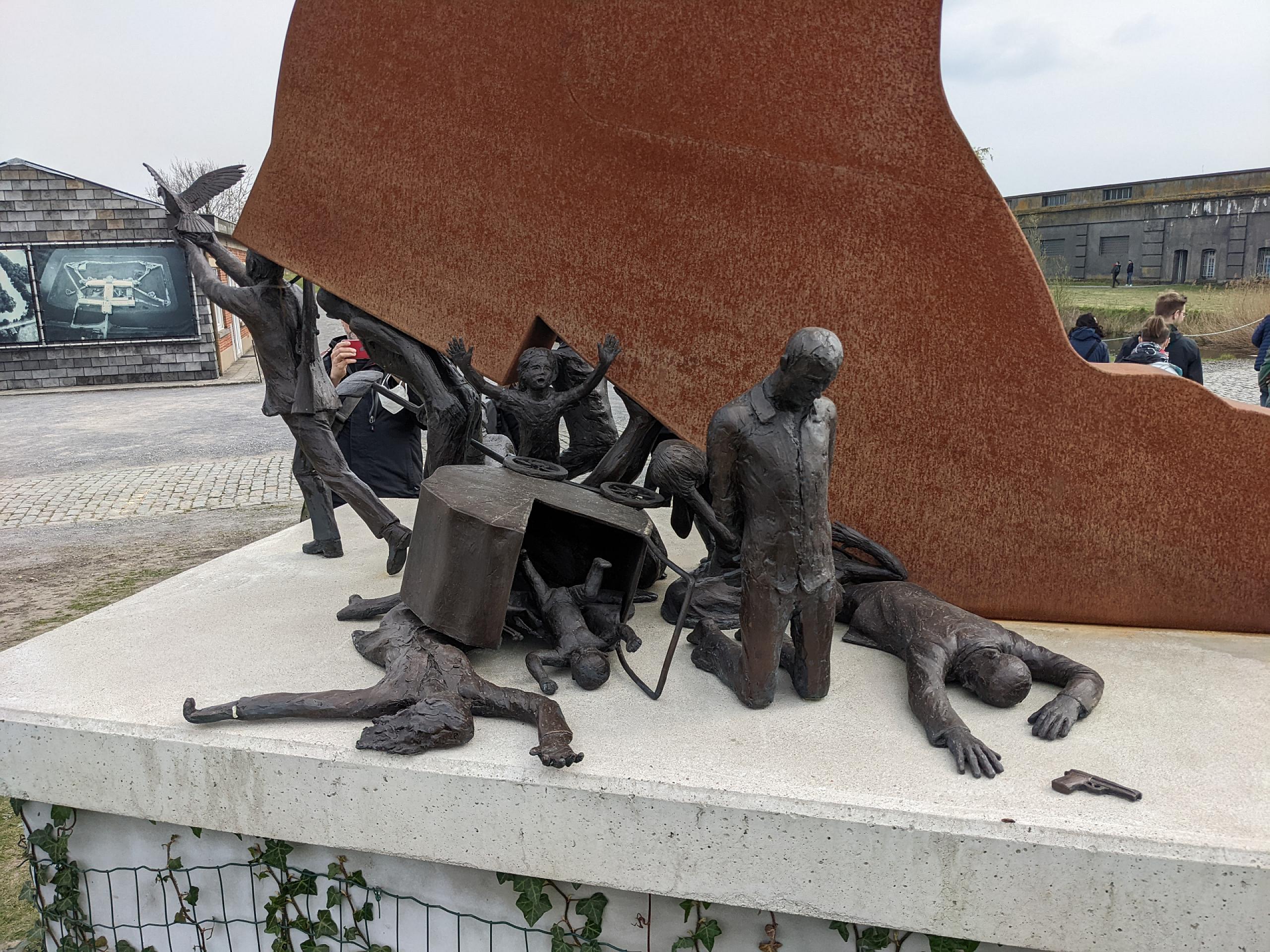
In September 2021, a new monument to the victims was inaugurated at the gates of the fortress. It is called »Ode to the Resistance« and was designed by artist Tom Fransen. The monument depicts a giant boot stepping on women, children and resistance fighters, while a man releases a dove. The initiative for the monument came from the »National Confederation of Political Prisoners and their Heirs» (»Confédération nationale des prisonniers politiques et ayants-droit« - CNPPA).
Possibilities
Guided tours, workshops, discussion rounds, annual commemorative ceremony on the anniversary of the camp's liberation on September 4.
Open
Daily: 9.30 a.m. to 5.30 p.m. (last admission 4.30 p.m.). Closed on the last Sunday in August, on Christmas and New Year's Day.
Contact
info@breendonk.be
+32 (0)38 607 525
Brandstraat 57
2830 Willebroek