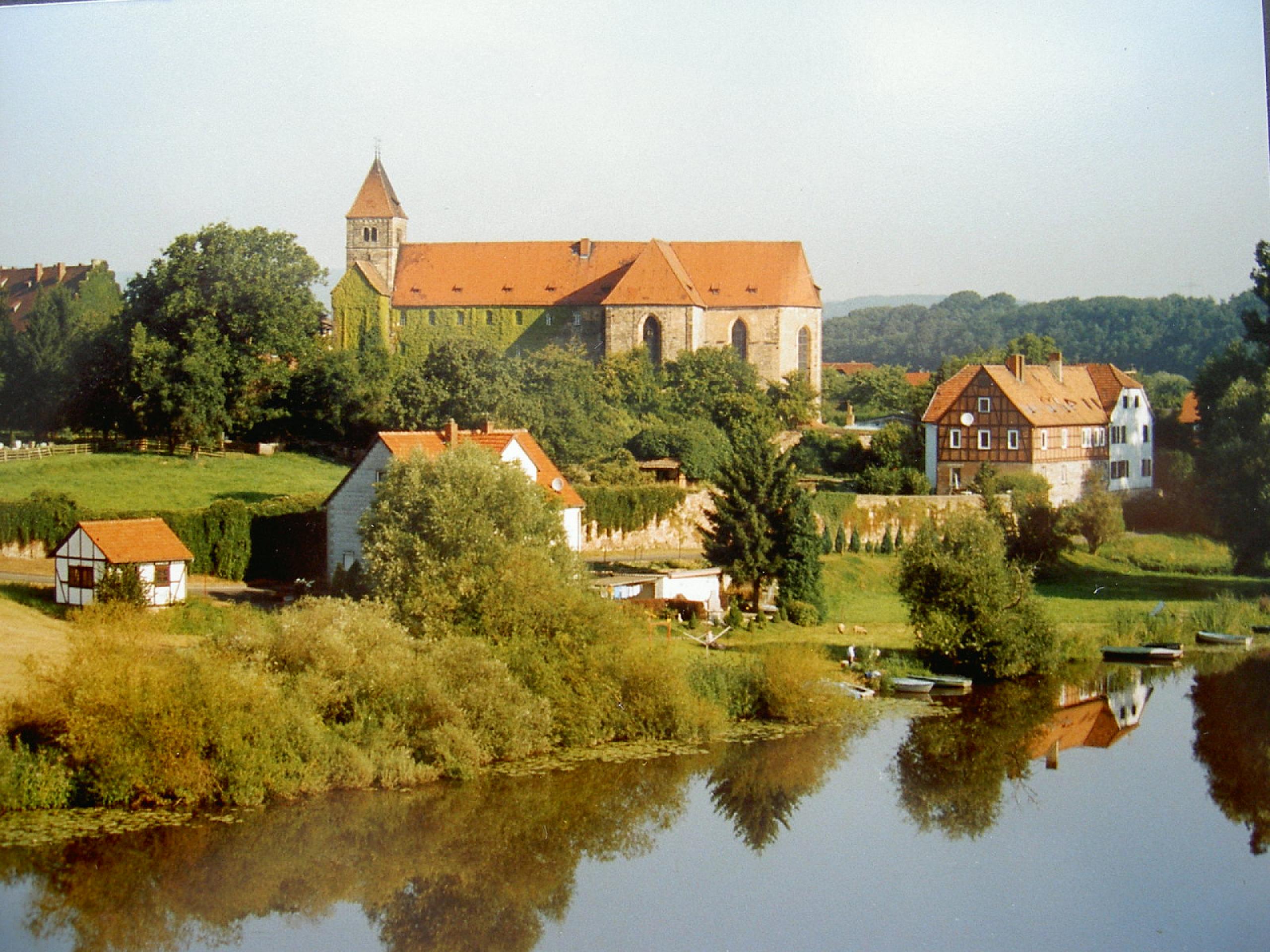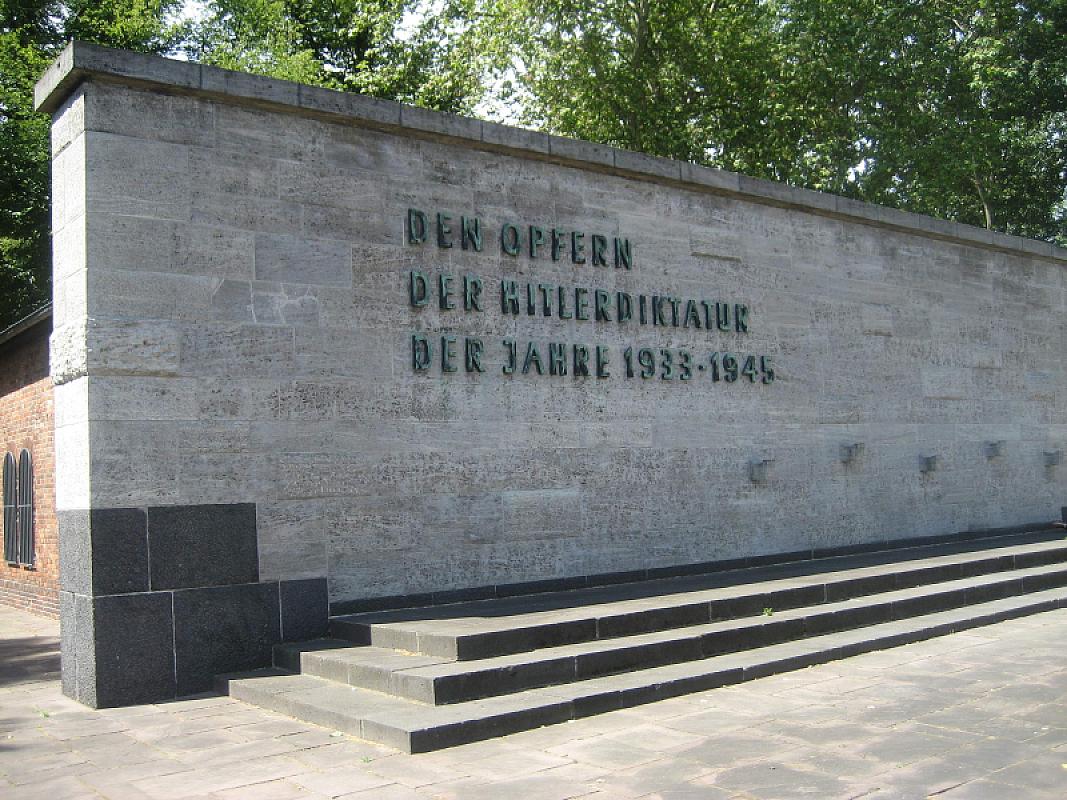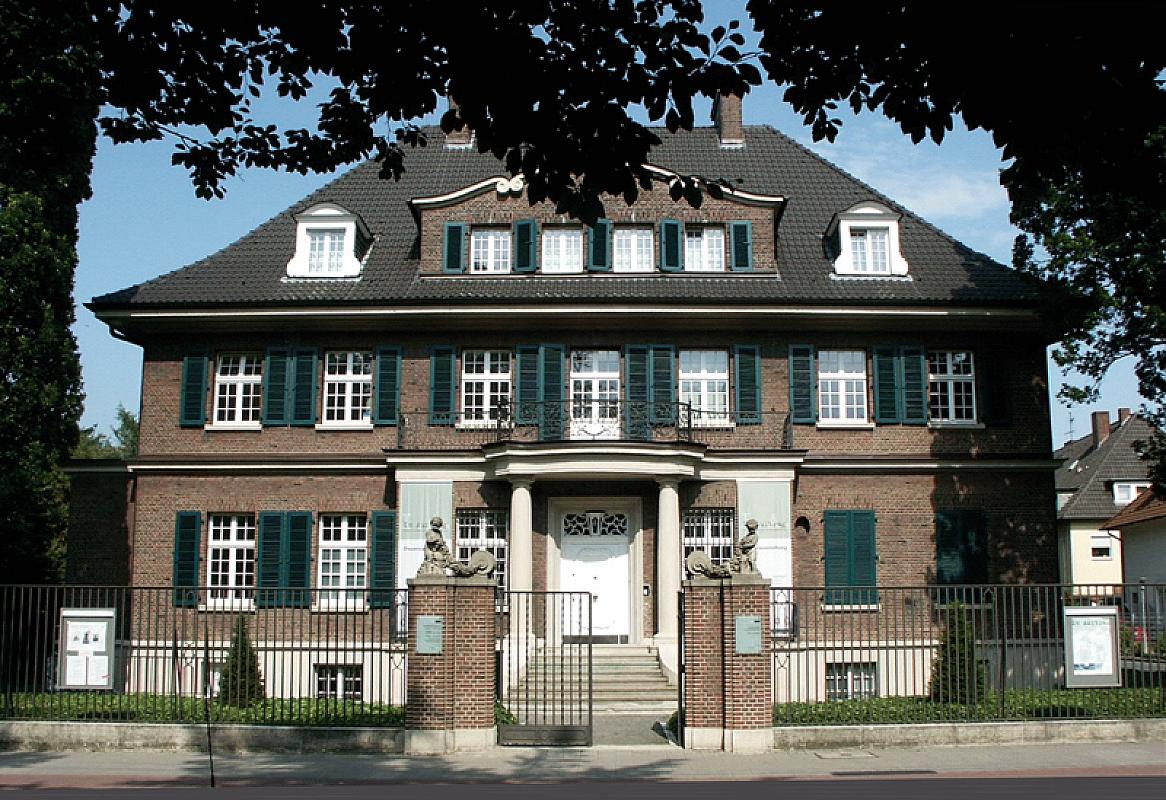
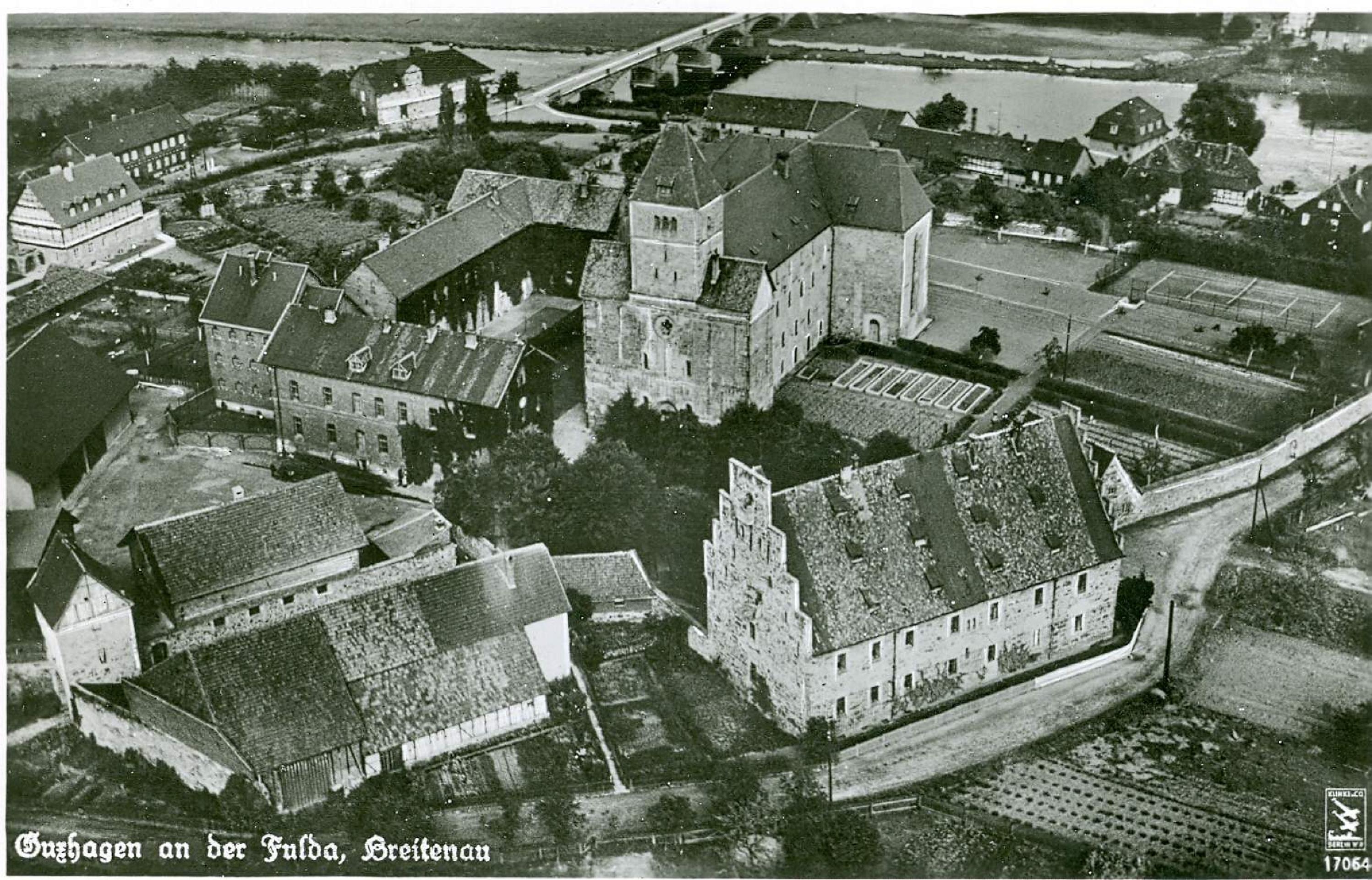
A memorial in Guxhagen near Kassel commemorates the fate of the prisoners of the early concentration camp Breitenau and the »labour education camp« later set up by the Gestapo. Both of the camps were located on the premises of the former Breitenau monastery.
History
Shortly after the National Socialists had come to power, the authorities established numerous »protective custody camps« in the German Reich for the purpose of incarcerating a large number of political prisoners. One of these early concentration camps was set up in Guxhagen in Hessia, in an old monastery dating back to the 12th century. The chief of police in Kassel ordered to prepare the complex for admitting new prisoners; it had previously been used as a correctional facility. Between June 1933 and March 1934, about 470 political prisoners were incarcerated here. In the first months, the Kassel police was in charge of guarding the prisoners. Authority over the Breitenau concentration camp was gradually ceded to the SS. The prisoners had to work in mat production in Breitenau or were deployed in work details in the area. Several of the political prisoners were severely abused by the guards. From October 1933 on, many prisoners left Breitenau as plans were being made to dissolve the camp. Some of the men were released, though most were transferred to other concentration camps. From March 1934 on, the monastery was used as a correctional facility again.
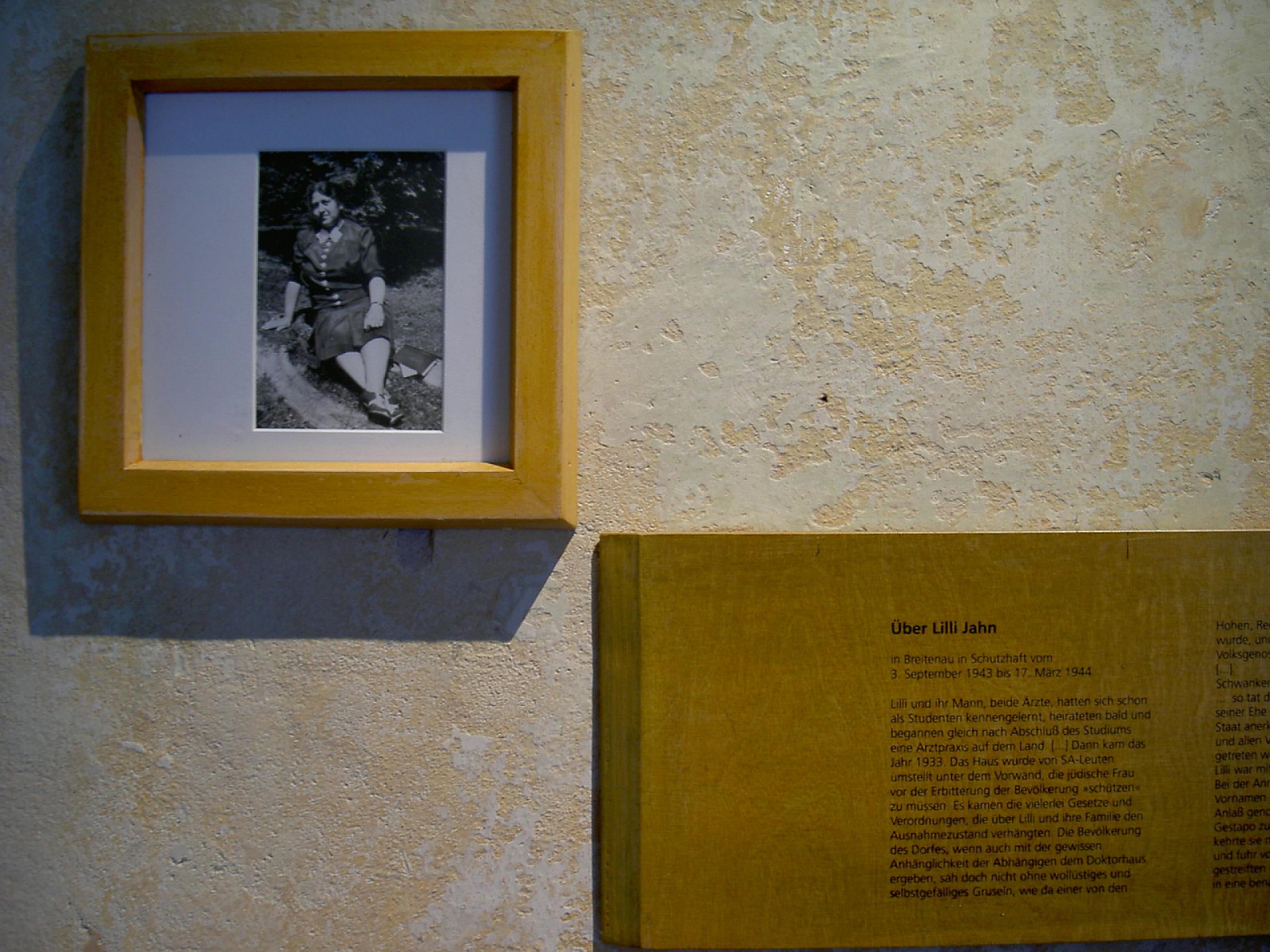
After the beginning of the Second World War, the Gestapo established a »labour education camp« for thousands of non-German forced labourers here. The men and women had been arrested for having committed deeds such as: leaving their workplace without permission, sabotage or refusing to work. The forced labourers were to be »re-educated« in the course of their one to two month-long prison sentences. The Gestapo also used the monastery as a prison for political opponents and as a collection camp for Jews from the Kassel region.
Victims
In the nine months of its existence, about 470 men passed through the Breitenau early concentration camp. How many of these prisoners died after being transferred to other concentration camps is unknown.
In total, over 8,300 people were later incarcerated in the »labour education camp« by the Gestapo in the years 1940 to 1945. About 7,000 of them were forced labourers. They came, among others, from the Soviet Union, Poland, France, the Netherlands as well as Italy. Most of them were aged 17 to 25, many were also younger. Over 150 Jewish men, women and children were deported by the SS from Guxhagen to the Dachau and Auschwitz concentration camps. Other prisoner groups included political opponents of the National Socialist regime, Jehovah's Witnesses and »asocials«. The Gestapo and SS deported some of them to the Buchenwald, Ravensbrück and Sachsenhausen concentration camps. Members of the SS and Gestapo shot about 28 prisoners in Guxhagen at the end of March 1945, shortly before the arrival of the US Army.
Remembrance
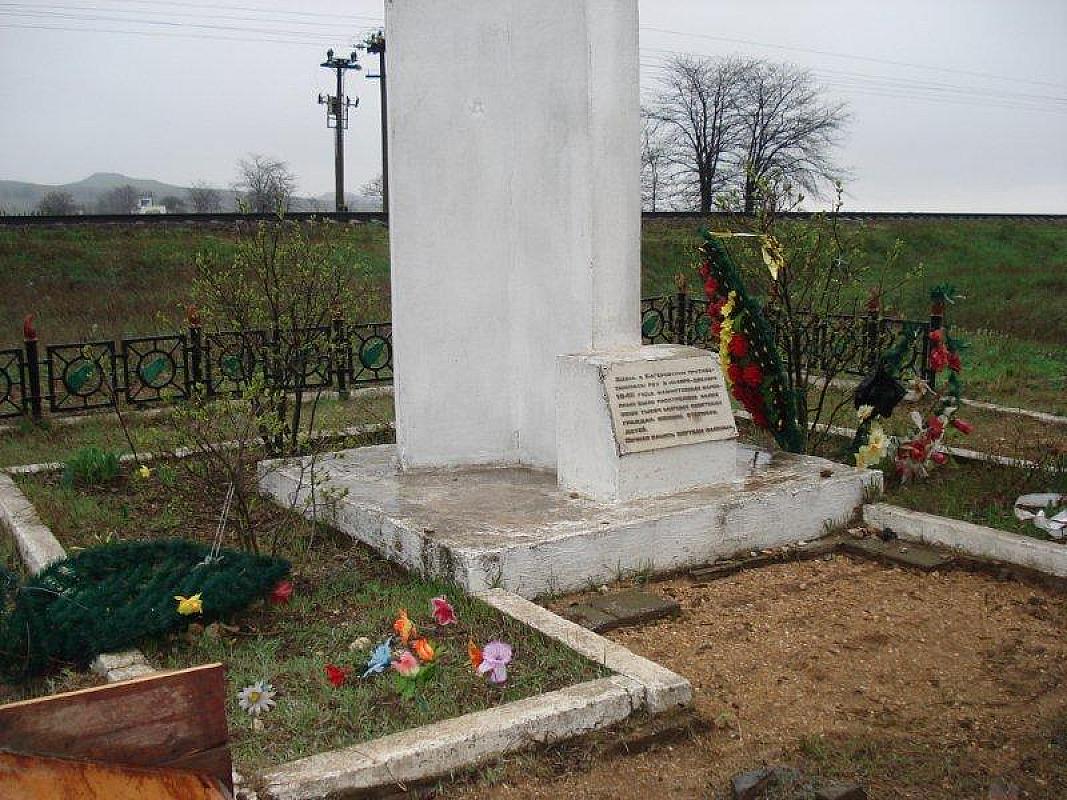
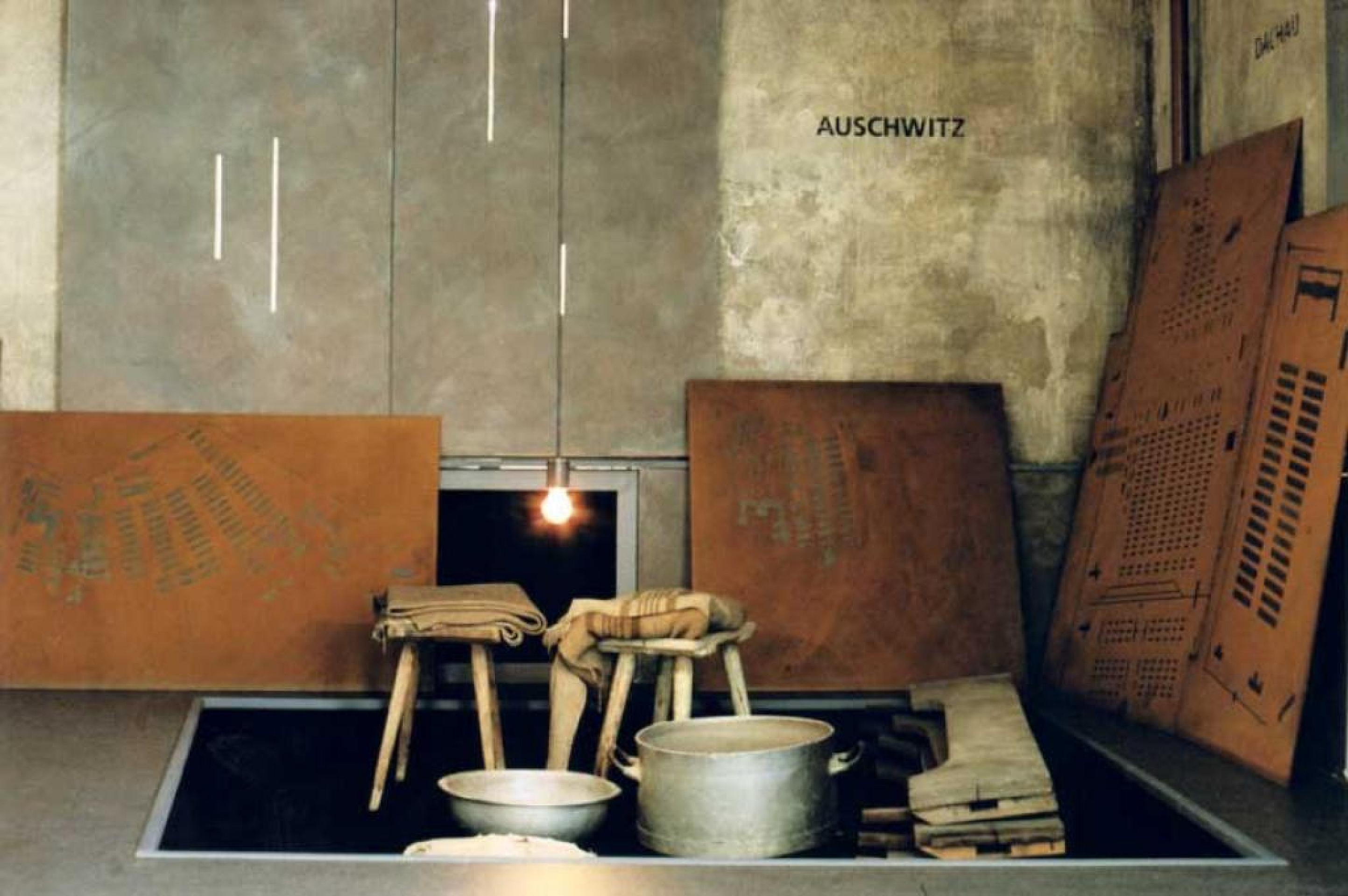
After the war, between 1952 and 1973, a community home for girls was located at the Breitenau monastery. Since 1974, it has been home to an open psychiatric hospital. The Breitenau Memorial was established in 1984 by the University of Kassel with the support of the Hessian welfare organisation. In 1992, the exhibition was remodelled in cooperation with artist Stephan van Borstel. The community of Guxhagen had already previously, in 1987, dedicated a monument to the forced labourers who were shot on March 30, 1945, on the banks of the Fulda river. Located there are also the remains of an »SS war memorial«, which prisoners of the Breitenau concentration camp had to erect in 1933.
By coincidence, thousands of documents on both camps were discovered in the basement of the Hessian welfare organisation. The documents included a list of the political prisoners at Breitenau, files on the prisoners of the labour education camp as well as correspondence of the camp authorities. Professor Dietfrid Krause-Vilmar evaluated the sources in cooperation with students and academics at the University of Kassel. The results were incorporated into the exhibition at the memorial.
Possibilities
Readings, meetings with survivors, temporary exhibitions
Open
Monday to Friday 9.00 a.m. to 1.00 p.m. and 2.00 p.m. to 4.00 p.m., Sunday 1.00 p.m. to 5.00 p.m.
Contact
http://www.gedenkstaette-breitenau.de
info@gedenkstaette-breitenau.de
+49 (0)5665 353 3
Brückenstraße 12
34302 Guxhagen