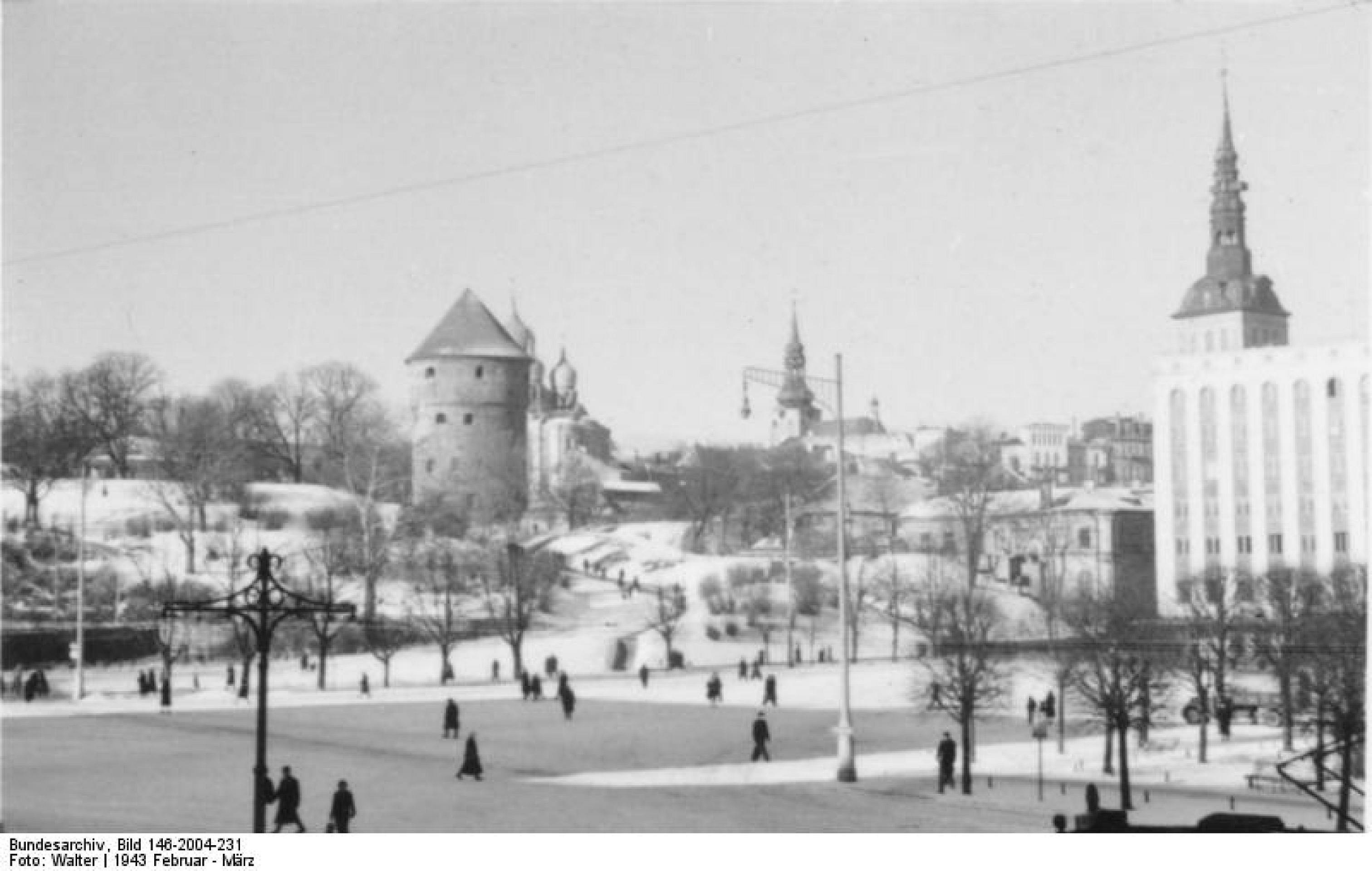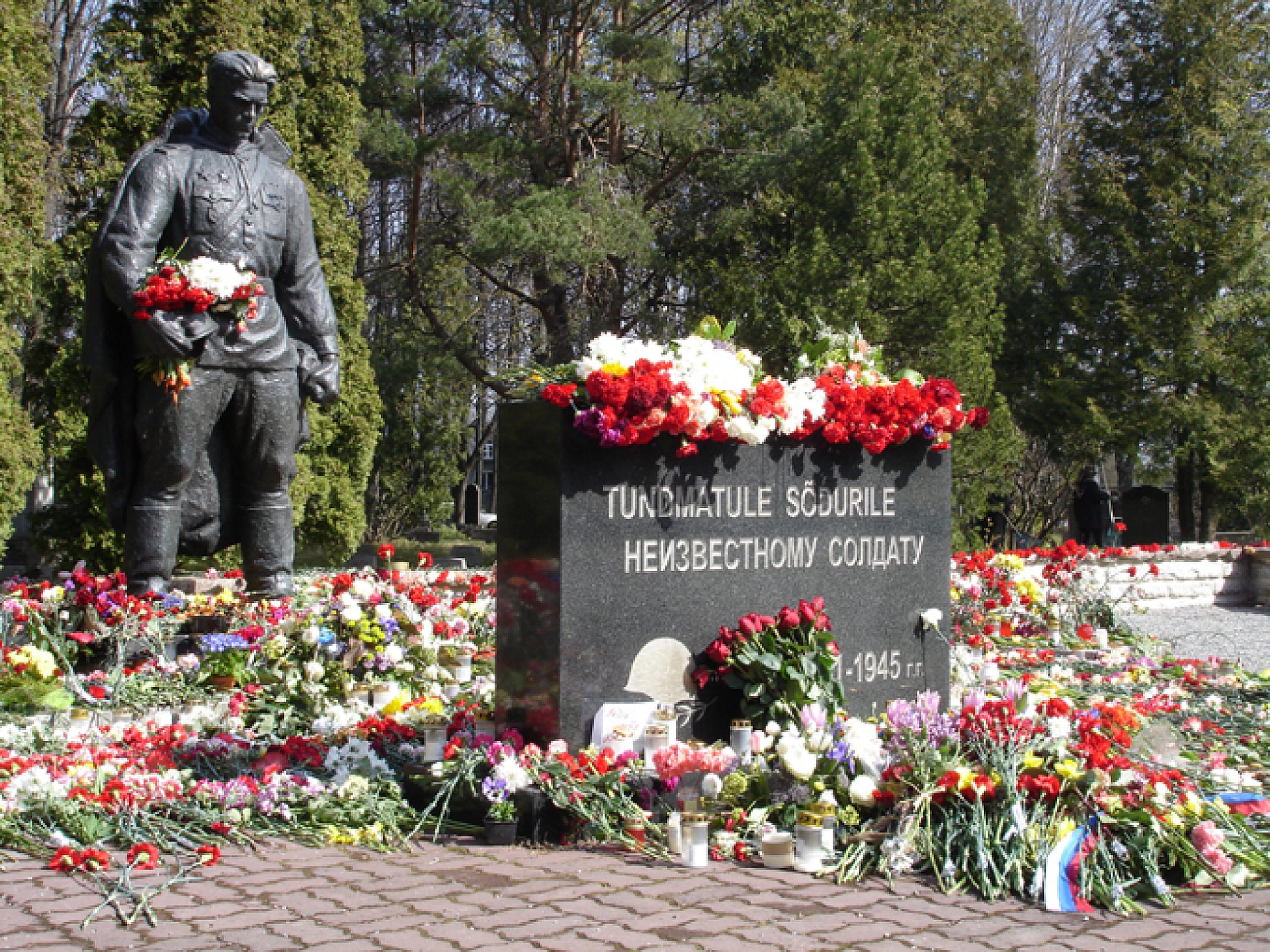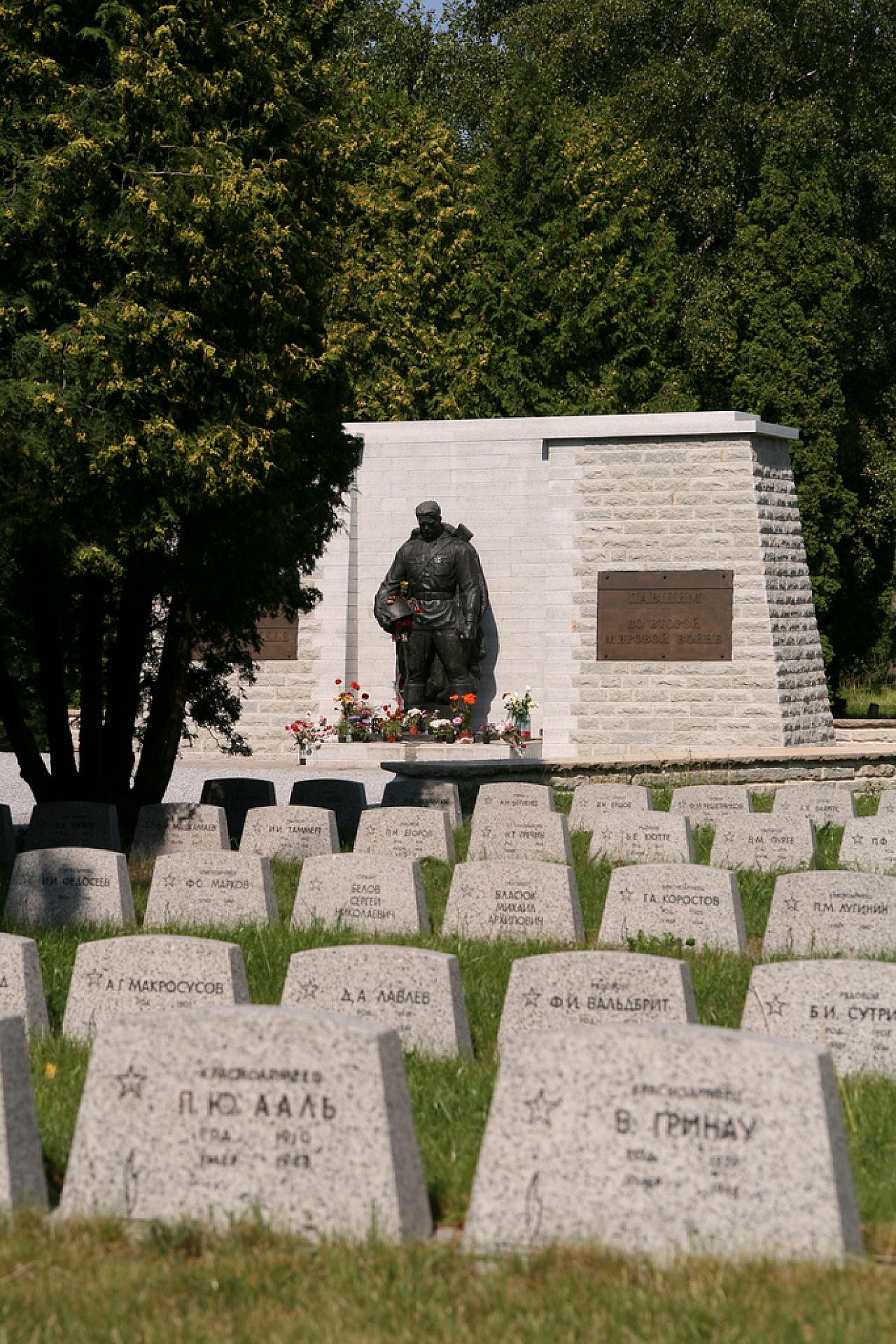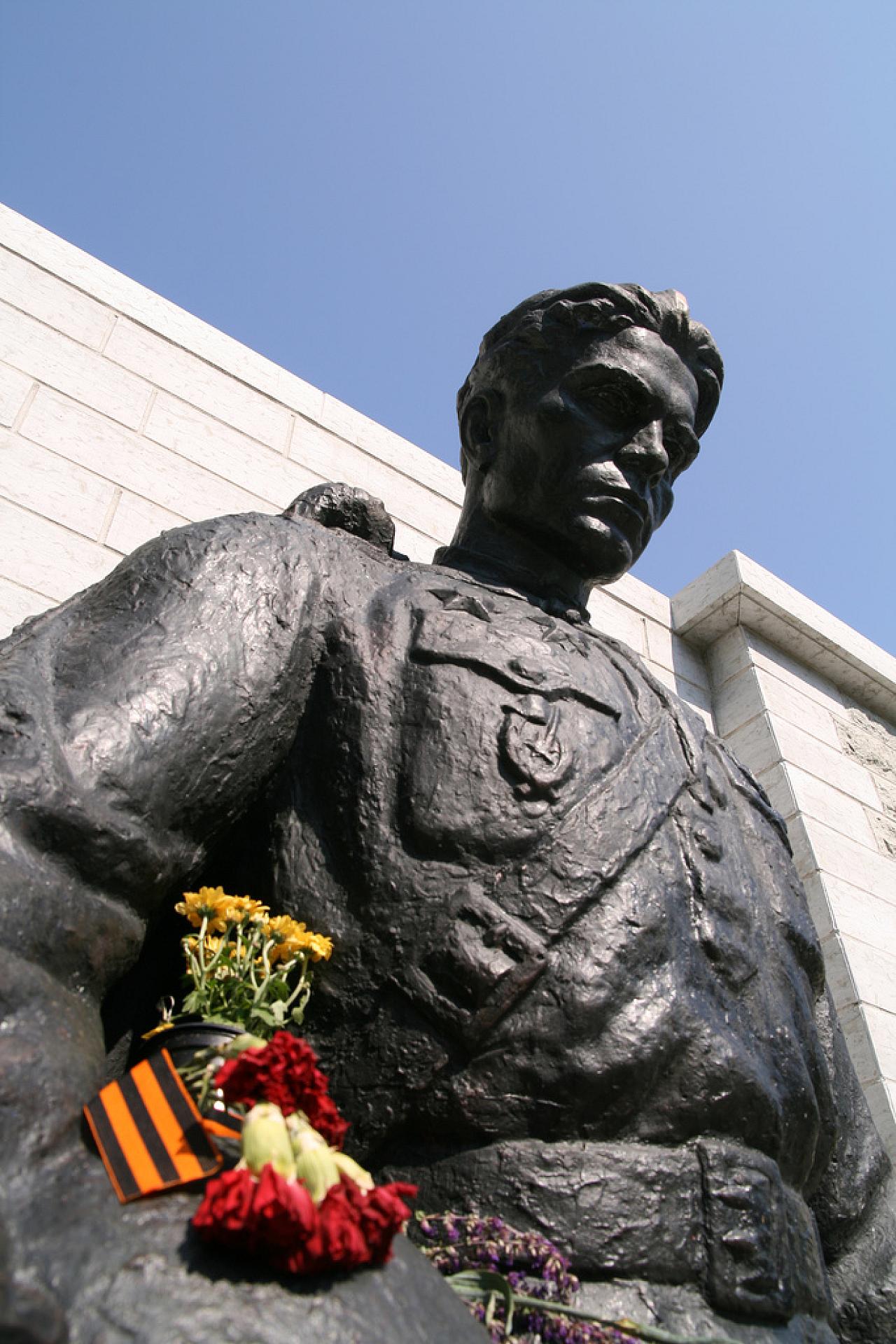
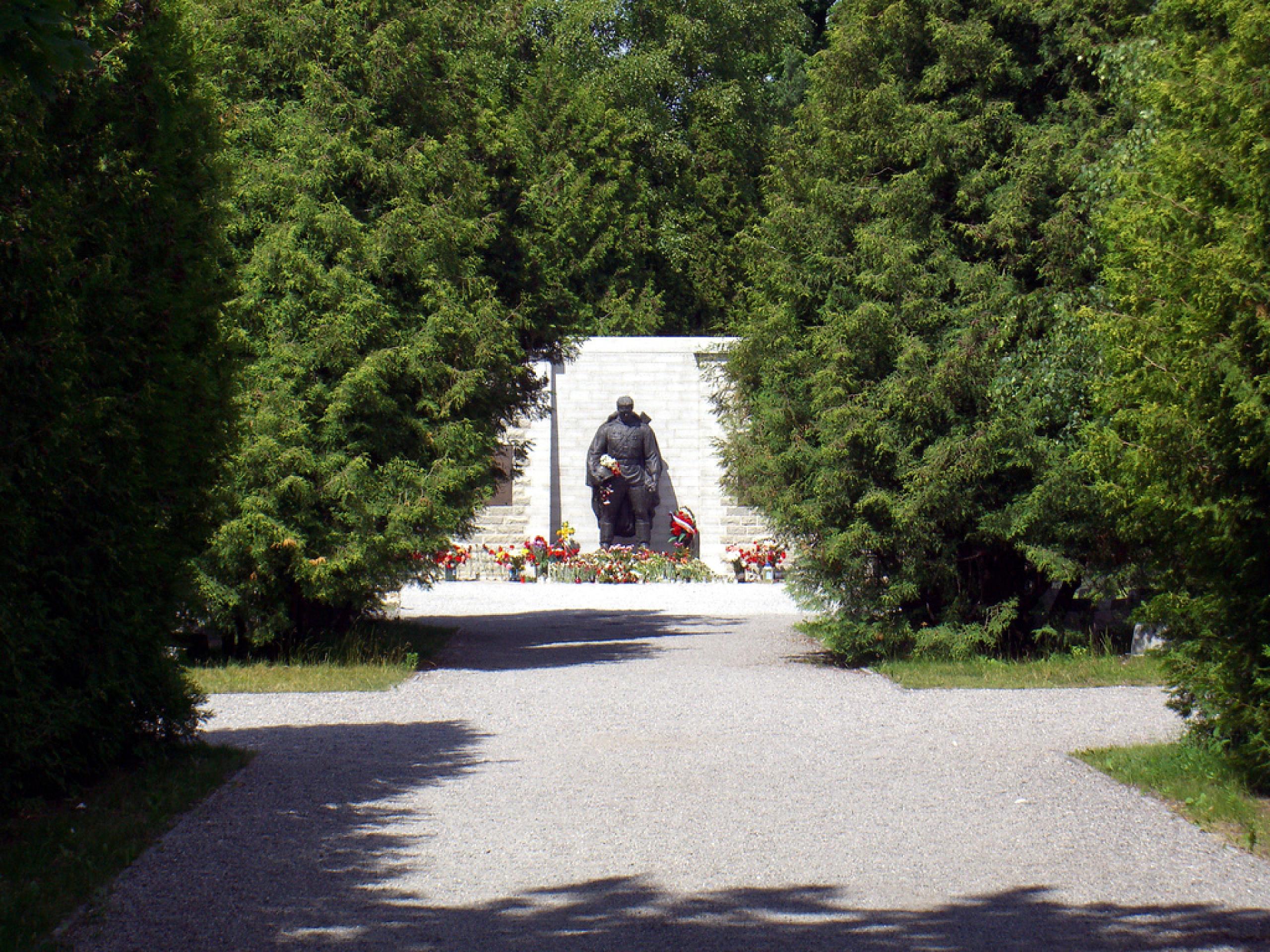
In 1947, the Soviet authorities erected a memorial in the city centre of the Estonian capital Tallinn in honour of Red Army soldiers who were killed in action. In 2007, the Estonian government moved the statue to a less prominent location, which resulted in riots that lasted for several days.
History
Estonia gained its independence in 1918; in 1940, it was occupied by the Soviet Union in accordance with the Molotov-Ribbentrop Pact. The Soviet authorities introduced a reign of terror. When the German Wehrmacht invaded the Soviet Union and soon thereafter occupied Estonia in 1941, many Estonians celebrated the Germans as their liberators. The Red Army retook the Estonian capital on September 22, 1944 without a struggle, as the German units had withdrawn earlier in order to avoid being encircled. Estonia was once again annexed to the USSR, many were arrested and deported the interior Soviet Union. In the following decades, the Soviet authorities settled many ethnic Russian in Estonia to diminish the influence of Estonians in their own country. Estonia once again became independent in 1991.
Victims
Initially, 13 Soviet officers whose names were known were buried next to the monument.
Following intense political pressure and threats of violence, in June 1940 the Red Army occupied Estonia - which had enjoyed independence since 1918 - along with Latvia and Lithuania. The occupation was a result of the so-called Hitler-Stalin (or Molotov-Ribbentrop) Pact, a secret agreement concluded between Nazi Germany and the Stalinist Soviet Union in 1939 which established the »spheres of interest« of both countries in Eastern Europe. Subsequent to the annexation of Estonia and its incorporation into the union of Soviet republics, in 1940-41 the Soviet secret service (NKVD) deported around 11,000 Estonians to Siberia, including 500 Jews. When the German Wehrmacht invaded the Soviet Union in summer 1941 they also conquered Estonia, where the majority of the population welcomed them as liberators. Around 3,000 Estonian Jews had managed to escape to the Soviet heartland. By the end of 1941, members of SS Einsatzgruppe A (mobile killing unit) and Estonian auxiliaries had shot the approximately one thousand Jews remaining. The SS subsequently declared the country to be »free of Jews«. In autumn 1942, Estonian police shot around 1,800 Jews from the Theresienstadt ghetto, Frankfurt and Berlin in the sand dunes of the Kalevi-Liiva beach on the Baltic Sea.
Estonia lost a third of its population of a little over one million during the Second World War. After the Red Army had regained the country in autumn 1944, Estonia again became part of the Soviet Union. There followed a renewed wave of deportations and state terror. Moreover, after 1945 there was a policy of moving non-Estonians – in particular Russians – into the country. These individuals were to make up around a third of the population of 1.3 million by the end of the 1980s. Today there is still conflict between Estonian and Russian memories in the country, which is one of the strongest supporters of EU and NATO integration. The Estonian Soviet Socialist Republic commemorated the 9 May as the »Day of Liberation from Hitlerite Fascism and of Victory in the Great Patriotic War« and built a large number of monuments to honour the »glorious« Red Army. Yet for many Estonians these monuments are above all a reminder of the decades of Soviet occupation. Former concentration camps such as Klooga or Vaivara served as memorials to the victims of the German occupation and at the same time were used to justify the Soviet regime.
After Estonia regained independence in 1991, there were numerous disputes between Estonians and Russians regarding remembrance. In February 2007, the Parliament voted by 46 to 44 to remove all monuments honouring the Red Army. The removal of a Soviet memorial (»bronze soldier«) from the centre of the capital Tallinn to a military cemetery in May 2007 provoked violent protests from the Russian minority, who received support from Moscow. Following the full-scale Russian attack on Ukraine, the bronze soldier was damaged. There are repeated and long-lasting disputes concerning veterans’ meetings and ceremonies honouring Estonians who fought on the side of the Germans as SS volunteers during the Second World War. In view of these circumstances, an American organisation has assumed the task of laying memorial stones for Jewish victims.
Remembrance
In 1947, on the third anniversary of the Soviet invasion, the authorities erected a monument to soldiers of the Red Army killed in action in the centre of the Estonian capital. The monument depicts a soldier mourning his comrades, head bowed low. 13 Soviet officers were buried around the »bronze soldier«, however, they had lost their lives in various other war theatres: Tallinn itself was conquered by the Red Army without a struggle. This was one of the reasons why many considered the erection of the memorial a provocative move and as a symbol of Soviet occupation. The memorial was re-dedicated when Estonia regained its independence, now honouring all soldiers who died in the war. However, the discussion surrounding the monument became increasingly politicized, representing a conflict between the Estonian majority and the large Russian minority. While ethnic Estonians continued to portray the Soviet era as a time of occupation, members of the Russian minority made a point of ostentatiously celebrating the anniversary of the Russian conquest of the city on September 22 as well as May 9 as »victory day«. In 2007, the Estonian government moved the monument from the city centre to a military cemetery further away from the centre. Over the next few days there were violent riots in the city; the incident spurred long-lasting diplomatic ill-will between Russia and EU member Estonia.
Open
The military cemetery is part of the Siselinna cemetery, which is open Monday to Friday 9 am to 4 pm.
Contact
siselinna@kalmistud.ee
+372(0) 601 4064
Söjaväe kalmistu (Soldatenfriedhof), Filtri tee
10138 Tallinn