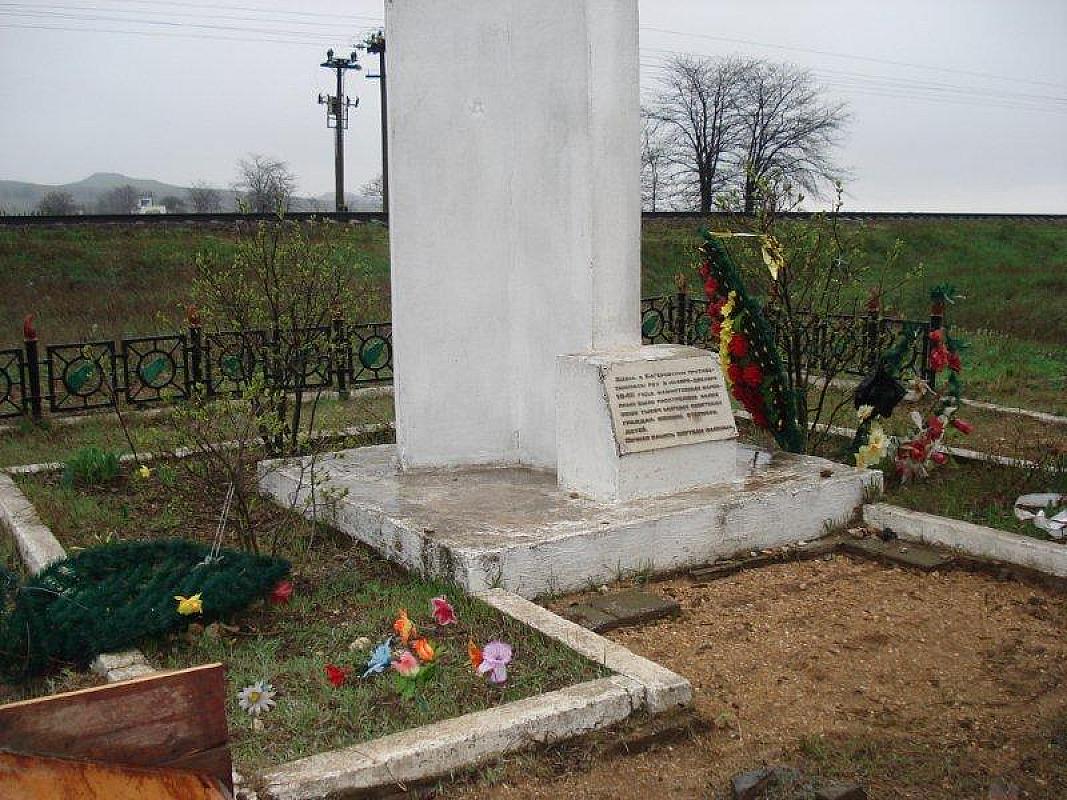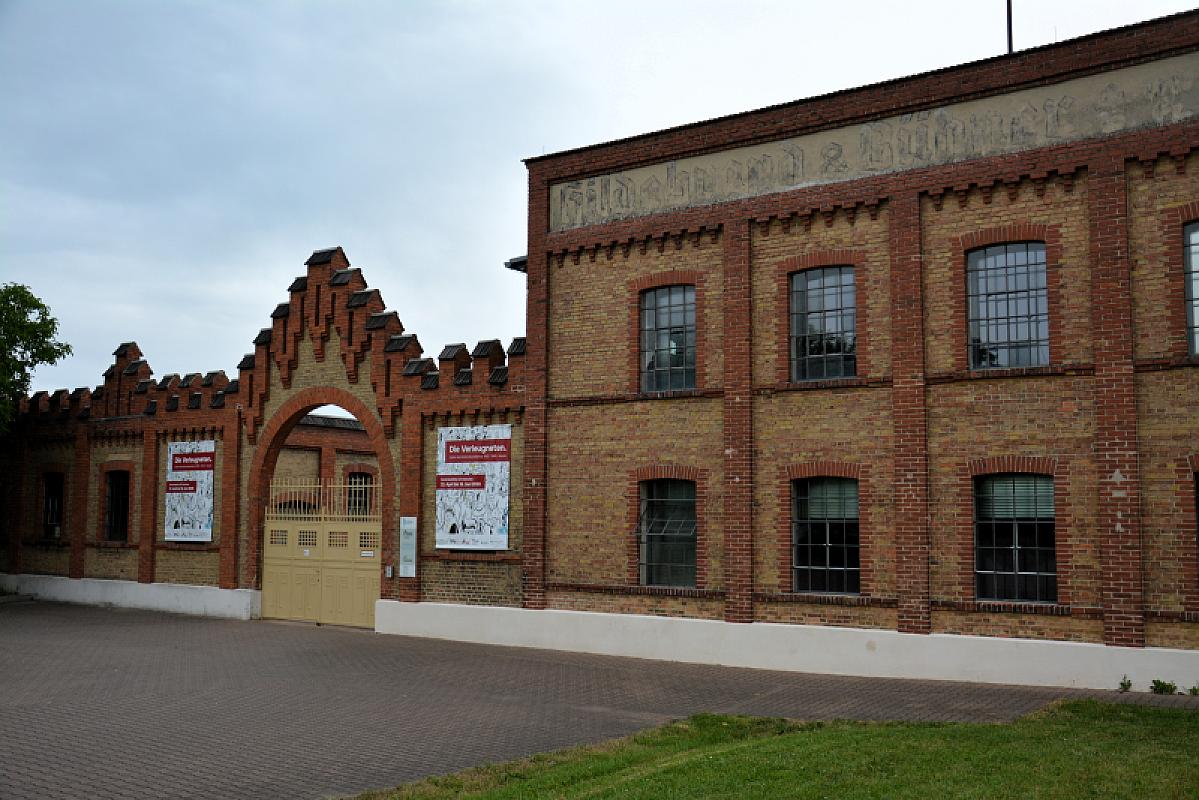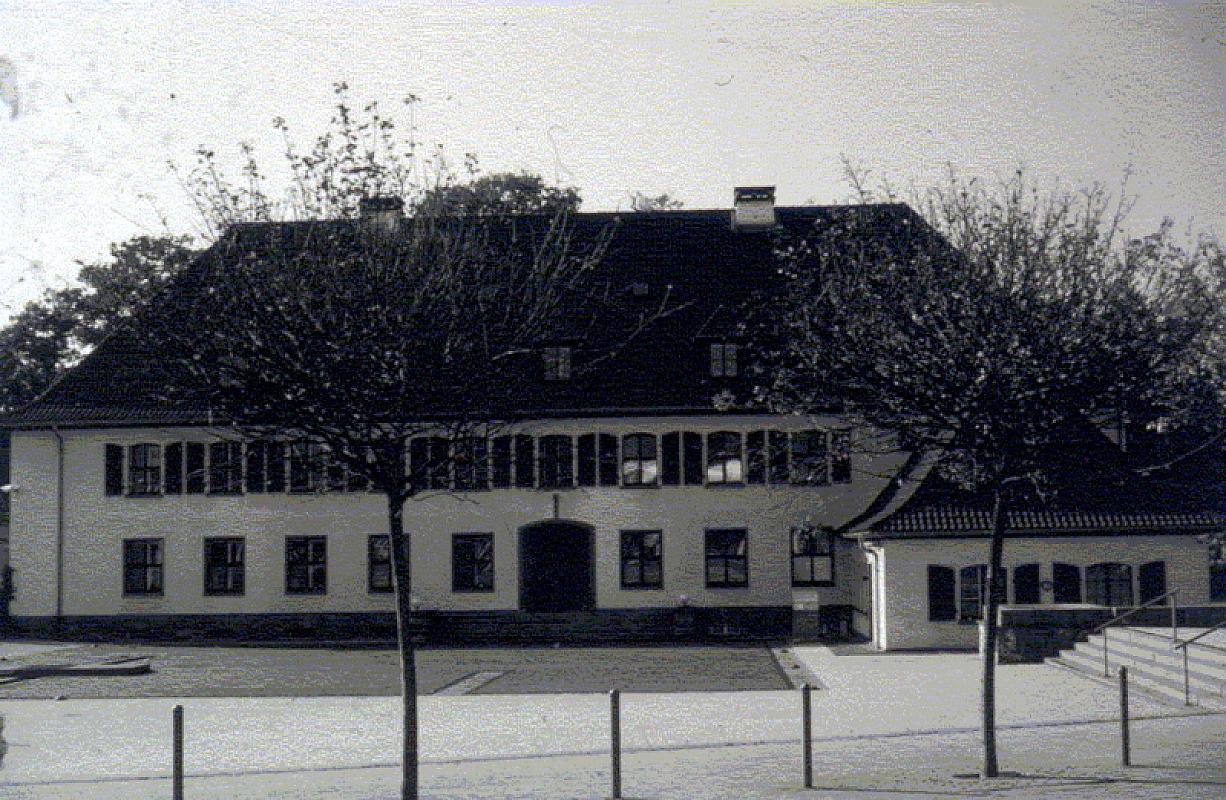
Located on the Ettersberg (Etter Mountain) near Weimar, the Buchenwald concentration camp was one of the largest concentration camps in the German Reich. Between 1937 and 1945, the SS held hundreds of thousands of prisoners at Buchenwald and its numerous satellite camps. After the war, until 1950, the Soviet secret police NKVD used the premises as Soviet Special Camp No. 2. Several exhibitions and monuments at the Buchenwald Memorial call the victims' stories into remembrance.
History
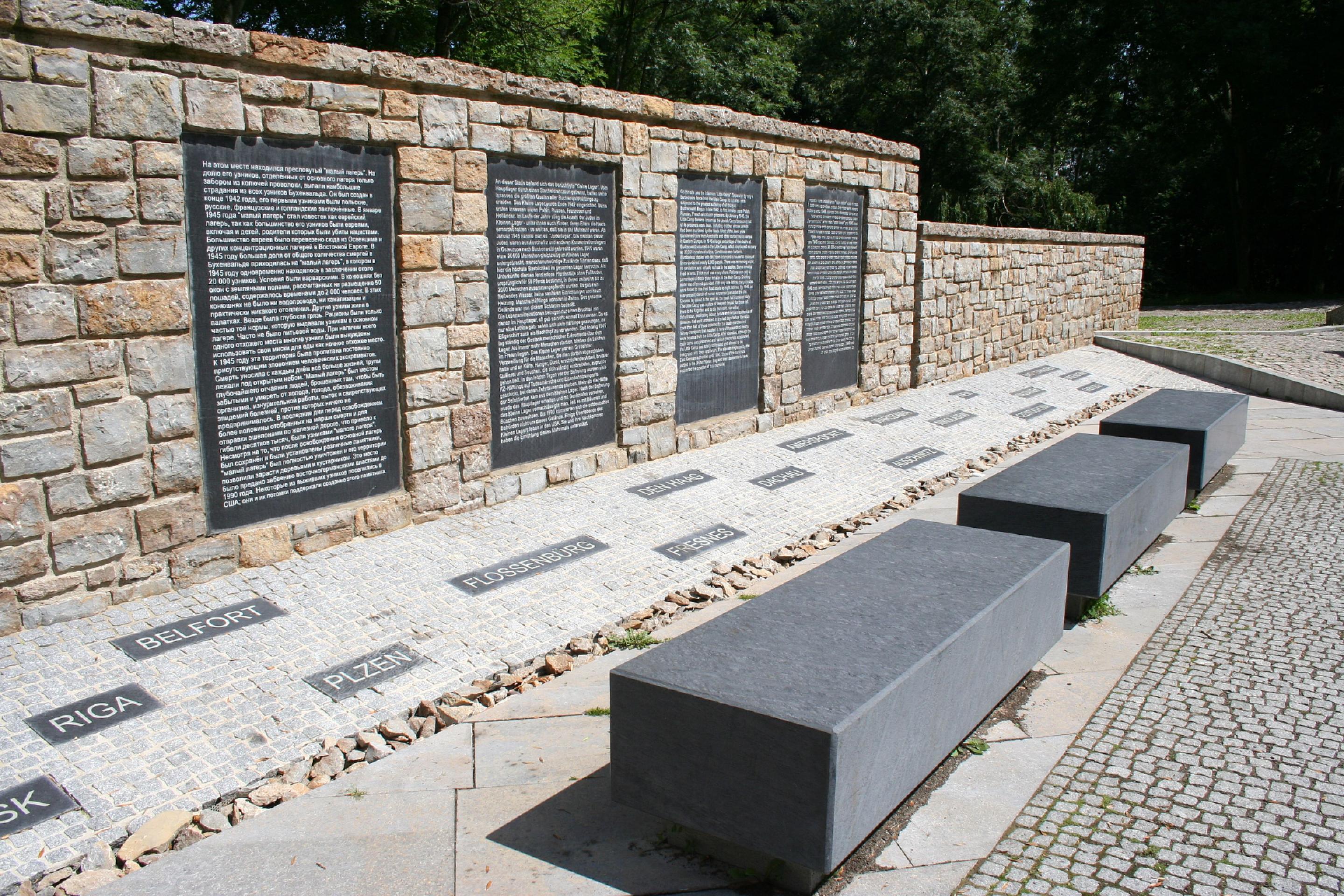
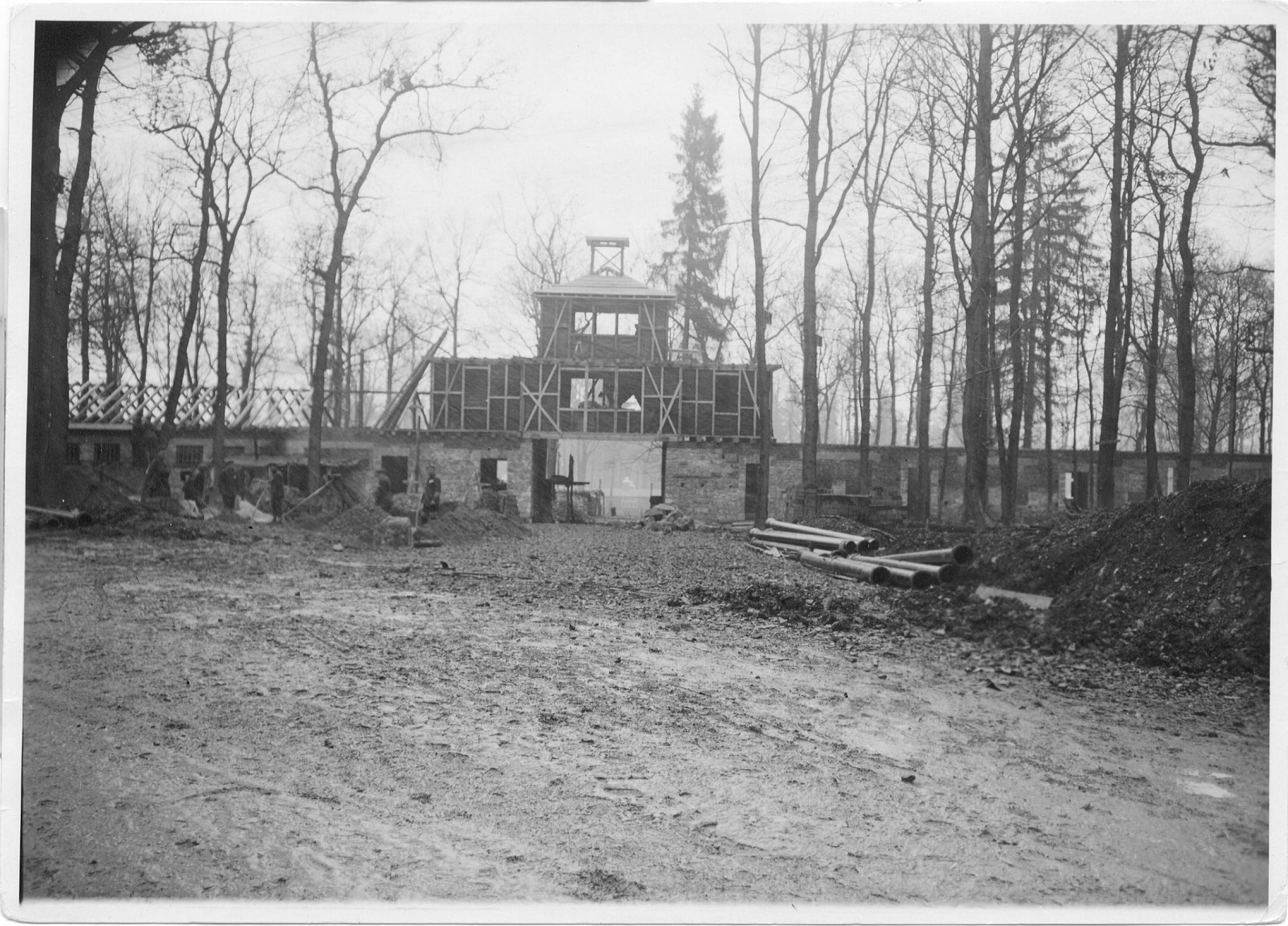
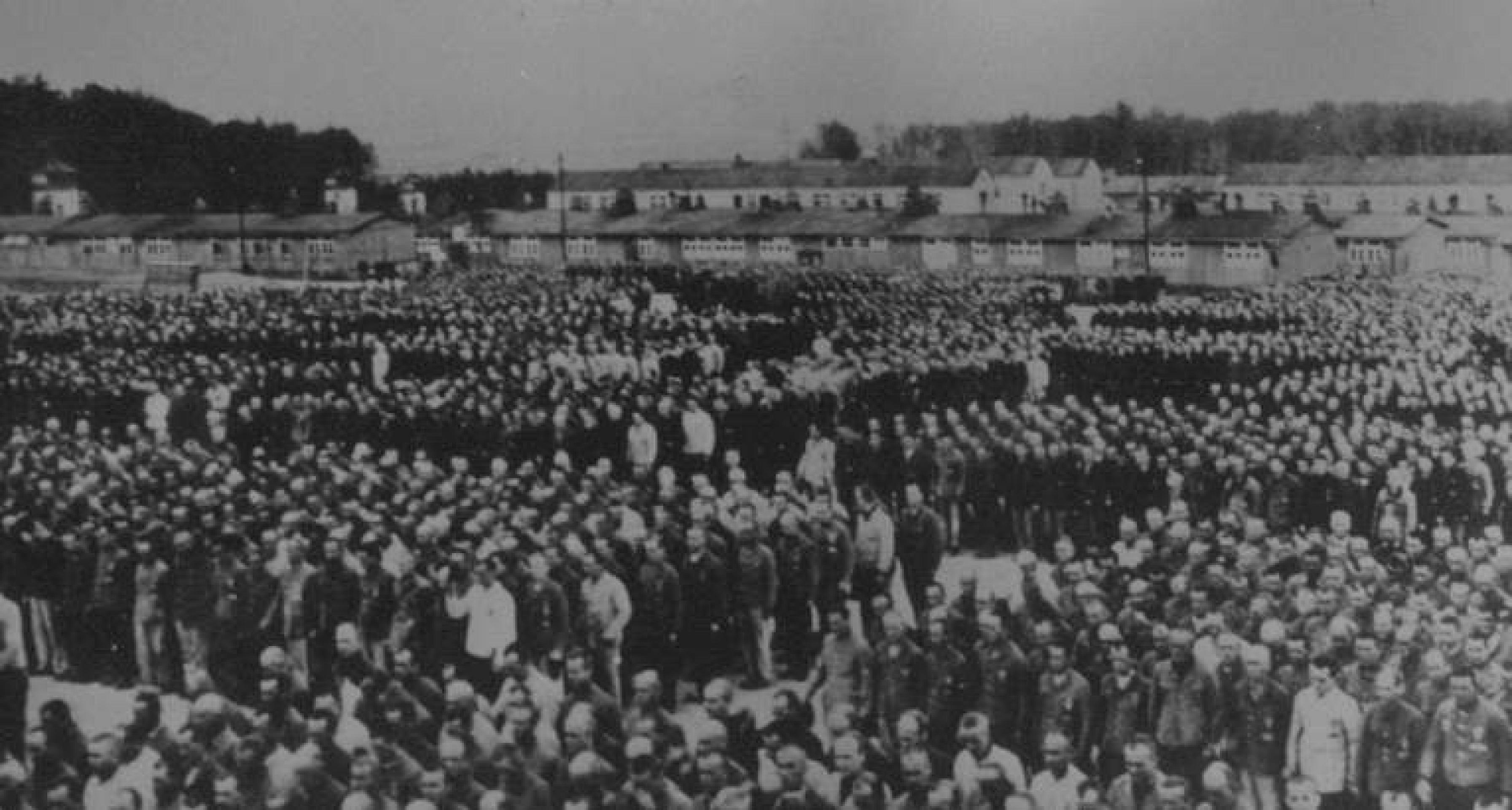
Prisoners from the Lichtenburg and Sachsenhausen concentration camps had to build the Buchenwald concentration camp near Weimar. The SS opened the camp in July 1937. It consisted of the so-called »large« camp for prisoners who had already been at Buchenwald for a certain amount of time, the tent camp which was set up in 1939 mainly for Polish prisoners and the so-called »little« camp which was established as a quarantine station in 1942.
From 1942 on, Buchenwald was completely overcrowded due to the constant influx of new prisoners. Insufficient water supply, terrible sanitary conditions and the high occupancy led to frequent epidemics. Prisoners of the Buchenwald camp had to conduct forced labour in SS-owned companies and, increasingly from 1942 on, in arms factories. Until the end of the war, numerous arms factories were established at production sites all over Middle Germany, which were administered as satellite camps of the Buchenwald concentration camp. From 1944 on, the shortage of labour force in the German arms industry was countered by deployment of thousands of Jews and Sinti and Roma from Auschwitz. They were transported to Buchenwald and following their registration, the camp administration loaned them to armaments companies.
The Jewish prisoners received even fewer provisions than the other prisoners, leading to a very high death rate among them.
From January 1945 on, Buchenwald was one of the destinations for evacuation transports from camps in the east which had been dissolved. At the time, Buchenwald was the largest remaining concentration camp, holding over 100,000 prisoners. At the beginning of April 1945, the SS attempted to evacuate Buchenwald, sending 27,000 prisoners on death marches. About 21,000 prisoners, including over 600 children and youths, stayed at the main camp. The prisoners put up resistance and managed to prevent the camp's complete evacuation.
Victims
During the first phase of its existence, the Buchenwald concentration camp was used by the SS to incarcerate political opponents of National Socialism, convicted criminals, homosexuals and Jehovah's Witnesses; from 1938 on, Jews were also held there. The beginning of the war meant that people from the countries occupied by Germany were also deported to Buchenwald. In October 1942, the SS deported almost all of Buchenwald's Jewish prisoners to Auschwitz.
SS doctors carried out medical experiments on the prisoners at Buchenwald. Mid-1943, the Waffen SS set up its »Department for Typhus and Virus Research«. Many died of the effects of the experiments.
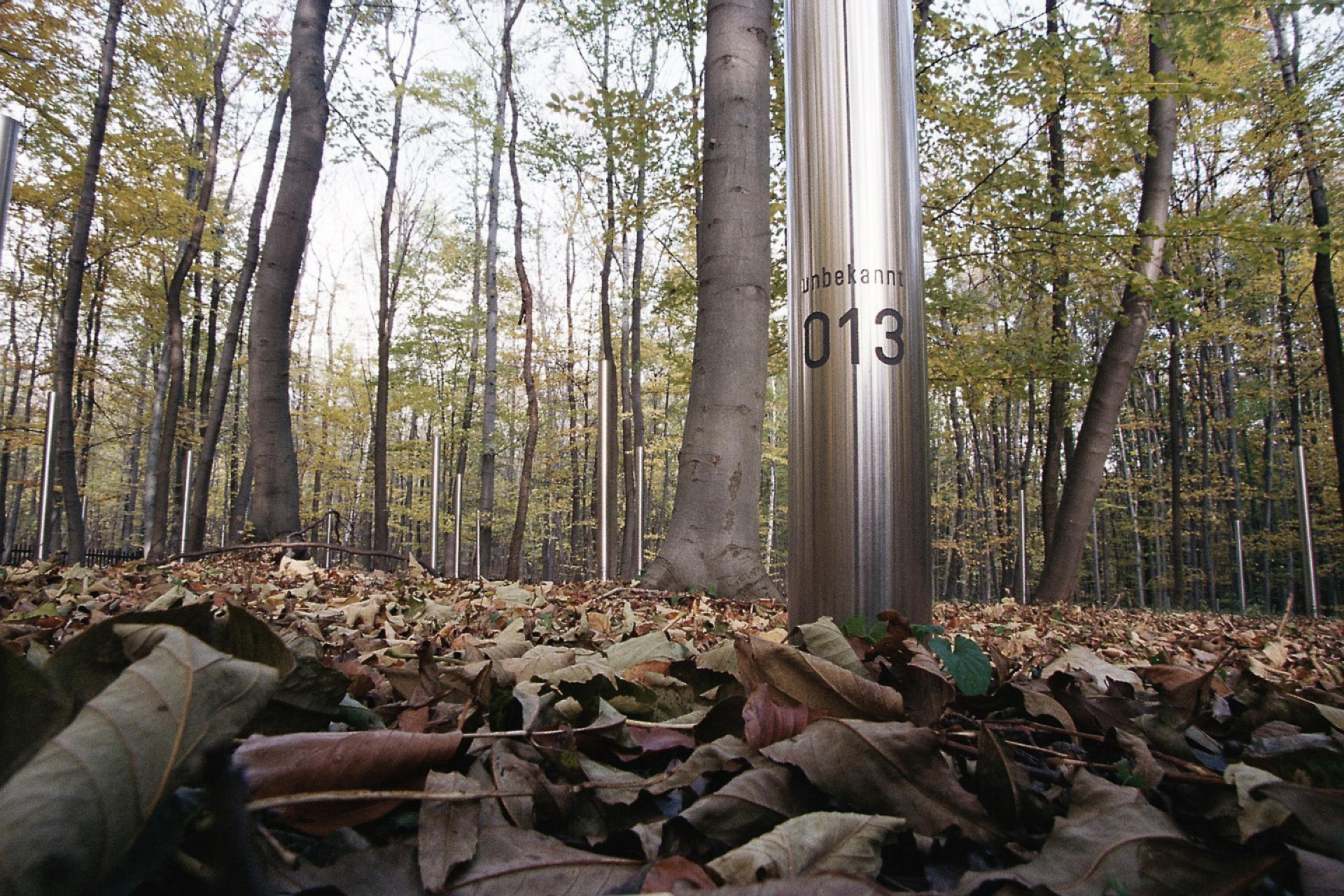
From 1941 on, mass murders were carried out at Buchenwald; executions in the camp and in nearby forests were frequent. The SS murdered thousands of Soviet prisoners of war by shooting them in the back of the neck. In total, over 50,000 prisoners perished at the Buchenwald concentration camp, its satellite camps and on death marches from Buchenwald. Between January and April 1945 alone, about 14,000 prisoners died. It is estimated that 243,000 men, women and children passed through the camp and its 136 satellite camps.
Until 1950, over 28,400 prisoners were held at the Soviet Special Camp No. 2. In many cases, the NKVD arrested people unjustly accused of participating in National Socialist crimes, surpassing any legal proceedings in doing so. According to official Soviet records, over 7,000 prisoners died on the Etterberg. 1,500 were deported to the Soviet Union by the NKVD. The Soviet authorities handed about 2,400 prisoners over to the GDR judiciary when the camp was dissolved in 1950.
Remembrance
When liberating Buchenwald, the US Army took photographs of the camp and subsequently published them. These pictures made Buchenwald a worldwide symbol for the National Socialist crimes. Yet Thuringia soon became part of the Soviet occupation zone, and for a long time, the establishment of Soviet Special Camp No. 2 made commemoration on the historic site impossible.
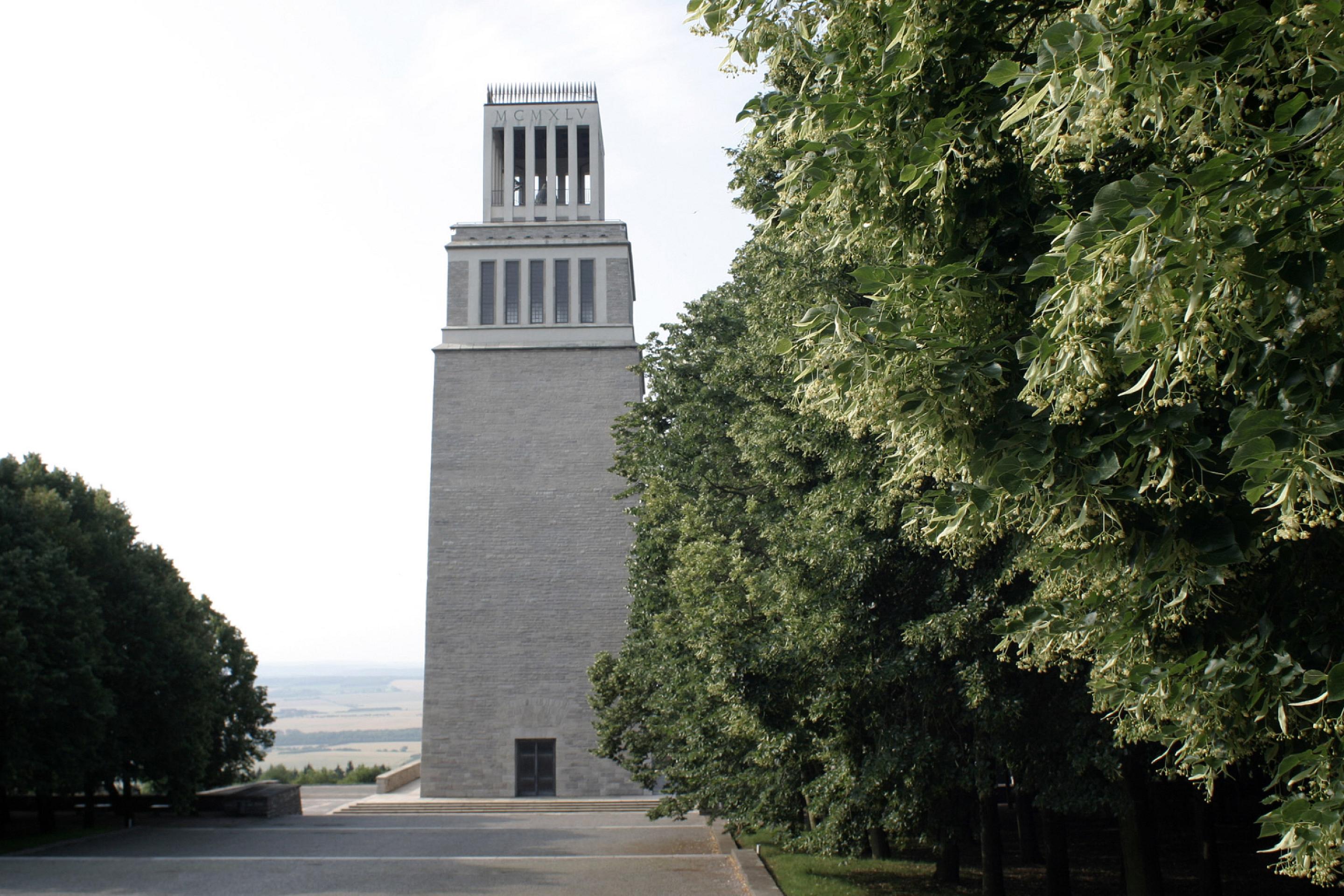
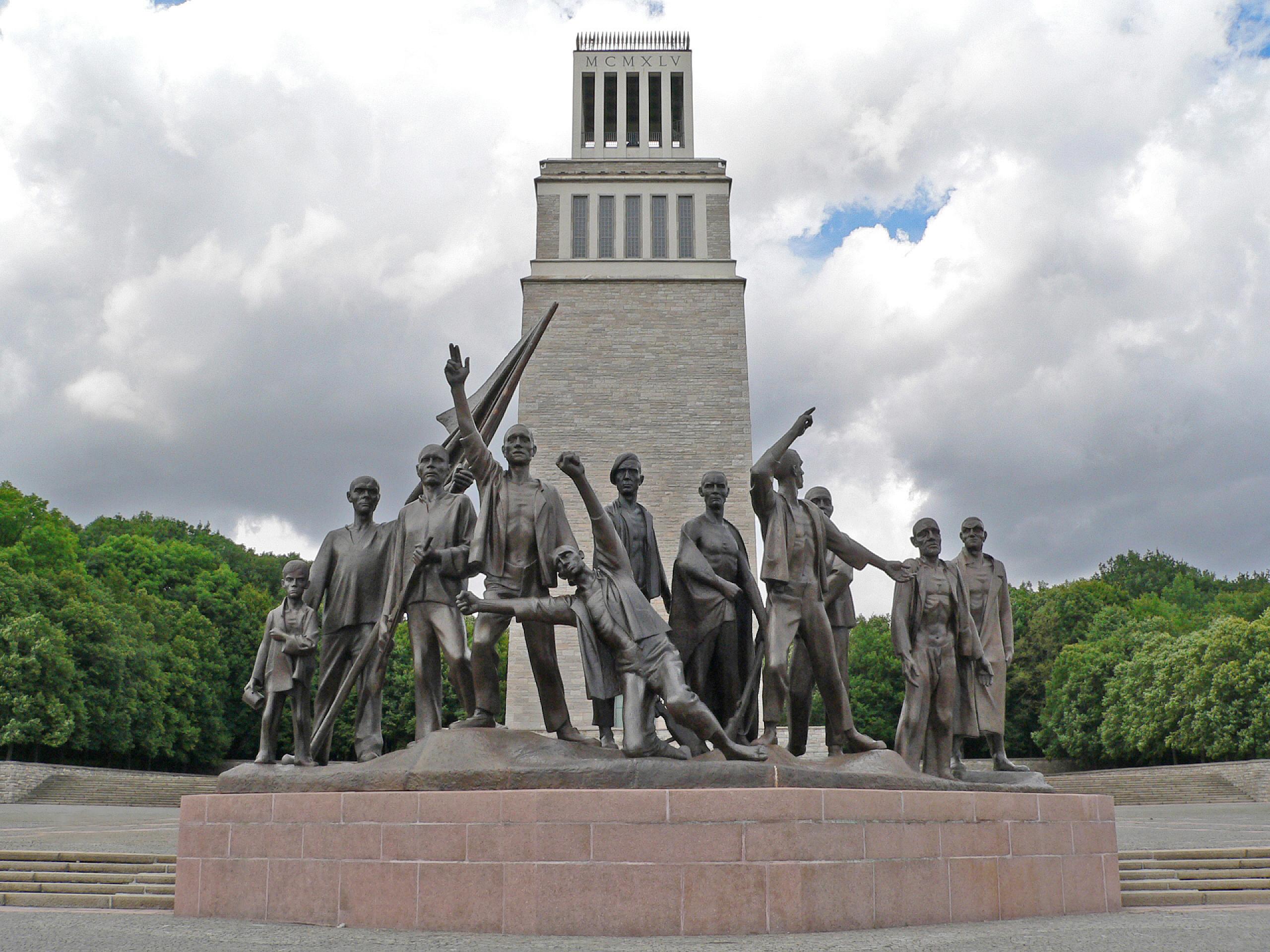
In the following years, commemorating communist resistance was a central concern for the GDR authorities. In 1958, the National Buchenwald Memorial was opened. The centrepiece of the memorial was a sculpture by Fritz Cremer, symbolically depicting resistance fighters in the camp. The cult surrounding former communist party leader Ernst Thälmann was especially important to remembrance of the camp - Thälmann was shot in Buchenwald at the end of the war. There was no room for commemorating individual victim groups.
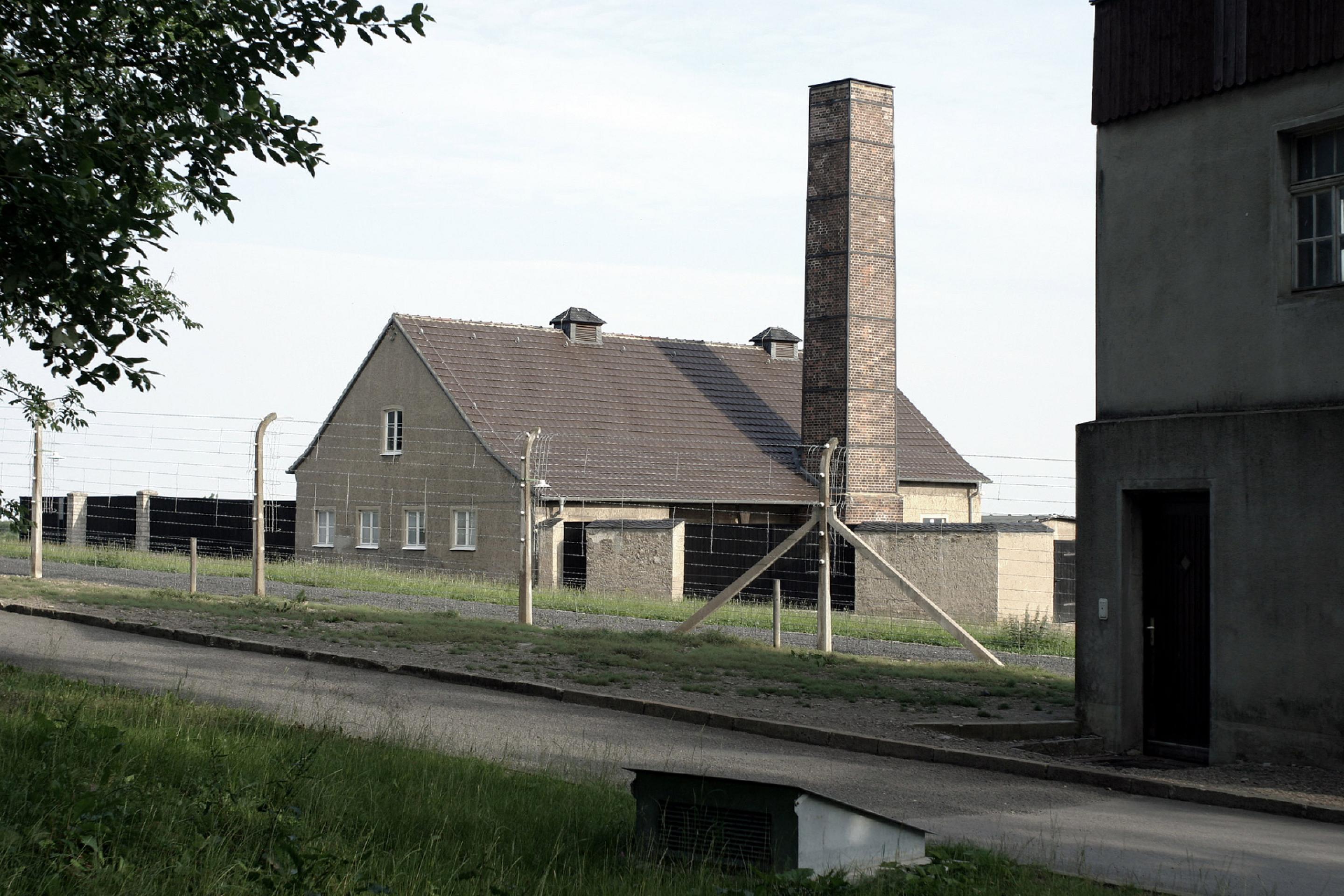
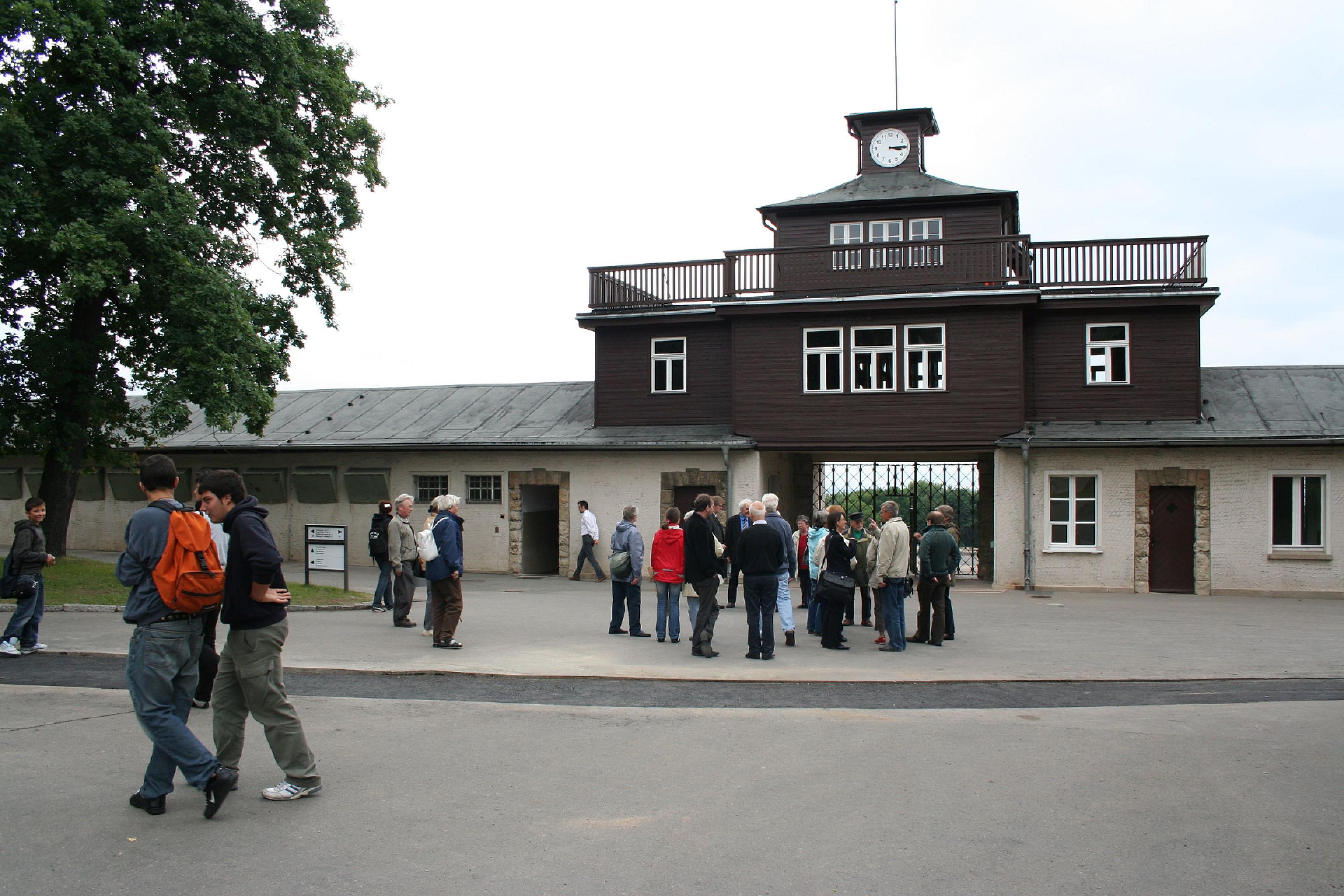
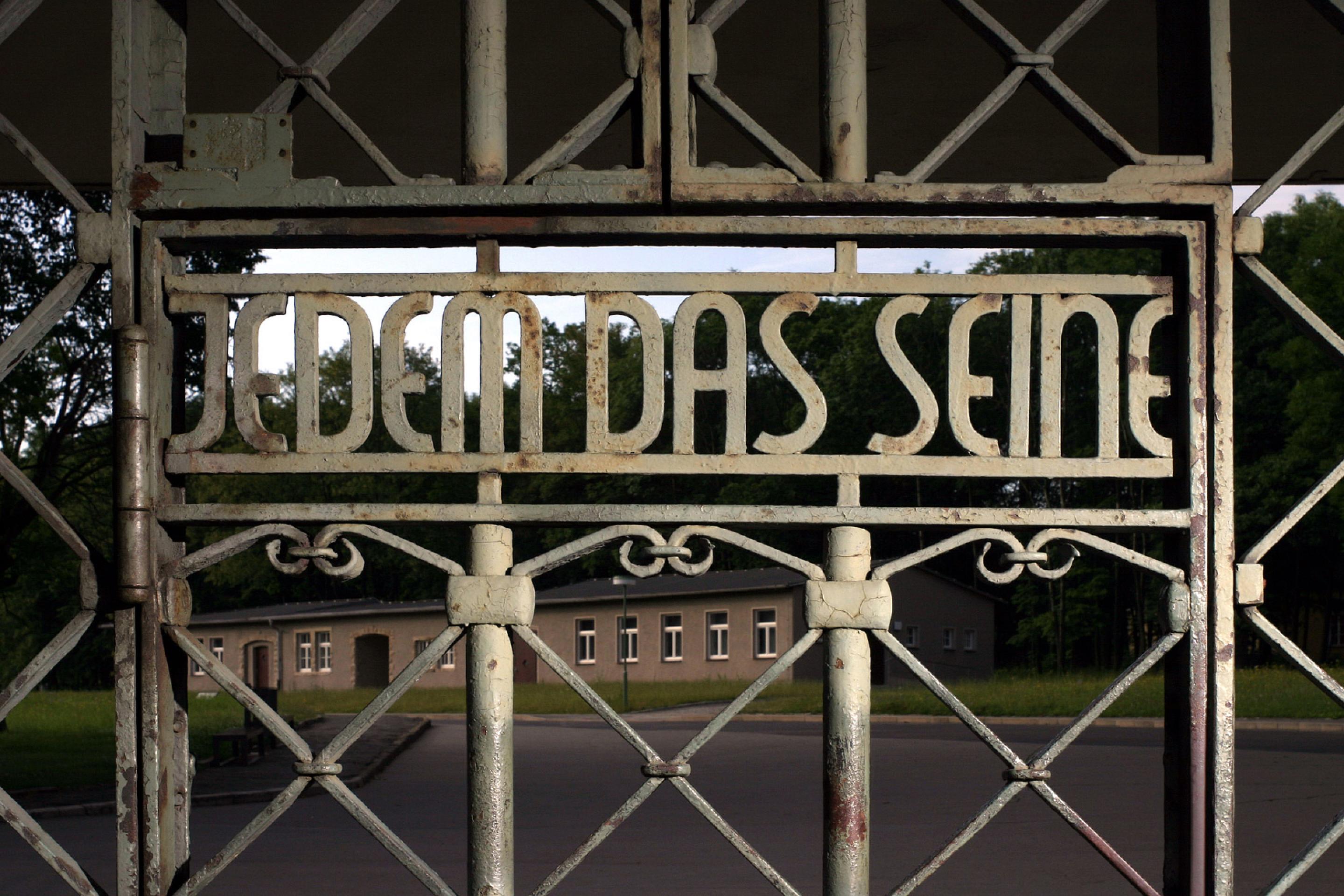
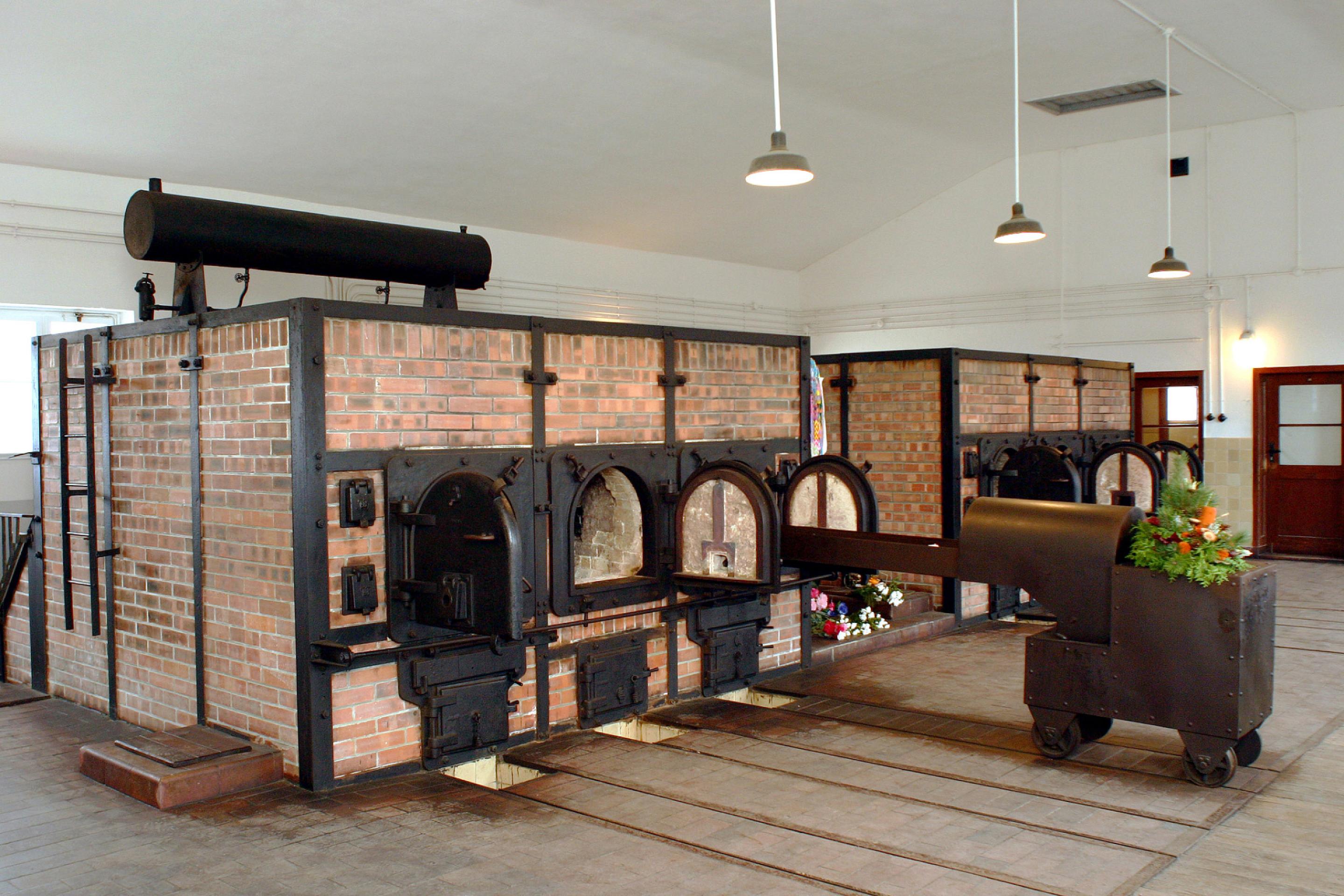
Large parts of the camp premises were levelled out during the GDR period, barracks and buildings demolished. The crematorium and the gate building were left intact.
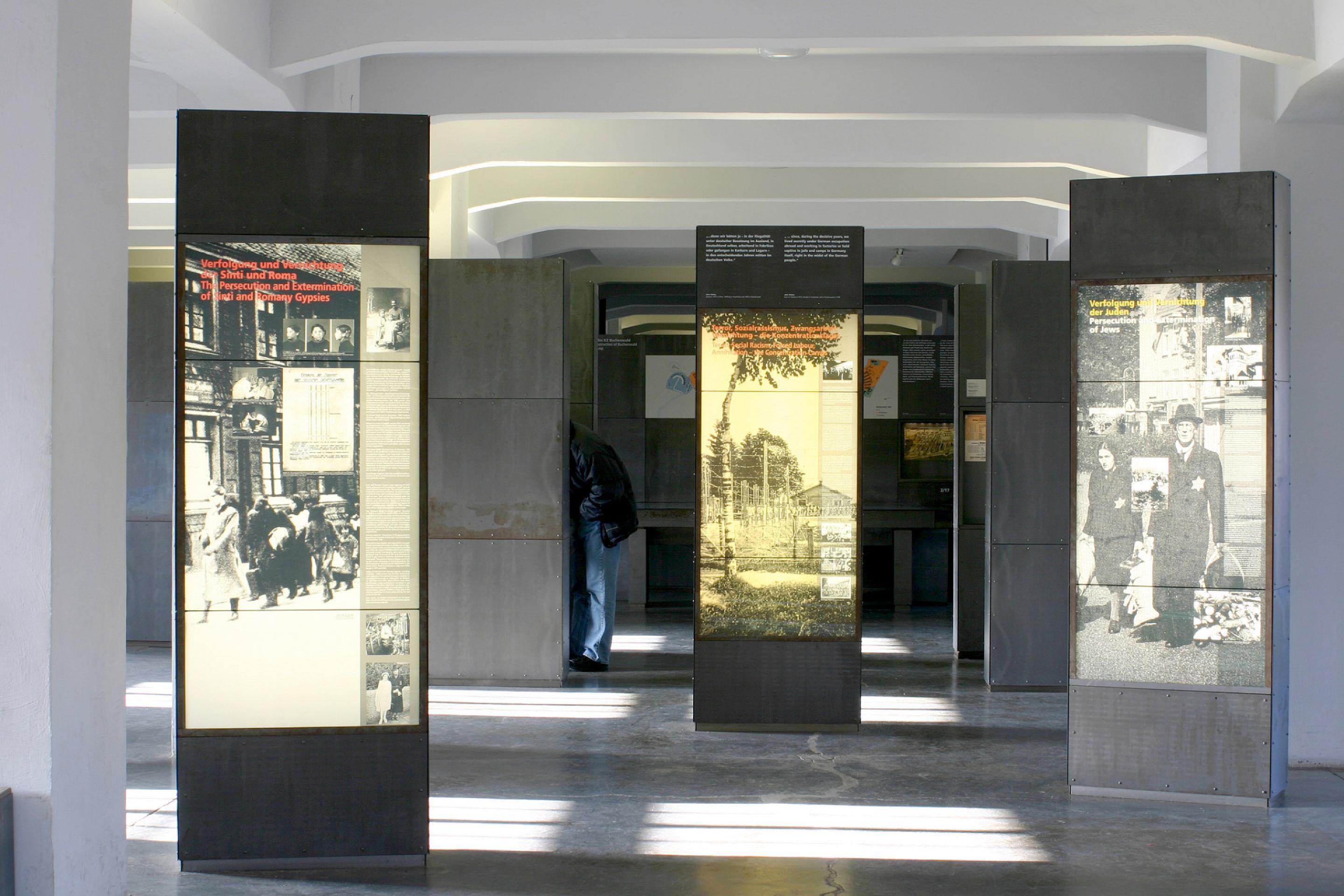
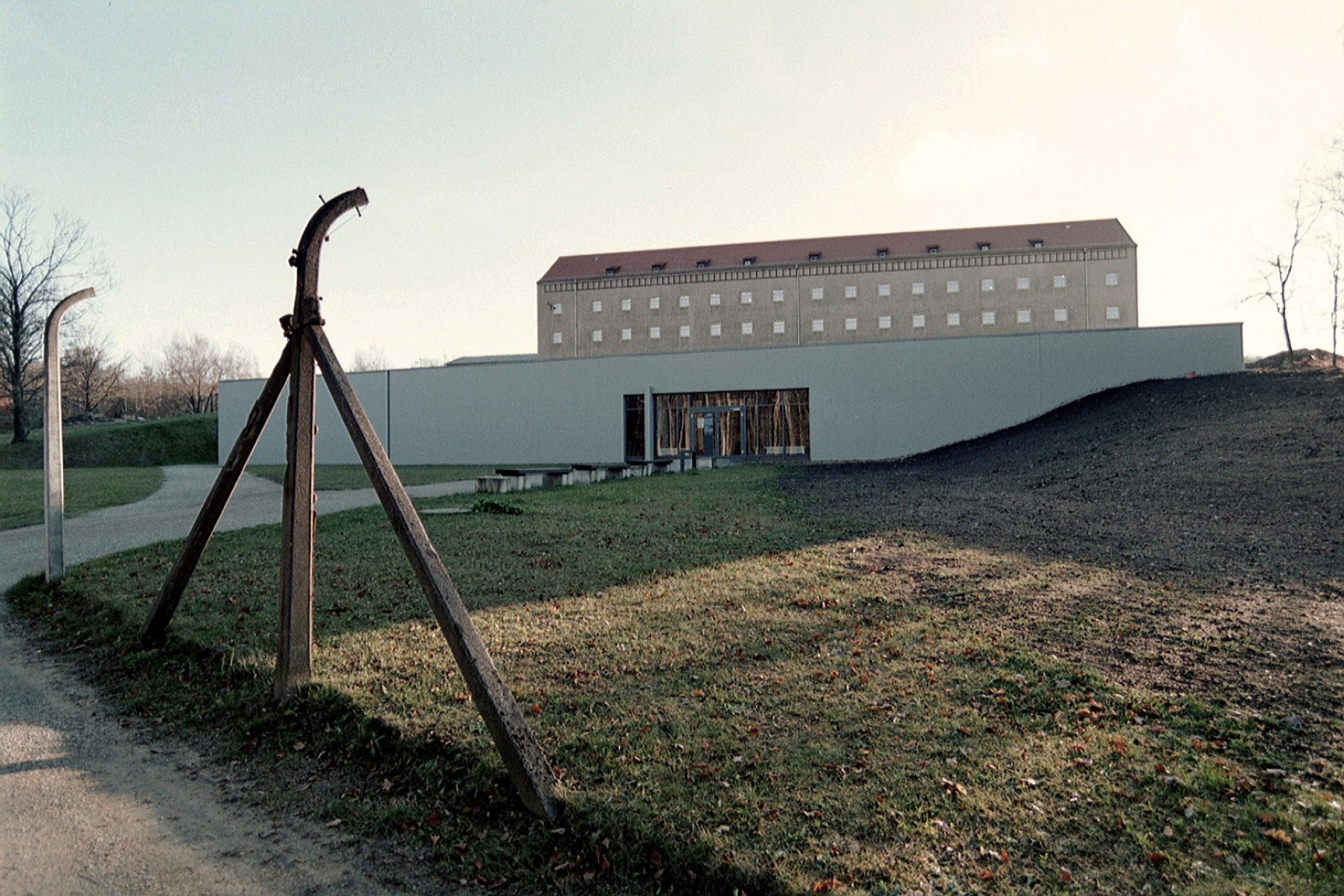
After 1990, a new concept for the Buchenwald Memorial was developed on behalf of the Thuringian Ministry of Economics. All outdoor facilities were renovated. The former depot has since 1995 housed the memorial's museum. Exhibitions deal with the history of the concentration camp and the memorial site as well as the history of Soviet Special Camp No. 2.
In 2007, the »Commemorative Buchenwald Railway Path« was inaugurated. It marks the railway line built by prisoners on the route from Buchenwald to Weimar.
The Buchenwald Memorial is run by the Buchenwald and Mittelbau-Dora Memorials Foundation.
Possibilities
Permanent exhibition, library, archive, pedagogical programme, travelling exhibitions, guided tours for school groups and youths in several languages, day-long seminars for groups, youth meeting centre, concentration camp and special camp archive, digital collection
Open
Museum:
November to March 9 a.m. to 4 p.m., April to October 10 a.m. to 6 p.m., closed on Mondays
The outdoor facilities are accessible daily until sundown
Contact
information@buchenwald.de
+49 (0)3643 430 0
Gedenkstätte Buchenwald
99427 Weimar