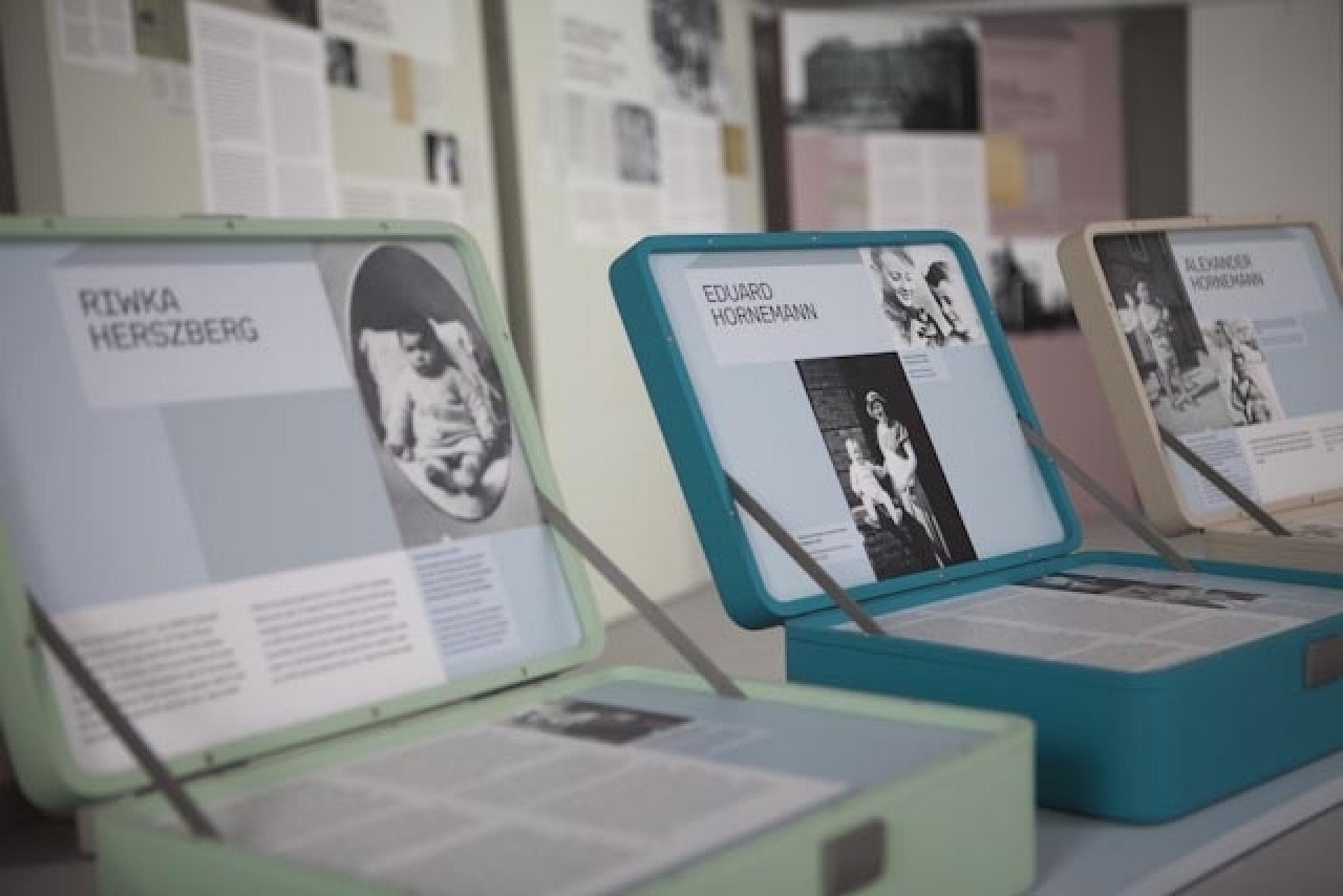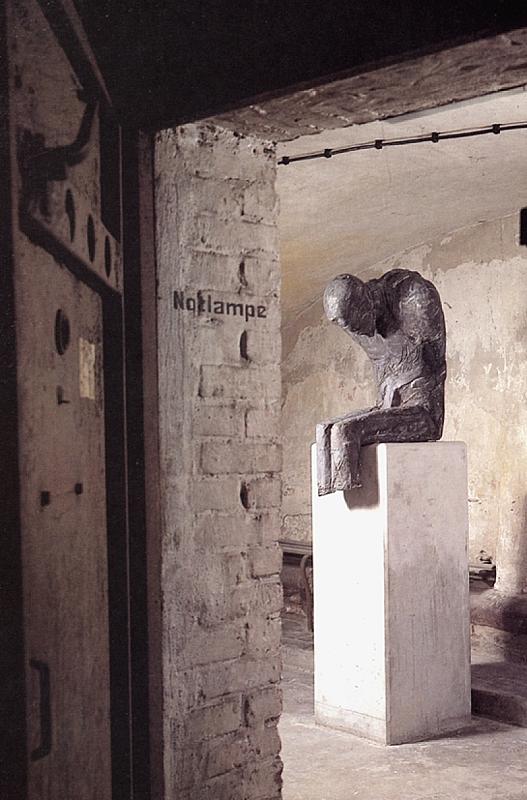
The »Bullenhuser Damm Children Association« established a memorial in 1979 in honour of the twenty Jewish children who were hanged by SS men on the night of April 20, 1945. Prior to this, the children had been subjected to medical experiments by SS doctors at the Neuengamme concentration camp.
History
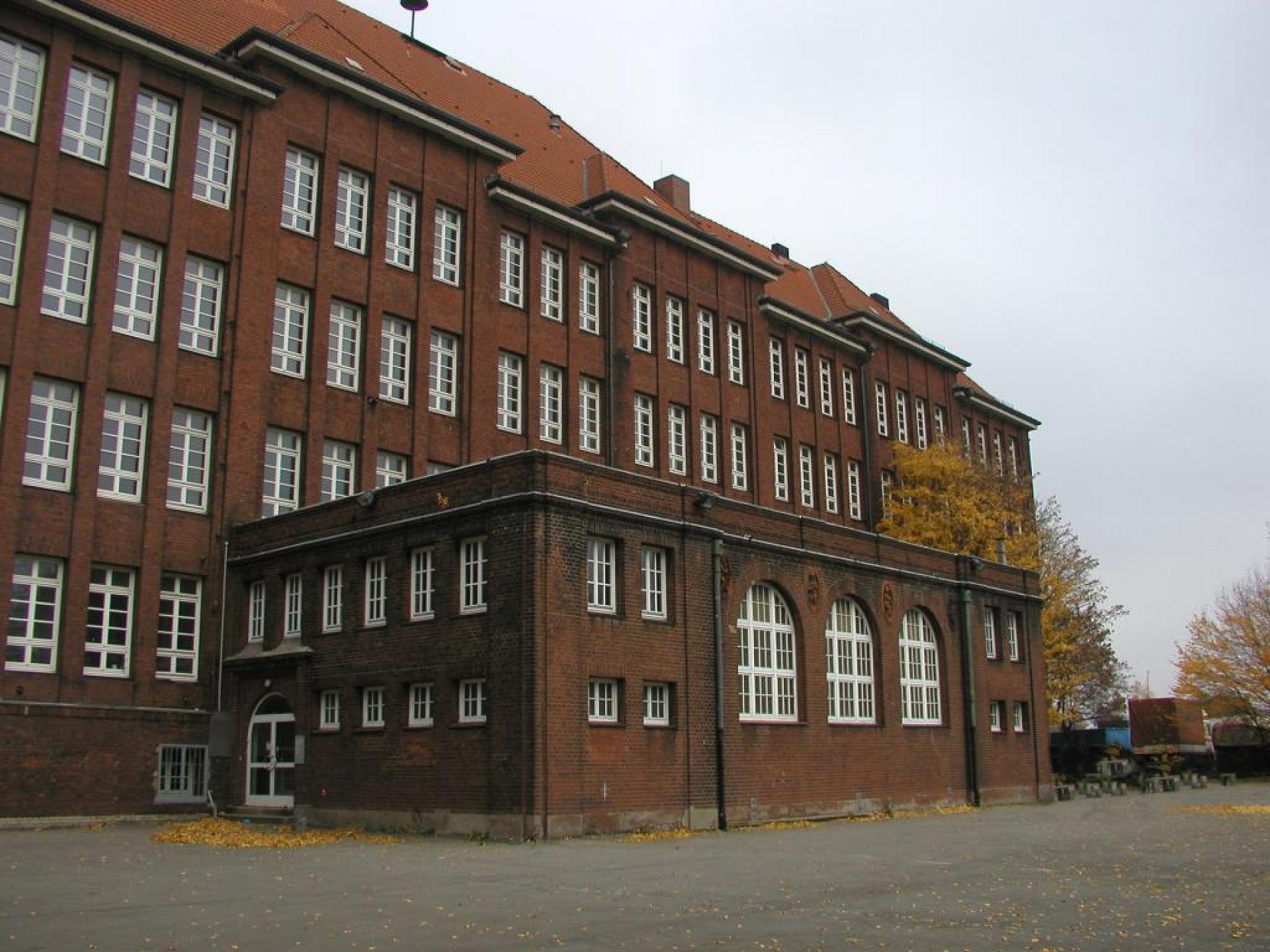
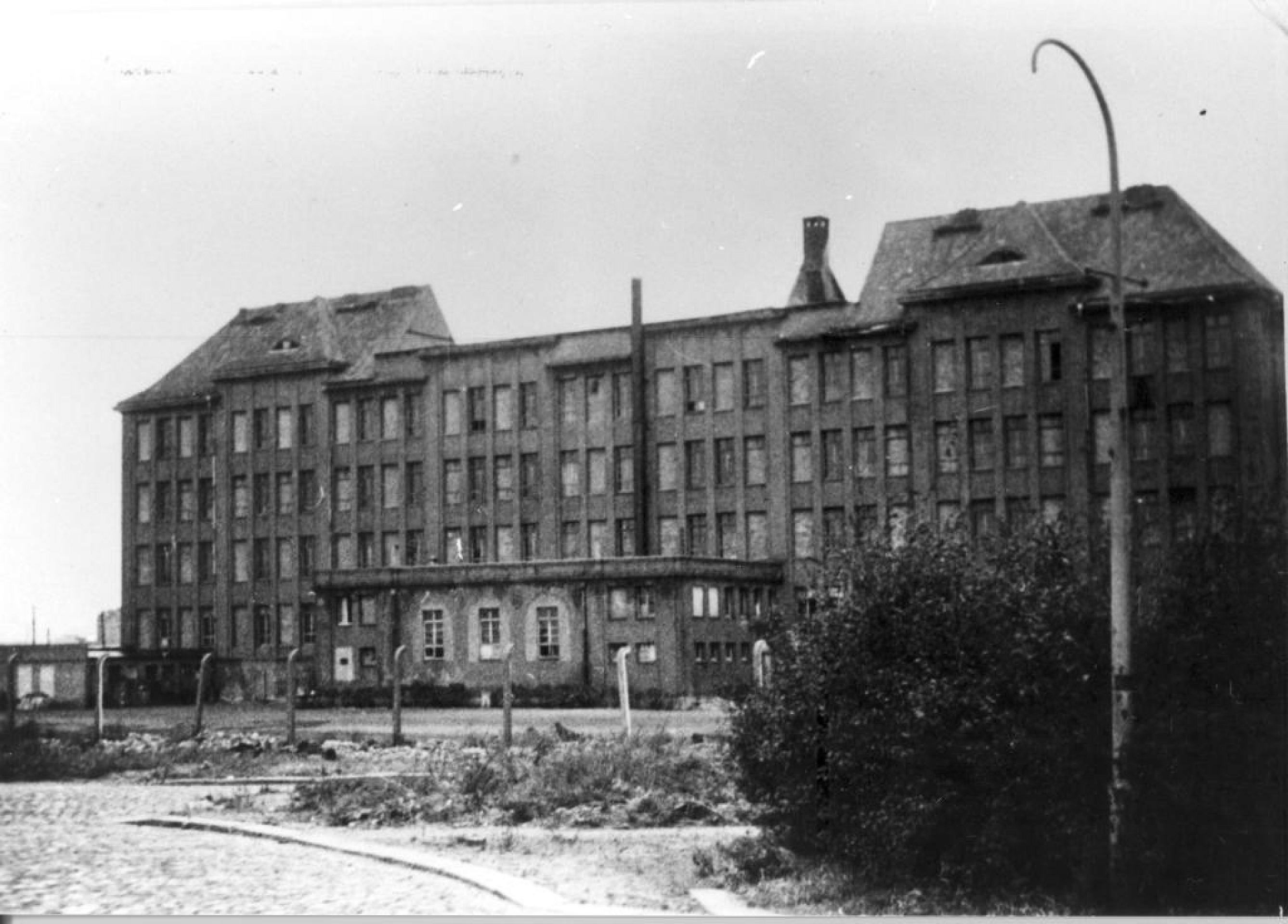
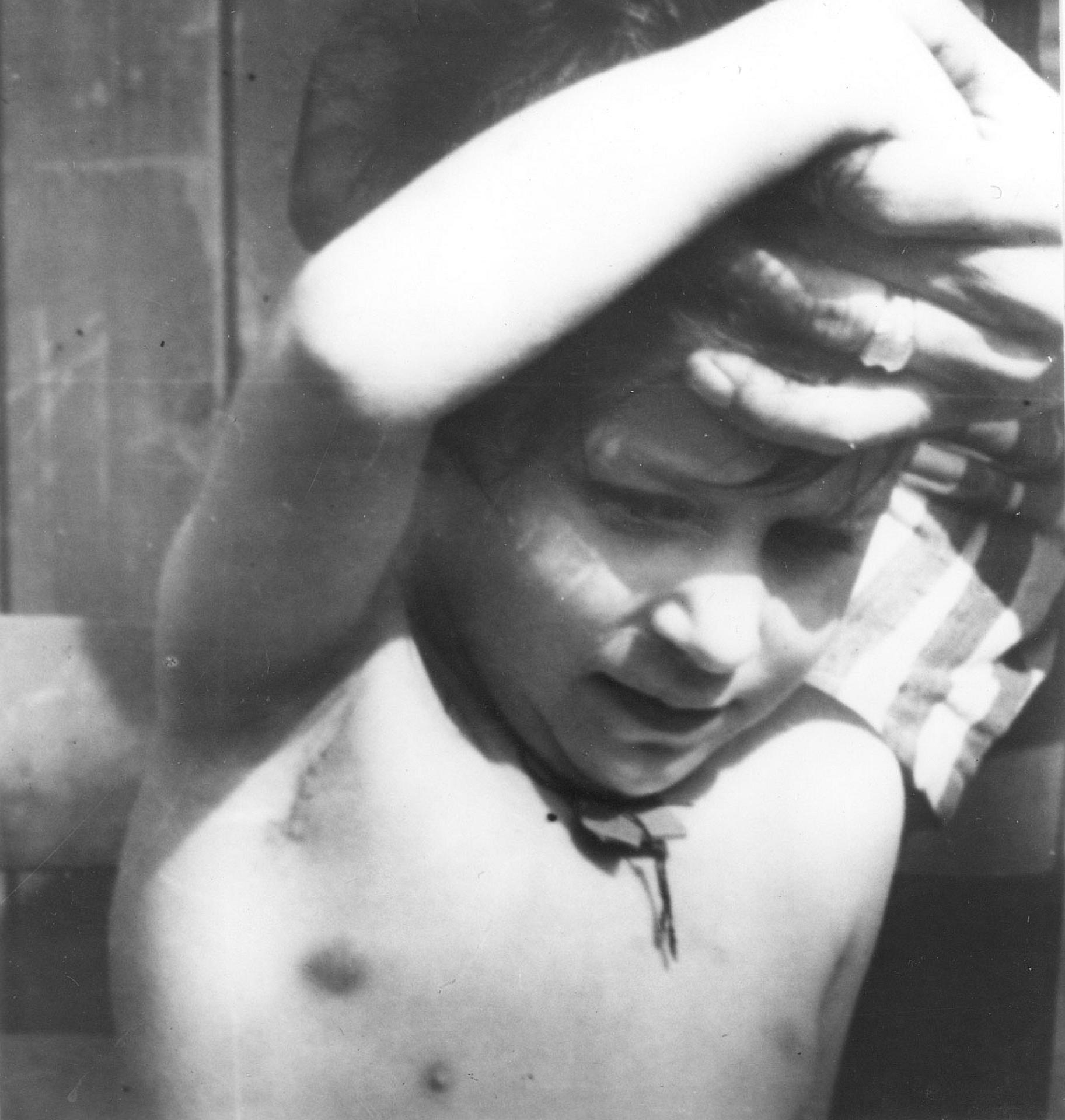
From November 1944 on, a satellite camp of the Neuengamme concentration camp was located in the Hamburg district of Rothenburgsort. The SS established a camp for up to 1,000 prisoners in the school building on Bullenhuser Damm 92 on initiative of Gauleiter Karl Kaufmann. The prisoners conducted forced labour in the SS-owned »Deutsche Erd- und Steinwerke GmbH« gathering and sorting bricks and rubble following air raids on the city. There were about 600 inmates at the satellite camp in March 1945 according to eye witness accounts. Between April 17 and 20, 1945, the SS dissolved the Hamburg-Rothenburgsort camp and deported the prisoners by train to the prisoner of war camp at Sandbostel. The SS continued to use the school building: On the night of April 20, 1945, the SS brought twenty Jewish children from the Neuengamme concentration camp, two Dutch nurses and two French doctors who tended to the children, to Bullenhuser Damm. SS doctor Kurt Heißmeyer and his colleague Hans Klein had abused the children for medical experiments at Neuengamme. They had infected them with Tuberculosis by rubbing a bacteria solution in fresh wounds on their chests. When the experiments failed to yield the desired results, the doctors lost interest and left the children behind at Neuengamme. On April 20, 1945, it was decided at the SS headquarters in Berlin that the children were to be killed as they were witnesses of the crimes conducted. In the night of April 20/21, an SS commando led by Johann Strippel hanged the twenty children and their four guardians in the cellar of the school building at Bullenhuser Damm. That same night the commando also hanged 24 Soviet prisoners of war who had performed forced labour in the Hamburg-Hammerbrook satellite camp. Strippel presumably had all 48 bodies brought back to Neuengamme in the morning, where they were burned.
Victims
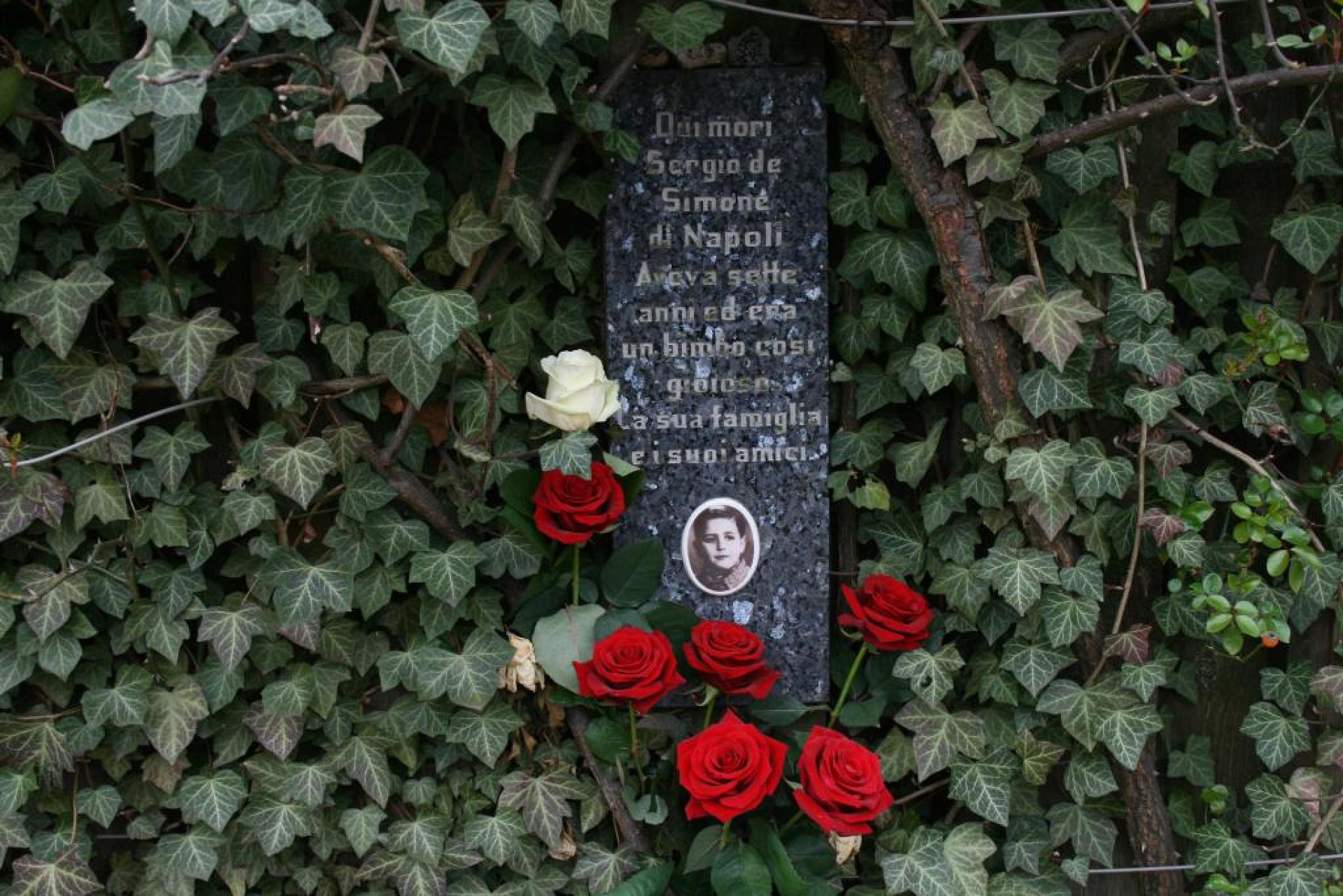
Little is known of the 600 prisoners who had to work as forced labourers at Bullenhuser Damm. Presumably many more were incarcerated at the Hamburg-Rothenburgsort satellite camp than stated in eye witness accounts. Most of the children who were murdered on April 20/21, 1945, came from Poland, others came from France, Italy and the Netherlands. They were all Jewish and had been deported to Auschwitz-Birkenau. From there, SS doctor Josef Mengele had transferred them to his colleagues in Hamburg – ten Jewish boys and ten Jewish girls, aged between five and twelve. The names of all of the children are known thanks to the research conducted by the journalist Günther Schwarberg. Nothing is known of the identity of the Soviet prisoners of war who were killed that same night.
Remembrance
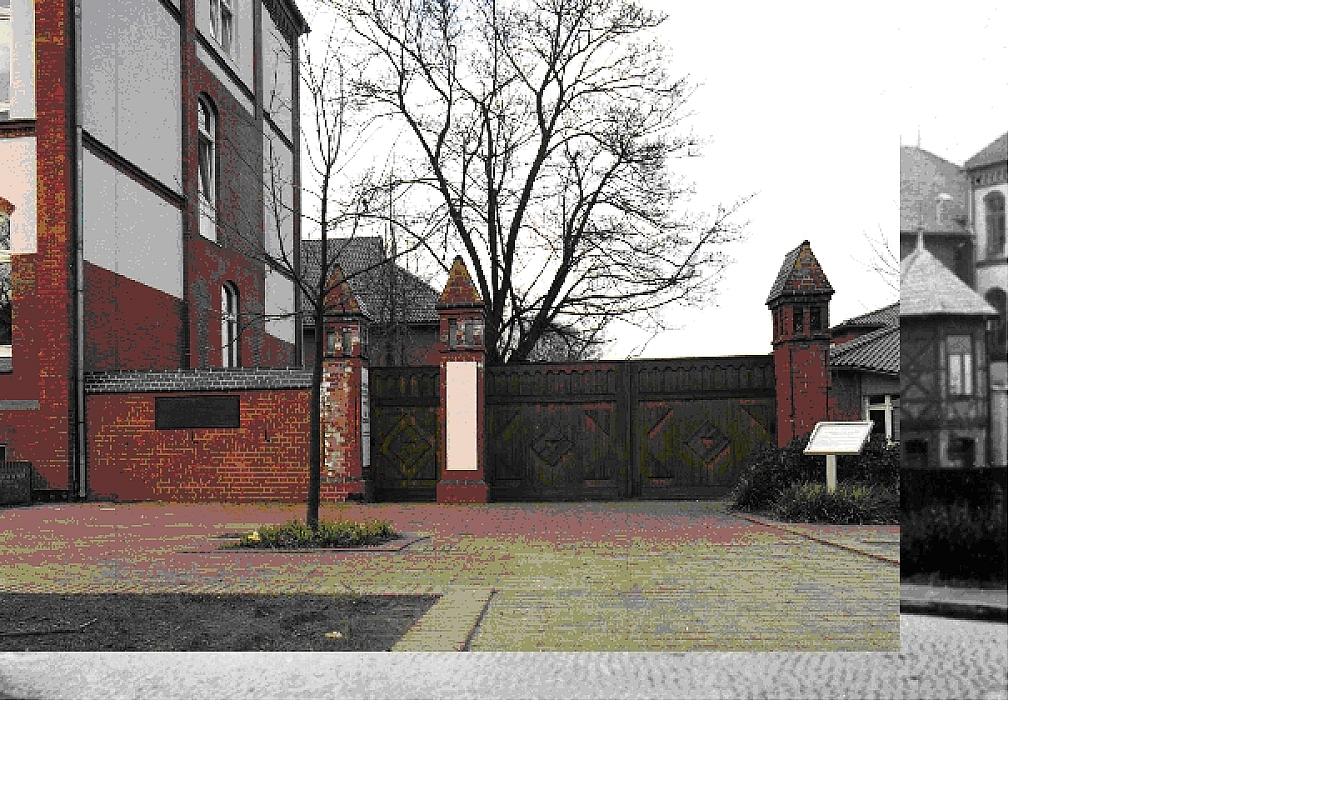
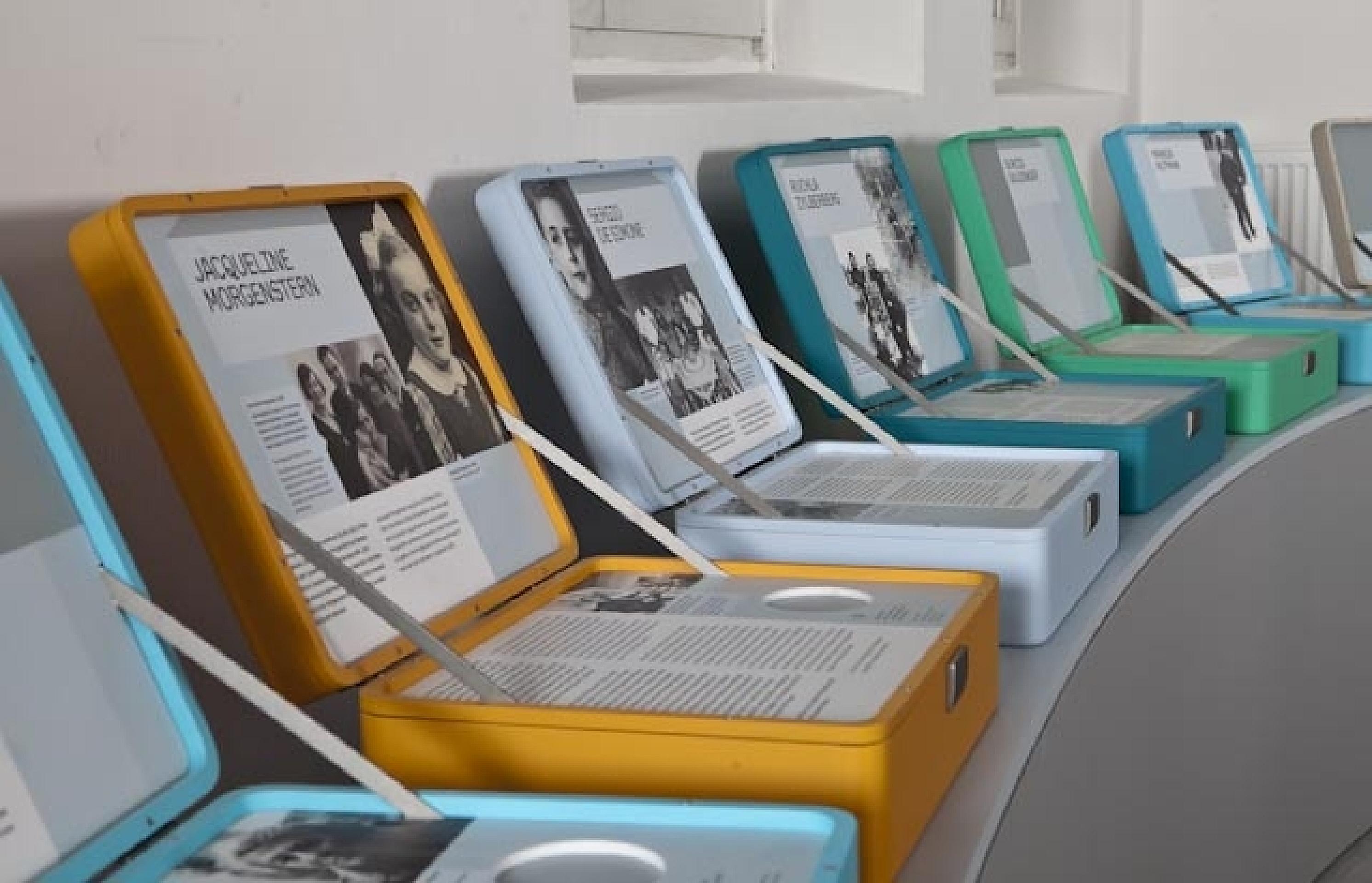
The school at Bullenhuser Damm came into operation again in 1948; the crimes, which took place here in 1945, were not spoken of. In 1963, a memorial plaque was affixed to the building on initiative of the »Neuengamme working group« and annual commemorative ceremonies began being held on April 20. At the end of the 1970s, the journalist Günther Schwarberg published an article in which he described the medical experiments and the murder of the children, listing the names of all twenty of them. Following this, the »Bullenhuser Damm Children Association« was founded in 1979, and an exhibition in the cellar rooms was opened. The school was shut down in 1989 and in the next decade the building was home to a vocational school. Meanwhile, the »Bullenhuser Damm Children Association« continuously extended the memorial site. In 1994, a new permanent exhibition was opened. Since 1999, the memorial has been administered by the City of Hamburg. The exhibitions have been revised and extended and many artefacts added. Since 1985, a rose garden designed by artist Lilli Fischer has been located on the former school premises. Relatives of the murdered children funded several memorial plaques which haven been attached to the fence of the rose garden. In 1985, on the fortieth anniversary of the murders, a bronze sculpture by Anatoly Mossiychuk was dedicated to the 24 Soviet prisoners of war who were hanged. Since the mid-1990s, several streets in Hamburg's Schnelsen district have been named in honour of the children who were killed at the school on Bullenhuser Damm.
Possibilities
Lectures, film screenings, guided tours, educational study days (twice a year)
Open
Sunday: 10 a.m. to 5 p.m. Guided tours by appointment.
Contact
https://bullenhuser-damm.gedenkstaetten-hamburg.de/
stiftung@gedenkstaetten.hamburg.de
+49 (0)40 428 131 500
Bullenhuser Damm 92
20539 Hamburg