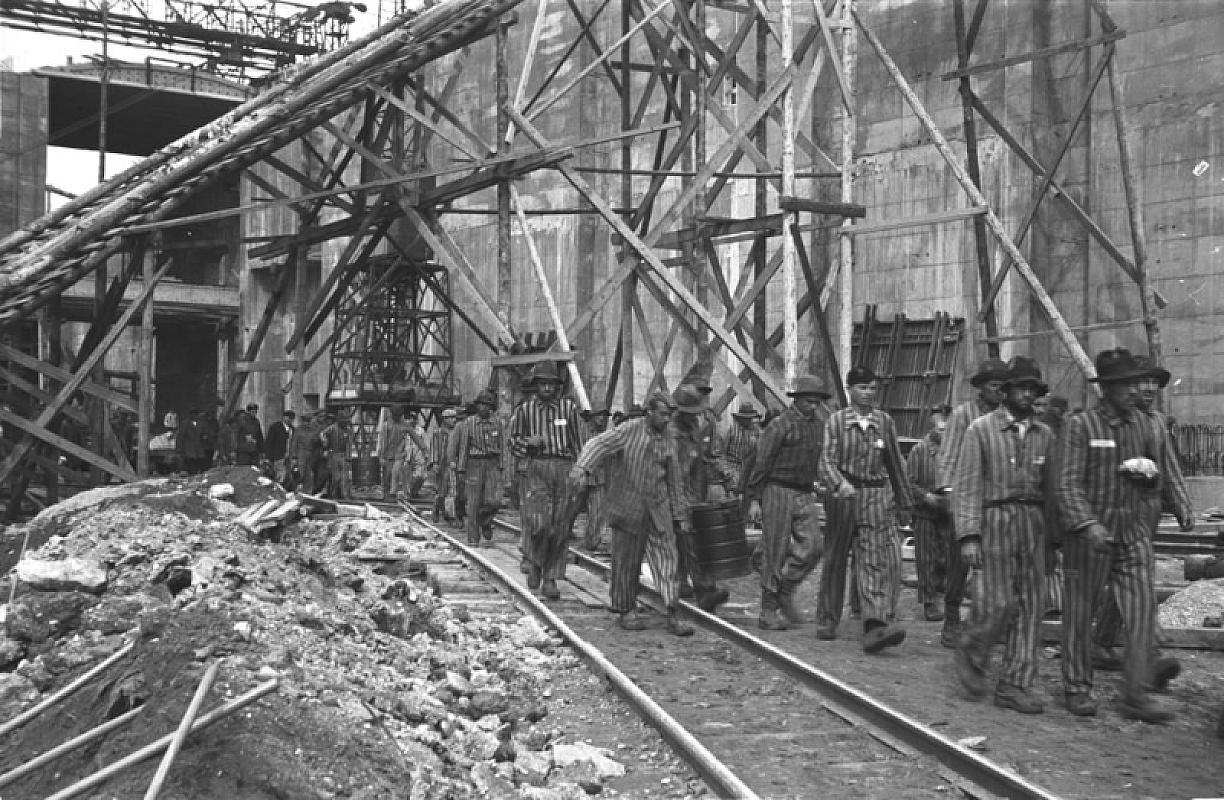
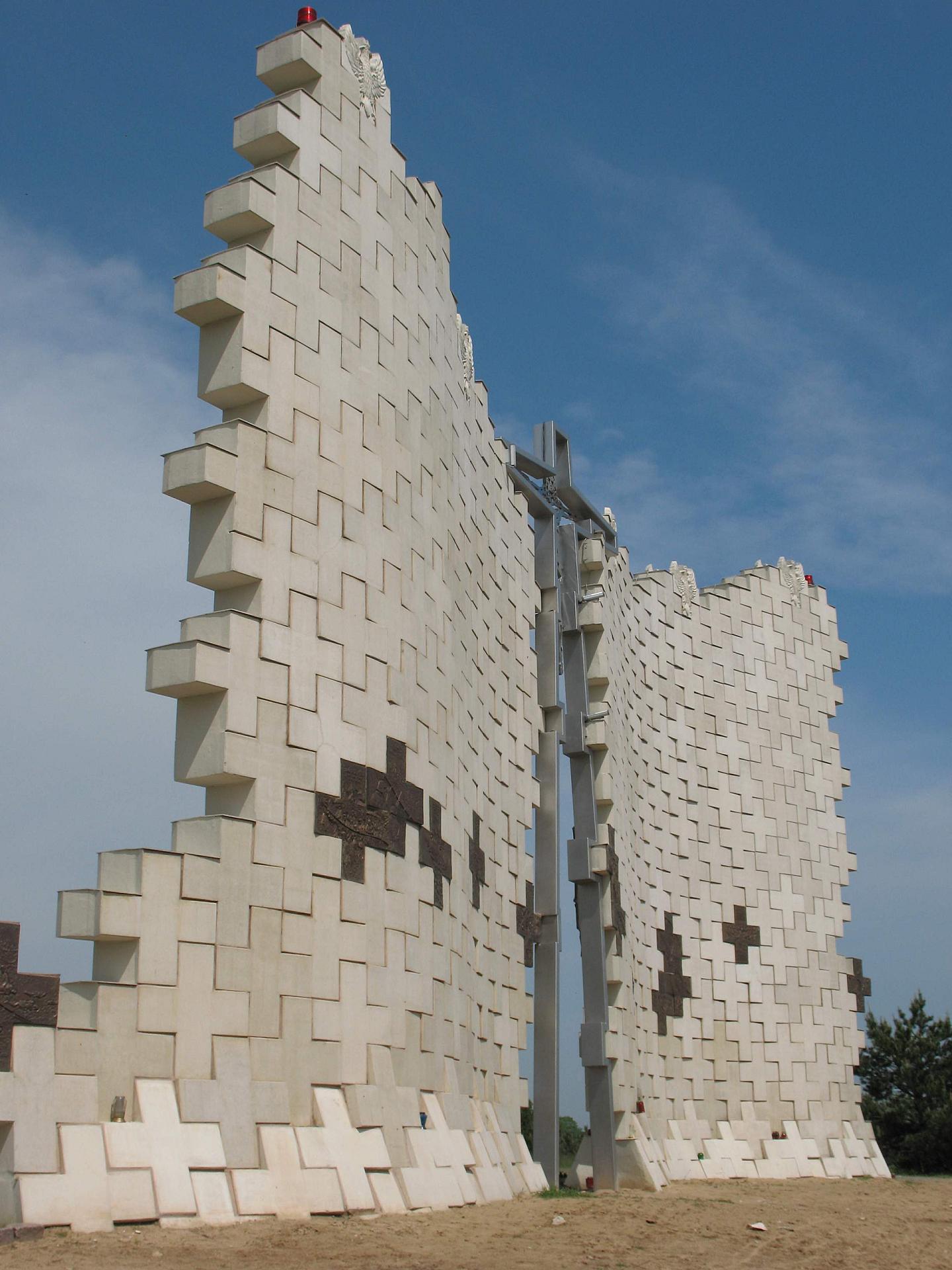
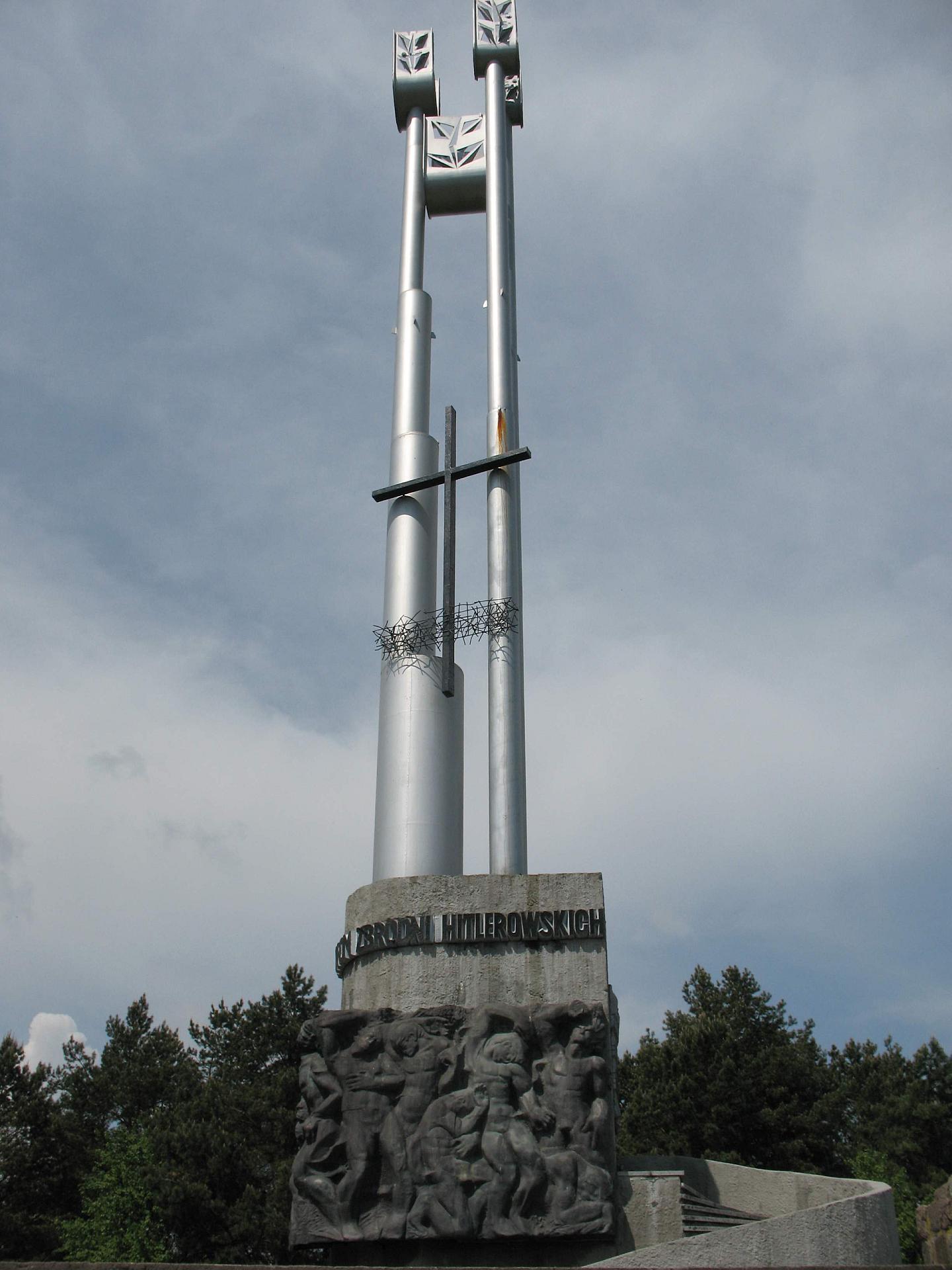
In autumn 1939, members of the German »Selbstschutz« and Einsatzkommando 16 (mobile killing squad) murdered Polish and Jewish civilians in a valley close to Fordon, a part of Bydgoszcz that used to be an independent township, 12 kilometres north-east of the town. Today, the »Valley of Death« (Polish: »Dolina Śmierci«) is home to a memorial complex in honour of the victims.
History
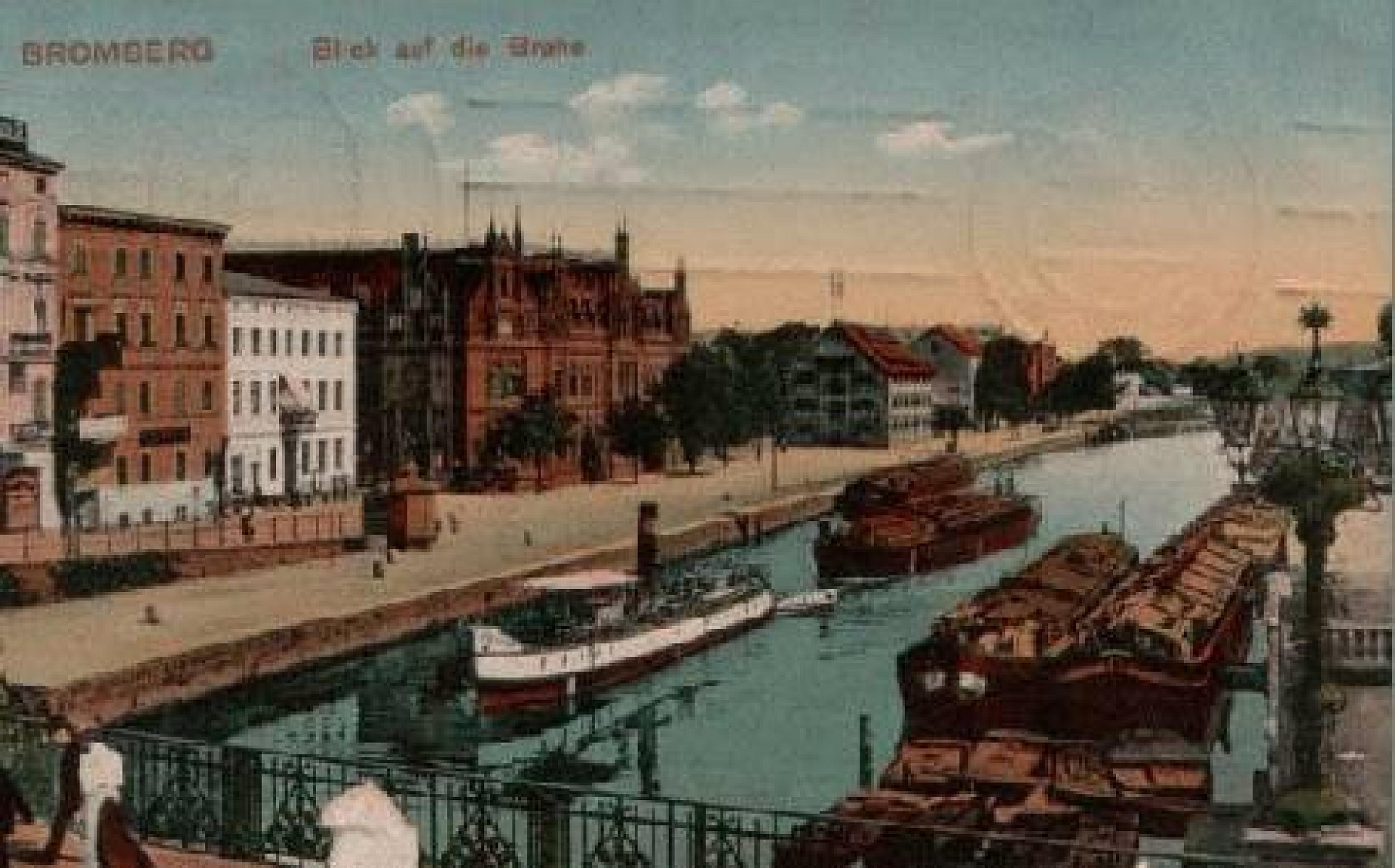
In January 1920, the victorious powers laid down a new order for Germany's eastern territories in the Treaty of Versailles. Most of West Prussia, parts of Upper Silesia and the Posen province, including Bromberg (Polish: Bydgoszcz) were ceded to the newly independent Polish state. At the beginning of the 1920s, over 30 percent of the Polish population were part of a national minority; there were about one million German nationals living in Poland. The German minority and the German-Polish border were much disputed by the governments in Berlin and in Warsaw. On September 1, 1939, Germany launched its invasion of Poland, during which the Luftwaffe also bombarded civilian targets. The Wehrmacht's advancing units were closely followed by »Einsatzgruppen« (mobile killing units). Using lists of names that had been compiled before the war, members of these units arrested and shot thousands of representatives of the Polish intelligentsia: teachers, lawyers, civil servants and members of the clergy.
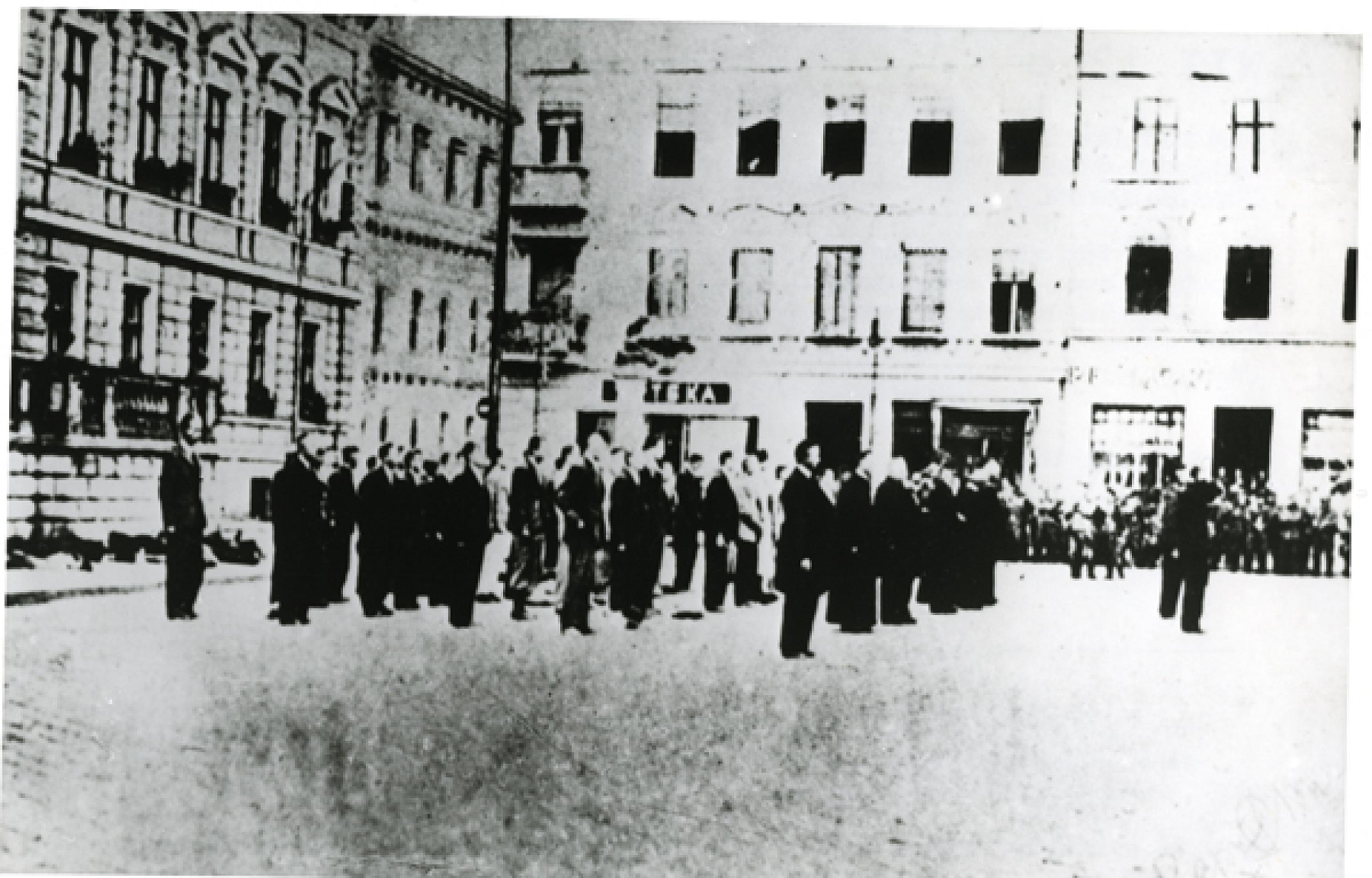
Two days before taking Bydgoszcz, on September 3, 1939, Polish troops were attacked by unknown persons. In reaction, Polish soldiers and civilians murdered between 100 and 300 local German nationals. The National Socialist propaganda claimed a ten-fold number of victims and used this incident as a pretence for carrying out the previously planned murder of the Polish upper classes. During the first week of occupation in Bydgoszcz, Wehrmacht units and mobile killing units carried out mass shootings. In October and November 1939, members of Einsatzkommando 16 (mobile killing squad) and members of the »Selbstschutz« – an auxiliary police unit of the SS established by members of the German minority in August 1939 – shot Polish and Jewish residents of Bydgoszcz in the remote and narrow valley in Fordon. Similar killing operations also occurred in other towns.
Victims
In total, about 10,500 people were murdered in Bydgoszcz after the German invasion. Historians estimate that between 1,200 and 1,400 Polish and Jewish residents of Bydgoszcz and surrounding areas died in the »Valley of Death«; up to 3,000 perished in the area. Most of the victims belonged to the Polish intelligentsia.
Remembrance
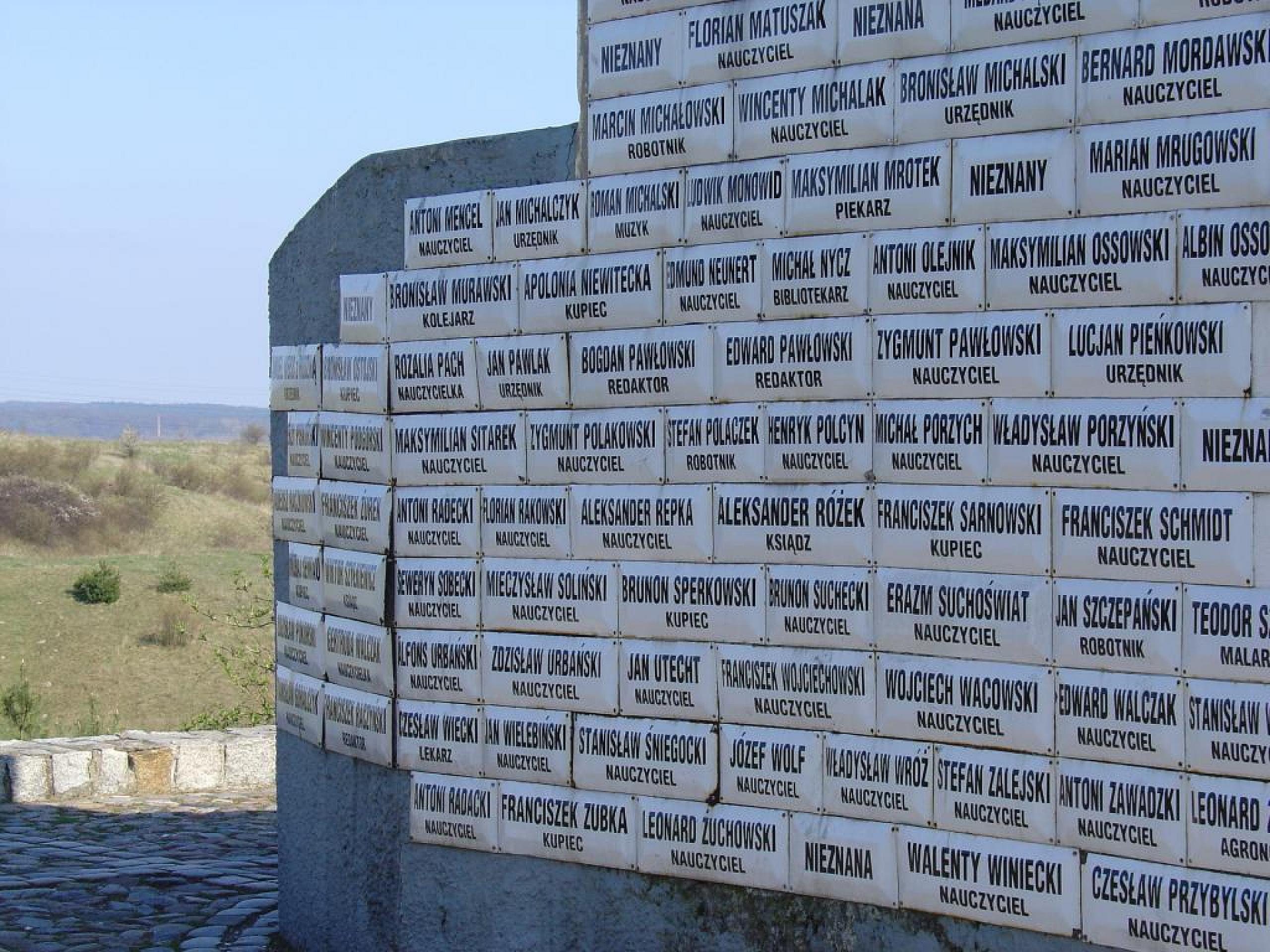
In 1947, the area was investigated and several mass graves were discovered. 306 bodies were exhumed and buried on the »Cemetery of the Heroes of Bydgoszcz« (Polish: Cmentarz Bohaterów Bydgoszczy) together with the remains of victims murdered at other sites. In 1946, a column was dedicated in memory of the victims. Since 1975, there has been a monument on the site bearing plaques with the names of many victims. In the 1980s, a housing estate was established close to the site and with it a new parish, which has since then supervised the area of the »Valley of Death«. In 1999, following the visit of Pope John Paul II, the idea of recreating the 13 Stations of the Cross in memory of the suffering of the victims came about. Each station consists of a two metre-high cross, only the 12th station, symbolising Jesus' death on the cross, is made up of a wall of candles. In 2009, the last station was set up.
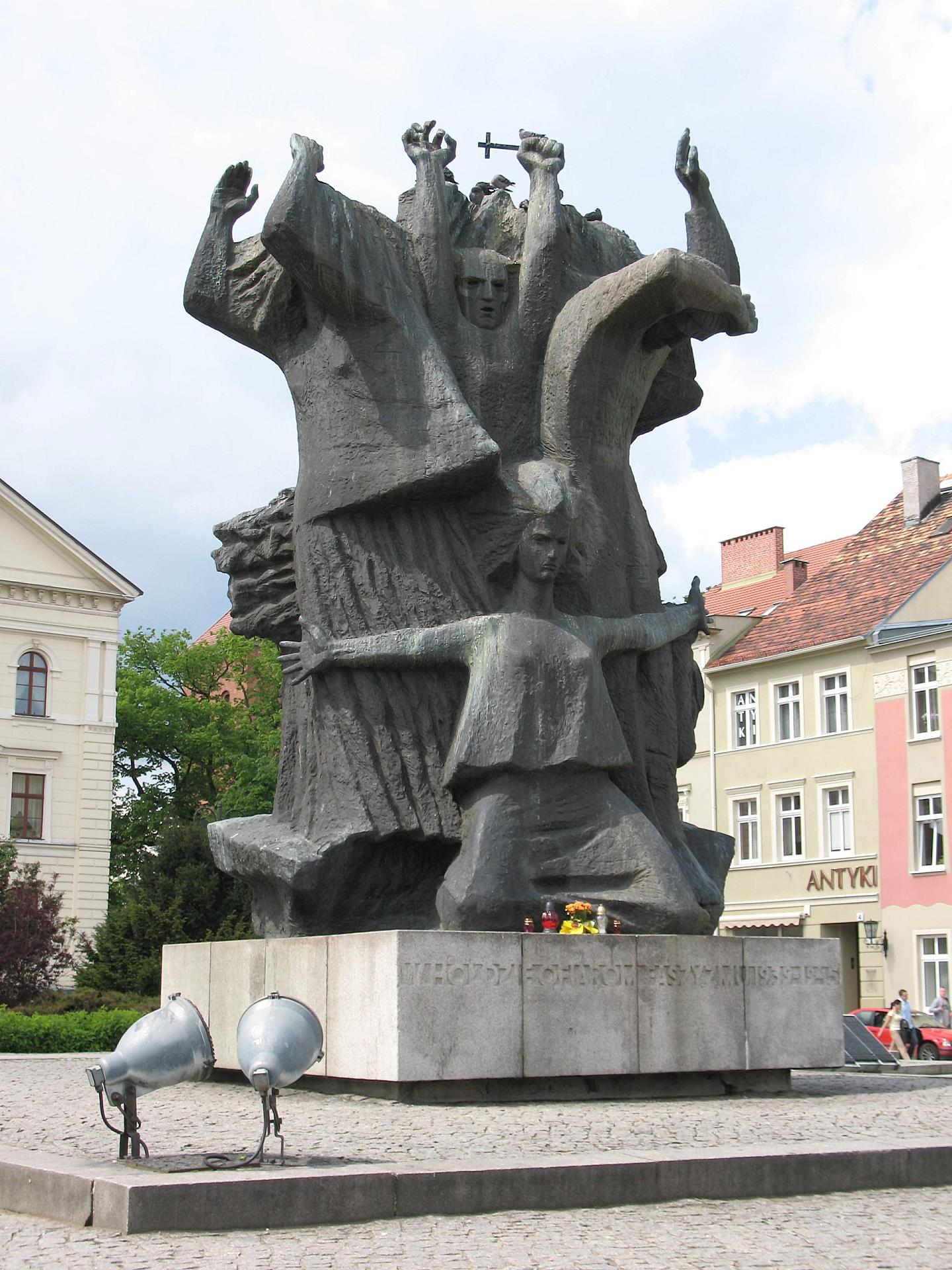
In 1969, a monument was set up on the old market square, one of the central squares in Bydgoszcz on which several residents were murdered on September 9 and 10, 1939 – the »Monument of Struggle and Martyrdom« (Polish: Pomnik Walki i Męczeństwa Ziemi Bydgoskiej), in memory of the victims of National Socialist crimes in Bydgoszcz and surrounding area. After the political transformation of 1989, a memorial wall consisting of sandstone blocks was added behind the monument, in memory of the victims of Soviet terror in Poland. The memorial wall was moved in 2007 and is now in the possession of a local parish.
Open
The memorial is accessible at all times.
Contact
parafia@mbkm.pl
0048 (0)52 346 76 25
ul. gen. M. Bołtucia 5
85-796 Bydgoszcz