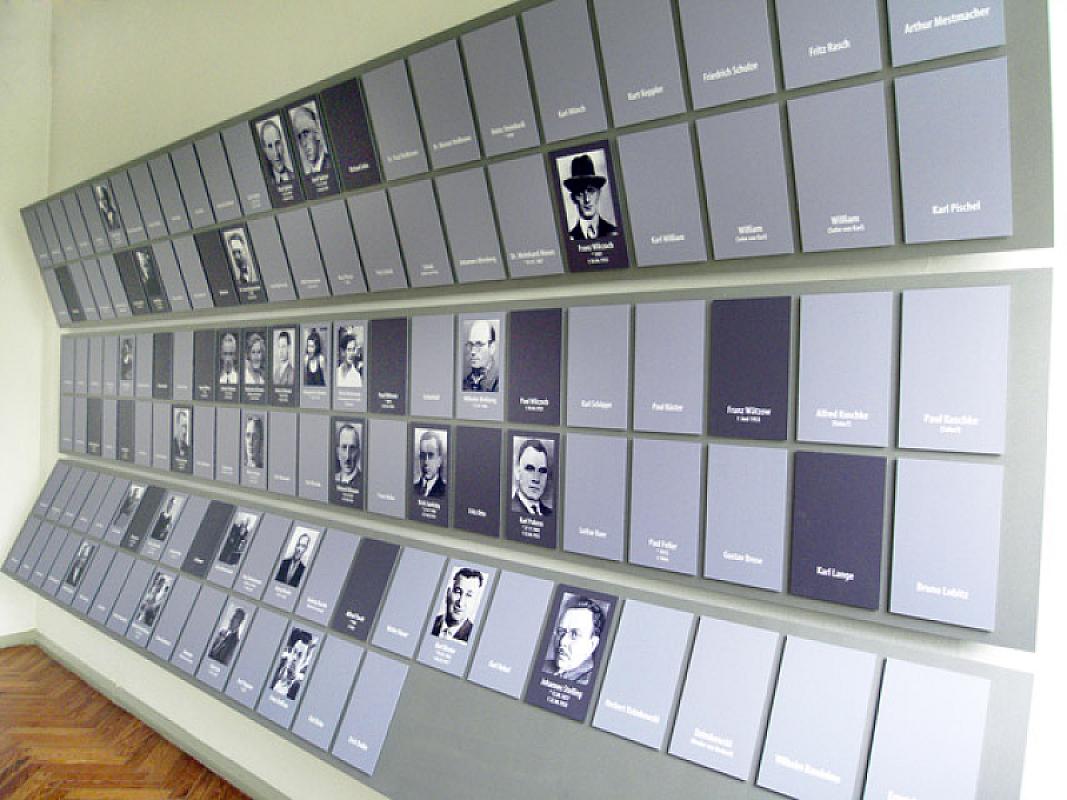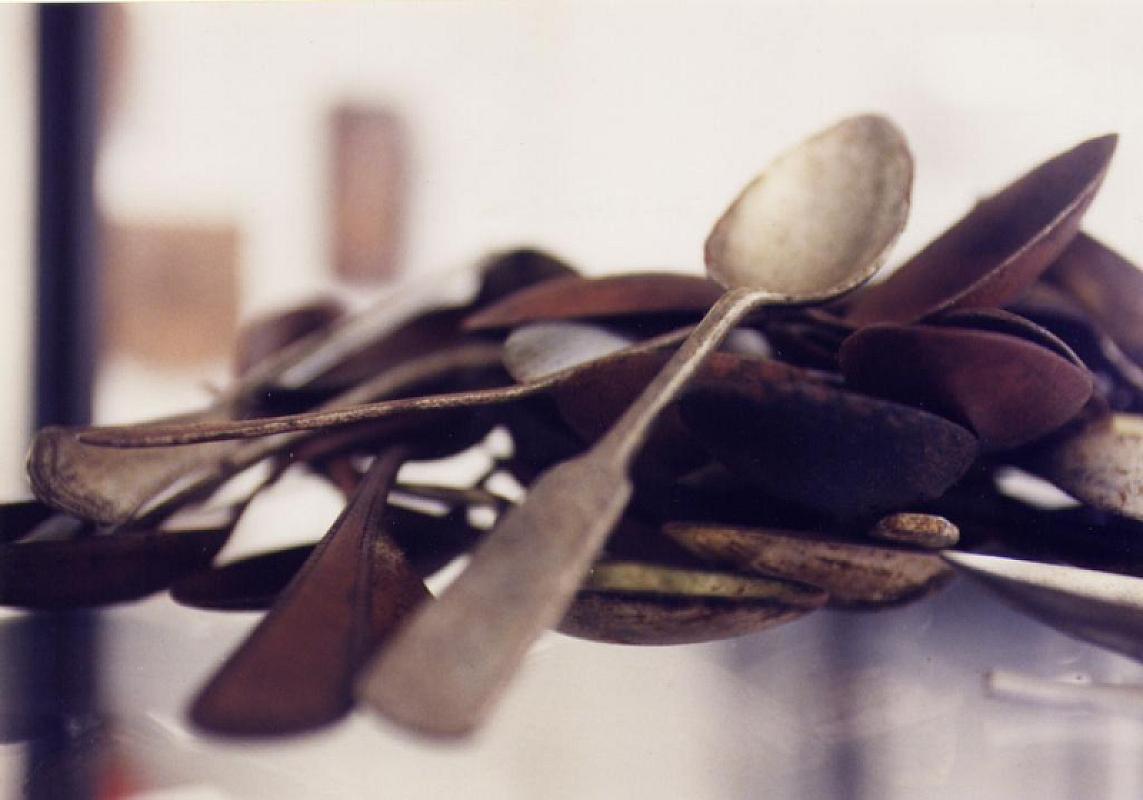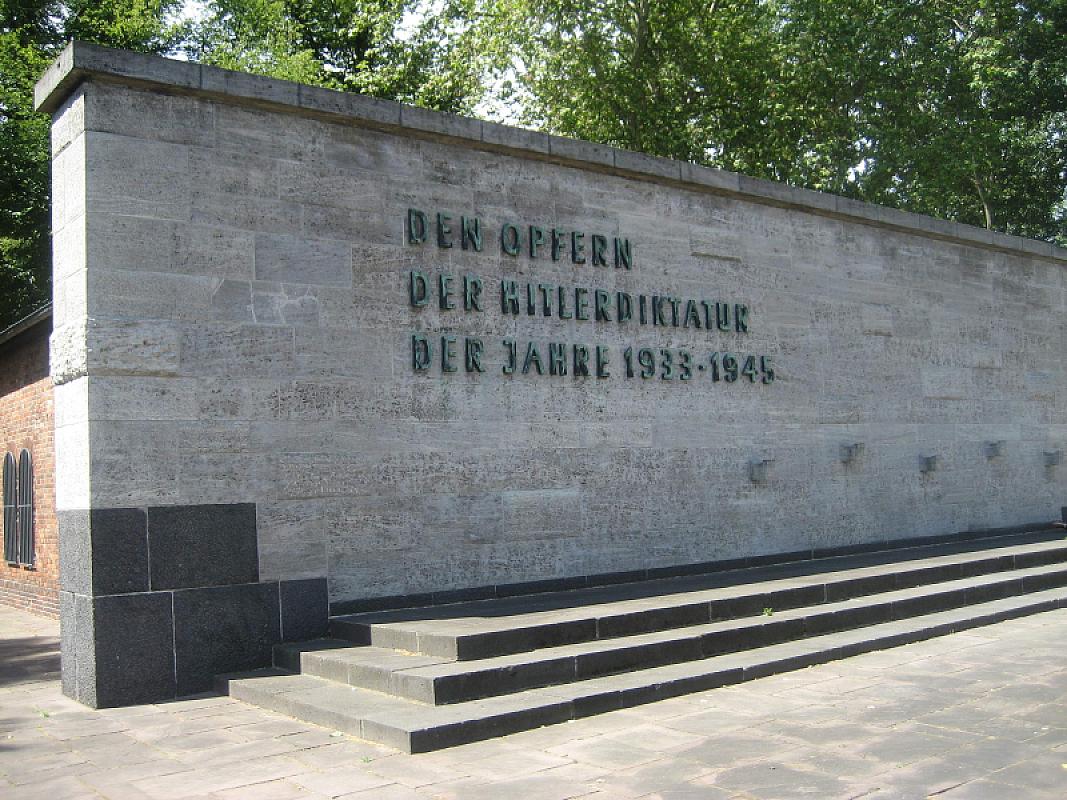
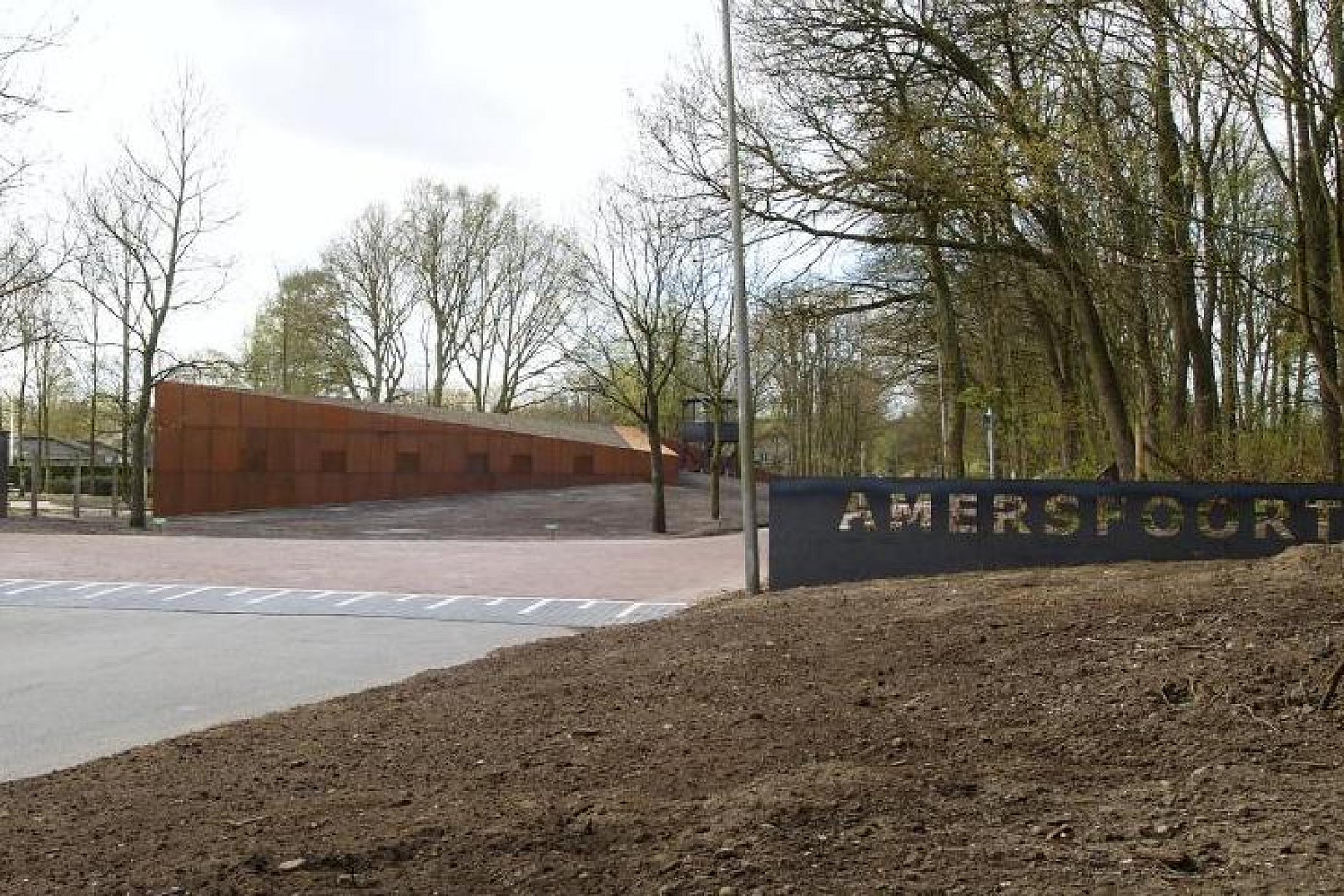
A memorial on the premises of the »Amersfoort police and transit camp« recalls the fates of the camp's inmates.
History
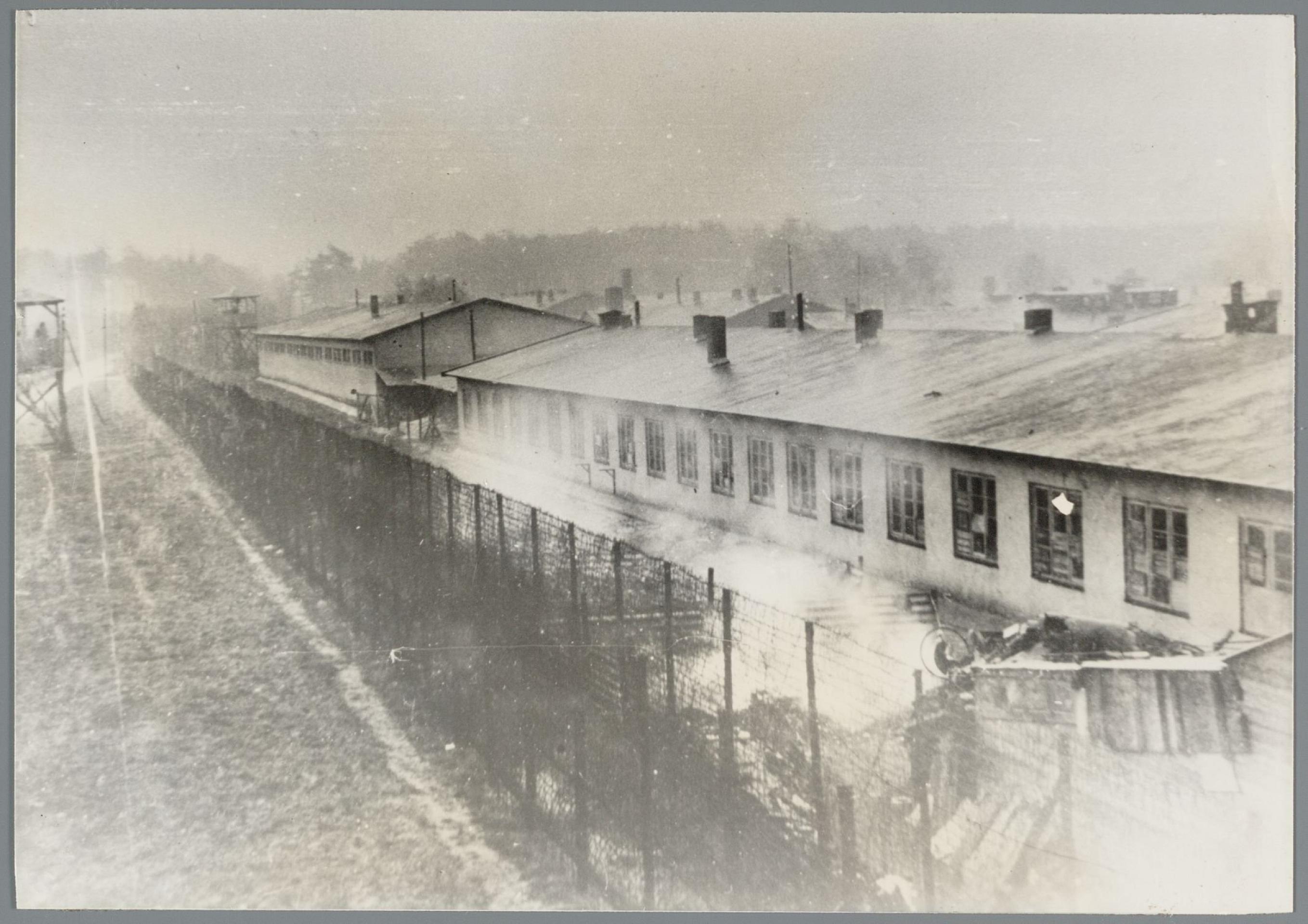
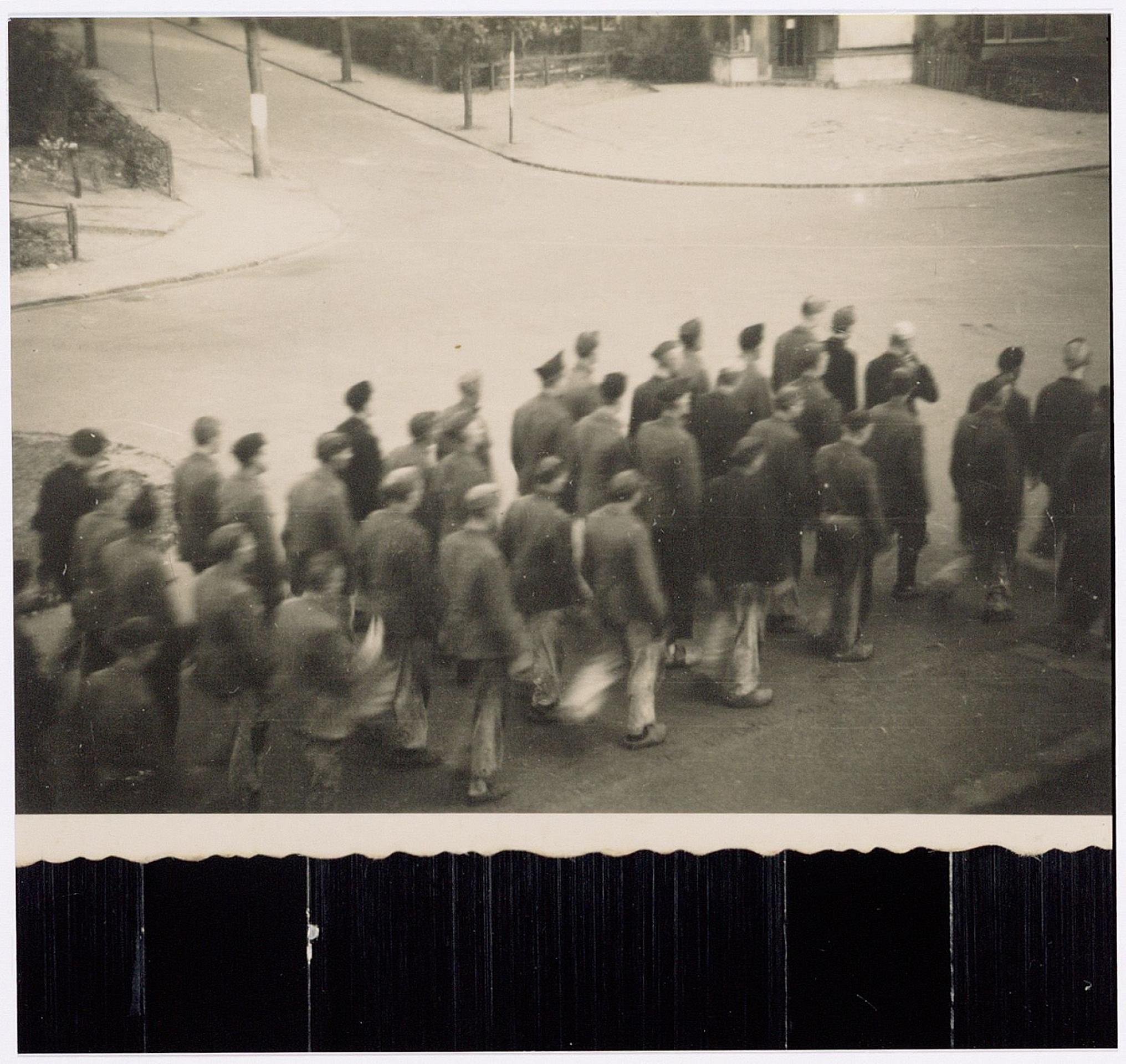
In 1940, following the German invasion of the Netherlands, a »police transit camp« was established on the premises of a training facility of the Dutch Army, which had originally been built in 1939. The German camp was run by the Security Police (Sipo) and Security Service (SD). In May 1941, the Security Police sealed off the area and began expanding the camp. Between August 1941 and March 1943, 8,522 prisoners passed through the camp, a majority of them political prisoners. Jews, Sinti and Roma, »asocials« and black marketeers were also among the prisoners. The camp was infamous with the Dutch population due to the atrocious conditions and widespread abuse by the guards. At the beginning, the guard detachments mainly consisted of German nationals living in the Netherlands who had been drafted for the SS. Later, Amersfoort became a training camp for members of the SS, who subsequently worked at other camps. Dutch volunteers were also trained at Amersfoort and later deployed in other camps. Between May 1943 and its liberation, the occupation authorities used the camp to incarcerate young men who were to be deported and deployed in forced labour in the »Third Reich«. Some of them were »work service objectors«: Dutch citizens who refused to be deployed in labour detachments in Germany. In this second phase, a total of 26,705 inmates was held at the camp, of which 13,243 were deported to labour detachments in Germany; 3,152 were deported to concentration camps. On April 19, 1945, the SS abandoned the camp along with its remaining 579 prisoners.
Victims
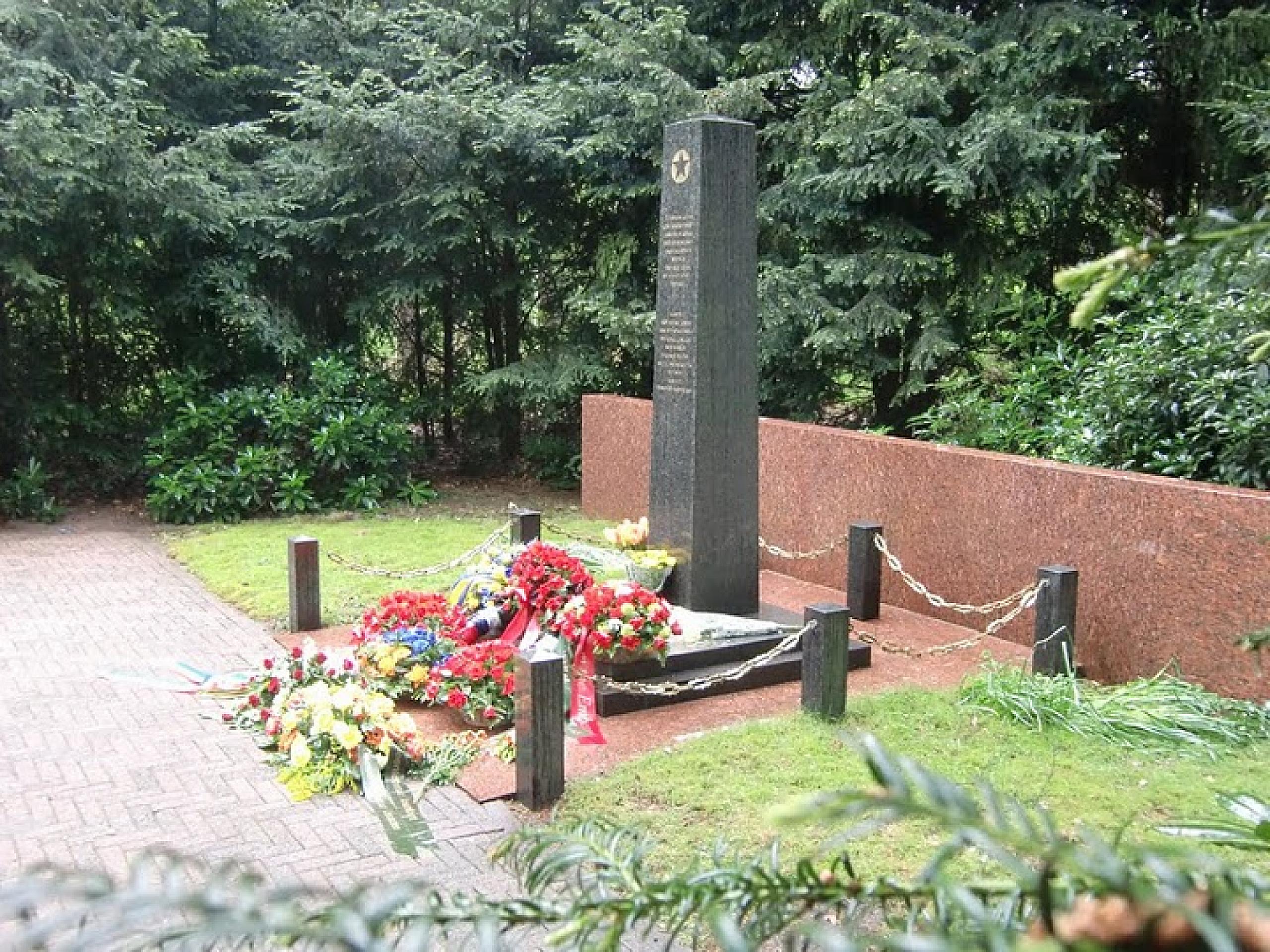
At least 35,219 people passed through Camp Amersfoort during the German occupation. 523 prisoners, possibly more, died on the camp premises – 311 of them were executed. Among the victims were also 100 Soviet prisoners of war who starved to death or were shot. Several Jews were shot by the guards for supposed escape attempts. Most of the executions were carried out on the shooting range. It is not known how many of those deported from Amersfoort perished elsewhere.
Remembrance
After the war, a part of the camp was used as a reception centre for former prisoners and forced labourers who returned from abroad, while another part of the camp was used to intern collaborators. After 1946, the area was again used by the Dutch army. Despite many suggestions to establish a memorial at the camp, Amersfoort remained in operation. In 1967, the military left the premises and the prisoner camp was torn down; in 1969, a police academy moved into the former SS barracks.
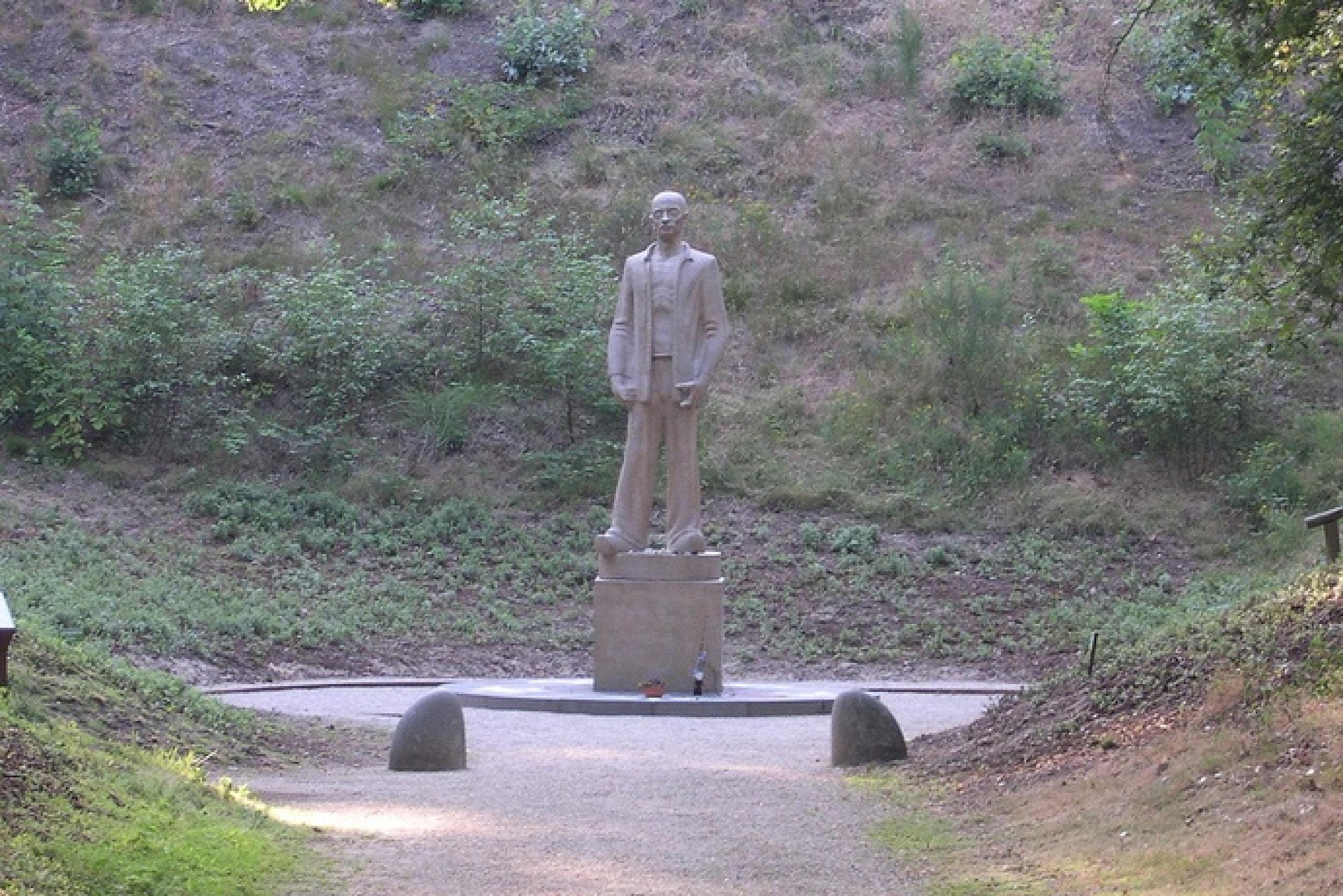
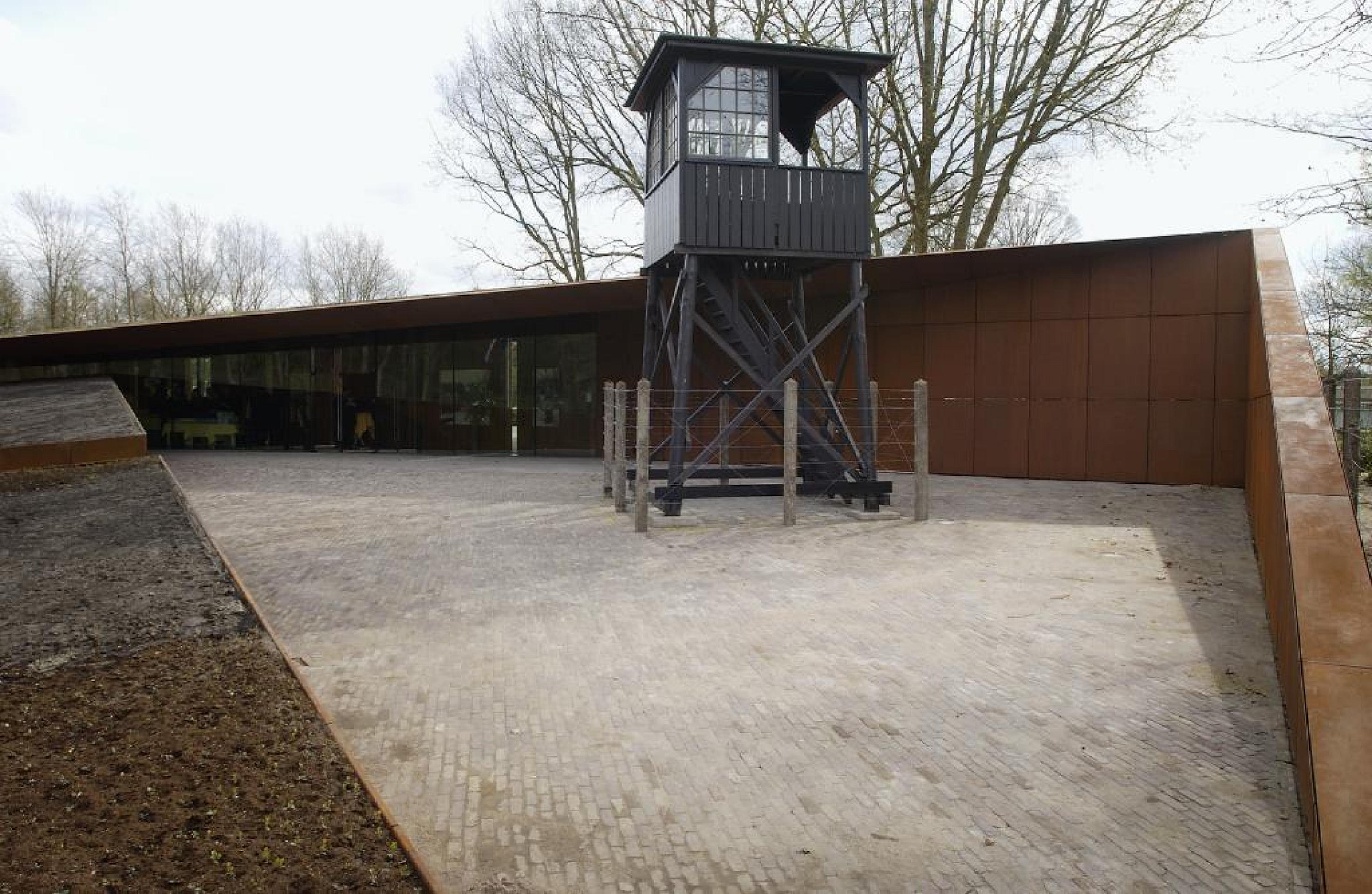
In 1950, a wooden cross was erected on the former execution site on the shooting range. In 1953, the cross was replaced by a large sculpture depicting a »prisoner in front of a firing squad«. A memorial column was dedicated to the shot Soviet prisoners of war in 1962. A small museum was finally set up in 1974, by the director of the police academy. The local communities built a new museum building in 2000, and in 2004, an extension housing a visitor centre was added. Amersfoort has been a national memorial since 2000. However, all that remains of the original camp premises are the watchtower, a section of the outer wall and the former execution site.
Possibilities
Guided tours, publications, library
Open
March to October
Tuesday to Friday 9 a.m. to 5 p.m., Sunday 12 p.m. to 4 p.m.
November to February
Tuesday to Friday 10 a.m. to 4 p.m., Sunday 12 p.m. to 4 p.m.
Contact
info@kampamersfoort.nl
+31 (0)33 461 31 29
Loes van Overeemlaan 19
3832 RZ Leusden / Amersfoort