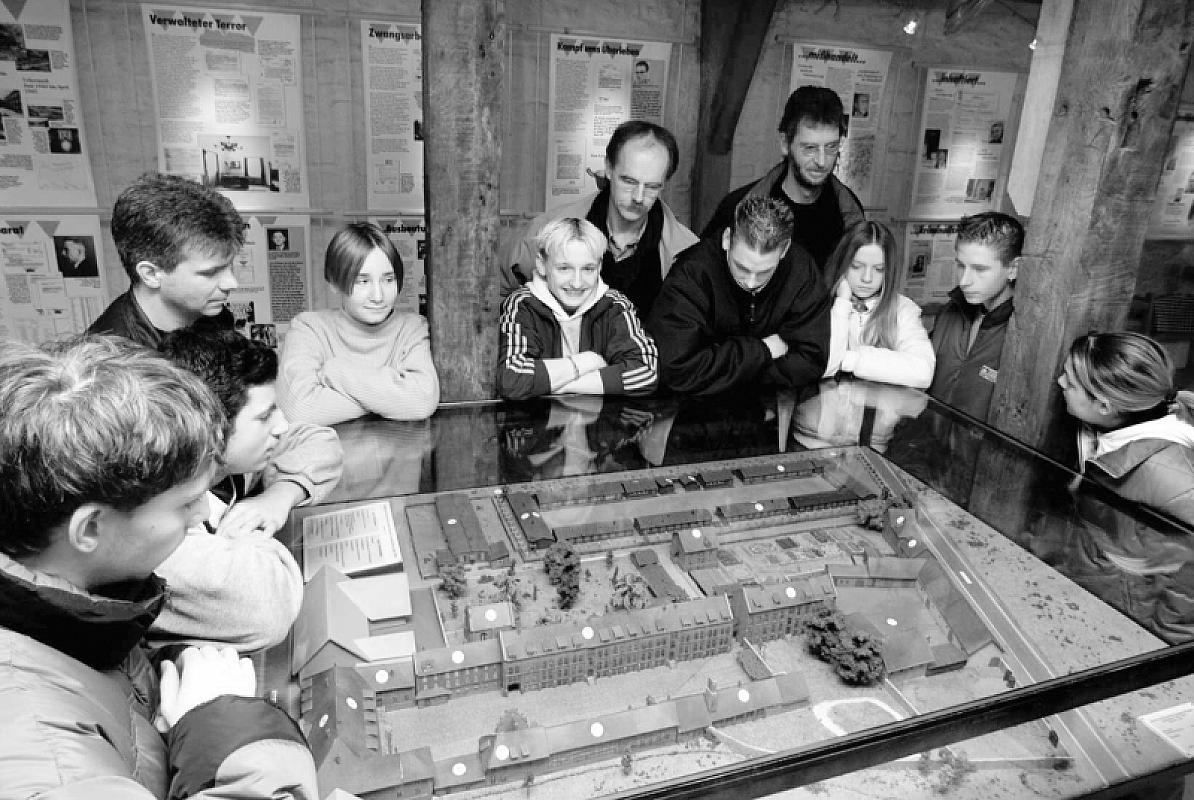
The site of the former Herzogenbusch concentration camp has been a national memorial site since 1986. In the Netherlands, the camp is known as »Kamp Vught«.
History
Herzogenbusch was one of the few SS concentration camps west of the German Reich. It was established in the village of Vught, close to the town of Herzogenbusch (Dutch: ’s-Hertogenbosch) in the southern Netherlands. The higher SS and police leader in the Netherlands, Hans Albin Rauter, wanted Herzogenbusch to be a »model camp« in order to counter the atrocious reputation of the German camps. Especially the rumours about the Amersfoort camp had appalled the Dutch population.
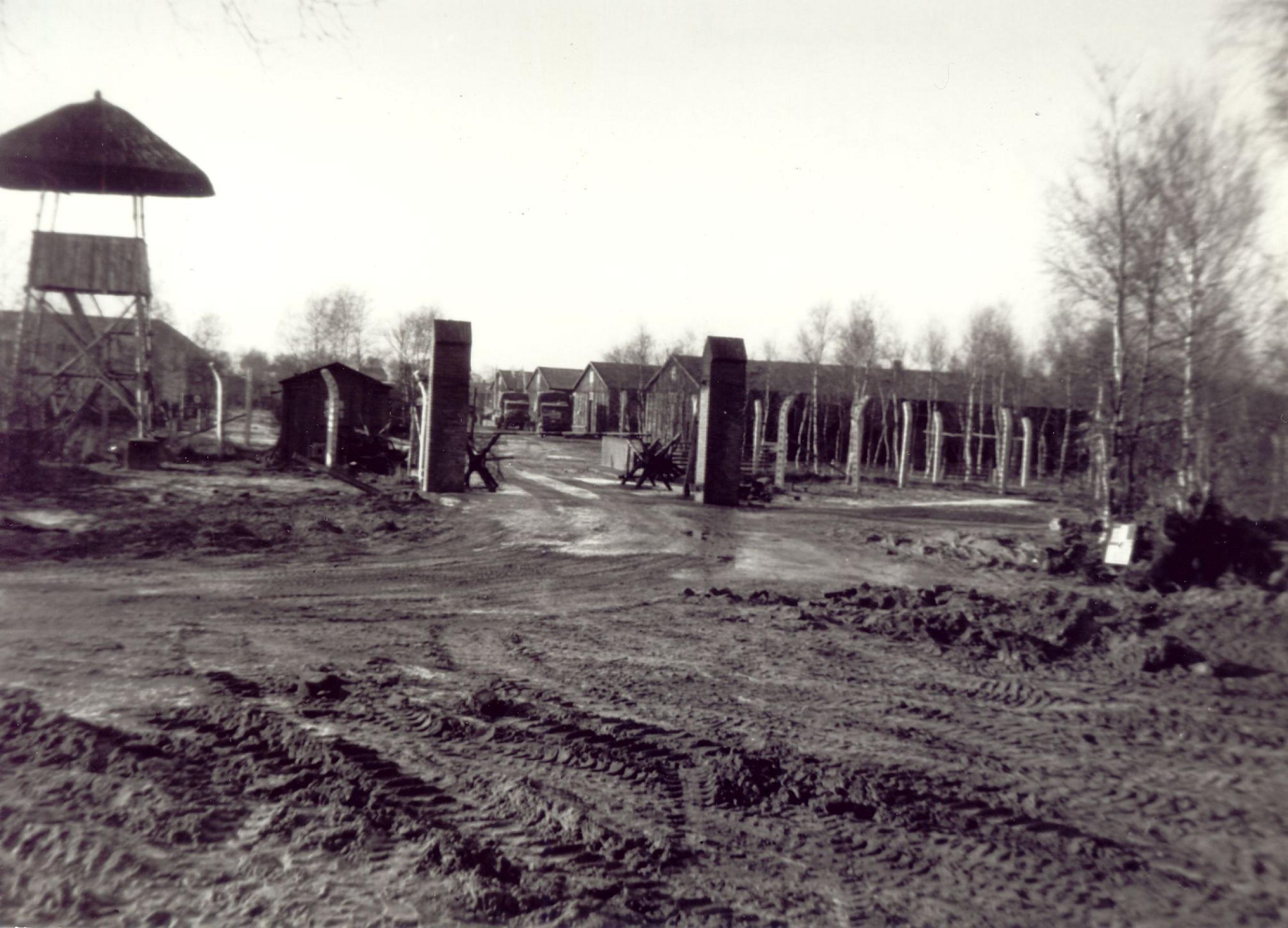
On January 13, 1943, the first prisoners entered the unfinished camp, which they had to complete constructing under terrible conditions. They were guarded by German and Dutch members of the SS. Initially planned as a »police transit camp for youths«, Herzogenbusch gradually became a camp in which different categories of prisoners were held. The Herzogenbusch camp consisted of several parts: a »police transit camp for youths«, a »protective custody camp« for male prisoners, a women's camp and a camp for hostages. The conditions varied among the different camp sections. Although the conditions at Herzogenbusch were in parts slightly better than those at other concentration camps, the prisoners were subjected to daily abuse by the SS guards.
Until March 1943, all of the prisoners from the Amersfoort camp were transferred to Herzogenbusch. The company Philips established workshops in the camp, in which about 1,200 prisoners were deployed alongside civilians from outside the camp.
In the summer of 1944, as the Allies were advancing, the dissolution of the camp was begun. The SS shot over 300 prisoners before the final evacuation.
Victims
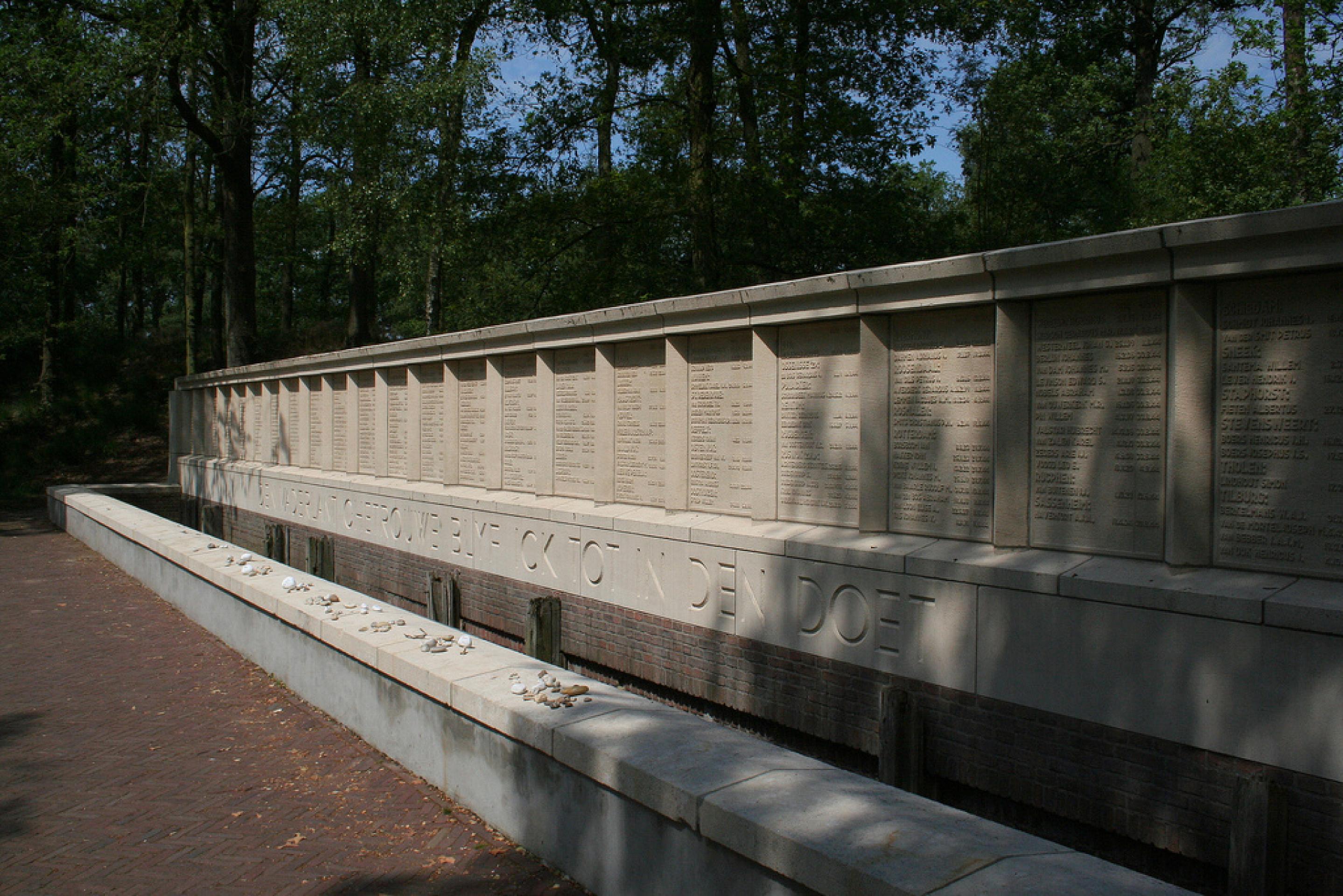
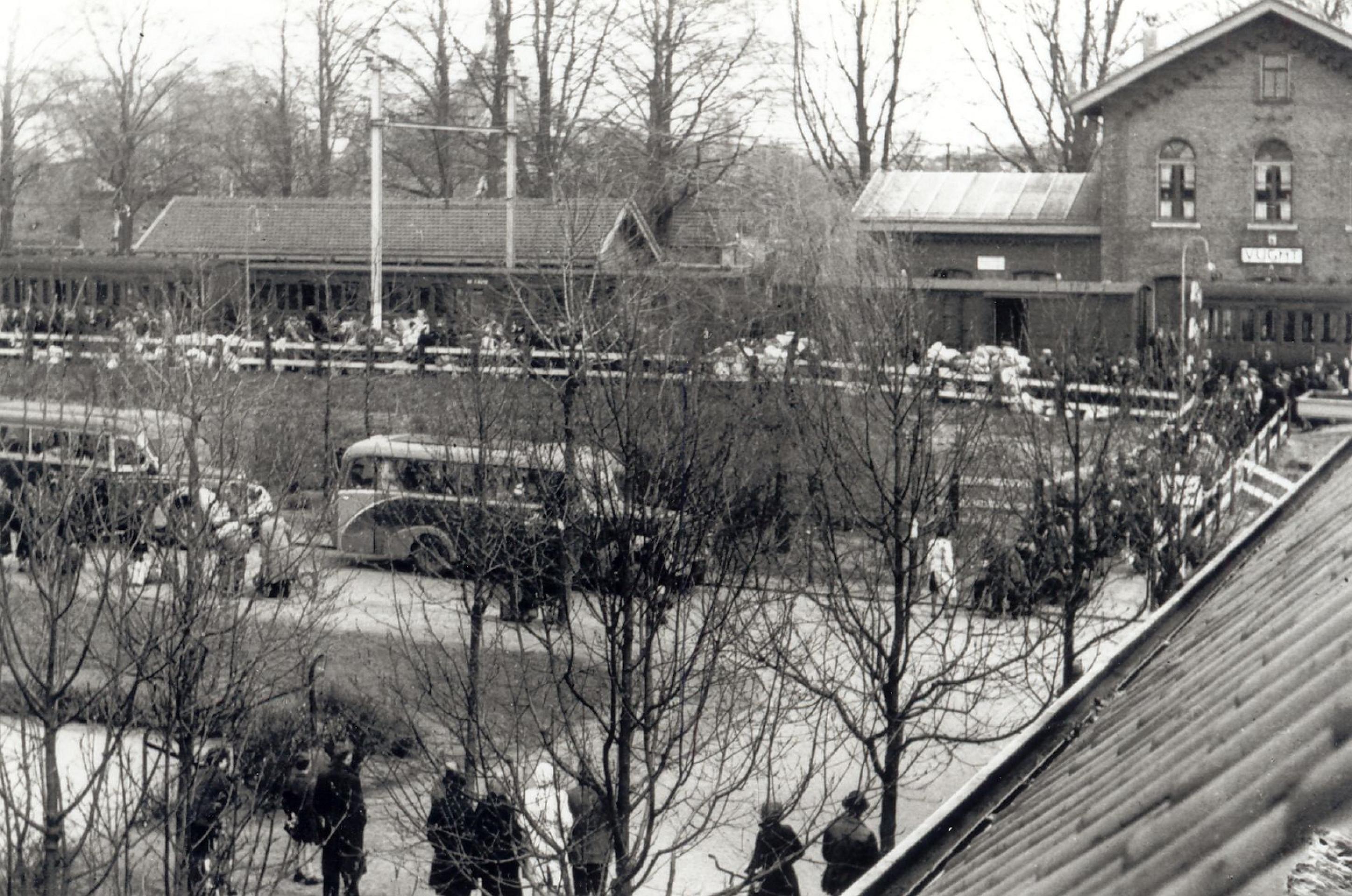
In total, over 31,000 prisoners passed through the Herzogenbusch camp. 749 prisoners died in the camp, 329 were shot in the summer of 1944. 12,000 prisoners were Jews; they were transferred from Herzogenbusch to the central transit camp at Westerbork, from where they were deported to extermination camps in occupied Poland – only few survived. On January 15, 1944, 74 women were locked into a 9 square metre large cell overnight; 10 of them died. This event is referred to as the »bunker drama«.
Remembrance
After the liberation, the Allies used the camp to intern Dutch collaborators and German civilians from embattled areas. In March 1945, there were 6,166 prisoners at the camp. The internment camp was dismantled in 1949, and part of the premises was converted to barracks for the Dutch army. A prison and accommodation for refugees from former Dutch colonies were set up on other areas of the former camp.
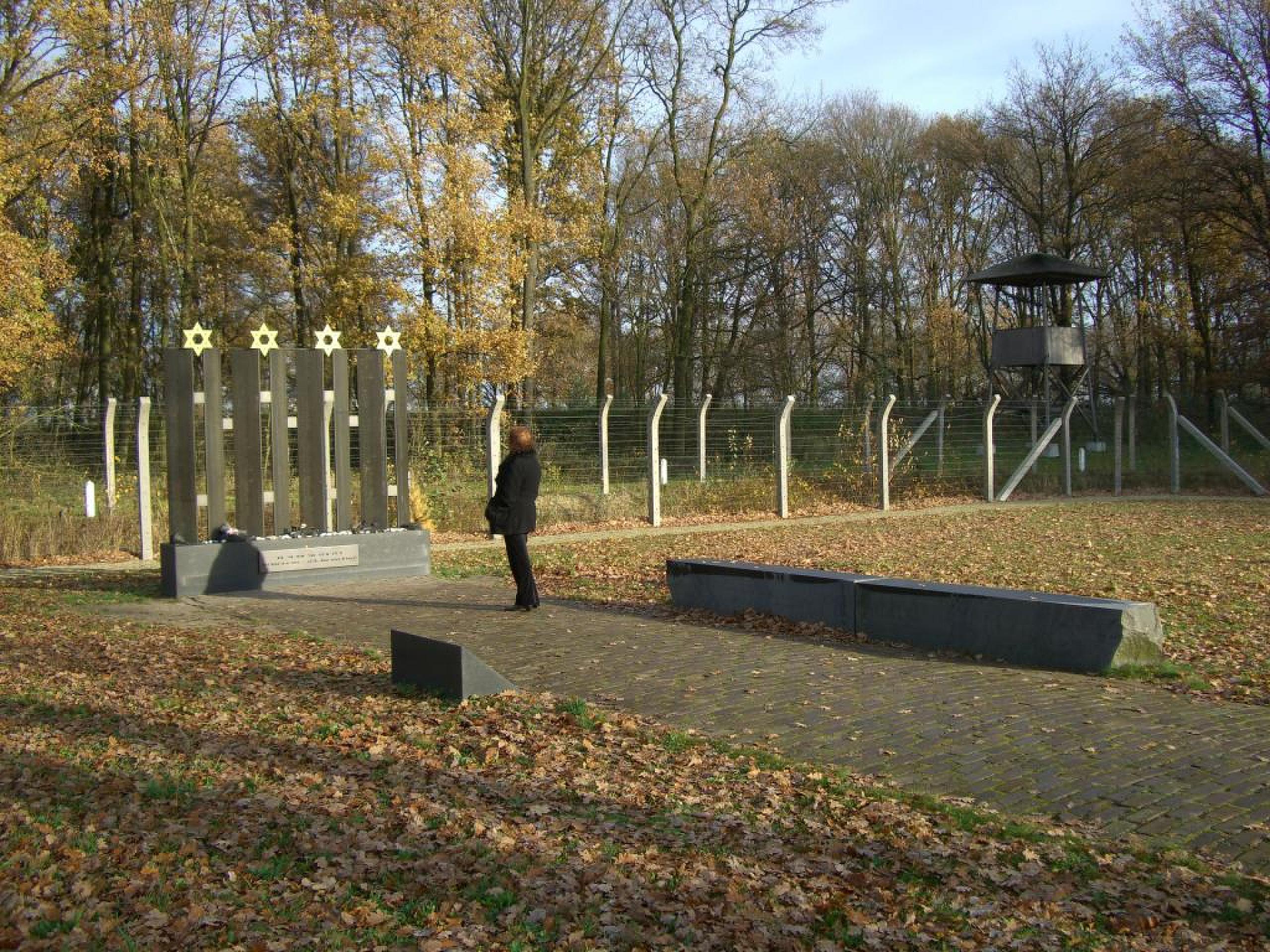
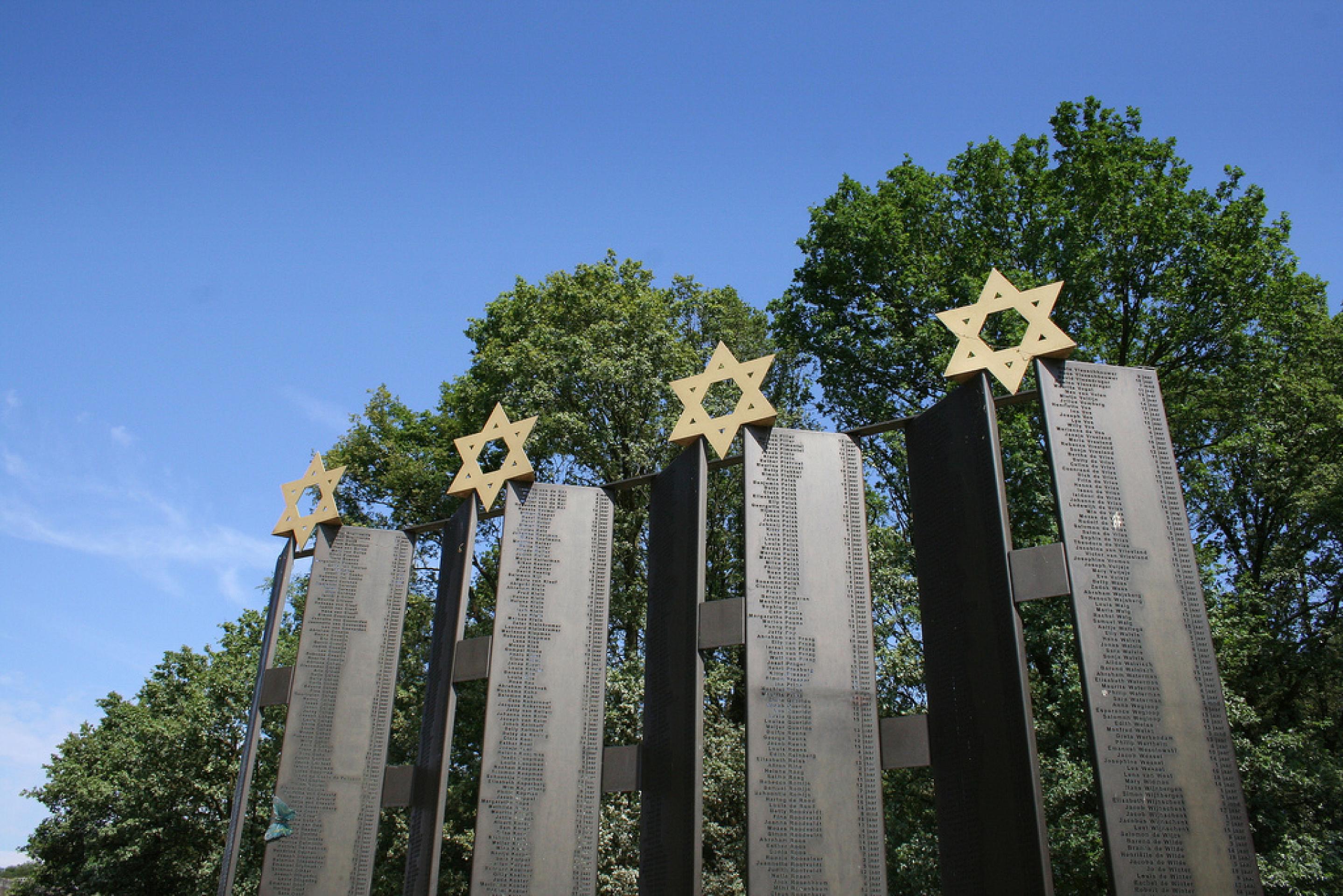
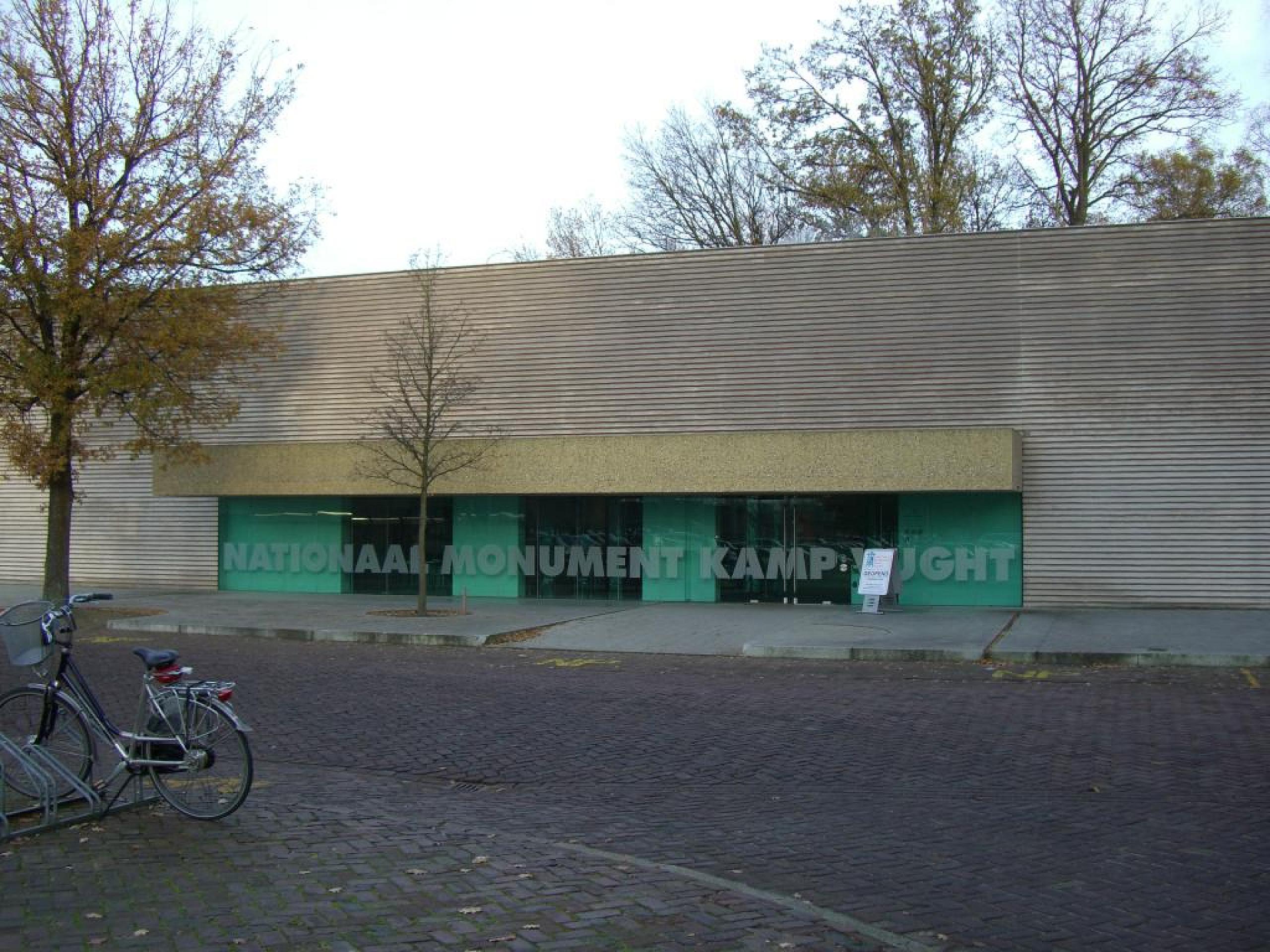
Shortly after the camp was evacuated by the SS, citizens erected a cross at the execution site. In 1947, Princess Juliana unveiled a memorial to those who were shot on the site; later however, this memorial was situated on the prison premises, making it difficult to access. Efforts for erecting a memorial only came about in the 1980s. In 1986, the »Camp Vught National Memorial Foundation« (Dutch: »Stichting Nationaal Monument Kamp Vught«) was established. Many objects were renovated or reconstructed under direction of the foundation, such as the guard towers or the crematorium. In 1990, the newly designed memorial was opened. A visitor centre presenting an exhibition was added in 2002. The most important sites of commemoration on the former Herzogenbusch camp premises are the site of the »bunker drama«, the crematorium, a monument to the deported Jewish children as well as the national memorial on the execution site, which was dedicated in 1947.
Possibilities
Guided tours, documentation centre, library and archive, publications, educational material, museum shop
Open
April to September
daily 10 a.m. to 5 p.m.
Otherwise Tuesday to Friday 10 a.m. to 5 p.m., Saturday, Sunday and on holidays noon to 5 p.m.
Contact
info@nmkampvught.nl
+31 (0)73 656 67 64
Lunettenlaan 600
5263 NT Vught