Cemetery for the Victims of the Massacre in Sărmaşu
Cimitirul Victimelor Pogromului din Sărmaşu
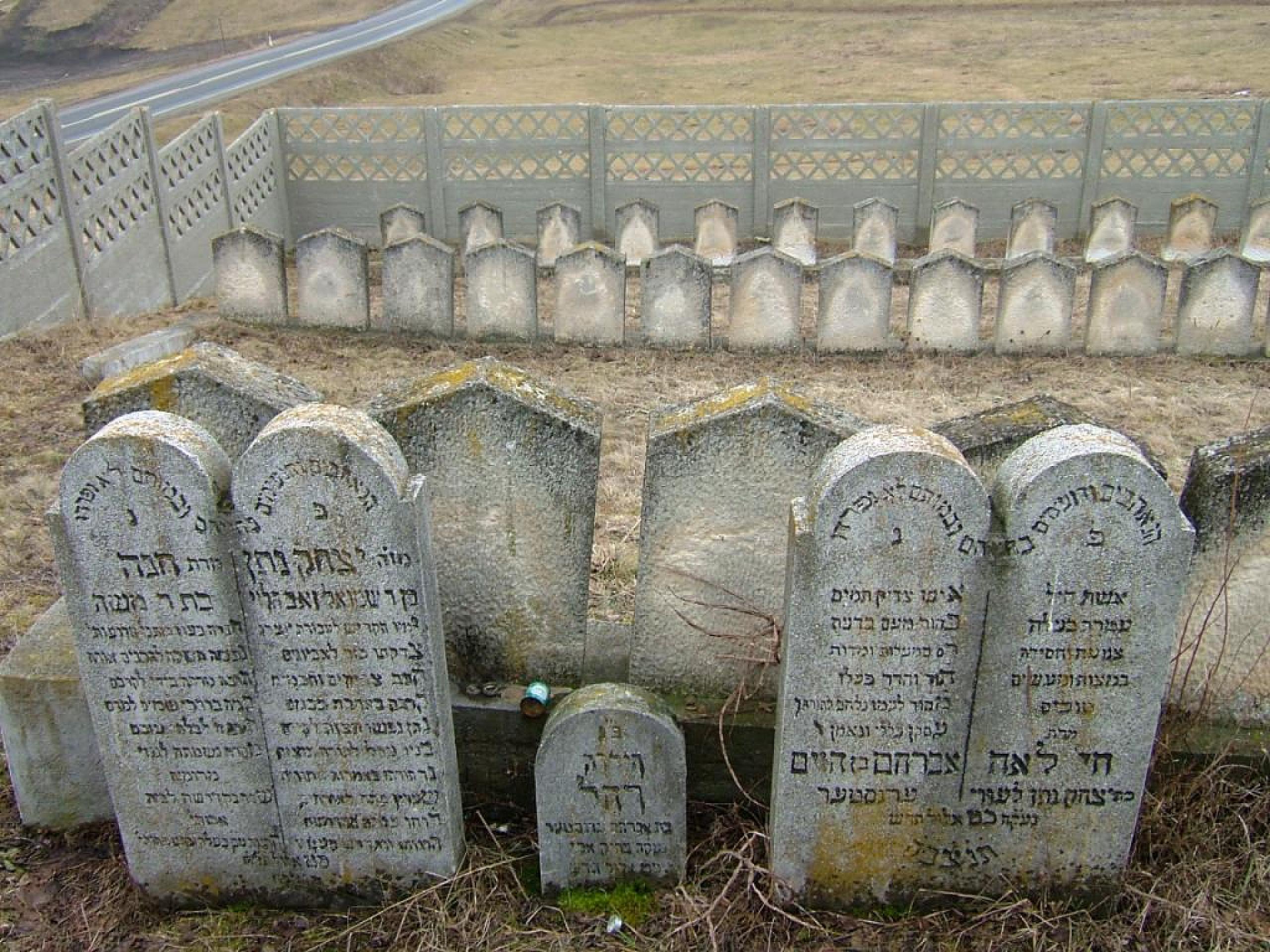
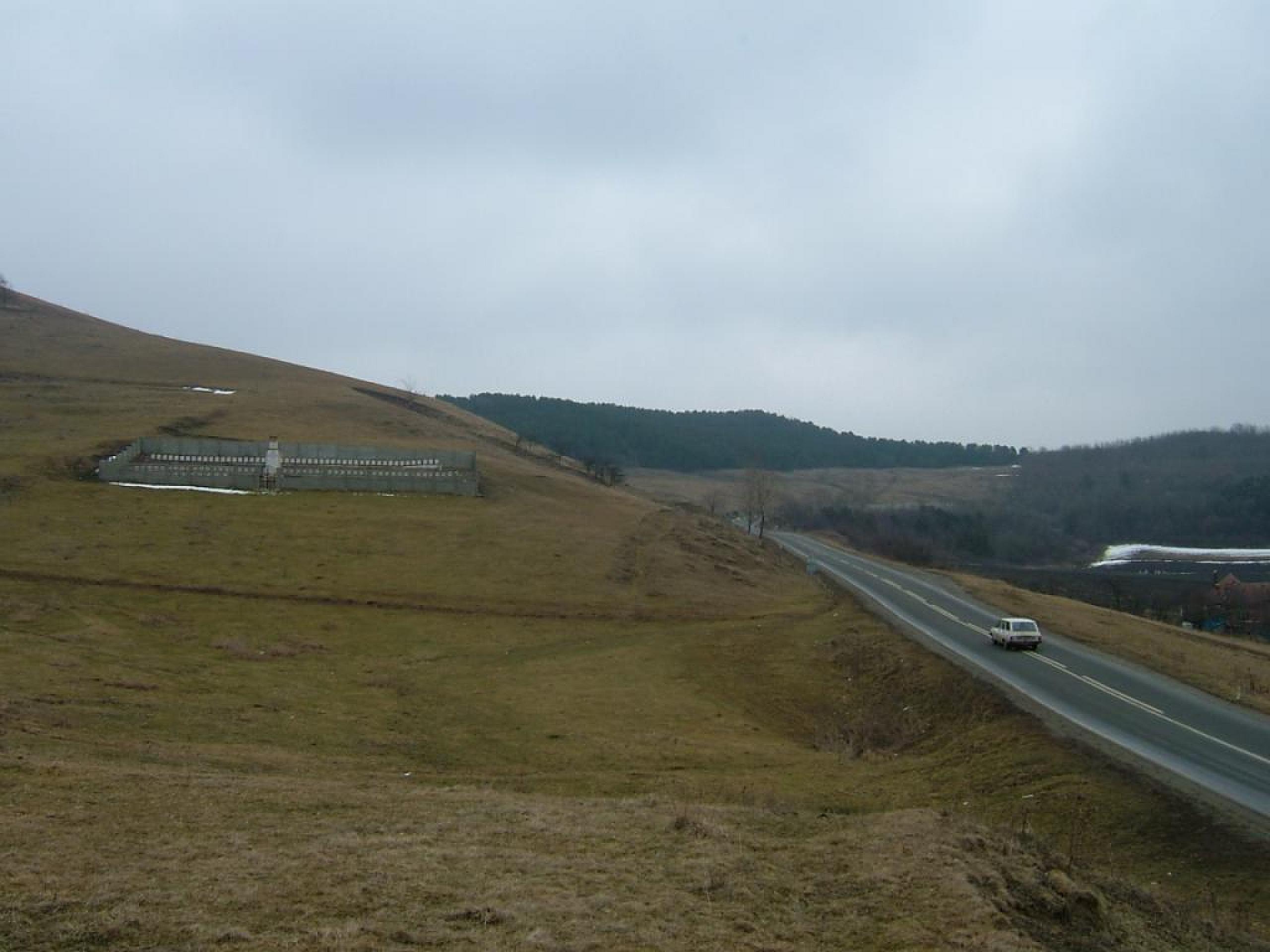
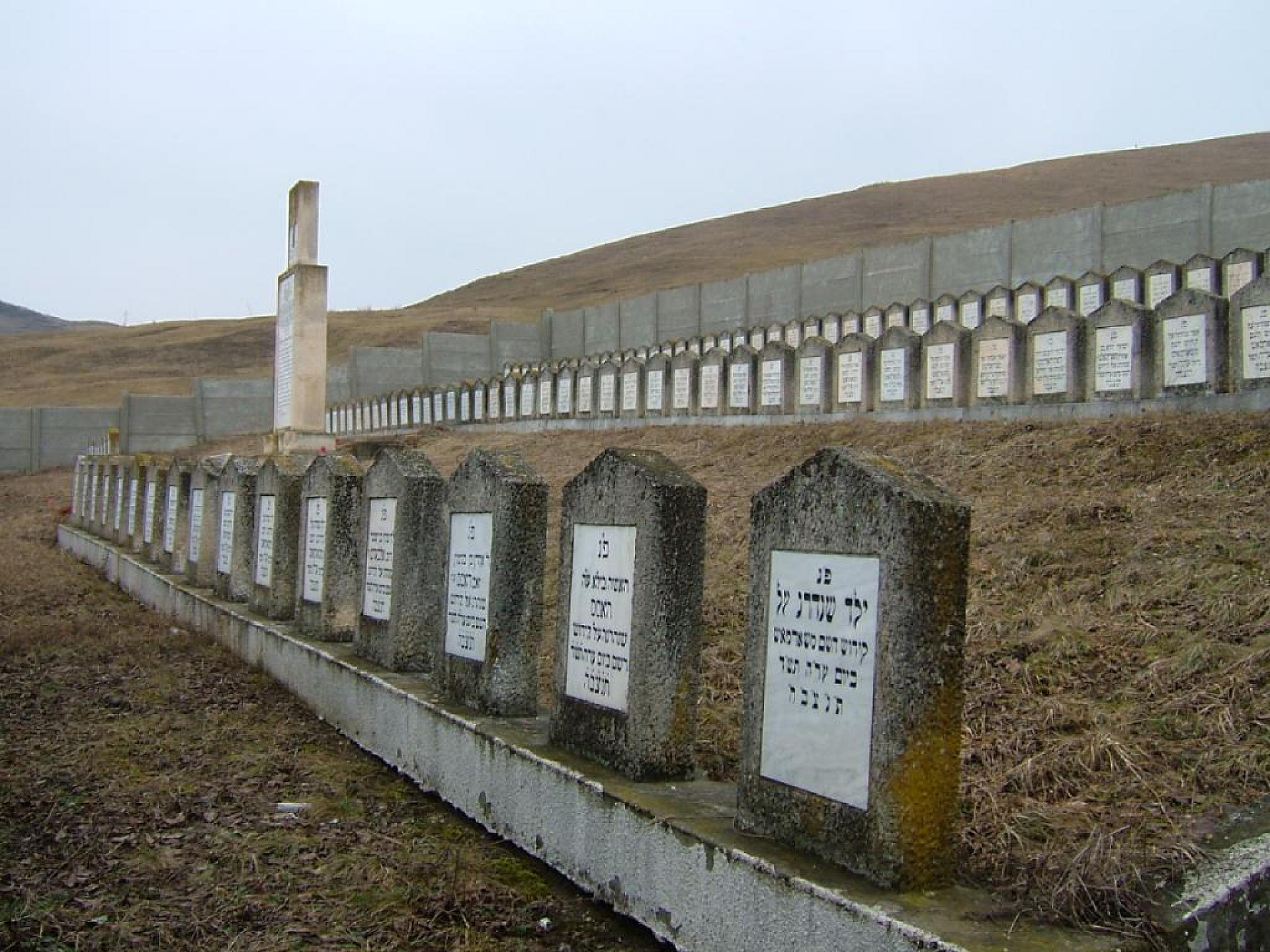
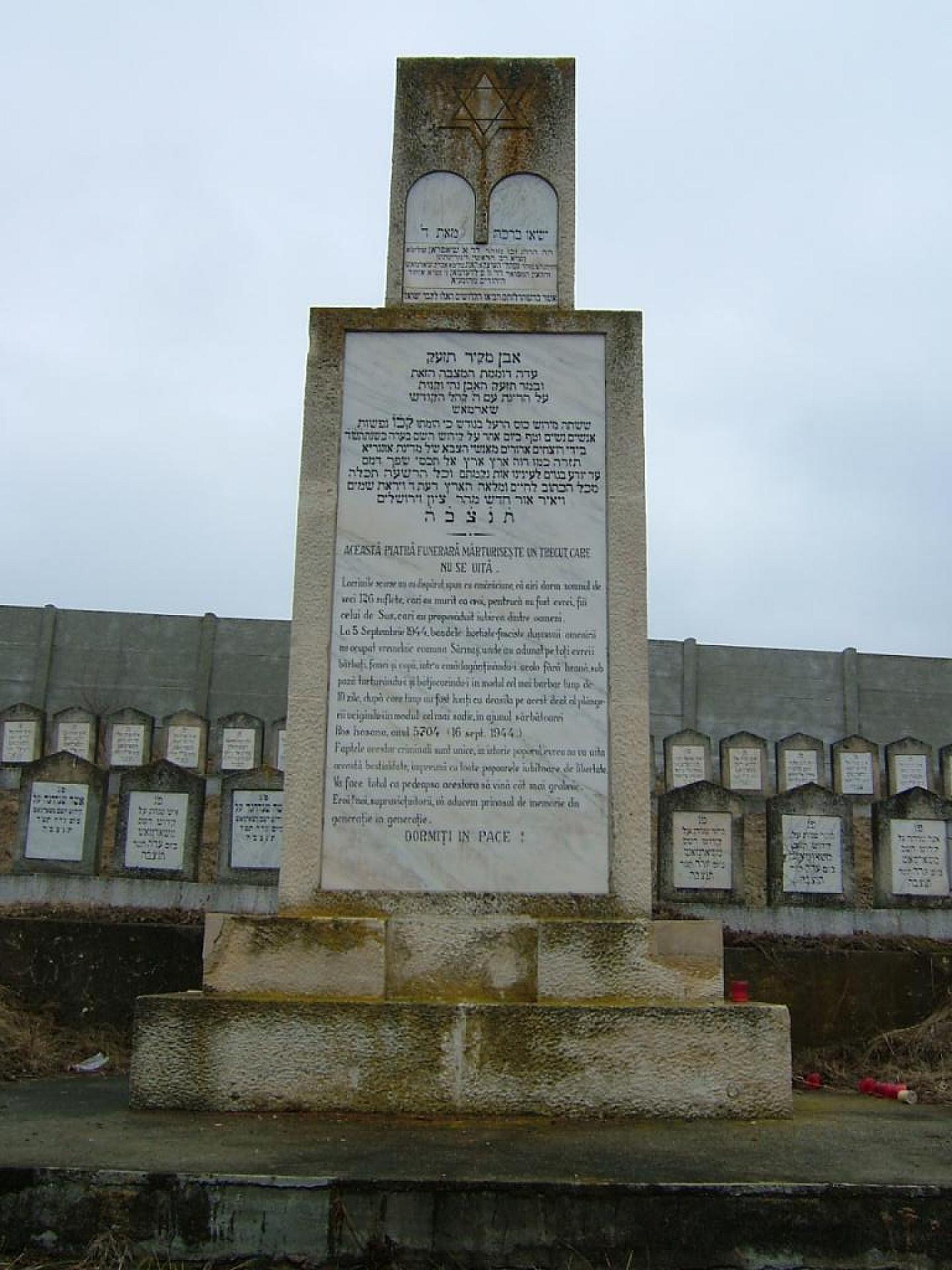
A tomb group and a monument not far from Sărmaşu (Hungarian: Nagysármás), Transylvania, commemorate the approximately 126 murdered Jews of Sărmaşu. In September 1944, Hungarian units occupied Sărmaşu and killed all of the town's Jews on a nearby hill soon after.
History
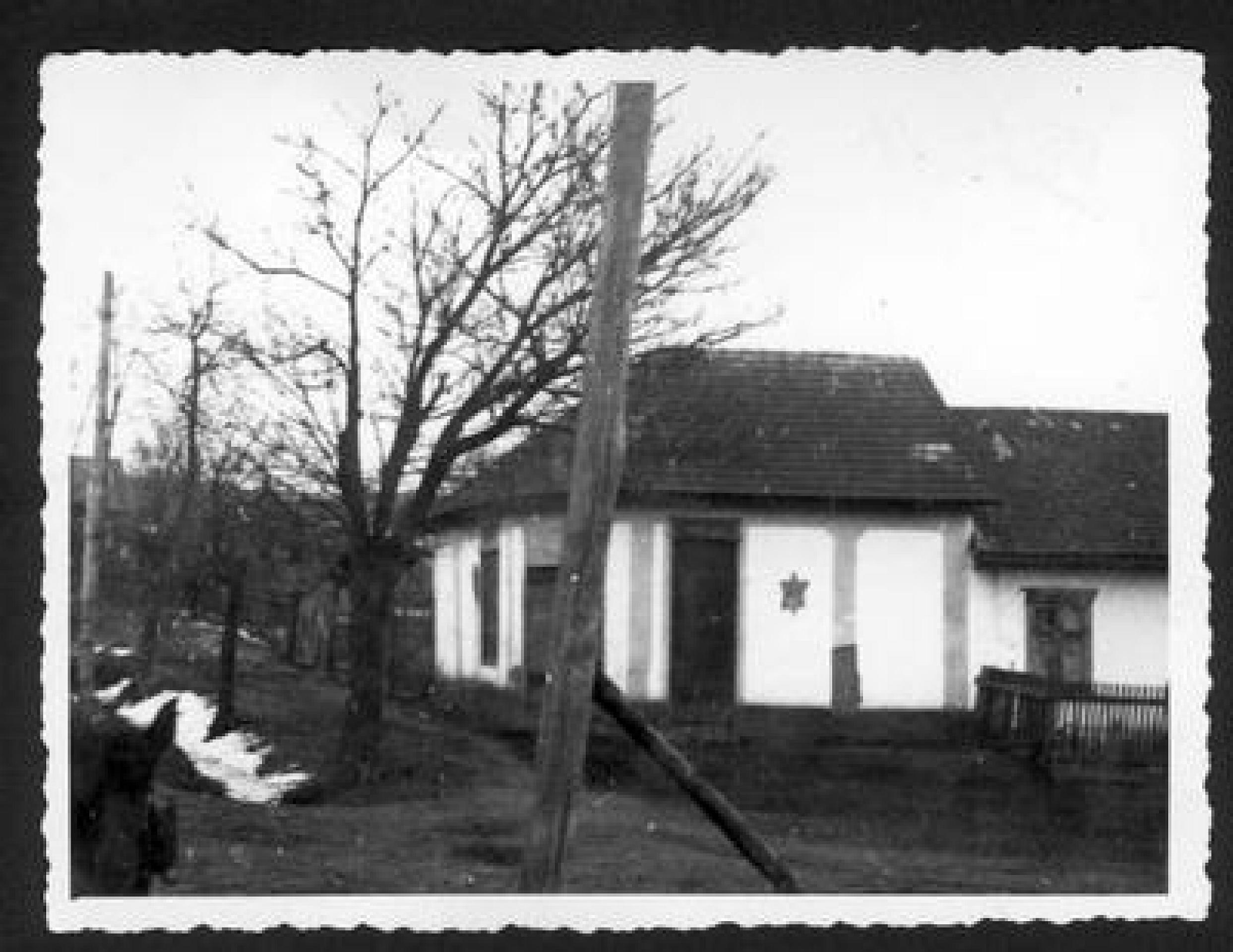
The small township of Sărmaşu (Hungarian: Nagysármás, sometimes also Sármás) is situated in the historical region of Transylvania, which was Hungarian before the First World War and subsequently became part of Romania. At the end of the 1930s, Hungary increasingly raised a claim to the region. Pressure exerted by Germany and Italy led to a partition of Transylvania in 1940, after which the northern part came under Hungarian sovereignty. From the summer of 1941 on, Hungary and Romania fought alongside Germany against the Soviet Union. In August 1944, after Romania changed fronts forming an alliance with the Soviet Union, Hungarian troops moved into parts of Southern Transylvania, including Sărmaşu, which they took on September 5, 1944. Before the war, Sărmaşu had a population of 4,000 - about half were ethnic Hungarians. Sărmaşu was also home to somewhere between 120 and 200 Jews. Although many of the Jews living in Sărmaşu considered themselves Hungarians, Hungarian troops, particularly the constabulary, began enforcing anti-Jewish measures. On September 11, 1944, all the Jews - approximately 126 - had to move to a house and a barn which they were not permitted to leave. Hungarians looted houses owned by Jews and Romanians they had arrested. A few days later, in the afternoon of September 16, 1944, all Jews were loaded onto oxcarts and brought to a nearby hill. Two mass graves had already been dug by Jewish prisoners. In the course of the night, Hungarian units murdered all of the men, women and children. The mass killing stretched over several hours as many of the victims weren't shot, but slain with shovels and rifle butts and thrown into the graves.
Victims
Hungarian units murdered about 126 Jews in Sărmaşu; over half of the victims were women. There were many children, youths and elderly people among those murdered.
The Kingdom of Romania was politically unstable in the interwar period and threatened by territorial claims from its neighbours. The country sought an alliance with National Socialist Germany but the Nazi leaders in Berlin chose to support Hungary, Bulgaria and their temporary ally, the Soviet Union over the border issue. Romania had to agree to surrender large parts of its territory to these states during 1940. This led to increased radicalisation within the country. King Karl (1893–1953) granted unrestricted authority to General Ion Antonescu (1882–1946) but then had to abdicate to allow his son Michael (1921–2017) to come to the throne. The right-wing extremist »Garda de Fier« (Iron Guard), which was allied with Antonescu, immediately began to persecute the Jews. In 1941 Romania took part in the German attack on the Soviet Union. Romania organised the deportation of up to 155,000 Jews and 25,000 Roma from Bukovina and Bessarabia to the occupied Ukrainian territory of »Transnistria«. Tens of thousands died as a result of mass murder, imprisonment, forced labour, starvation and illness. Meanwhile, the Jews in northern Transylvania (part of Hungary since 1940) were subject to the anti-semitic legislation in this region. However, the majority were spared any violent persecution until the Wehrmacht invaded in 1944. The SS now began to deport Jews to Auschwitz in cooperation with the Hungarian authorities. The total number of murdered Romanian Jews is thus spread over various territories: 50,000 Jews from Bessarabia and Bukovina along with 20,000 Jews from central Romania were murdered and around 120,000 Transylvanian Jews died under the Hungarian-German occupation.
In August 1944, the Red Army offensive caused Romania to change sides. Michael I stripped Antonescu of his powers and the country came under Soviet control. The dictator was executed in 1946 and the king abdicated the following year. In the initial post-war period memory focused on liberation by the Red Army. A monument to the fallen Soviet soldiers was built in Bucharest. Romania’s alliance with Germany was ignored. Under Nicolae Ceausescu (1918–1989), who ruled the country with his secret service from 1965, the »liberation from the yoke of fascism« was presented as the achievement of Romanian heroes. With the end of the Ceausescu regime in 1989 many Romanians preferred to adopt a contrary approach: the attack on the Soviet Union in 1941 was now more frequently viewed as a campaign against Bolshevism. There was growing admiration for Antonescu. In contrast, for some Romanians the king, now living in exile, became increasingly important as a symbol of democracy as he had toppled the dictator and was later expelled by the communists.
There was no place for the Holocaust in post-war memory. Most survivors had already left the country by the 1950s. Memory was left to the Jewish communities, which established a small research centre in 1977 and a small museum in Bucharest the following year as well as a number of memorials. In 2004 a committee was set up to research the Holocaust and Romanian crimes. The committee was led by Elie Wiesel (1928–2016), a Romanian-born Holocaust survivor and Nobel Peace Prize winner. A National Institute has continued the research since 2005. In 2009, a central Holocaust memorial was inaugurated in Bucharest that also honours the Roma who had been deported to Transnistria. However, apart from this sign, there is still little remembrance to the more than 12,500 Romanian Roma murdered during the war.
Remembrance
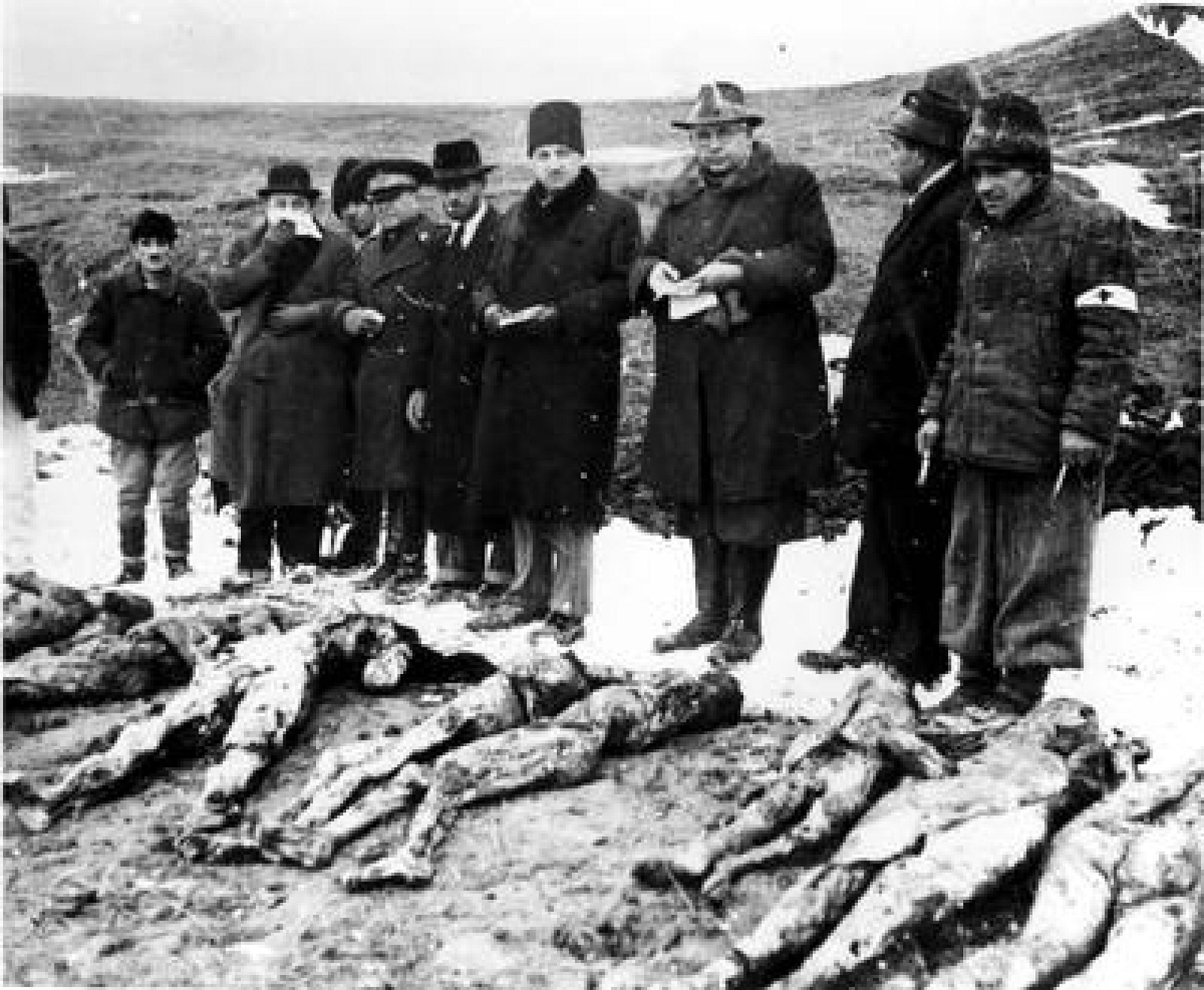
At the beginning of October 1944, the Red Army reached Sărmaşu. In February 1945, the leader of the Jewish community of Romania, Wilhelm Fildermann, initiated an investigation of the mass killing in Sărmaşu. The American Jewish Joint Distribution Committee, a worldwide Jewish relief organisation, supported the investigative commission chaired by Matatias Carp. On February 21, 1945, 126 bodies were exhumed near Sărmaşu in the presence of the commission. Close examination of the bodies revealed that many of the victims had died of wounds inflicted upon them with blunt objects or bayonets. The victims' remains were laid to rest at the foot of the hill and soon after, tombstones and a monument bearing a memorial plaque to the victims were erected.