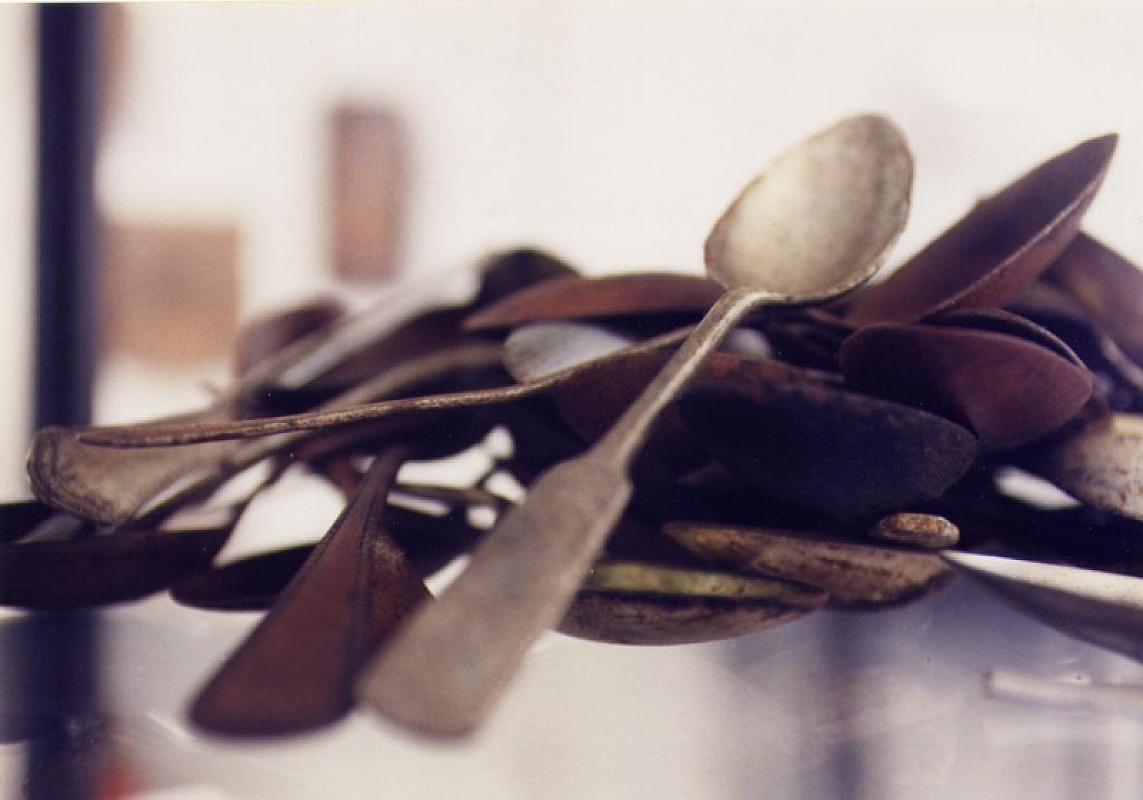
Central Museum of the Great Patriotic War
Центральный музей Великой Отечественной войны
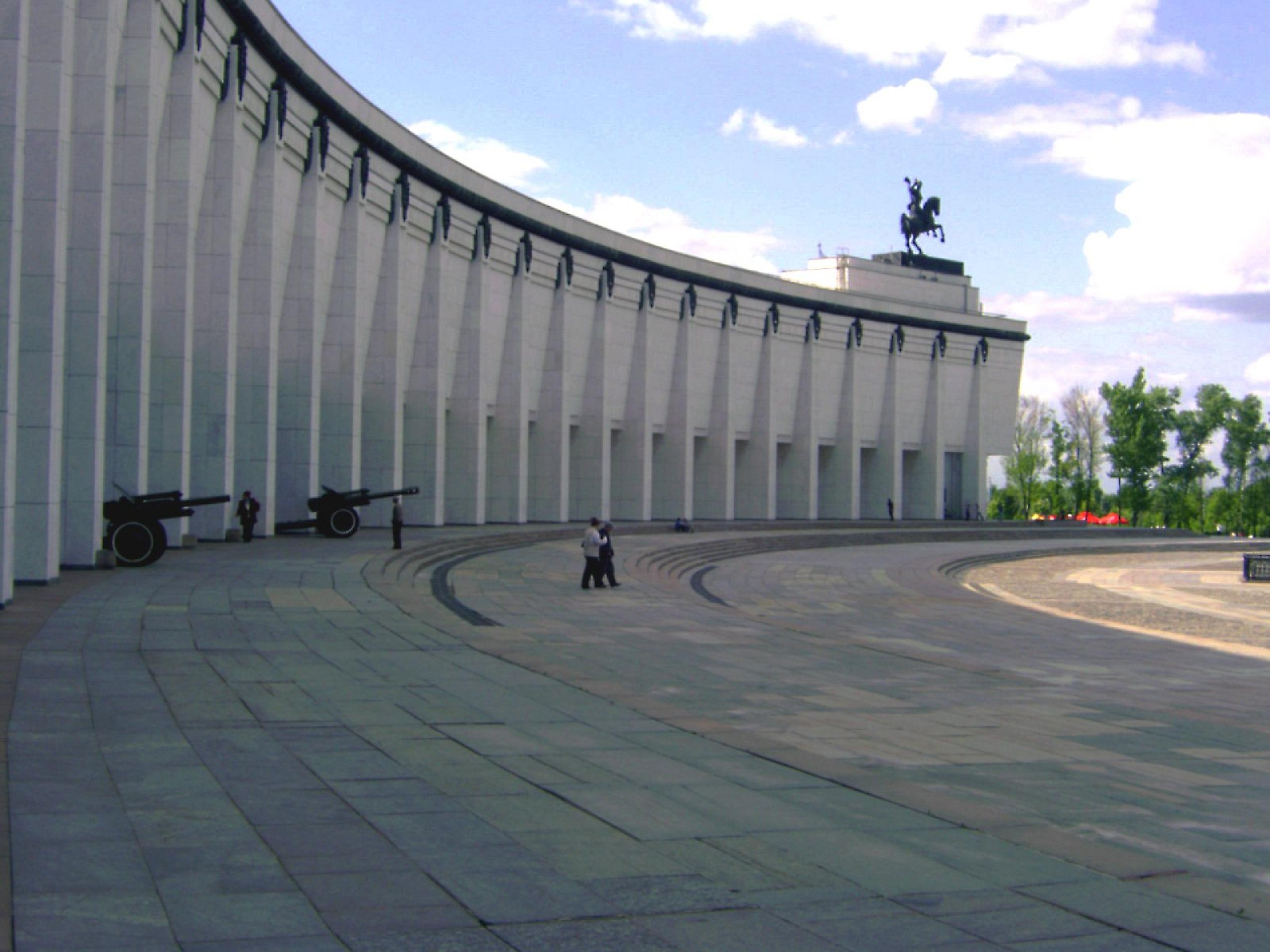
The Museum of the Great Patriotic War and the monument »Peoples' Tragedy«, located in the »Park of Victory« on Moscow's »Poklonnaya Gora«, commemorate both the suffering and losses of the Soviet Union and the heroism of soldiers of the Red Army between 1941 and 1945.
History
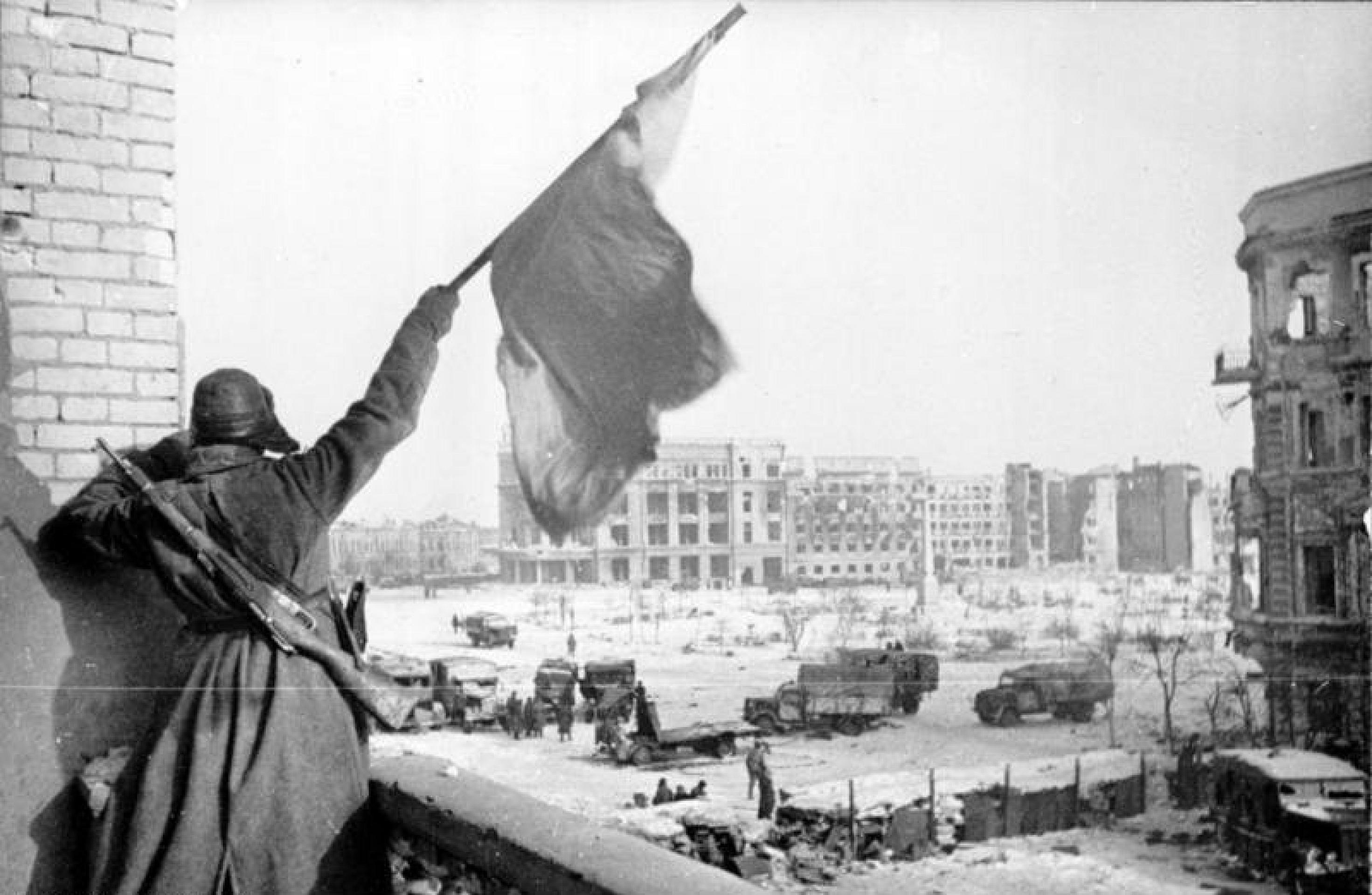
On September 1, 1939, the German Wehrmacht invaded Poland; on September 17, the Red Army attacked Poland from the east. Together these armies sealed Poland's fourth partition and divided the rest of Eastern Europe among each other. This alliance of convenience, formalised in the so-called Ribbentrop-Molotov Pact on August 23, 1939, was breached when German units invaded the Soviet Union on the morning of June 22, 1941, beginning an unprecedented war of extermination. Soviet dictator and commander-in-chief Generalissimo Joseph Stalin called for defence and called this battle the »Great Patriotic War« in reference to the defensive war against Napoleon in 1812 called the »Patriotic War«. Following vast losses in the first few months of combat, the Red Army slowly regained strength. Most importantly, the Soviet Union was able to move vast capacities of war production to the country's interior. Meanwhile, the Wehrmacht's supply routes were disrupted by partisans behind the front line. The Soviet victories in Stalingrad (winter 1942/43) and Kursk (July 1943) ended the German advance and became a turning point in the war on the eastern front. The Soviet counter-offensive finally led to the unconditional surrender of the German Wehrmacht on May 8/9, 1945 in Berlin-Karlshorst, thus ending the Second World War in Europe. In the following decades, the Soviet superpower continued its occupation of large parts of Eastern Europe.
Victims
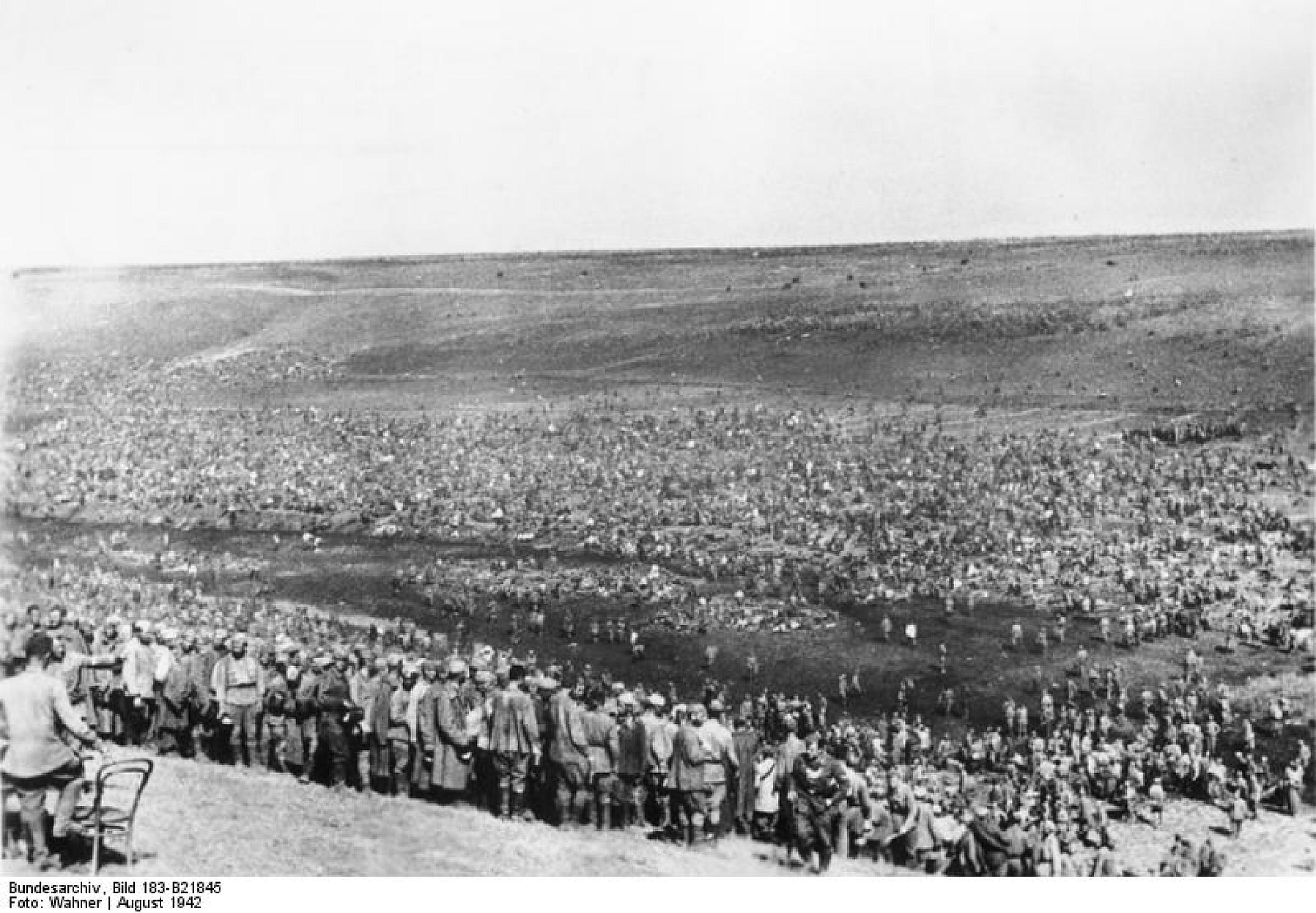
About 27 million Soviet citizens died during the Second World War, including 18 million civilians. An estimated 3 million Soviet prisoners of war died from starvation in National Socialist captivity.
Remembrance
A competition for the design of a »memorial complex in honour of our victory« was announced already in 1942. In 1961, the »Park of Victory« (Park Pobedy) was laid out on the »Poklonnaya Gora« (literally »bow-down hill«). The park was originally dedicated to the 1812 victory over Napoleon, but an additional dedication was instated in March 1986, when the Soviet Ministry of Culture decided on the establishment of the Central Museum of the Great Patriotic War. Despite the downfall of communism and the dissolution of the Soviet Union, this large-scale project was finalised and opened on May 9, 1995, on the 50th anniversary of the end of the war (referred to as Victory in Russian). 55 heads of state from all over the world came to the opening including US president Bill Clinton.
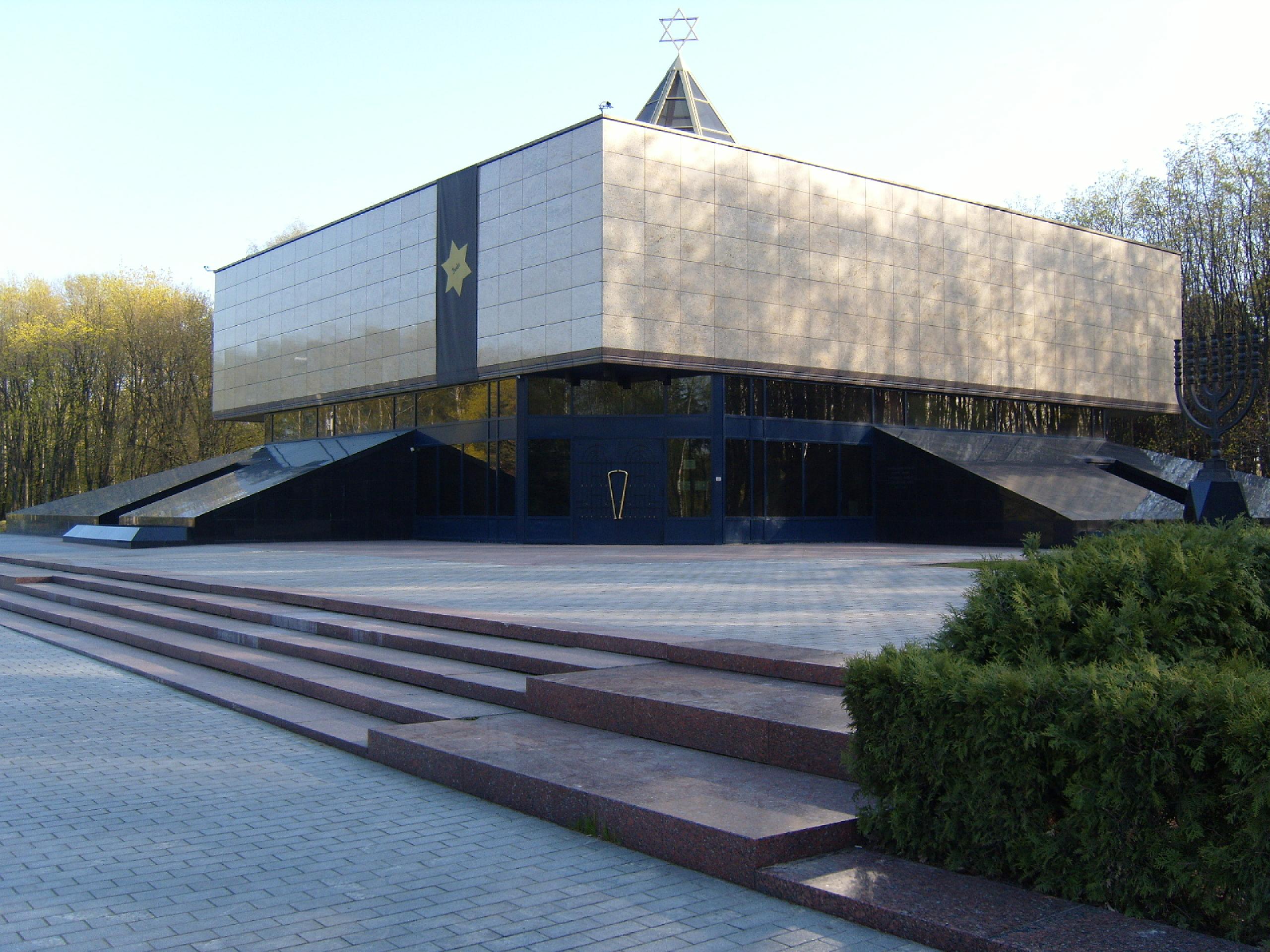
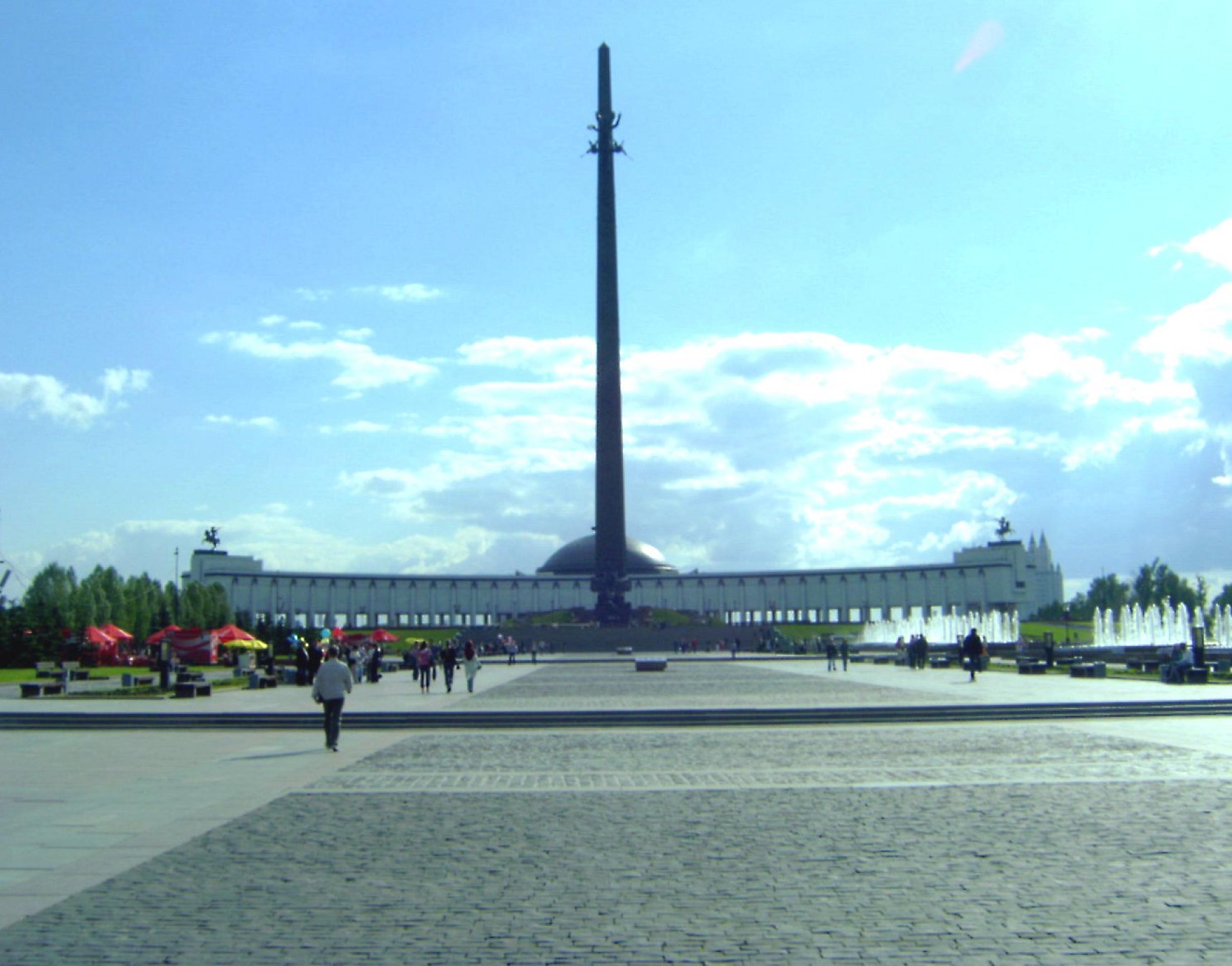
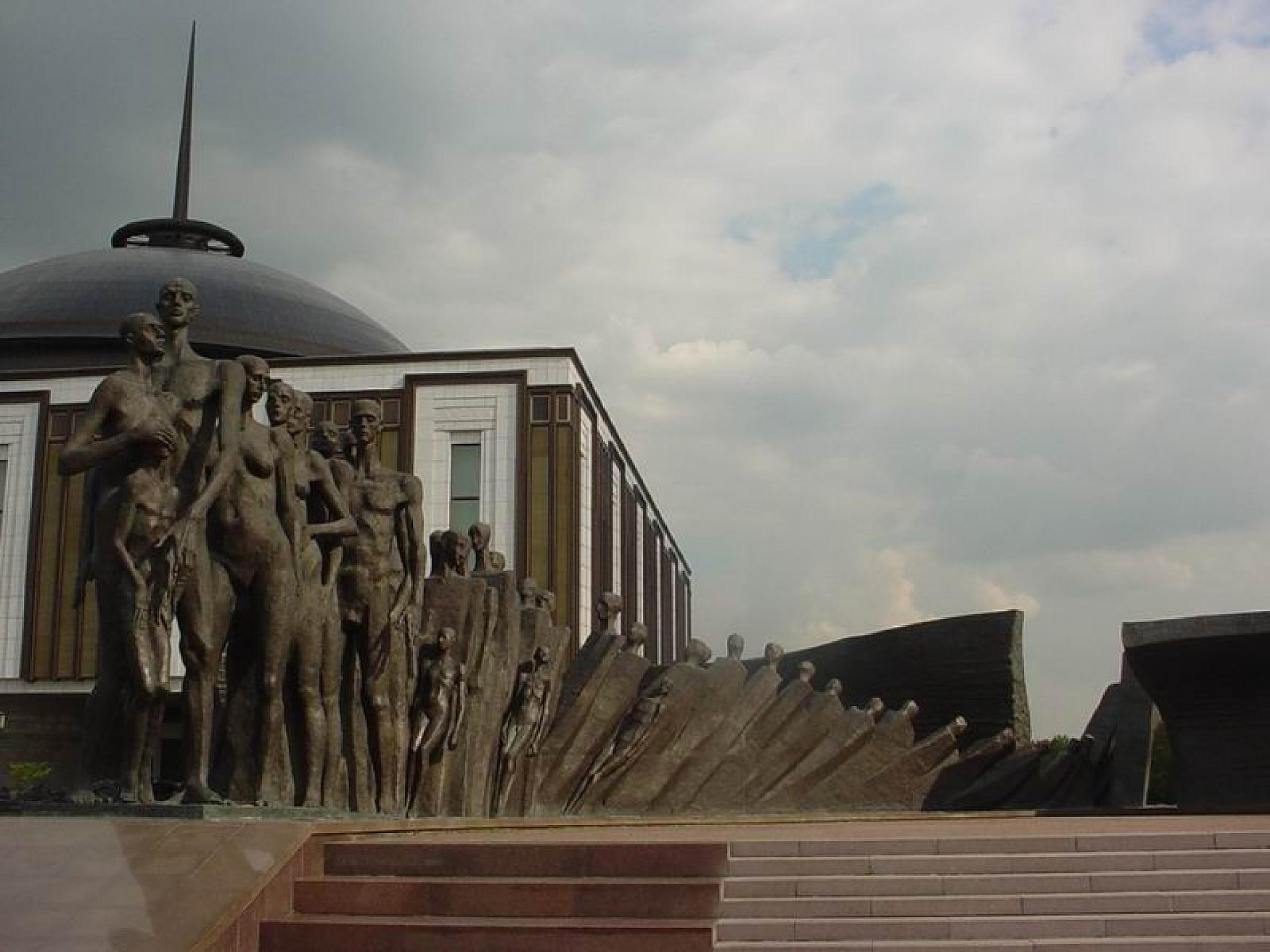
The Museum of the Great Patriotic War is part of a memorial complex in the 9 hectare large »Park of Victory«. The museum contains a »Hall of Names« with memorial books listing the names of over 26 million dead from the Soviet Union, a memorial hall for deserved soldiers and the 12 »Hero Cities« of the Soviet Union. In front of the museum stands the »Peoples' Tragedy« monument, dedicated to the civilian victims. A bronze sculpture depicting a mound of victims' clothes is also on display. This sculpture, originally designed by the president of the Russian Academy of Arts, Zurab Tsereteli, for Israel, was set up in front of the museum entrance in 1995. However, its pessimistic message was heavily criticised, and soon the sculpture was moved to a less prominent spot behind the museum. The over 140 metre-high obelisk, a symbol of the victory, situated in front of the main museum building was also designed by Tsereteli. Three houses of prayer in the complex also serve as monuments: there is a Russian Orthodox church, a mosque and a synagogue.
Possibilities
Commemorative ceremonies are held annually on May 9, »Victory Day in the Great Patriotic War«, guided tours, permanent exhibition, special exhibitions
Open
Tuesday to Sunday 10 a.m. to 10 p.m. (last admission at 8.30 p.m.)
Contact
info@victorymuseum.ru
+7 (0)499 449-81-81
Poklonnaja Gora
121293 Moskwa