CERCIL – Study and Research Centre on the Internment Camps in Loiret
CERCIL – Centre d'étude et de recherche sur les camps d'internement du Loiret
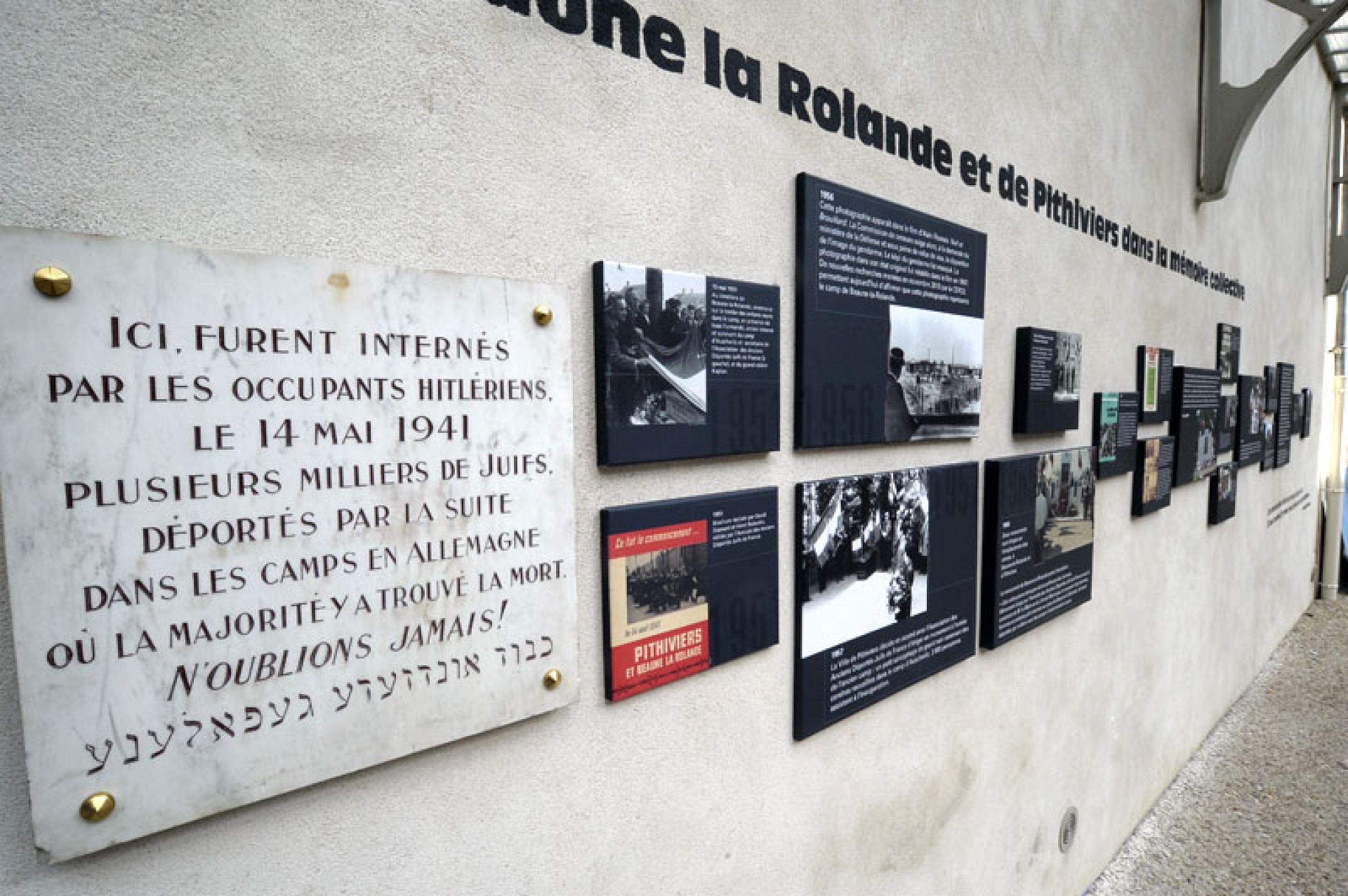
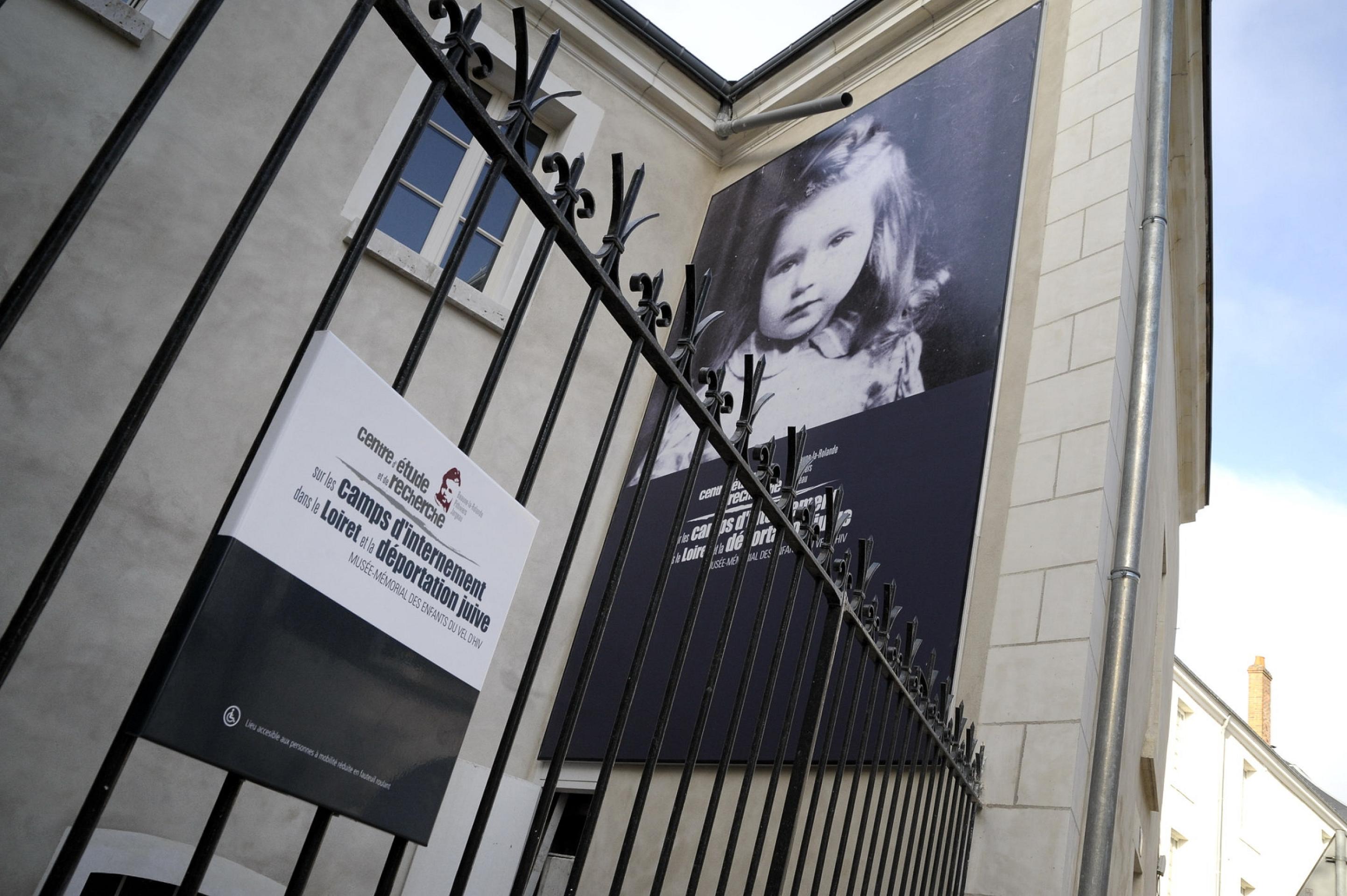
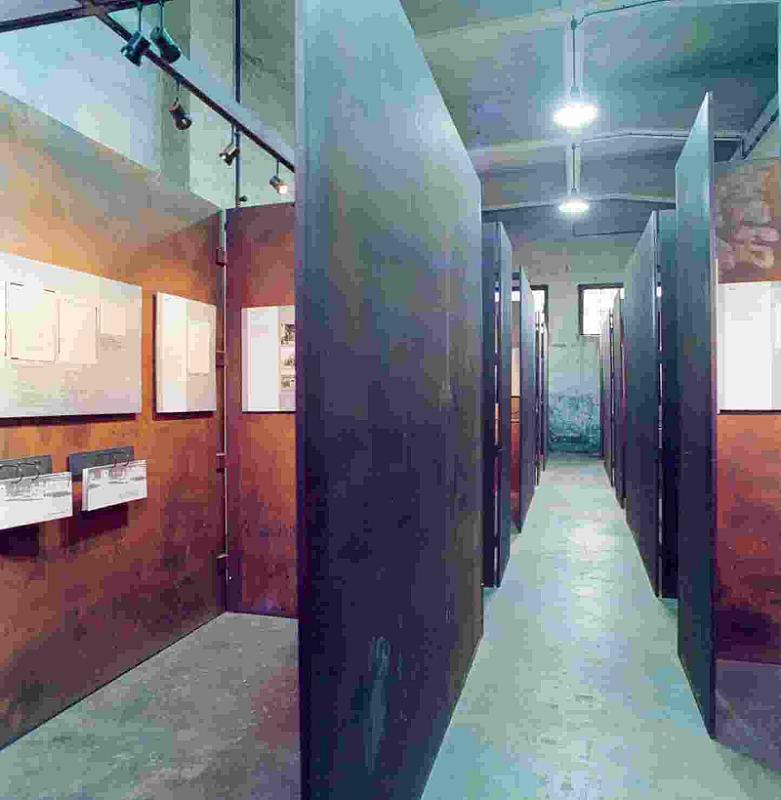
The CERCIL research centre was founded in Orléans in 1991. It presents information about the Pithiviers, Beaune-la-Rolande and Jargeau camps in the Département Loiret, which, following the German occupation of Northern France, played a central role in the persecution of Jews and Sinti and Roma. In 2011, the centre was extended by a »memorial museum«, which commemorates the over 4,000 Jewish children who were taken to the Parisian Vélodrome d'Hiver cycling arena in July 1942, after which they were interned at either Pithiviers or Beaune-la-Rolande, and eventually deported to the Auschwitz extermination camp.
History
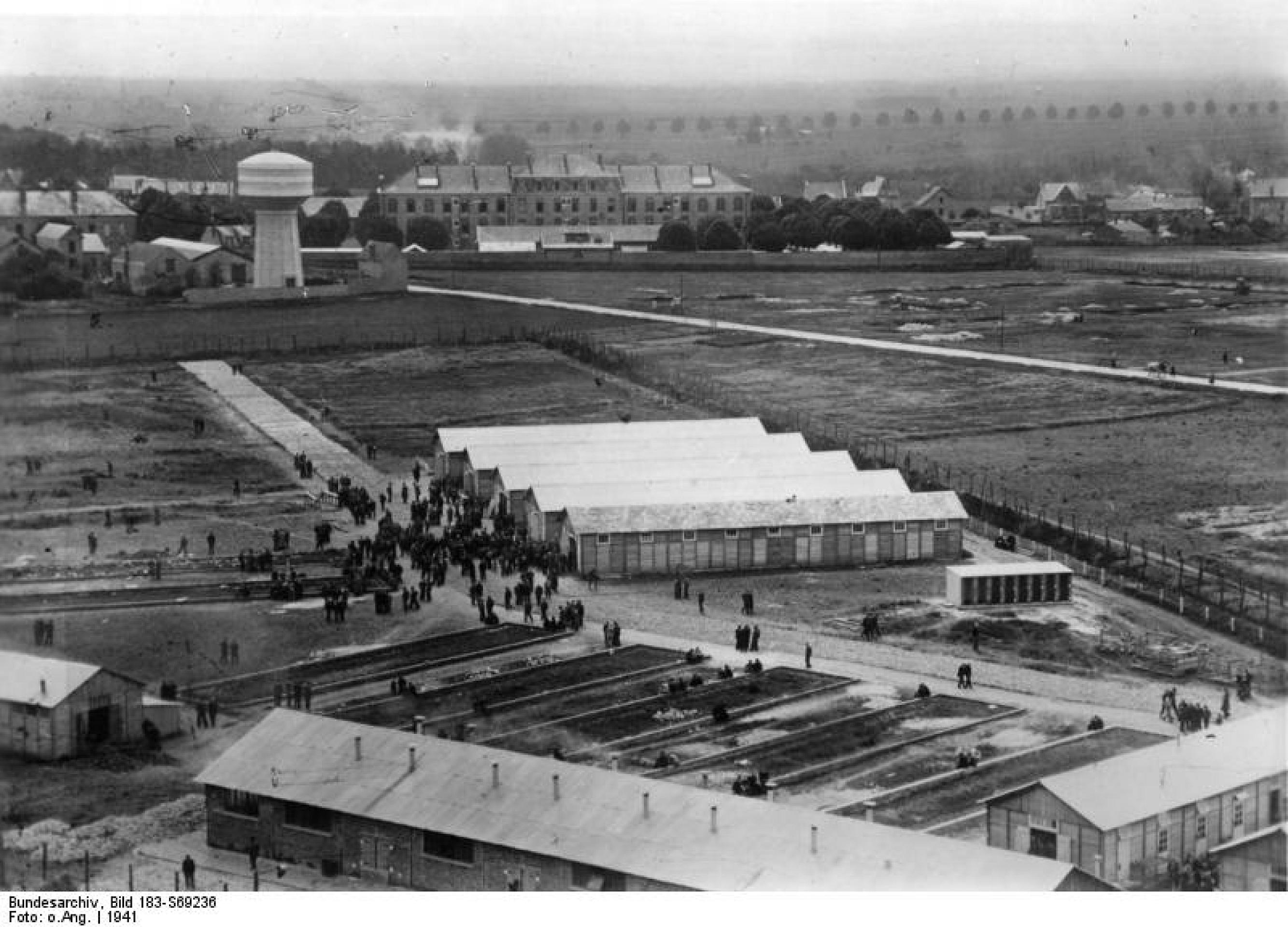
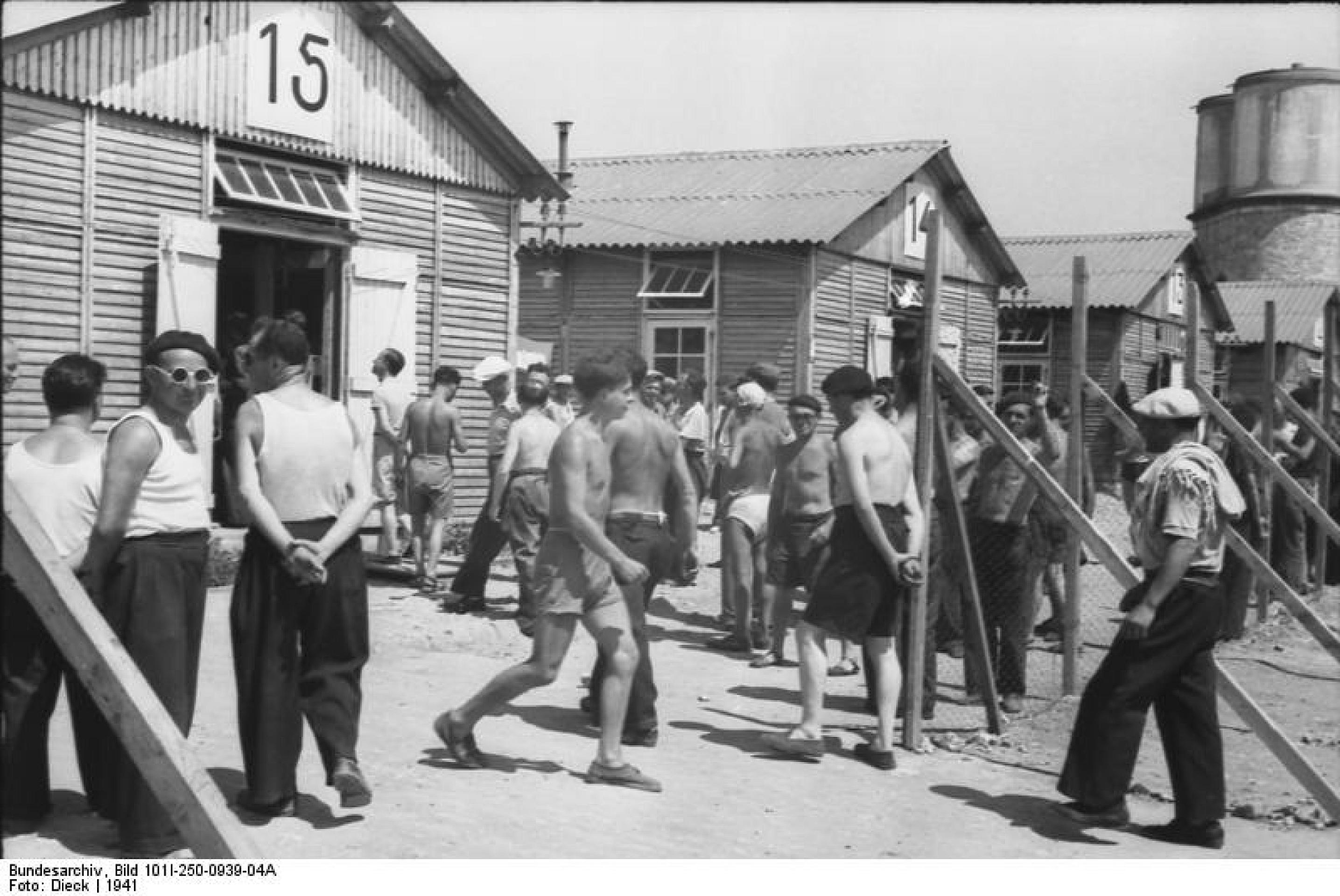
In June 1940, the French army was defeated by the German Wehrmacht, and Northern France came under German occupation; initially, the south remained unoccupied. The French Republic became the »État Français« (French State), and its Vichy-based government closely cooperated with the Germans. Vichy France established internment camps for Jewish and non-Jewish foreigners, and following the release of the »Statute on Jews« in October 1940, began ostracising Jews both in the occupied and the unoccupied territories. A further statute was introduced in June 1941. Beginning May 14, 1941, Polish Jews were held in camps at Pithiviers and Beaune-la-Rolande in the German occupied Département Loiret; the internment of other foreigners followed in the summer of 1941. They reported to the authorities after being summoned by the prefect of Paris on the insistence of the German occupiers. Both camps were administered by the Département. Between June and September 1942, the SS deported 8,000 Jewish internees from Beaune-la-Rolande and Pithiviers to the Auschwitz death camp. In August 1943, the SS shut down Beaune-la-Rolande, while Pithiviers continued to operate until shortly before the liberation in 1944. It was mainly used for interning political prisoners, especially communists.
The Jargeau camp was established as a reception camp for refugees at the end of 1939. In 1940, it was used to intern POWs. From March 1941 on, the French authorities held »gypsies«, vagrants and prostitutes at Jargeau. The camp was only dismantled in December 1945, over a year after the liberation of France.
Victims
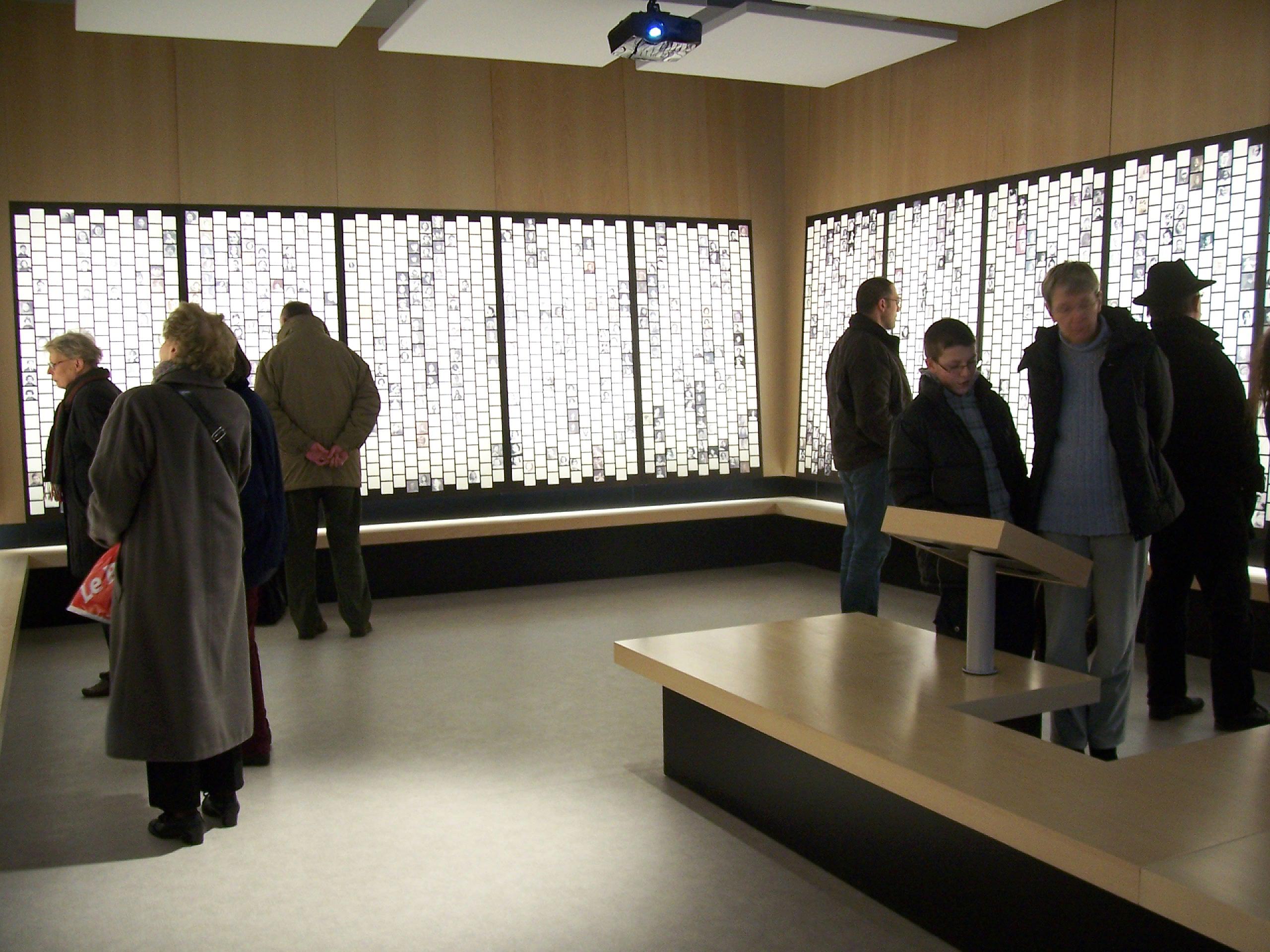
About 16,000 Jews, including over 4,000 children, were held at the Beaune-la-Rolande and Pithiviers camps between 1941 and 1943, and 1944, respectively. The prisoners did not receive sufficient amounts of food and the barracks they were accommodated in were completely unfurnished. At first, internees could receive visitors and they were allowed to work in nearby factories. Already in autumn 1941, controls were sharpened and the camp was eventually sealed off in May 1942. On June 25 and 28, 1942, the first two transports bound for Auschwitz departed from the camps. In July 1942, 7,000 Jewish women and children were brought to Beaune-la-Rolande and Pithiviers, having been previously held at the Parisian Vélodrome d'Hiver cycling arena. Due to the few provisions, a diphtheria epidemic soon broke out in Pithiviers. Initially, the SS only deported adults to Auschwitz; the abandoned children, many completely distraught, were deported to Auschwitz in separate transports a few weeks later.
The French authorities held 1,720 people at the Jargeau camp, also in the Département Loiret, between 1941 and December 31, 1945. 1,190 of them (including 700 children), were regarded as »gypsies«. The German Wehrmacht field command had demanded their internment. The second-largest prisoner group at Jargeau comprised over 300 prostitutes. Their arrest had too been ordered by the Orléans field command, which apparently wanted to prohibit uncontrolled prostitution. At least 44 women from the Jargeau camp were forced to work in Wehrmacht brothels. Also interned at the camp were 132 Frenchmen who refused to be deployed in forced labour service in the German Reich; after their internment, they were deported to Germany.
Remembrance
The CERCIL (Full name: Centre d'étude et de recherche sur les camps d'internement du Loiret, English: Study and Research Centre on the Internment Camps in Loiret) was founded as an association in 1991. On January 27, 2011, former French president Jacques Chirac and former President of the European Parliament, Holocaust survivor Simone Veil, opened the »Memorial Museum to the Children of Vel d'Hiv«, which is part of CERCIL. It recalls the over 4,000 Jewish children who were concentrated at the Vélodrome d´Hiver cycling arena in Paris in July 1942, after which they were interned at either Pithiviers or Beaune-la-Rolande, and eventually deported to the Auschwitz extermination camp. Parts of the original barracks of the Beaune-la-Rolande camp have been reconstructed in the courtyard of the museum, which is located in a former kindergarten in the old town of Orléans. CERCIL covers over 1,000 m², of which 450 m² are accessible to the public. The museum was financed by, among others, the city of Orléans, the communities of Pithiviers, Beaune-la-Rolande and Jargeau, the Fondation pour la Mémoire de la Shoah, the Département Loiret, the French ministries of culture and defence as well as the city of Paris.
Possibilities
Permanent exhibition, archive, events
Open
Tuesday 2 p.m. to 8 p.m., Wednesday to Friday and Sunday 2 p.m. to 6 p.m., closed on Saturday, Monday by appointment, group visits Monday to Friday 9 a.m. to 6 p.m. by appointment
Contact
cercil@cercil.eu
+33 (0)2 384 203 91
45 rue du Bourdon-Blanc
F-45000 Orléans