Chernivtsi Museum of the History and Culture of Bukovinian Jews
Чернівецький музей історії та культури євреїв Буковини
The Museum for the History and Culture of Bukovinian Jews was opened in 2008 in Chernivtsi (German: Czernowitz, Romanian: Cernăuţi). The museum commemorates Jewish life and culture in the multiethnic region prior to World War II. At least 45,000 Jews from the Bukovina region fell victim to mass shootings, forced labour and deportations beginning 1941.
History
Czernowitz, capital of the historic region of Bukovina, was part of Austria-Hungary until 1918. Bukovina was the epitome of multi-ethnicity in the Austro-Hungarian Empire; during this period, Jewish life in the city flourished, a prime example of this being the completion of the magnificent synagogue of the reformed community in 1877. After World War I, Bukovina became part of Romania. In 1940, the Soviet Union occupied the northern part of Bukovina, including Czernowitz, in accordance with the Molotov-Ribbentrop Pact, and Romania was forced to cede these territories under diplomatic pressure exerted by the German Reich. At the time, Czernowitz was home to nearly 50,000 Jews representing over a third of the total population. During the Soviet occupation of the city, the Soviet secret service NKVD deported many inhabitants of Czernowitz to Siberia, among them thousands of Jews.
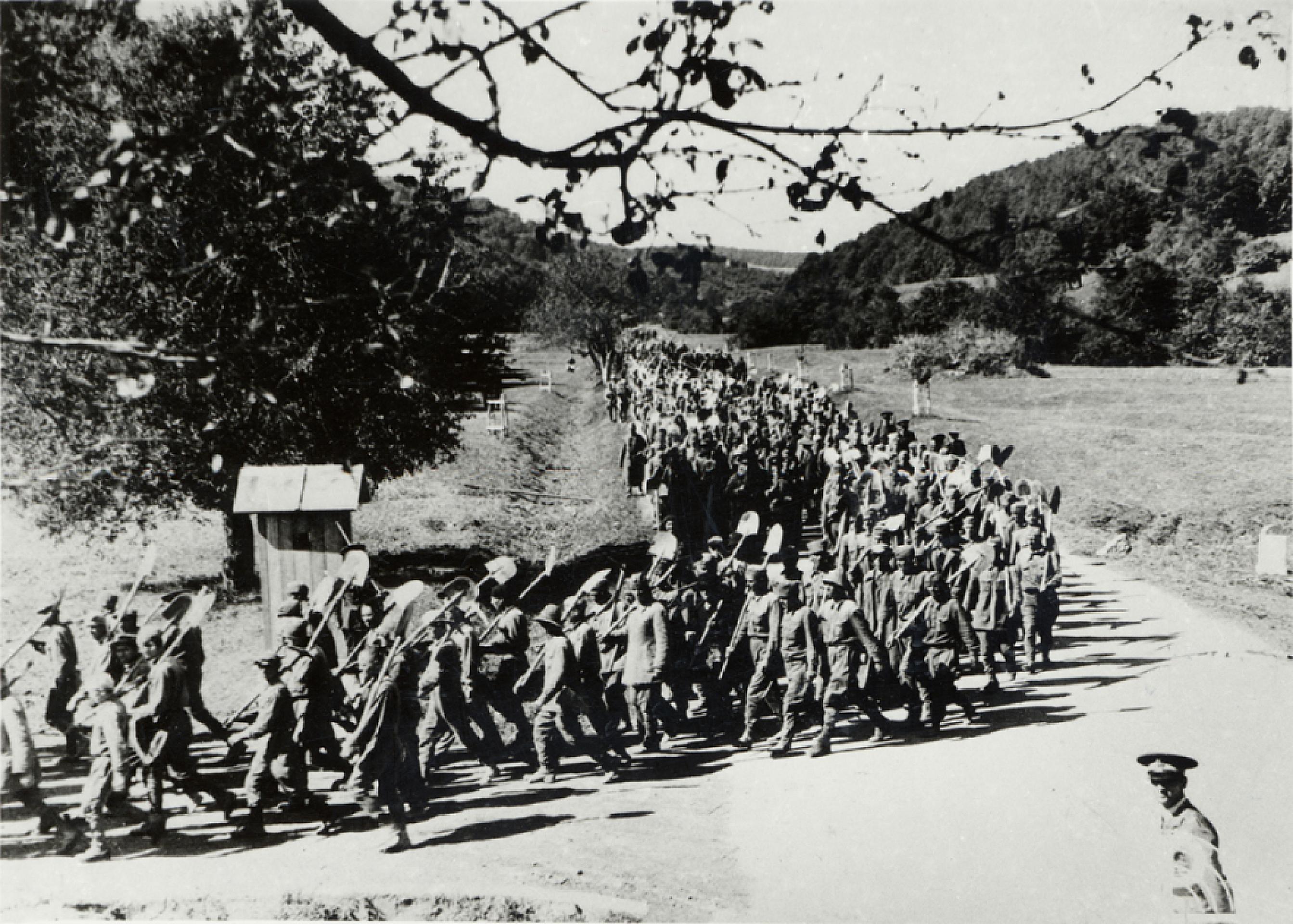
After the German invasion of the Soviet Union in 1941, during which Romania fought alongside the Germans, the region came under Romanian rule. The invading armies marching into Czernowitz were closely followed by SS-Einsatzkommando 10b (mobile killing squad), which consequently shot hundreds of Jews. In October 1941, Romanian dictator Ion Antonescu deported the Jews of Bukovina to Transnistria, a region in the Ukraine under Romanian occupation, as agreed upon with the German military. By November 1941, over 28,000 Jews were deported from Czernowitz across the river Dniester. Further transports carrying several thousand Jews from Czernowitz followed in 1942. Only few survived the forced labour, terror and inhumane conditions in the camps and ghettos of Transnistria. Those who remained in Czernowitz had to conduct forced labour under dire conditions. When the Red Army reached the city in April 1944, it liberated about 14,500 Jews.
Victims
About 90,000 Bukovinian Jews were deported by Romanian military units to Romanian occupied Ukraine, the so-called Transnistria region, beginning 1941. Only half of the deportees returned home; about 45,000 perished in Transnistria of the effects of abuse, forced labour and the living conditions in the ghetto.
Remembrance
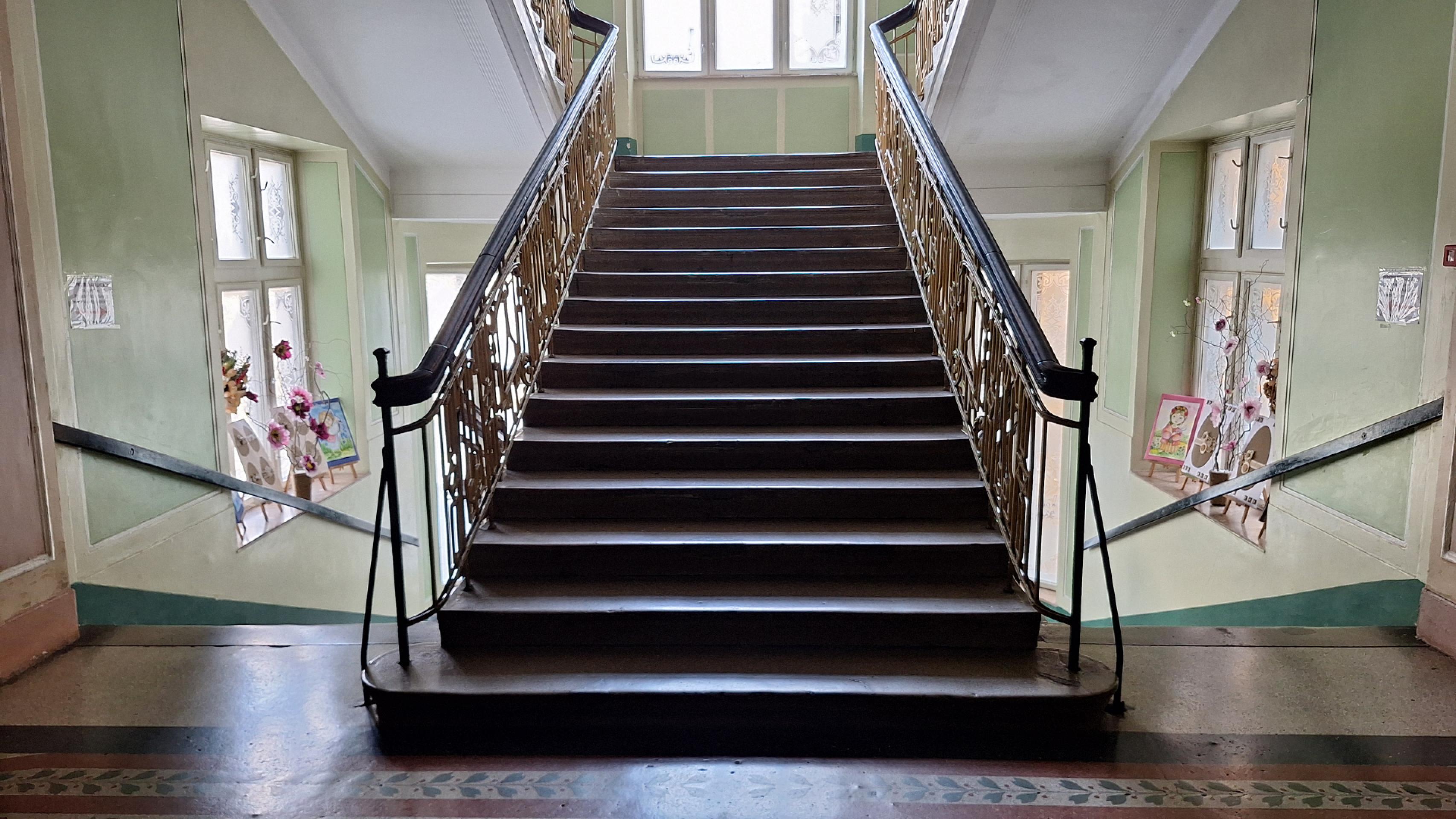
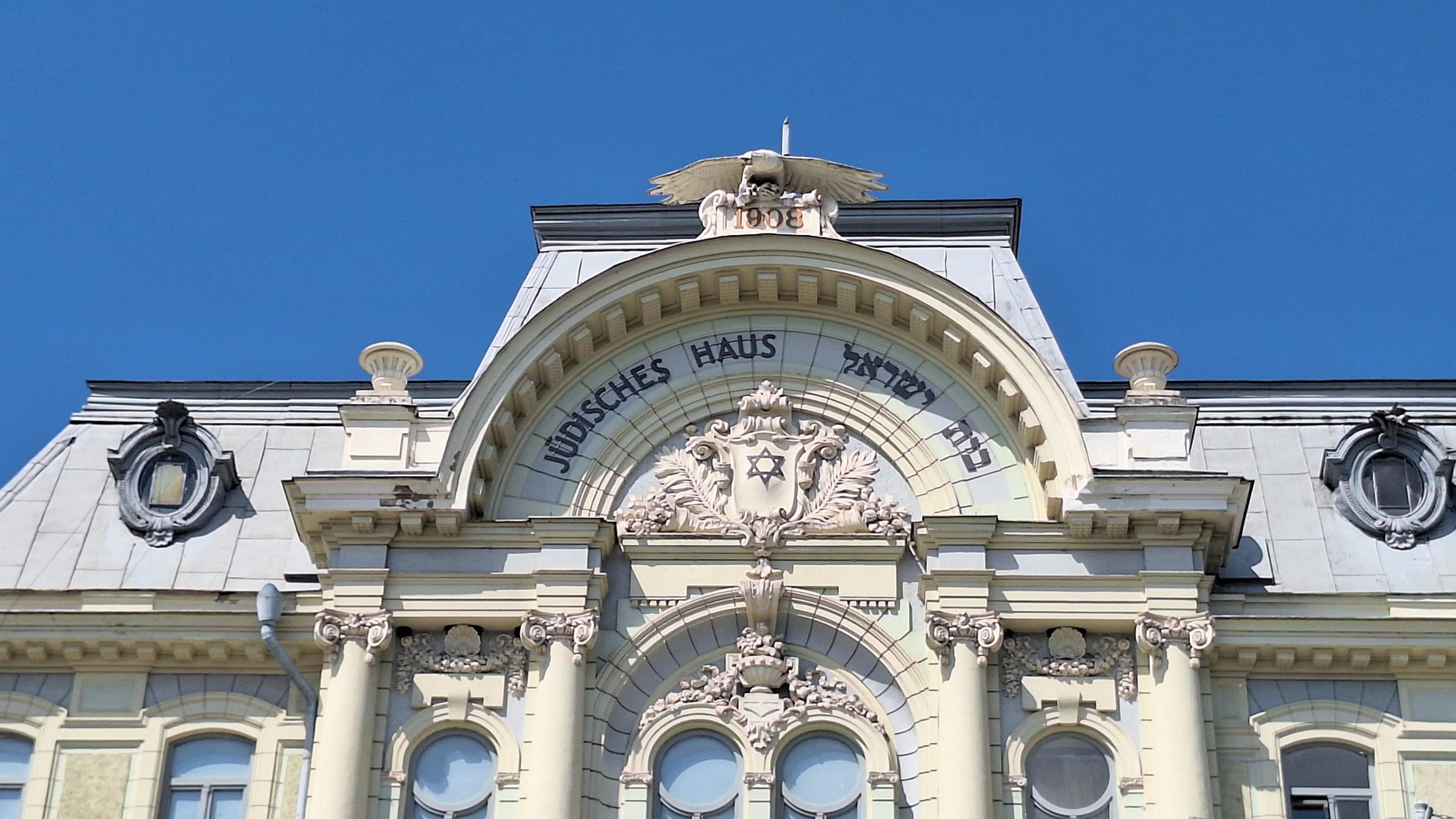
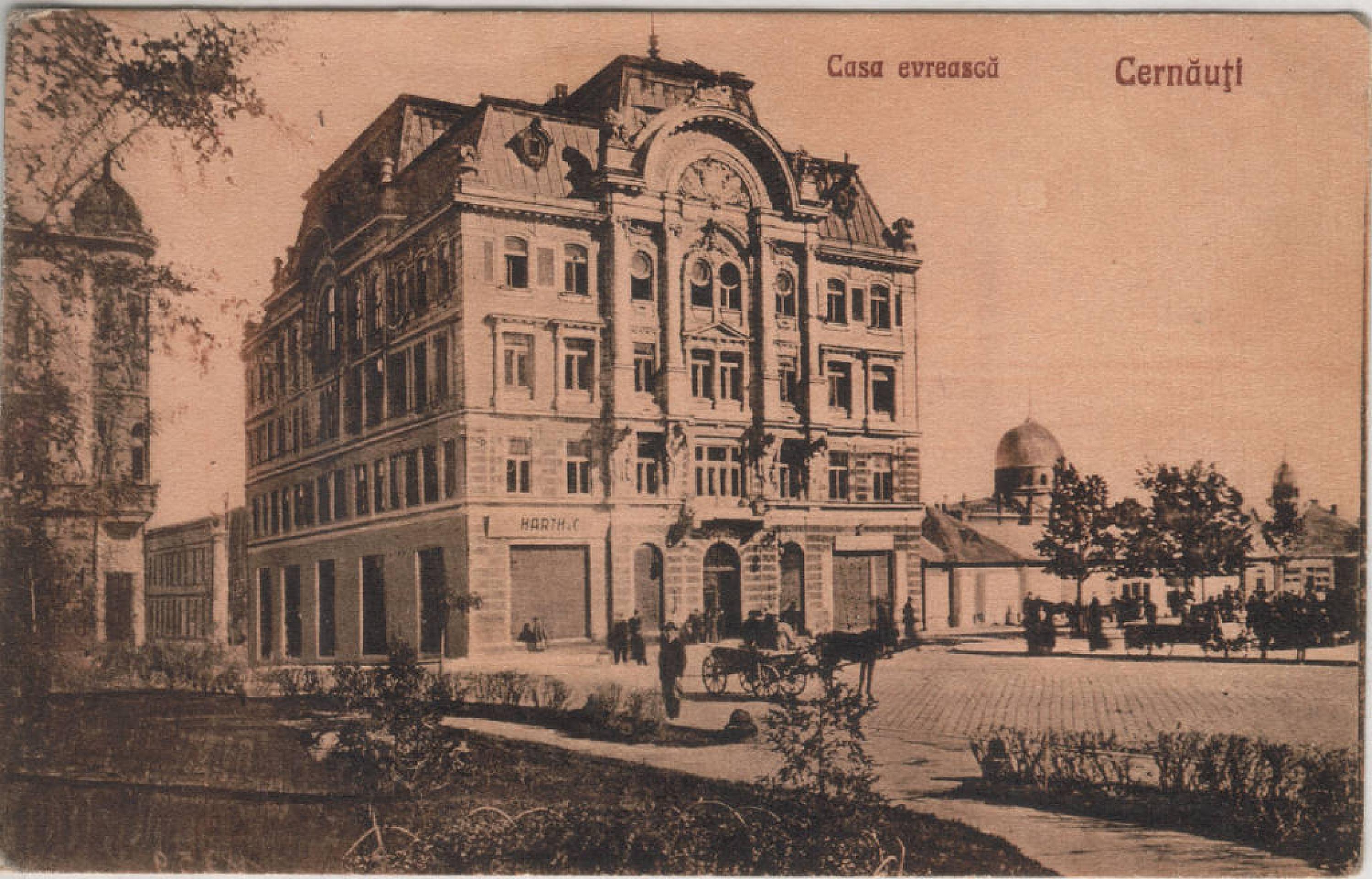
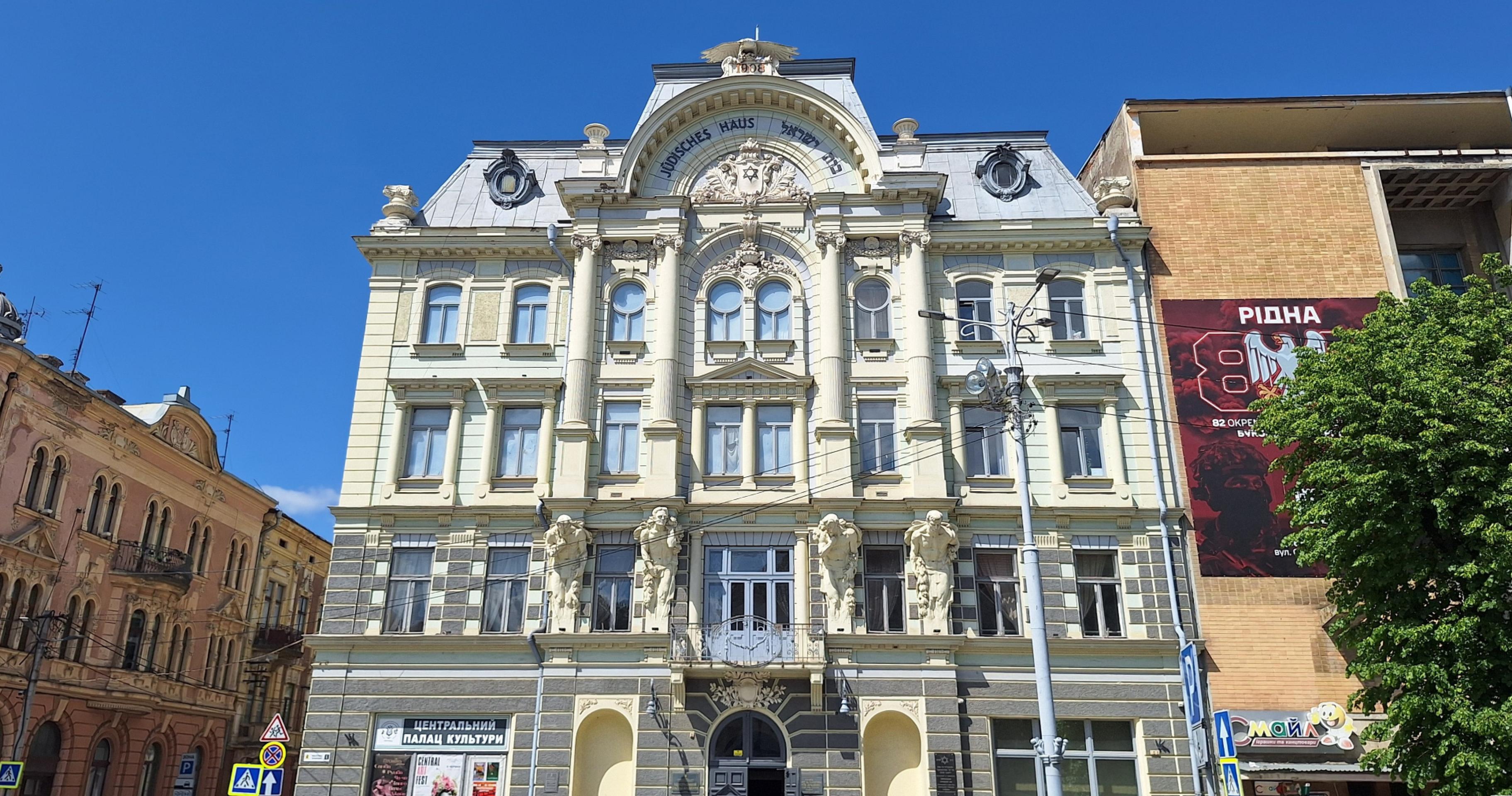
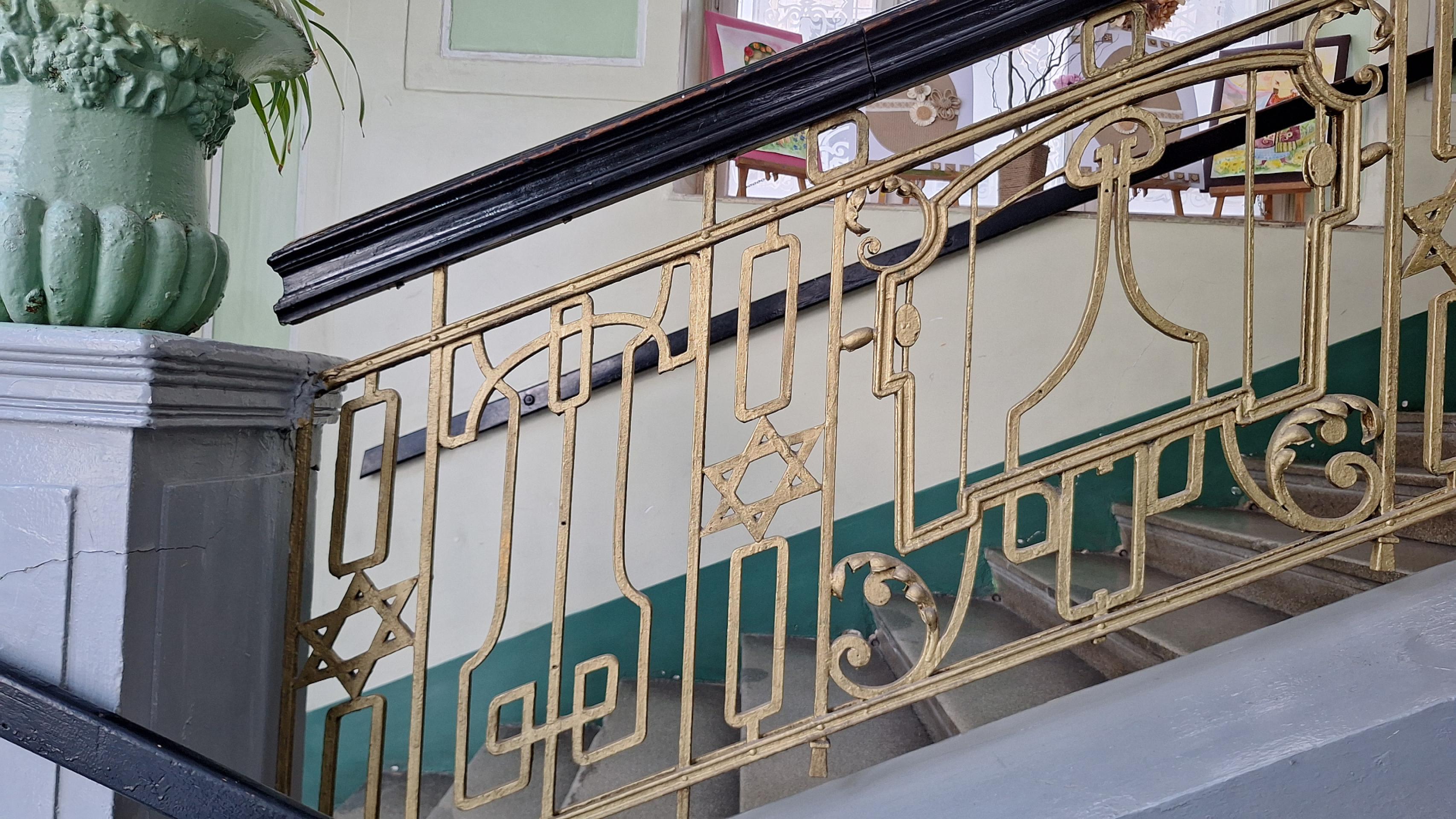
The Jewish National House was built by architect Julius Bochner in 1908. It was located in direct vicinity of the municipal theatre and the chamber of commerce in the city centre of Czernowitz. The building, which housed a number of Jewish institutions and served as a cultural centre, was an expression of the confidence of Jews in Czernowitz; a further expression of this was the synagogue. Many minorities established similar »national houses« at the beginning of the 20th century, thereby asserting their wish to participate in public life. In 1908, the Jewish National House hosted an international Yiddish conference.
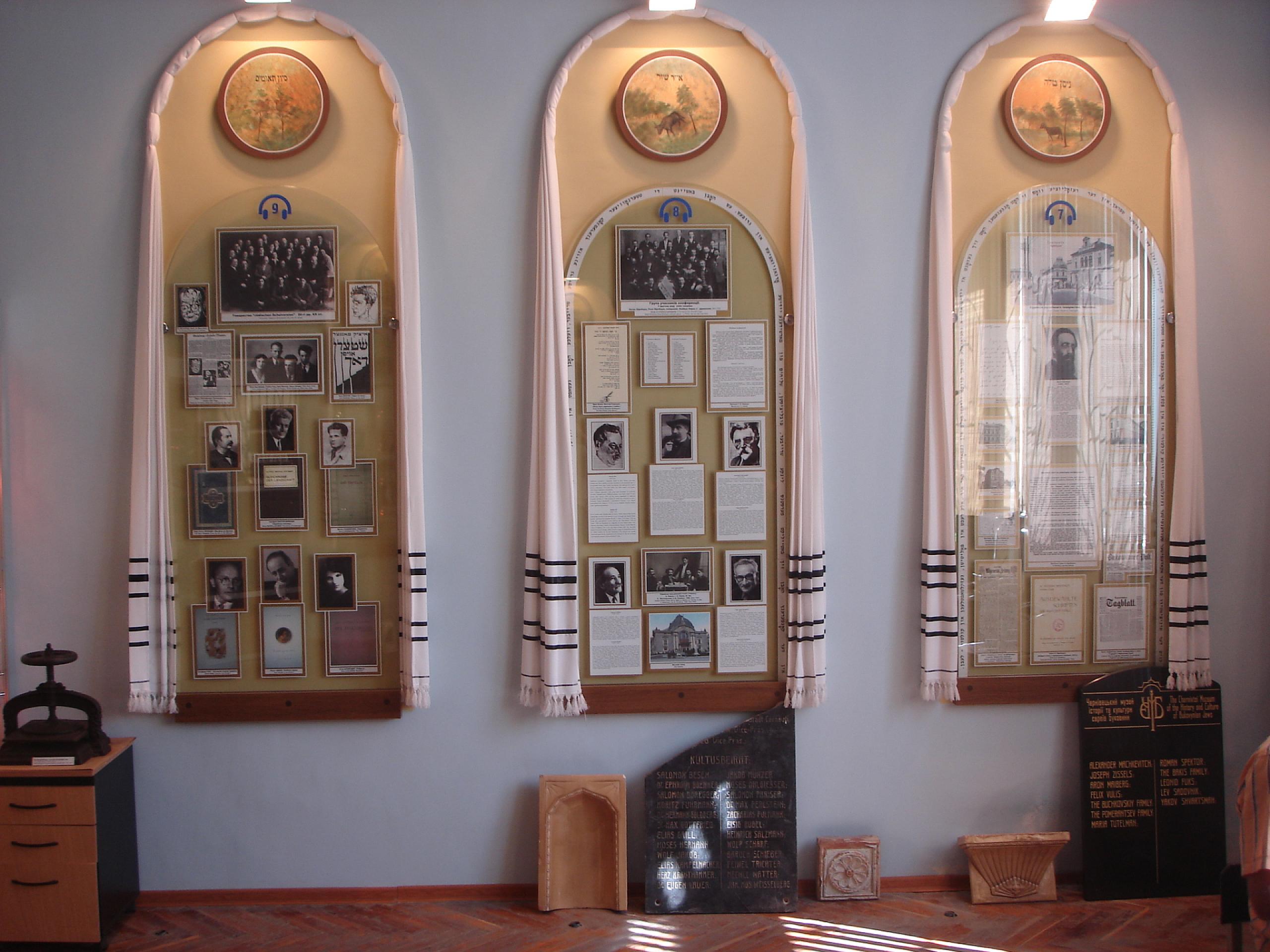
At the end of World War II, Czernowitz and the surrounding areas fell to Ukraine, which was then part of the USSR as a Socialist Soviet Republic. The former Jewish National House was converted to a cultural centre for textile workers. Only in the 1990s did the Jewish community of Chernivtsi obtain permission to use a few rooms in the building. In 2008, a small Jewish museum was opened in the former Jewish National House. The exhibition concentrates on Jewish life and culture in Bukovina under Austro-Hungarian rule.
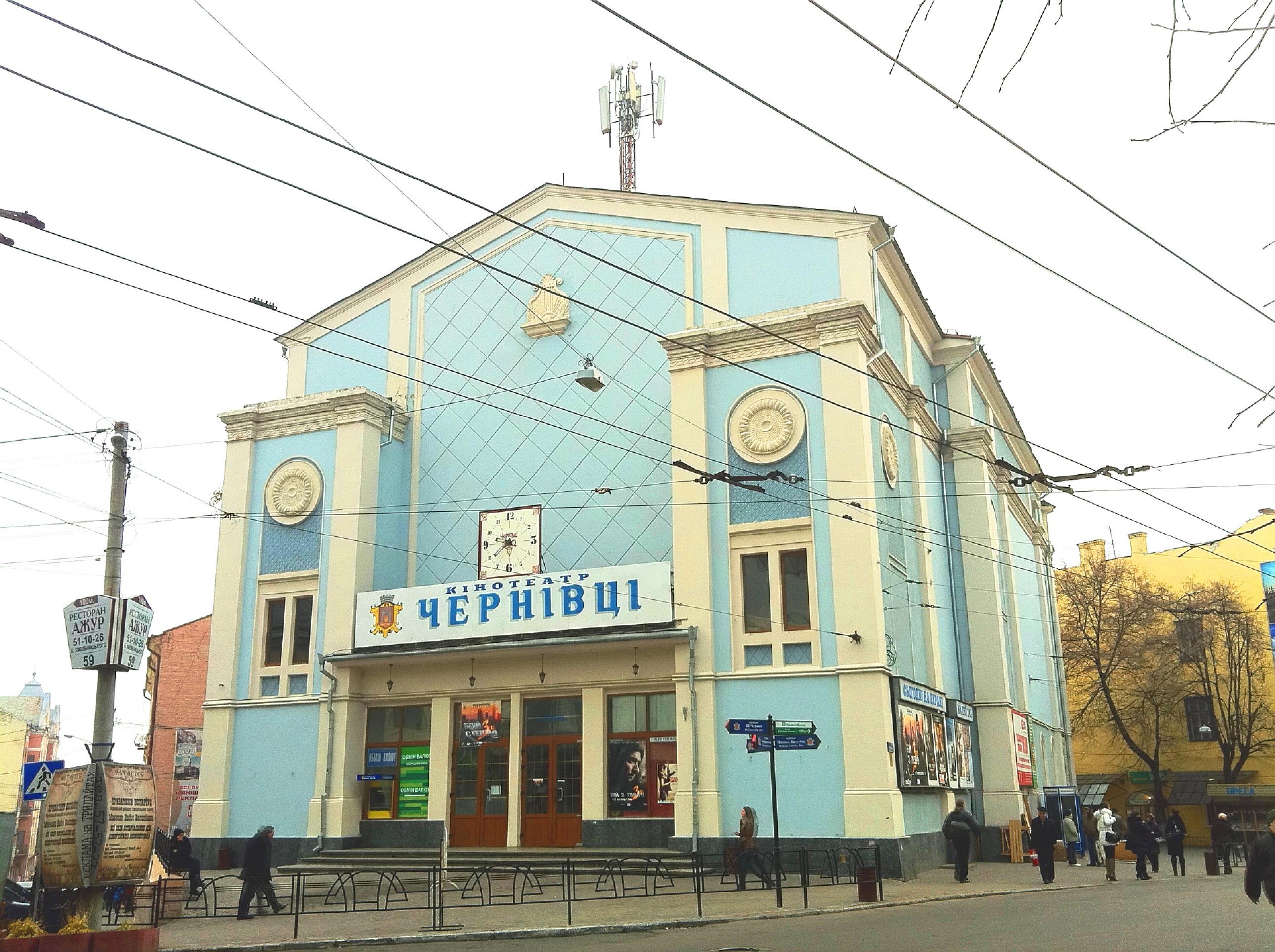
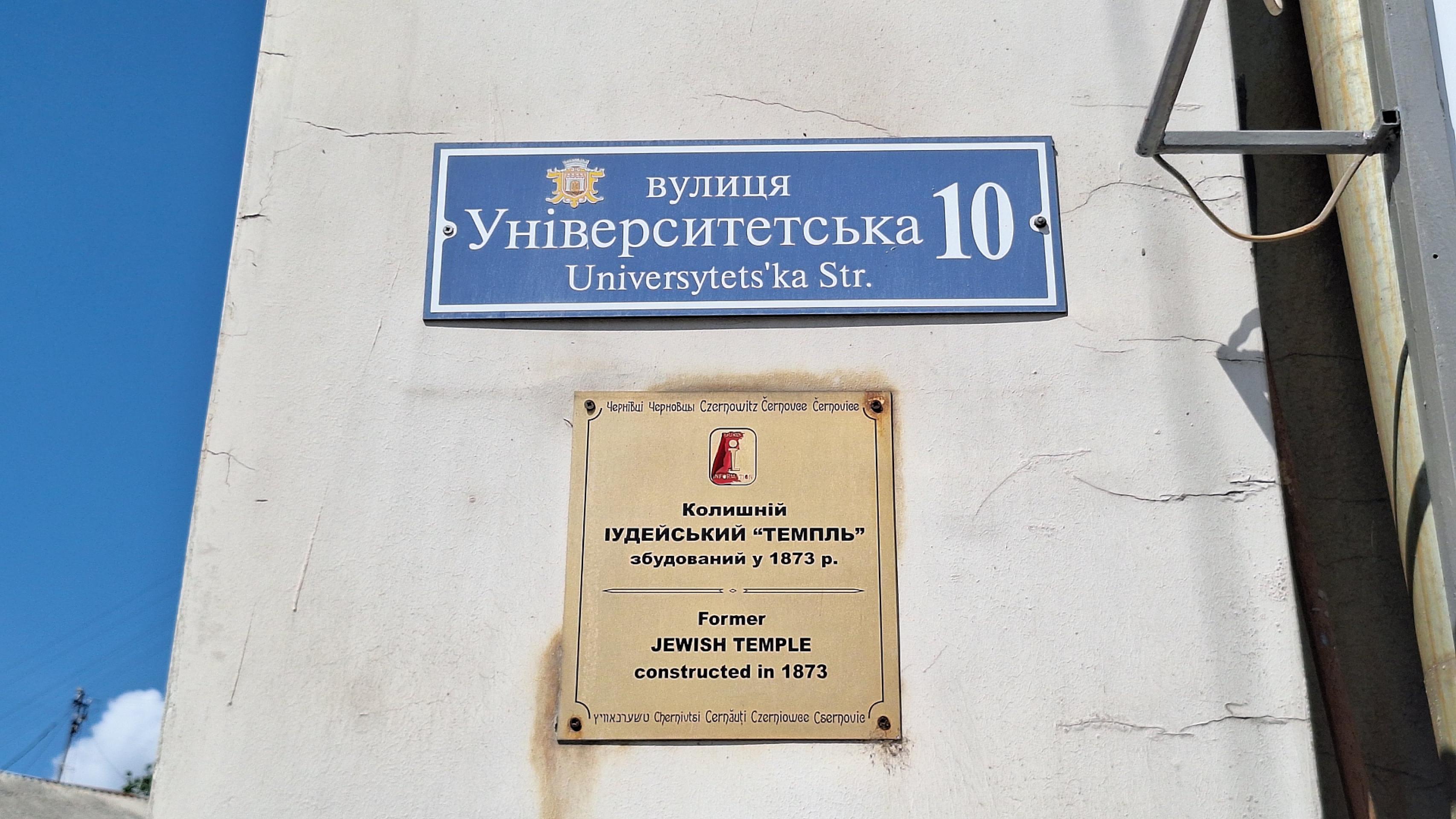
The »Chernivtsi« cinema is located very close by. The building was constructed on the ruins of the largest synagogue in Chernivtsi, the Israelite Temple, which was consecrated in 1878. The synagogue was closed following the Soviet annexation in 1940 and was set on fire during the German and Romanian occupation in 1941. The building has been used as a cinema since 1959. A plaque on the façade indicates the building’s original purpose.
Open
Tuesday to Friday: 11 am to 3 pm, Saturday: 11 am to 2 pm, Sunday: 10 am to 1 pm
Contact
jm.chernivtsi@gmail.com
+38 0372 550 666
Teatralnaja Ploschtscha 5
58000 Czernowitz