Remembrance of the deported Jews of Cluj
Comemorarea evreilor deportați din Cluj
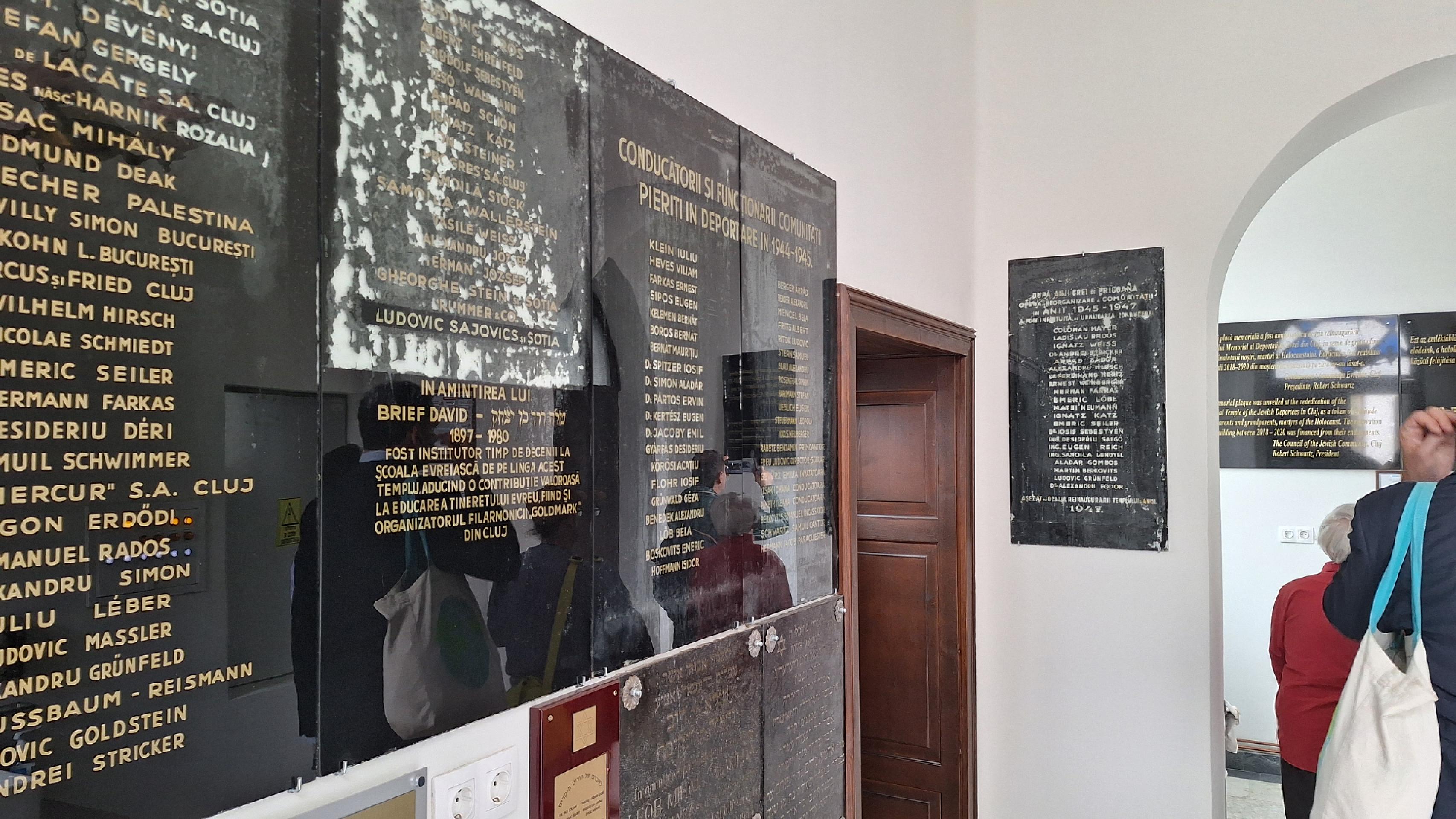
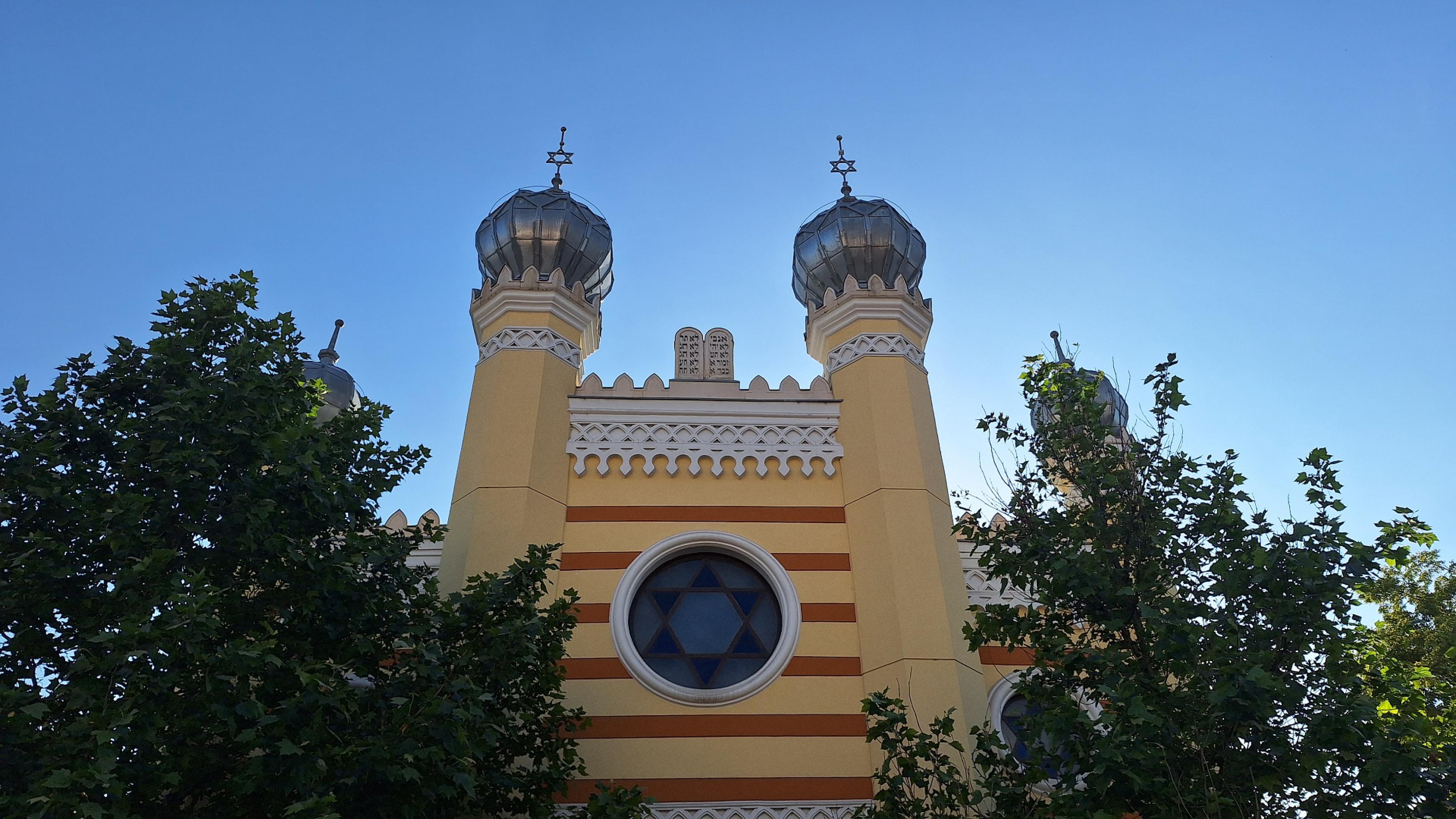
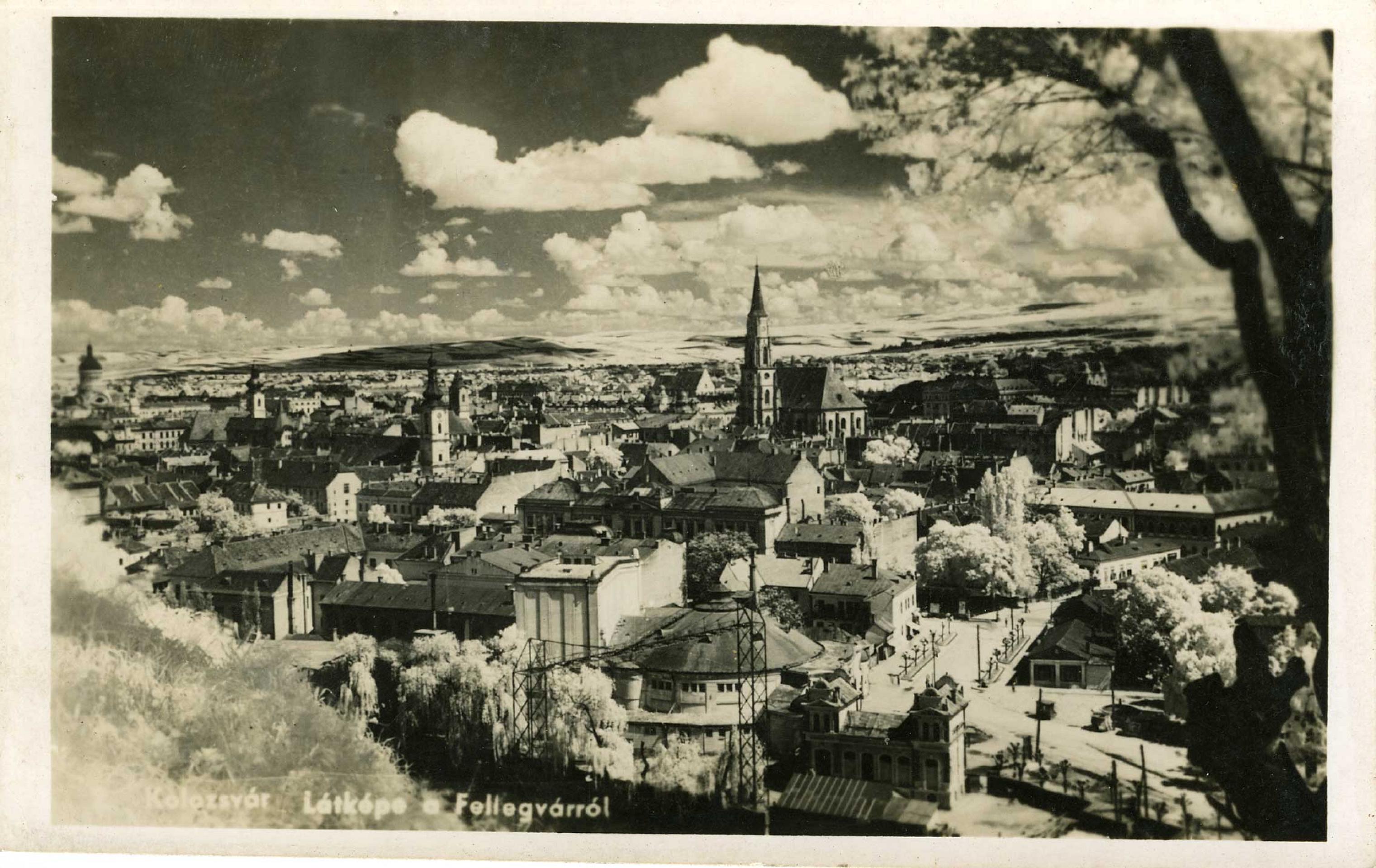
Cluj (today: Cluj-Napoca, Hungarian: Kolozsvár, German: Klausenburg) is the second largest city of Romania. It lies in the country’s north-west in the region of Transylvania. The Cluj Neolog Synagogue, which was destroyed in the war and had then been rebuilt, is dedicated to the approximately 18,000 Jews from Cluj and surrounding areas who were deported to Auschwitz-Birkenau between May and June 1944.
History
Cluj lies in the historical region of Transylvania in the north-west of Romania. After the First World War, Hungary had to cede Transylvania and part of Banat to Romania. In 1930, Cluj was home to about 13,500 Jews, representing just over one tenth of the town's total population. Many Jews in Cluj considered themselves Hungarians. At the end of the 1930s, Hungary began to increasingly raise claims to the ceded territories. In September 1940, Transylvania was divided under German and Italian arbitration and the northern part was annexed by Hungary. That same month, the Hungarian authorities began persecuting the Jewish population, and step by step Jews were excluded from public life. In July 1941, several hundred Jews without Hungarian citizenship were deported to Kamianets-Podilskyi and murdered by German units.
In March 1944, the German Wehrmacht occupied its ally Hungary, and employees of the »department for Jewish affairs« from the Reich Main Security Office under Adolf Eichmann arrived on site. The SS and Hungarian authorities began registering Jews, expropriating and deporting them. On May 3, 1944, Hungarian authorities assisted by the SS forcibly gathered the Jews of Cluj in a ghetto: about 18,000 Jews from Cluj and vicinity had to live in a brick yard in the north of Cluj. Between May 25 and June 9, 1944, all of the Jews were deported in six transports from the ghetto to the Auschwitz-Birkenau extermination camp.
Victims
In the summer of 1941, following the annexation of Cluj by Hungary in 1940, several hundred Jews without Hungarian citizenship were deported to Kamianets-Podilskyi and murdered there. Jewish men were drafted for forced labour. On May 3, 1944, some 18,000 Jews from Cluj and vicinity were forced into a ghetto in a brick yard, from there they were deported to Auschwitz. About 388 Jews from the ghetto could be rescued by Cionist Rudolf (Rezső) Kasztner, later a politician in Israel, who negotiated their release in controversial talks with Adolf Eichmann. How many of the Jews deported from Cluj perished in Auschwitz is not exactly known.
Remembrance
After the Second World War, about 6,500 Jews returned to Cluj. Most of them were originally from other towns. The majority of them emigrated to Israel other countries in the following decades. Today, only a few Jews still live in the city, where Romanians make up the majority and the Hungarian minority accounts for around a fifth of the population.
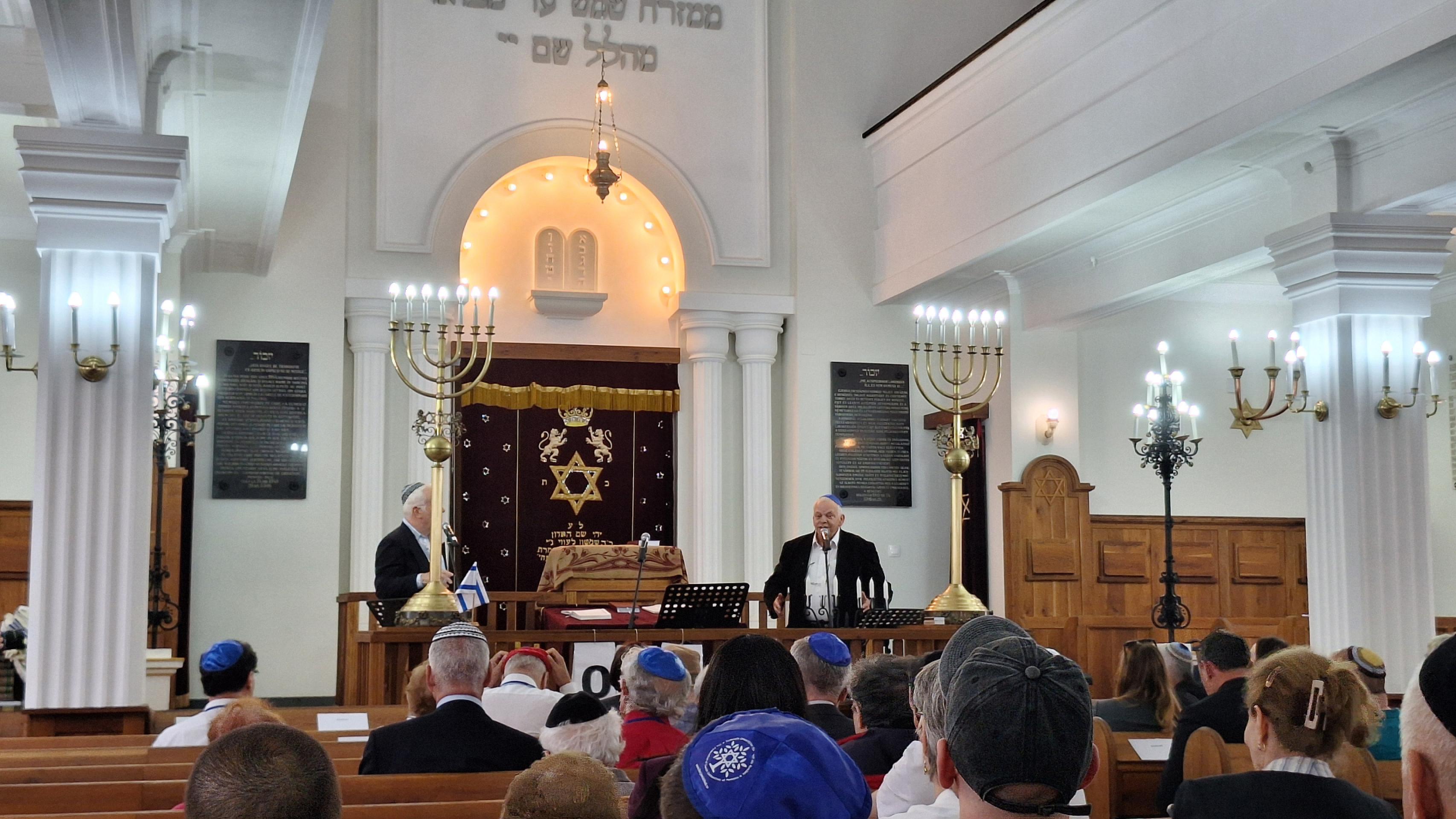
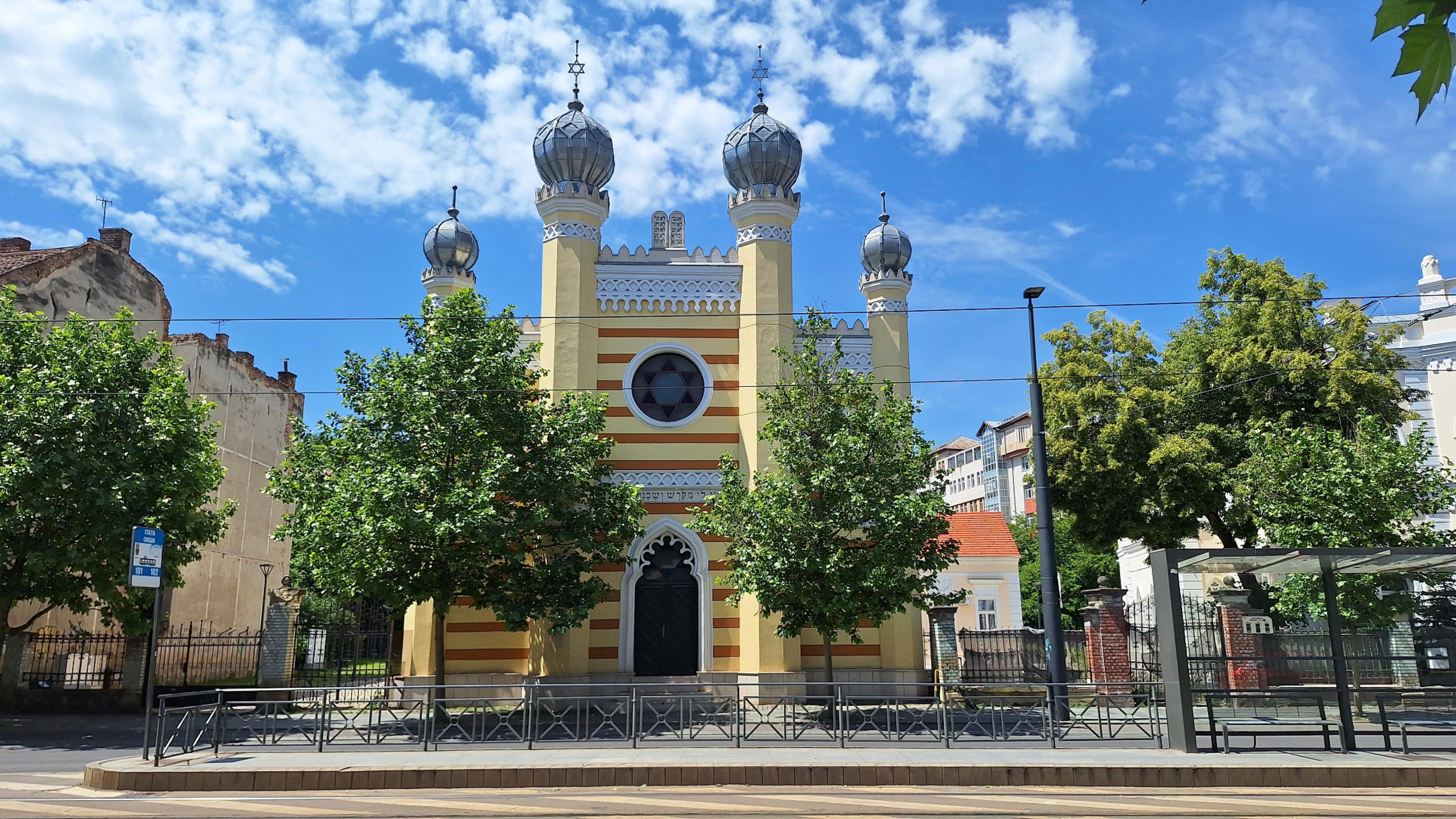
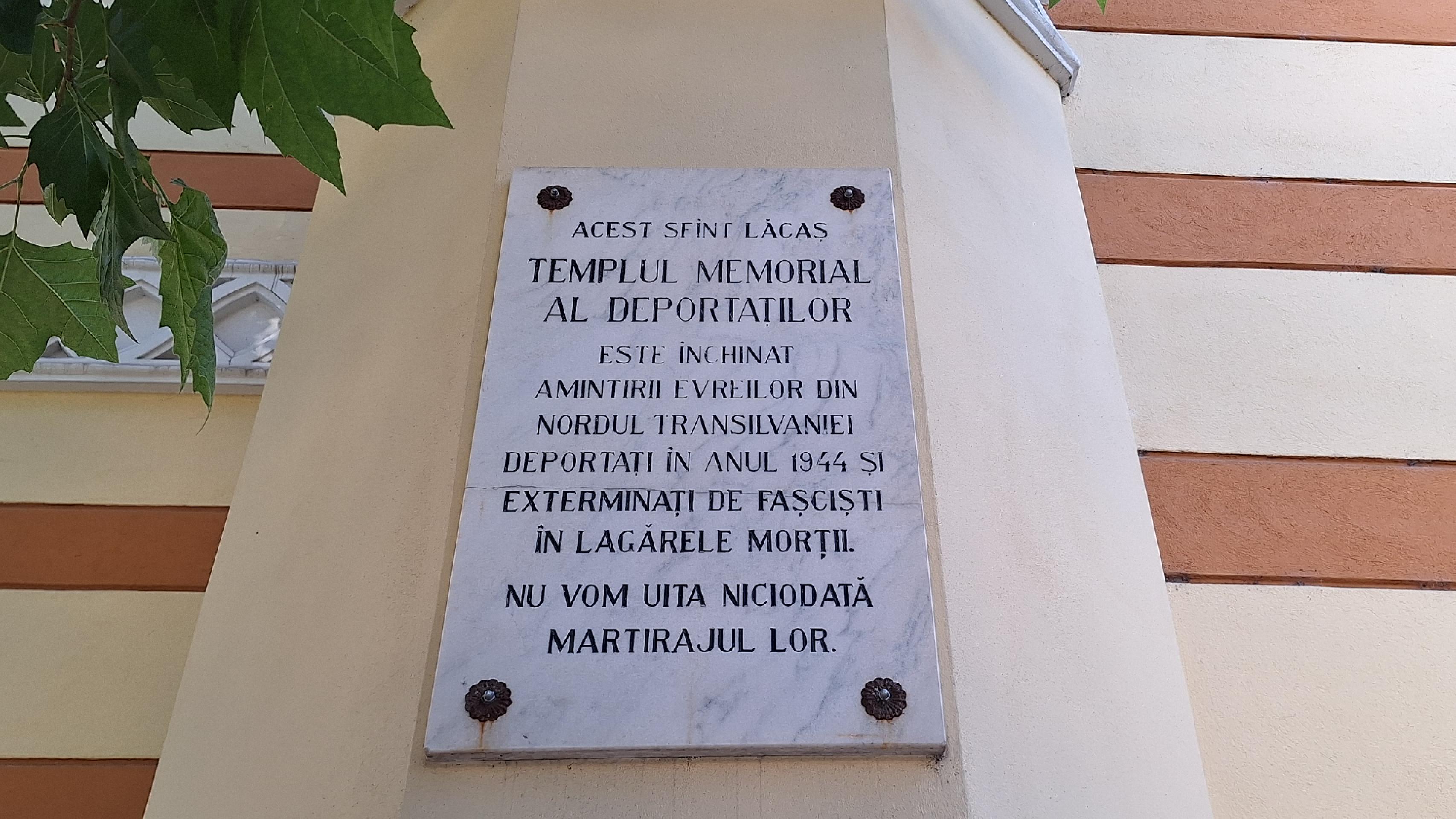
The Neolog Synagogue, which was severely damaged during the war, was renovated in 1951. The Moorish building, built in 1887, has been under monumental protection since 2004. The synagogue, now called »Memorial Temple to the Deported«, is dedicated to the deported Jews of Cluj. It was renovated again from 2018 onwards.
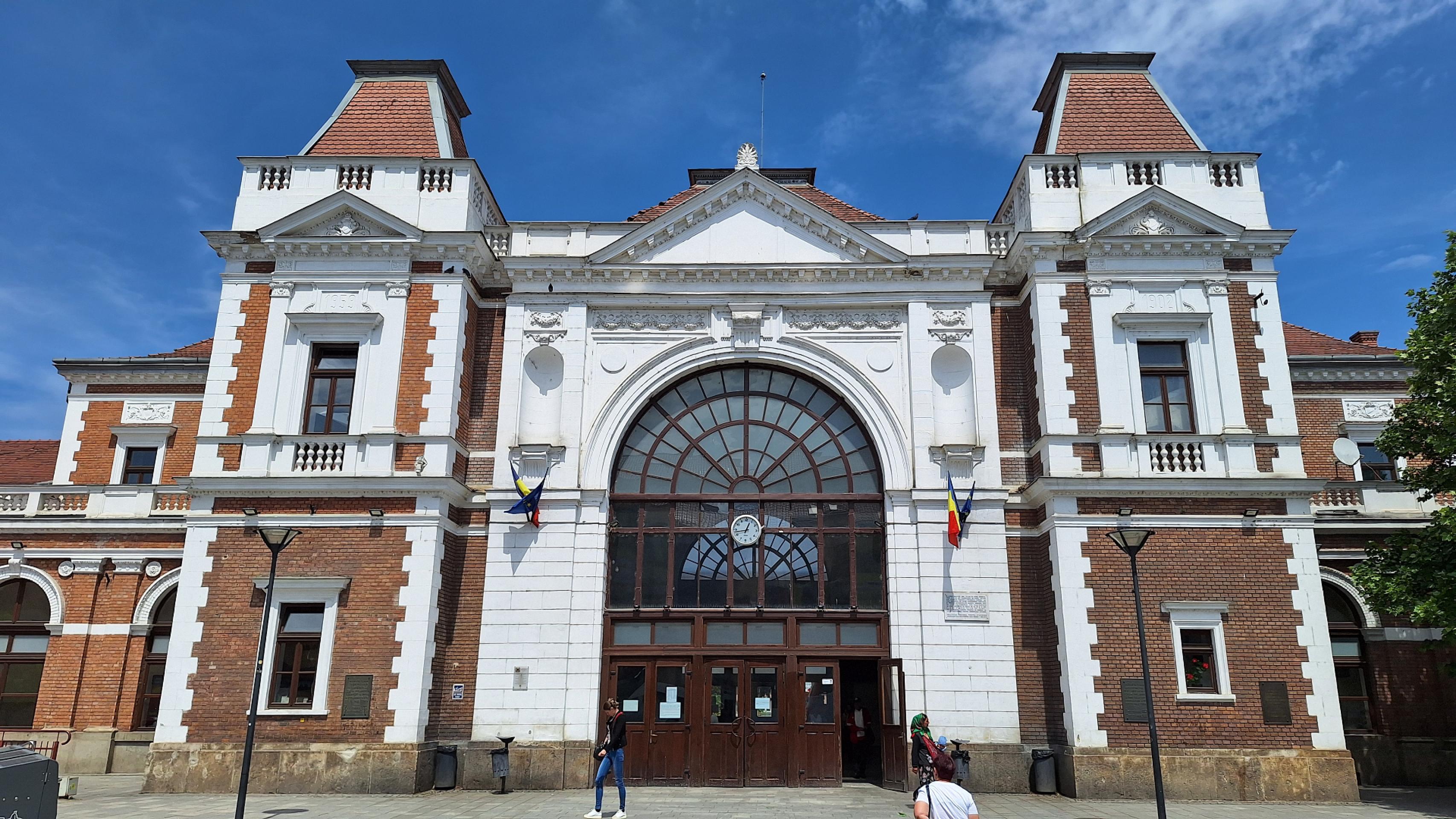
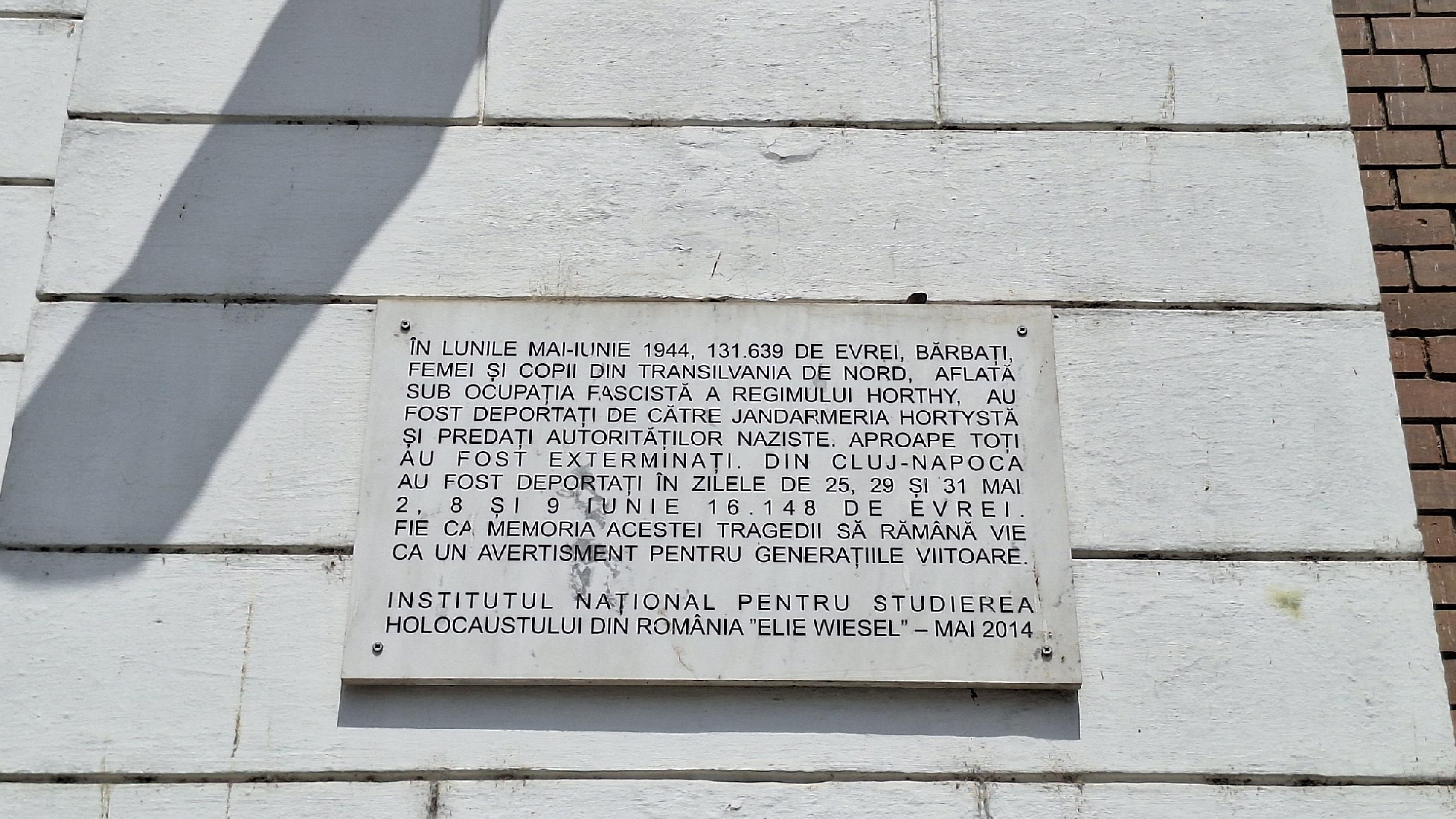
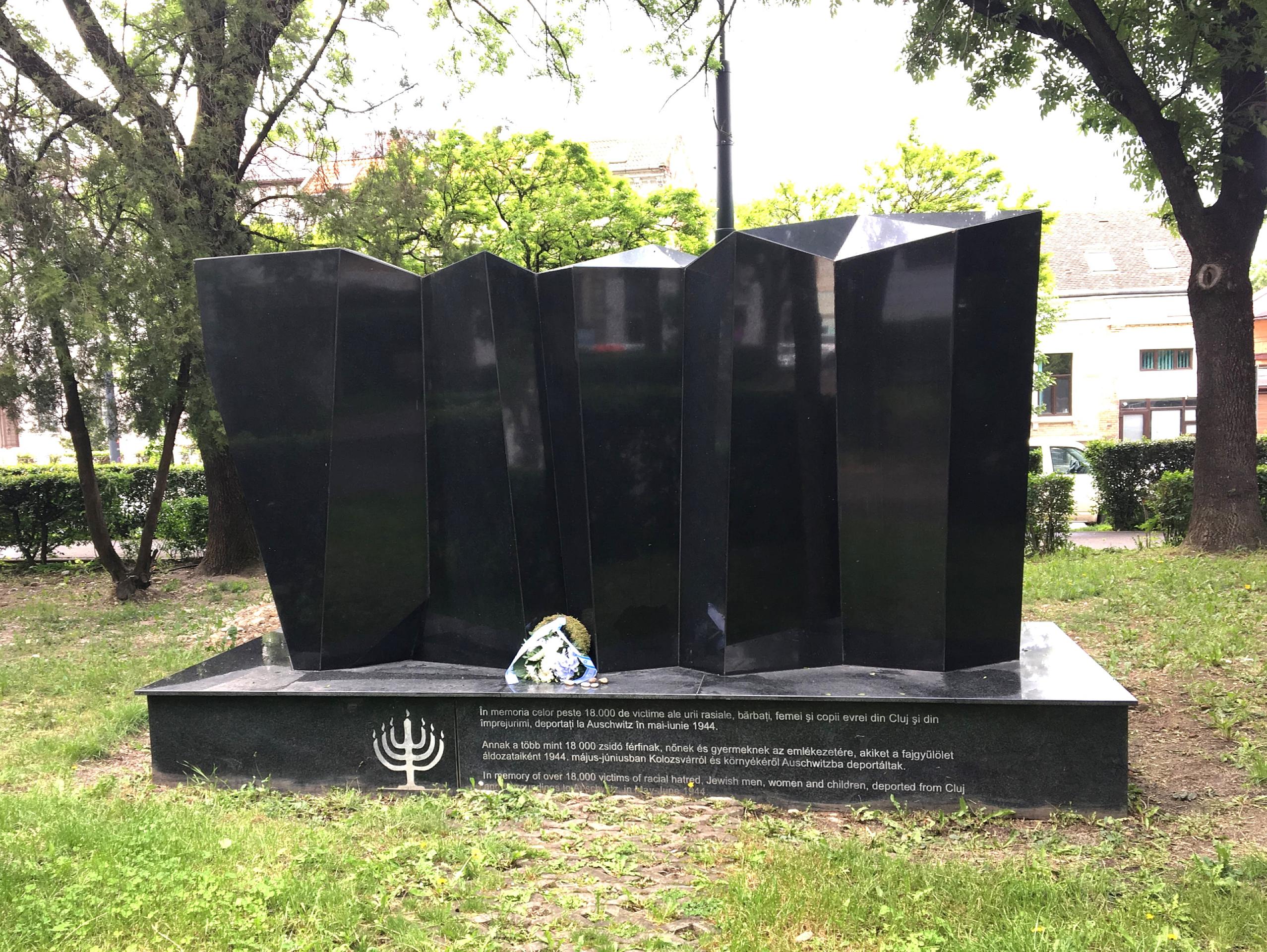
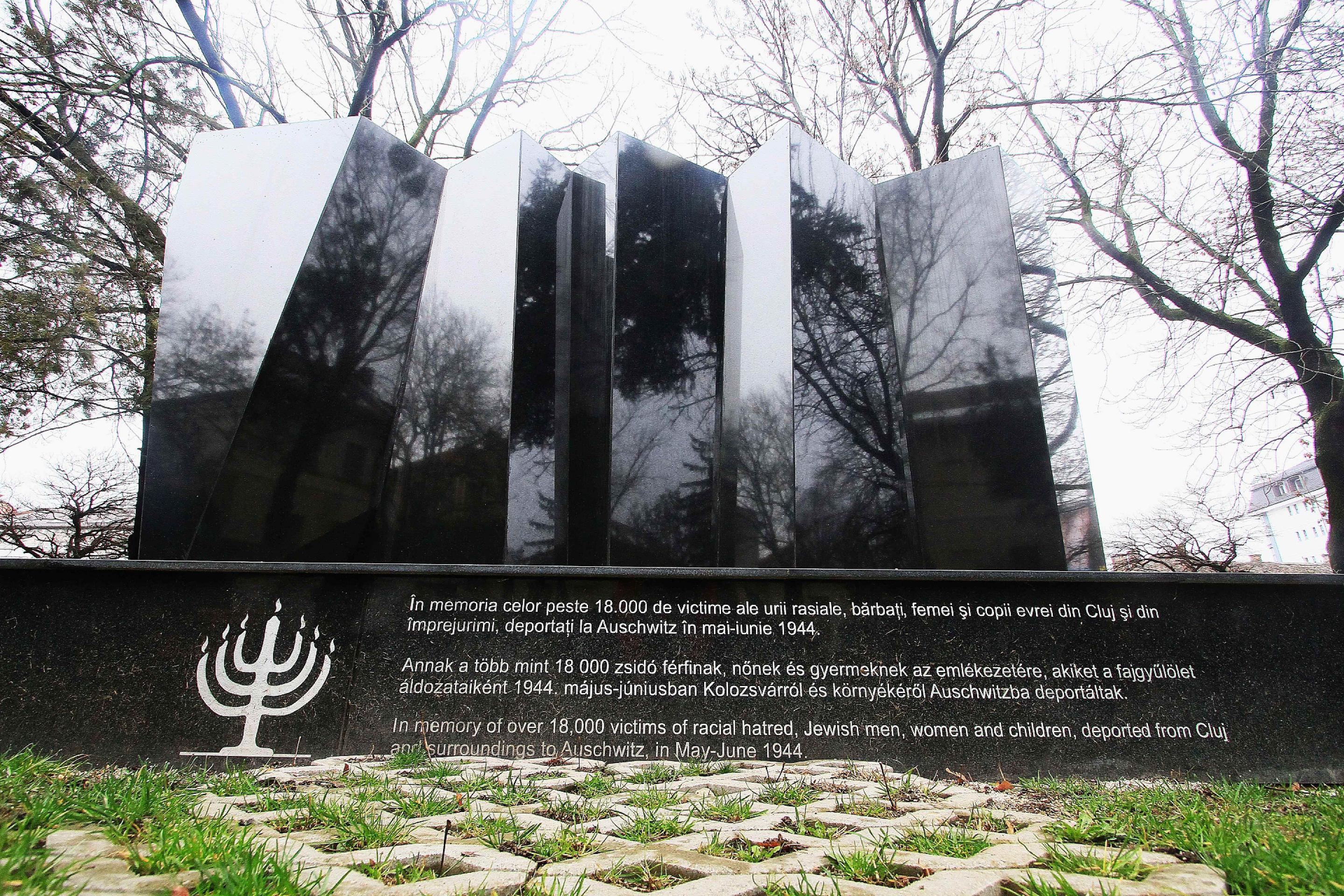
On the 70th anniversary of the deportations from Northern Transylvania, two further memorials were inaugurated in Cluj-Napoca in 2014. A memorial plaque installed by the Romanian Elie Wiesel Institute on the façade of the train station commemorates the deportations. In the same year, a black granite memorial was unveiled in a small park in the city centre. The plinth bears the inscription in Romanian, Hungarian and English: »In memory of over 18,000 victims of racial hatred, Jewish men, women and children, deported from Cluj and surroundings to Auschwitz in May-June 1944.«
In 2014, the Institute for Holocaust and Genocide Studies was founded at the local Babeș-Bolyai University. Among other things, it specialises in the history of the Holocaust in Northern Transylvania and is considered one of the most important institutions for Holocaust research in Romania.
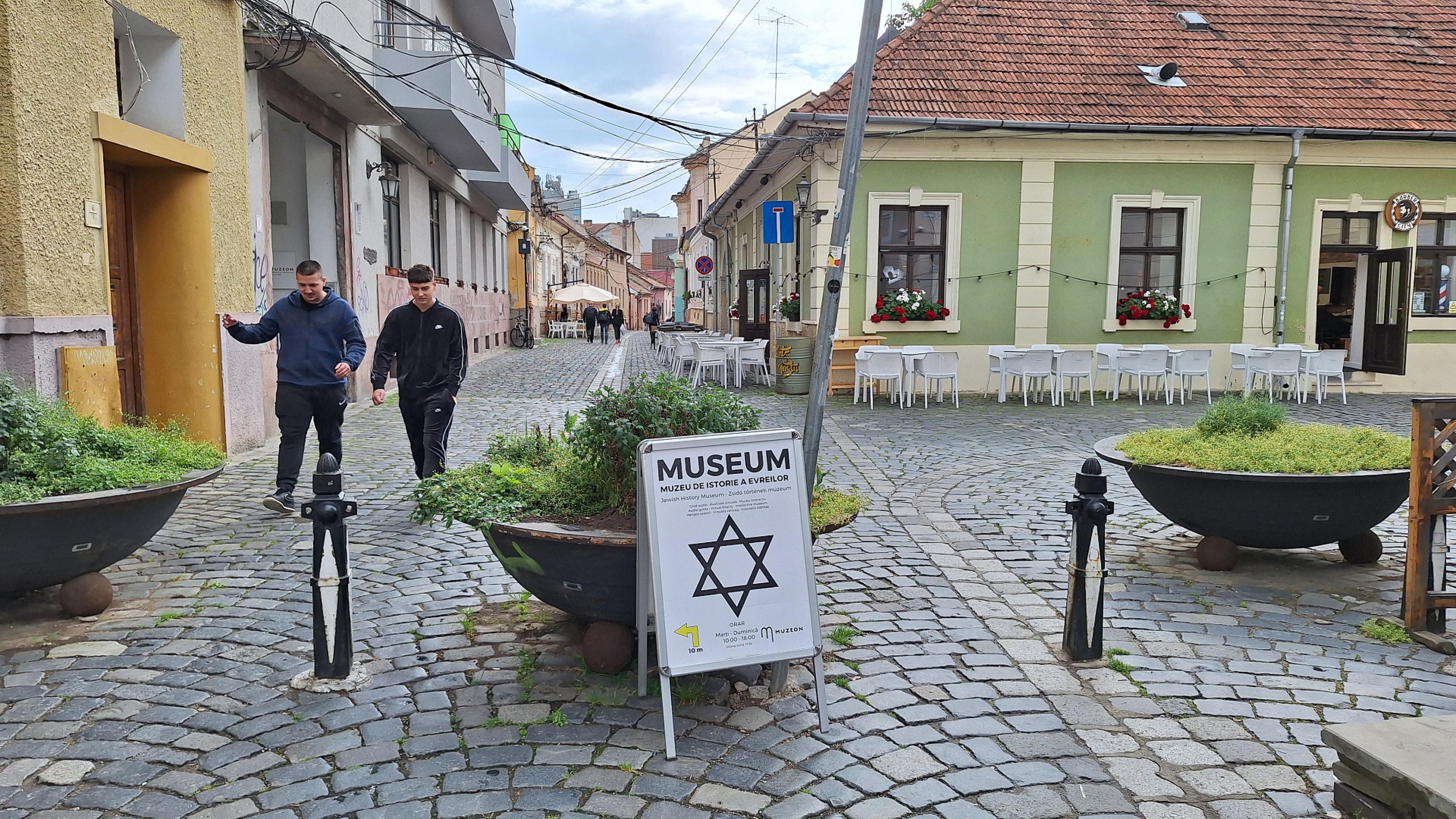
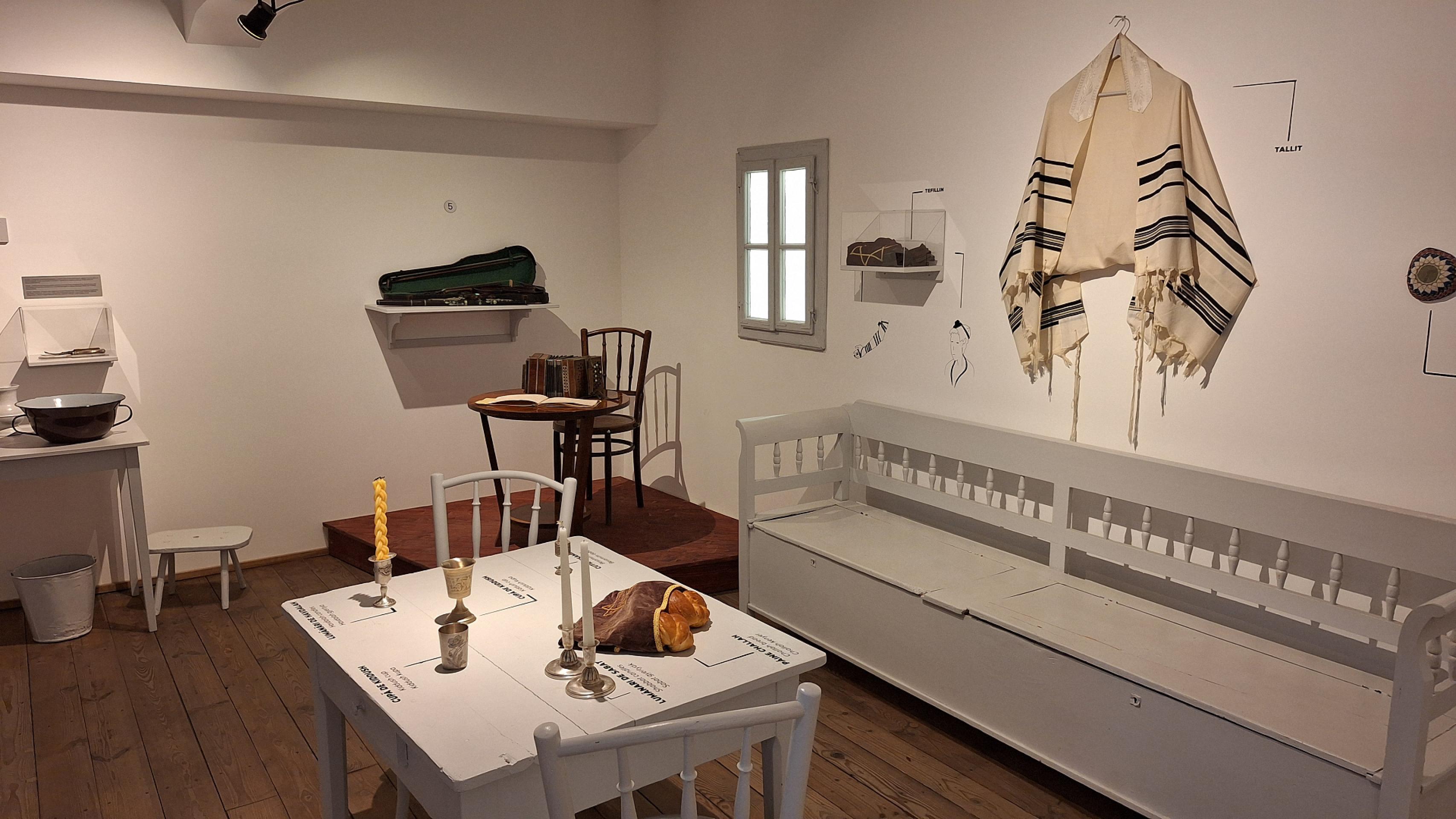
Since 2020, there has been a small, privately run Jewish museum in the centre of the city. Using three fictional biographies and multimedia approaches, the museum shows Jewish life in Cluj before, during and after the Holocaust.
Contact
comevcluj.office@gmail.com
+40 (0) 264 596 600
Synagoge:
Strada Horea 21
400174 Cluj-Napoca