Skip to content

Cologne National Socialist Documentation Centre

NS-Dokumentationszentrum der Stadt Köln


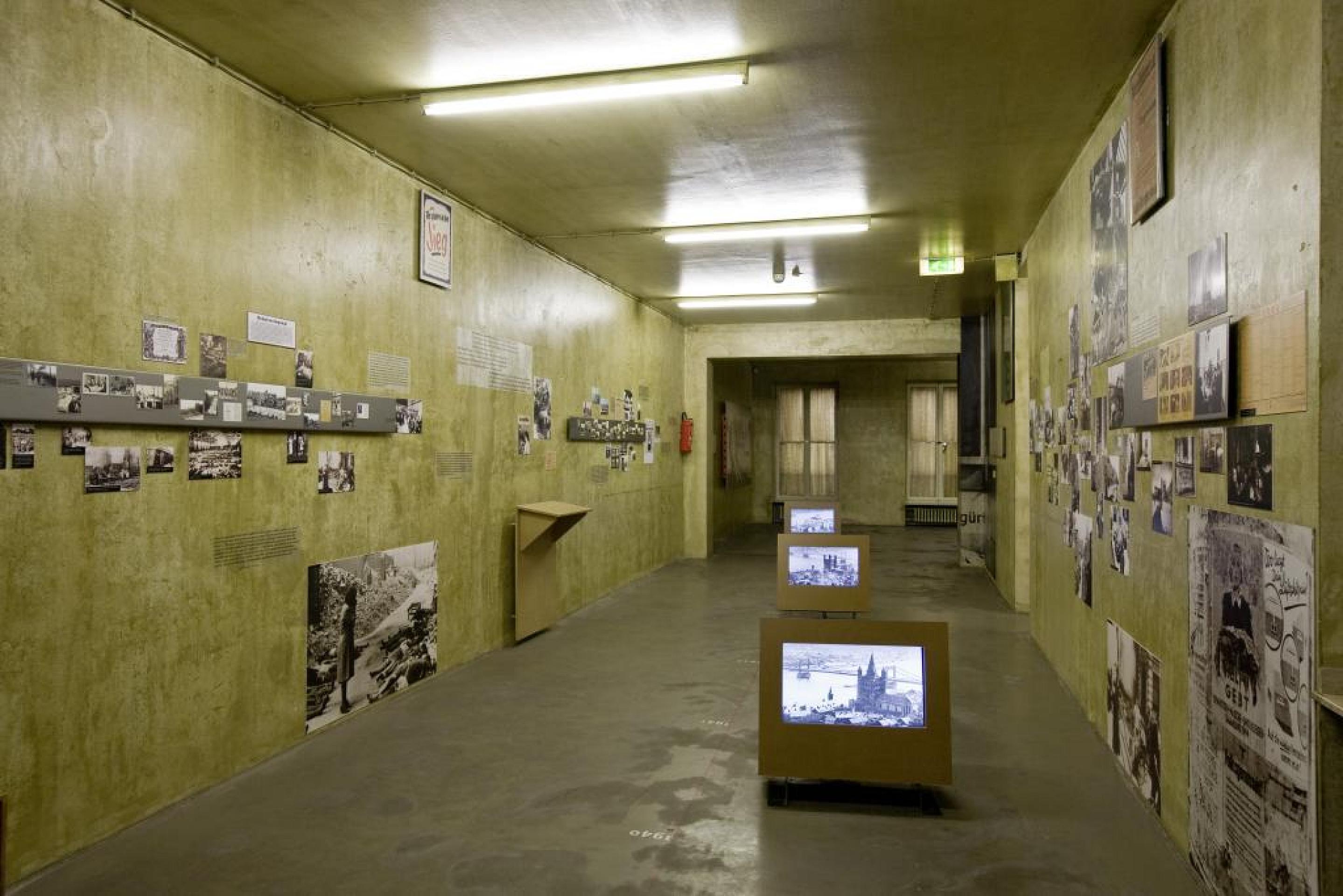
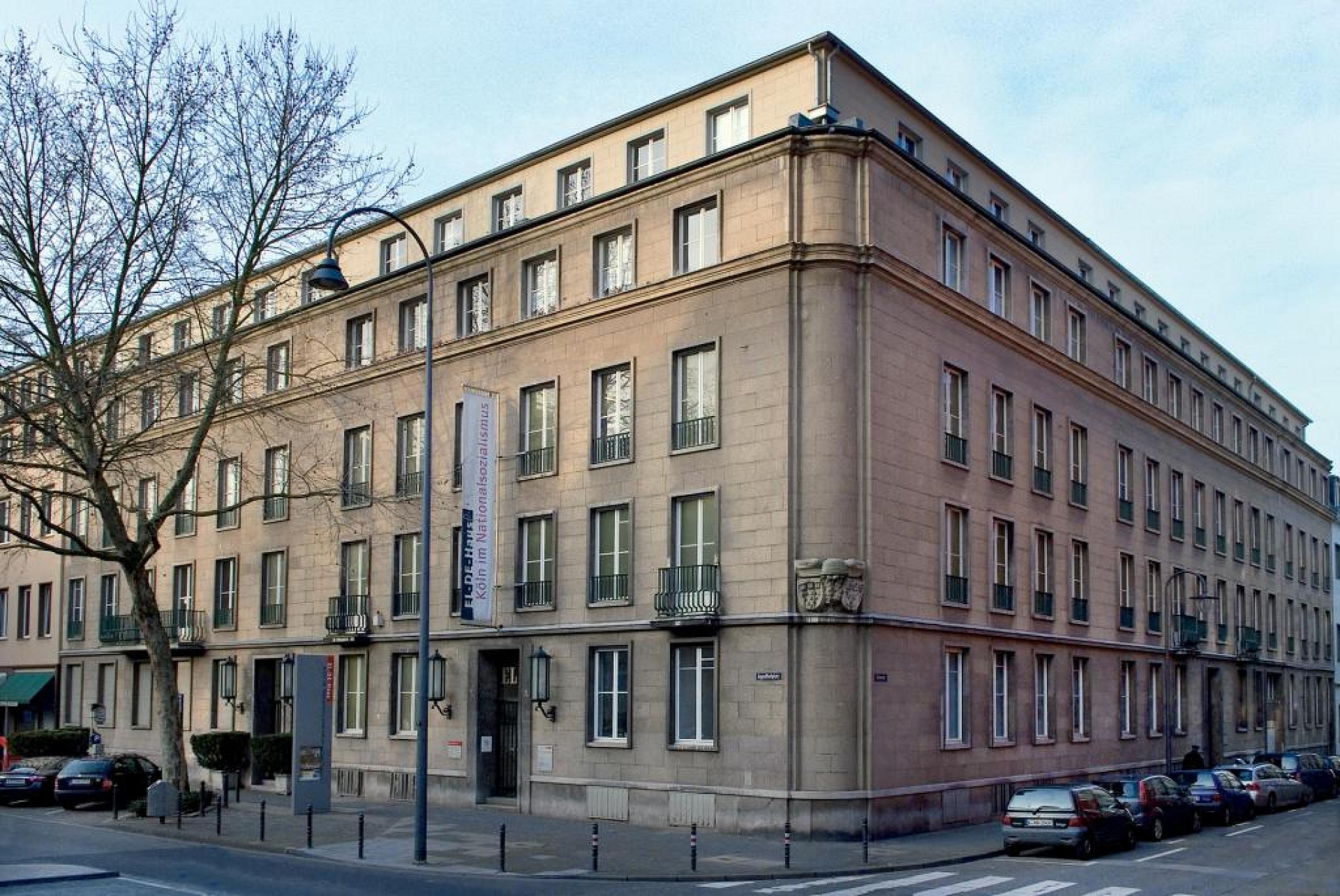
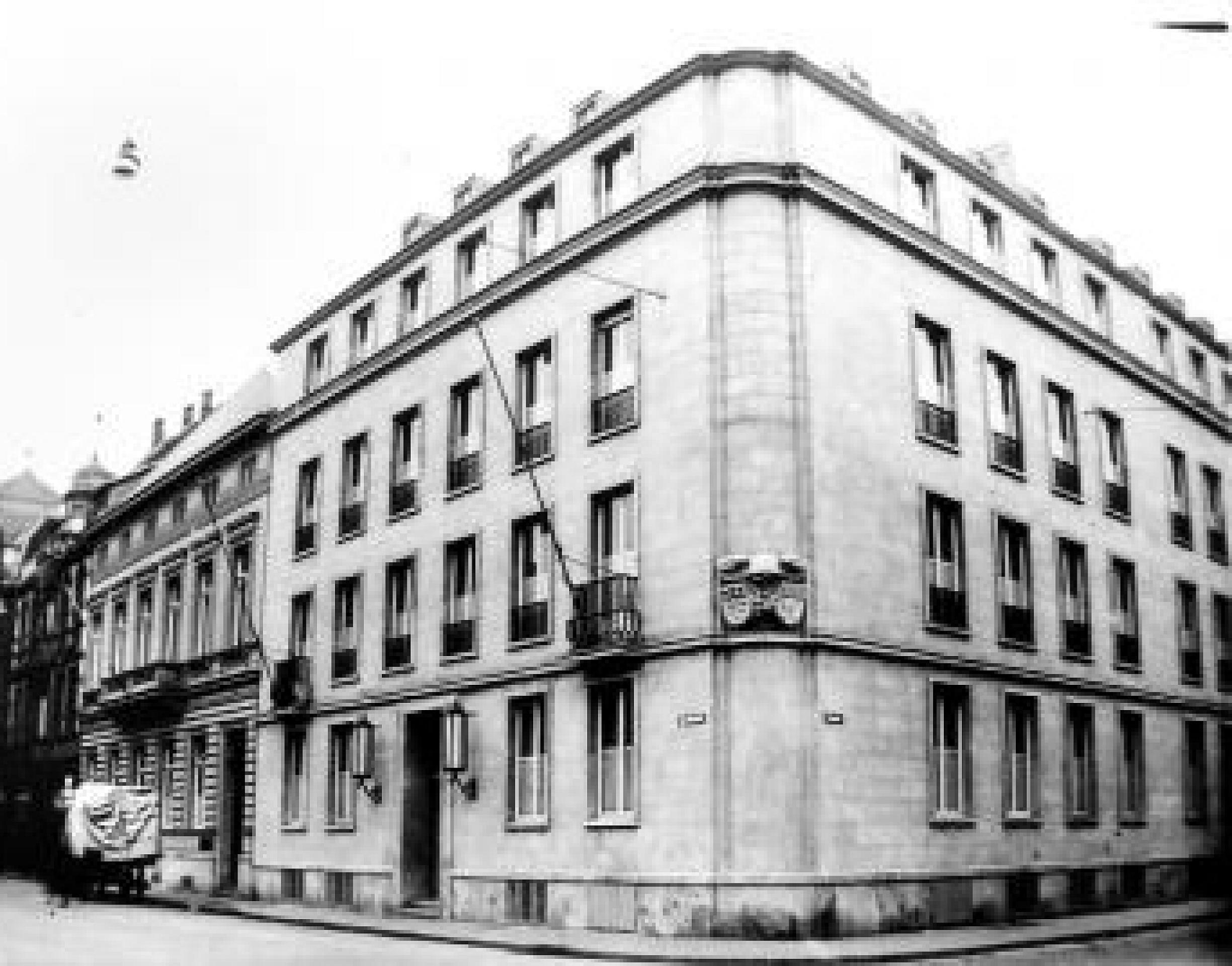
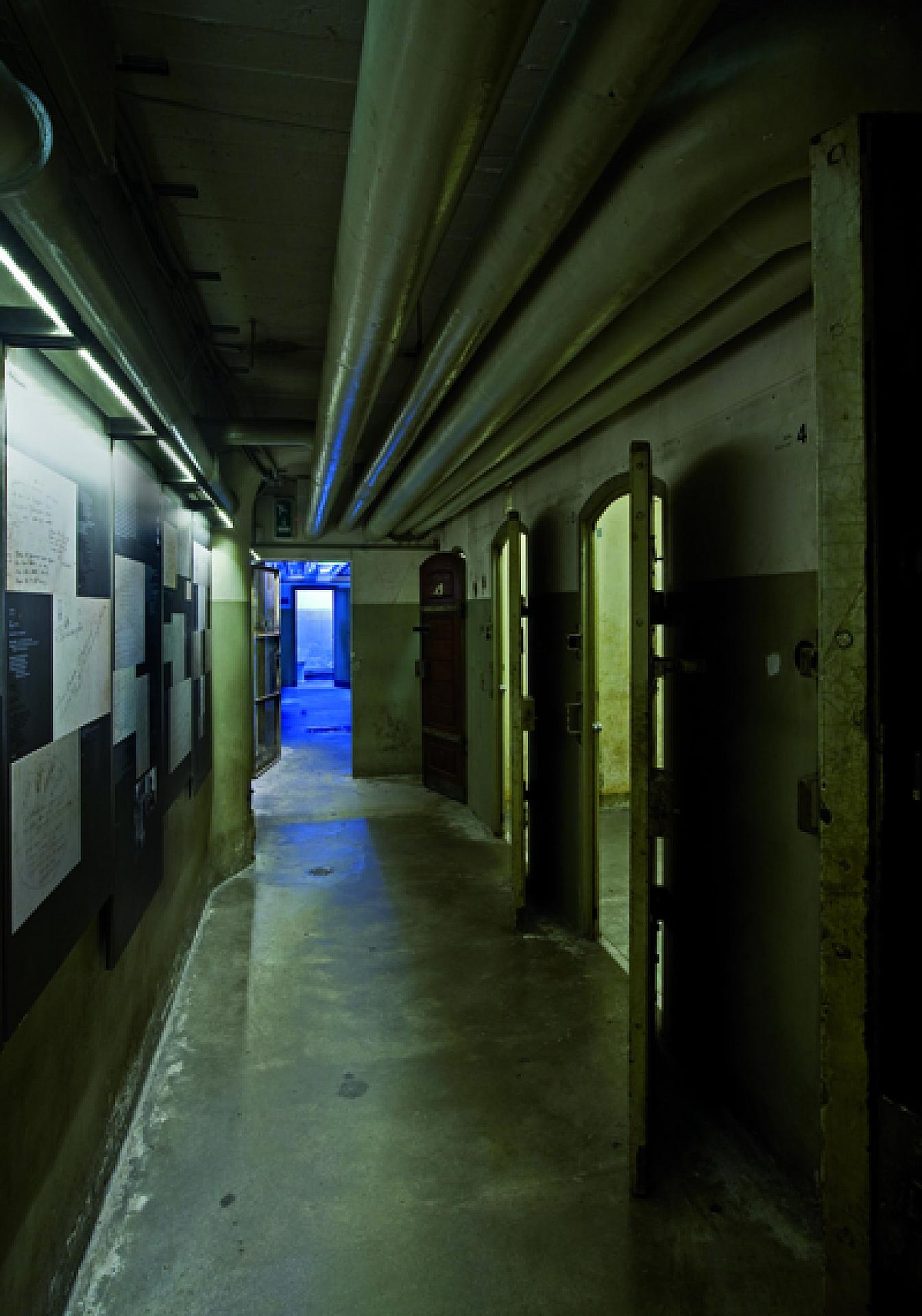
The EL-DE House in Cologne has housed the municipal documentation centre on the National Socialist era since 1988. In 1981, a memorial was dedicated in the basement of the building to the victims of the Gestapo prison, which was located here between 1935 and 1945.

History

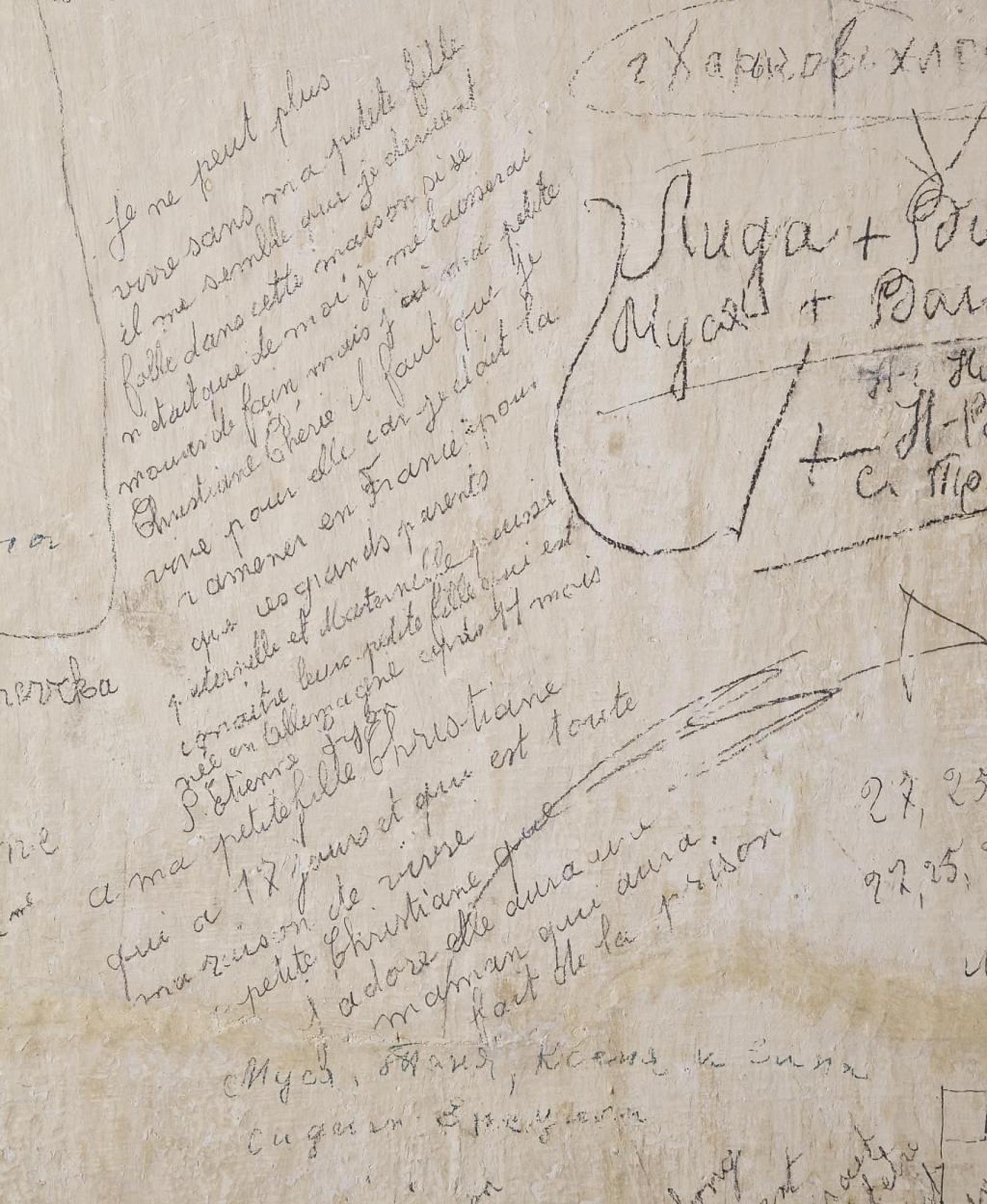
The EL-DE House was built by the Cologne-based businessman Leopold Dahmen in 1934 - the building takes its name from his initials. In 1935, the Gestapo took over the building and set up offices and administrative rooms on the upper floors, while a prison was installed in the basement. The EL-DE House became the Gestapo headquarters for the government district of Cologne. The Gestapo persecuted and put under surveillance social democrats, but not only - Jews, Sinti and Roma and so-called asocials were also under scrutiny. During the war, the Gestapo arrested many foreign forced labourers for various offences and subsequently incarcerated them in the prison in the basement of the EL-DE House. The small cells were frequently overcrowded; especially in the last weeks of war there were up to 25 people in one cell. The Gestapo carried out executions in the courtyard of the EL-DE House: most of the victims were foreign forced labourers and prisoners of the nearby Klingelpütz prison. Despite being targeted in air raids, the building remained for the most part intact. The last of the Gestapo staff fled in March 1945, when American troops took the city.
Victims

It is not known how many people were interrogated or imprisoned at the Cologne Gestapo headquarters between 1935 and 1945. The Gestapo mainly arrested people who were considered enemies of the National Socialist regime due to their political or religious beliefs and their background. The exact number of executions which were carried out at the EL-DE House also remains unknown. Historians estimate that several hundred people were executed in the courtyard of the Gestapo headquarters from mid-1943 on. The Gestapo brought prisoners from the Klingelpütz prison to the EL-DE House as late as March 1, 1945, and hanged them there. Most of those executed were forced labourers and prisoners of war.

The entry to power of the National Socialists in 1933 heralded the state persecution of opponents of the regime, Jews, Roma – who were classed as »gypsies« -, the sick and many other groups. For the first time, anti-semitism became part of the government policy of a modern state and the persecution of all groups was progressively heightened. The process was characterised by the interplay between state regulation, violence from supporters of the regime and rabble-rousing propaganda from the press. The acts of terror against the Jews in November 1938 (»The Night of the Broken Glass«), culminating in around one hundred deaths, marked the prelude to the complete exclusion and murder of the Jewish minority. With the outbreak of the Second World War in September 1939, large parts of Europe fell under German control. In Eastern Europe in particular a multi-tiered system of camps and extermination sites was established, in which the SS murdered up to six million Jews, among them around 165,000 German Jews. It is estimated that around seven million Germans lost their lives in the war, including almost 3.5 million civilians. Around 28 million residents of the occupied Soviet Union (both soldiers and civilians) and three million non-Jewish Poles met a violent death. These groups are still barely commemorated in Germany. Germany came under Allied occupation in 1945 and 1949 saw the foundation of the German Democratic Republic (GDR) and the Federal Republic of Germany (FRG), who had very different cultures of remembrance. The GDR profiled itself as an »antifascist« state. The former concentration camps at Buchenwald, Ravensbrück and Sachsenhausen became »National Memorials« and primarily documented the communist resistance during the war. In the Federal Republic, the dominant memory was initially of the victims of Allied bombing raids and those who had fled or been expelled from their homes in the former territory of the Third Reich. It was left to specific groups to remember Nazi persecution, the Holocaust or the resistance. With the exception of the war crimes trials, there was no public discussion of perpetrators or involvement in crimes. However, the situation was to change in the mid-1960s, when the statute of limitations for murder was lifted following a lengthy debate. Also during this period, memorial sites were established at former concentration camps (1965: Dachau and Neuengamme; 1966: Bergen-Belsen) and the German Resistance Memorial Centre was opened in 1968 in West Berlin. However, it was not until the 1980s that a diverse and often small-scale landscape of memory developed as the result of local initiatives. Following German unification in 1990, a national memorial site concept was developed and there was a major review of German sites of memory. The Memorial to the Murdered Jews of Europe in Berlin was inaugurated in 2005. The Topography of Terror, a comprehensive documentation of National Socialist crimes and perpetrators, has opened with a new centre in May 2010; the documentation centre »Flight, Expulsion, Reconciliation« followed suit in 2021. In the meantime, central memorials in Berlin have been erected to commemorate further groups of Nazi victims as well: the murdered Sinti and Roma, the patients murdered in the context of the Nazi’s »Euthanasia« killings and the persecuted homosexuals. The German victims of National Socialist terror in the former Eastern territories of the Third Reich were forgotten by both German states after the end of the war. For decades, memory of these victims was only preserved by West German associations for Germans born in these territories and it mainly excluded the period from 1933 to 1945.

Remembrance

After the war, the EL-DE House remained in the possession of the Dahmen family. Several municipal offices rented parts of the building, including the register office and the legal and insurance office, which is located there until this day. Between 1947 and 1949, the building was extended on both sides, and an additional floor was constructed.
Since the mid-1960s, particularly in the 1970s, citizens advocated establishing a memorial in the EL-DE House. In 1979, the Cologne city council agreed to set up a memorial and documentation centre, yet the former Gestapo prison in the building's basement was made accessible to the public as a memorial site only in 1981. In 2009, the memorial in the former Gestapo prison was redesigned.
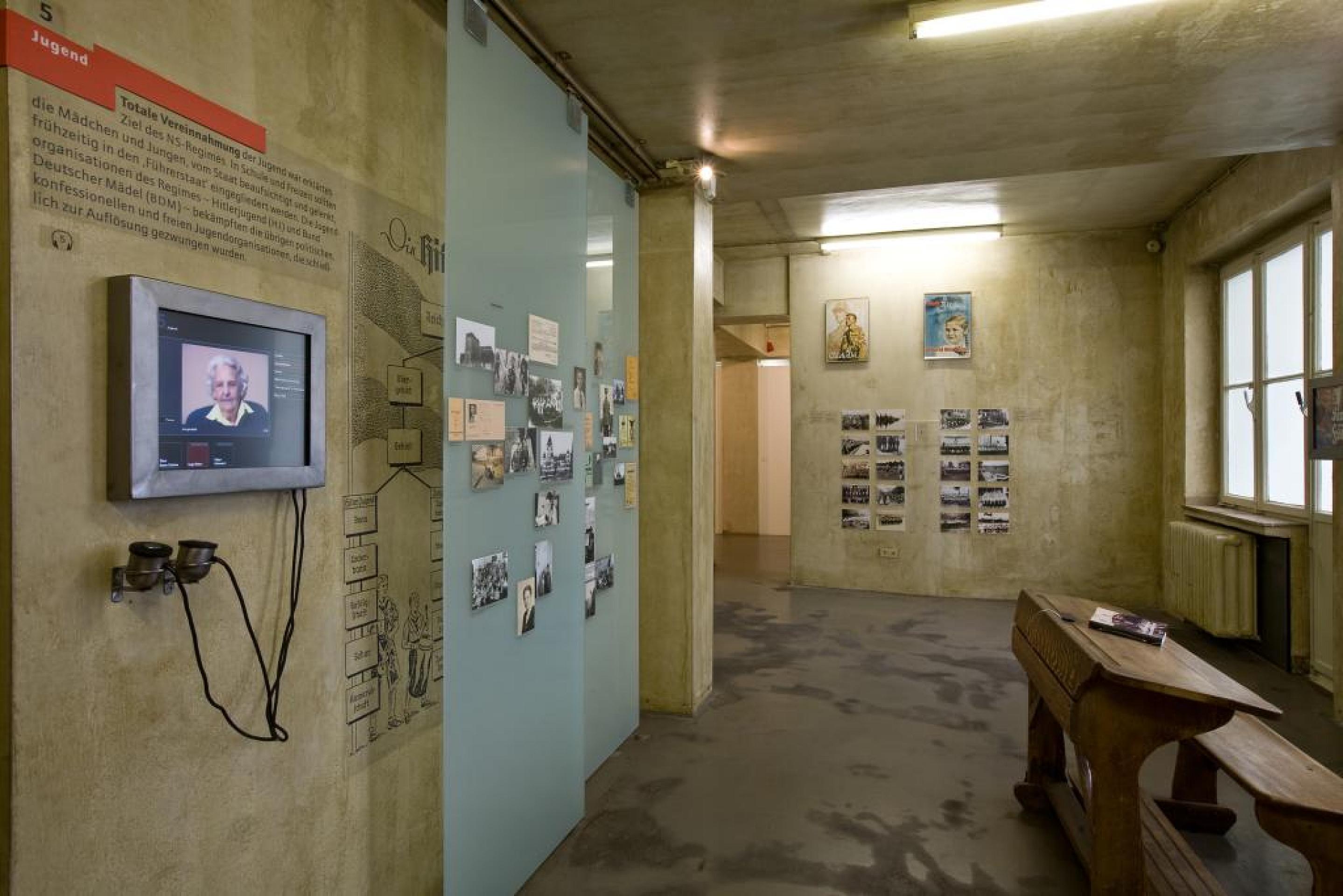
In September 1988, the Cologne National Socialist Documentation Centre was opened in the EL-DE House - nine years after the decision had been made on its establishment. The central theme of the permanent exhibition is the history of Cologne as regional capital during the National Socialist period.
Possibilities

Guided tours, special exhibitions, library, events, interactive databases

Open

Tuesday to Friday: 10.00 a.m. to 6.00 p.m.; Saturday and Sunday: 11.00 a.m. to 6.00 p.m., every first Thursday of each month 10.00 a.m. to 10 p.m.

Contact

http://www.nsdok.de

nsdok@stadt-koeln.de

+49 (0)221 221 263 32

Appellhofplatz 23-25
50667 Köln