Skip to content

»Concentrationslager« Büren an der Aare

»Concentrationslager« Büren an der Aare


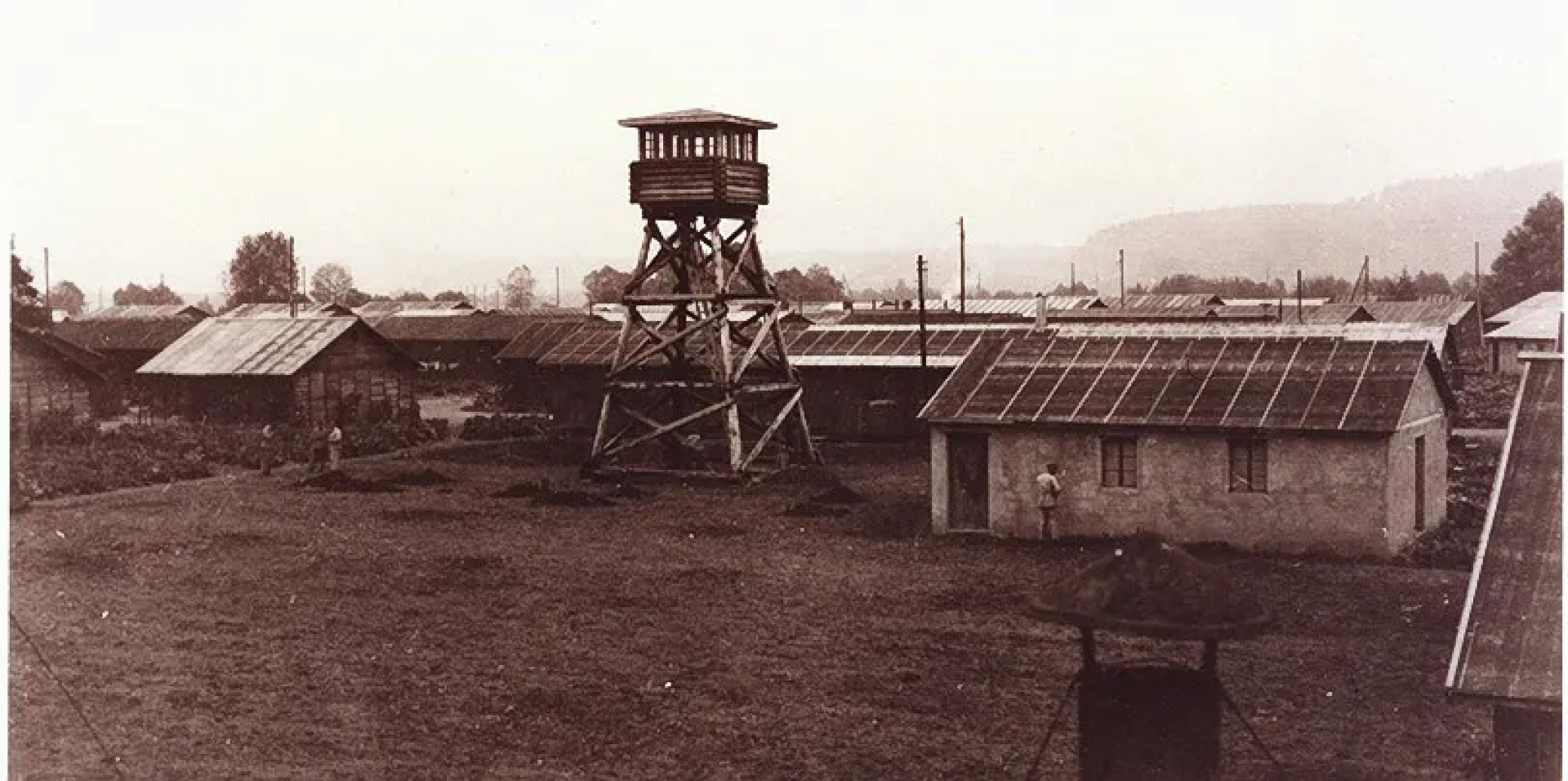
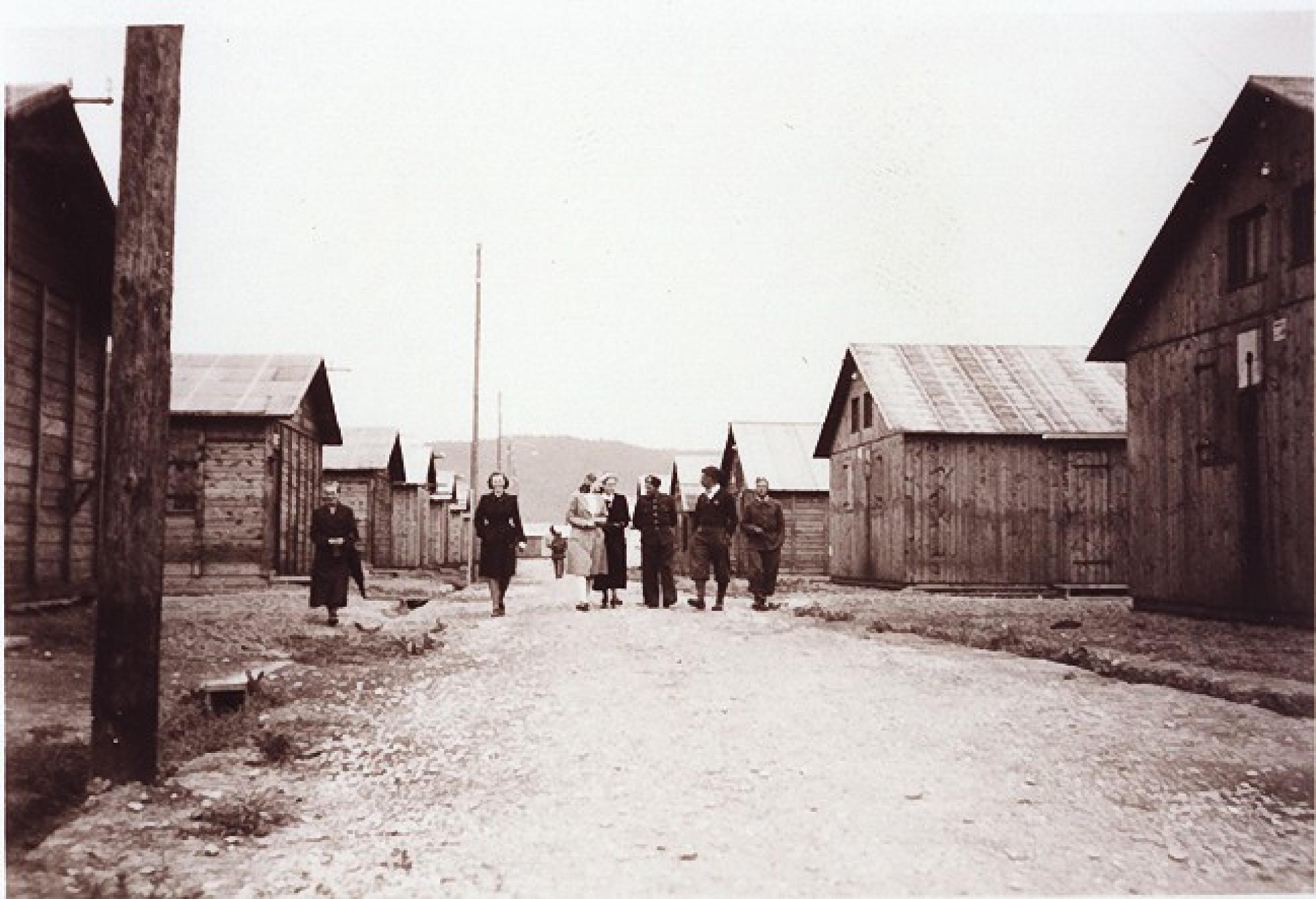
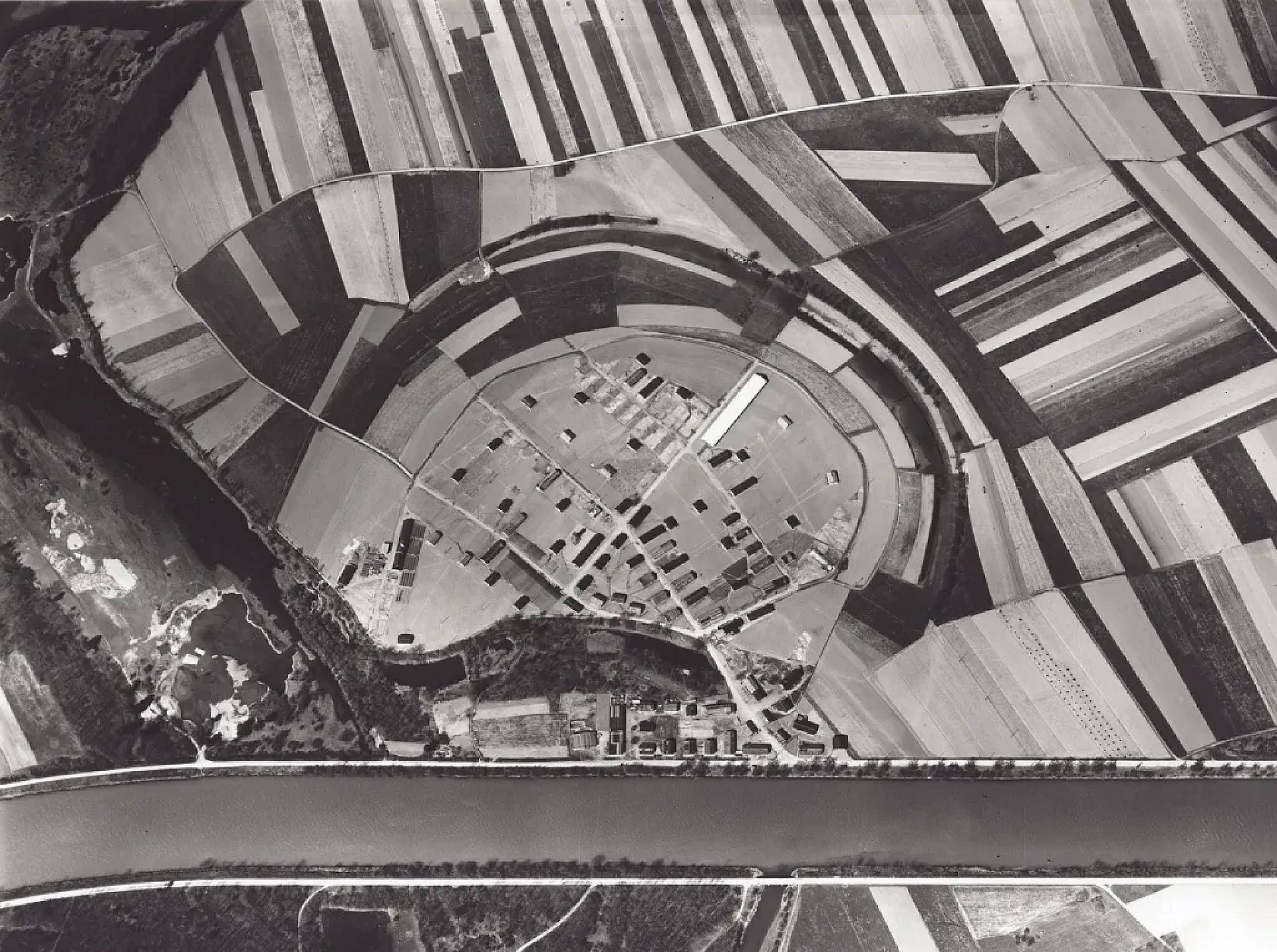
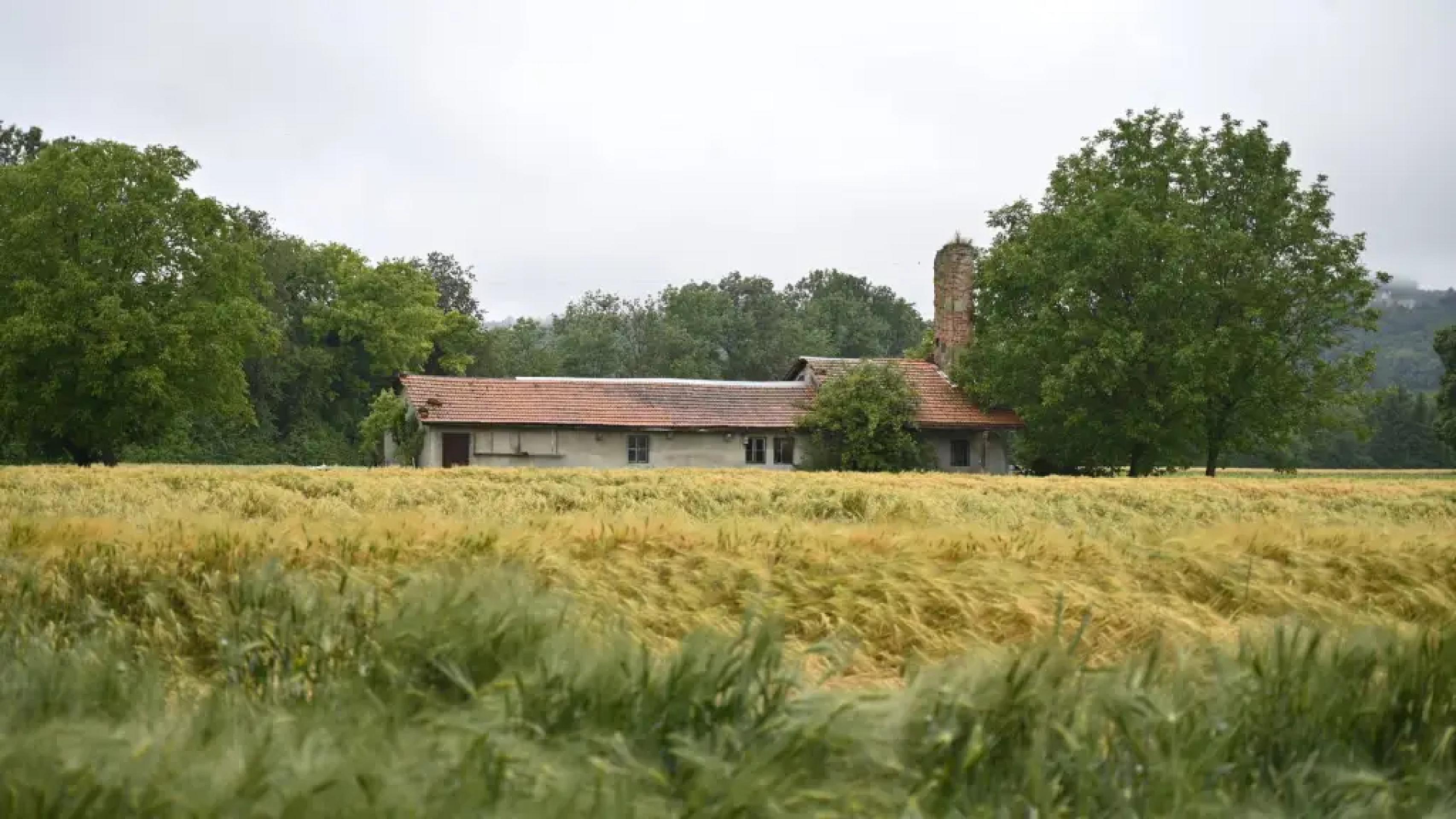
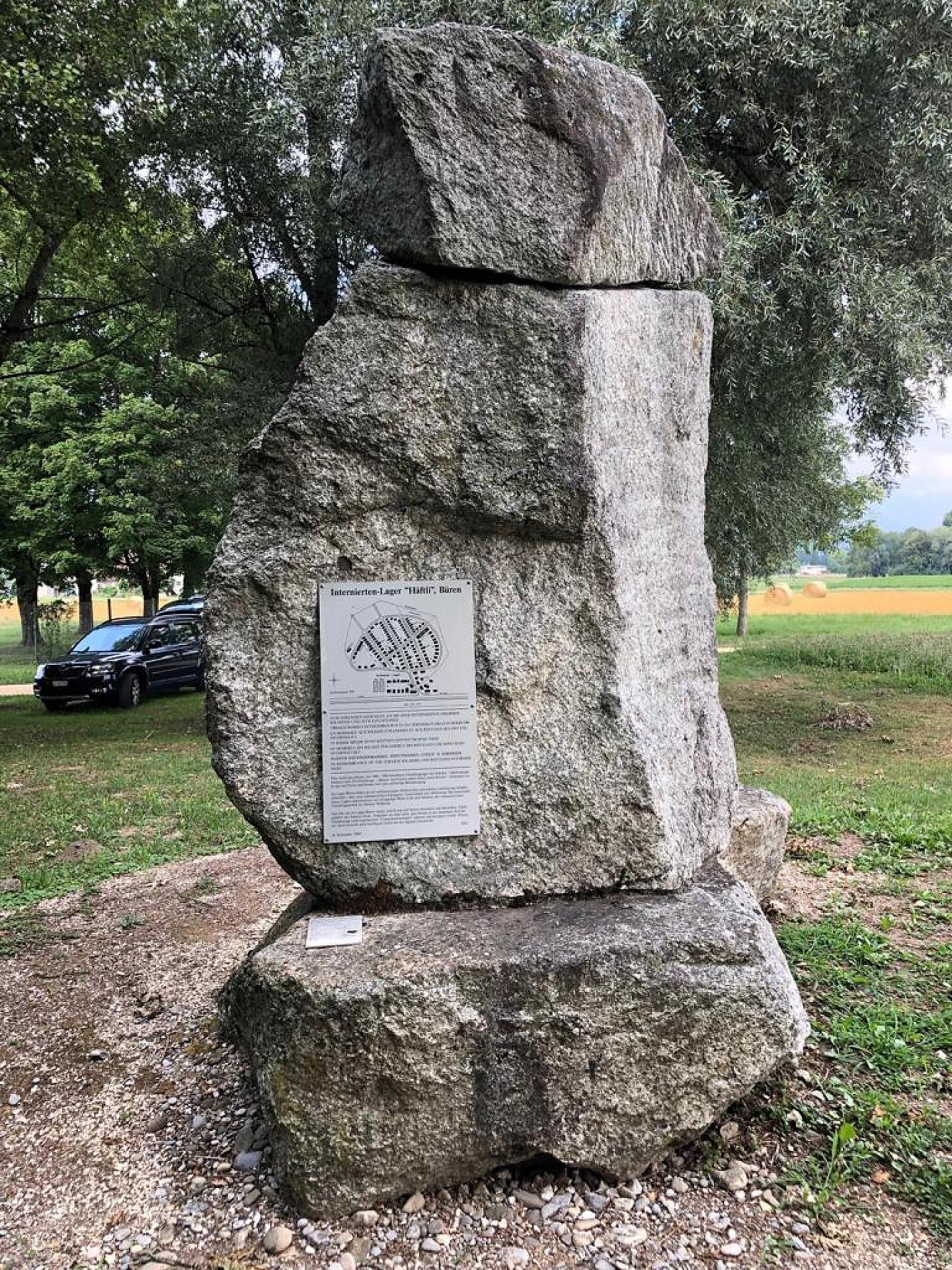
The »Concentrationslager« Büren an der Aare (in English »Büren an der Aare concentration camp«) was the largest refugee camp ever erected in Switzerland. Built in 1940 and in use until 1946, it took in protection seekers from various countries and backgrounds, including Jewish refugees. After World War II, the camp was demolished entirely, except for the former washhouse. Today, a memorial stone commemorates the camp’s history.

History

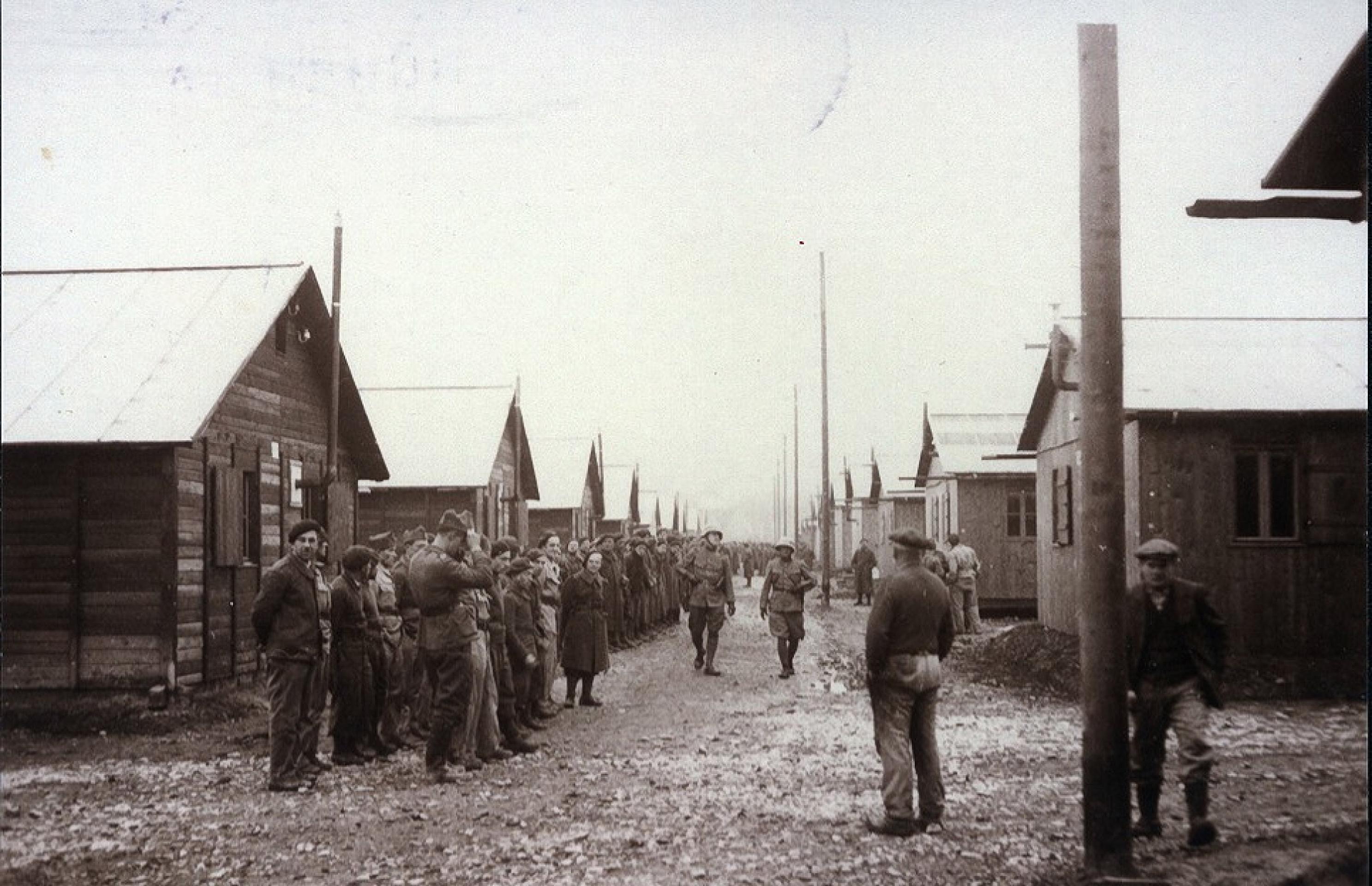
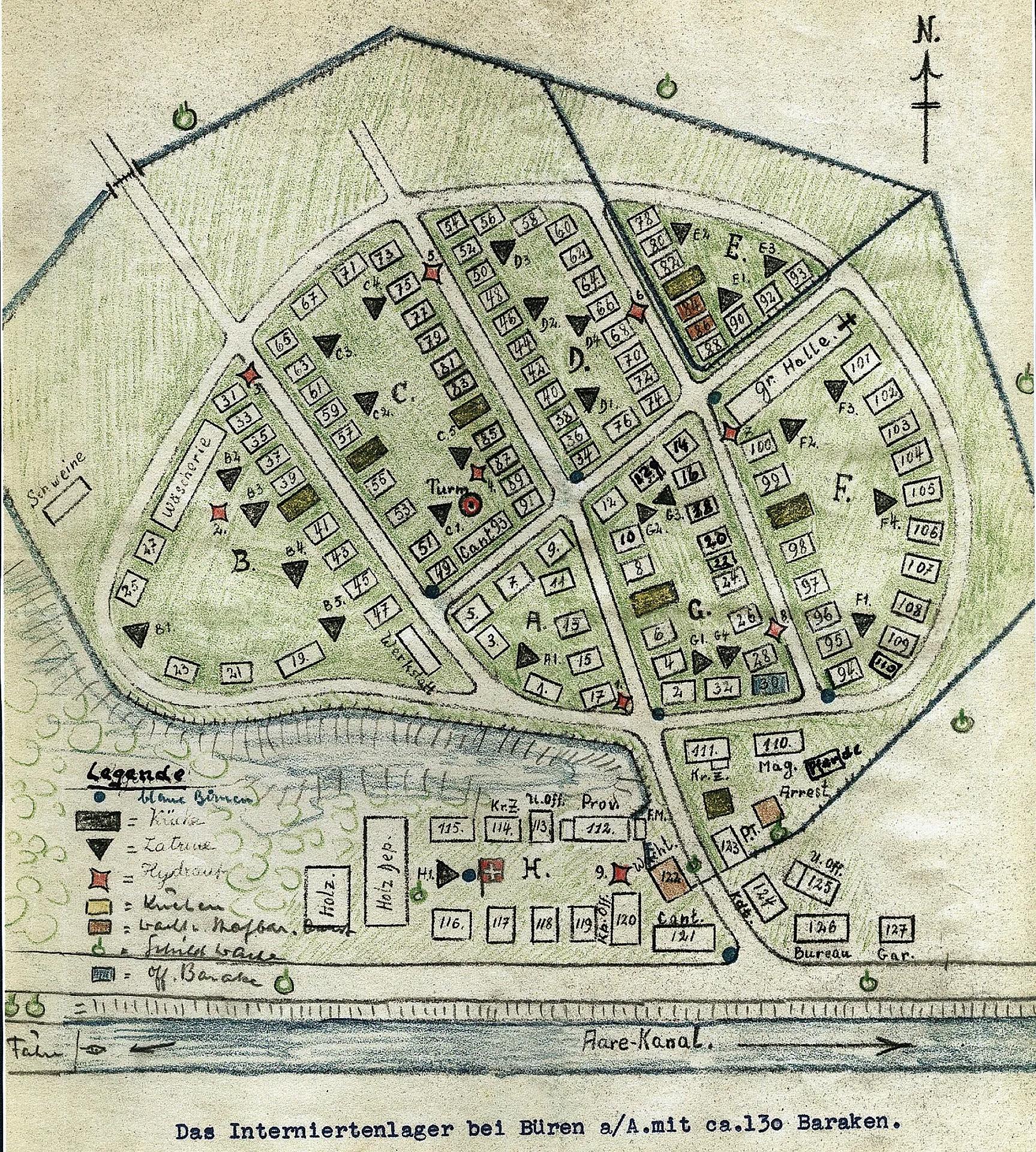
By the spring of 1940, Poland and much of Western Europe were already under German occupation. In June 1940, nearly 43,000 soldiers from France, Poland and other European countries fled to Switzerland to seek refuge. As a result, the Swiss authorities decided to establish a »concentration camp« in Büren an der Aare, a municipality in the canton of Bern, in order to intern the Poles there at low cost, and commissioned the engineer Ferdinand Rothpletz with the planning. The camp was completed in the autumn of 1940. Between the end of 1940 and mid-1942, 3,500 Polish soldiers were interned there.

Gradually, the Poles were transferred to other cantons and deployed in work detachments, and the camp emptied. However, when the Germans intensified the persecution of European Jews from 1942 onwards, thousands of Jews from the Benelux countries and France sought refuge in Switzerland. The camp in Büren became a reception camp for around 1,000 civilians, the majority of whom were Jews. In February 1943, a further 400 young men from Alsace were interned in the camp; they had fled to Switzerland to avoid conscription into the German Wehrmacht.

The German occupation of northern and central Italy in September 1943 prompted a massive exodus to Switzerland. By mid-September 1943, around 850 Italians were interned in Büren. The last large group of refugees arrived in the spring of 1945, as many sought to flee the turmoil of the war’s final weeks. Many of them were citizens of the Soviet Union who had been war prisoners or forced labourers in German camps and who had managed to escape. After the war ended, most of the refugees were able to return to their home countries, but 700 Soviet citizens refused to be repatriated to Stalin’s USSR because they were regarded as traitors there and feared repression. Those who remained in Switzerland were relocated in August 1946, after which the camp in Büren was completely demolished, with the exception of the former washhouse.
Victims

Between 1940 and 1946, between 7,000 and 8,000 refugees passed through the camp. Most stayed in the camp only for a few months before being transferred to other cantons in Switzerland. They were usually assigned to work.

No one lost their life at the »Concentrationslager« Büren an der Aare. Living conditions in the camp were generally decent, although there were frequent complaints and tensions between the interned refugees and the Swiss authorities.

During World War II, Switzerland remained an exception in Europe: unlike other neutral countries such as Belgium and Norway, Switzerland was not attacked by the German Wehrmacht. In fact, in June 1940, the German military, together with the Italian army, drew up an attack plan against Switzerland under the code name »Operation Tannenbaum«, but they never carried it out as they set their priorities on the war against Great Britain and later the Soviet Union instead. As a result, Switzerland was largely spared from war-related destruction during the war, although some cities such as Zurich and Basel were damaged by accidentally dropped bombs. Nevertheless, Switzerland played an important role in the war, primarily through trade and financial cooperation with both the Axis powers and the Allies. Between 1939 and 1945, Nazi Germany conducted over 75 percent of its gold transactions with foreign countries via Switzerland and sold gold worth around one billion Swiss francs to the Swiss National Bank. At the same time, Switzerland purchased gold worth almost 3 billion Swiss francs from the Allies. Moreover, Switzerland concluded parallel agreements with the Axis powers and the Allies to grant loans to both sides. This active economic involvement with Nazi Germany drew increasing criticism from the Allies, especially after the military turning point of the winter of 1942-1943. Switzerland also served as a country of first arrival for refugees during World War II. In total, Switzerland took in 290,000 protection seekers, including 104,000 soldiers and 60,000 civilians who stayed for a longer period of time. Most of the soldiers were interned in camps such as the »Concentrationslager« Büren an der Aare and the Girenbad internment camp. As for the civilian refugees, around 28,000 of them were Jews. However, due to Switzerland’s restrictive refugee policy, Jews were initially not recognised as political refugees, which led to numerous rejections. In addition, from 1938 onwards, German and Austrian Jews received a »J-stamp« on their passports, which made it easier for the Swiss authorities to deny them entry. Sinti and Roma were also affected by entry bans and expulsions. It was not until July 1944 that the Swiss authorities issued official instructions to take in all civilians whose physical integrity and lives were in danger. In total, over 20,000 civilians were denied entry at the Swiss border between 1939 and 1945, including around 5,500 Jews and an unknown number of Sinti and Roma. At the same time, almost 1,000 Swiss citizens who had been living abroad during World War II were deported to German concentration camps. 200 of them lost their lives. In the immediate aftermath of the war, rather little was done to critically assess Switzerland’s role in World War II. However, Carl Ludwig’s refugee report (1957) and Edgar Bonjour’s report on Swiss neutrality (1970), as well as critical works by authors such as Max Frisch and Stefan Keller, provided impetus for change. However, it was not until the 1990s that progress was made in critically examining Switzerland’s history during the war. An important step was taken at the end of 1995 by the then President of the Swiss Confederation, Kasper Villiger, when he apologised for the first time for the injustice committed against persecuted Jews. The following year, the Swiss parliament commissioned an Independent Commission of Experts headed by historian Jean-François Bergier to conduct a thorough assessment of Switzerland’s economic and refugee policy during World War II. The Commission published its final report, known as the Bergier Report, in March 2002. Although the report was criticised both by the public and by historians, it opened the door to a more nuanced examination of Swiss history and dispelled the myth of Switzerland as a safe haven for refugees. At the same time, several major Swiss banks started looking into dormant assets belonging to Holocaust victims. Switzerland has been a member of the International Holocaust Remembrance Alliance (IHRA) since 2004. Today, there are 54 local Holocaust memorials in Switzerland, as well as new initiatives such as the Memorial for Refugees during World War II in Riehen and the commemorative trail in Thônex at the French border. In addition, the opening of the first national memorial to the victims of Nazism in Switzerland is planned for 2027/28. The memorial will consist of a central memorial site in Bern and a documentation centre in the canton of St. Gallen.

Remembrance

In the post-war period, providing a critical assessment of Switzerland’s role in World War II proved to be a painstaking task. Carl Ludwig’s refugee report (1957) and Edgar Bonjour’s report on Swiss neutrality (1970) provided some impetus for change, but the myth of Switzerland as a safe haven for refugees persisted well into the 1990s. The appointment of the Independent Commission of Experts by the Swiss parliament in 1996 and the publication of its final report, known as the Bergier Report, in 2002 paved the way for thoroughly examining Switzerland’s economic and refugee policy during World War II for the first time. This allowed a more critical understanding of Swiss history in the public debate.

In this context, the »Concentrationslager« Büren an der Aare received little attention for decades, even though it was actually the largest refugee camp ever built in Switzerland. In 1999, the camp was studied in detail for the first time in an academic publication by historians Jürg Stadelmann und Selina Krause. In 2000, a memorial stone was also erected on the site of the former camp on the initiative of the Vereinigung Heimatpflege Büren (in English »Organization for the Conservation of the Local Heritage in Büren«).
Open

The memorial is accessible at all times.

Contact

https://www.heimatpflege.ch/themen/interniertenlager

info@heimatpflege.ch

3294 Büren an der Aare
Schweiz/Switzerland