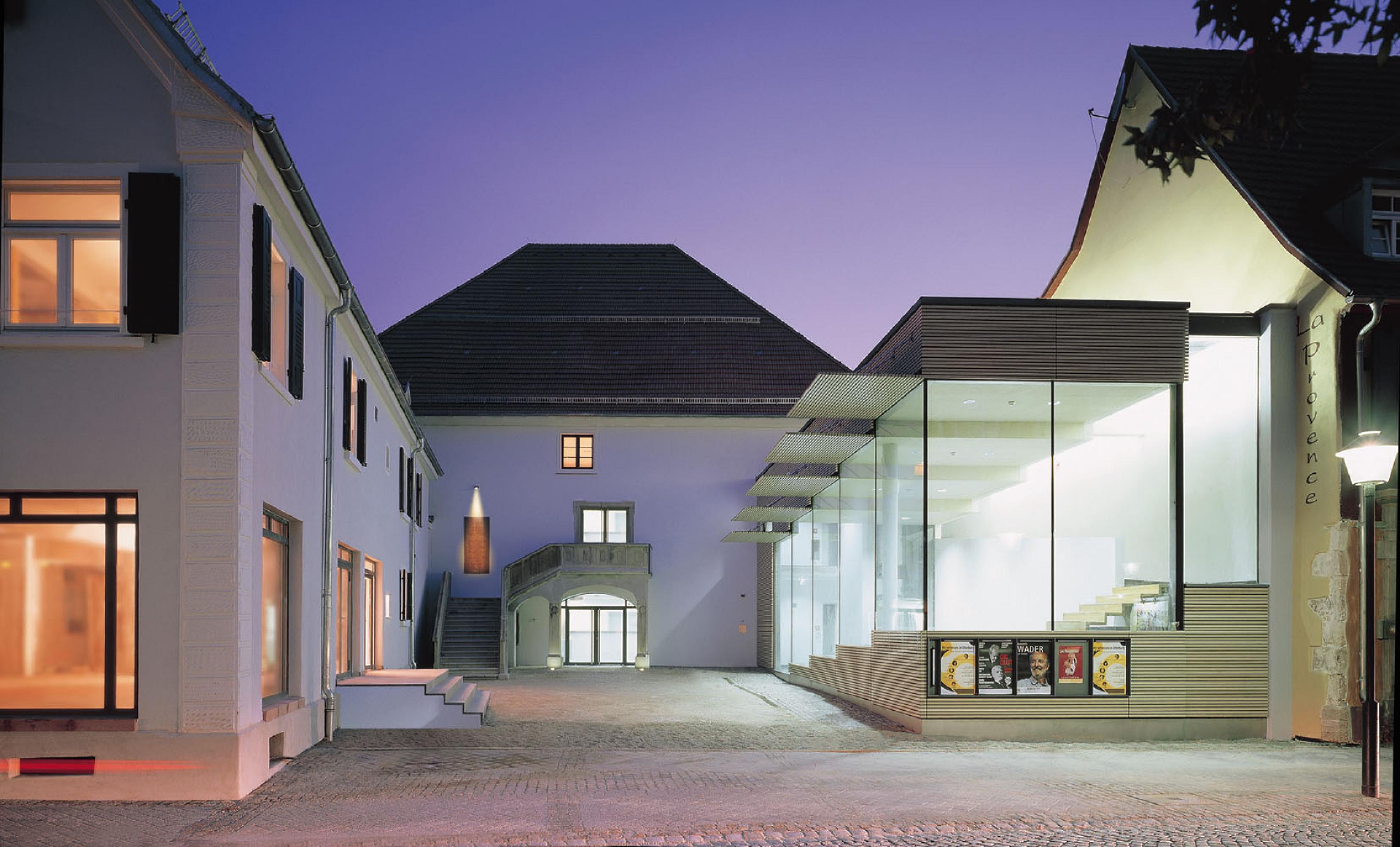
In the historically significant hall of the former inn »Salmen«, exhibitions recall the Offenburg assembly of 1847 and the history of the hall as a synagogue, which was destroyed in November 1938.
History
Offenburg, roughly halfway between Karlsruhe and Freiburg and about 20 kilometres from the French border at Strasbourg, was first mentioned in a document in 1148. In 1803 Offenburg was annexed to Baden, which in the following decades was considered one of the most progressive of the German states. Offenburg played an important role in the preparation of the Baden Revolution of 1848/49. One of the most important historical sites was the Salmen, an inn built around 1787. On September 12 1847 the radical democratic Offenburg assembly took place in the Salmen hall, where the hundreds of men and women present discussed and then proclaimed the people's demands.
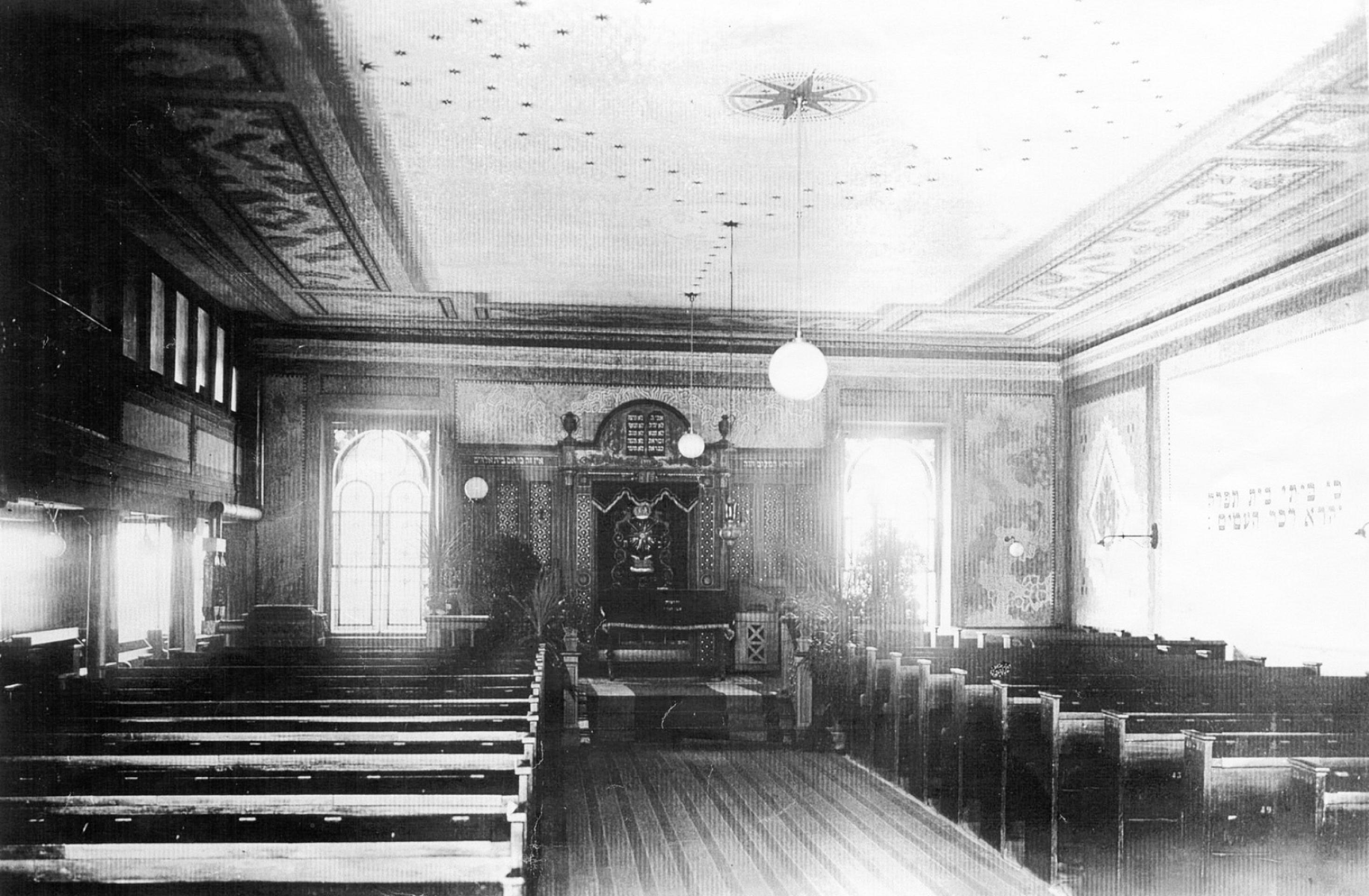
In 1875 the Jewish community bought the inn and used the hall as their synagogue until November 1938. Jews had also lived in Offenburg during the Middle Ages, but their community had been destroyed twice. The modern Jewish community was founded in 1865. The number of members, which included believers from surrounding villages, fluctuated between 200 and 400 well into the 20th century. Besides the synagogue, the community maintained a religious school, a ritual bath and a cemetery. When the National Socialists came to power in 1933, 271 Jews were living in Offenburg. In the following years most of them moved away. During the November pogroms in 1938, a group of about 200 people led by local Nazis rioted in Offenburg. Some Jewish shops and the interior of the synagogue were destroyed. In 1939 only 98 Jews were still living in Offenburg. Most of them were deported to Gurs in Sothern France in October 1940 together with other Jews from Baden and the Saar-Palatinate. Many died there because of the catastrophic living conditions. Those who survived Gurs were deported to the Auschwitz-Birkenau extermination camp in 1942/43, where the SS murdered most of them immediately upon their arrival in the gas chambers.
Victims
During the Holocaust, 70 Jewish men and women from Offenburg, known by name, were murdered.
Remembrance
In 1940 the Jewish community was forced to sell the Salmen. From then on, the building was used among other things as a furniture warehouse. After the war, the Salmen was returned to the Jewish community at the instigation of the Allies, but since there were hardly any Jews left in Offenburg and they therefore had no use for the building, they sold it again in 1948. The new owner had the historic inn demolished and replaced by a new building. Only the rear building with the historic hall remained and was used as a warehouse.
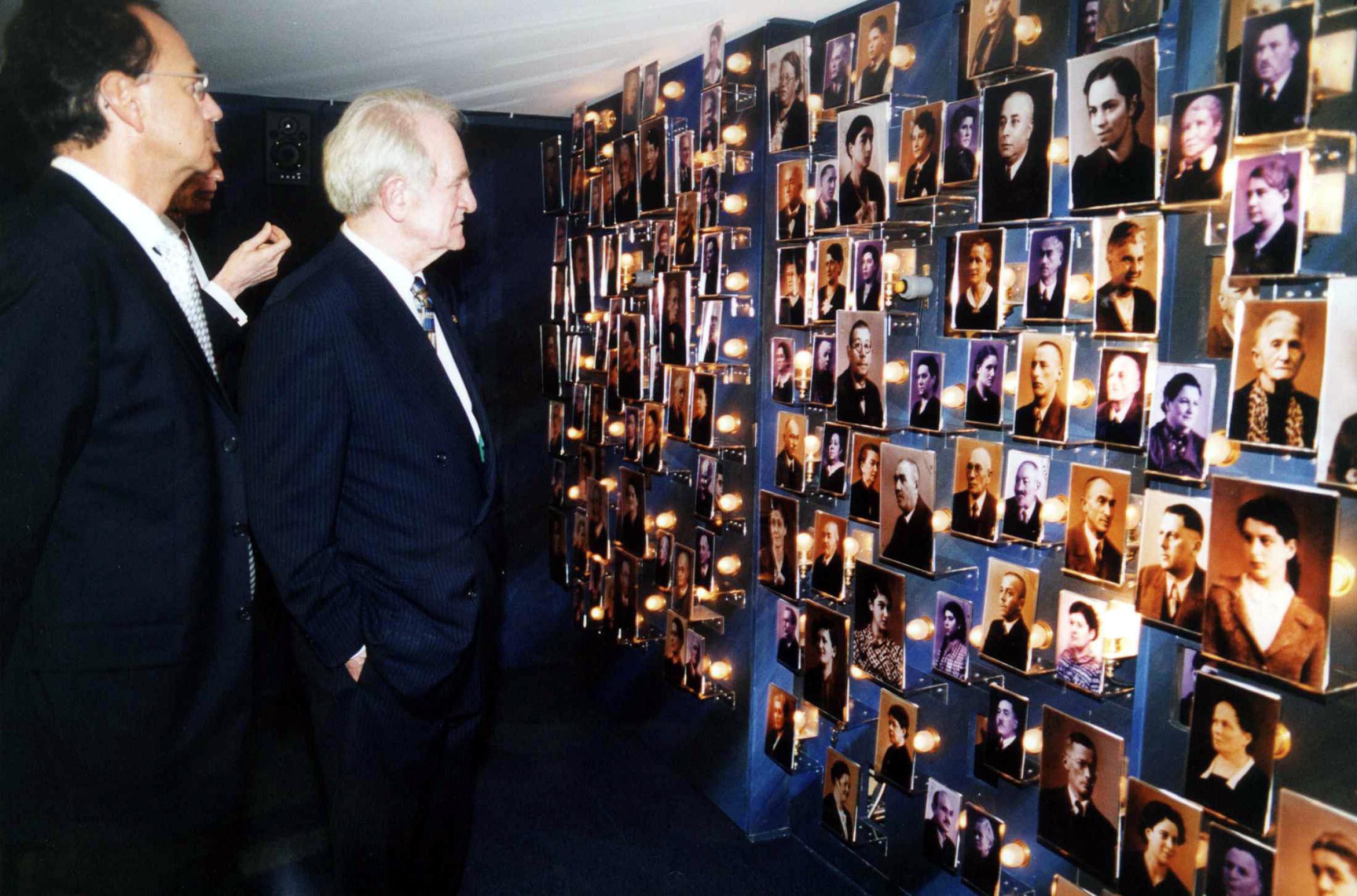
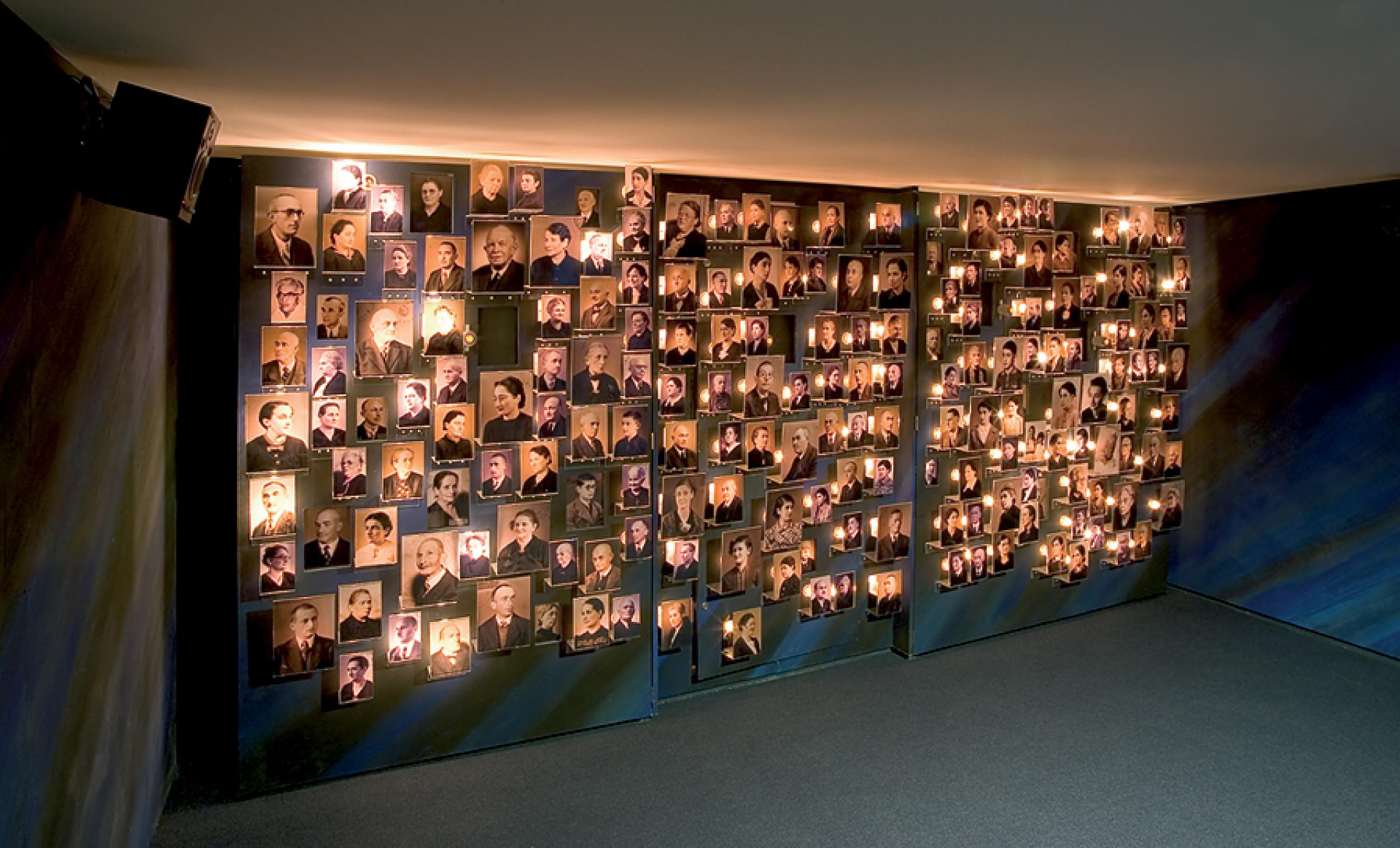
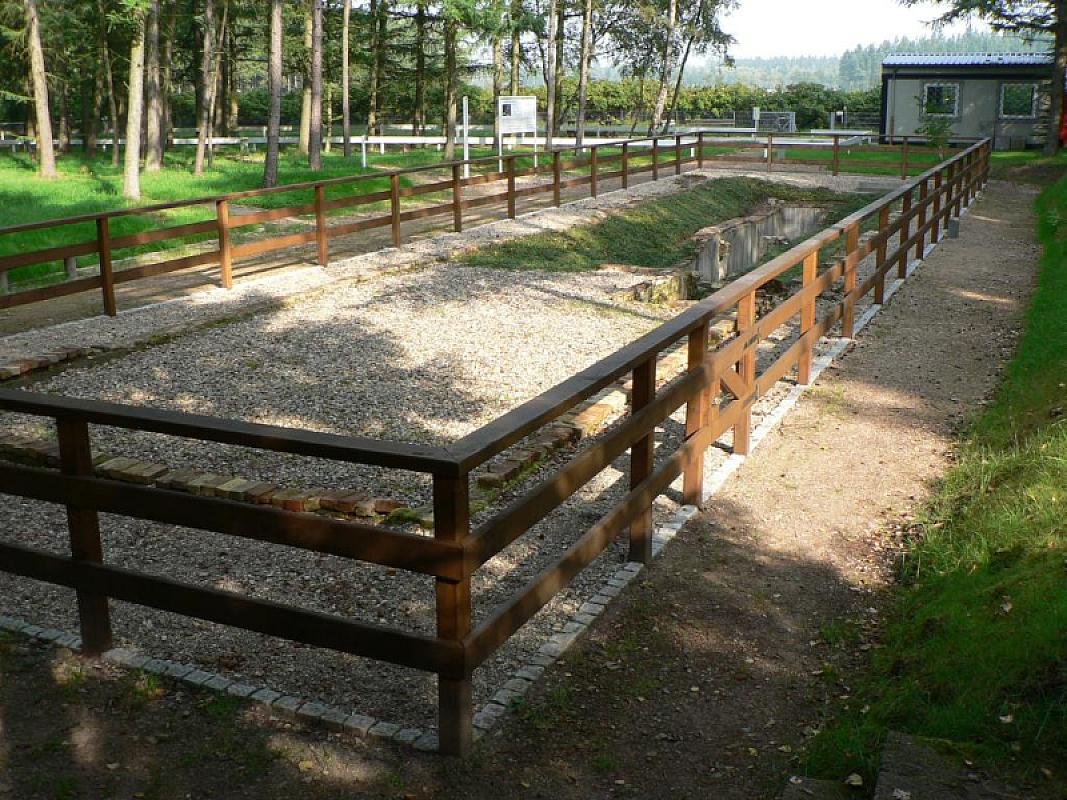
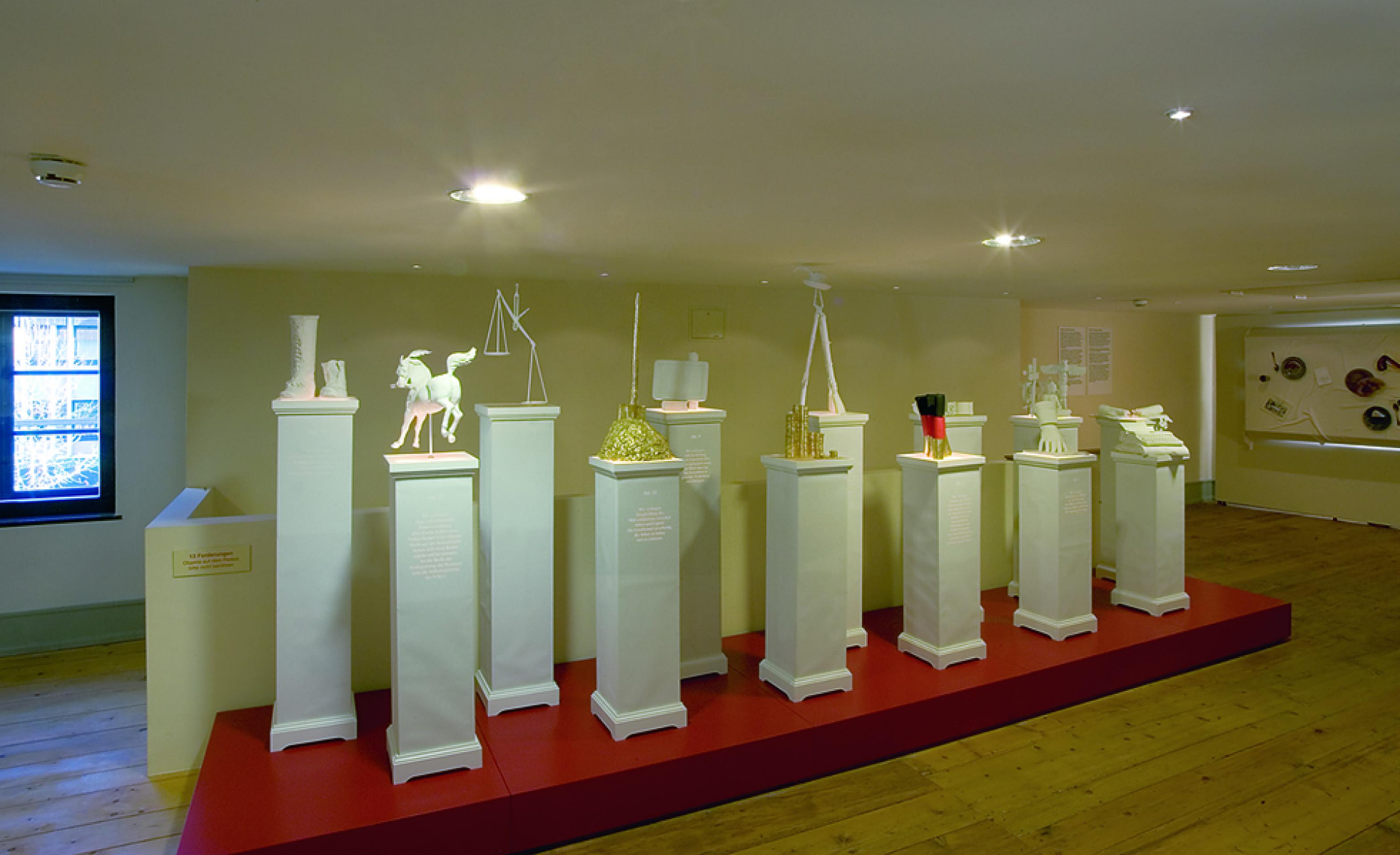
The Salmen and its eventful history was long forgotten, although the city of Offenburg had celebrated the 100th anniversary of the Offenburg Assembly with a large event in 1947. 50 years later, the city acquired the building and had it renovated. In 2002 the Salmen was finally opened as a cultural and memorial site, which is organisationally part of the city museum. Both historical reference points of the building are themed on the gallery of the famous hall. One installation deals with the significance of the Offenburg Assembly for the history of the revolution of 1848/49 and the history of democratic ideals in Germany as a whole. The other exhibition relates to the history of the building as a synagogue and provides information about the history of Jewish life in Offenburg. In another room, portraits of Offenburg Holocaust victims encourage commemoration. Another trace of Jewish history in Offenburg is the former mikvah, which was used for ritual bathing and was built in the 17th century at the latest. Since 2016 it has been open to visitors again and offers a permanent exhibition on Offenburg's Jewish history. Furthermore, several »Stolpersteine (Tripping Stones)« in the streets of Offenburg commemorate former Jewish citizens of the city who were murdered during Nazi rule.
Possibilities
Exhibitions, guided tours, cultural and memorial events
Open
The Salmen can only be visited as part of events and guided tours.
Contact
http://www.salmen-offenburg.de
museumspaedagogik@offenburg.de
+49 (0)781 822 460
Lange Straße 52
77652 Offenburg