Since 1965, a memorial site in the town of Dachau, about 15 kilometres north west of Munich, has commemorated the Dachau concentration camp which was in operation from March 1933 until 1945. The memorial site was set up on the initiative of former inmates. At least 200,000 people from all over Europe were incarcerated at Dachau and its satellite camps, about 41,000 of them perished.
History
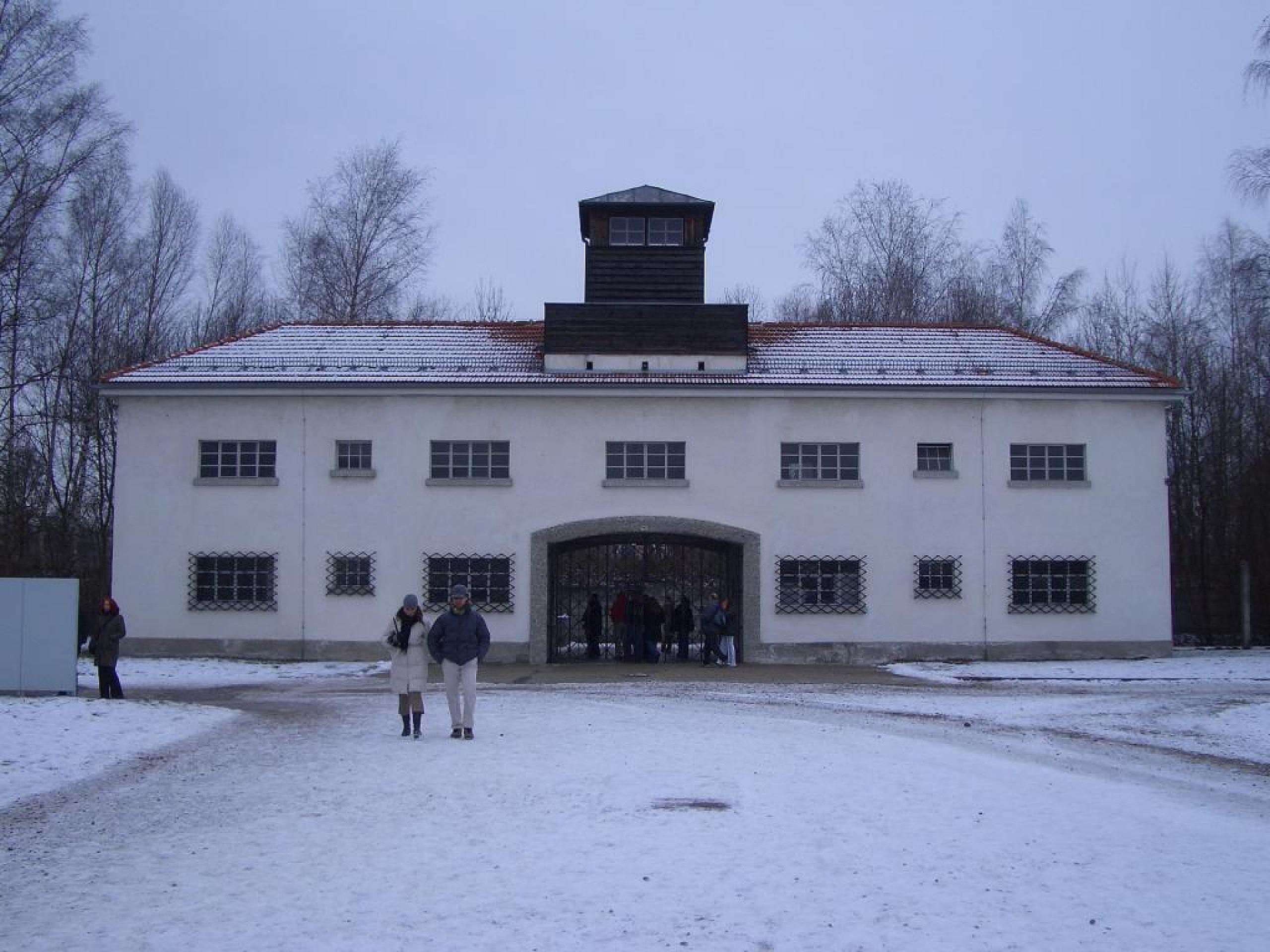
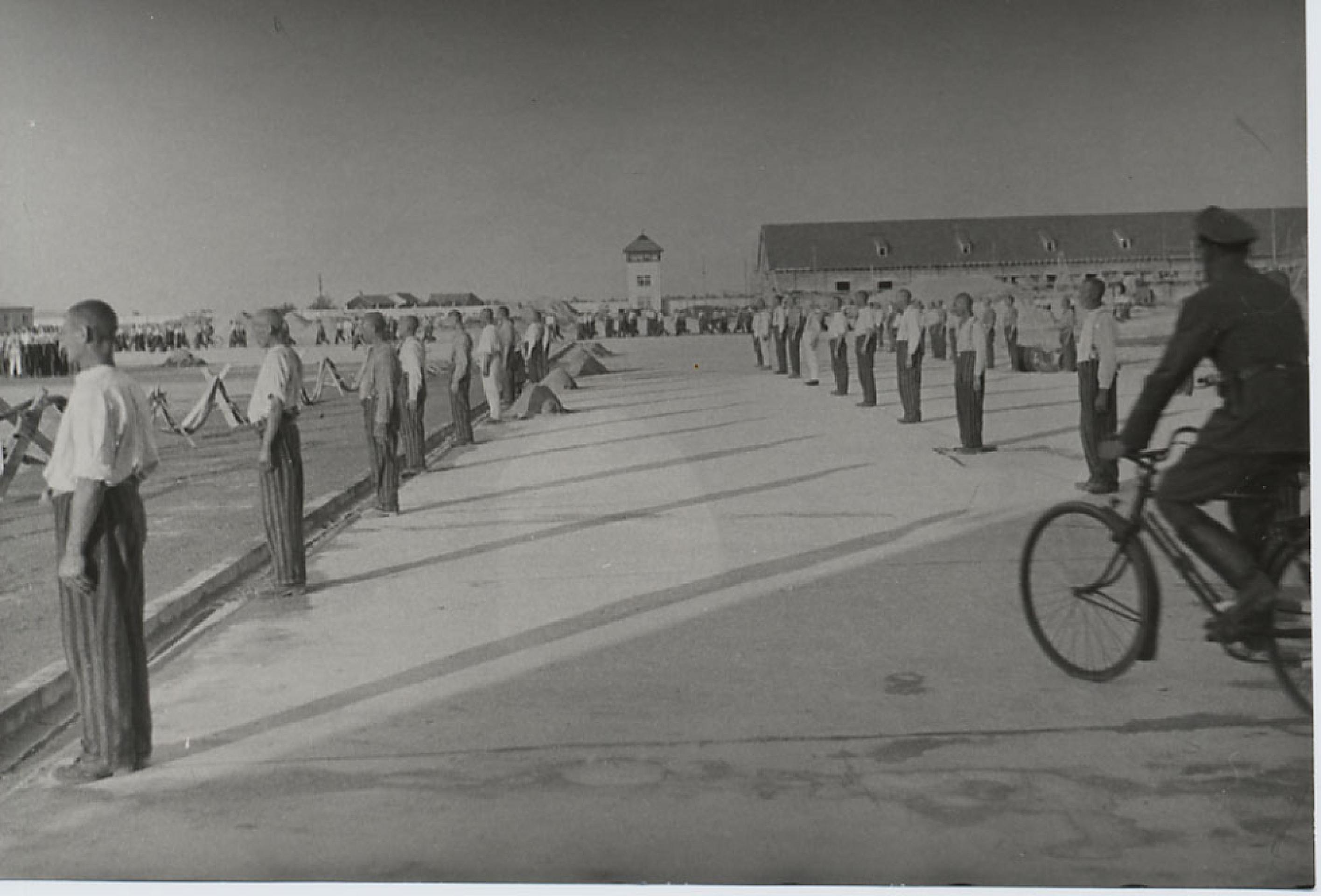
On March 20, 1933, Munich police chief Heinrich Himmler announced the establishment of the first National Socialist concentration camp in a derelict munitions factory in Dachau. On March 22, the first political prisoners, mainly social democrats and communists, arrived at Dachau. The camp was guarded by the Bavarian state police until April 11, 1933, after which the SS took over command of the camp. At the time there were about 230 prisoners at Dachau. In June 1933, Himmler appointed Theodor Eicke commandant of the Dachau concentration camp. Eicke developed the so-called »Dachau model«, an organisational scheme for camp life on which all National Socialist concentration camps were later modelled. Moreover, Dachau became a training site for SS guards. In the following years, the SS also began persecuting Sinti and Roma, Jehovah's Witnesses and homosexuals. After the »Kristallnacht« of 1938, about 10,000 Jews from all over Germany were brought to Dachau, most were released however. Between 1937 and 1938, the prisoners had to extend the camp: 32 barracks to serve as living quarters and an administration building were set up next to the munitions factory and surrounded by 7 guard towers, an electric fence and trenches. In the course of the war, prisoners were brought to Dachau from all over Europe and deployed in slave labour in the arms industry. About 36 satellite camps were established in the area. From 1941 on, the SS conducted mass executions of Soviet prisoners of war. From 1942 on, Jewish prisoners were deported to extermination camps in occupied Poland. That same year, the SS doctors subjected at least 200 prisoners to medical experiments, an unknown number of which died of the effects. At the end of April 1945, the SS evacuated the camp and approximately 7,000 prisoners were forced on three separate death marches. There were about 60,000 prisoners at the camp complex when it was liberated by the US Army on April 29, 1945.
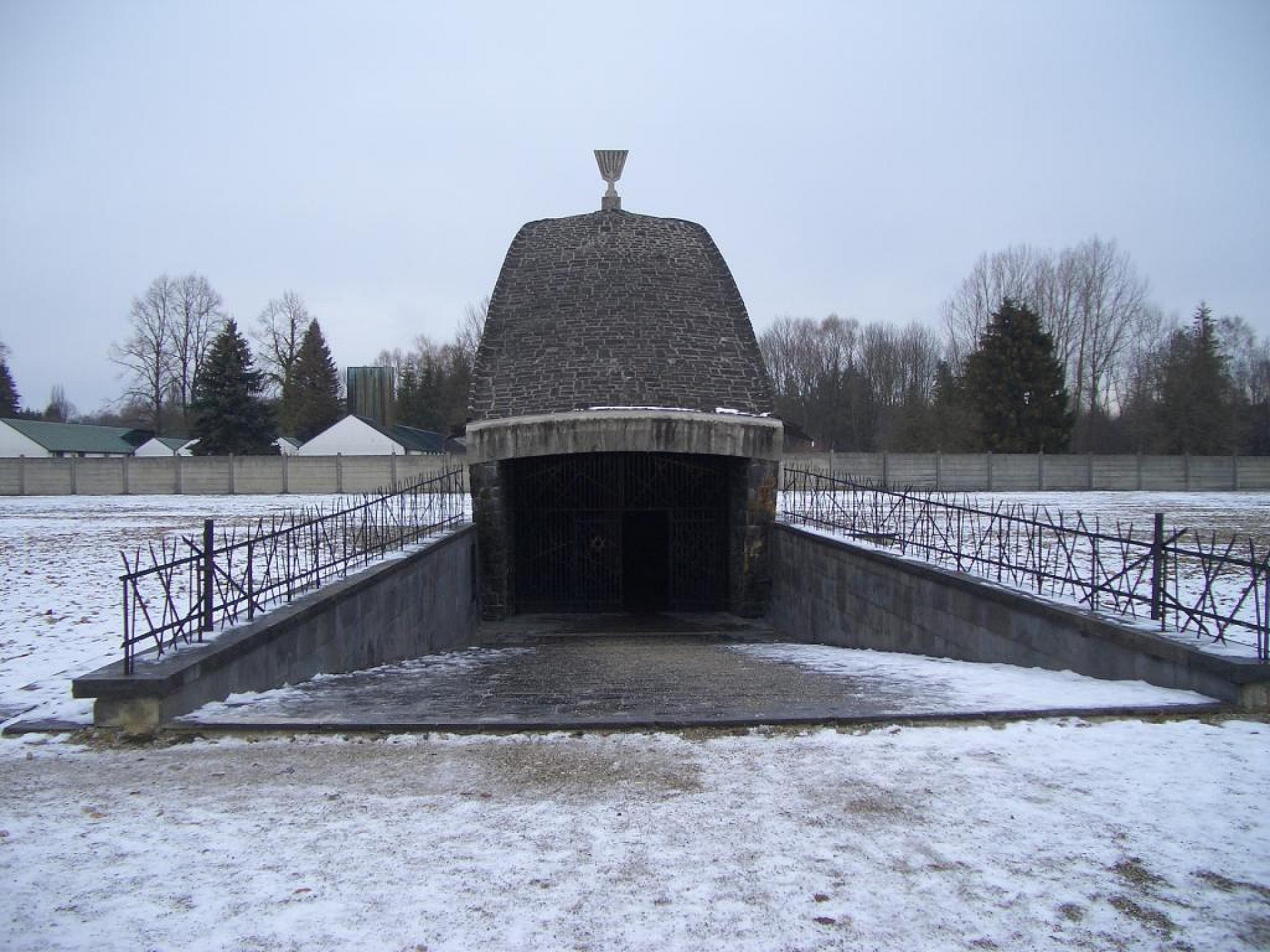
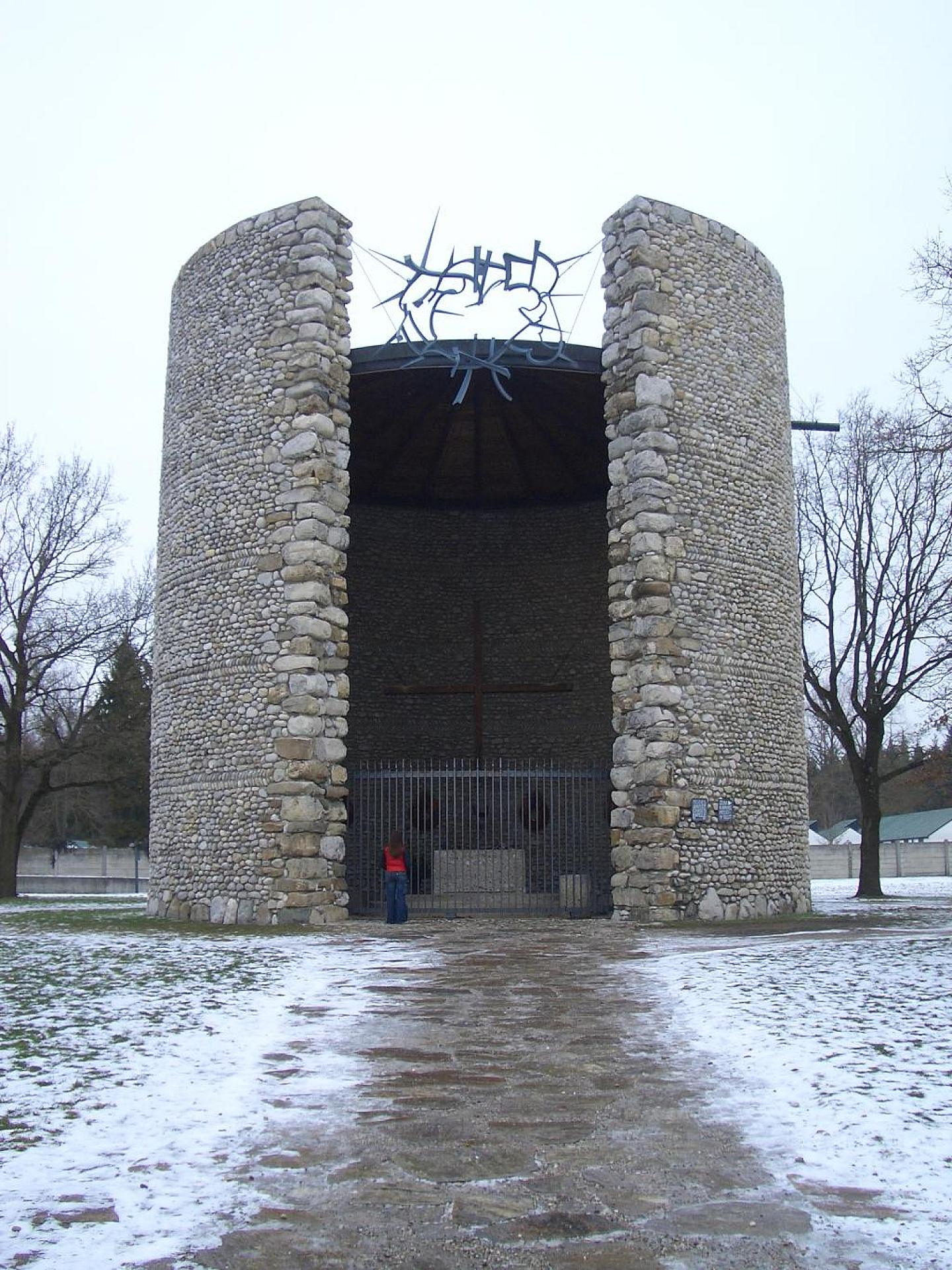
Victims
The first prisoners incarcerated at Dachau were political opponents of the National Socialist regime in Germany. In the course of the war, the SS brought prisoners from all over Europe to the Dachau camp, including about 13,000 prisoners from Poland alone. Yet also Sinti and Roma, homosexuals, »asocials« and many clerics were incarcerated here. From 1941 on, many Soviet prisoners of war were brought into the Dachau camp. It is estimated that 4,500 Soviet prisoners of war were murdered in the vicinity of the camp. When the camp was liberated, about a third of the prisoners were Jews. Between 1933 and 1945, a total of about 200,000 people passed through the Dachau concentration camp; 41,000 people perished.
Remembrance
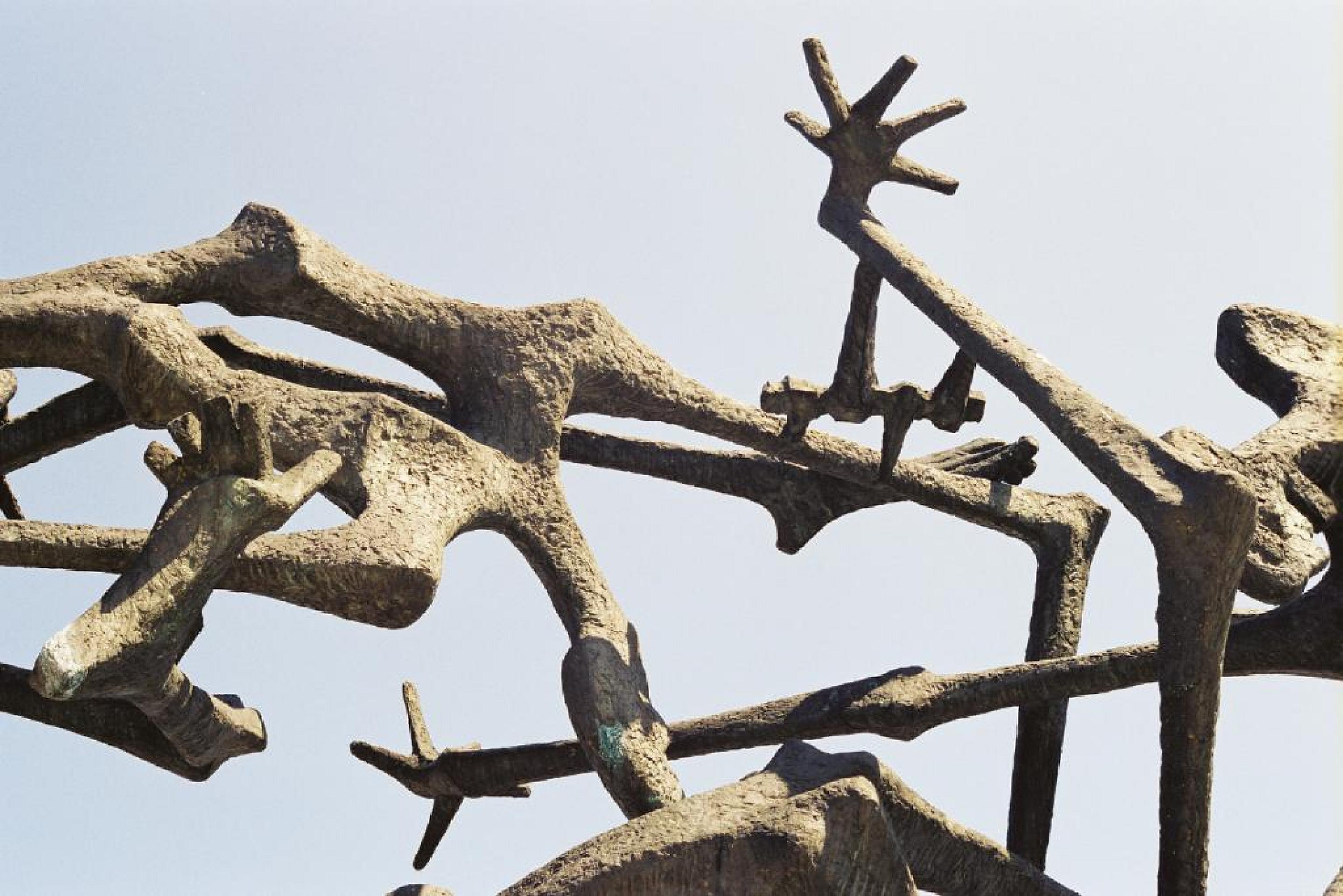
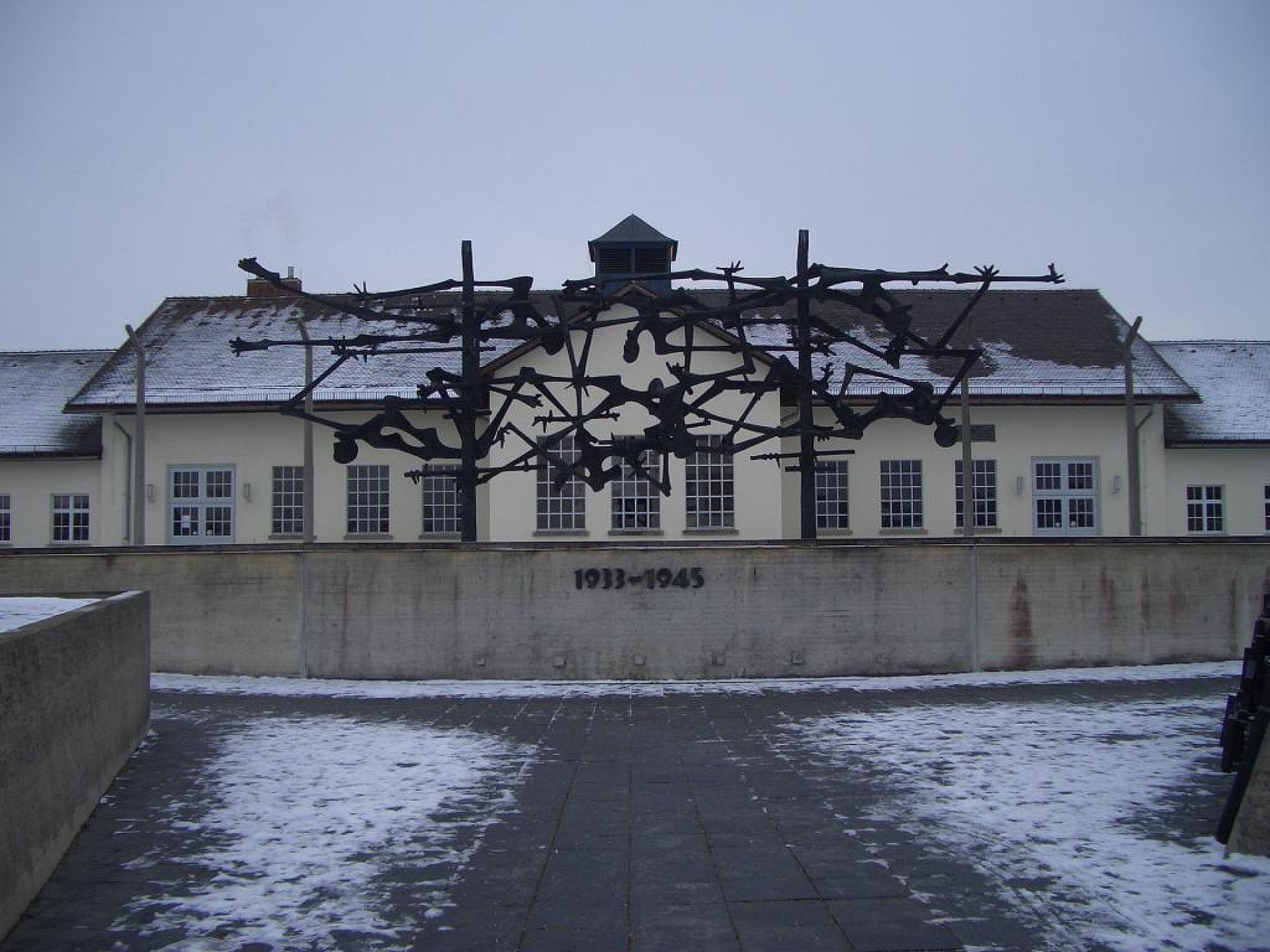
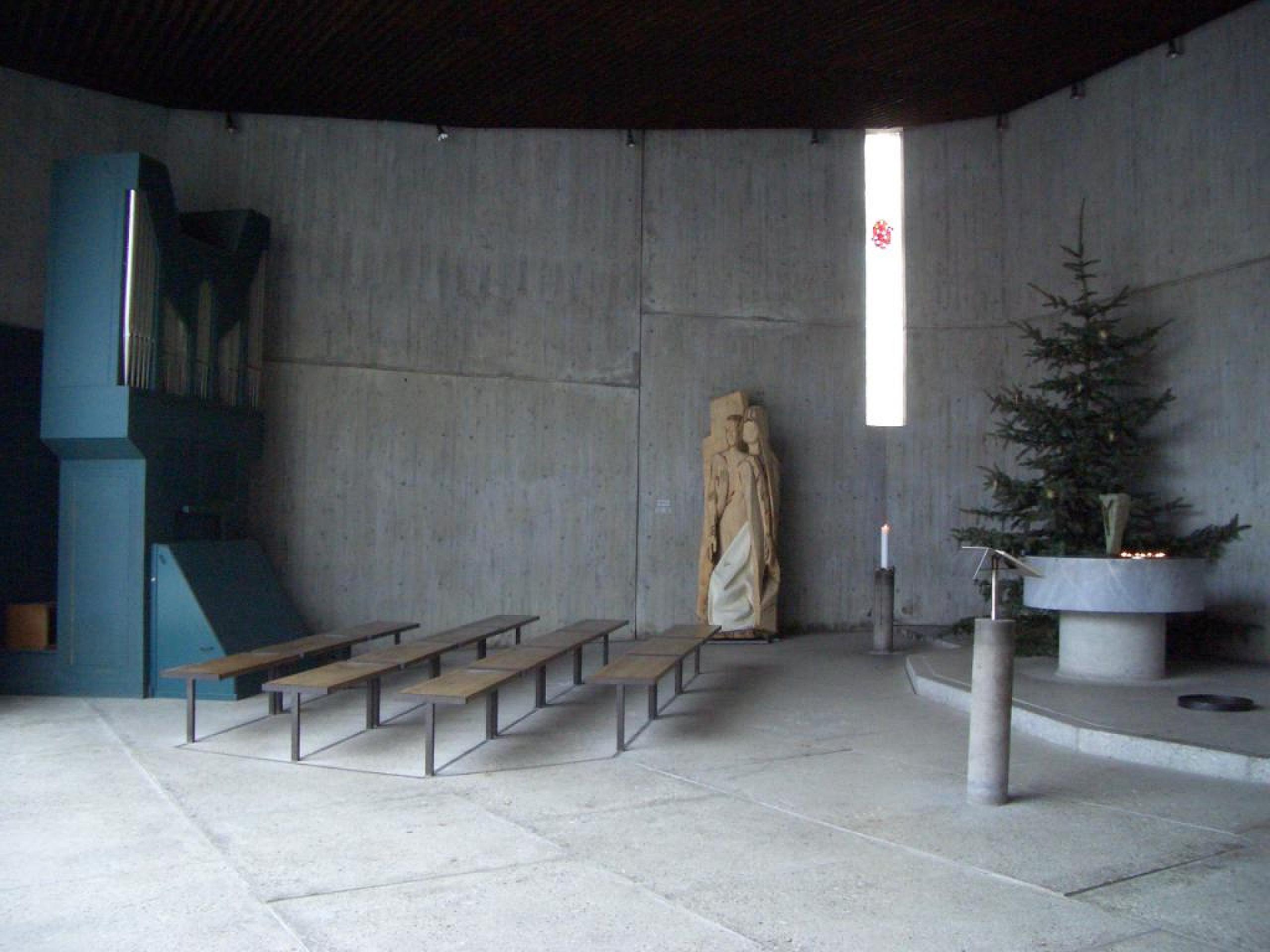
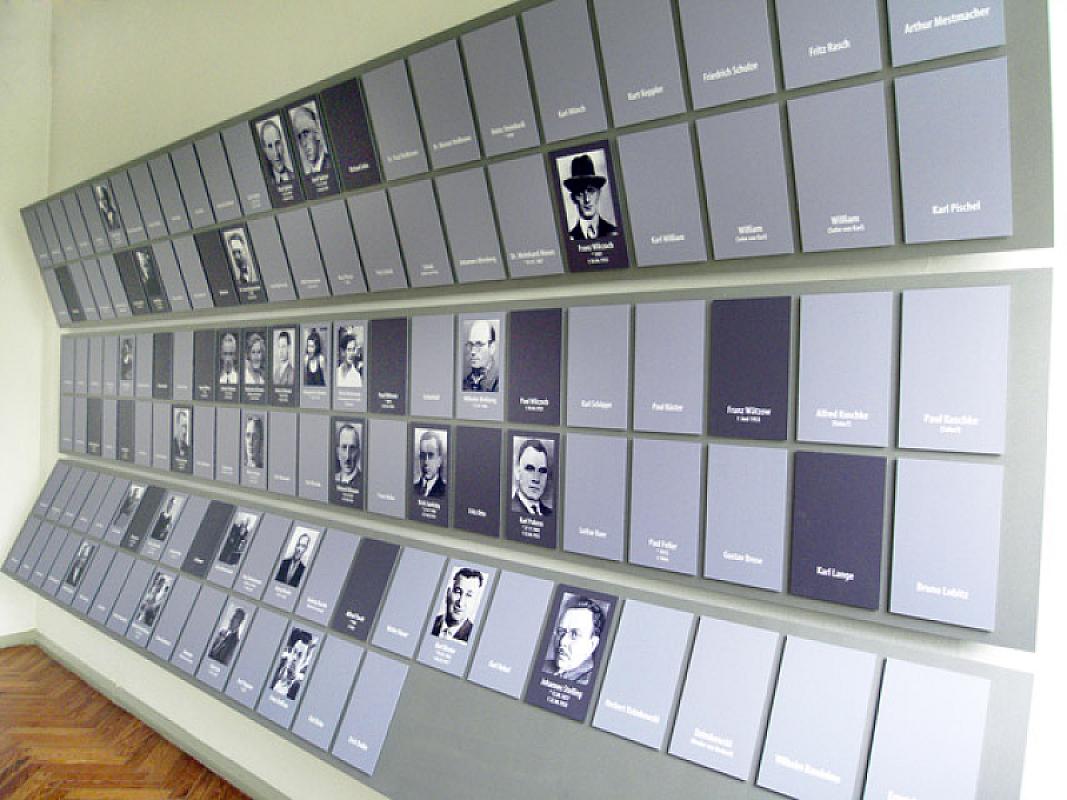
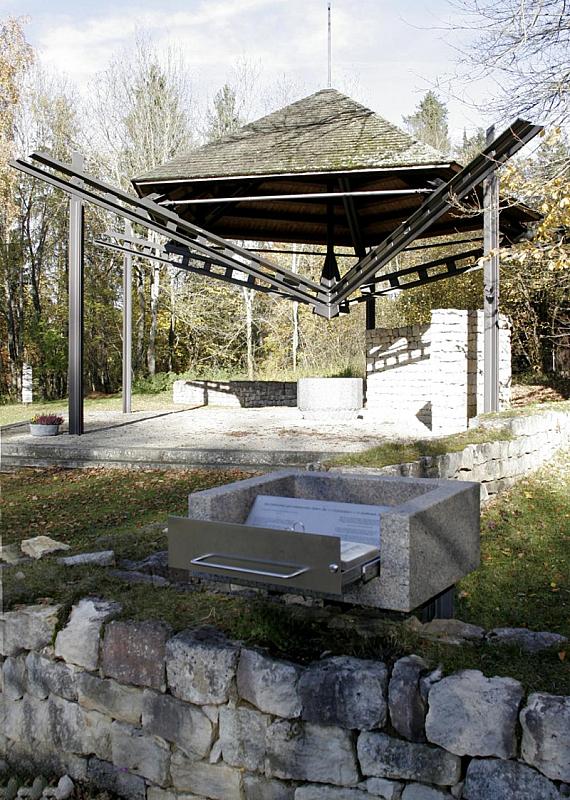
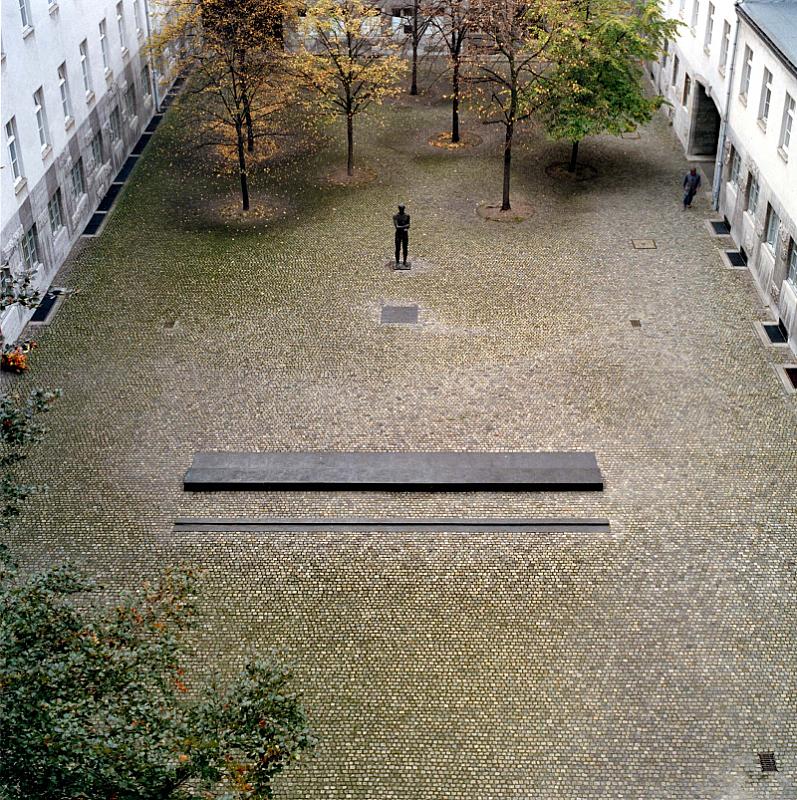
After World War II, between 1945 and 1948, the US Army used the premises of the former concentration camp as a prison camp for Nazi Party officials and members of the SS. The grounds were handed over to the state of Bavaria in 1948 and a camp for refugees, later called »Dachau Housing Complex East«, was set up here. In 1960, the bishop of Munich, Johannes Neuhäusler, set up a chapel on the former camp grounds and in 1964, the Carmelite Convent Heilig Blut (Holy Blood) was established. The Dachau memorial site was opened in 1965 on initiative of survivors' associations, most importantly the CID (Comité International de Dachau), which had for years been advocating the creation of a memorial site. The »International Memorial« sculpture, designed by Nandor Glid, was unveiled in 1968. In 2003, a new permanent exhibition was opened.
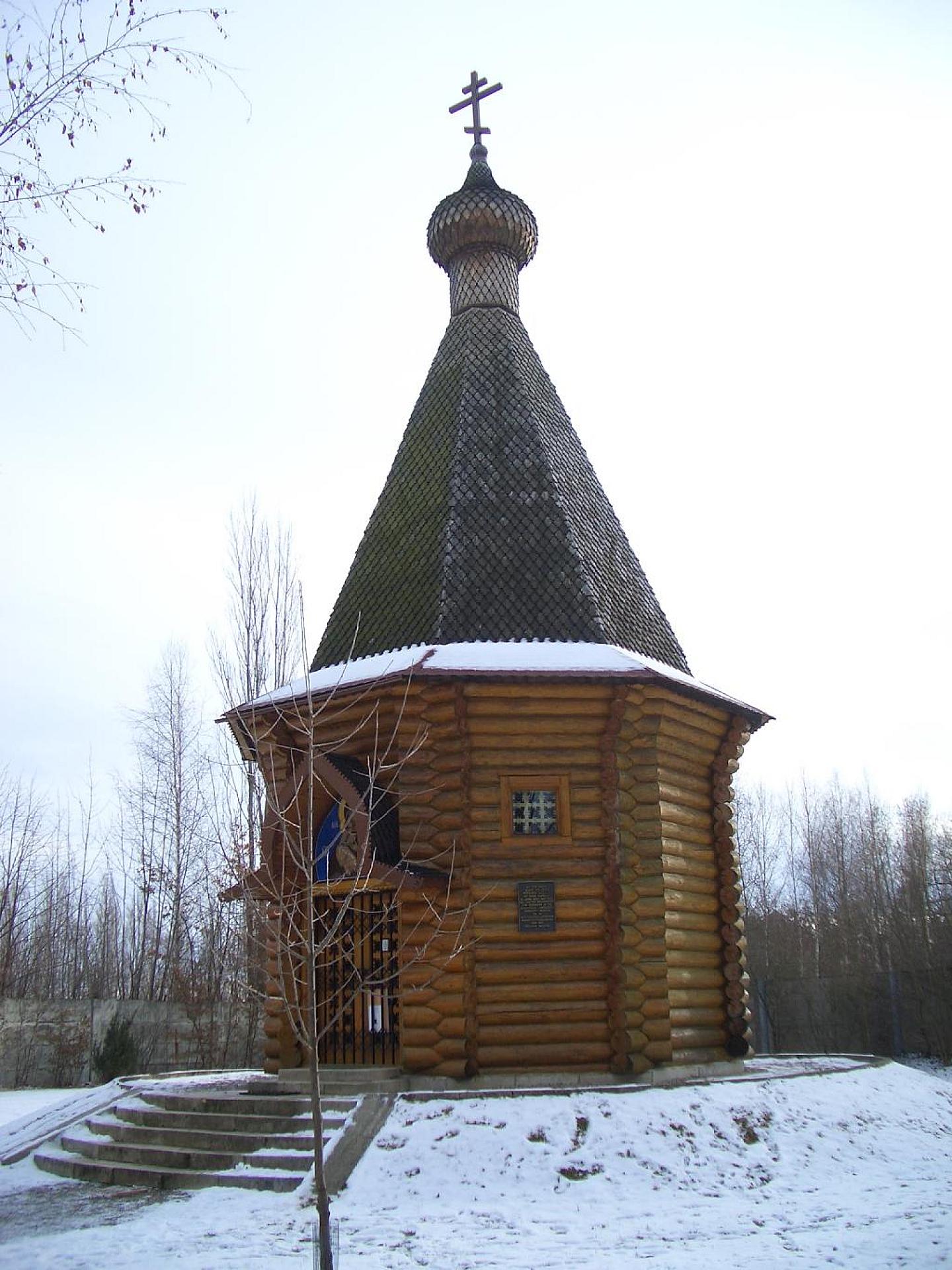
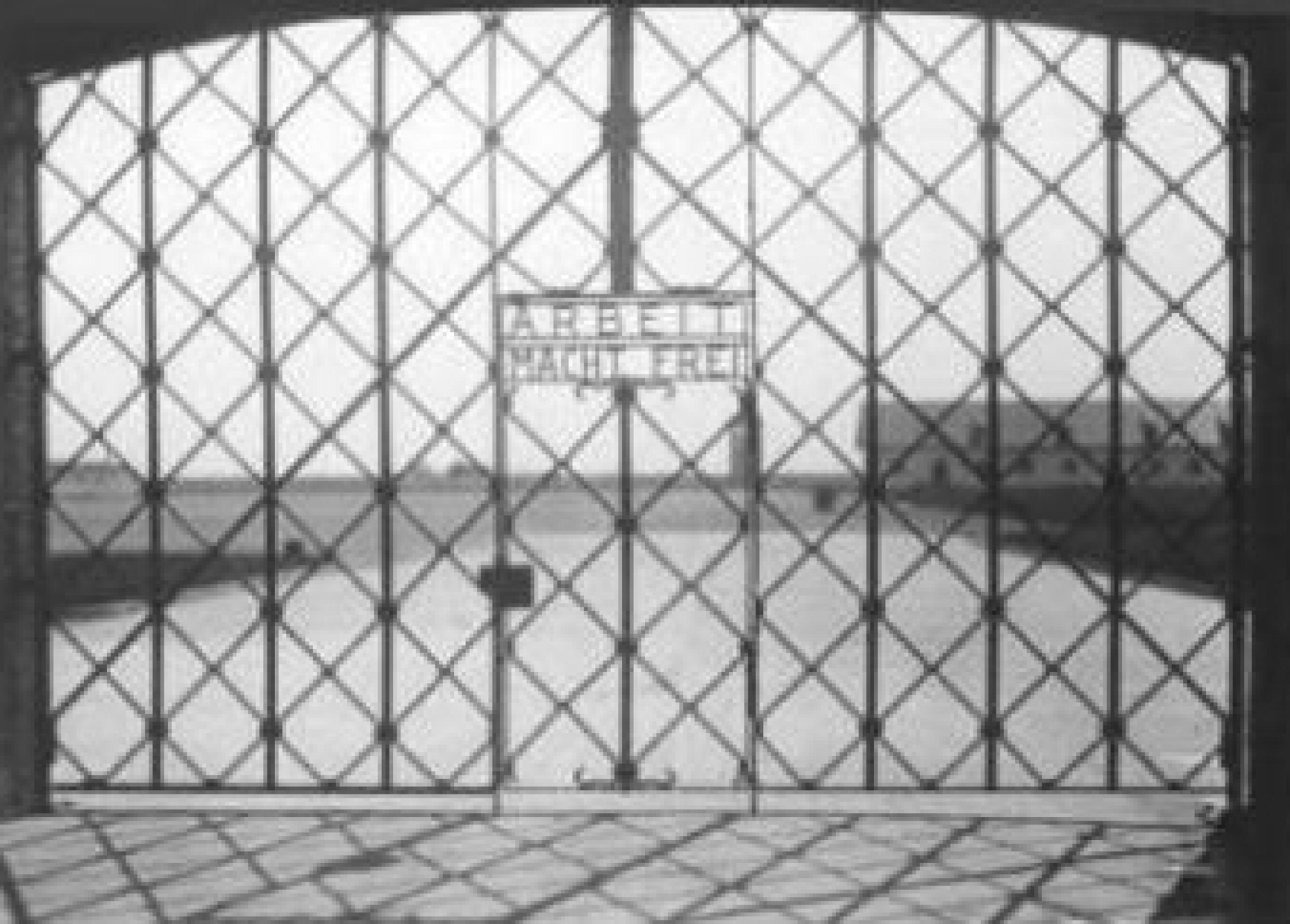
Possibilities
Guided tours, readings, exhibitions, films screenings, educational seminars
Open
Tuesday to Sunday: 9.00 a.m. to 5.00 p.m.
Contact
http://www.kz-gedenkstaette-dachau.de
info@kz-gedenkstaette-dachau.de
+49 (0)8131 669 970
Alte Römerstraße 75
85221 Dachau