Mežciema Ebreju genocīda un Daugavpils geto upuru piemiņas memoriāls
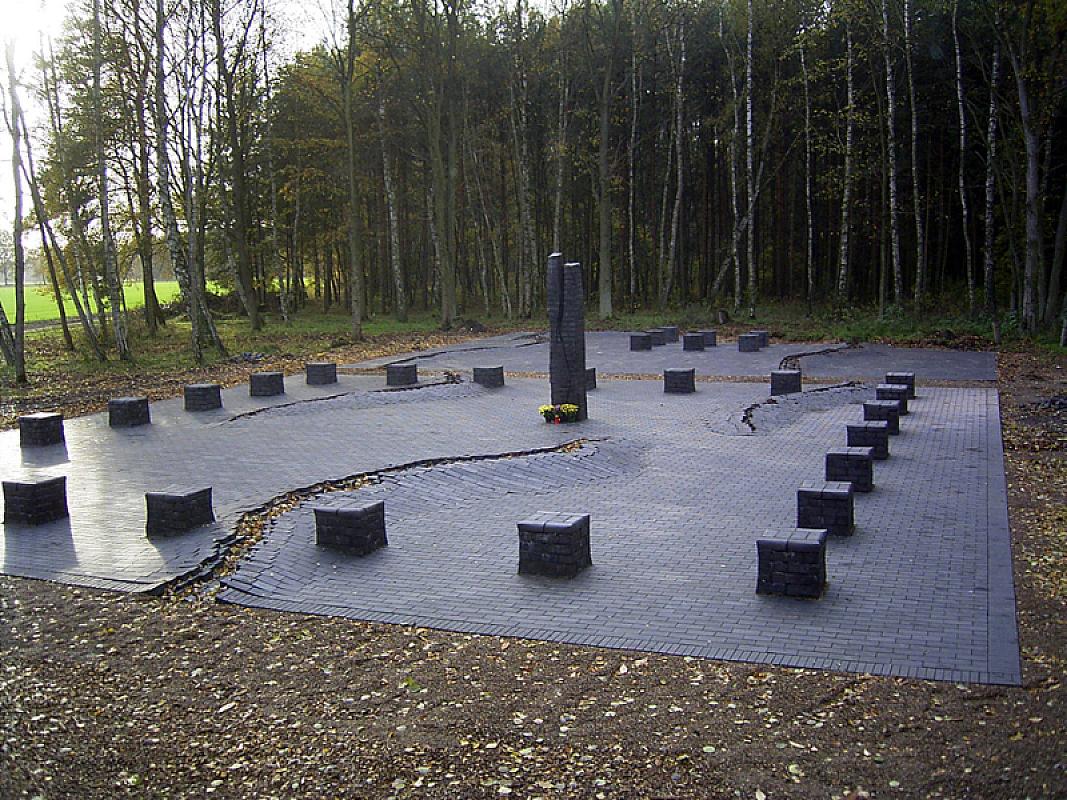
A monument in Daugavpils commemorates the Jews murdered in the city in 1941/42. 16 further memorial stones honour the Jewish victims of National Socialism all over Europe.
History
Daugavpils (Russian: Dvinsk), located in south-east Latvia, is the country's second-largest city. Until 1918, Latvia was part of the Russian Empire. From 1918 until its occupation and annexation by Stalin's Soviet Union, Latvia was independent. Between 1941 and 1944, Latvia was under German occupation, and after the war, 1944 to 1991, it was one of the republics constituting the Soviet Union.
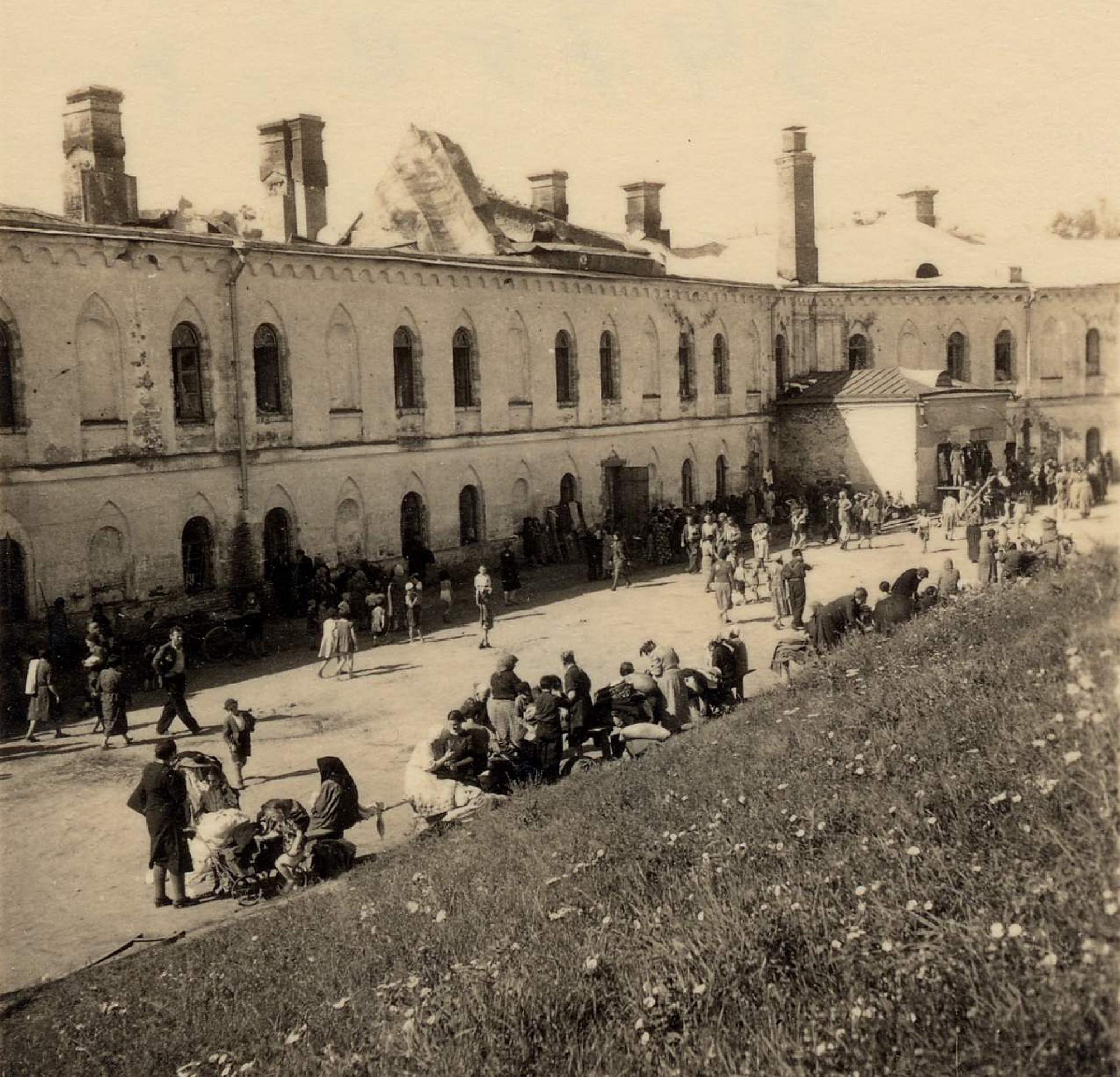
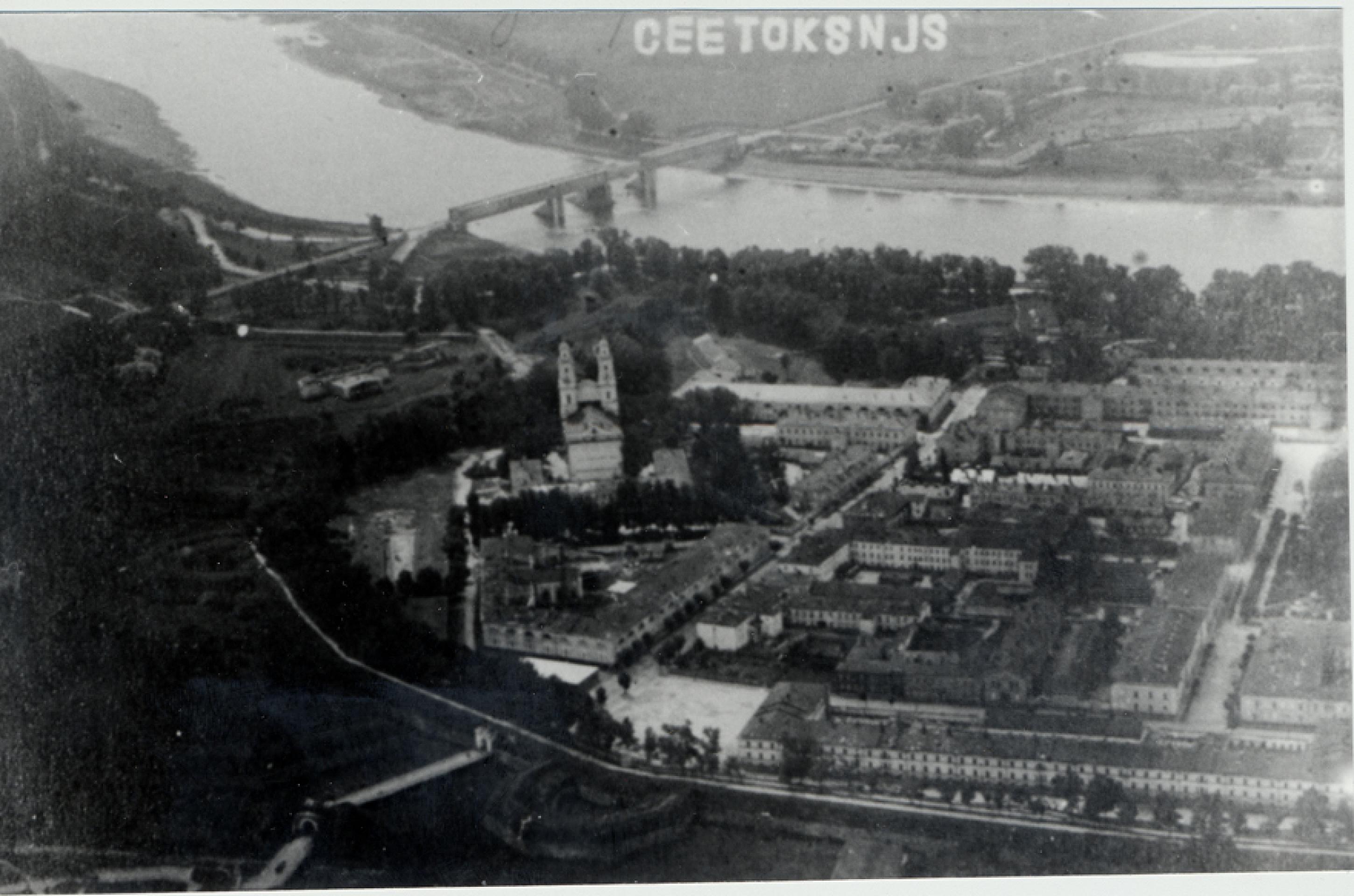
Before World War II, a quarter of the 45,000 large population of Daugavpils was Jewish. After the invasion of the German Wehrmacht in the summer of 1941, the German military administration established a ghetto for about 16,000 Jews from Daugavpils and surrounding areas in the citadel on the banks of the Daugava river. At the same time, an SS commando and Latvian auxiliary police began shooting about 9,000 Jews from the area of Daugavpils in forests on the city's outskirts. By the end of August, only about 7,000 Jews remained alive in the ghetto. At the beginning of November, members of the SS and Latvian helpers shot a further 5,000 Jews, mostly elderly and sick people as well as children. On May 1, 1942, the ghetto was dissolved and the remaining Jews were murdered. Only very few Jews were left alive, they were deported to concentration camps in 1943/44. When the Red Army retook Daugavpils on July 27, 1944, there were only about 20 Jews alive in the city who had survived in hiding.
Victims
Approximately 16,000 Jews from Daugavpils and surrounding areas were murdered by German and Latvian units in 1941/42 or deported later.
Latvia, an independent state since 1918, was occupied by the Red Army in 1940 as the result of a German-Soviet agreement – the so-called Hitler-Stalin (or Molotov-Ribbentrop) Pact. When German troops attacked the Soviet Union on June 22, 1941, there were still around 70,000 Jews in Latvia. Shortly before this, 23,000 Jews and hundreds and thousands of other Latvians had been deported to Siberia by the Soviet secret service NKWD or had managed to flee within the USSR. The Wehrmacht troops were followed by SS Einsatzgruppe A, which shot around 30,000 Jews between July and early December 1941 with the active participation of Latvian »self-defence« units. In the late summer of 1941, the headquarters of the Wehrmacht in Latvia established two ghettos: one in the capital Riga holding 30,000 Jewish prisoners and one in Daugavpils with 14,000 Jewish prisoners. Members of the German and Latvian special units carried out two mass shootings at the end of 1941 in the forest of Rumbula near Riga, killing 25,000 Jews from the Riga ghetto. From December 1941, the liquidated »Big Ghetto« in Riga became the destination for deportation trains carrying 25,000 German, Austrian and Czech Jews. In early 1942 more mass shootings took place in the forest of Bikernieki near Riga, claiming thousands of Jewish lives. By the end of the war, 95 percent of the pre-war Jewish population of Latvia and around 120,000 civilans had met a violent death.
After the Red Army had regained Latvia in 1944, the country once again became a Soviet republic. A large number of monuments were built to commemorate the »victory« in the »Great Patriotic War«. Only in 1990-91 did Latvia reclaim its independence from Moscow, following a struggle also against Soviet troops. Many Soviet monuments were subsequently dismantled and the decades of occupation and resistance became the main feature of national memory. The Soviet annexation of Latvia in 1940-41 and from 1944 to 1990 was viewed on the same footing as the German occupation. As in Lithuania and Estonia, occupation museums were established in Latvia focusing on the years of Soviet terror.
During the Second World War around 160,000 Latvians either volunteered or were forced to serve in the Latvian legion of the Waffen SS. They were deployed to take part in mass shootings, to ransack towns and villages and to guard camps, but also to fight in the war and against partisans. During the Soviet regime, they were marginalised and persecuted but after 1990-91 these former »legionaries« were respected and celebrated by many as freedom fighters who had opposed the communist enemy. This one-sided perspective attracted criticism from abroad. At the end of 1998, an international committee of historians was founded by the President of the Republic to examine »Crimes against Humanity during the Two Occupations, 1940–1956«.
Holocaust memorial sites were established most notably at the former Salaspils concentration camp in 1967 and in Bikernieki in 2001. As early as 1962, Jewish dissidents put up a Jewish star in the forest of Rumbula to remember the Jewish victims. It was removed by the Soviet authorities and replaced by a monument honouring the »victims of fascism«. A new monument was inaugurated there in November 2002. Already in 1989, a Jewish Museum was funded in Riga by Holocaust survivors. In 2005-06 a memorial site was opened among the foundations of the former Choral Synagogue in Riga to remember all victims of the Holocaust and all Jews murdered on Latvian soil. Since 2010 there is also a Museum of the Riga Ghetto.
Remembrance
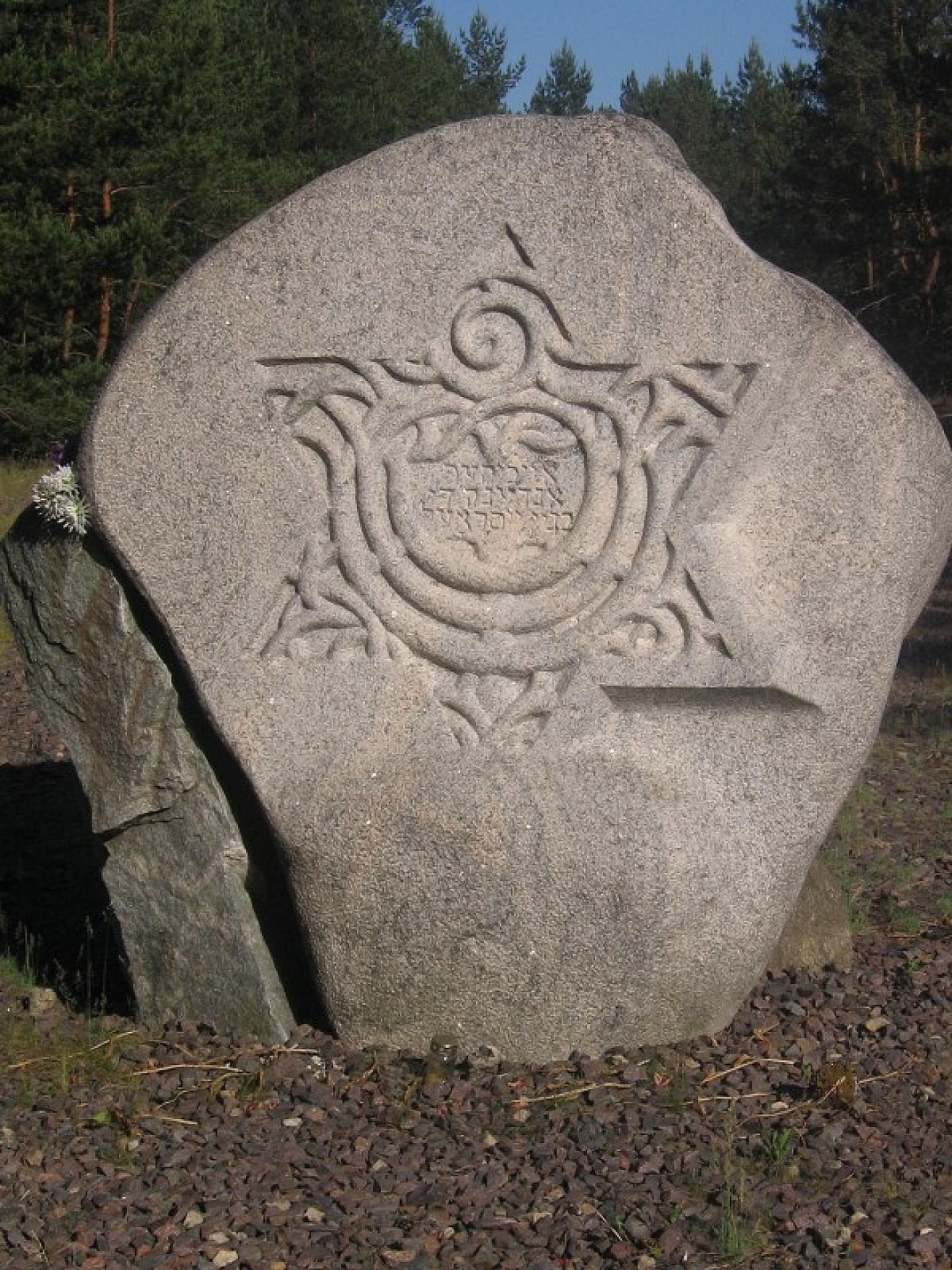
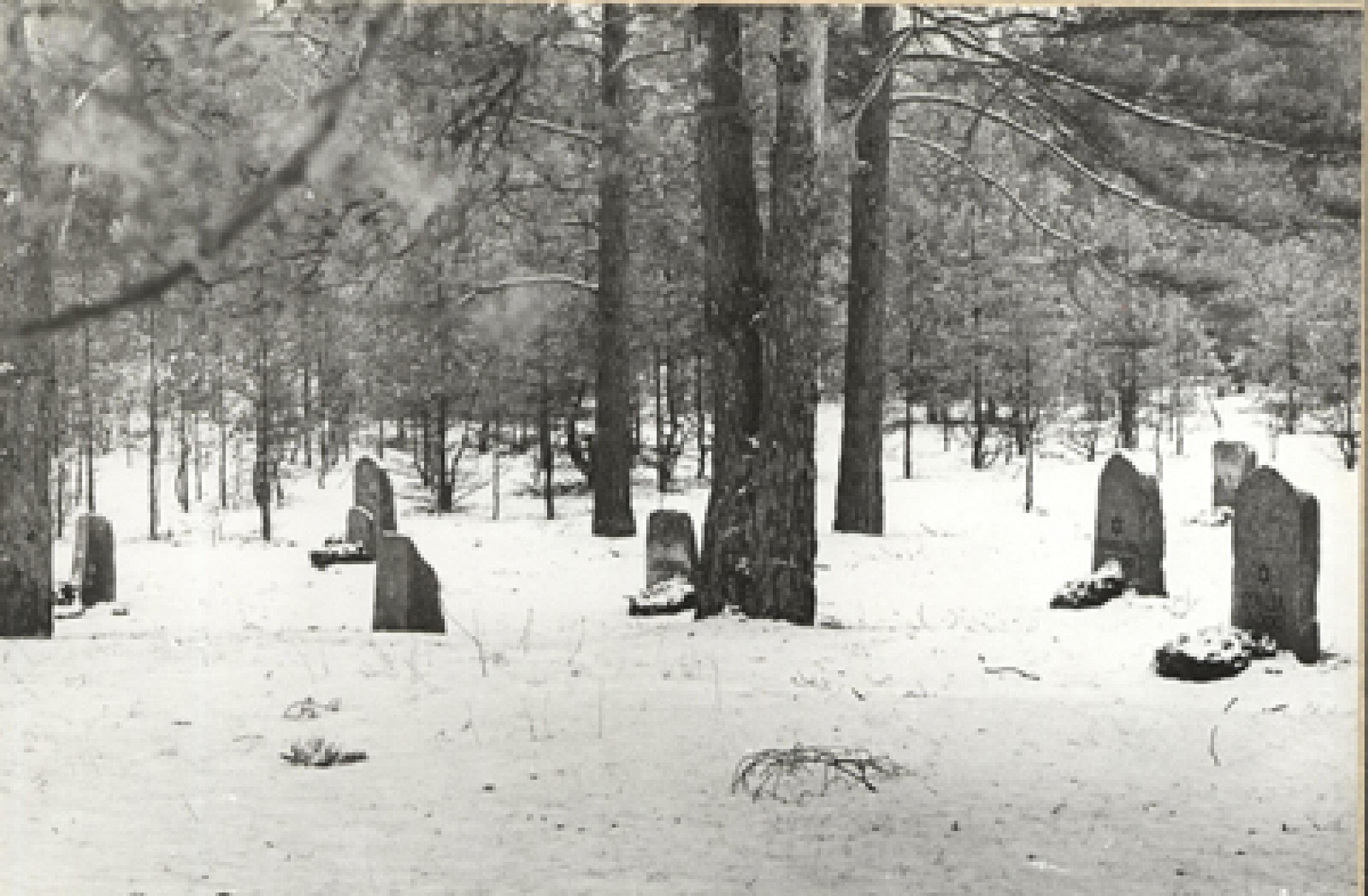
The first monument to the murdered Jews of Daugavpils was set up on June 27, 1960 in the Poguļankā (Mežciems) forest. The socialist realist sculpture was restored by Indulis Folkmanis between 1976 and 1979. The Latvian and Russian inscription read: »In eternal memory of the victims of fascism 1941-1944«. When Latvia regained its independence in 1990/91, the authorities took down the sculpture leaving only the foundations and dedicated a new memorial complex on site by artist Oleg Marinoha already on November 10, 1991. At the centre of the memorial is a modified Star of David which reads: »In memory of the sons of Israel«.
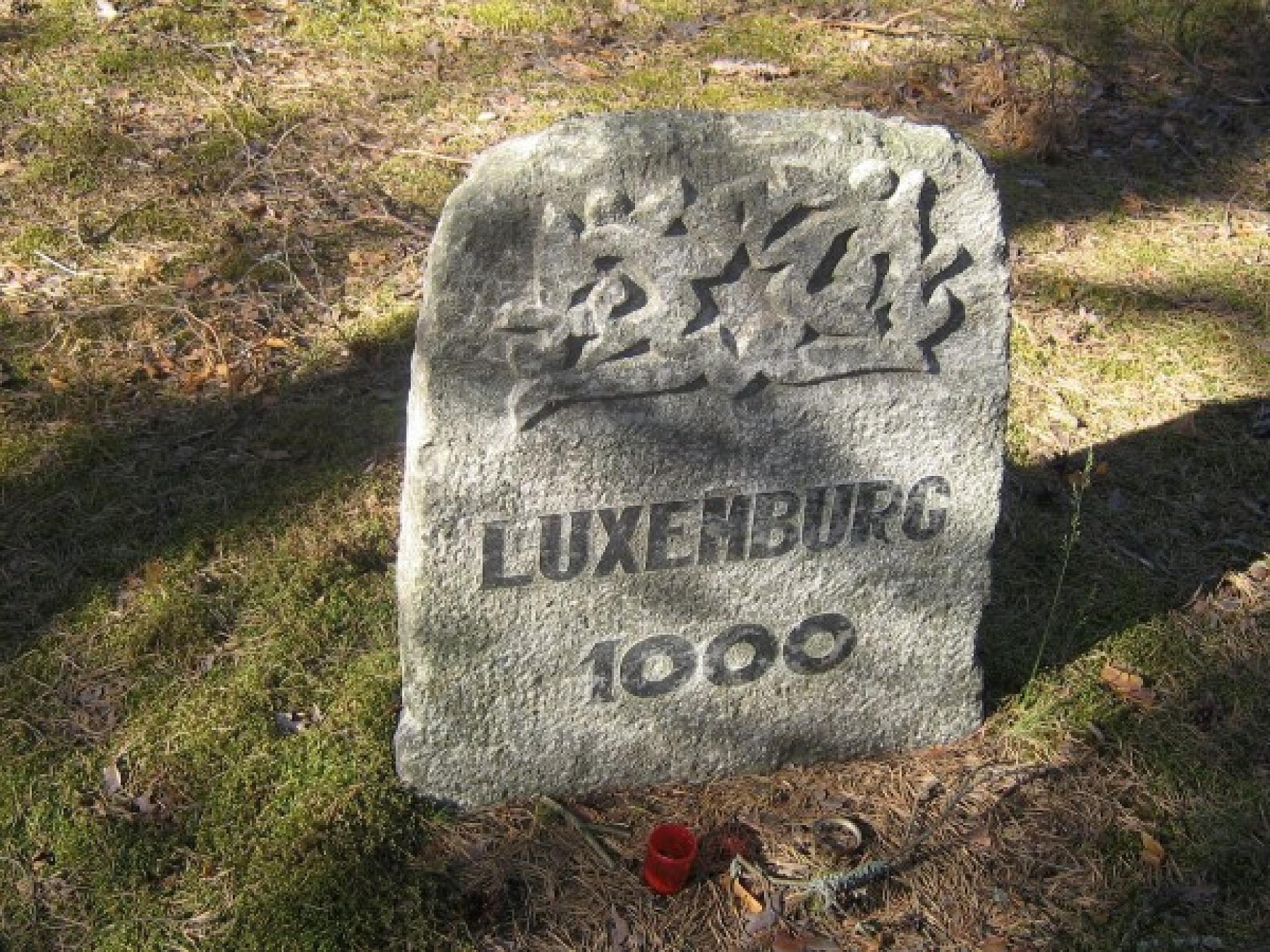
Moreover, there is a gravestone to the murdered Daugavpils Jews, which overestimates the number of victims citing 30,000. Located in direct vicinity are a further 16 memorial stones bearing the numbers of victims from the different European states which suffered German occupation. Already since the mid-1960s - since 1992 on July 4, Latvia's official Holocaust Remembrance Day - commemorative ceremonies have been held here annually.
Possibilities
Commemoration ceremonies are held annually on July 4, Holocaust Remembrance Day in Latvia