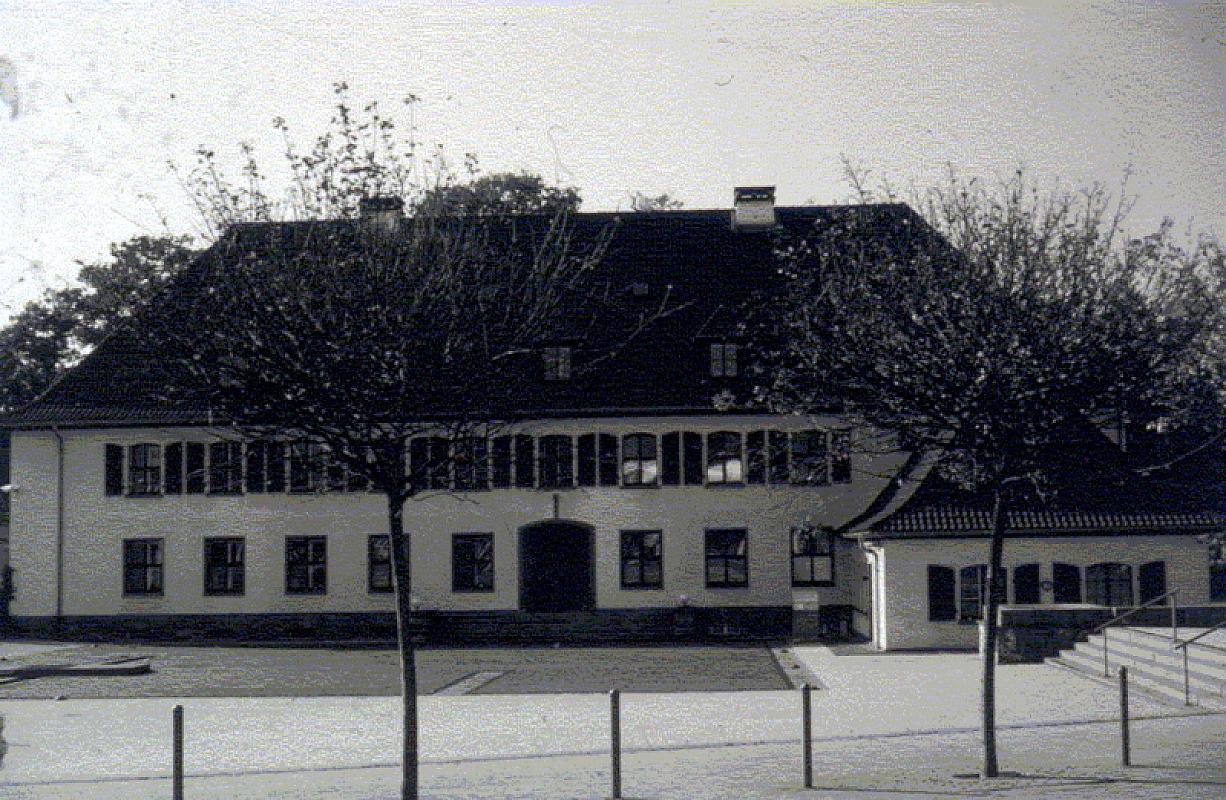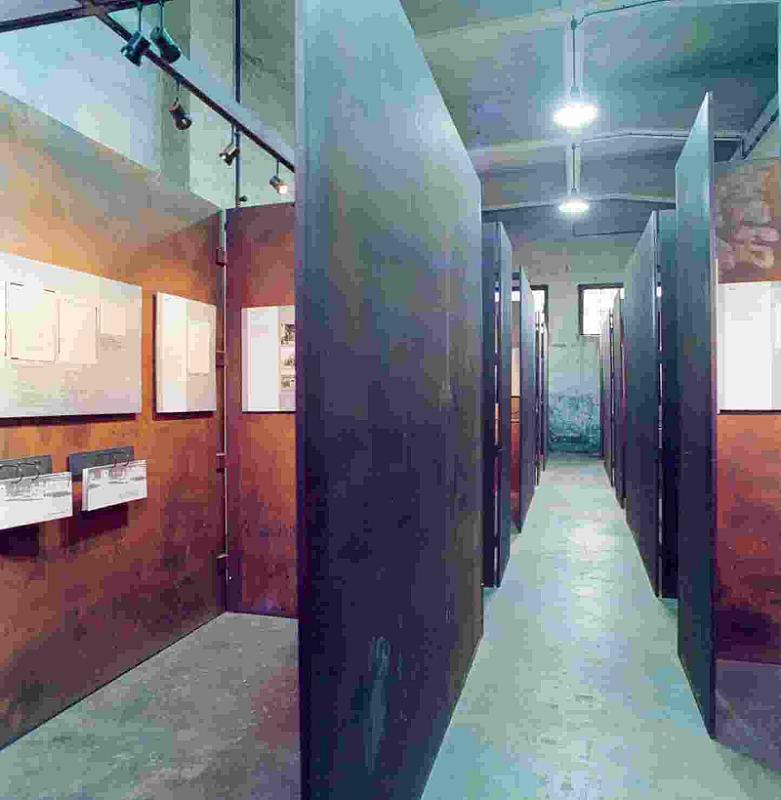
Deportation Memorial and Museum at Hollerich Station
Mémorial de la Déportation Gare Hollerich
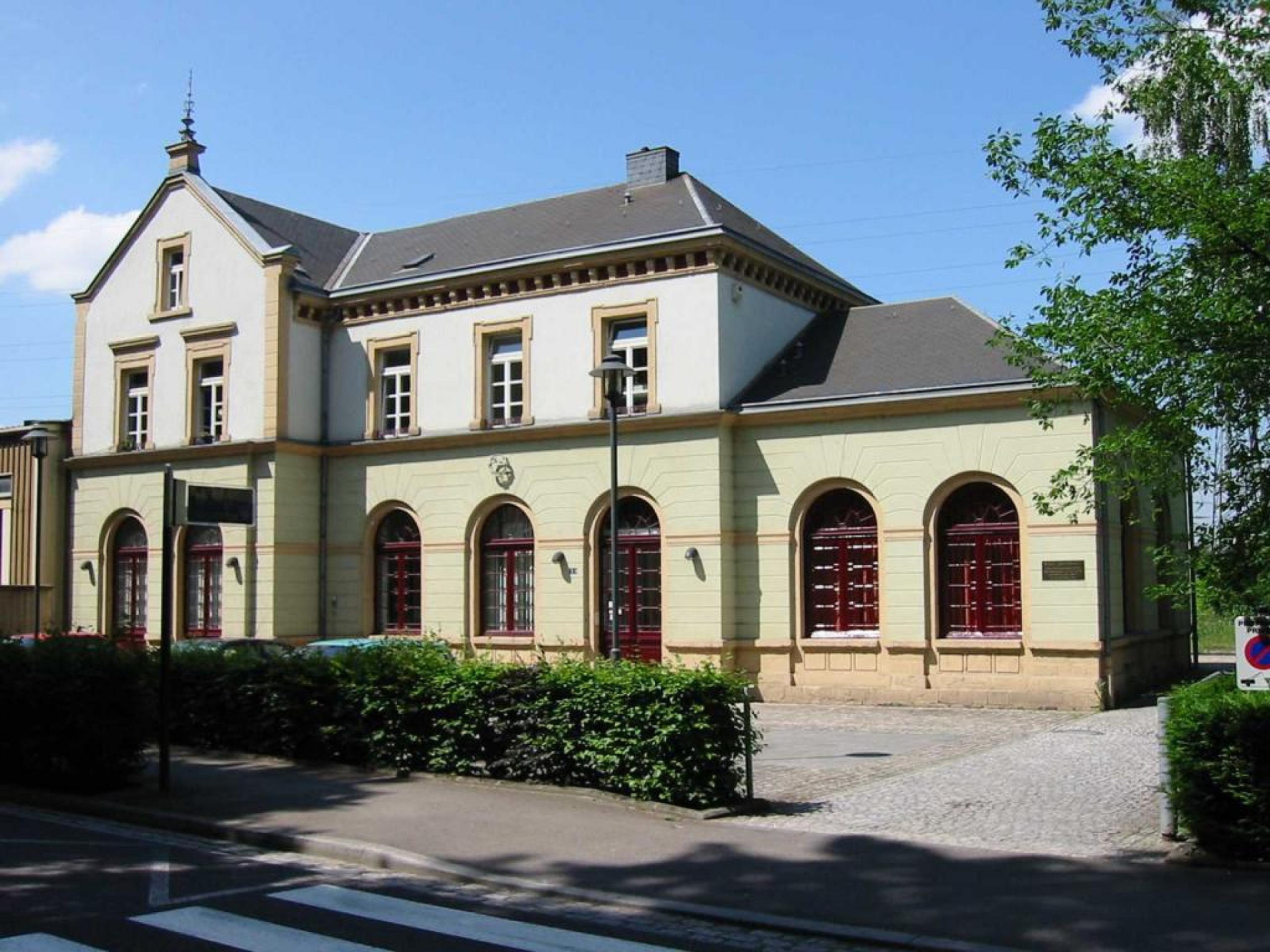
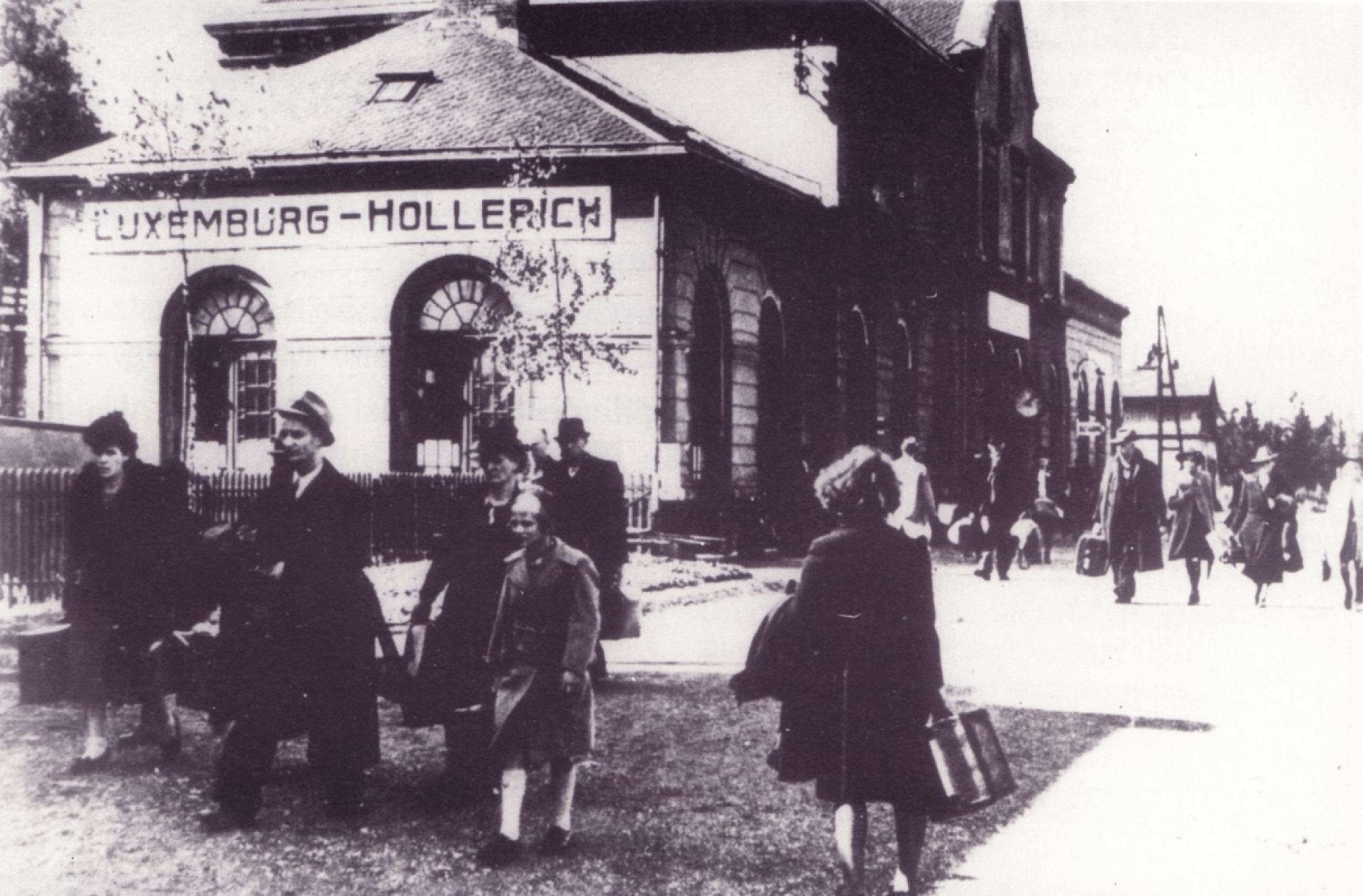
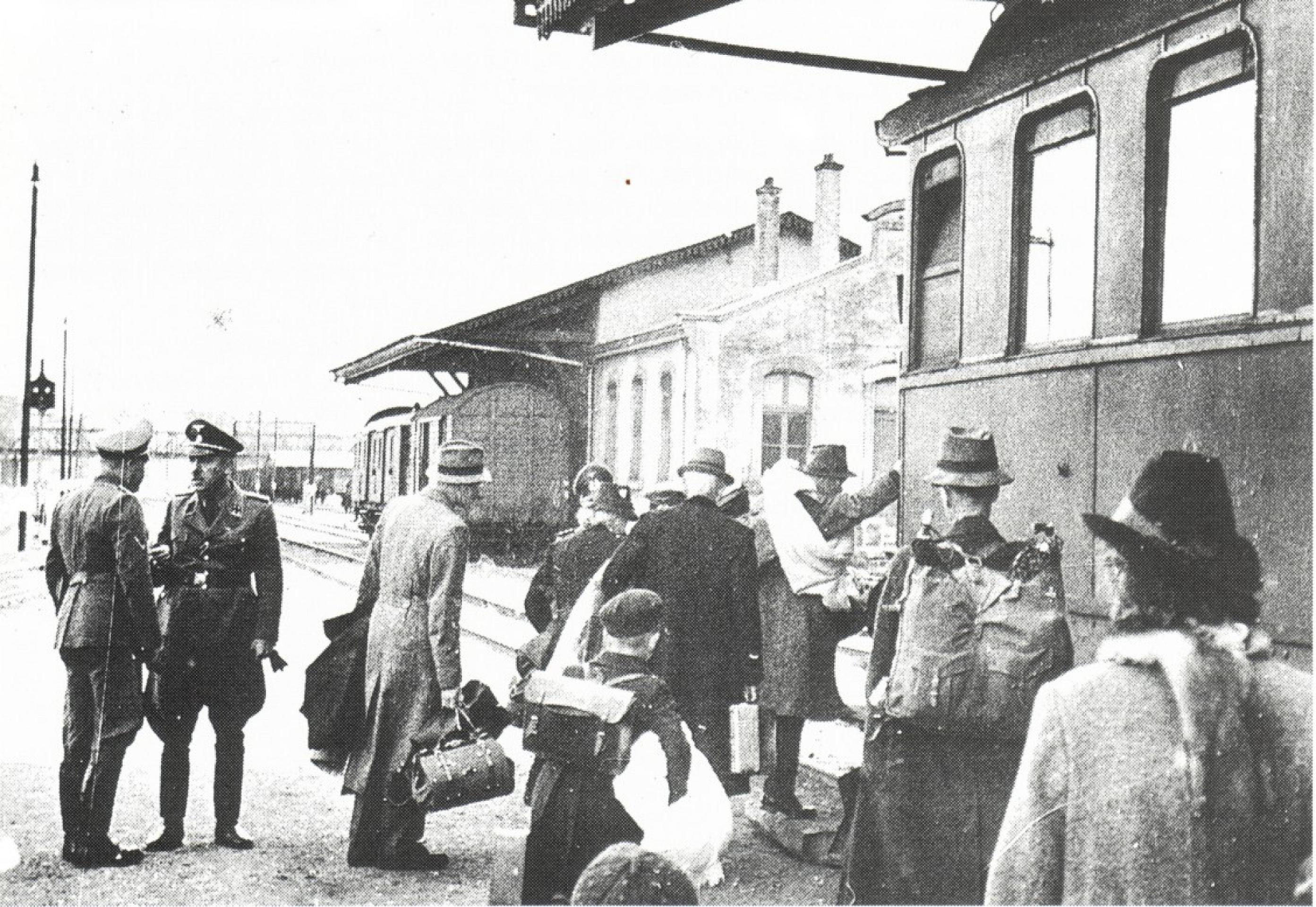
Since 1996, a memorial in the building of the former Luxembourg-Hollerich railway station has commemorated the deportations from the station to the German Reich, which took place between October 1942 and July 1944.
History
On May 10, 1940, the German Wehrmacht invaded neutral Luxembourg and occupied the country. Adolf Hitler appointed Gustav Simon, the Gau leader of the Koblenz-Trier region, as the new civil administrator of Luxembourg. The occupiers soon began persecuting the Jews. The first deportation train carrying Jews departed from Luxemburg's main station in October 1941 - it was bound for the Łódź ghetto. Prior to their deportation, Jews were assembled at the Pafemillen (German: Fünfbrunnen) monastery in the north of the country. Until June 1943, six further transports followed to ghettos and concentration camps in occupied Eastern Europe.
In August 1942, Simon introduced the general conscription of men in Luxembourg - by then, Luxembourg had been incorporated into the German Reich. Although the local population protested against these measures, about 11,200 men were drafted for labour service or into the Wehrmacht in the years that followed. Simon had the demonstrations violently suppressed; the conscripts were subsequently transported from the Hollerich station to the east.
Victims
Of the 11,200 Luxembourgers forcibly drafted for the Wehrmacht and labour service, over 2,700 did not return. 3,600 Luxembourgian girls were drafted for labour service; 60 of them perished. Beginning 1942, over 4,100 men, women and children were forcibly resettled from Luxembourg to eastern provinces of Germany, about 73 of them died.
Before the Second World War the Grand Duchy of Luxembourg had around 300,000 inhabitants. 3,500 to 3,700 of these were Jews, including many refugees from Nazi Germany and the Saar region, which had been reincorporated into the Third Reich on March 1, 1935. The German Wehrmacht invaded neutral Luxembourg on May 10, 1940. The newly appointed Gauleiter (district leader) Gustav Simon (1900–1945) began to strip Jews of their rights with the aim of annexing a Jew-free Luxembourg to the Reich. In October 1941, the approximately 700 Jews remaining in the country were incarcerated in the former monastery in Fünfbrunnen. Many of them died as a result of the conditions there. In the period up to June 1943, the SS deported the survivors in several transports to occupied Poland, where they were taken either to Auschwitz-Birkenau or to ghettos, from which they were also later transported to the extermination camps. Many Luxembourg Jews who had fled to countries such as France and Belgium were captured by the German SS or police. The total number of Jewish victims is estimated at around 1,200.
In August 1942, Luxembourg ceased to exist as a country and became part of the German »Moselland« Gau (administrative district). The introduction of compulsory Reich labour service and universal military conscription for those born between 1920 and 1927 led to strikes in 1943. The authorities retaliated by carrying out shootings and deportations to the concentration camps. The Luxembourg resistance did not become a single coordinated movement until March 1944. Many young Luxembourgers, including those who had gone underground to escape military service, joined the French and Belgian resistance. American troops liberated Luxembourg in September 1944. During the Ardennes offensive the following winter the north of Luxembourg was reoccupied by Germany. The country was liberated by the Americans for a second time in January 1945. The country suffered an immense amount of war damage. Over 5,700 Luxembourgers died as a result of World War Two, including almost 2,900 forced recruits who died in combat and around 800 who died in the concentration camps. There are monuments and museums in Luxembourg remembering the war, resistance and deportations but also the Allied liberators, the hundreds who died in the Ardennes offensive and the deported Jews.
Remembrance
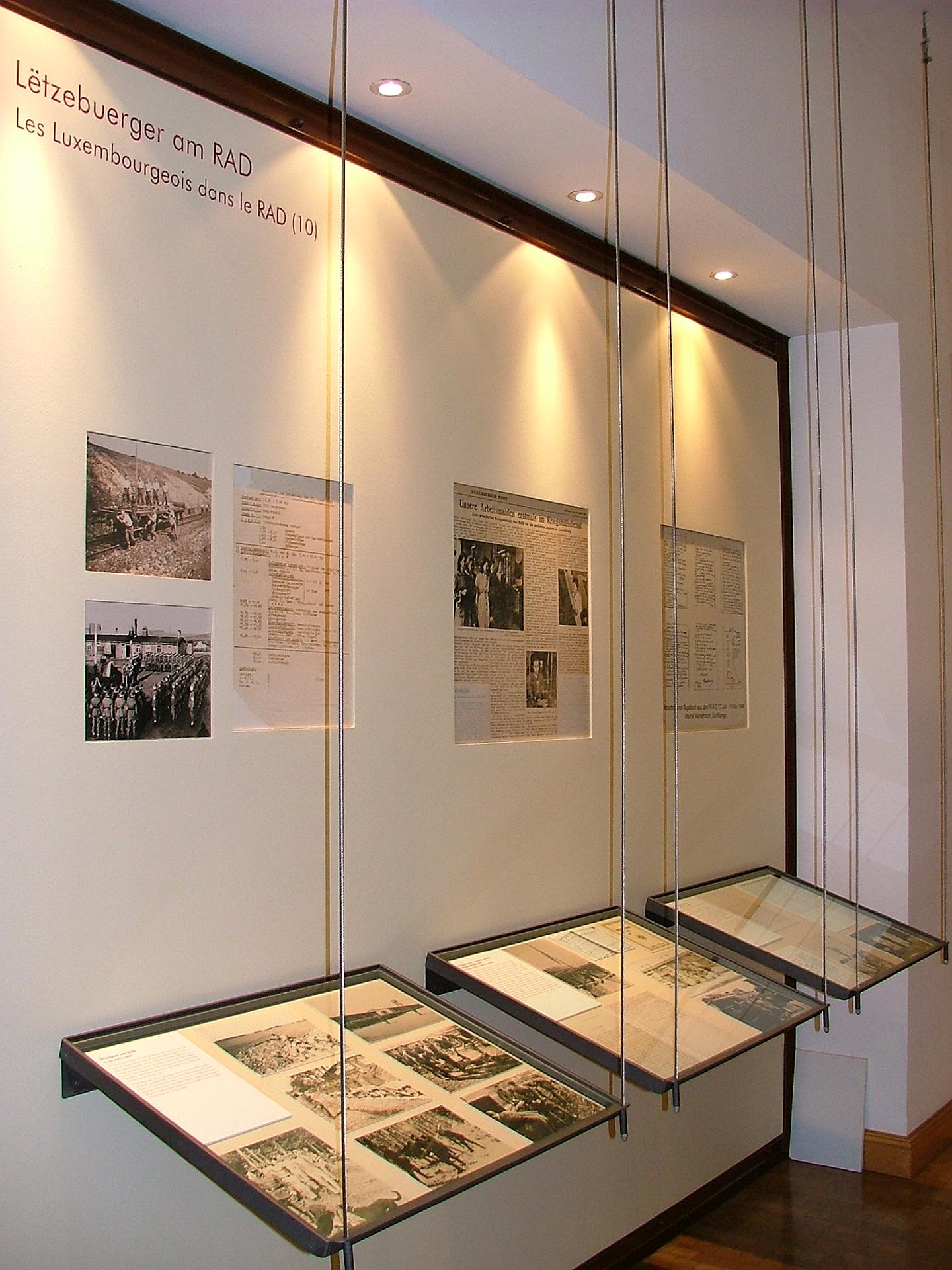
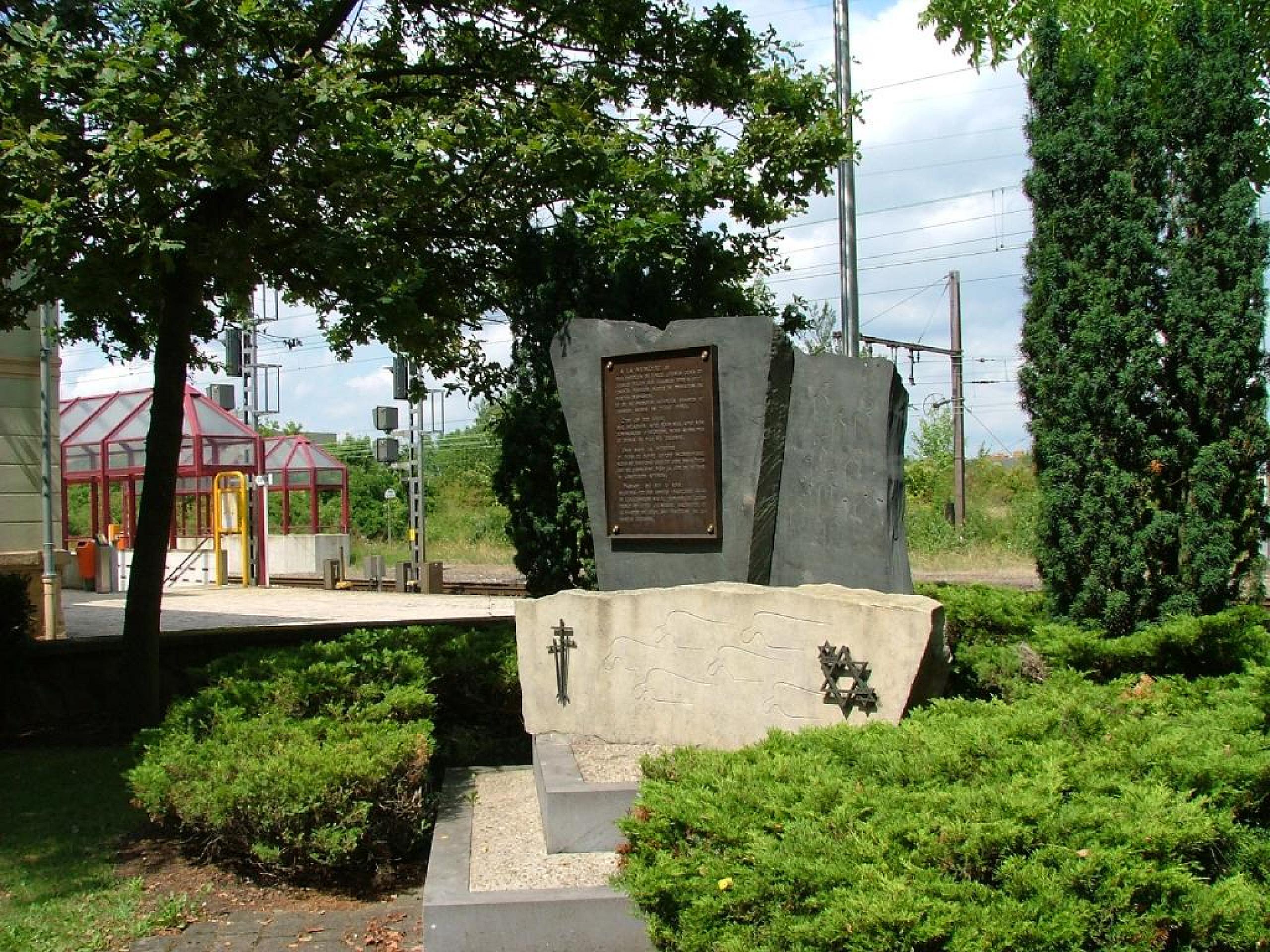
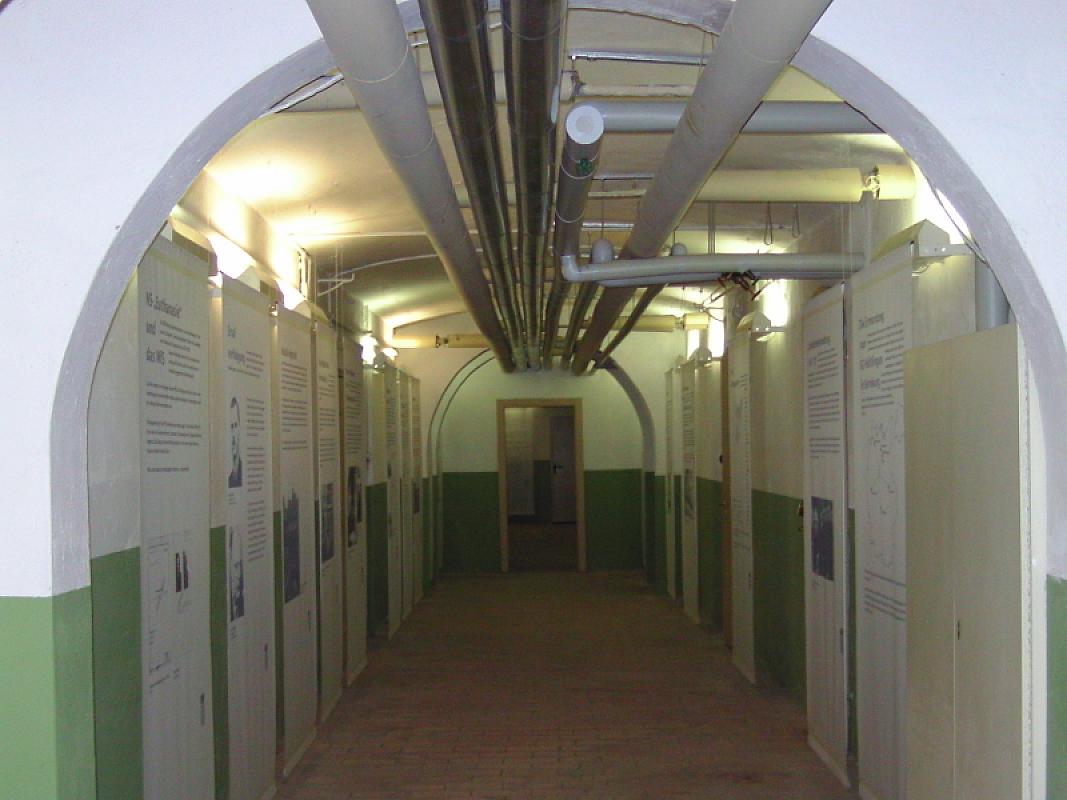
The Deportation Memorial was opened in the former Luxembourg-Hollerich railway station in 1996. The memorial contains a permanent exhibition. A memorial to those deported from Luxembourg was erected close-by.
Possibilities
Memorial, exhibition, film archive and screening room, library
Open
Tuesday to Friday: 9 a.m. to 11.30 a.m. and 2 p.m. to 4 p.m. or by appointment. Closed on holidays.