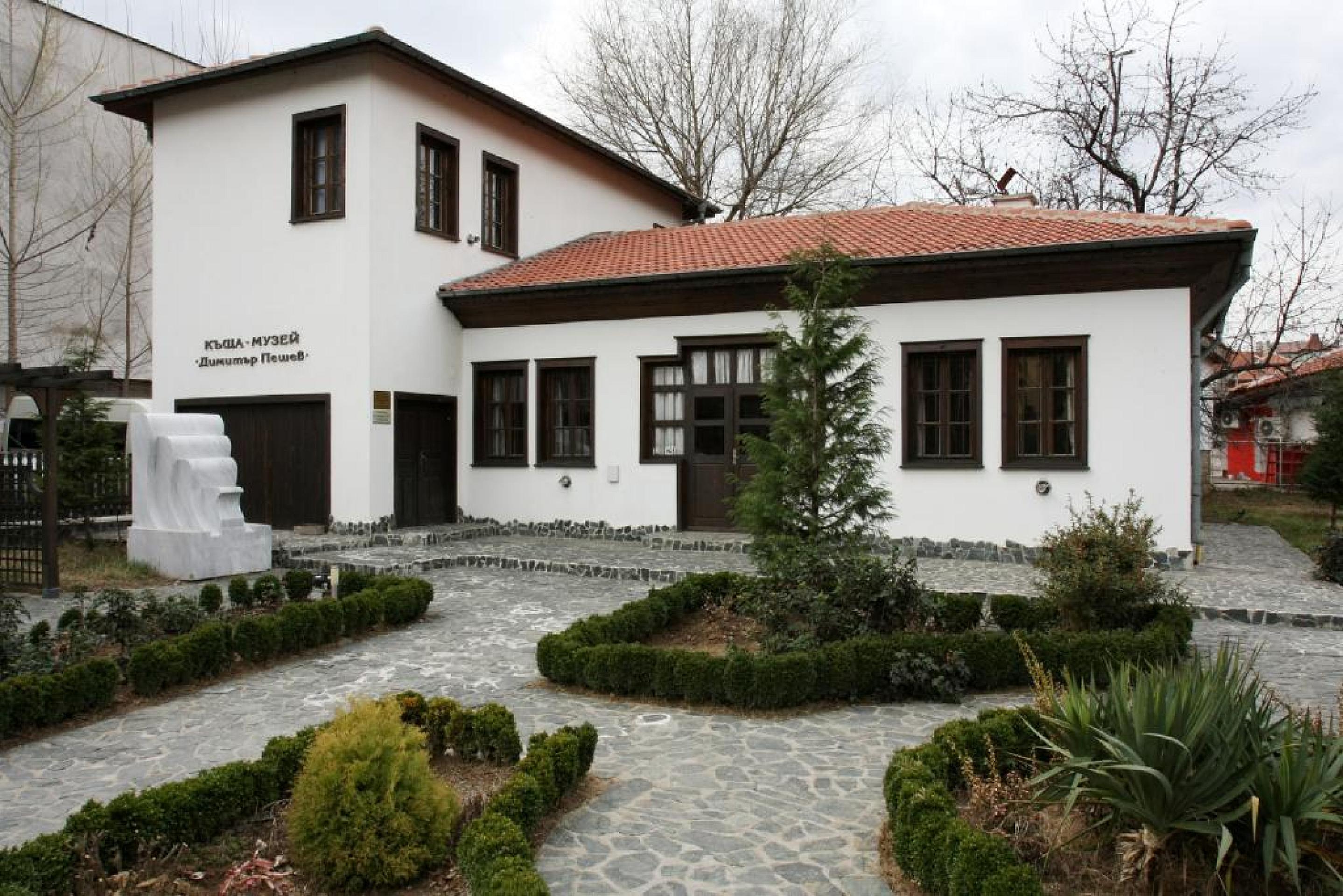
A museum in the town of Kyustendil is dedicated to the life of local-born Dimitar Peshev, Deputy Speaker of the Bulgarian National Assembly during World War II. In 1943, he publicly stood up against the planned deportations of the Bulgarian Jews.
History
Already in September 1939, the Bulgarian government expelled all foreign Jews from the country. When the law for the »defence of the nation« came into force in January 1941, the persecution of the Jews in Bulgaria began: They were forced to identify themselves with a yellow star, they were expropriated and expelled from the cities. Thousands of Jewish men were deployed in strenuous forced labour in camps. Moreover, Bulgaria agreed to the deportation of its Jewish citizens living abroad to Auschwitz. When the Wehrmacht invaded Yugoslavia and Greece in the spring of 1941, Bulgaria occupied the Greek region of Thrace as well as parts of Macedonia and Serbia. Although the region was not occupied by the German Wehrmacht, Bulgarian authorities arrested nearly 11,500 Jews in these territories and handed them over to the SS, who deported them to the Treblinka death camp in occupied Poland and murdered them there.
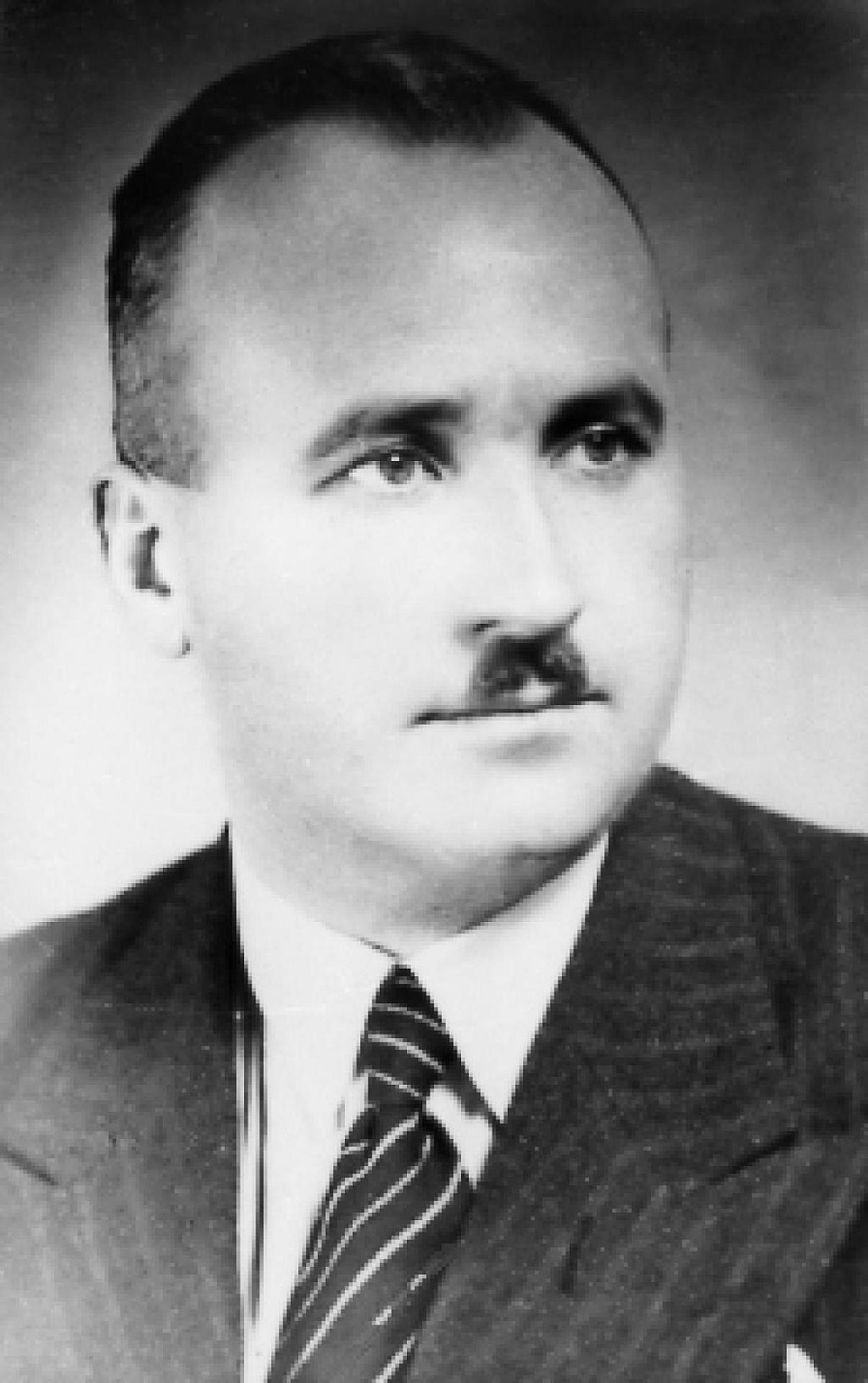
Jews were also arrested in the Bulgarian heartland. On March 8, 1943, train cars that would transport the Jews to death camps were prepared. Deputy Speaker of the Bulgarian National Assembly, Dimitar Peshev (1894–1973) intervened by speaking to Minister of the Interior Gabrovski and Tsar Boris III, advocating that the Jews remain in Bulgaria. Peshev subsequently wrote a manifesto in support of ending all anti-Jewish measures in Bulgaria. Peshev and 42 other deputies signed the letter, and on March 17, it was handed to the prime minister. Protests of politicians and church representatives eventually thwarted the planned deportations. One reason for this may have been the looming military victory of the Allies.
The communist government, which was installed by the Soviets after the war, sentenced Peshev to 15 years in prison at the beginning of 1945. He was reprieved after one and half years, and lived a secluded life after his release. Just a few weeks before his death, Peshev was awarded the title of »Righteous Among the Nations« by the Israeli memorial Yad Vashem.
Victims
The museum is dedicated to Dimitar Peshev and the »rescue of the Bulgarian Jews«. Nevertheless, Bulgaria was also complicit in the National Socialist policy of extermination: Beginning March 1943, Bulgaria arrested 11,393 Jews in Thrace (today in Greece), Macedonia and the city of Pirot (today in Serbia) and handed them over to the SS, who murdered them at the Treblinka extermination camp.
Remembrance
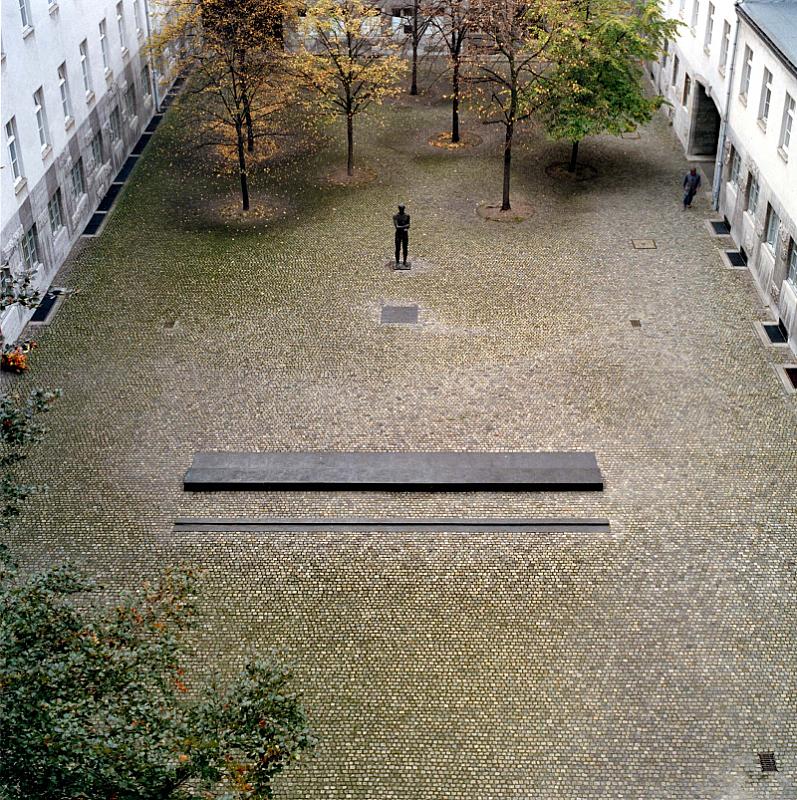
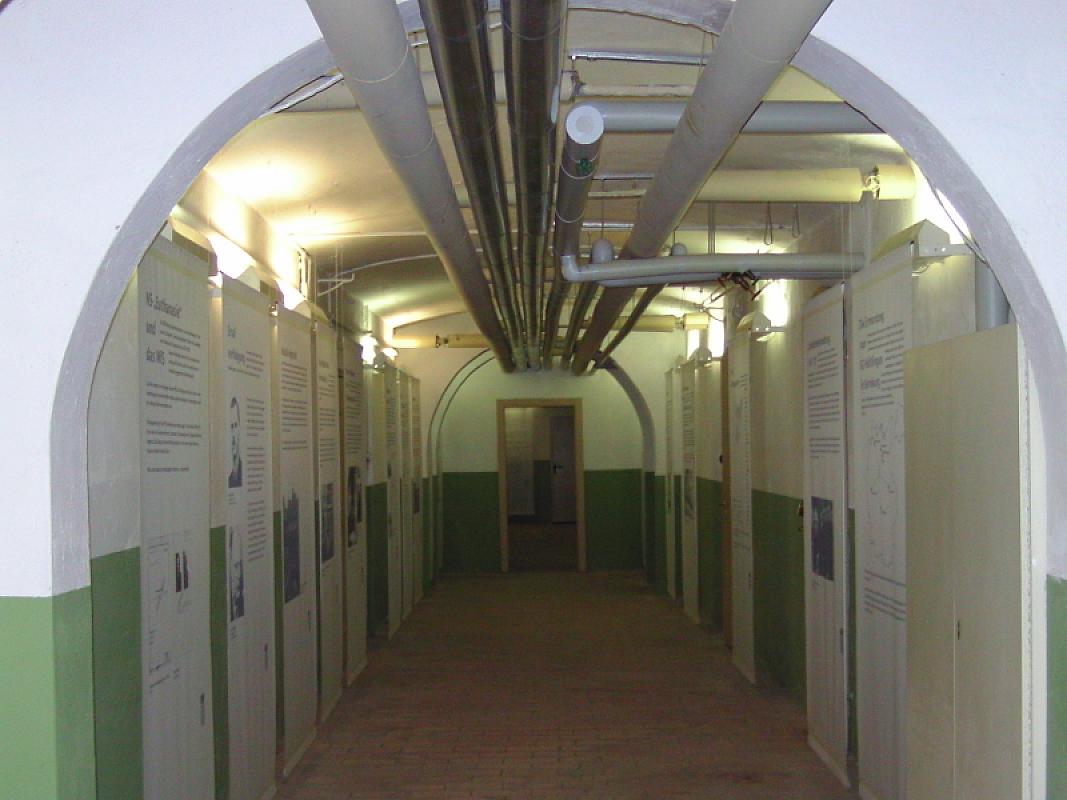
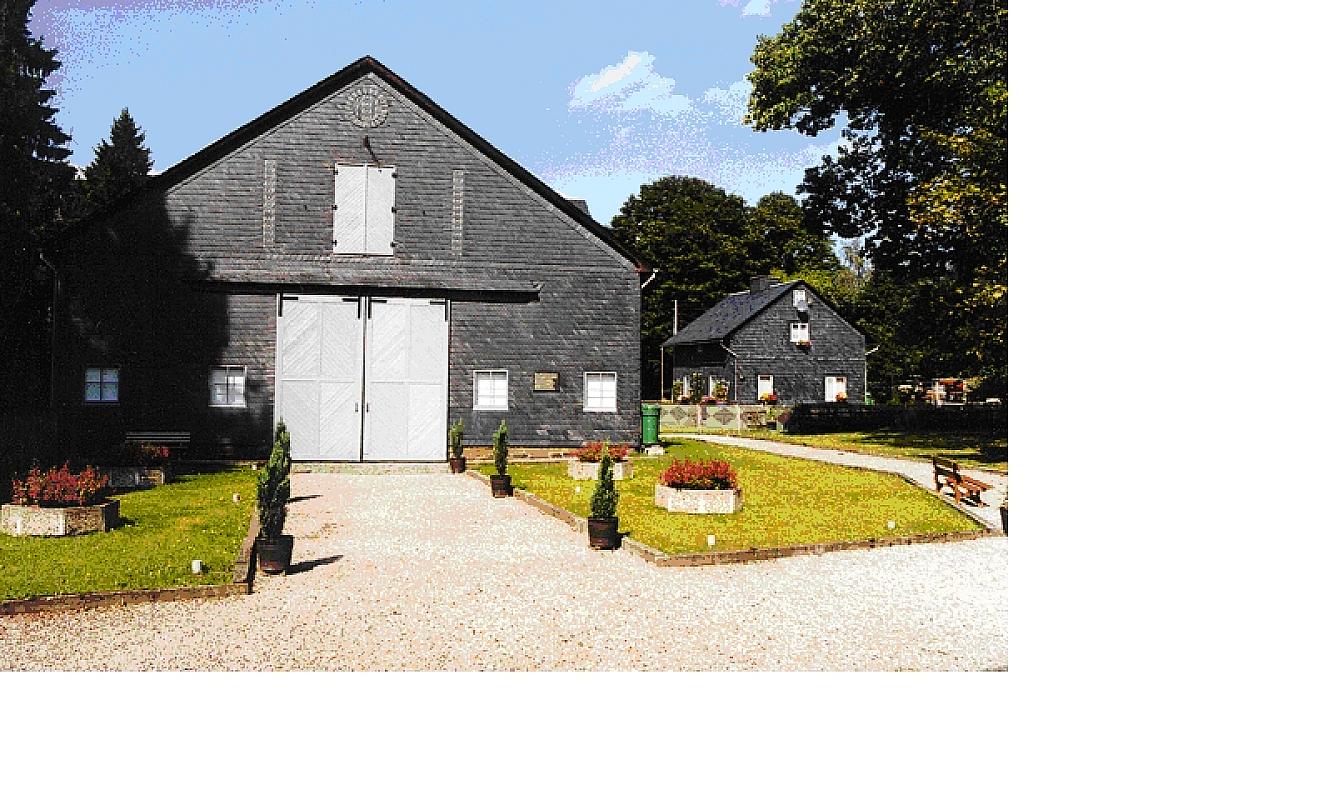
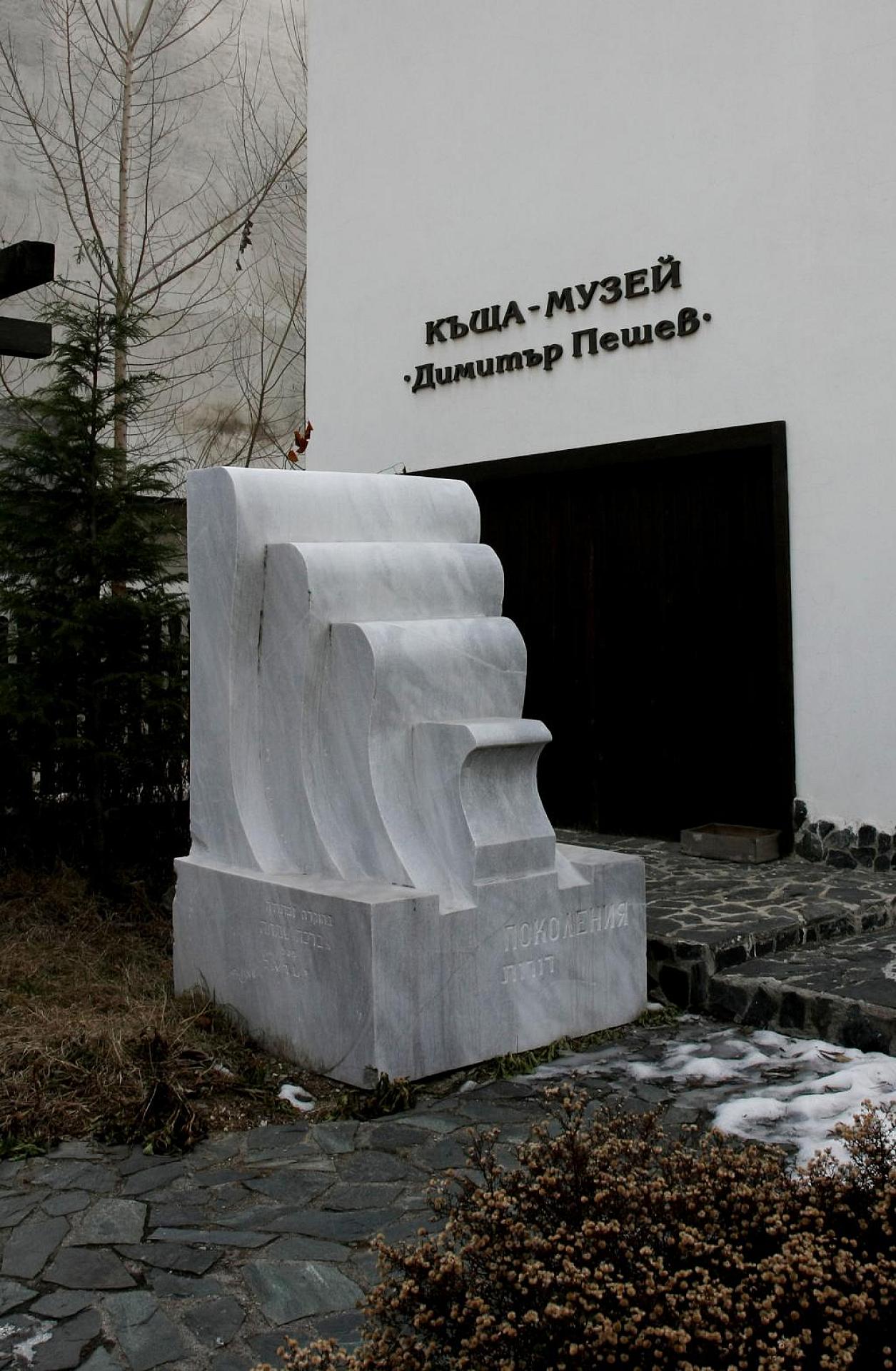
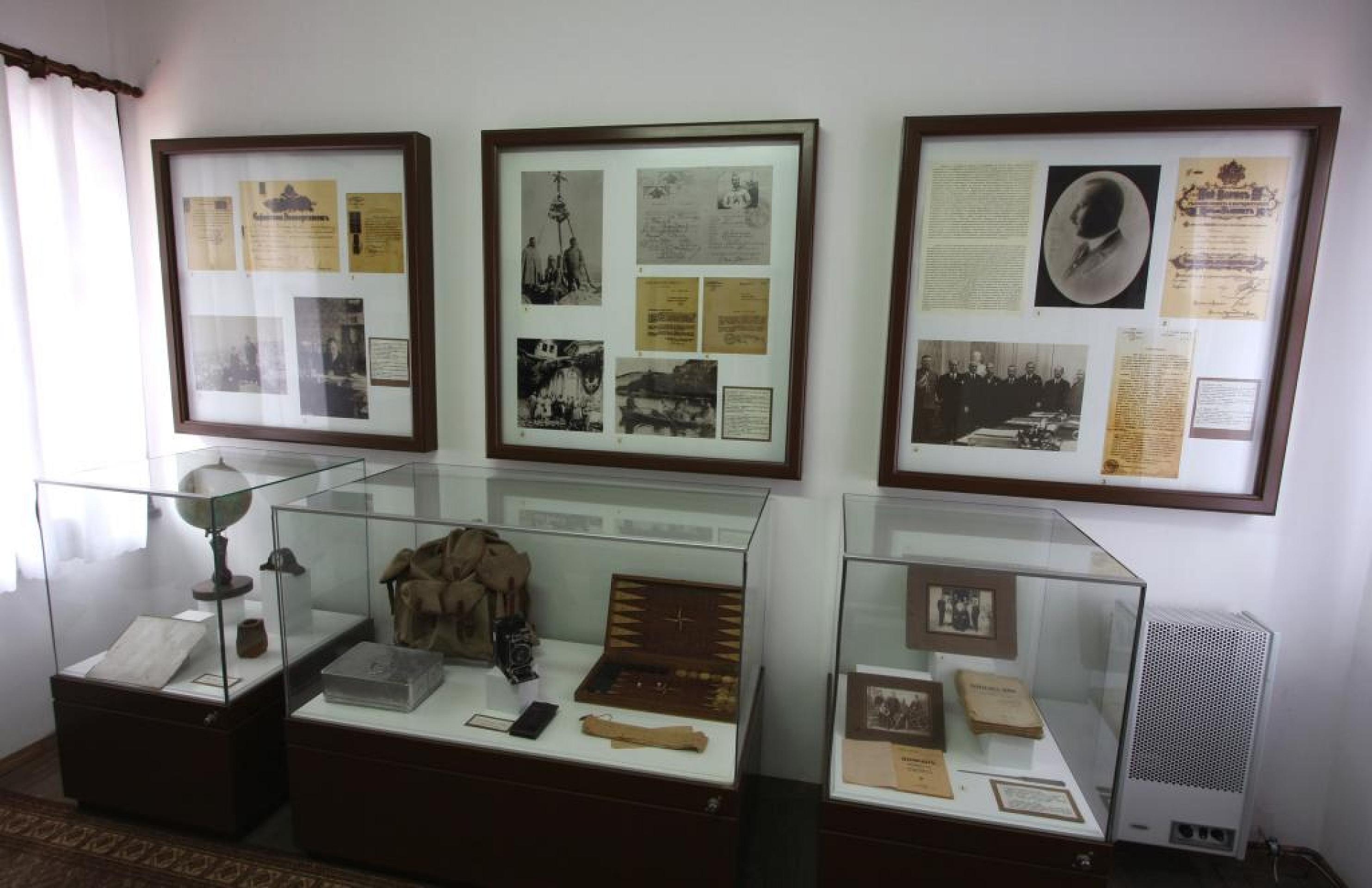
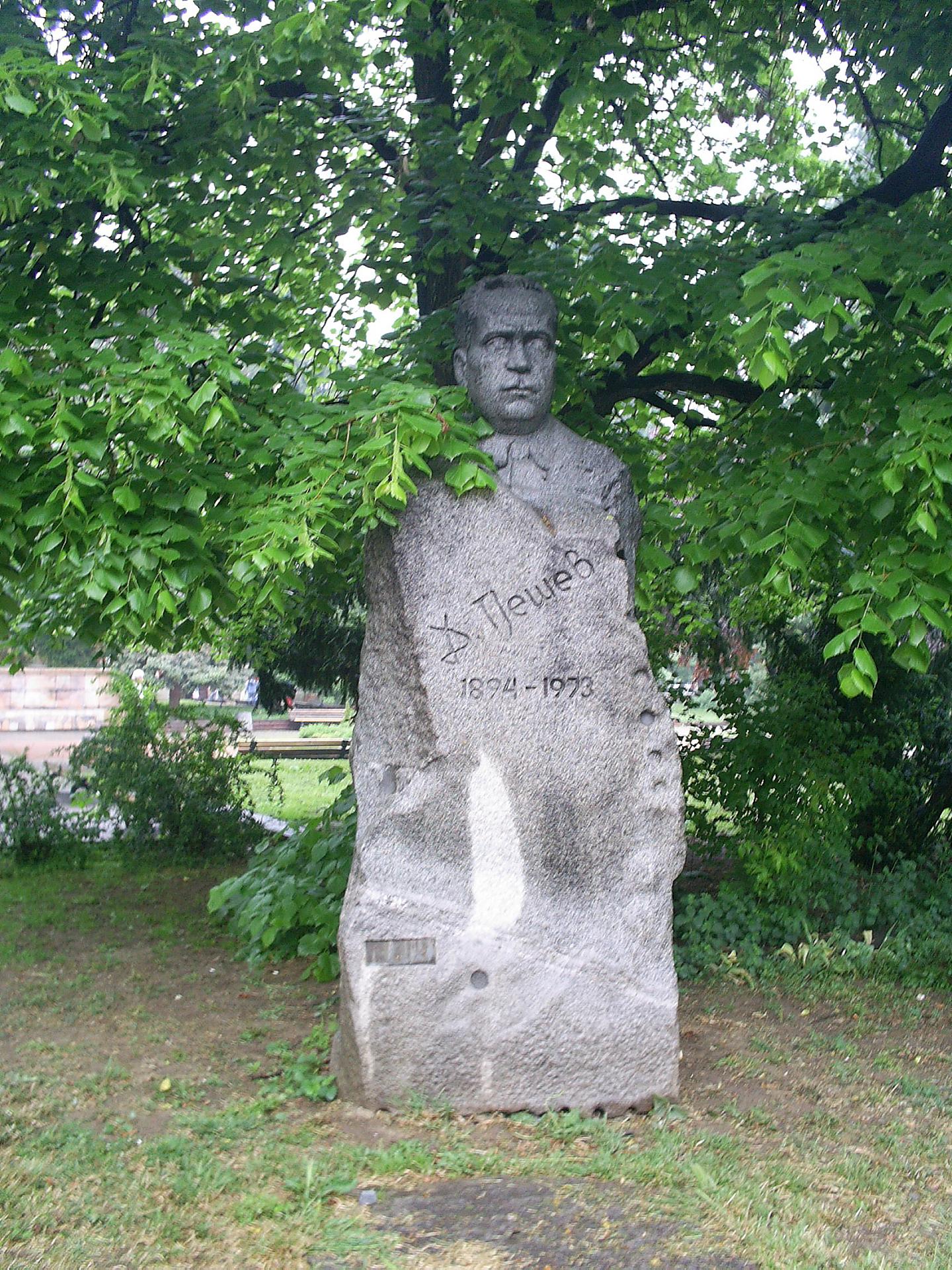
For decades, the story of Dimitar Peshev was unknown to the broad public. The communist regime deliberately kept Peshev's deed a secret in order to emphasise the role communists played in the rescue of the Bulgarian Jews. This changed in 1998, when a book on Peshev was published by Italian journalist Gabriele Nissim. In 2001, a sandstone statue in honour of Peshev was dedicated in a park named after him in the centre of his home town Kyustendil. Two years later, on March 9, 2003, the Dimitar Peshev Museum was opened. The research efforts and the reconstruction of Peshev's birth house were financed by the »Union of Bulgarian Jews« in Israel. Peshev's niece, Kaluda Kiardiyeva, donated her uncle's personal documents and furnishings to the museum. The museum building is a reconstruction of Peshev's birth house, which is not on its original location but in the city centre. The exhibition consists of three rooms with a total of 150 square metres exhibition space. It presents the history of Jewish life in Bulgaria since 1878, when Jews were granted civil rights; the life and times of Dimitar Peshev as well as the life of Jews in Kyustendil since 1943. Located in the museum's garden is a sculpture by Israeli artist Simcha Beracha entitled »Generations«, which symbolises the witnesses and their descendants.
Possibilities
Guided tours in Bulgarian and English by appointment
Open
Wednesday to Sunday 9 a.m. to 5 p.m.
Contact
http://www.kyustendilmuseum.primasoft.bg/
rmuseum.kn@mail.bg
+ 359(0)78 551 811
Zar-Simeon-I.-Straße 11
2500 Kjustendil