Documentation and Information Centre Stadtallendorf
Dokumentations- und Informationszentrum Stadtallendorf
Between 1938 and 1945, over 17,000 forced labourers were deployed in the arms industry in what is today Stadtallendorf. The Documentation and Information Centre (DIZ) deals with this time period and commemorates the fate of the thousands of men and women affected.
History
During the National Socialist period, the region east of Marburg became a centre of the German arms industry. In 1938, the Reich-owned real estate company »Verwertungsgesellschaft für Montanindustrie GmbH« decided to construct two dynamite works on a 1,000 hectare large plot of land south of the town of Allendorf. Additionally, Verwertchemie, a subsidiary company of Dynamit Nobel AG and the Westfälisch-Anhaltische Sprengstoff AG built a complex for the production and processing of dynamite. In certain areas of work, such as production, the management deployed foreign labourers from the beginning. Apart from civil forced labourers, soon there were also many prisoners of war from the Stalag IX A Ziegenhain camp, but also criminal convicts as well as concentration camp prisoners were being deployed. From August 1944 on, about 1,000 female inmates from the Auschwitz-Birkenau camp, most of them from Hungary, were forced to work at Allendorf in excavation work, in the laundry or the tailor workshop. The Hungarian forced labourers were exposed to especially hazardous work conditions at the filling plant, where the poisonous explosives were filled into grenades and bomb shells. They had to work six days a week and up to twelve hours a day.
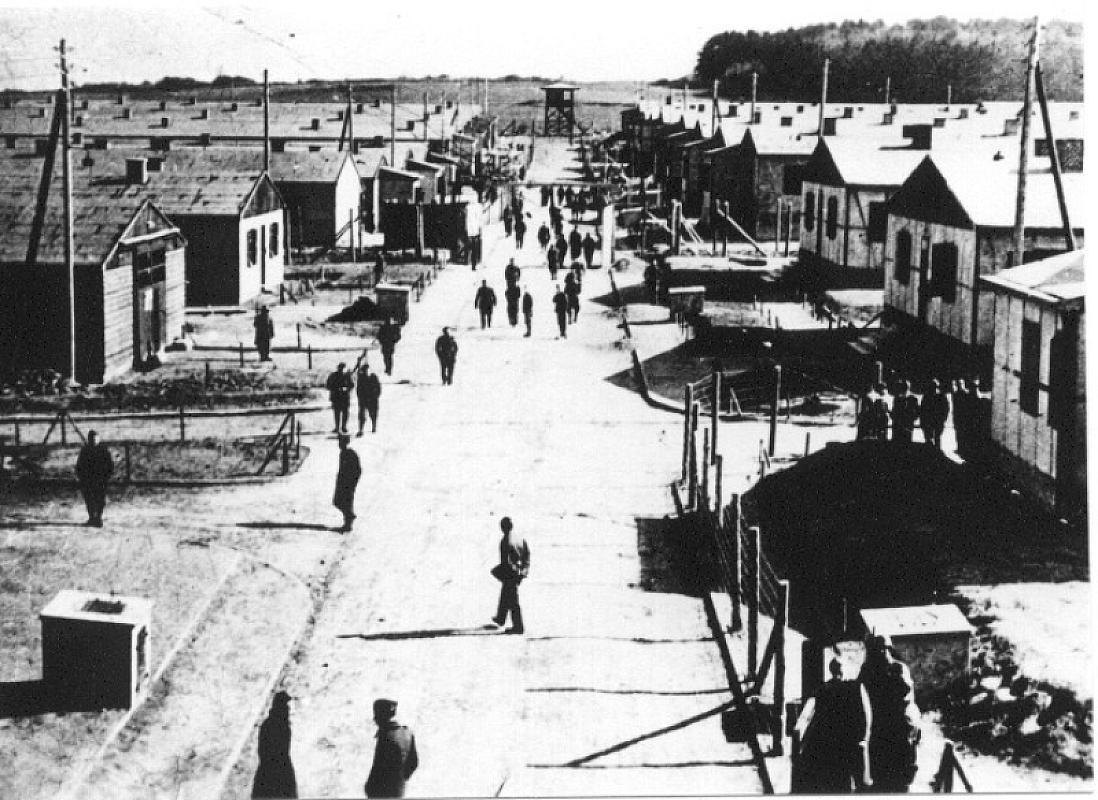
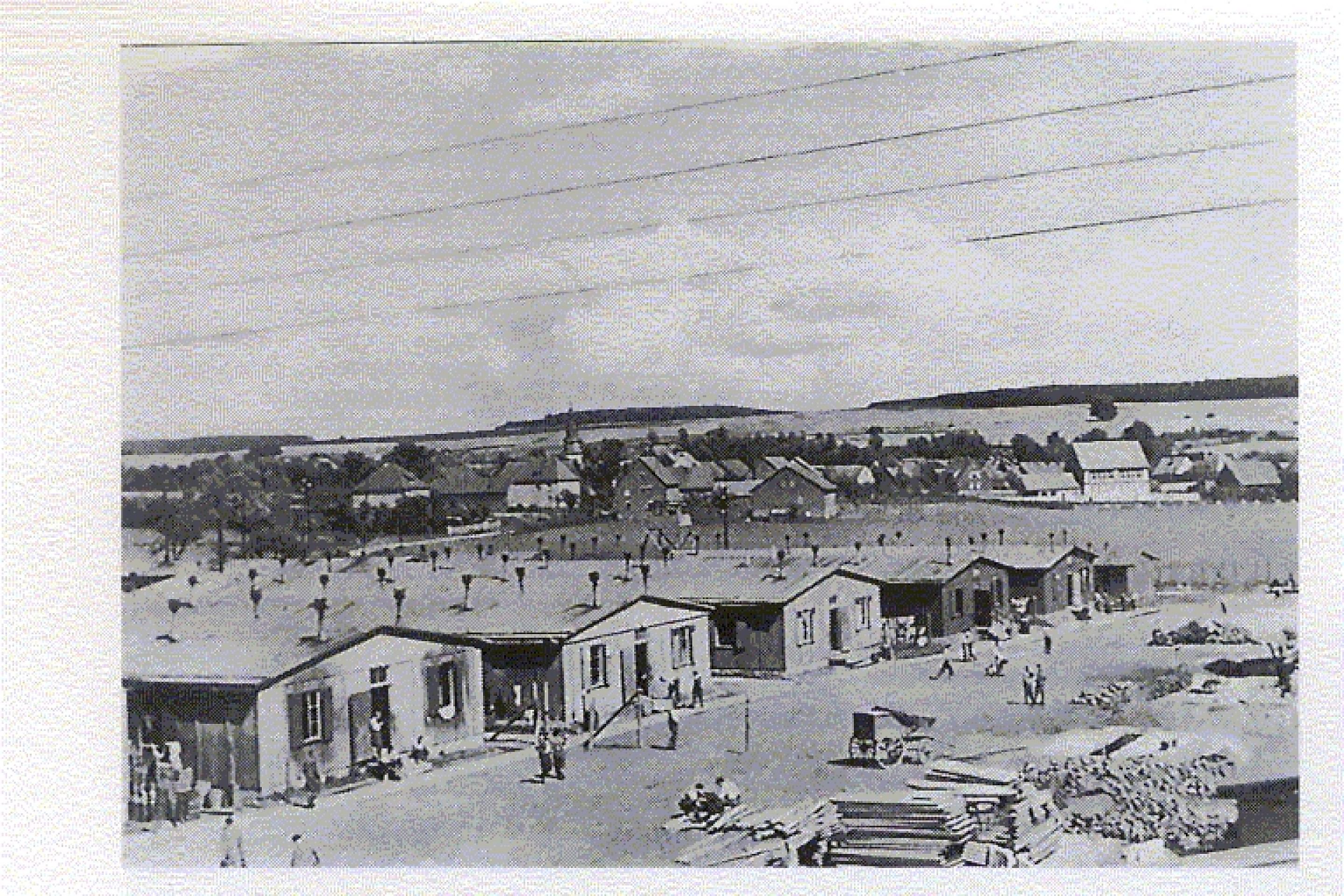
Already at the beginning of 1940, the Münchmühle camp comprising 26 barracks was constructed to house the forced labourers deployed in Allendorf. In August 1944, after concentration camp prisoners had become part of the labour force in Allendorf, Münchmühle became a satellite camp of the Buchenwald concentration camp.
After the end of the war, the Allies accommodated POWs and »displaced persons« in the former satellite camp.
Victims
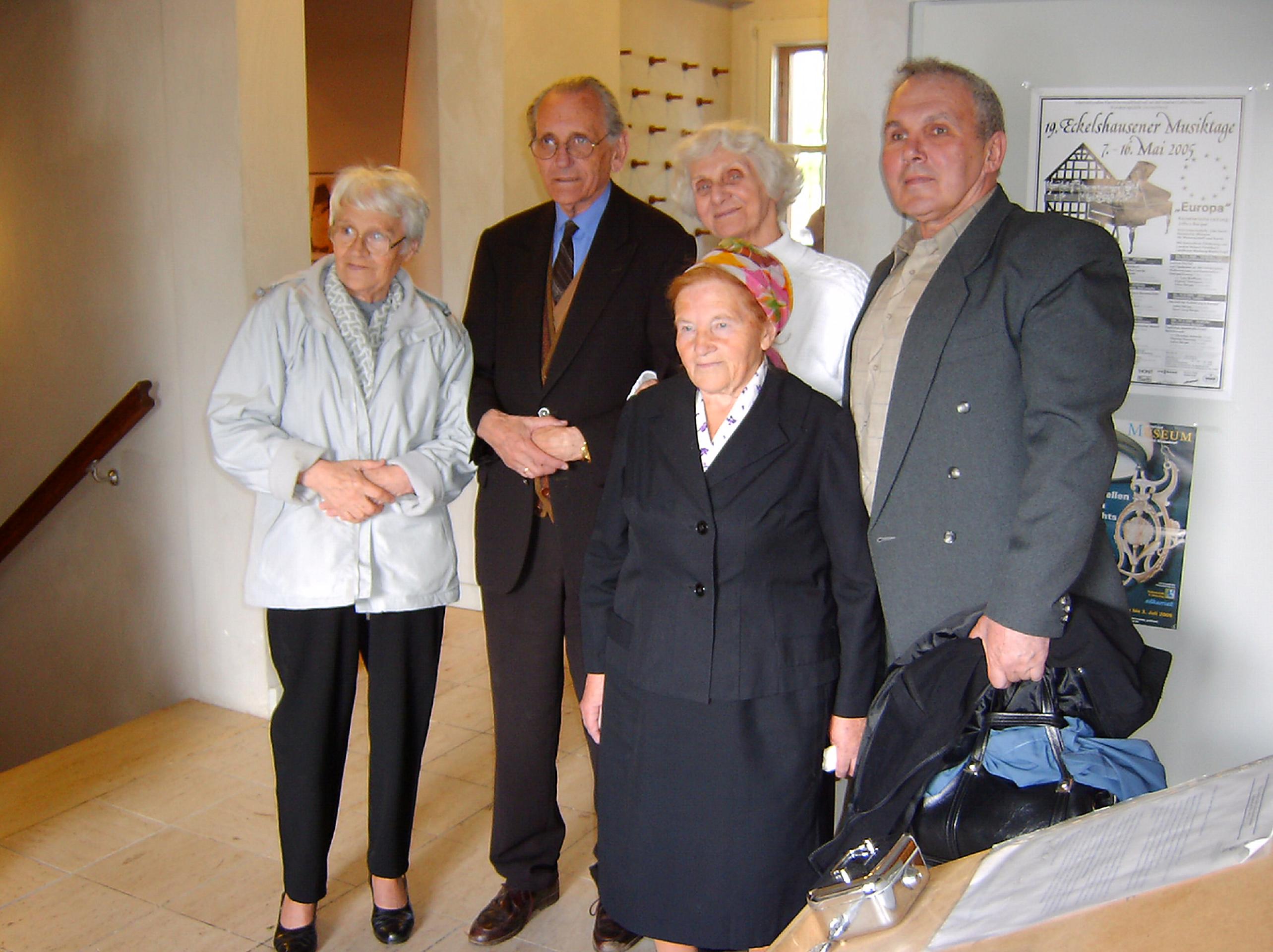
Initially, the units deployed in the Allendorf arms factories consisted of workers of the Reichsarbeitsdienst (RAD, Reich Labour Service) – civil forced labourers from Poland, France, Italy and the Netherlands as well as French, Serbian and Italian prisoners of war. Many of the female Jewish forced labourers who were brought to Allendorf from 1944 on came from Hungary, part of them came from Slovakia. Due to the difficult and hazardous work conditions in the arms factories, many of them suffered life-long health damage. The SS deported several pregnant women and women deemed unfit for labour to the Auschwitz extermination camp and to the Bergen-Belsen concentration camp.
Remembrance
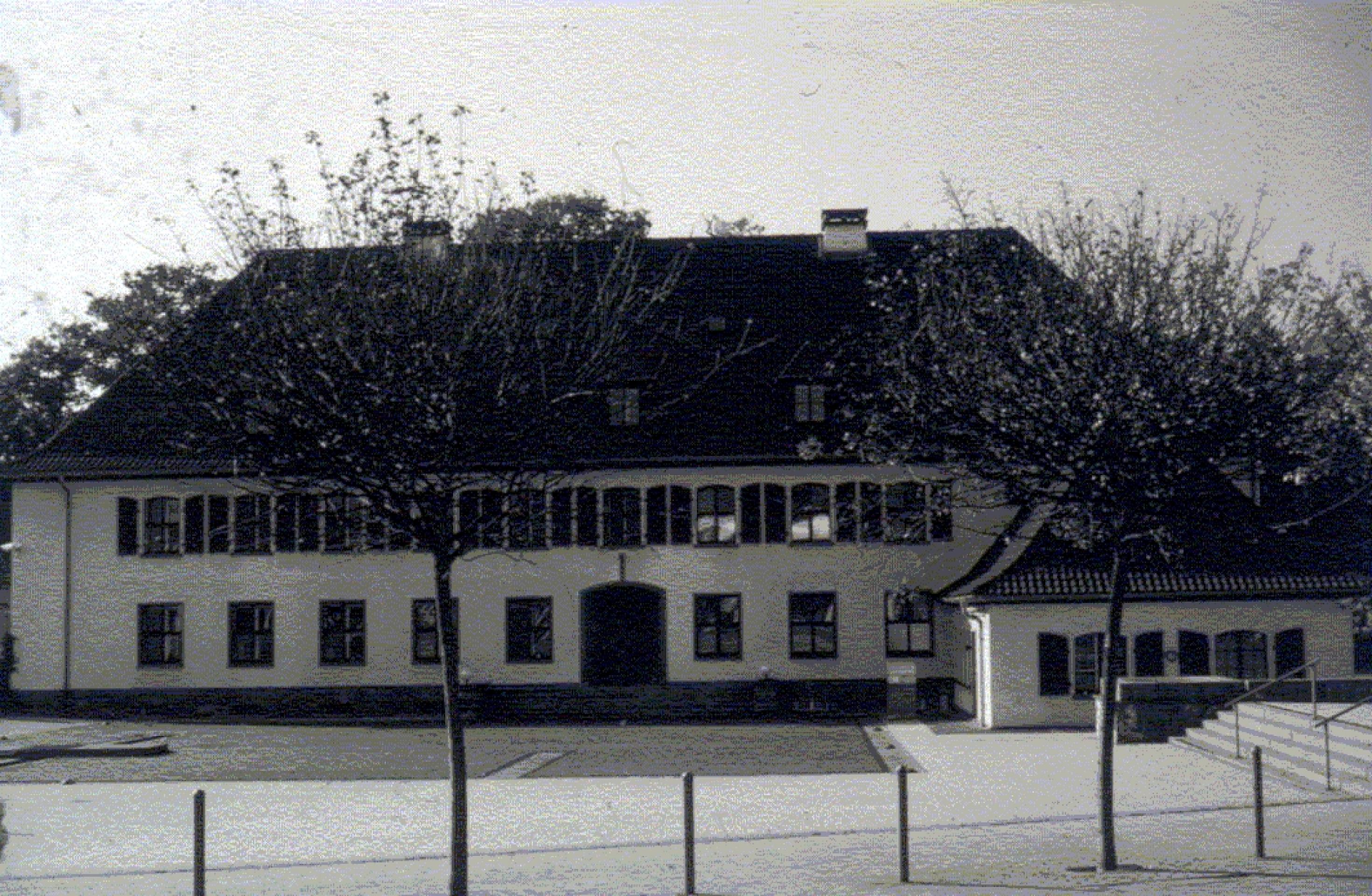
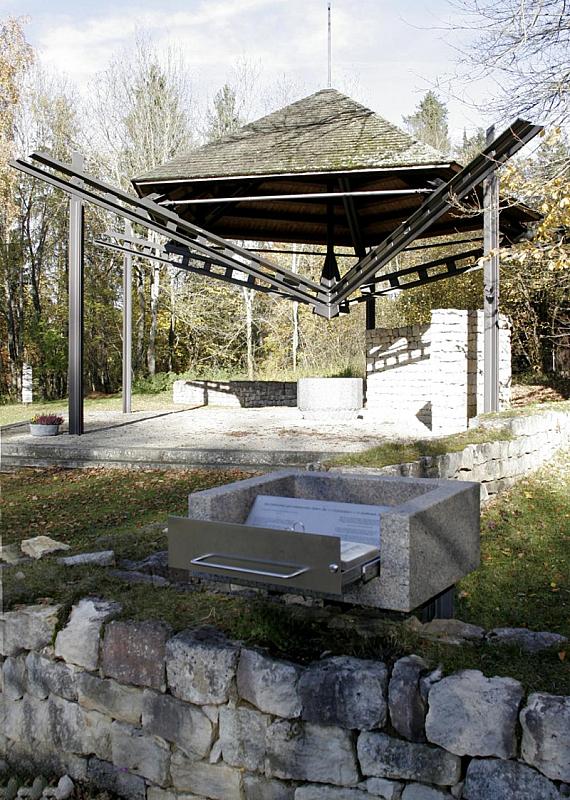
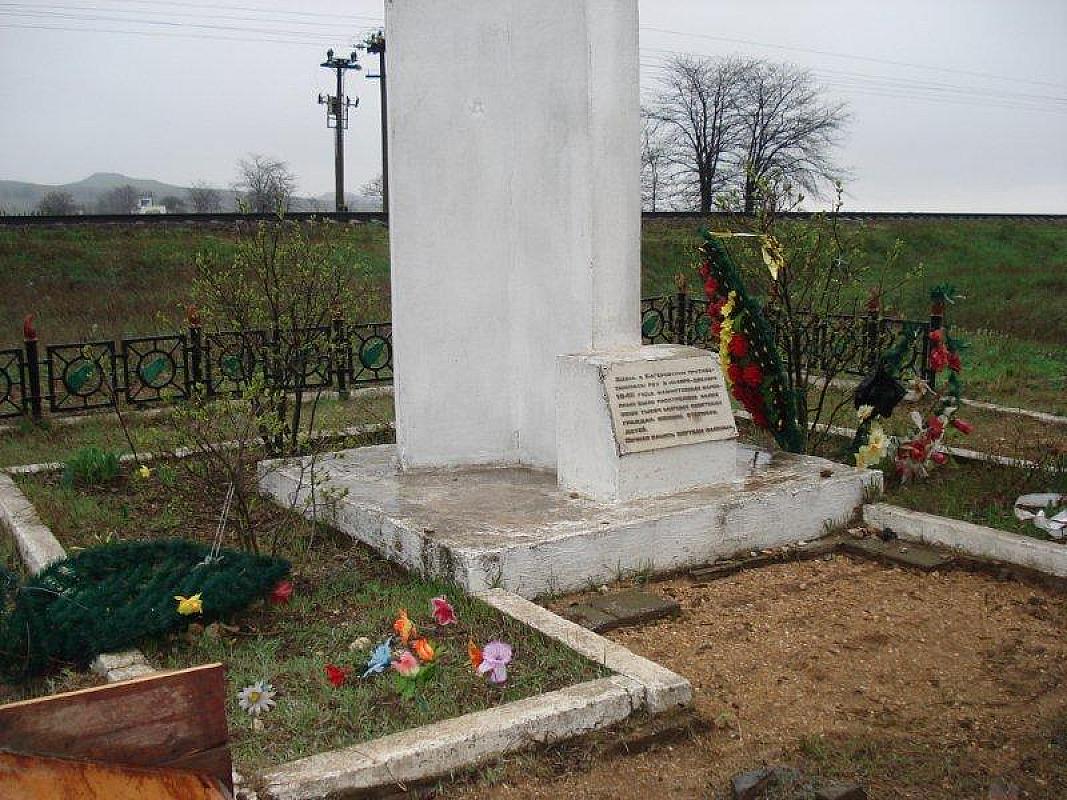
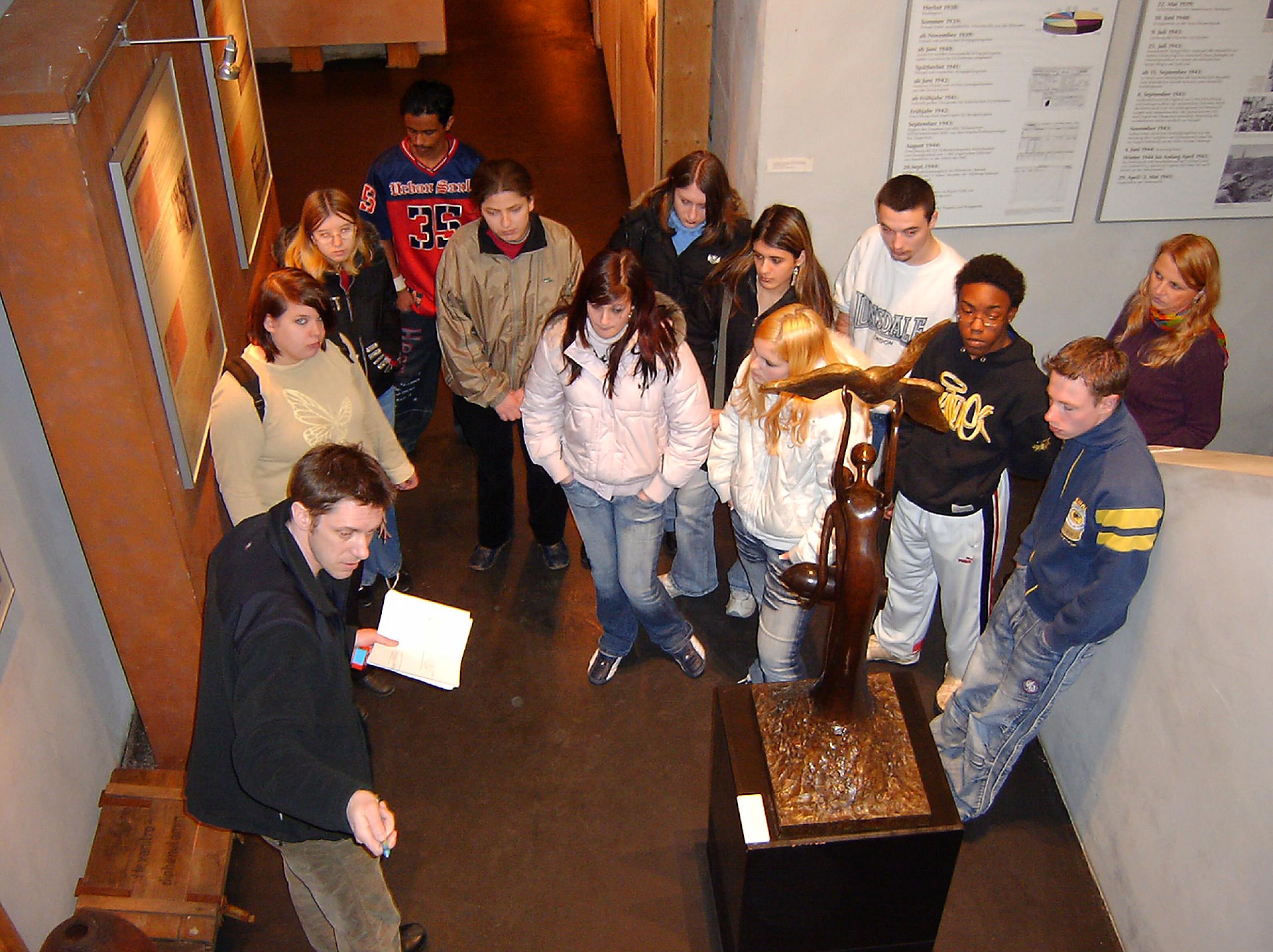
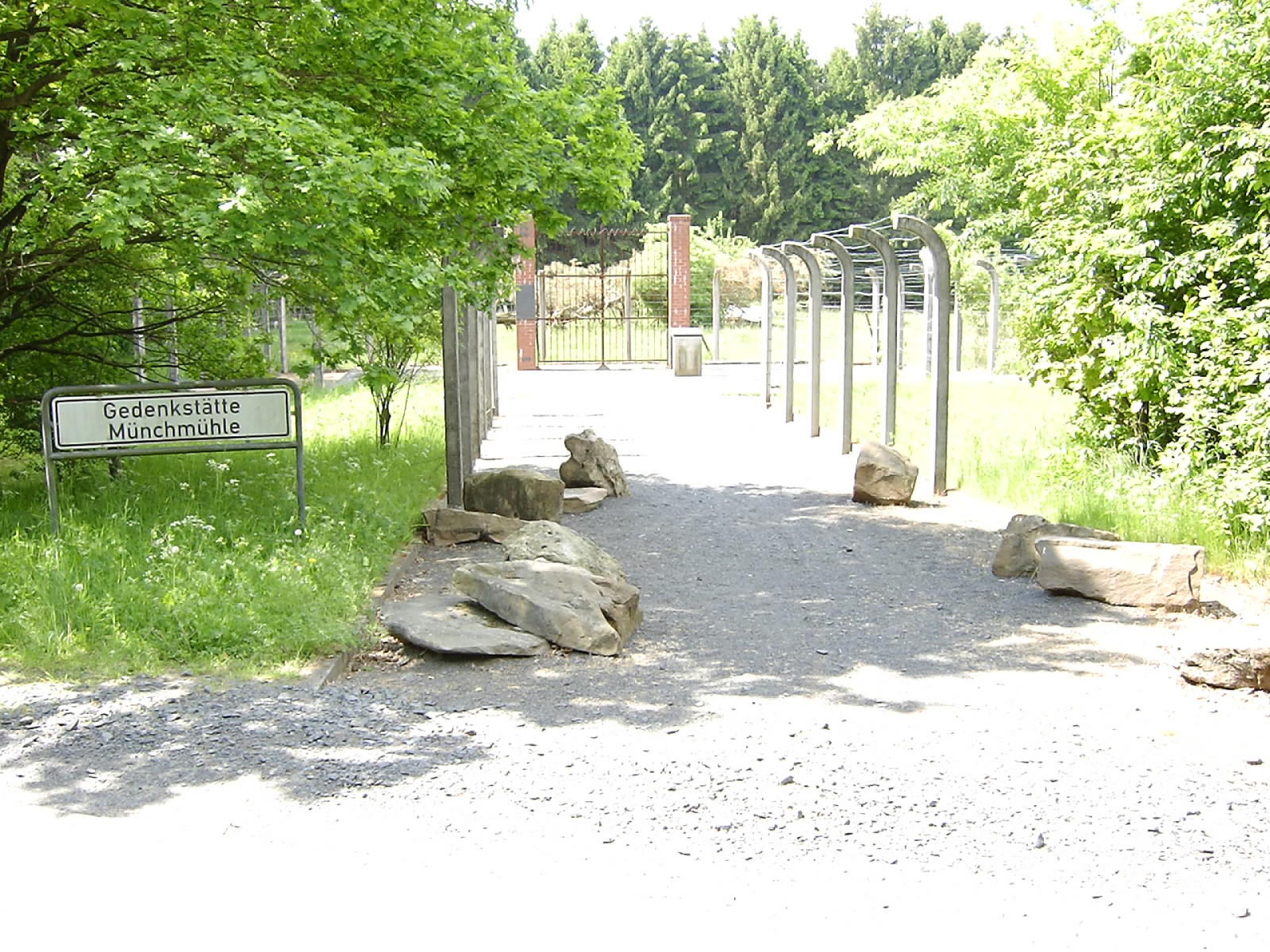
The Documentation and Information Centre (DIZ) is located in the side wing of the former administrative seat of the Dynamit Nobel AG. The city of Stadtallendorf began dealing with its National Socialist history in 1986. In the course of these efforts, the Documentation and Information Centre was established in 1994. The DIZ's mission is to document and come to terms with the fate of forced labourers in Allendorf. The administrative district of Marburg-Biedenkopf set up a monument on the former premises of the Mühldorf satellite camp in 1988.
Possibilities
Permanent exhibition, guided tours, introductory lectures, reference and media library, exhibitions on the topic of National Socialism and regional history, workshops and seminars, events with external lecturers, film screenings, thematic tours through the town
Open
Tuesday to Thursday 9 a.m. to noon and 2 p.m. to 4 p.m., every first Sunday each month 3 p.m. to 6 p.m.
Contact
http://www.diz-stadtallendorf.de
info@diz-stadtallendorf.de
+49 (0)6428 707 424
Aufbauplatz 4
35260 Stadtallendorf