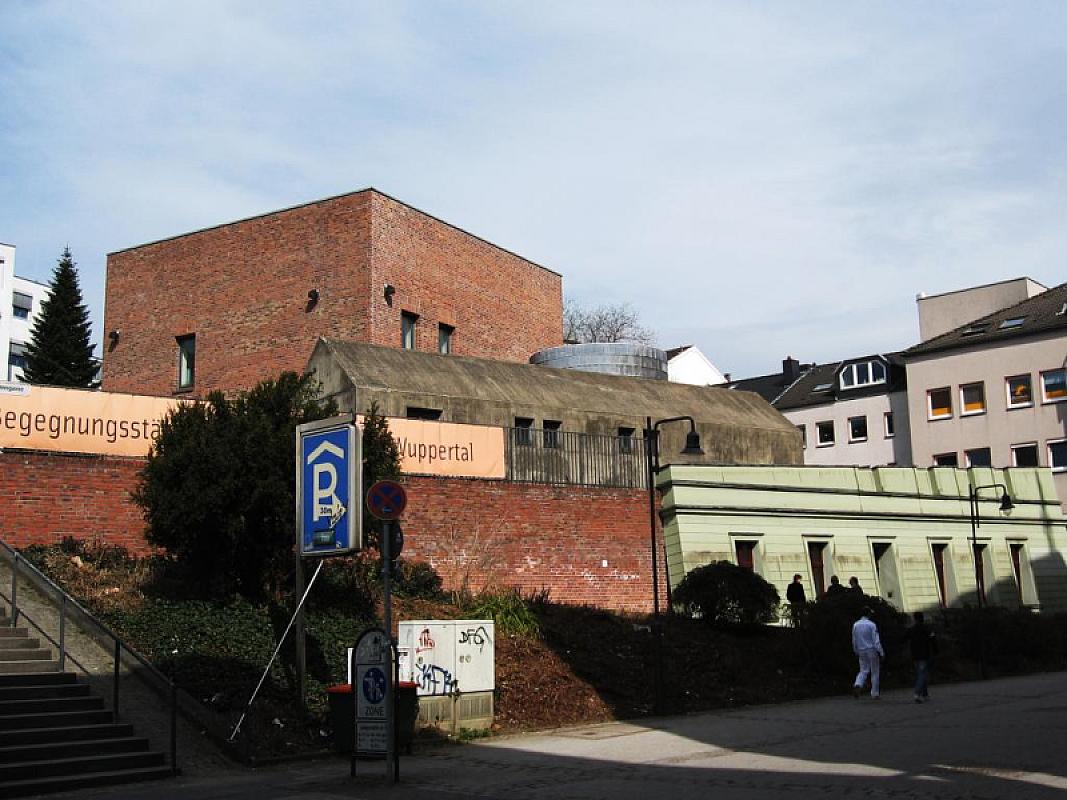
Documentation and Memorial Site Sandbostel
Dokumentations- und Gedenkstätte Sandbostel
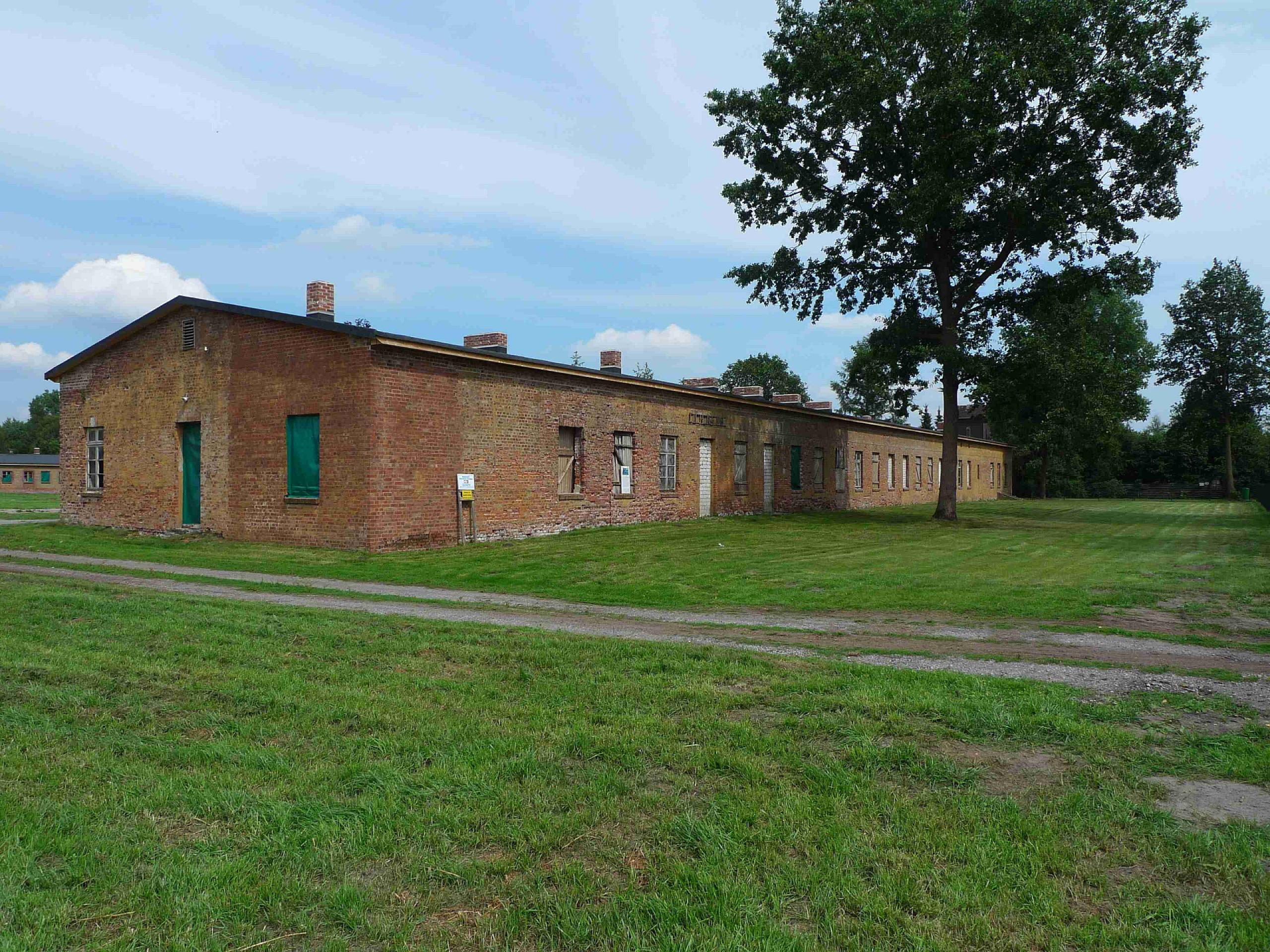
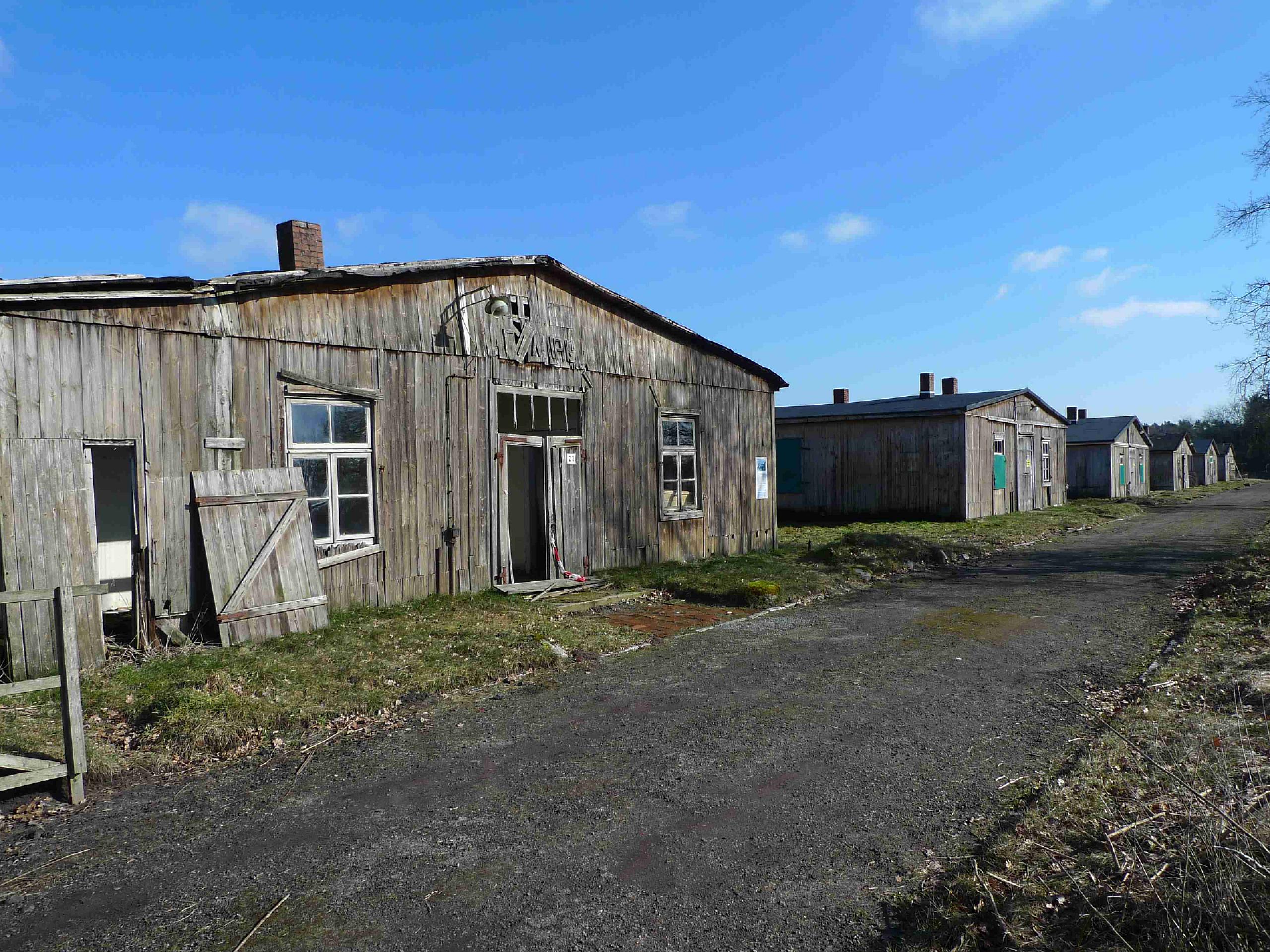
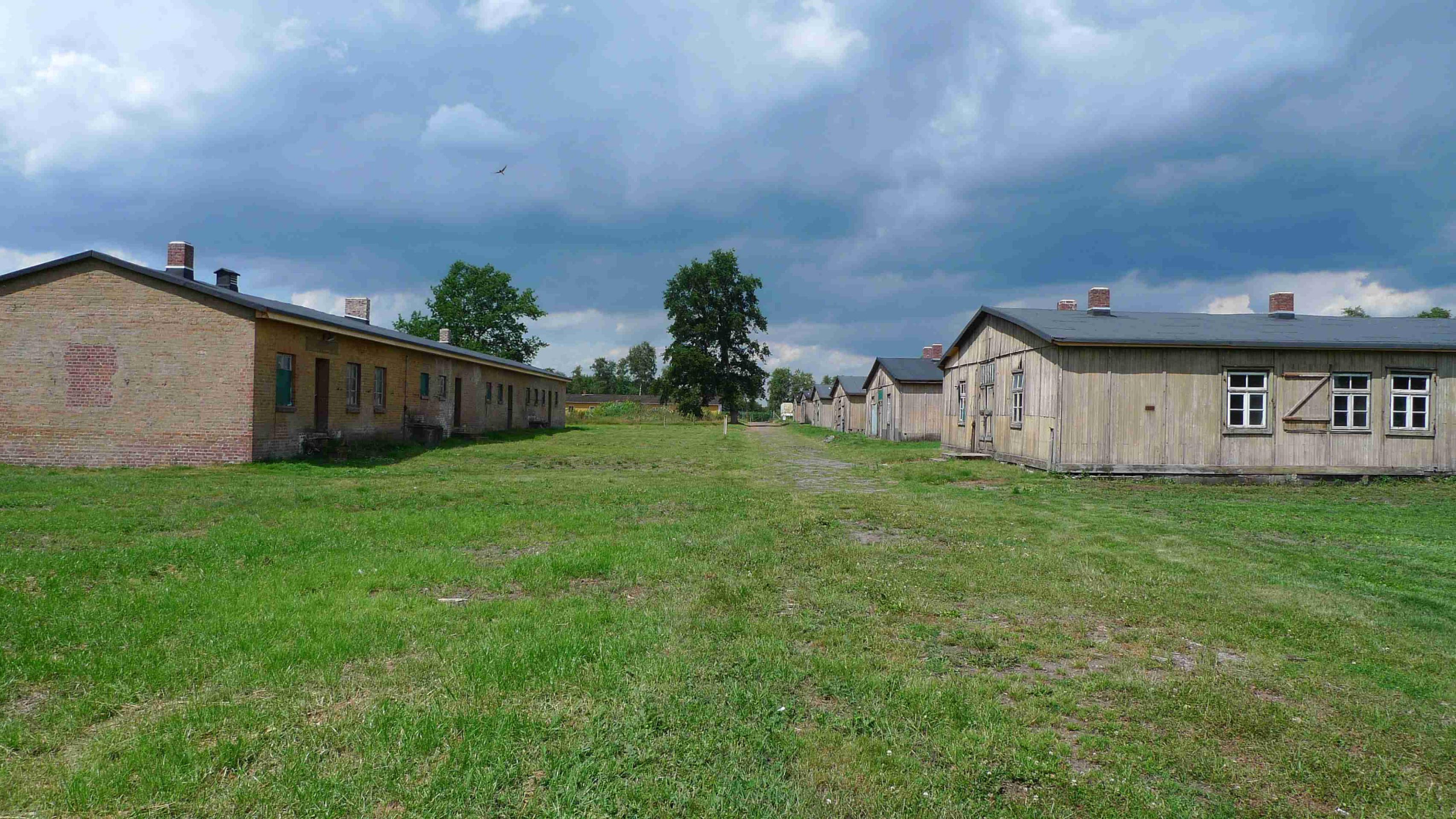
The Documentation and Memorial Site Sandbostel, located close to Bremervörde, has since 1998 dealt with the history of the former prisoner of war camp »Stalag X B«, which operated in Sandbostel between 1939 and 1945.
History
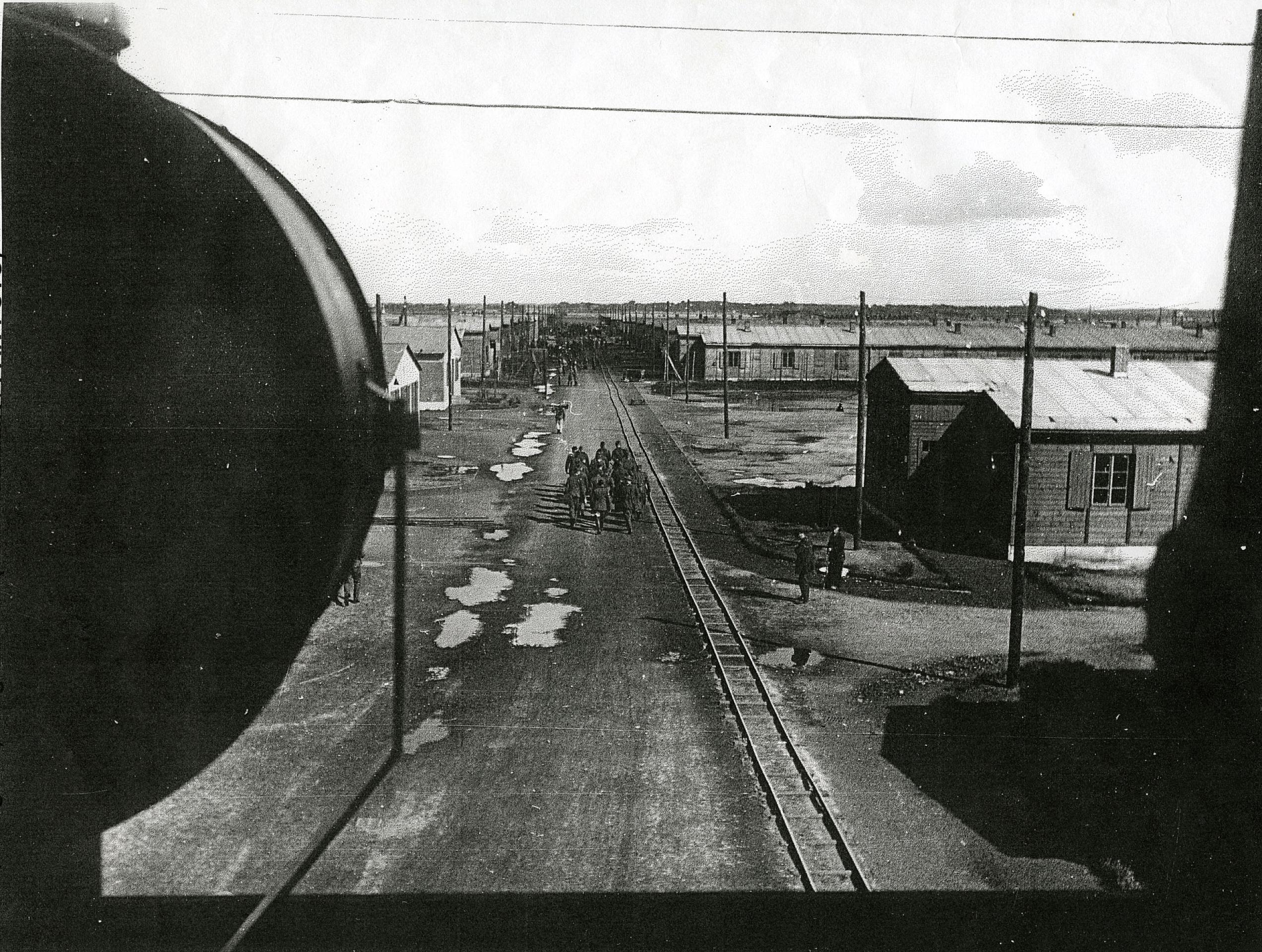
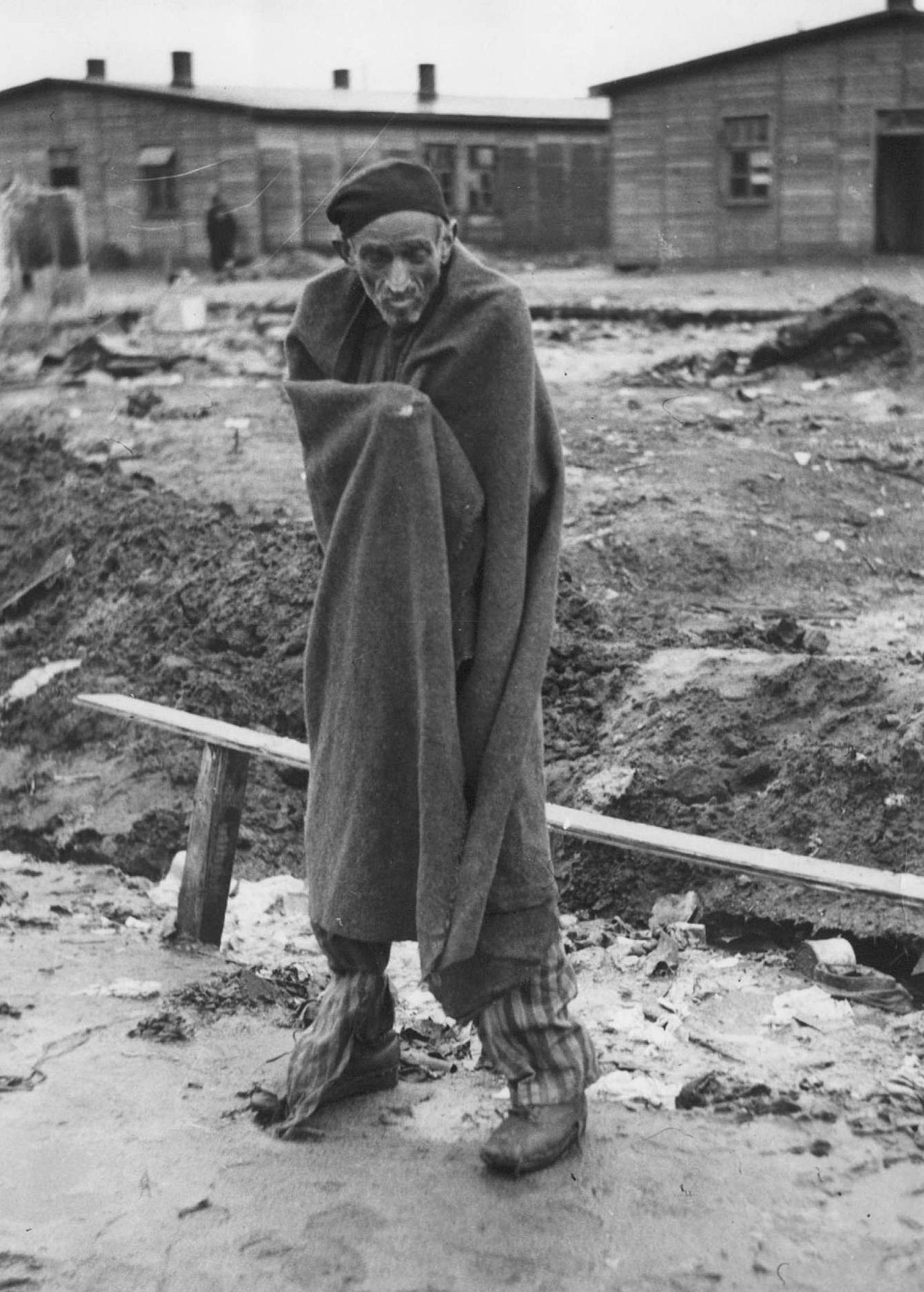
The »Stalag X B Sandbostel« (Mannschaftsstamm- und Straflager - troop and prison camp) was established as a prisoner of war camp just outside of Sandbostel in 1939. At the beginning of the war, the Wehrmacht imprisoned thousands of Poles here. During the course of the war, prisoners of many other nationalities were held captive here: from Italy, France, Yugoslavia, Belgium and, from 1941 on, the Soviet Union. From then on, Soviet prisoners constituted the largest prisoner group. At times there were as many as 50,000 prisoners at Stalag X B. However, for most prisoners, the Stalag X B Sandbostel was merely a transit camp: they had to conduct forced labour at farms or arms factories and were deployed to so-called labour commandos and housed in barracks not far from their places of work. Many of the prisoners died of hunger, exhaustion or diseases. In April 1945, the SS additionally brought about 9,000 concentration camp prisoners from Neuengamme and its satellite camps ─ after those camps had been dissolved ─ to Sandbostel, where they were accommodated in a separate part of the camp. When a typhus epidemic broke out, a large number of concentration camps prisoners died at Sandbostel. On April 29, 1945, British troops liberated the »Stalag X B Sandbostel«.
Victims
The prisoners of »Stalag X B Sandbostel« came from all over Europe, the most of them from the Soviet Union. According to estimates, about 10,000 people who perished at the camp are buried at the »War Cemetery Sandbostel«. About 7,000 of them were Soviet prisoners of war. From October 1944 on, over 500 Polish women who had fought in the Warsaw Uprising (August to October 1944) were incarcerated at Sandbostel. Between 3,000 and 9,000 of the concentration camp prisoners who were brought to Sandbostel by the SS in April 1945 died in the time period between April 12 and 29 and in the first weeks after liberation. Exact numbers concerning the total number of prisoners and victims at Sandbostel remain unknown.
Remembrance
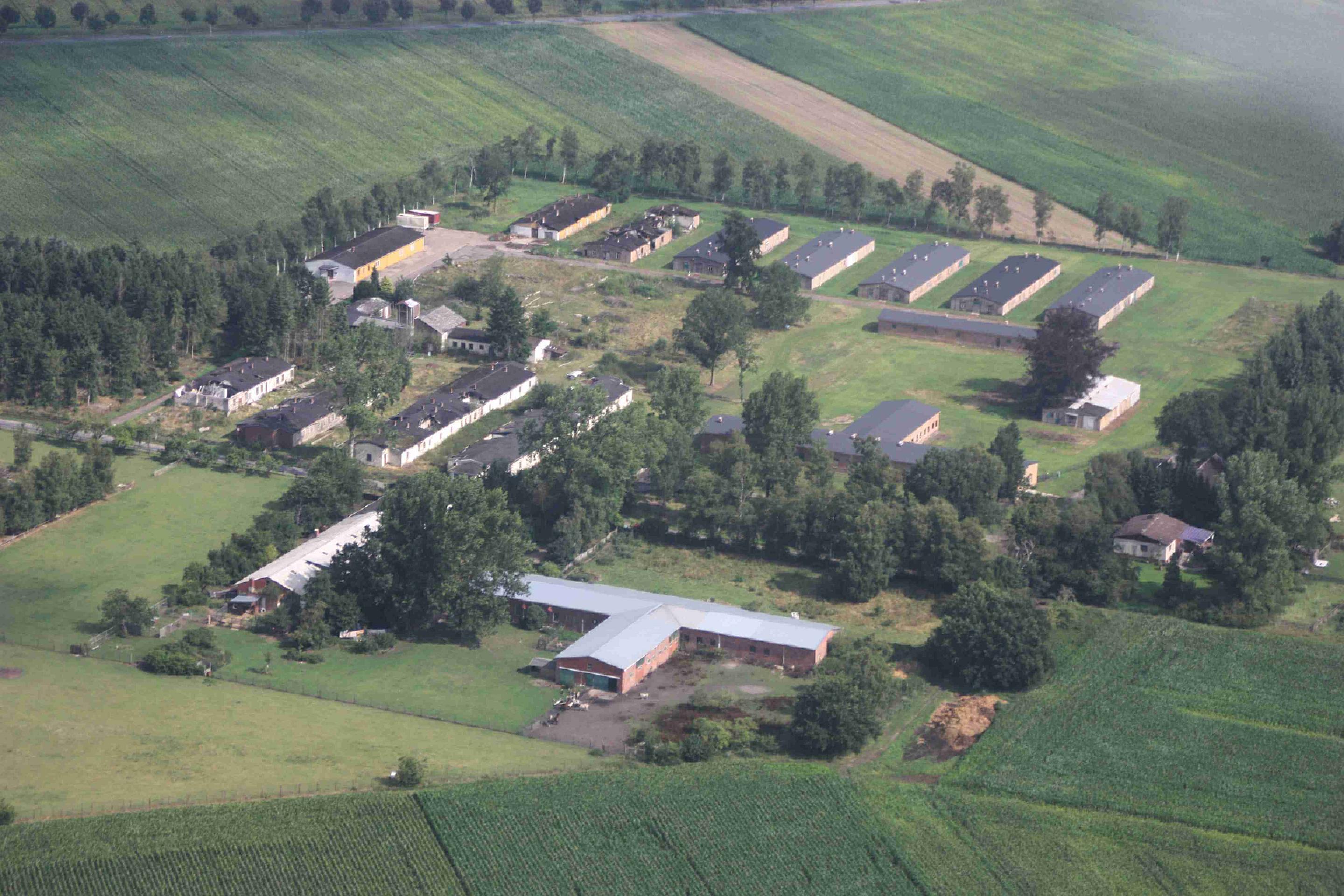
Between 1945 and 1948, the administration of the British occupation zone interned members of the SS, the NSDAP and concentration camp guards on the former camp premises. Later, a branch of the Celle prison was set up here. From 1952 to 1960, the former POW camp served as a reception camp for adolescent refugees from the GDR; between 1960 and 1974, it was used by the West German army, the Bundeswehr. In 1974, the premises were privatised and converted to the »Immenhain« industrial area. In 1992, the remaining camp buildings were placed under landmark protection laws, and that same year, the »Documentation and Memorial Site Sandbostel« association was founded. The documentation centre was opened in Bremervörde in 1998. Since July 1, 2007, it has been located on the former camp premises in Sandbostel. In 2013, a new permanent exhibition was opened. Located in Sandbostel is also the town's war cemetery, where the victims of Stalag X B were buried.
Possibilities
Permanent exhibition, archive, guided tours
Open
Monday to Friday: 10 a.m. to 4 p.m., Sundays and holidays: 11 a.m. to 5 p.m. (from November to February 12 p.m. to 4 p.m.)
Public guided tours every second and fourth Sunday of the month at 2 p.m.
The former camp premises are accessible at all times.
Contact
http://www.stiftung-lager-sandbostel.de
info@stiftung-lager-sandbostel.de
+49 (0)4764 225 4810
Greftstr. 5
27446 Sandbostel