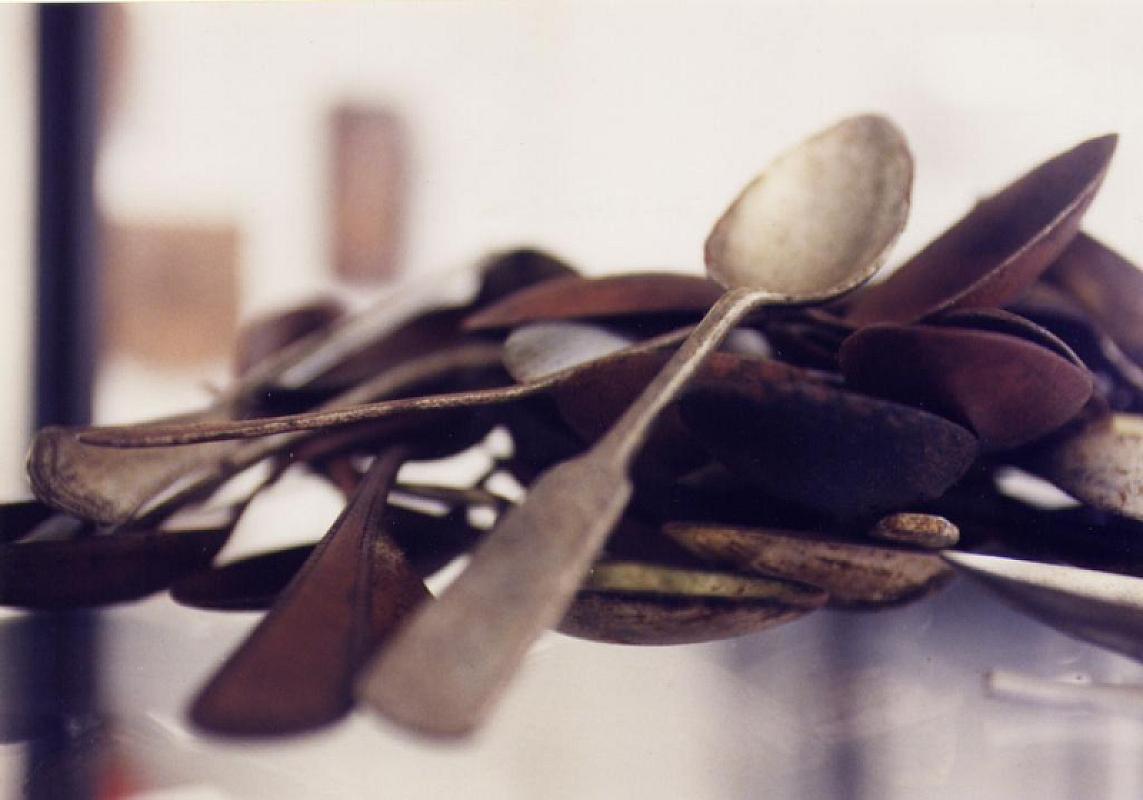
Documentation Centre Hersbruck Concentration Camp
Dokumentationsstätte KZ Hersbruck
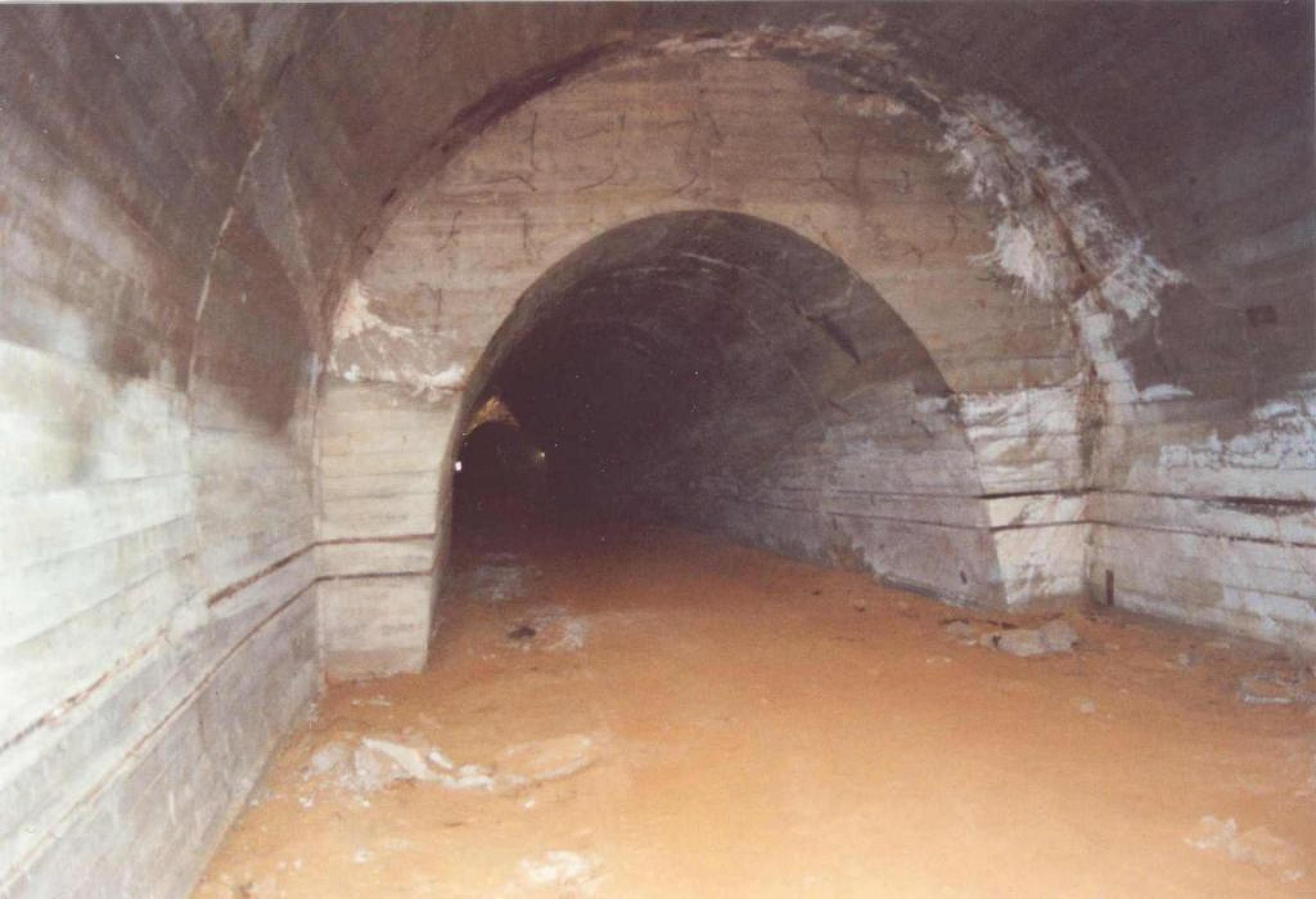
Since 1999, the »Documentation Centre Hersbruck Concentration Camp« association has commemorated the satellite camp of the Flossenbürg concentration camp in the Middle Franconian town of Hersbruck. The satellite camp was in operation between May 1944 and April 1945. The SS forced the camp prisoners to construct an underground aeroplane engine factory in the Houbirg mountain.
History
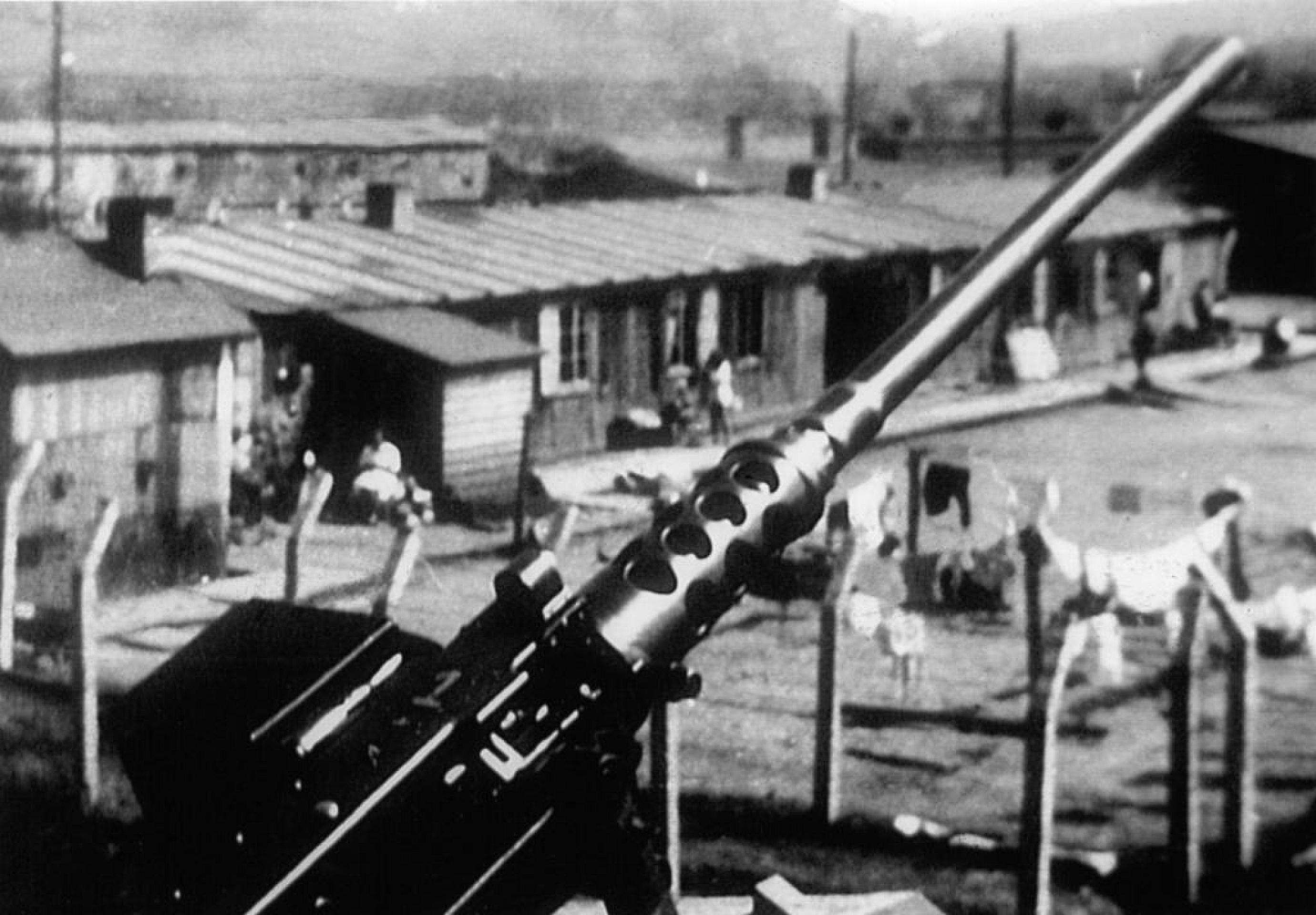
On May 17, 1944, the first 147 prisoners from the Flossenbürg concentration camp arrived at Happurg close to Hersbruck. The SS accommodated the prisoners in a barn in Happurg; soon, the number of prisoners rose to somewhere between 400 and 500. The satellite camp at Happurg was under the command of the Flossenbürg concentration camp. The prisoners had to conduct forced labour in the nearby Houbirg massif close to Happurg, digging a tunnel complex which was to house an underground arms factory for the production of BMW aeroplane engines code-named »Doggerwerk«. In addition, the forced labourers set up the infrastructure necessary for a large construction site in Happurg. In August 1944, the SS transferred the Happurg camp and its approximately 1,900 prisoners to the newly established satellite camp at Hersbruck. The camp was in direct vicinity of the Hersbruck »Strudelbad« outdoor swimming pool. From then on, the SS used the camp at Happurg as a forced labour camp. Another camp, the Förrenbach camp, was set up in the area as a camp for police and SS prisoners. The number of concentration camp inmates at Hersbruck rose to over 2,000 in December 1944 and finally to nearly 6,000 in February 1945. In the winter of 1944/45, the SS erected a crematory not far from Förrenbach due for the many victims of the Hersbruck satellite camp. At times, up to 30 people died daily due to the harsh labour, insufficient living conditions or brutal punishments of the SS guards. The SS additionally burned bodies of the dead at two forest sites near Hersbruck. On April 7 and 8, 1945, the SS evacuated the camp and chased about 3,000 prisoners on a south-bound death march. The underground factory was never completed. On April 17, 1945, American troops entered Hersbruck and liberated the camp.
Victims
A total of about 9,000 people of 21 nationalities were imprisoned at the Hersbruck satellite camp during its 11-month existence. The largest prisoner groups were Hungarian Jews, Russians and Poles. Approximately 4,000 prisoners died of the living and working conditions, many also fell victim to abuse and executions. Hersbruck was thus one of the largest satellite camps of the Flossenbürg concentration camp; it also noted an especially high death rate.
Remembrance
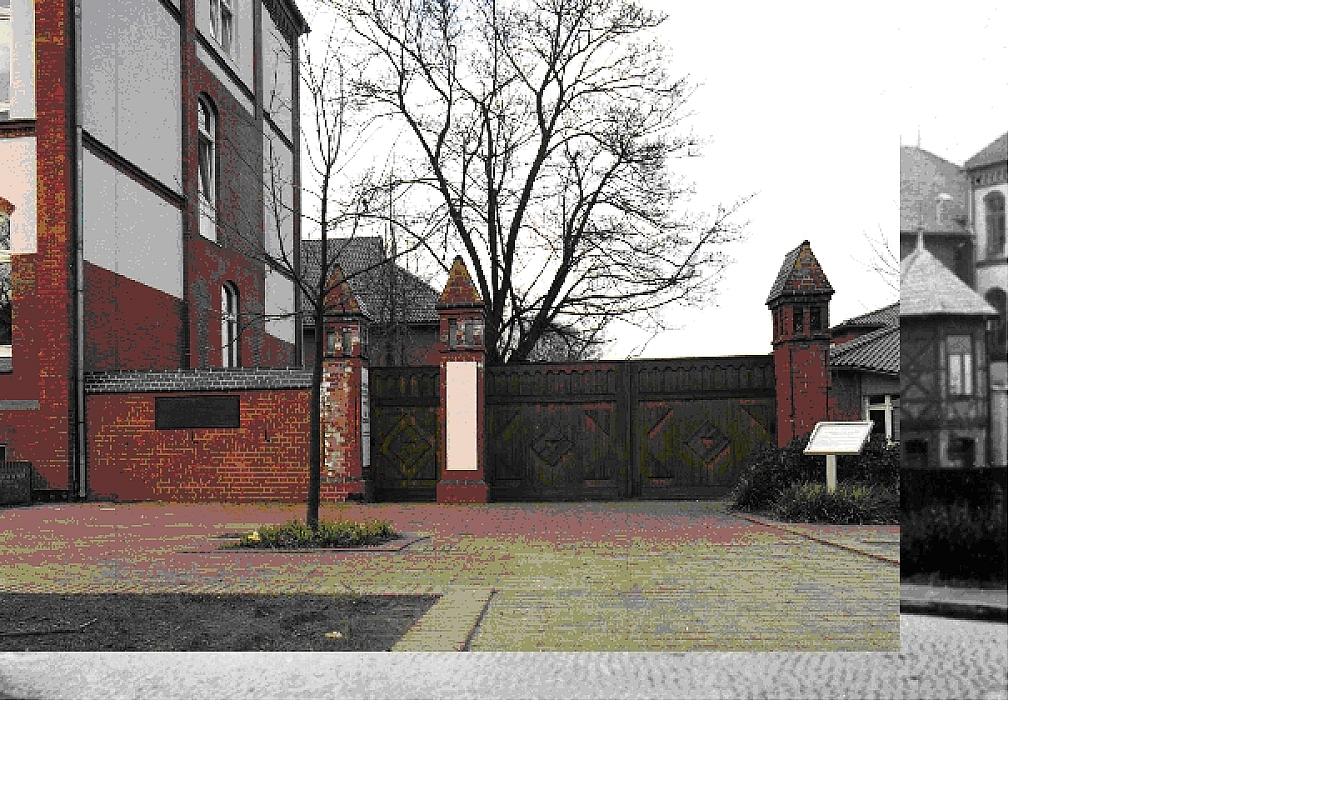
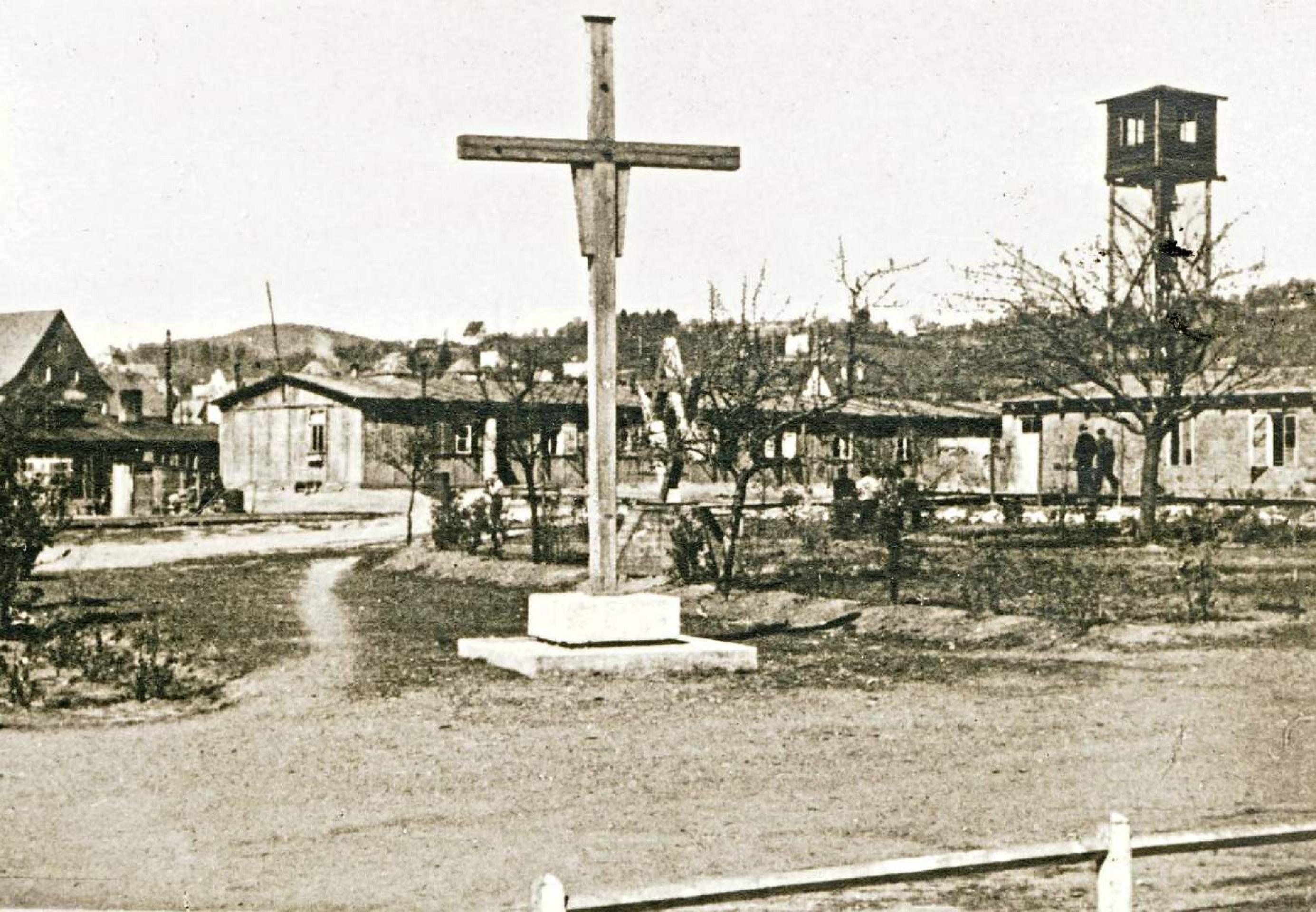
After the end of World War II, the US Army first used the former camp premises as an internment camp, later it was used as a refugee camp. Already in 1945, survivors set up a wooden cross and a small cemetery on the former camp premises. Later, residential houses were constructed on a part of the area. In 1972, the Hersbruck finance authority moved into what was once commandant's headquarters; in 2007, the building was torn down and replaced by a new construction. In 1983, the Bavarian youth of the Confederation of German Trade Unions erected a monument in honour of the victims of the satellite camp. The entrances to the mines at Happurg, many in danger of collapsing, were sealed in 2002. The former camp premises were built over by the Hersbruck municipal administration in 2003: a thermal bath was set up next to the »Strudelbad« swimming pool. The Förrenbach camp was also used as a refugee camp after the war, and in 1955, the premises – including the former crematory – were flooded by a new reservoir and a memorial was set up at its banks.
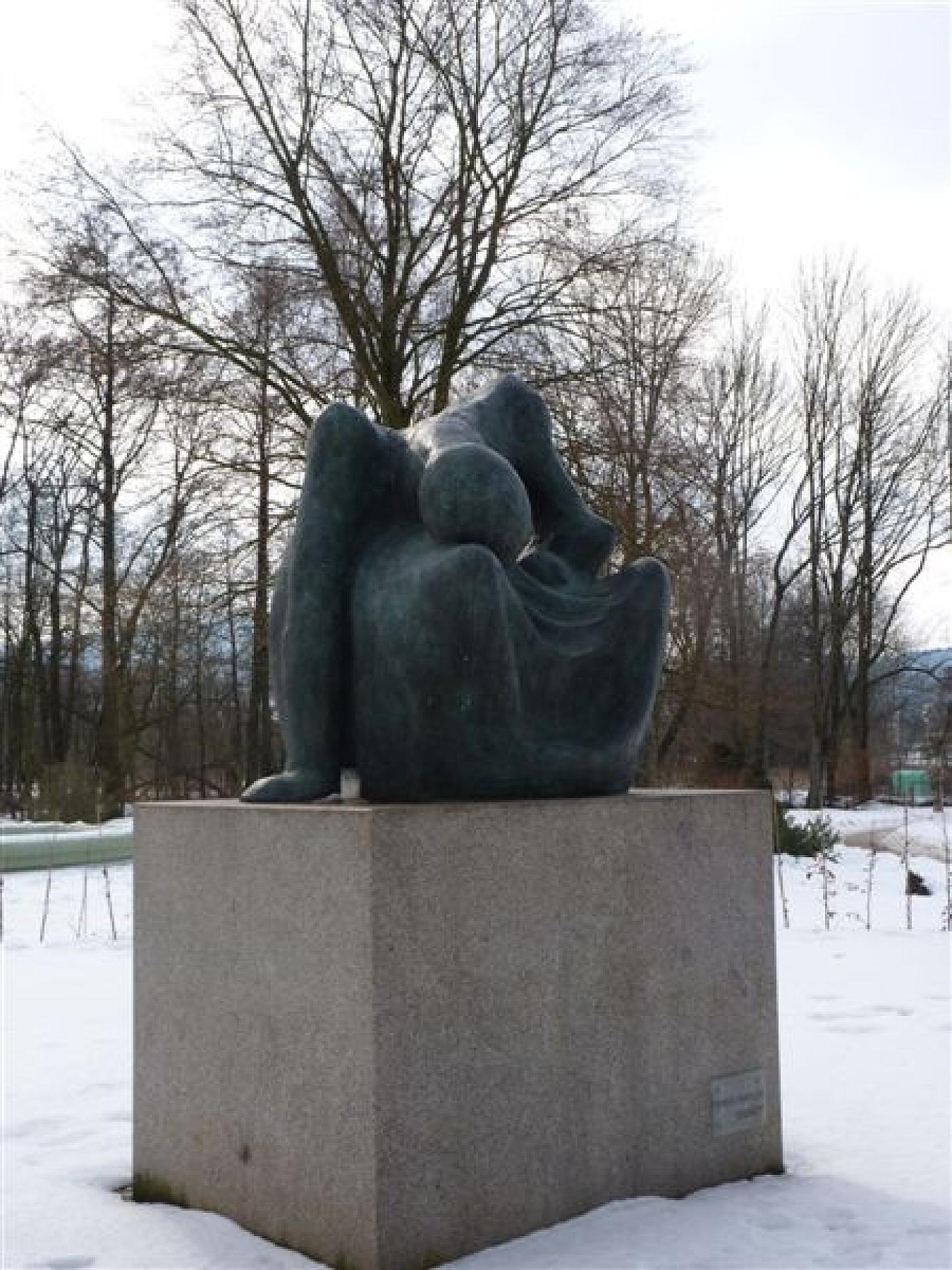
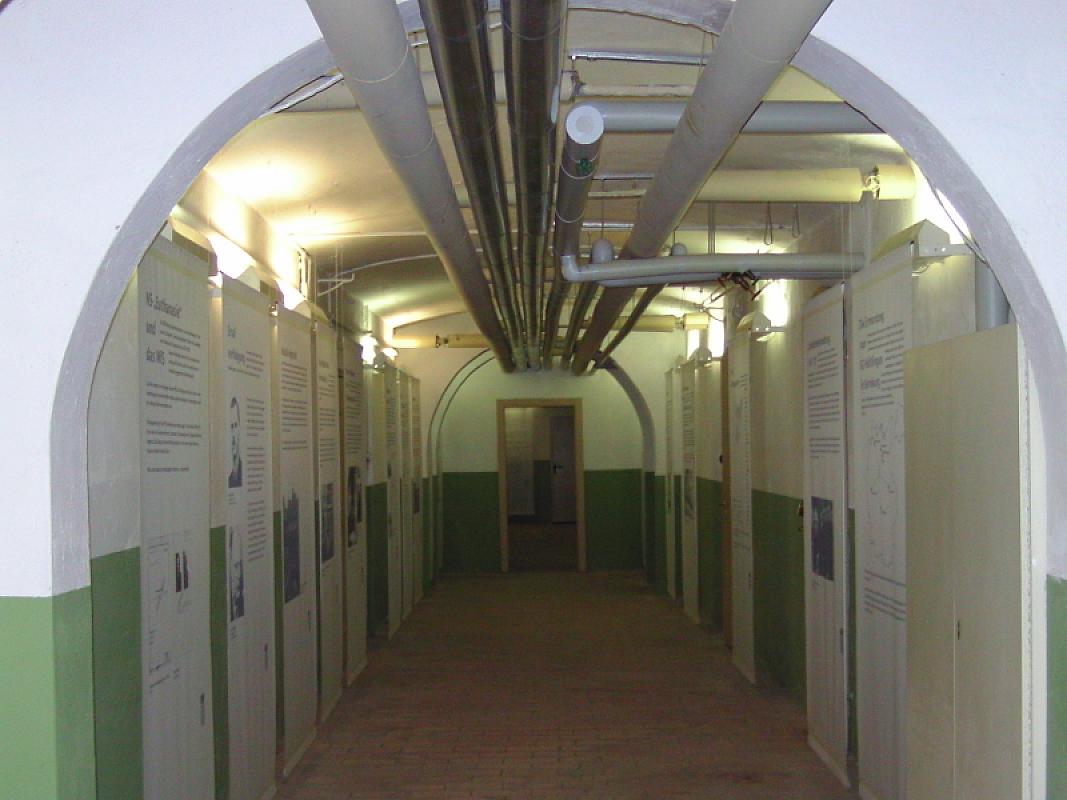
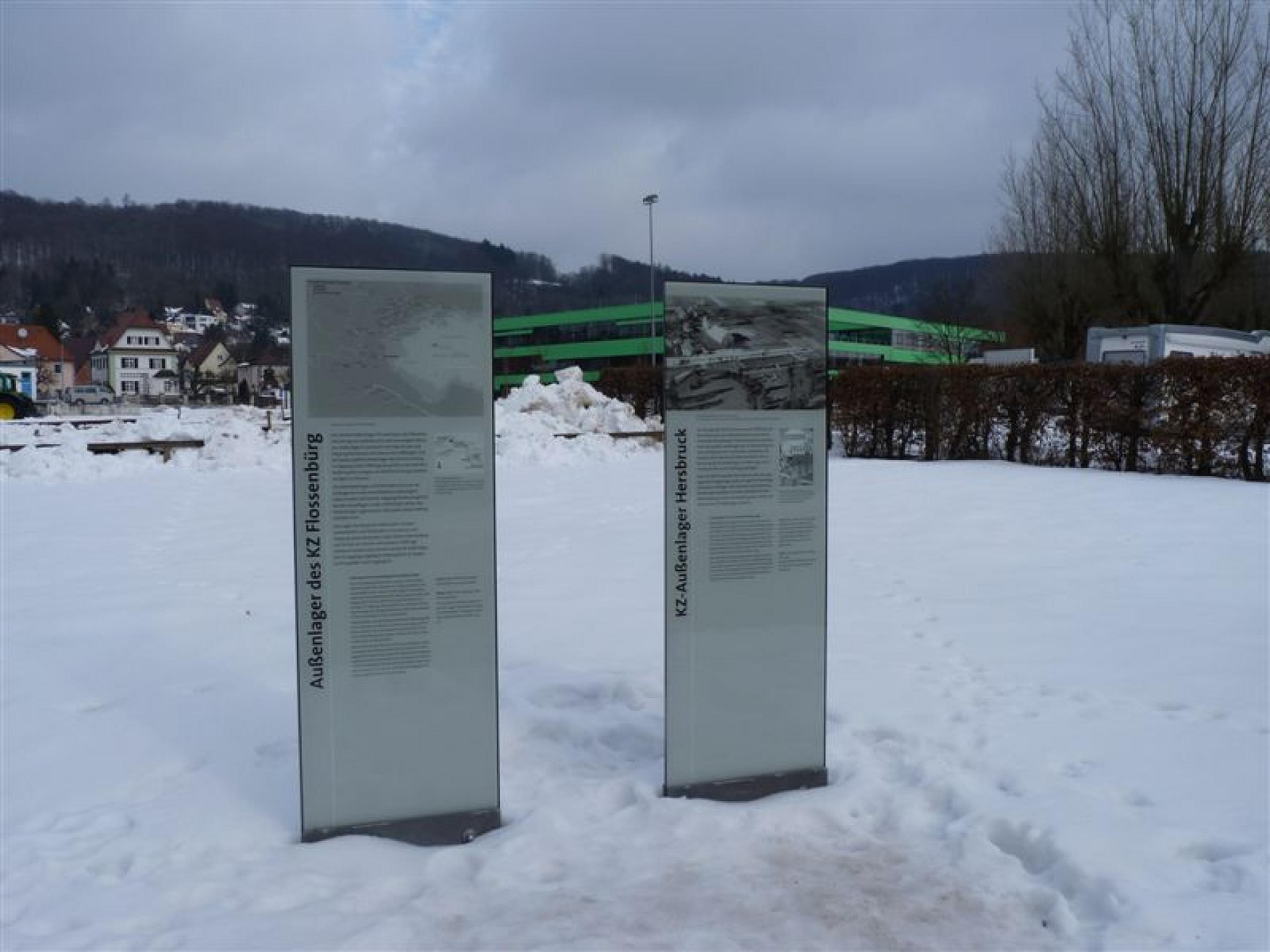
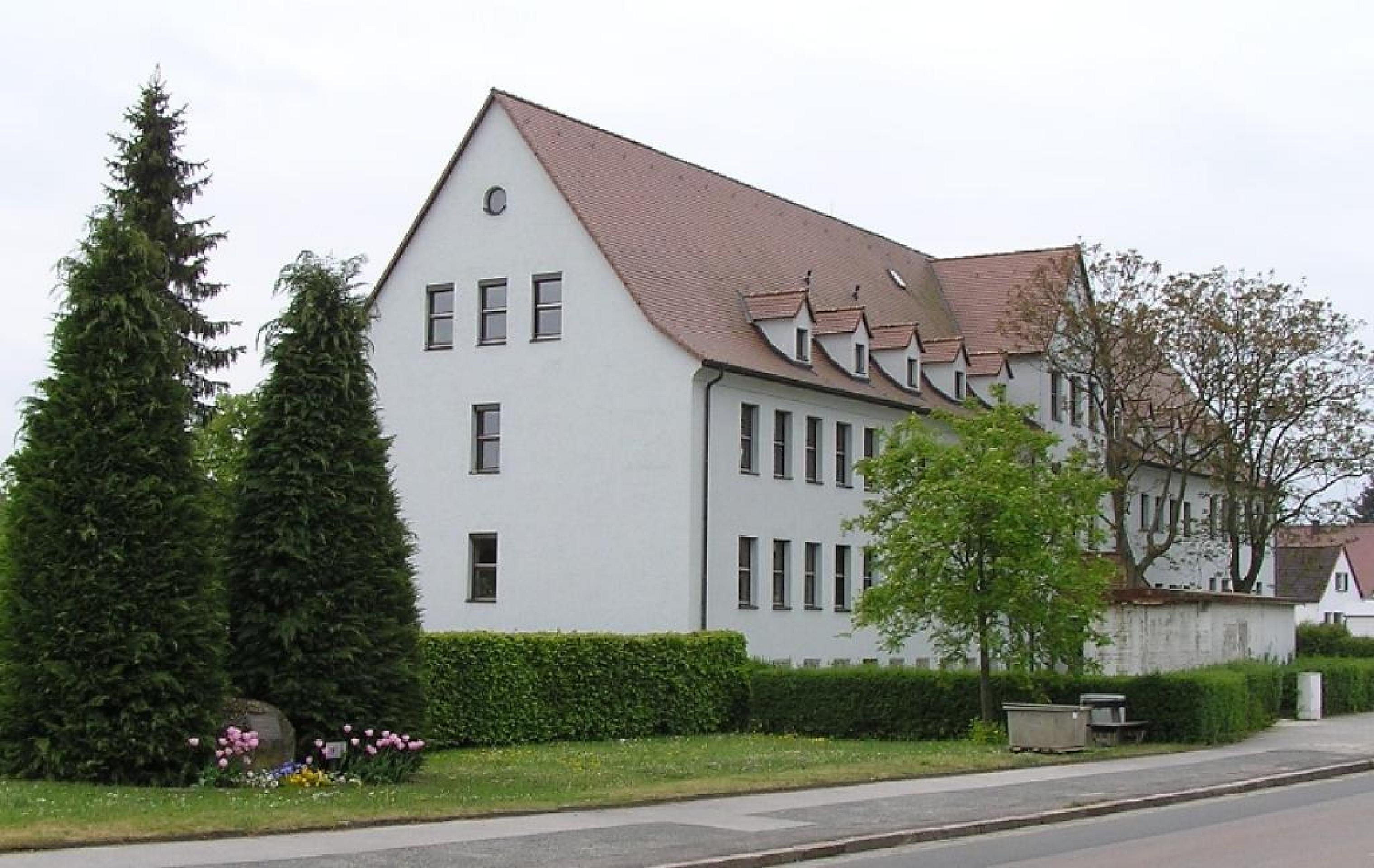
In 2007, a former prisoner and professor of art, Vittore Bocchetta, unveiled a monument in memory of his former fellow prisoners at Hersbruck. The sculpture he created is entitled »Nameless«. Events regularly take place at the monument. In the autumn of 2009, the Bavarian Memorials Foundation set up information plaques on the former camp premises and in front of the entrance to the Doggerstollen mine. Since 1999, the »Documentation Centre Hersbruck Concentration Camp« association has advocated the establishment of a documentation centre and engaged in commemorating the Hersbruck satellite camp. The association presents a small exhibition on the camp at its offices in the Hersbruck town centre.
Possibilities
Guided tours to the former camps premises and the Doggerstollen mine, reference library, travelling exhibition »The Hersbruck satellite concentration camp and the Doggerwerk mine«
Open
Wednesday, Thursday, Friday: 10.00 a.m. till noon.
Contact
http://www.kz-hersbruck-info.de
info@kz-hersbruck-info.de
+49 (0)9151 822 920
Mauerweg 17
91217 Hersbruck