Documentation Centre Nazi Party Rally Grounds
Dokumentationszentrum Reichsparteitagsgelände
In 2001, the »Documentation Centre Nazi Party Rally Grounds« was opened on initiative of the Nuremberg city council. It presents the history of National Socialism and the closely linked history of the National Socialist party rally grounds in Nuremberg. From 1933 on, the NSDAP leadership erected several representative buildings spread over a large area, where it held annual party rallies between 1933 and 1938.
History
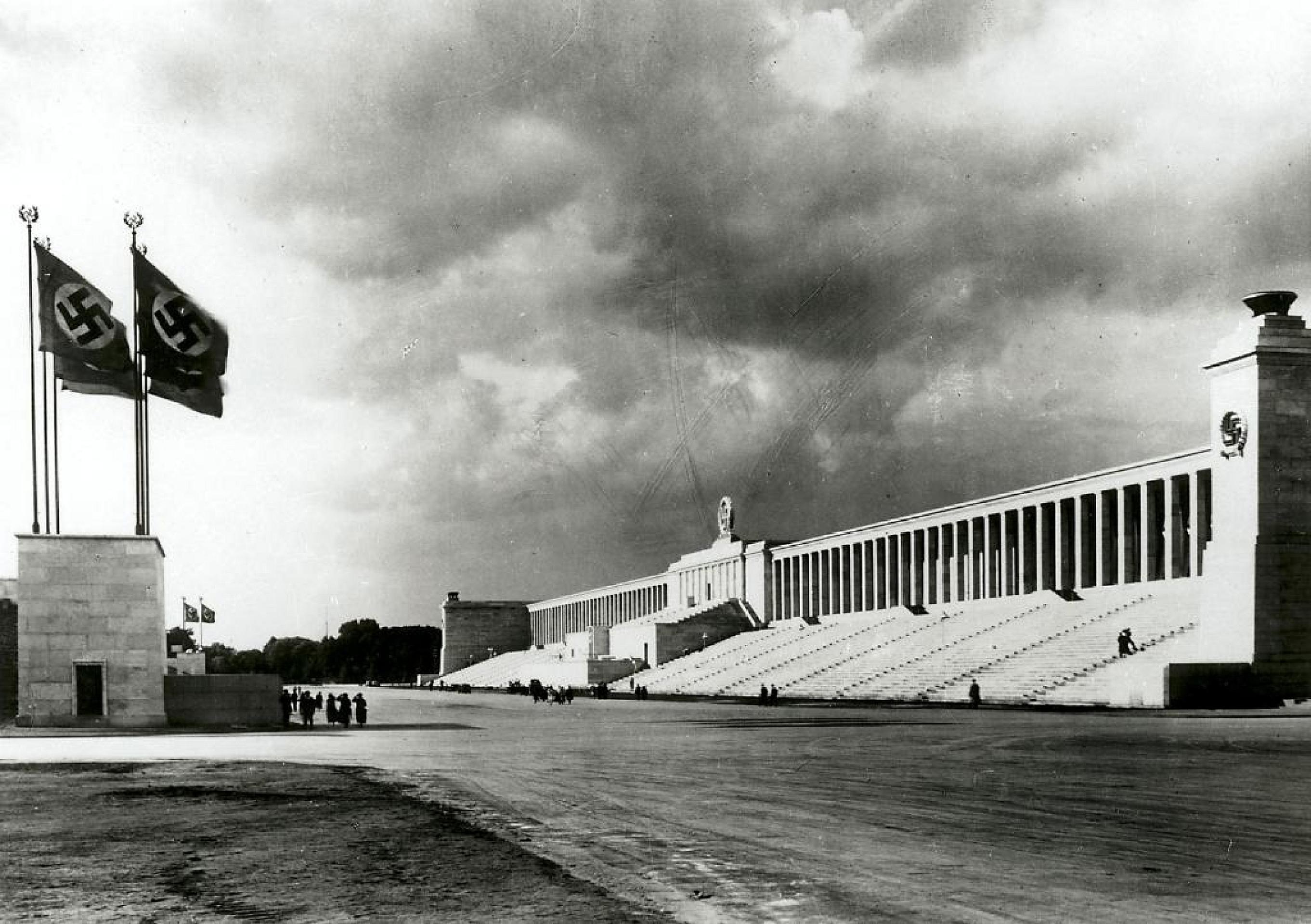
Already in 1923, the National Socialists used the area around the Nuremberg Dutzendteich pond to celebrate »German Day«, an assembly of radical right-wing and paramilitary organisations, as well as for NSDAP rallies in 1927 and 1929. Already in the 19th century, this was a well-known recreational area. When the National Socialists seized power in 1933, the fifth National Socialist party rally took place in Nuremberg. Following this, Adolf Hitler instructed architect Albert Speer to erect representative buildings on the site and to remodel the premises into the »Party Rally Grounds«. In the next few years, large buildings and rally grounds comprising the »Luitpoldarena«, the »Große Straße« (Great Street) or the »Zeppelinfeld« (Zeppelin field) were constructed. Some of the planned buildings - such as the Congress Hall or the German Stadium - were never completed. In total, the construction of 12 buildings was begun and an infrastructure consisting of a power substation, SS barracks, two train stations and a camp site for members of the SS, SA, Wehrmacht and Hitler Youth was set up. The state leisure organisation »Kraft durch Freude« (Strength through joy, KdF) established the so-called KdF compound in the vicinity: an area with several wooden buildings in which party rally visitors were offered entertainment. Between 1933 and 1938, annual Nazi party rallies took place here. During the war, forced labourers were deployed on the rally grounds construction site. The camp grounds, which had originally been intended for the Hitler Youth and other organisations, were converted to the »Stalag XIII D Langwasser« camp. Between 1942 and 1945, the Allies repeatedly bombed the party rally grounds.

Victims
Between 1933 and 1938, the Nuremberg Nazi Party Rally Grounds were first and foremost significant as a propaganda site. The rally grounds and the rallies that were held there were supposed to demonstrate power, both within Germany and abroad. From 1939 on, about 30,000 prisoners of war were held captive in the »Stalag XIII D Langwasser« camp on the party rally grounds. About 2,000 of them had to perform forced labour on the extensive construction site. From 1940 on, construction management began working with stone which had been extracted at the quarries of the Flossenbürg, Mauthausen, Groß-Rosen and Natzweiler-Struthof concentration camps by prisoners working under atrocious conditions. In 1941 and 1942, deportations of Jews from Nuremberg and vicinity left from the Märzfeld train station on the party rally grounds.
Remembrance
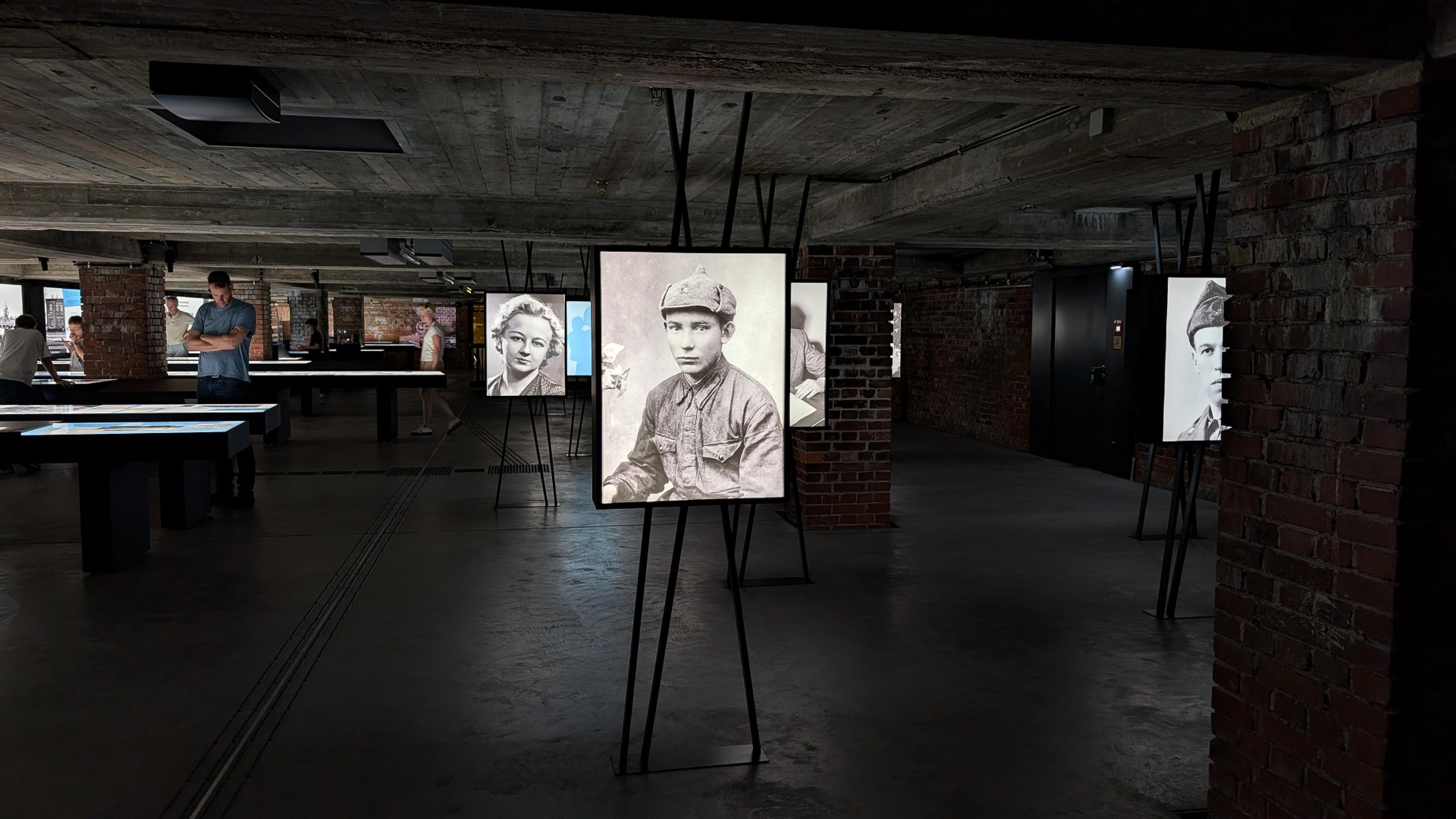
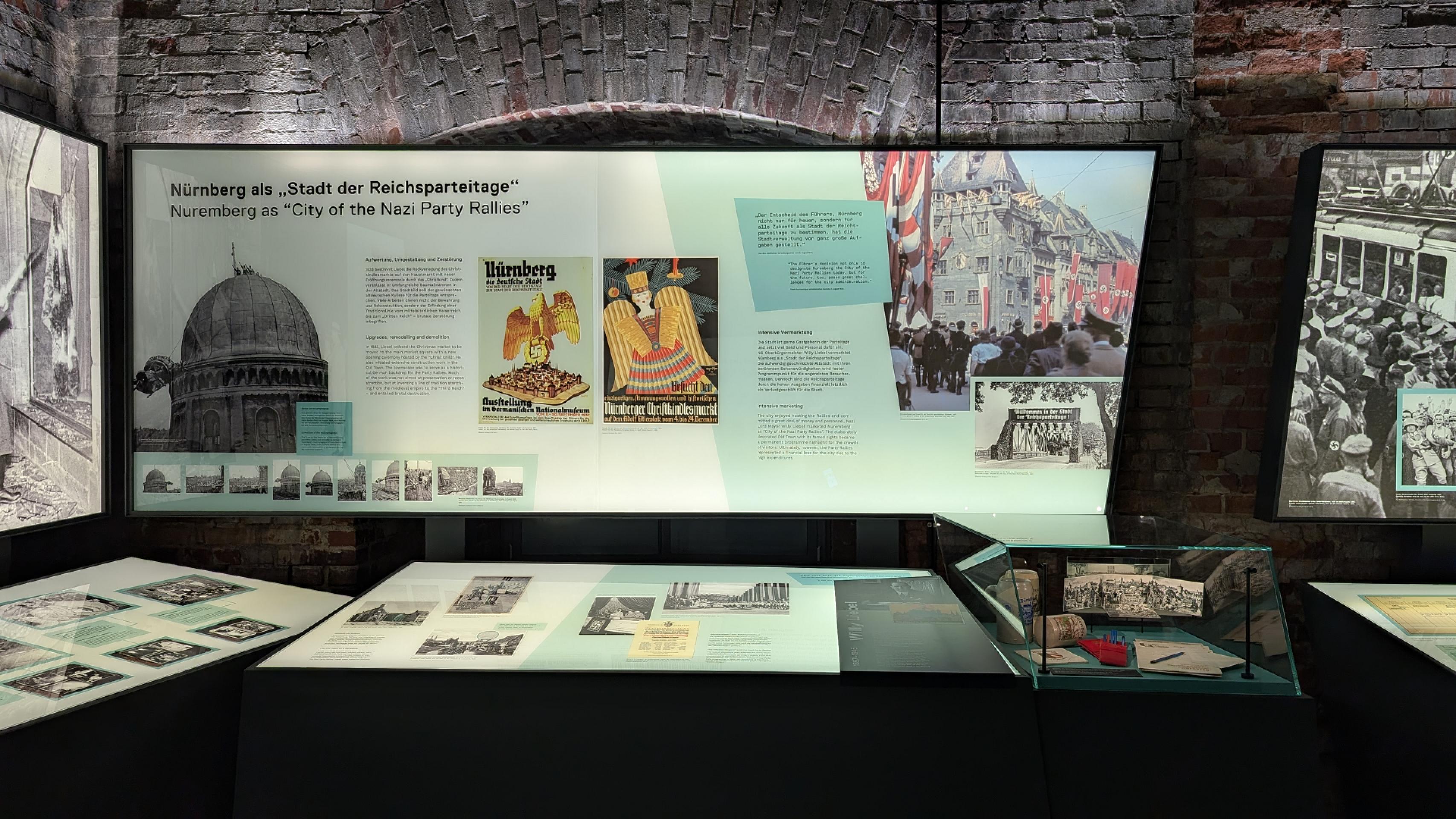
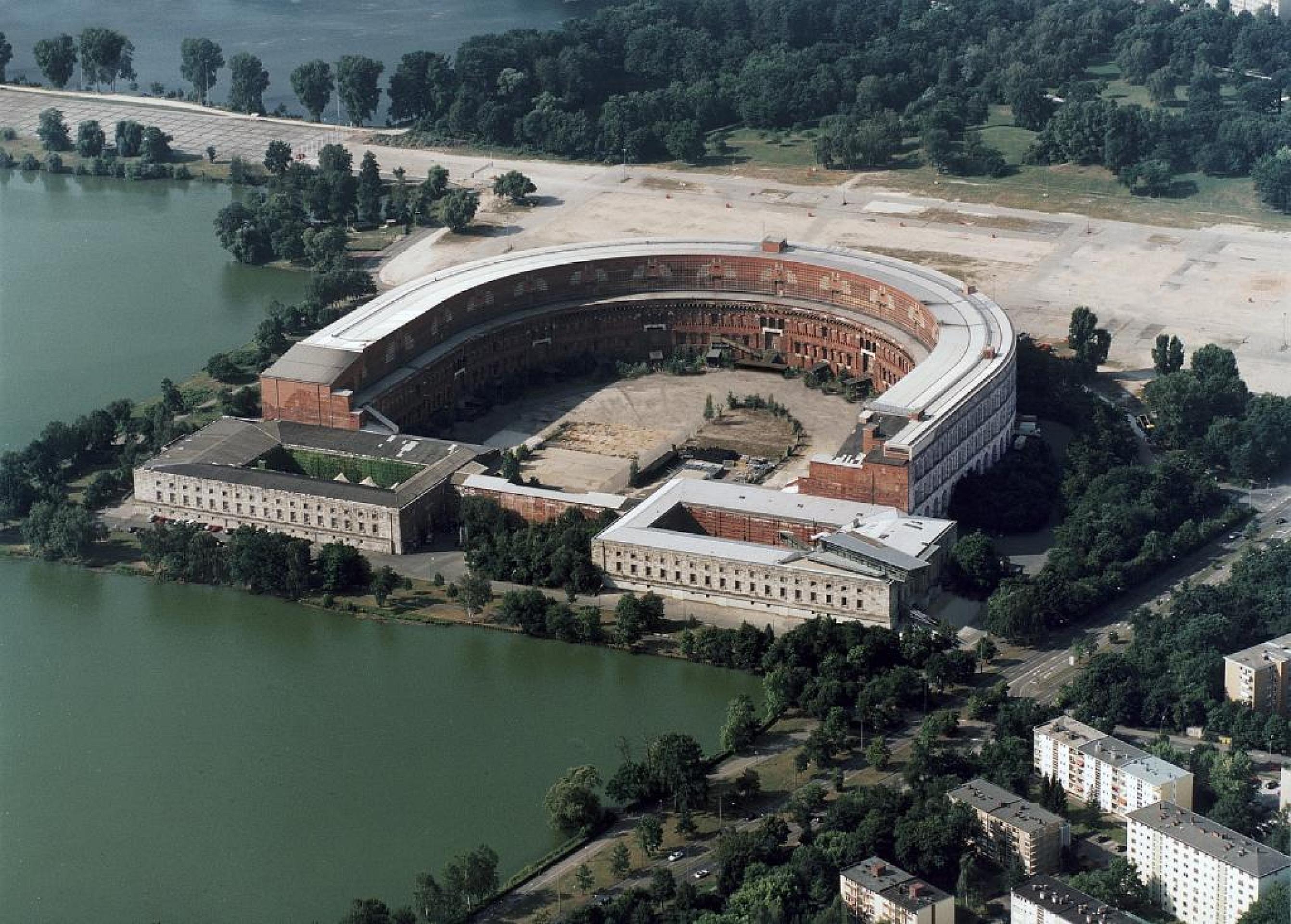
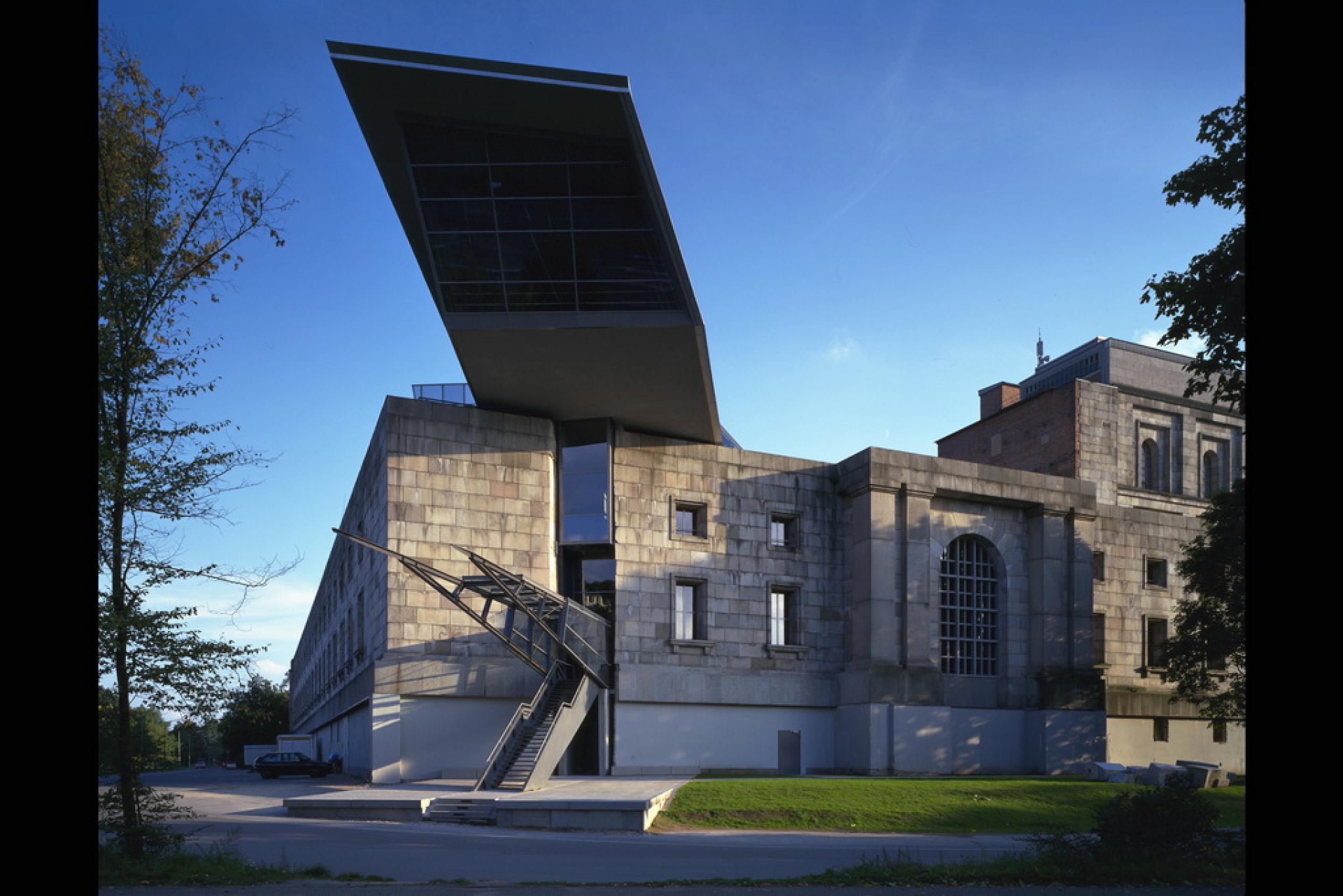
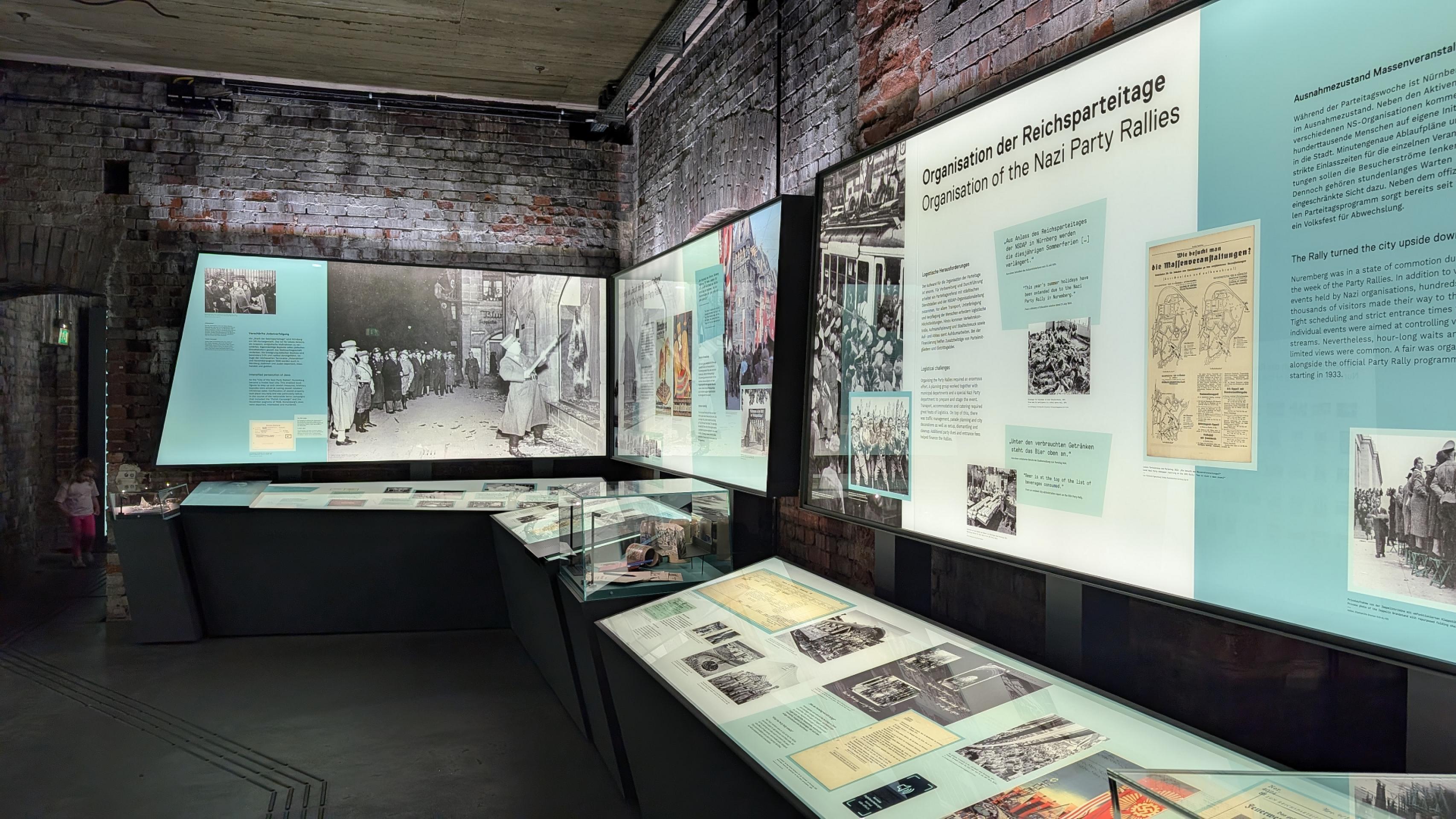
After World War II, the Allies and the city of Nuremberg had different ways of dealing with the 16 km² large area. The »Luitpoldarena« was converted to a park once again in 1958/1959. The »Große Straße« first served as a taxiway for the US Air Force, in 1968 it was opened entirely and since then, the »Große Straße« has been used as a parking lot for large-scale events. The building excavation for the German Stadium was filled with groundwater already during the war; it exists today at the Silbersee lake. The remains of the so-called March field were blown up in 1966/1967. There and on the area of the former camp premises the new Langwasser district of Nuremberg was established. The municipal stadium was remodelled and renamed several times after 1945; today it is home ground to the 1. FC Nürnberg football club. Open-air events take place on what remains of the »Zeppelinfeld«. The unfinished Congress Hall came into municipal ownership in 1945 and under monument protection in 1973. Since 2001, the northern wing has been home to the Documentation Centre Nazi Party Rally Grounds. In May 2026, a new permanent exhibition entitled »Nuremberg and the Nazi Party Rallies« opened. The exhibition focuses in particular on the Nazi Party Rallies, as well as the history of the city of Nuremberg and its role during the era of National Socialism, but the exhibition also explores the history of forced labourers and prisoners of war on the historical site.
Possibilities
Exhibition, education programme
Open
Monday to Friday: 9.00 a.m. to 6.00 p.m.
Saturday and Sunday: 10.00 a.m. to 6.00 p.m.
Contact
https://museen.nuernberg.de/dokuzentrum/
dokumentationszentrum@stadt.nuernberg.de
+49 (0)911 231 753 8
Bayernstraße 110
90478 Nürnberg