Documentation Centre »Territoires de la Mémoire«
Centre d’éducation à la résistance et à la citoyenneté »Territoires de la Mémoire«
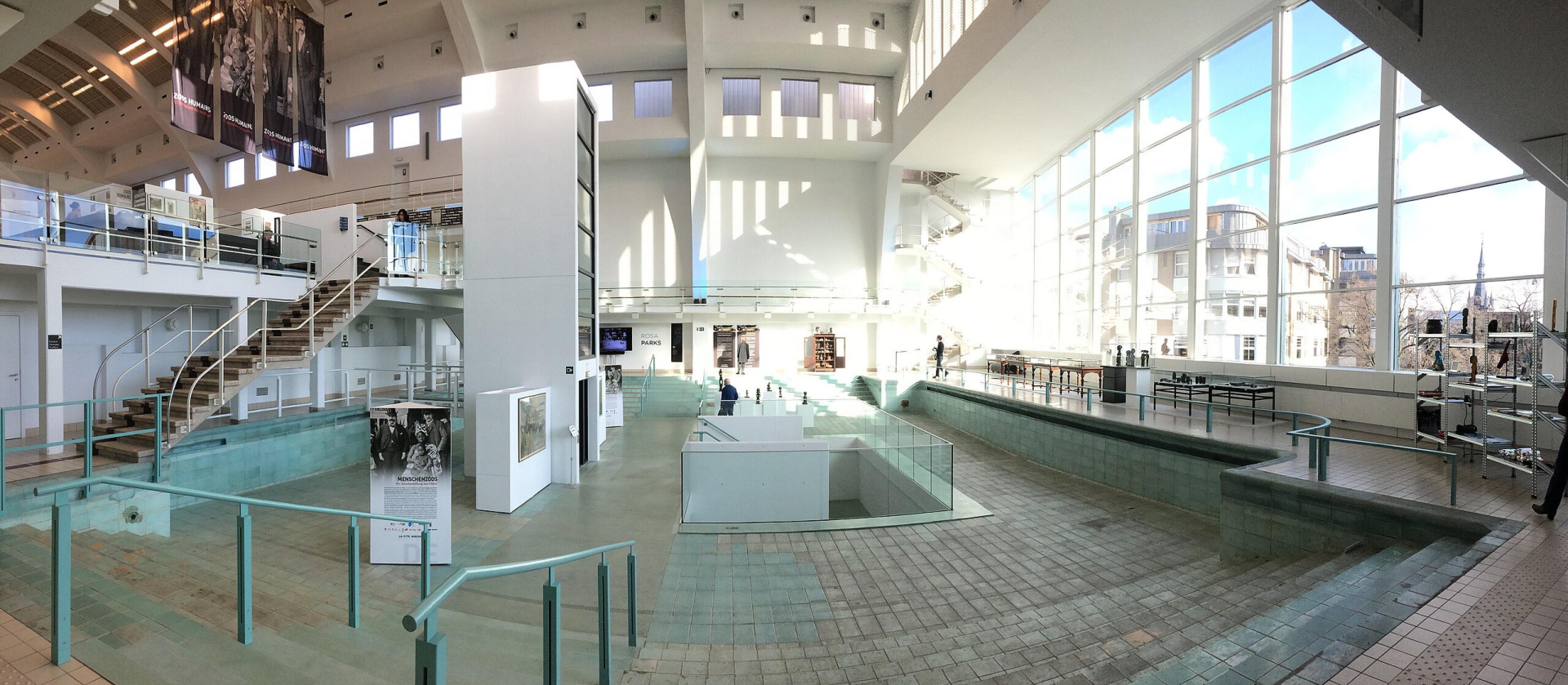
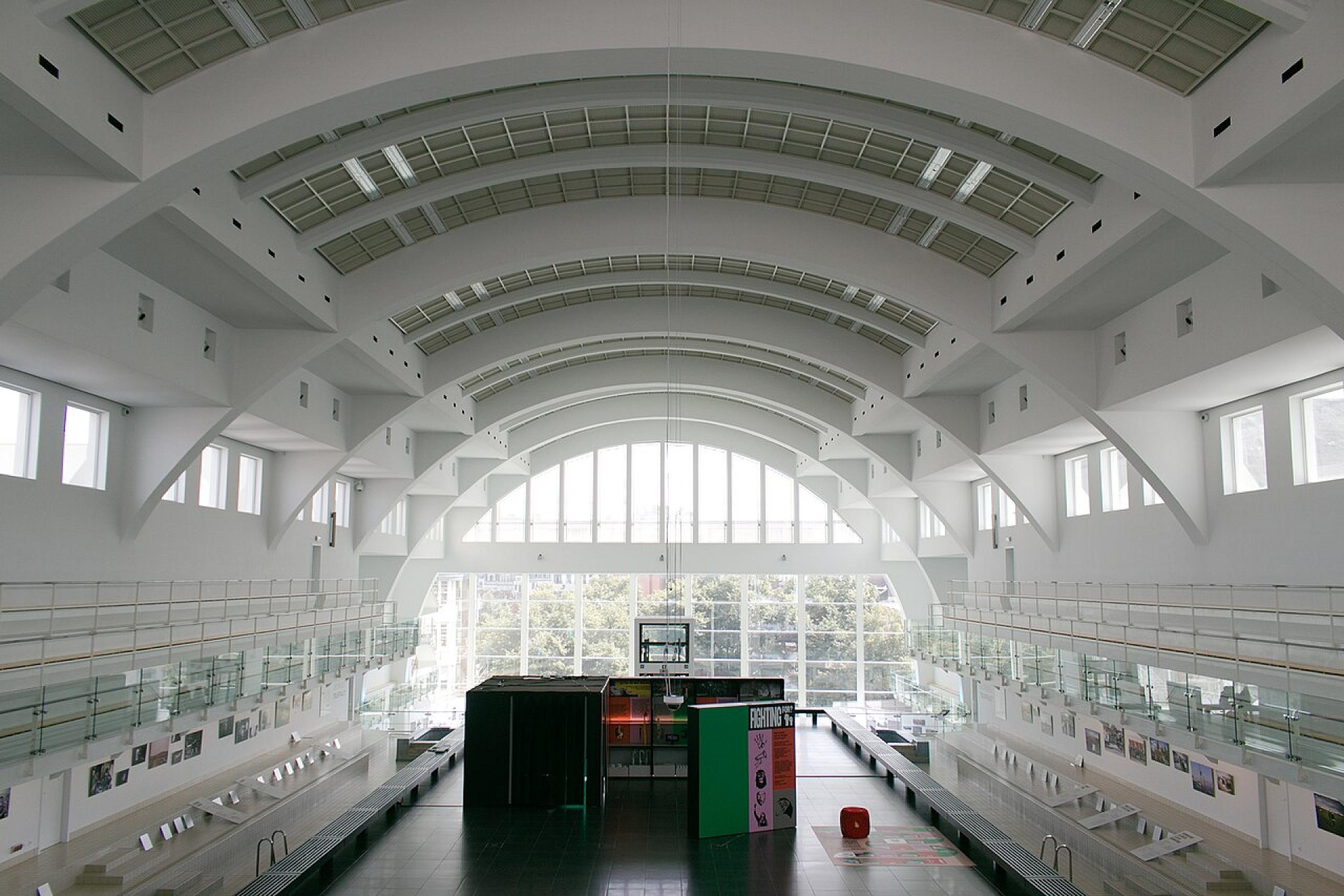
The documentation centre »Territoires de la Mémoire« (in English »Territories of Remembrance«) was founded in 1993 by former political prisoners who had survived German concentration camps during World War II in response to the rise of right-wing populism in Belgium. Today, it is based in the Cité Miroir, a former swimming pool in Liège, and aims to educate children, young persons and adults on war crimes and mass crimes perpetrated in the past and to encourage resistance to anti-democratic forces.
History
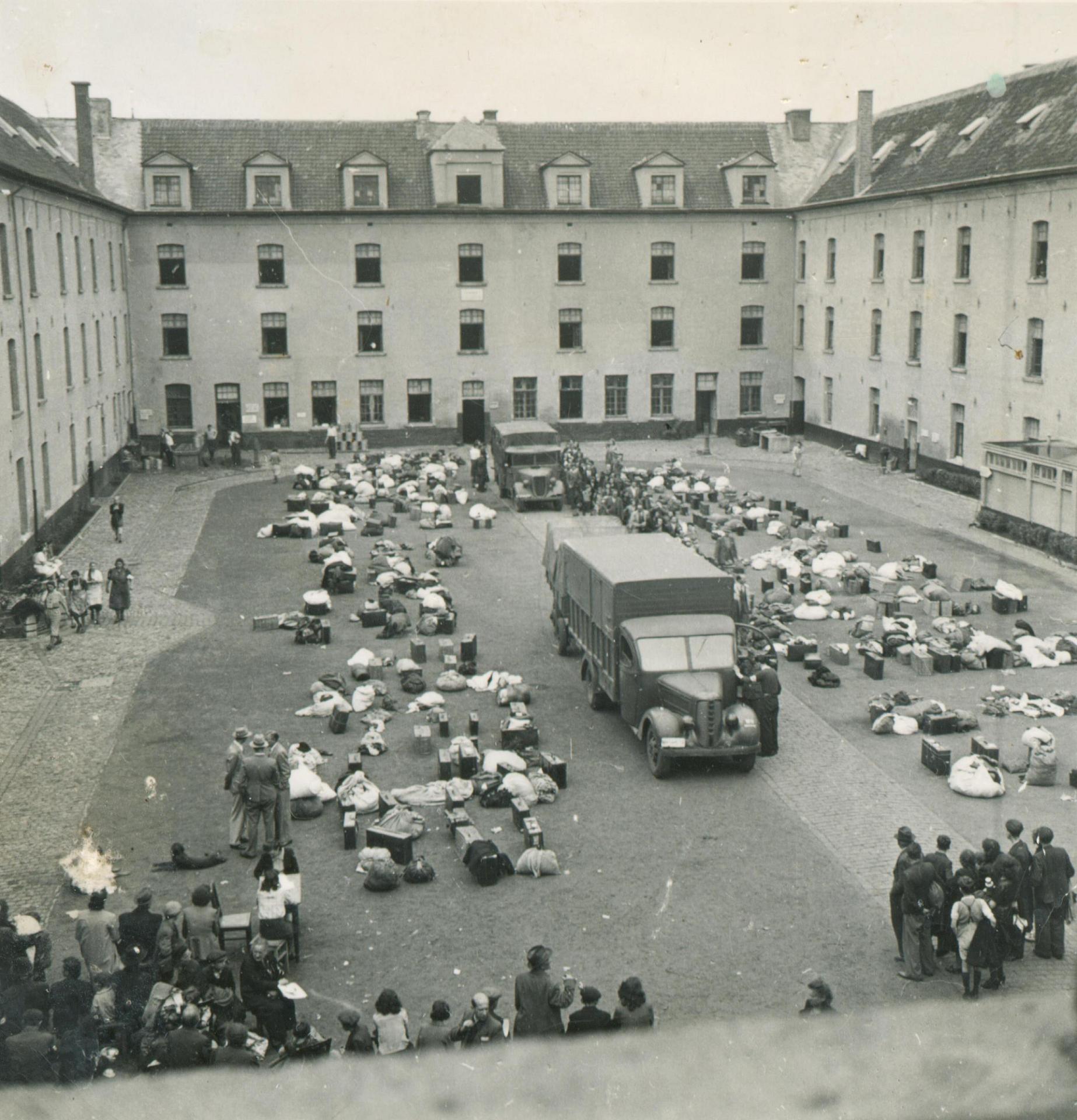
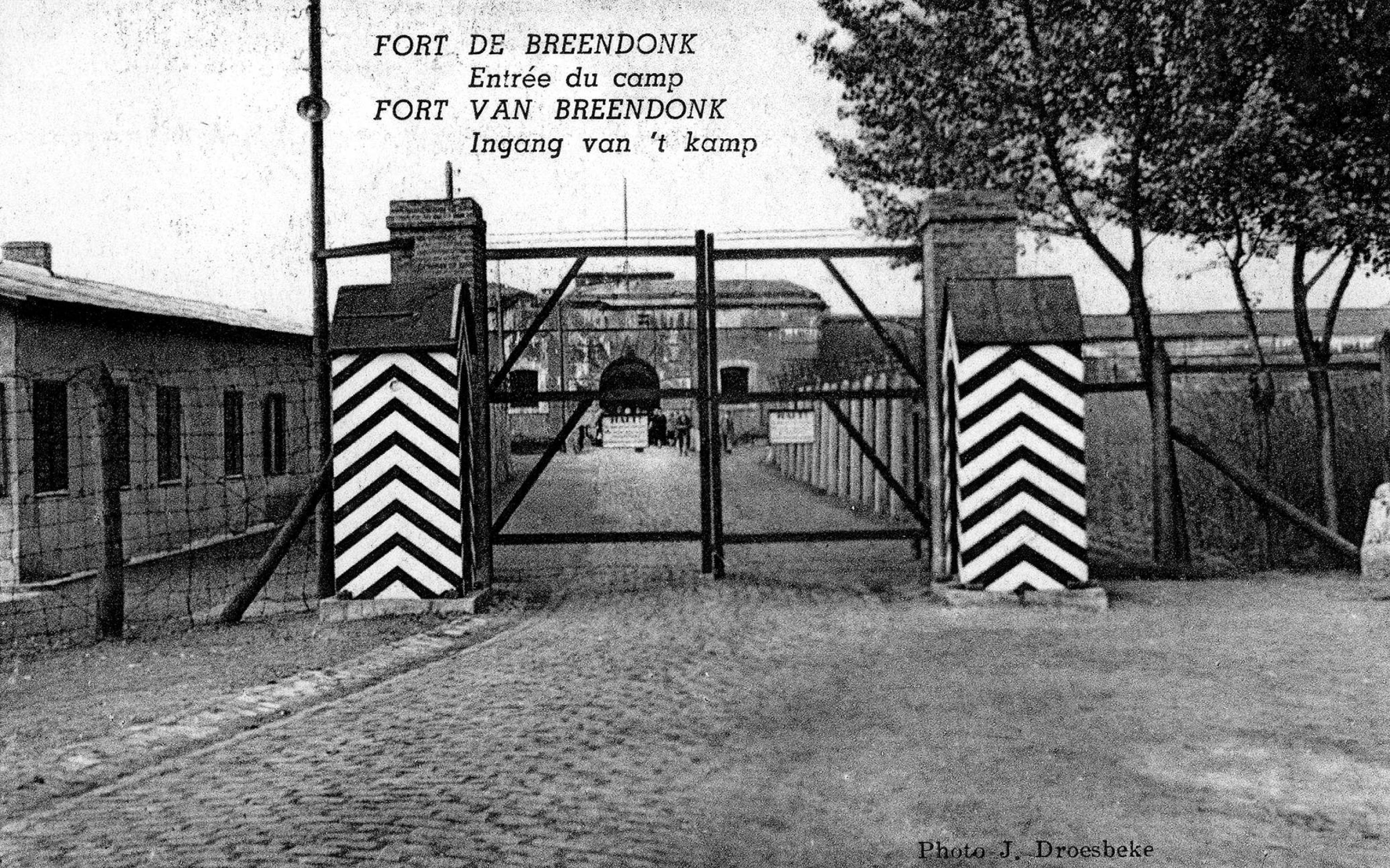
At the beginning of the Western Campaign, the German Wehrmacht attacked Belgium, even though it had remained neutral until then. After the country’s surrender on 28th May 1940, Belgium’s territory was placed under German military administration. At that time, around 66,000 Jews lived in the country, most of them in Antwerp and Brussels. Many of them were refugees. At the end of October 1940, the first anti-Jewish decrees were issued to register and exclude the Jewish population from society. From the summer of 1942 onwards, raids and deportations followed. A total of 27 trains carrying Jewish deportees left Belgium for Auschwitz. Several hundred Jews were also deported from Belgium to the Bergen-Belsen, Buchenwald, Ravensbrück and Vittel camps. The Kazerne Dossin in Mechelen served as a transit and collection camp for Jews arrested in Belgium. A total of around 25,000 Jews were deported from Belgium to German concentration and extermination camps.
However, Jews in Belgium were not completely helpless: many went into hiding, and over 2,500 Jewish children were also rescued by the Comité de défense des Juifs (in English »Committee for the Defence of Jews«). Overall, resistance to Nazi rule in Belgium was very active: large groups such as the communist Front de l’indépendance (in English »Independent Front«) and the right-wing Armée secrete (in English »Secret Army«), but also smaller organisations such as the »G Group« specialised in sabotaging and the Partisans armés (in English »Armed Partisans«), which carried out targeted attacks, engaged in various forms of resistance. Their actions were supported by the work of a variety of information and escape networks. In total, about 165,000 Belgians took part in efforts to resist the German occupiers. Several thousand of them were convicted by German military courts or deported to German prisons and concentration camps.
Victims
A total of 24,906 Jewish children, women and men were deported from Belgium to Auschwitz in 27 transports between 1942 and 1944. Another 218 Jews were deported from Belgium to the Bergen-Belsen, Buchenwald, Ravensbrück and Vittel camps. At least 5,034 Jews who had been living in Belgium in May 1940 and had later fled to France or been expelled by the Belgian authorities were deported to Auschwitz from the Drancy transit camp in France. Around 40 percent of the 66,000 Jews who had been living in Belgium in May 1940 did not survive the Holocaust.
Approximately 40,000 political opponents and resistance fighters were arrested in Belgium, more than half of them in 1944. Nearly 15,000 lost their lives. The number of political opponents and resistance fighters deported from Belgium to German concentration camps is estimated at 6,000 to 7,000. In addition, there were around 4,500 people suspected of being members of the resistance who were secretly deported to German camps such as the Natzweiler-Struthof concentration camp in annexed Alsace under the abbreviation NN (for »Nacht und Nebel«, in English »Night and Fog«).
In the first months of 1944, 353 Sinti and Roma from northern France and Belgium were also deported to Auschwitz. Only 33 of them survived the deportation.
Homosexuals were not explicitly persecuted in German-occupied Belgium. However, between 1942 and 1944, 7 men received prison sentences in Belgium for their homosexuality.
Remembrance
From the 1990s onwards, right-wing populist parties such as Vlaams Belang (in English »Flemish Interest«) made a breakthrough in Belgian elections. In response, former political prisoners who had survived German concentration camps during World War II founded the documentation centre »Territoires de la Mémoire« in Liège in 1993. The documentation centre’s aim was to promote remembrance and education on war crimes and mass crimes perpetrated in the past, encourage resistance to hate speech and anti-democratic ideas and safeguard fundamental freedoms and democratic values.
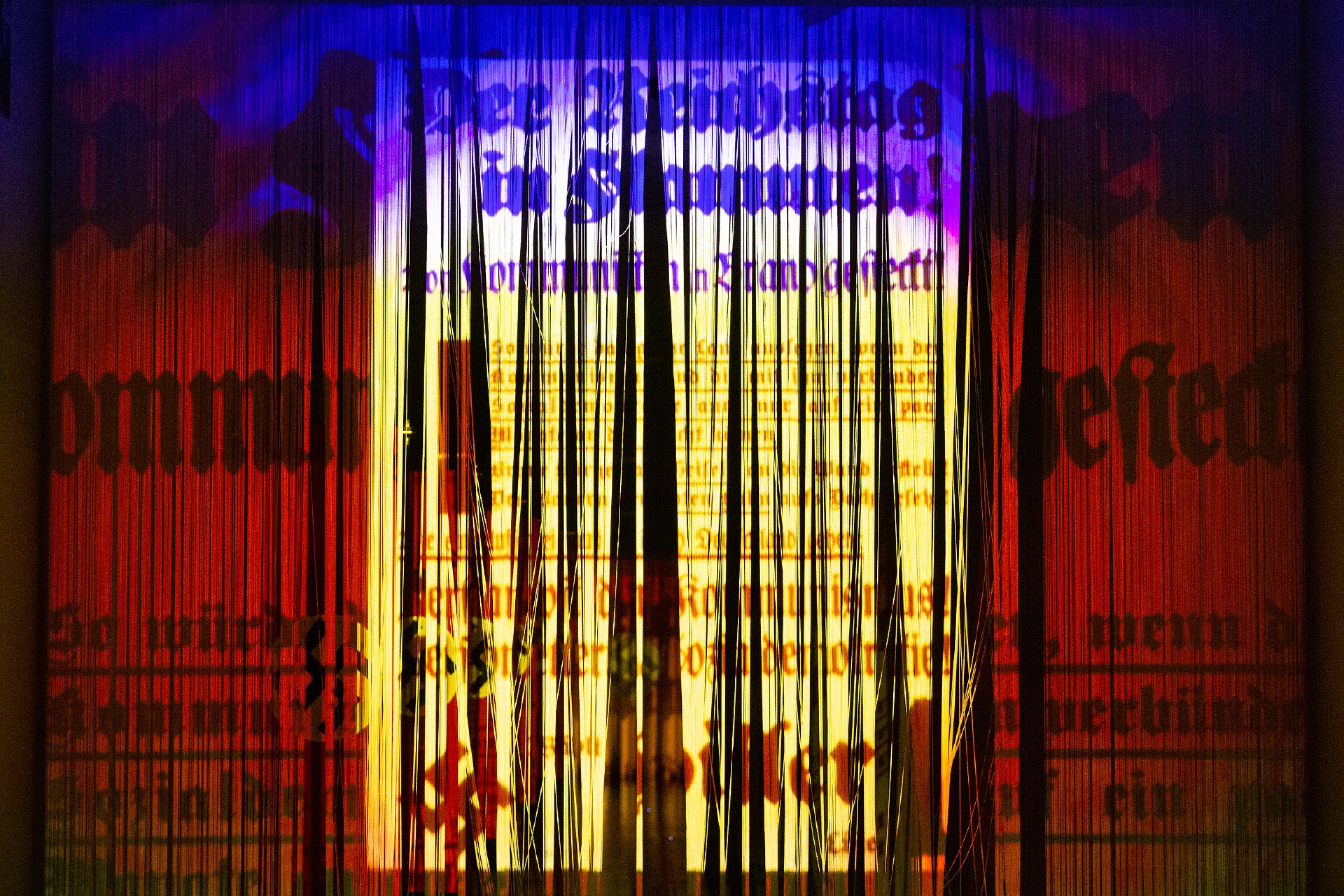
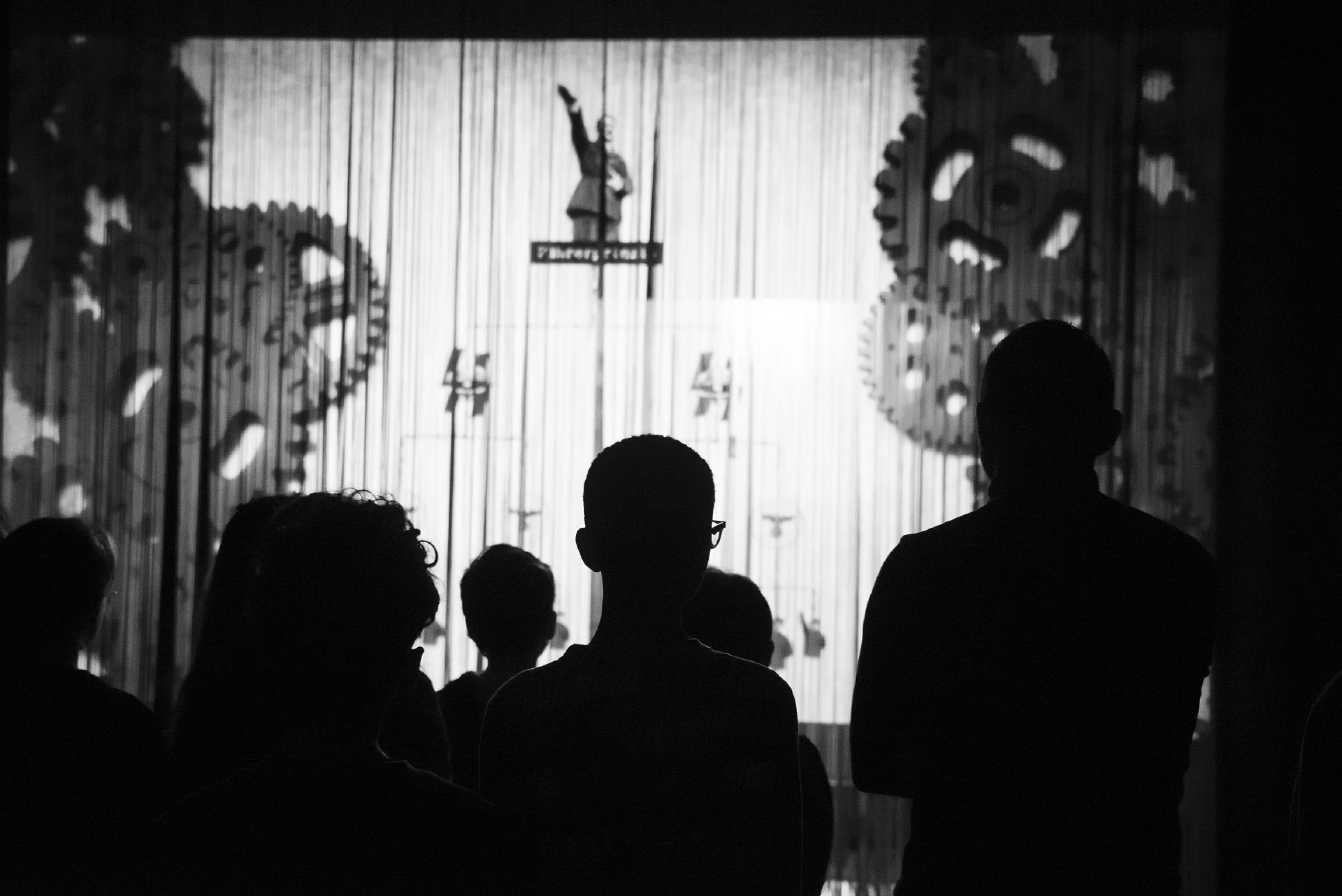
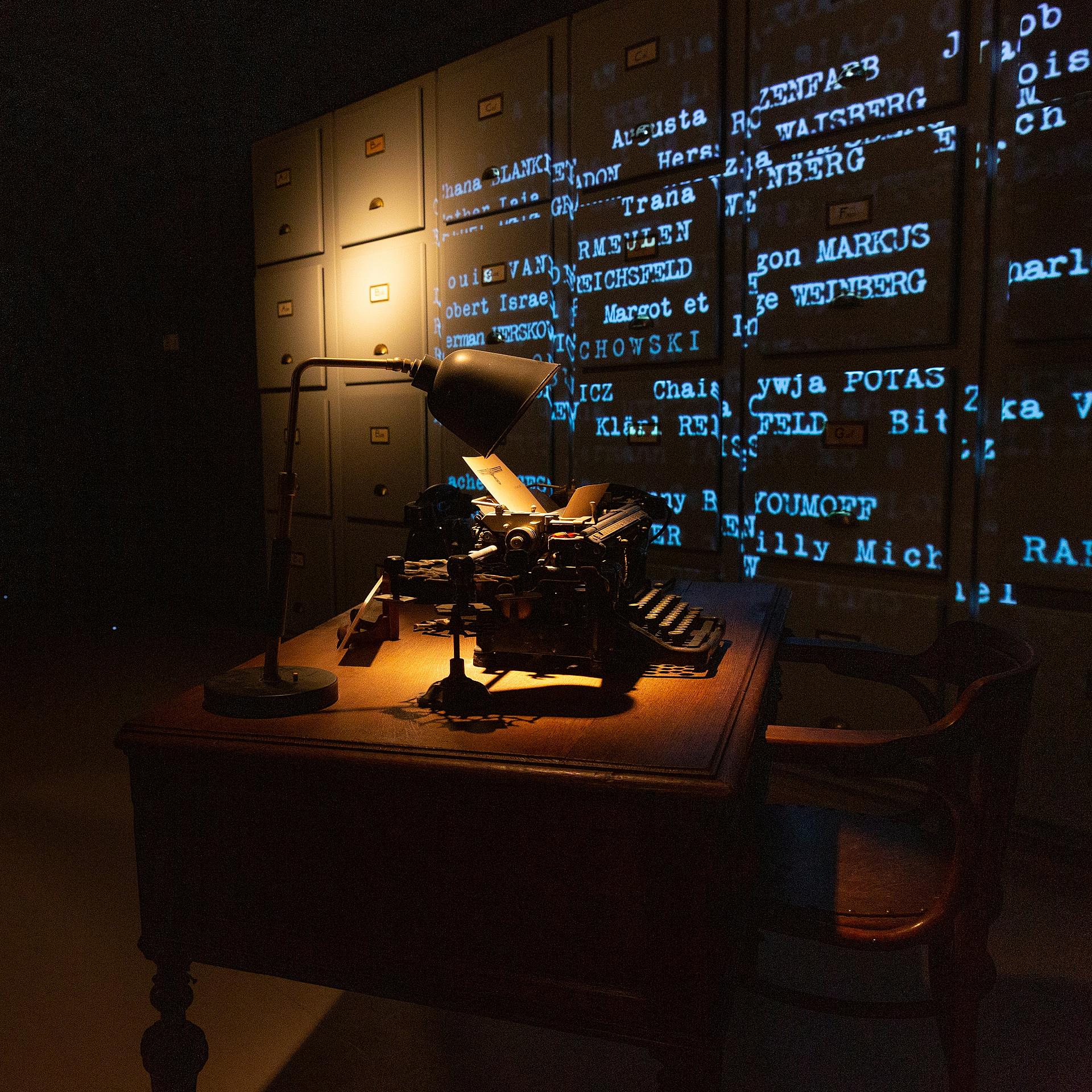
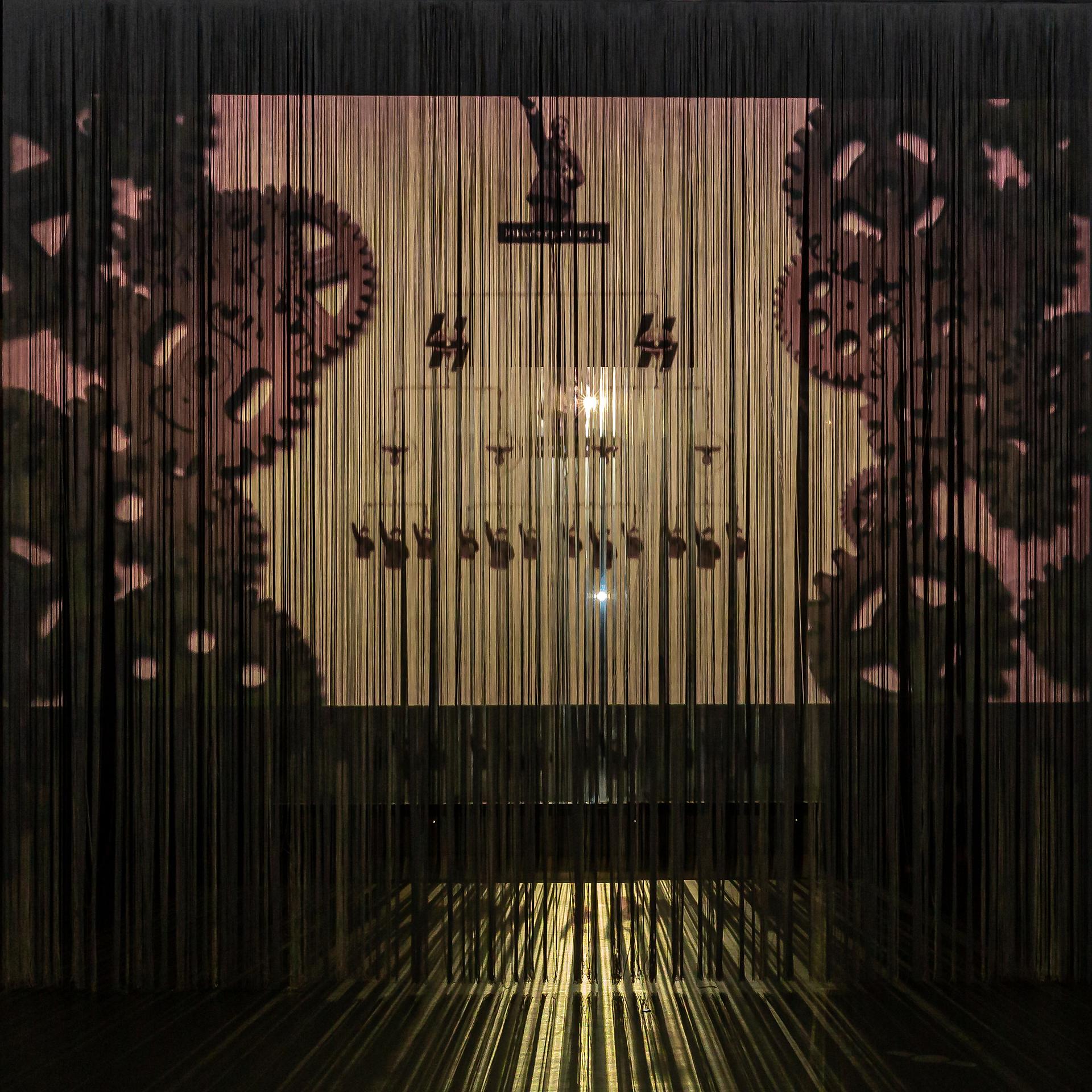
Today, the documentation centre is based in the Cité Miroir, a former swimming pool in Liège. Closed down in 2000 and listed as a historic monument in 2004, the building underwent extensive renovation works starting from 2009. The planning office Pierre Beugnier and Triangle Architectes were commissioned with the site’s rehabilitation. In January 2014, the Cité Miroir was inaugurated and the new permanent exhibition of the documentation centre was finally opened to the public. Entitled »Plus jamais ça!« (in English »Never again!«), the permanent exhibition focuses on the experiences of those who were deported to German concentration camps during World War II. In addition to the permanent exhibition, the documentation centre hosts several temporary exhibitions and offers numerous educational programmes and an extensive library named after the British writer George Orwell.
Possibilities
Permanent exhibition on the deportation during World War II, temporary exhibitions on various topics, guided tours, library, online resources, cultural events
Open
Winter period: Monday to Friday 9.00 a.m. to 6.00 p.m., Saturday 10.00 a.m. to 6.00 p.m., Sunday 1.00 p.m. to 6.00 p.m.
Summer period: Monday to Saturday 10.00 a.m. to 6.00 p.m., closed on Sundays
Contact
https://territoires-memoire.be/
accueil@territoires-memoire.be
+32 4 232 70 60
Cité Miroir, Place Xavier Neujean 22
4000 Lüttich/Liège, Belgien/Belgium