Skip to content

Donja Gradina Memorial Site

Javna ustanova spomen-područje Donja Gradina


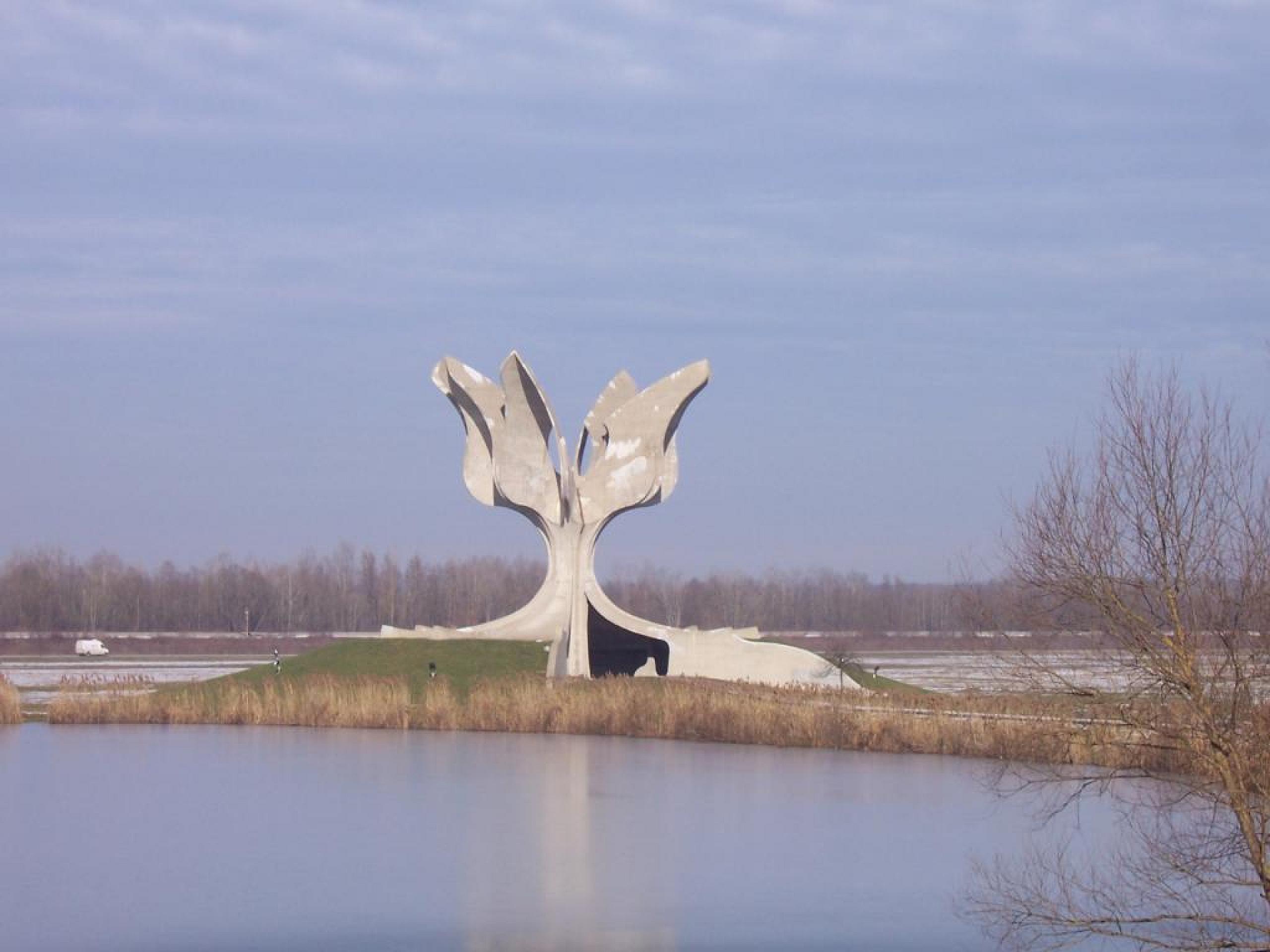
A memorial site in the small village of Donja Gradina, on the right bank of the river Sava in present-day Bosnia Herzegovina, commemorates the mass killings of prisoners of the Jasenovac concentration camp. Between 1941 and 1945, the Croatian Ustaša deported tens of thousands of people to Jasenovac and murdered many of them across the river in Donja Gradina.

History

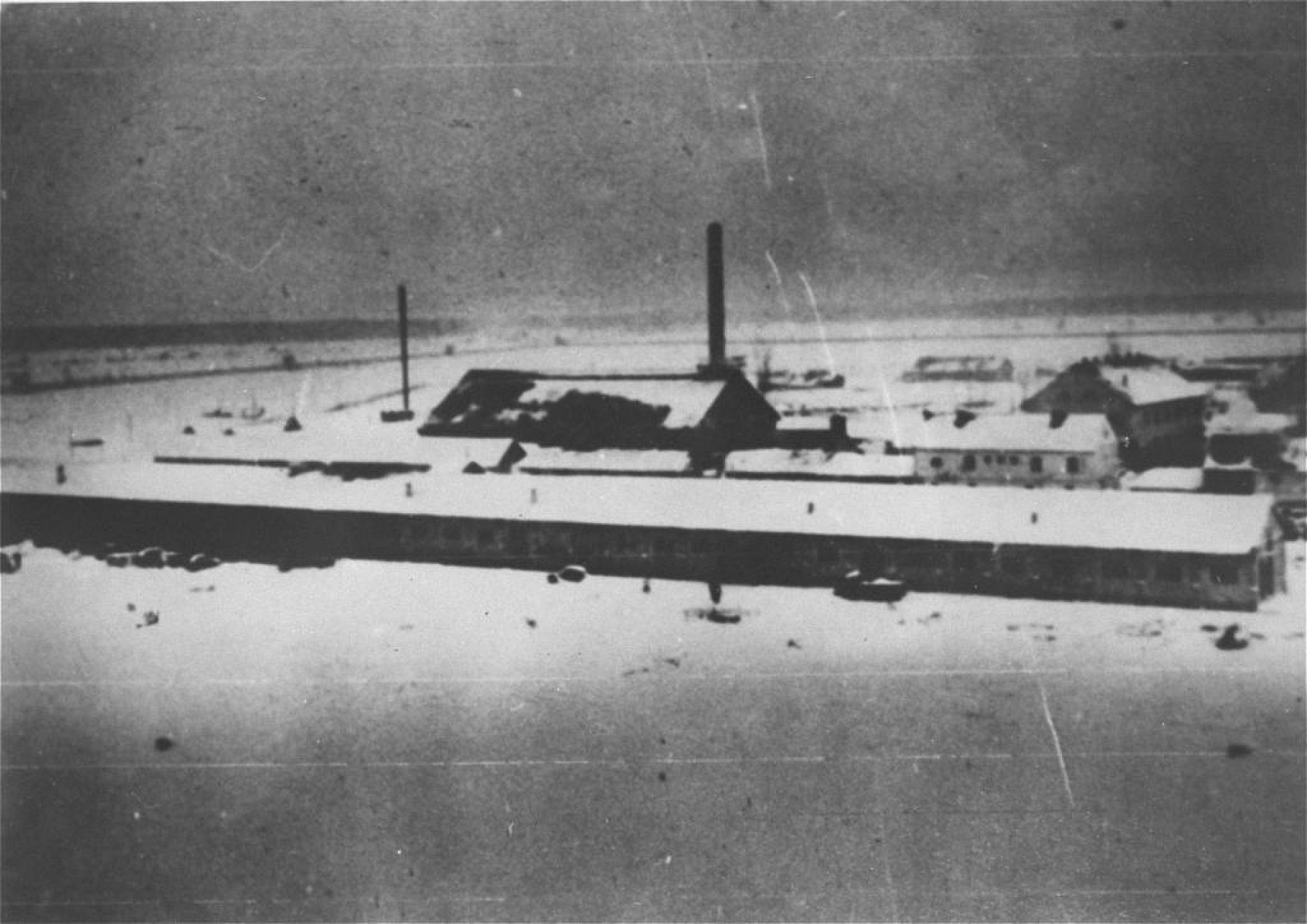
Donja Gradina is located on the right bank of the river Sava, while the village of Jasenovac lies on the left bank. In the spring of 1941, the Axis powers invaded Yugoslavia and the Independent State of Croatia was proclaimed (USK, Croatian: Nezavisna Država Hrvatska) by the fascist Ustaša movement. The regime's largest concentration and extermination camp was established in Jasenovac. From the end of July 1941 on, the Ustaša mainly deported Serbs, Jews and Roma to the camp. The number of inmates rose steadily; there were many children among those incarcerated. Many of the prisoners were murdered immediately upon arrival at Jasenovac. Beginning 1942, the Ustaša brought the prisoners across the river to Donja Gradina with a ferry for this purpose - here, the guards stabbed and beat their victims to death. The bodies were subsequently buried in large mass graves or burned.
Victims

A total of at least 80,000 people died in the Jasenovac concentration camp, mostly Serbs, Jews, Roma and Croatian opponents of the Ustaša regime. However, it is not known exactly how many were killed in Donja Gradina and how many were buried there in mass graves.

There are few areas of Europe so clearly scarred by the events of the 20th century as Bosnia-Herzegovina in the south-east of the continent. After the First World War the country was part of the Kingdom of the Serbs, Croats and Slovenes. In 1929 the Kingdom became Yugoslavia, a dictatorship established by King Alexander I (1888–1934) with the overall support of Serbian officers. In April 1941, Yugoslavia was occupied by German troops and their Italian, Hungarian and Bulgarian allies and split into a number of annexed and occupied territories serving as puppet states of the Nazi regime. Between 1941 and 1944, Bosnia-Herzegovina was part of the »Independent State of Croatia«, a puppet state of Nazi Germany ruled by the regime of terror of the Ustasha and their »Poglavnik« (leader) Ante Pavelić (1889–1959). The Ustasha was an insurgent nationalist movement, which had been fighting Serb-dominated Yugoslavia from abroad since 1929. After 1941, its policy of extermination was directed in particular against the large Serbian minority in Croatia, which was expelled, imprisoned and murdered, and also against Jews, Roma and religious or ideological opponents of the regime. It is estimated that almost 12,000 of the approximately 14,000 Bosnian Jews suffered a violent death under the regime. The Ustasha were also involved in fierce combat with various opposition movements – which, however, were also fighting each other – with a large number of casualties on all sides. There was no public discussion of these ethnic conflicts either after the end of the war in 1944-45 or during the communist dictatorship led by the former partisan leader Marshal Josip Broz Tito (1892–1980). Following the break-up of Yugoslavia in 1991-92, these conflicts were, however, to lead to the most devastating war in Europe after 1945. Today’s federal state of Bosnia-Herzegovina is divided into two parts: the Republika Srpska (Bosnian Serb Republic), founded shortly before the Bosnian War (1992–1995), and the Bosniak-Croat Federation. In July 1995, members of the army of the Republika Srpska, the police and Serbian forces murdered up to 8,000 mainly Bosnian men and boys over several days in Srebrenica. During the Tito regime and up until the break-up of Yugoslavia, the culture of remembrance in Bosnia-Herzegovina was dominated by a large number of resistance monuments, memorial parks and synagogues used as museums. The most important of these were the »Il Kal Grandi« synagogue in Sarajevo, the Donja Gradina memorial site in the Republika Srpska - a former satellite camp of the largest Croatian concentration camp in Jasenovac - and the Vraca memorial park, inaugurated in 1981 as the central memorial site in Sarajevo for the »Victims of the Second World War and the Partisan War-Dead«. All of these sites were damaged, destroyed, looted or closed during the Bosnian War in particular and they have only slowly been reinstated. The events of the Bosnian War overshadow the remembrance of the victims of the years 1941 to 1944-45.

Remembrance

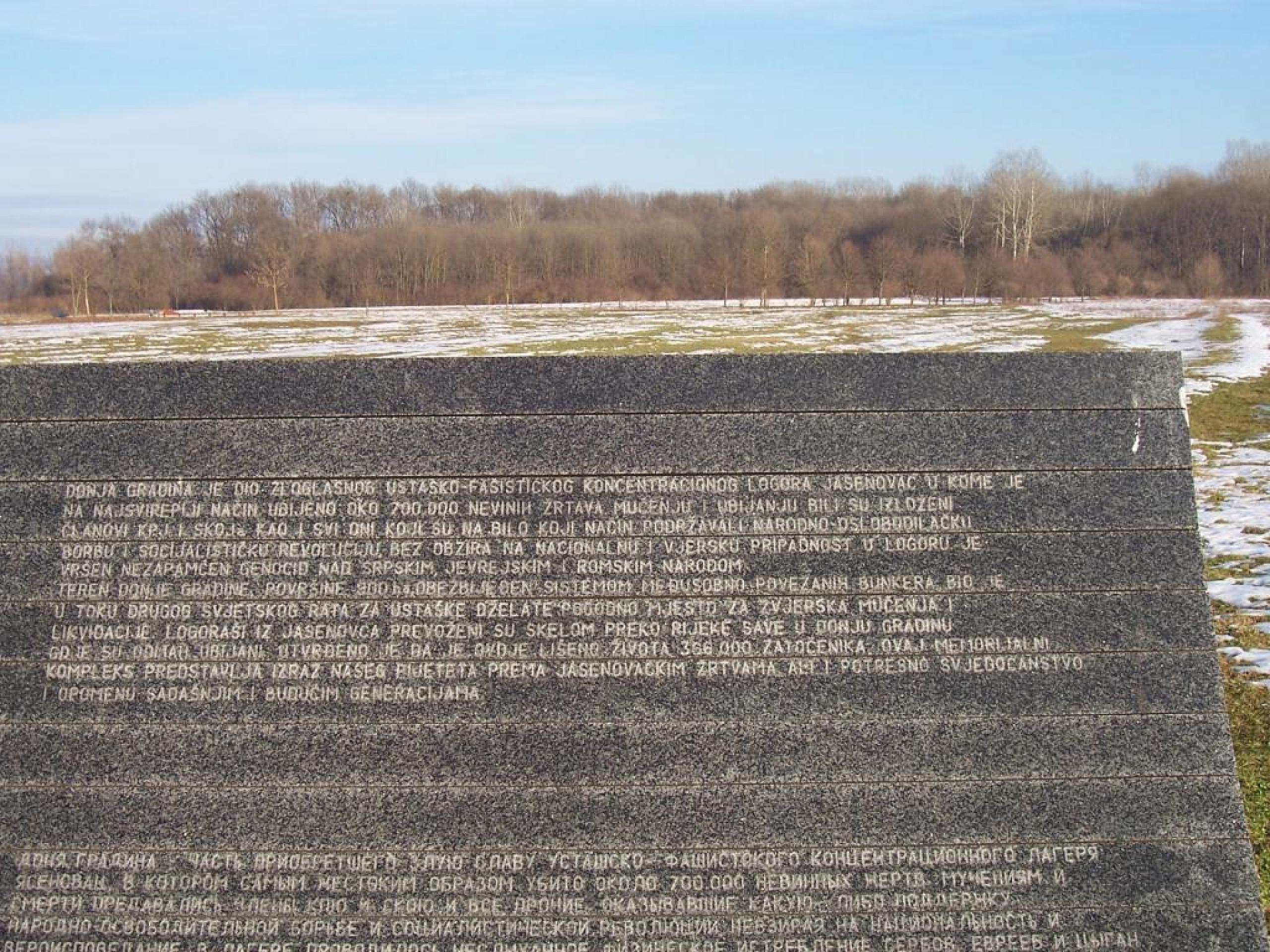
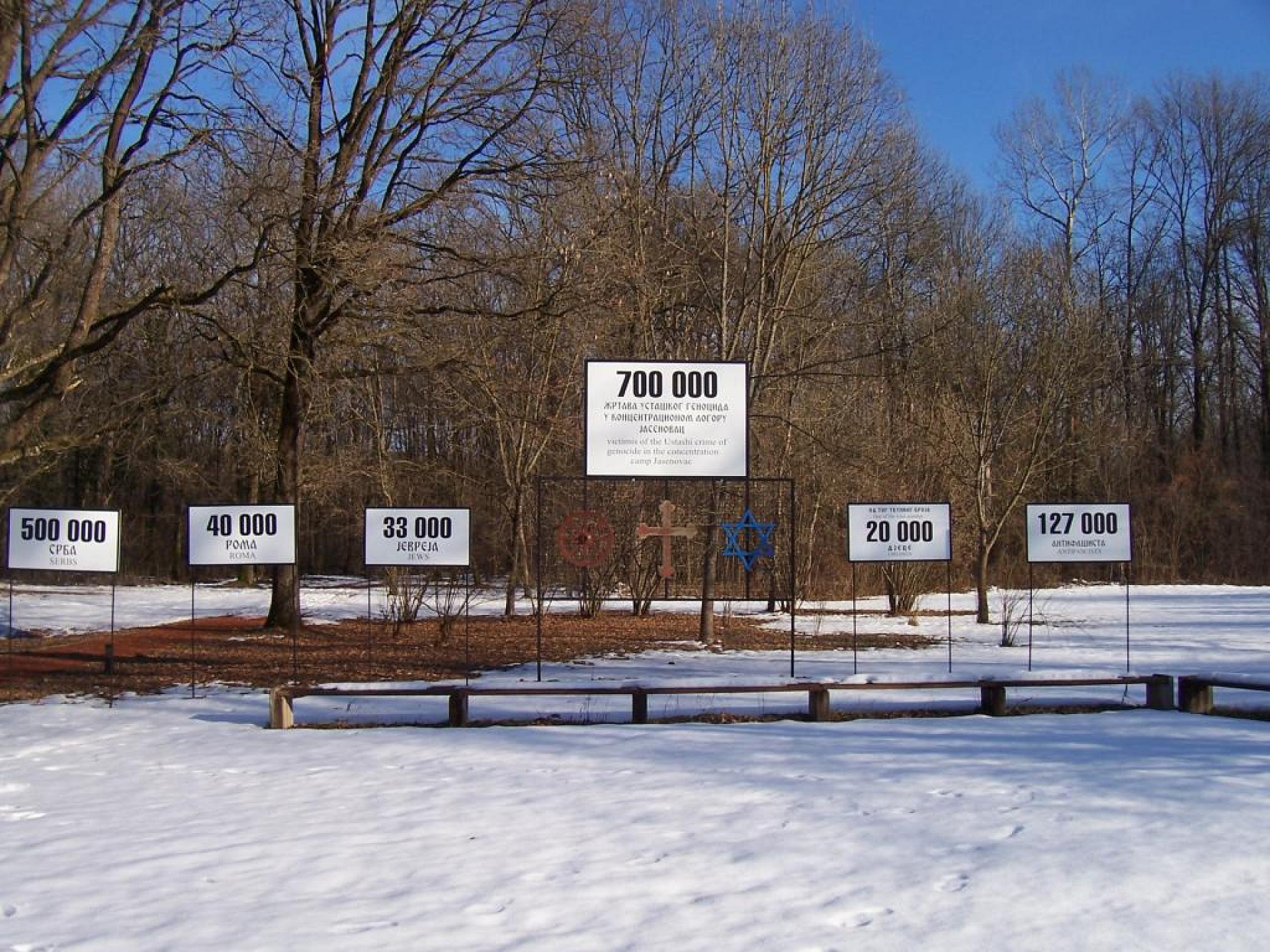
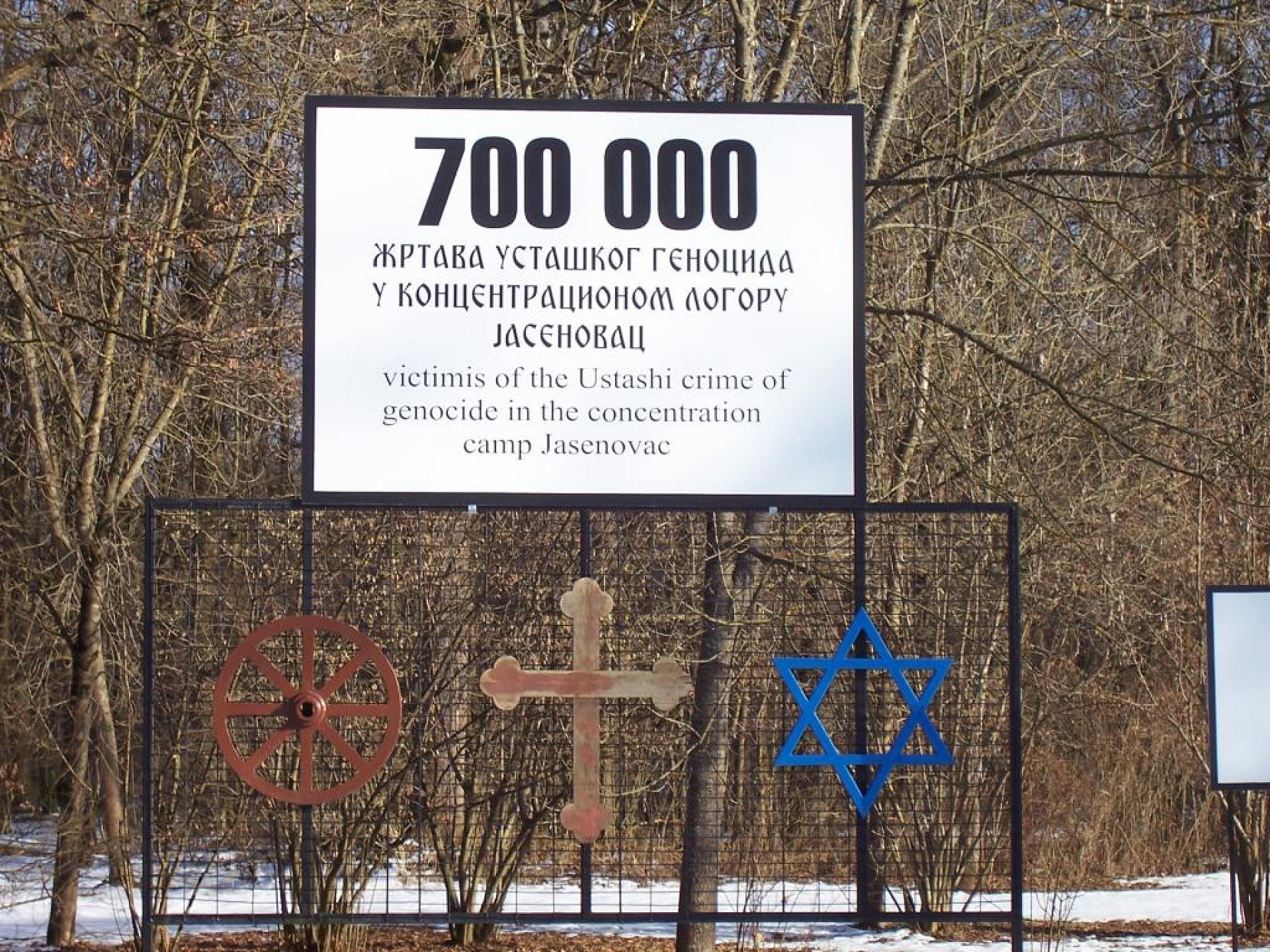
Today, Donja Gradina lies in Republika Srpska, a political entity of Bosnia-Herzegovina mainly inhabited by Serbs. Jasenovac is located on the opposite side of the river, which is now part of Croatia. In the 1960s, after the Jasenovac memorial site had been established, Jasenovac and Donja Gradina were jointly administered as one memorial site. Jasenovac, and with it Donja Gradina, was Yugoslavia's central memorial site under Tito's rule. In Yugoslav politics of remembrance, 700,000 people were stated to have been murdered in Jasenovac alone. After the Balkan wars in the 1990s, the two memorial sites were separated, and since then, there has been no official cooperation between them as they now lie in different states.
The estimated death toll was corrected in the Croatian Jasenovac memorial: historians now believe that at least 80,000 people perished in Jasenovac. The Serbian Donja Gradina memorial site still contains memorial plaques dedicated to the supposed 700,000 victims of the Jasenovac camp. 500,000 of those are identified as Serbs; Croatian victims of the Jasenovac camp are not mentioned.
Open

The memorial site is accessible at all times.

Contact

https://www.jusp-donjagradina.org/

info@jusp-donjagradina.org

+387 (0)52 446 030

Donja Gradina
79290 Donja Gradina