Skip to content

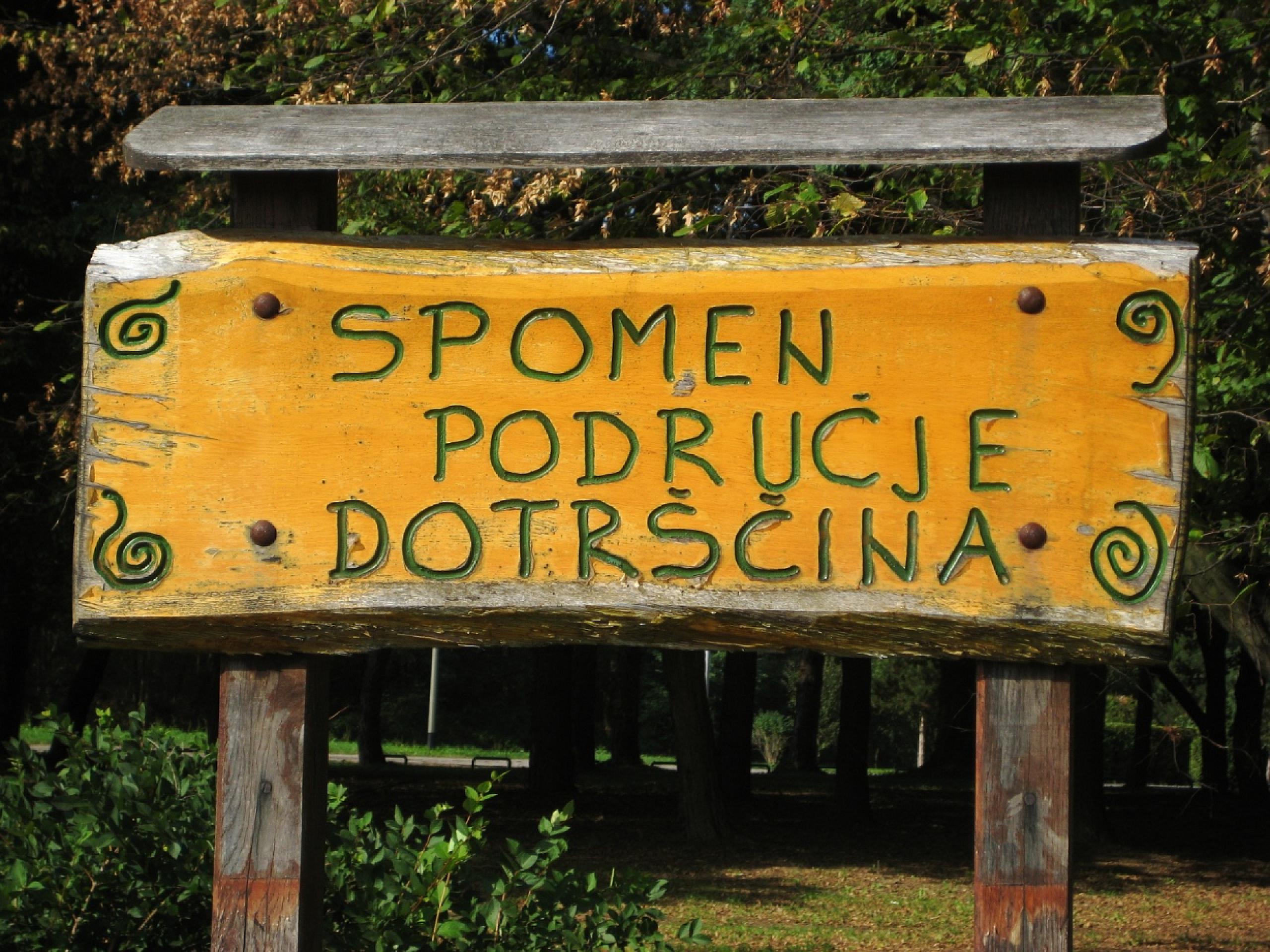
Dotršćina Park Memorials

Spomenik žrtvama fašizma u Dotrščini


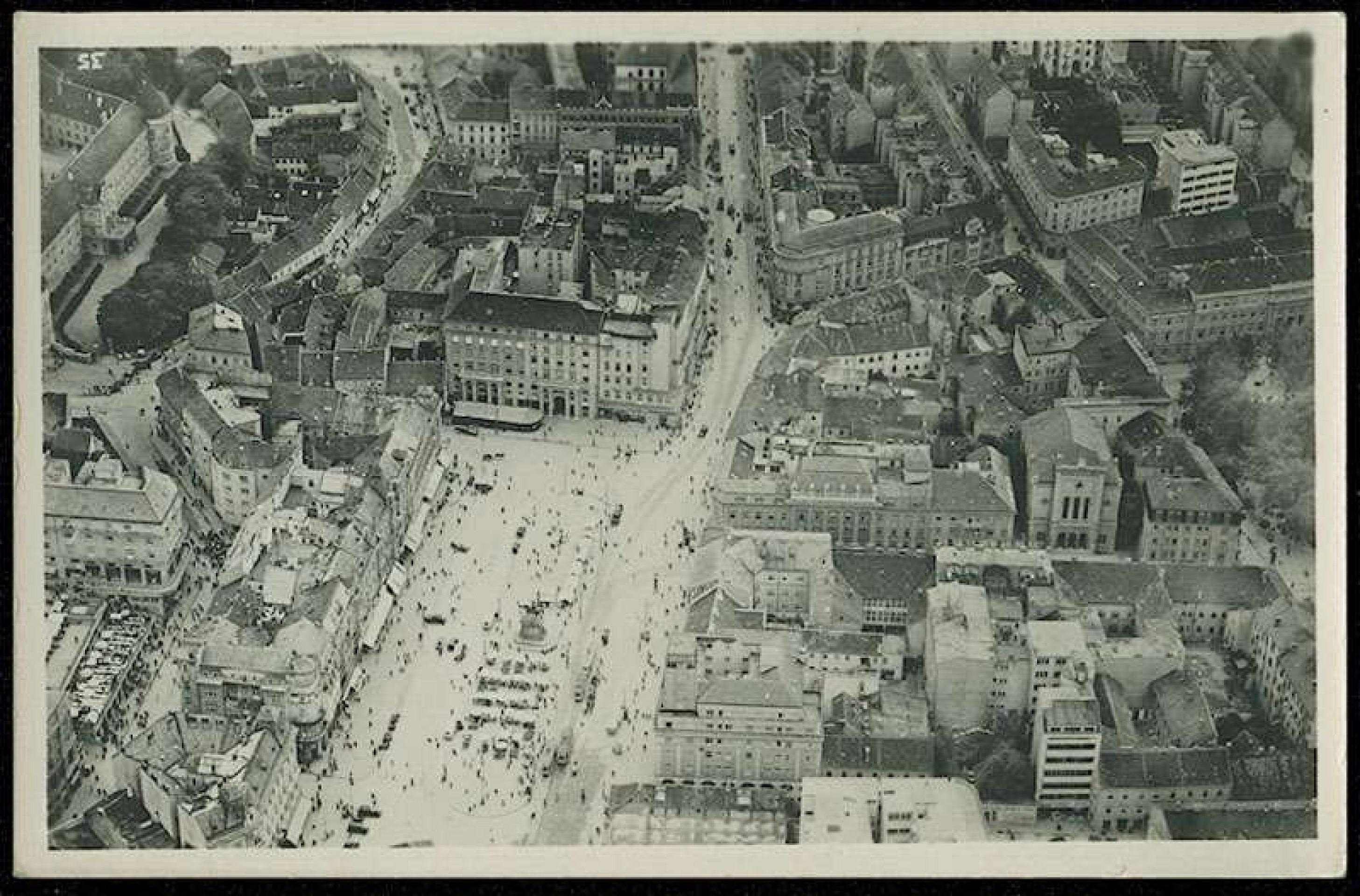
Several monuments in the Dotršćina Park in Zagreb have since the 1960s commemorated the up to 18,000 people, who were executed there by units of the fascist Ustaša between 1941 and 1945.

History

Zagreb is located in the Pannonian Basin on both banks of the Sava river. Until 1918, Zagreb was the capital of the Kingdom of Croatia and Slavonia and thus part of the Austro-Hungarian empire. The city was the cultural and economic centre of Croatia. After the First World War, Croatia and Serbia united to form the Kingdom of Serbs, Croats and Slovenes, which later became Yugoslavia.
After the German invasion of Yugoslavia in April 1941, Yugoslavia was dismembered. In Croatia, the fascist Ustaša movement proclaimed the Independent State of Croatia (Croatian: Nezavisna Država Hrvatska), an ally of Germany and Italy. Ustaša supporters immediately began persecuting minorities in the newly founded state, particularly Serbs, Jews and Roma. Already in June 1941, first laws were passed on the basis of which the Ustaša-controlled police arrested Serbs and Jews. In Zagreb alone, several thousands of people were imprisoned in a matter of months. Many of them were later deported by the Ustaša to forced labour camps and death camps, others were shot at execution sites in the vicinity of the city. The largest of these execution sites was Dotršćina Park, a municipal forest located in the north of Zagreb. According to estimates, about 7,000 people were killed here by the Ustaša between 1941 and 1945.
Victims

Little is known about the people who were executed in the Dotršćina Park. The bodies of the victims were brought away from the site, only some of them were buried in the park itself. It is estimated that about 7,000 people were shot by Ustaša units at this site between 1941 and 1945. In the meantime, historians were able to establish the names of about 700 people killed in the Dotršćina Park. It is estimated that altogether about 18,600 people were killed by the Ustaša regime in Zagreb and surroundings. These figures cannot be verified, however, as the fate of the prisoners after being arrested is documented only in rare cases.

After the First World War Croatia was part of the Kingdom of Serbs, Croats and Slovenes. In 1929 the Kingdom became Yugoslavia, a dictatorship established by King Alexander I (1888–1934) with the overall support of Serbian officers. The Croatian nationalist Ante Pavelić (1889–1959) left the country and fought the monarchist dictatorship with his terrorist underground movement »Ustasha« from a base in fascist Italy. In April 1941, Yugoslavia was occupied by German troops and their Italian, Hungarian and Bulgarian allies and the state was split into a number of annexed and occupied territories serving as puppet states of the Nazi regime. The »Independent State of Croatia« was established as a result, in reality a puppet state of the Third Reich led by the regime of terror of the Croatian Ustasha and their »Poglavnik« (leader) Pavelić. The policy of persecution and extermination adopted by this regime was primarily directed against the large Serbian minority as well as Jews, Roma and religious and ideological opponents. In summer 1941, the ruling authorities in Jasenovac established the largest concentration camp in the Balkans. More than 80,000 people met a violent death here, including around 48,000 Serbs, 13,000 Jews, 16,000 Roma and over 4,000 Croats. Summer 1941 also marked the start of the armed campaign of the communist partisans led by Marshal Josip Broz Tito (1892–1980). By 1942-43 Tito’s troops had gained control over a large part of Croatia and in 1944-45 they took the whole of Yugoslavia. Pavelić fled and Tito became head of state. He had tens of thousands of former opponents and civilians – including many Croats – persecuted and murdered. Prior to the break-up of Yugoslavia in 1991, around 6,000 highly diverse memorial sites had been established in Croatia commemorating the »victims of fascism« and the resistance. They were dedicated to victims of the terror regime of the Croatian Ustasha, of the German and Italian occupation, but also of the royalist Serbian militia (Chetniks). The victims were generally remembered as »patriots«, the state version of events being that all victims had been persecuted and killed by »treacherous fascists«. Fallen or murdered members of the resistance, above all leading partisans and members of the Croatian and Yugoslavian communist parties, were also commemorated. After Croatia declared independence in summer 1991, the Serb-dominated Yugoslav People’s Army launched a war against the country, which was to last until the end of 1995. During this war, the Jasenovac memorial site was occupied and badly damaged by Serbs and the museum was looted. Once Croatia had regained Jasenovac, President Franjo Tudjman (1922–1999) sought to establish a memorial site there to remember all Croatian victims of the Second World War and the 1991-1995 war. However, it was not until 2006 that a permanent exhibition on the history of the camp was opened on the site together with an education centre. There have been conflicting approaches to the Second World War in Croatia since 1991. By 2000, over 3,000 sites of memory, including graves, had been damaged and removed from the public domain. Other parts of the country continue to remember the legacy of the »anti-fascist people’s liberation campaign«. The most important memorial site of the country is still Jasenovac, where there have been decades of controversy around the exact number of victims and their ethnic composition. By now some leading Croatian politicians acknowledged the responsibility of today’s Croatia for the crimes of the Ustasha in speeches at the historical site. In 2022, a new holocaust memorial was inaugurated in Zagreb that commemorates above all those Jews who had been deported from the capital city.

Remembrance

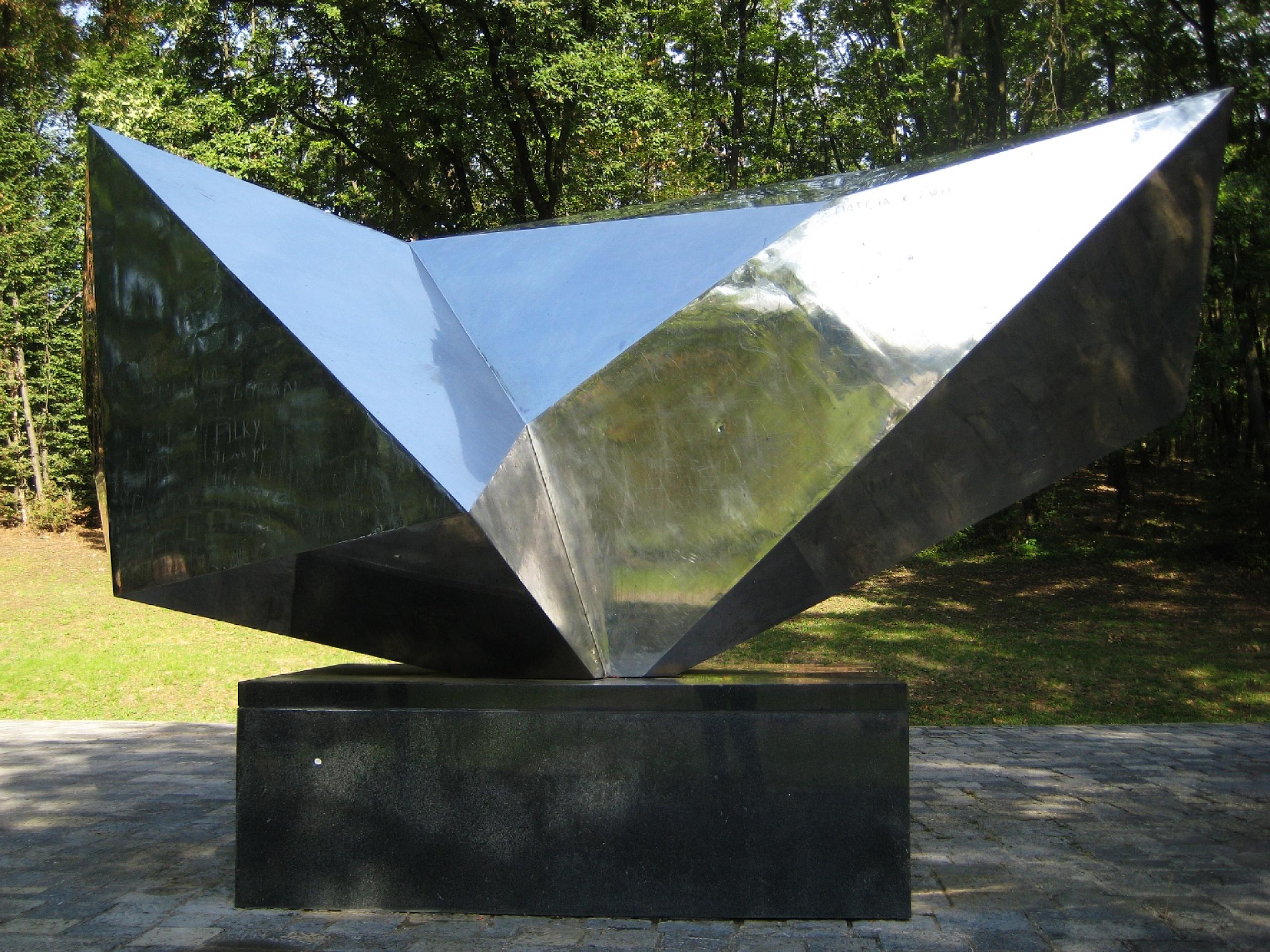
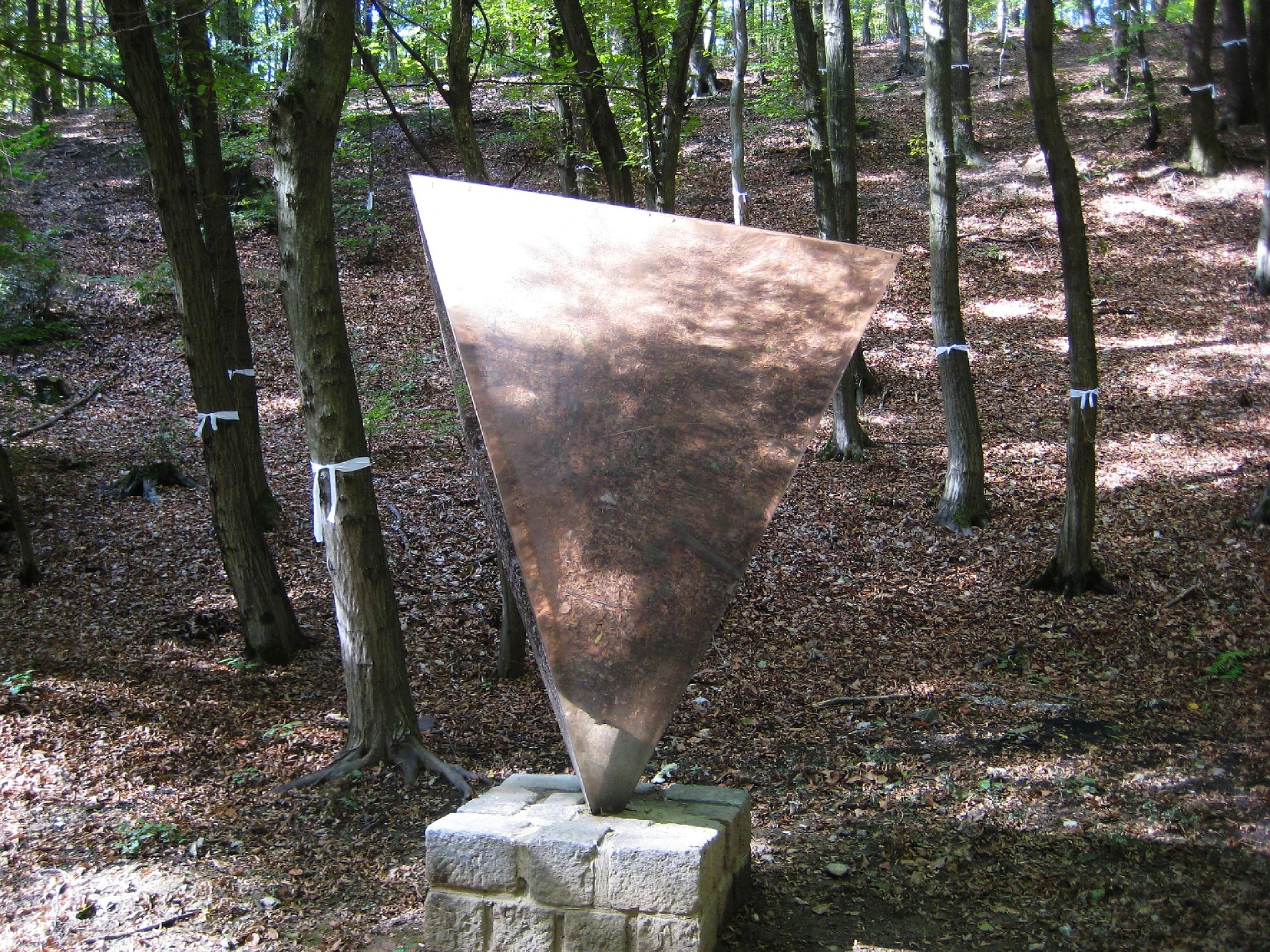
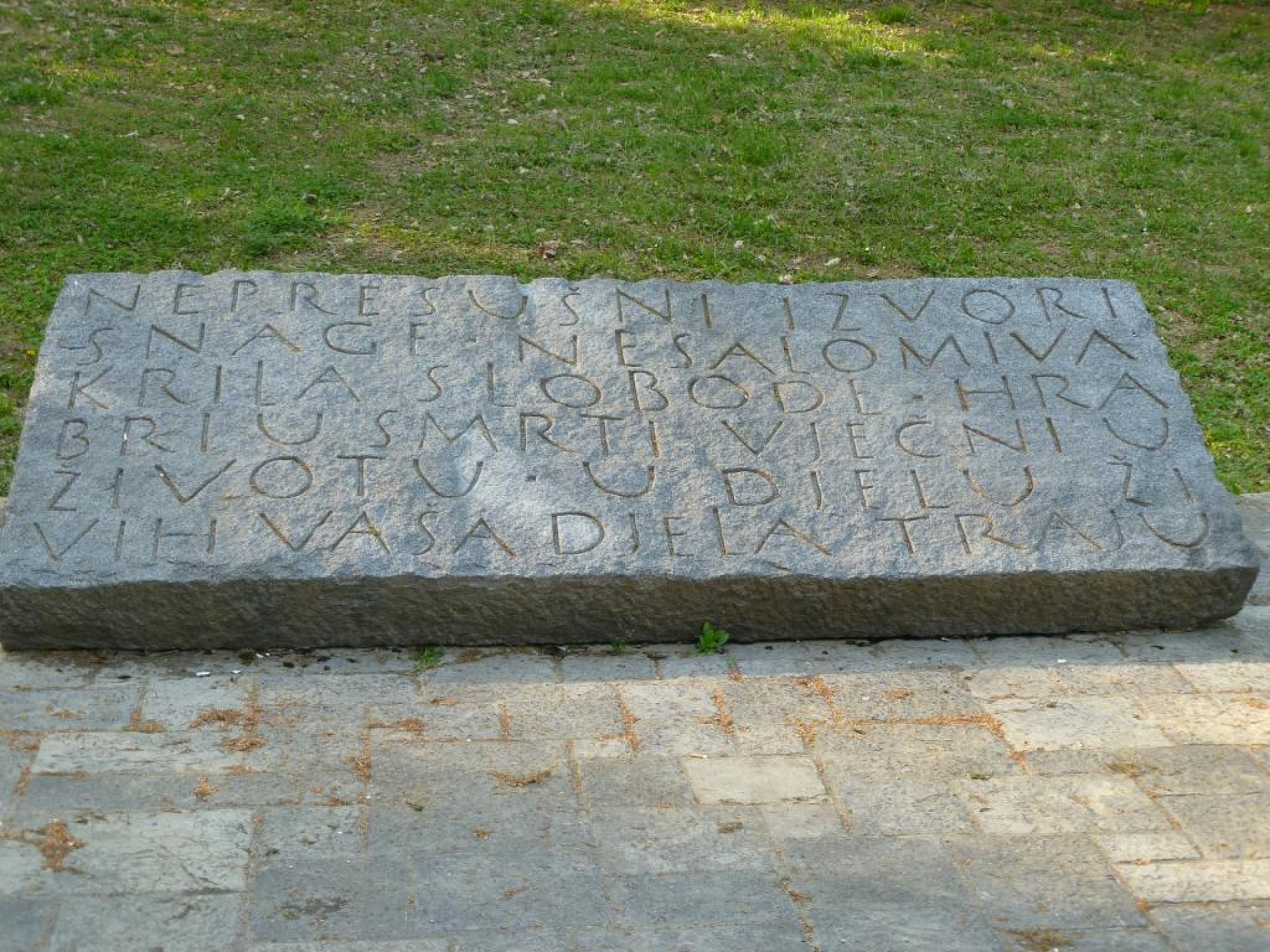
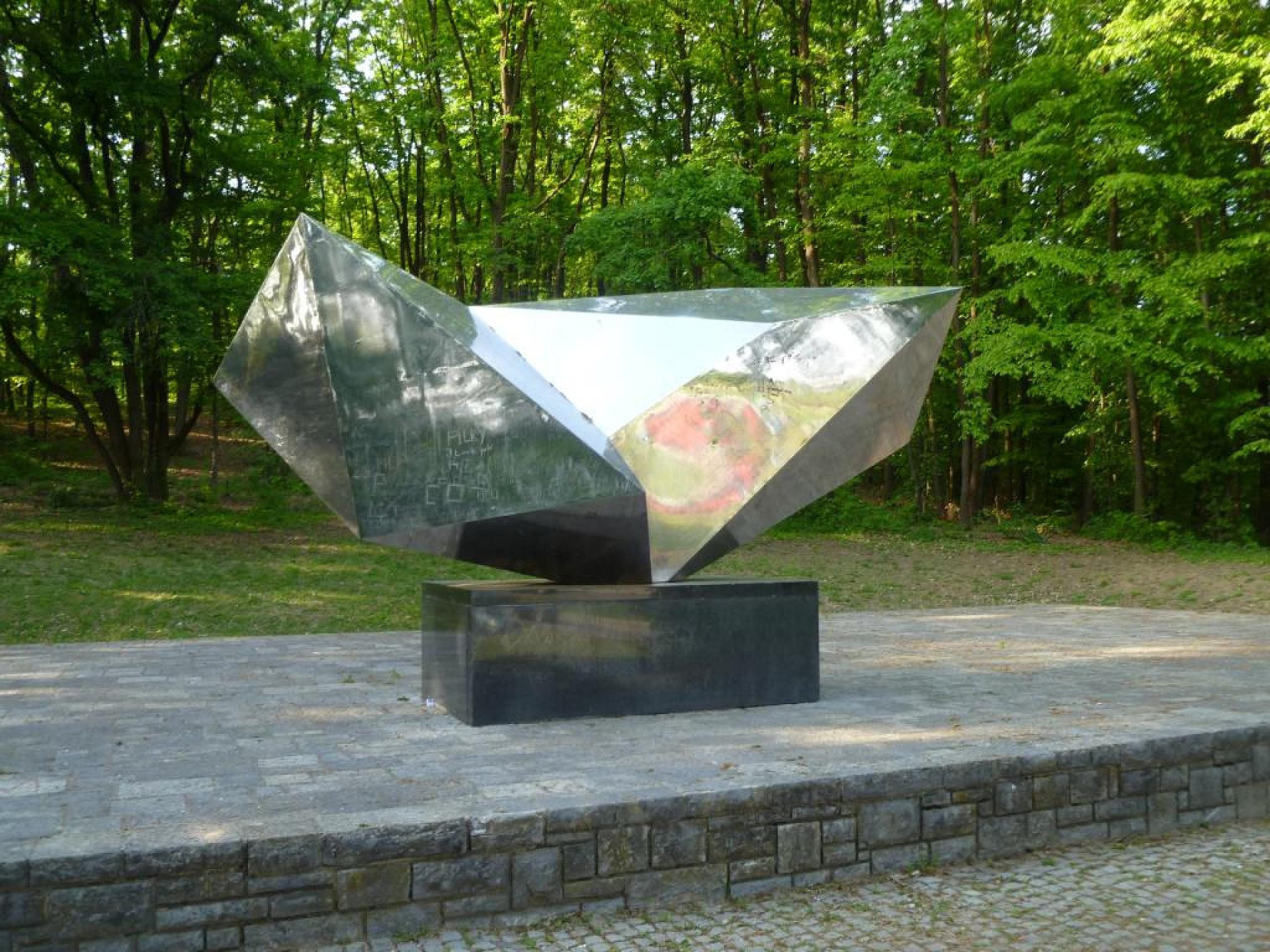
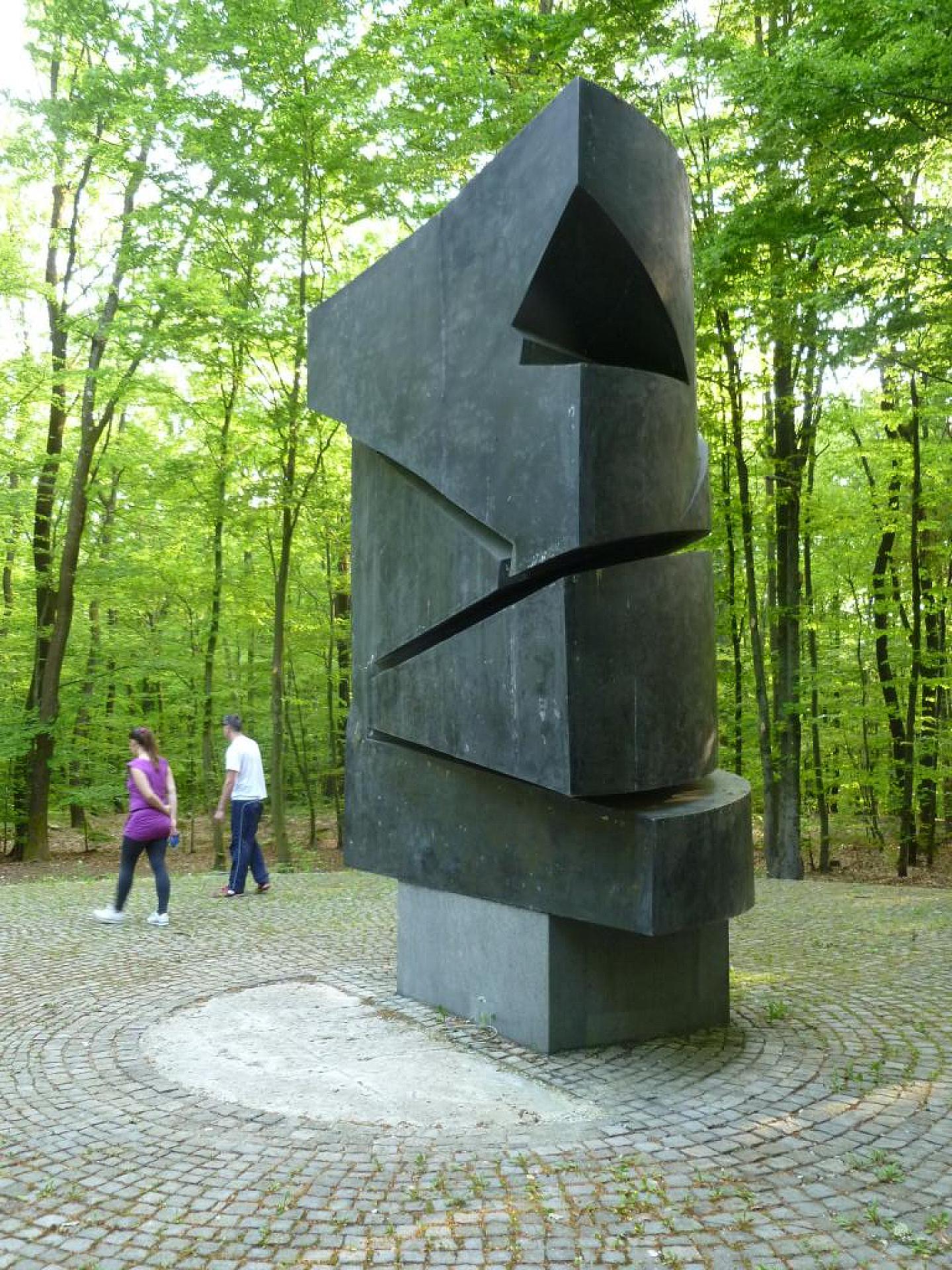
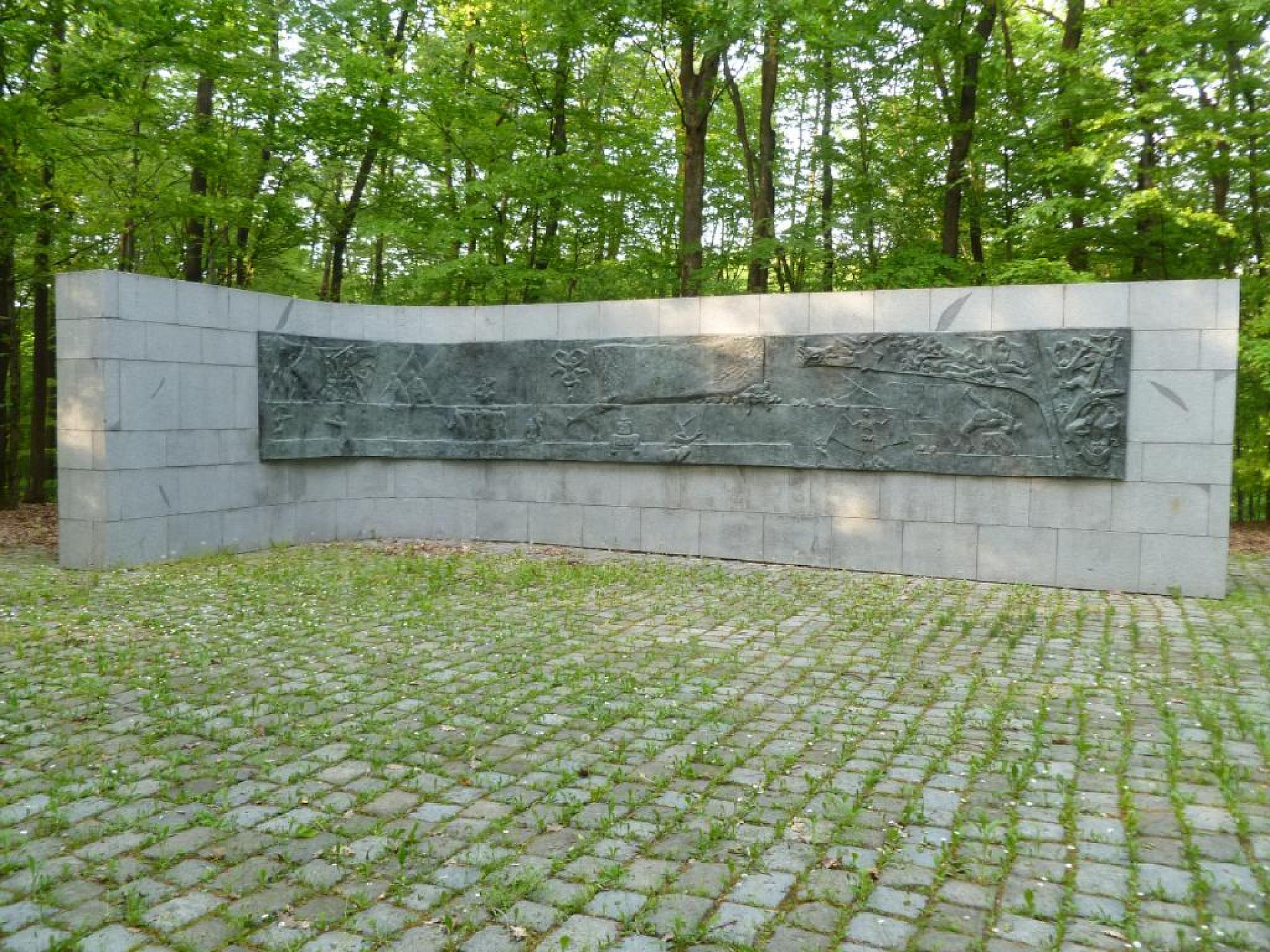
From 1963 on, the Dotršćina Park was remodeled as a memorial park at the behest of the Zagreb municipal authorities. Gradually, several monuments were erected in the park and its vicinity, each dedicated on May 8 during commemorative ceremonies to the victims of fascism. The best-known memorial was created by Yugoslav sculptor Vojin Bakić. The abstract, shiny metal sculpture at the park entrance, reminiscent of a crystal, is entitled »Times of Martyrdom« and was dedicated on May 8, 1968. Next to it is a memorial stone bearing following inscription: »Inexhaustible source of strength. Unbreakable wings of freedom. Brave in death, eternal in life. Your deeds live on in the deeds of the living.«
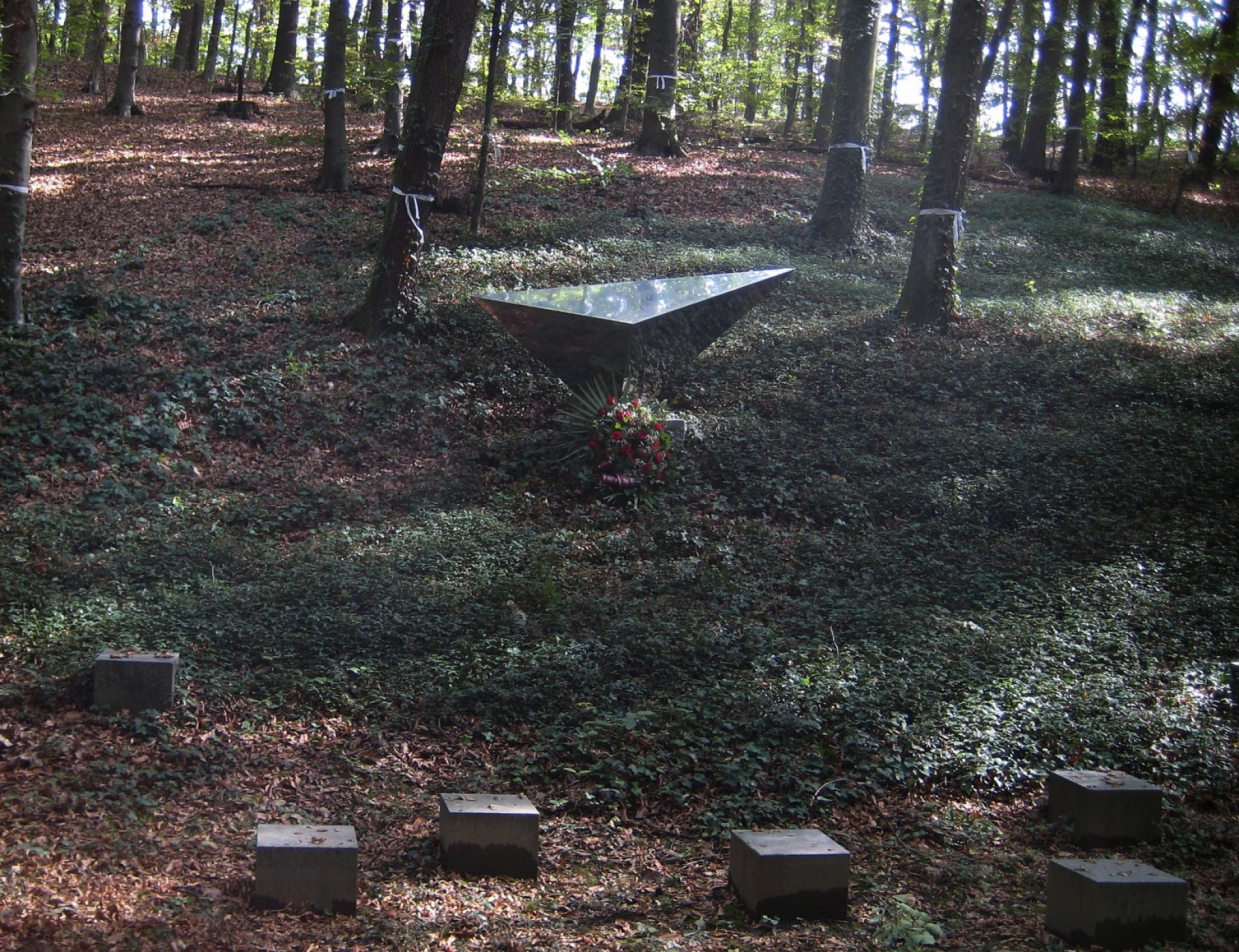
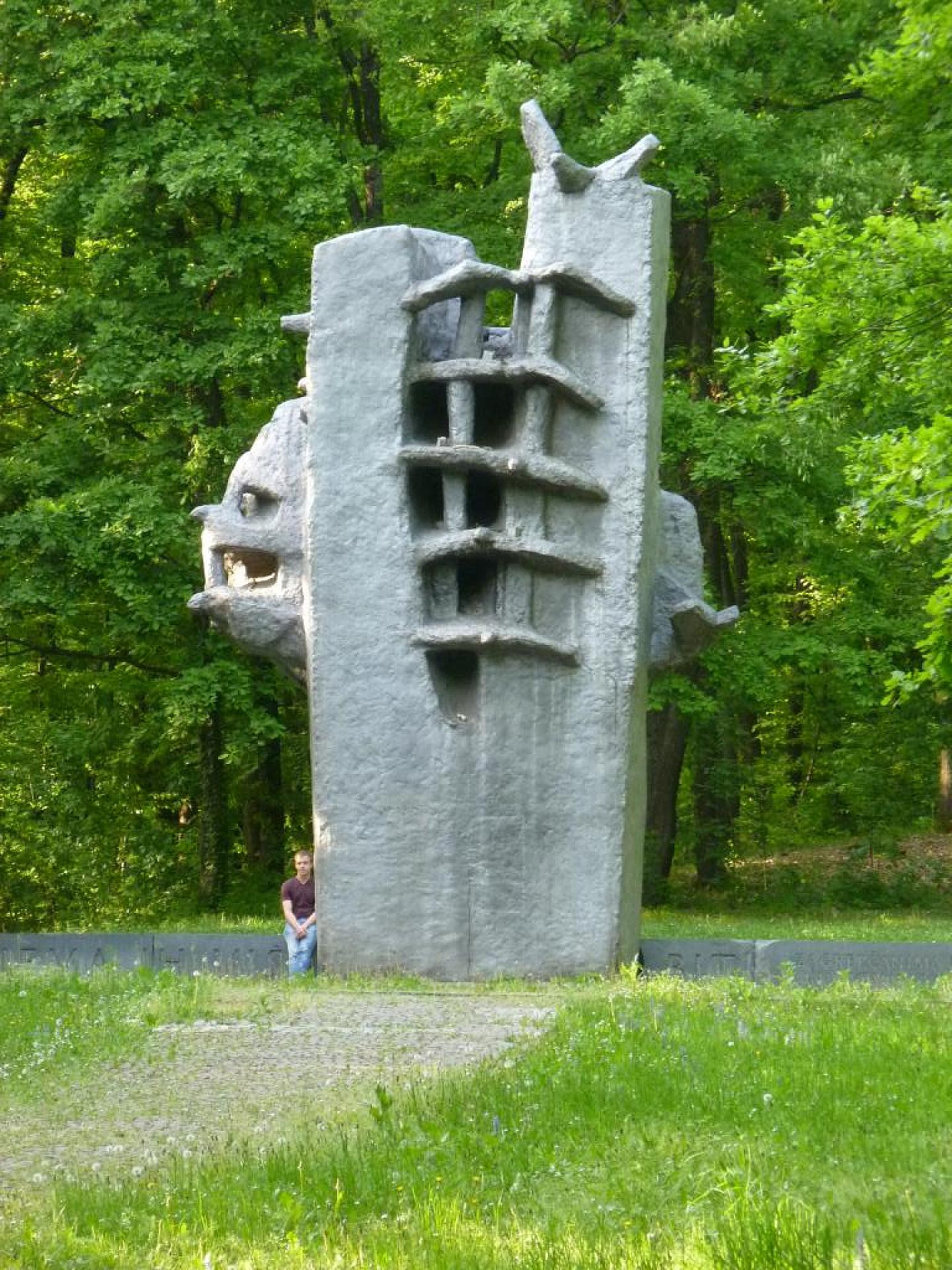
In addition to the large metal sculpture at the entrance of the park, seven additional metal sculptures by Bakić can be seen in the valley. These small »crystals« and the stone cubes surrounding them symbolize graves. Further memorials are situated on the hills of the park.
On September 21, 2012, »Documenta«, a Croatian initiative for historical remembrance, launched the »virtual museum Dotrscina« on the internet. Its aim is to address the topic of »the forgotten historical site Dotršćina« publicly.
Open

The memorials are always accessible.

Contact

http://www.dotrscina.hr/

Štefanovec
10000 Zagreb