Drütte Concentration Camp Memorial Site and Documentation Centre
Gedenk- und Dokumentationsstätte KZ Drütte
The town of Salzgitter was founded in 1942 at the northern foothills of the Harz mountains. In 1994, a memorial was set up on the premises of the Salzgitter AG company, dedicated to the people who had to conduct forced labour at the site. Between 1942 and 1945, thousands of forced labourers had been deployed in arms production.
History
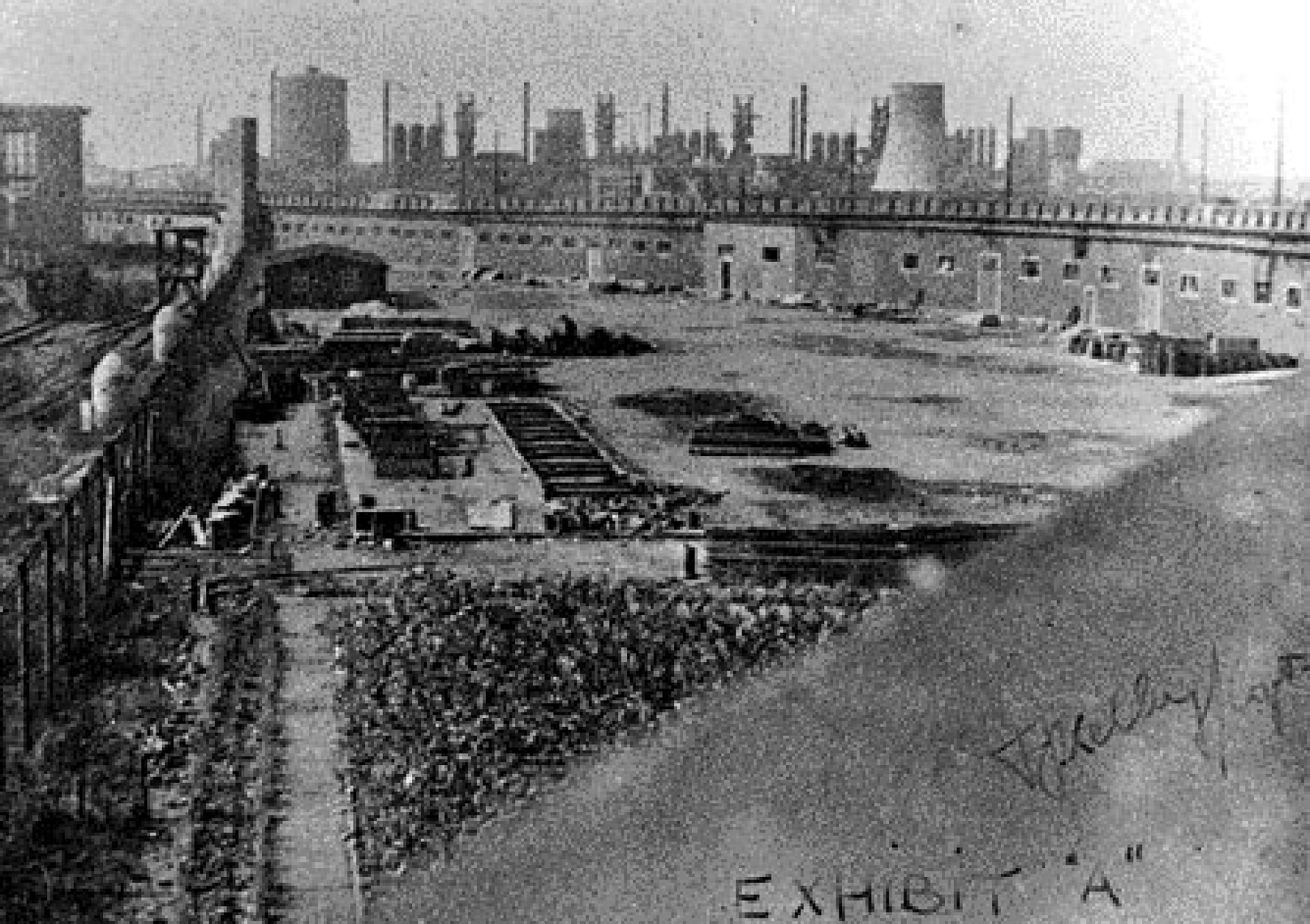
The »Reichswerke Hermann Göring« plant was founded in 1937 as a state-run enterprise for steel and arms production. A steel mill was established close to the township of Watenstedt at the northern foothills of the Harz mountains. As a result, thousands of workers moved to the region and several smaller towns were merged to form the city of Watenstedt-Salzgitter. Soon the new industrial complex demanded significantly more labour than was available and the »Reichswerke« began recruiting workers from abroad. The first Polish forced labourers came to Watenstedt-Salzgitter shortly after the beginning of World War II. In 1940, the Gestapo set up a »labour education camp« in Braunschweig. In the course of the war, several more camps were established and prisoners of war from Western and Eastern Europe as well as Soviet civilians (so-called »Ostarbeiter«, eastern workers) were deployed in forced labour. In September 1942, the »Reichswerke« management and the SS jointly decided to also deploy concentration camp prisoners as forced labourers in the industrial complex. On October 18, 1942, the first transport of prisoners from Buchenwald concentration camp arrived at the newly founded Drütte satellite camp of the concentration camp Neuengamme. In November 1942, there were 250 prisoners in Drütte; by 1944 the number rose to over 2,700.
The prisoners had to produce munition in Watenstedt-Salzgitter, particularly shells. In May and September 1994, two further camps were established for over 3,000 concentration camp prisoners. On April 7, 1945, the SS dissolved these camps and transferred the prisoners by train to various collection camps. It is not clear exactly how many camps there were in the Watenstedt-Salzgitter region: When the Allies arrived on April 11, 1945, they discovered 67 remaining »Reichswerke« camps with tens of thousands of prisoners.
Victims
Around 40,000 men and women were deployed in forced labour at the »Reichswerke Hermann Göring« in Watenstedt-Salzgitter. The prisoners came from most parts of Europe - mostly from Poland and the occupied Soviet territories, but also from France, Belgium and Italy. They came to the Salzgitter region as prisoners of war, »Ostarbeiter« and concentration camp prisoners. The prisoners of war were mostly brought to Watenstedt-Salzgitter from the »Stalag XI B« and »Stalag XI D« camps in Fallingbostel as well as the »Stalag XI C« camp near Bergen-Belsen. Germans from the so-called »labour education camp« were also deployed in forced labour. At least 4,000 people perished in the Watenstedt-Salzgitter camps.
Remembrance
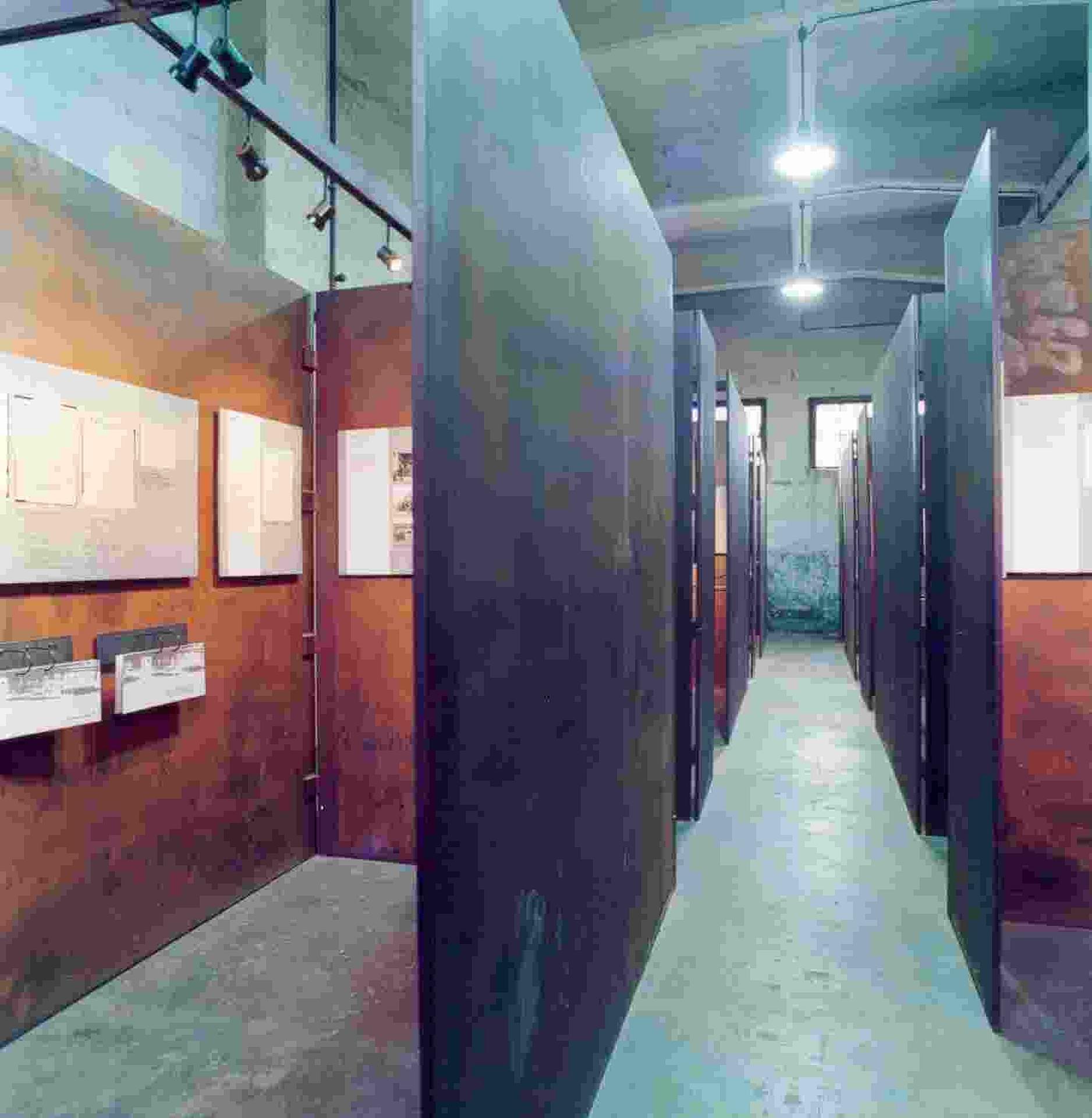
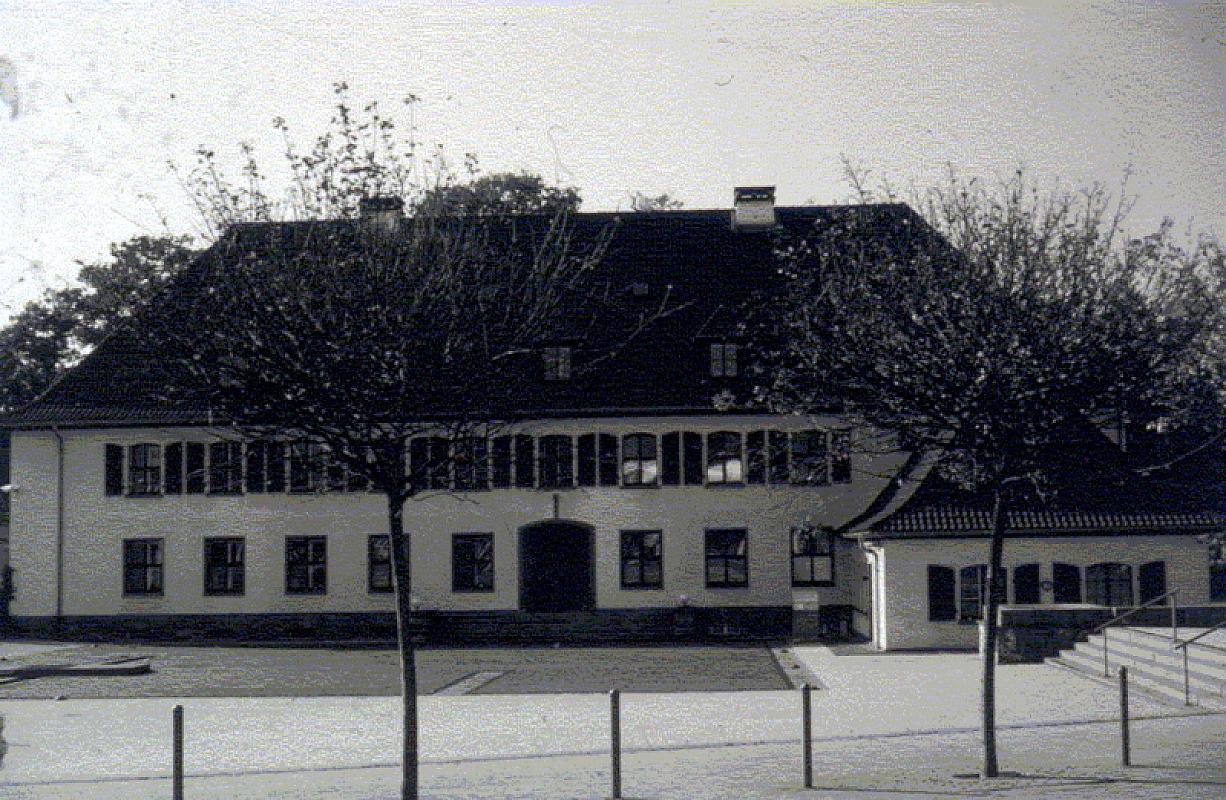
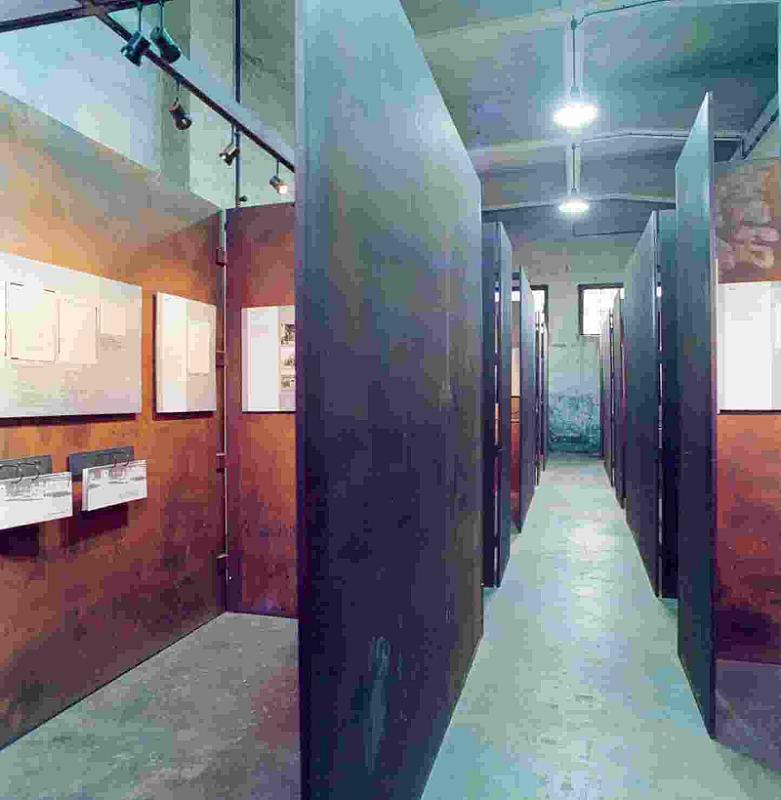
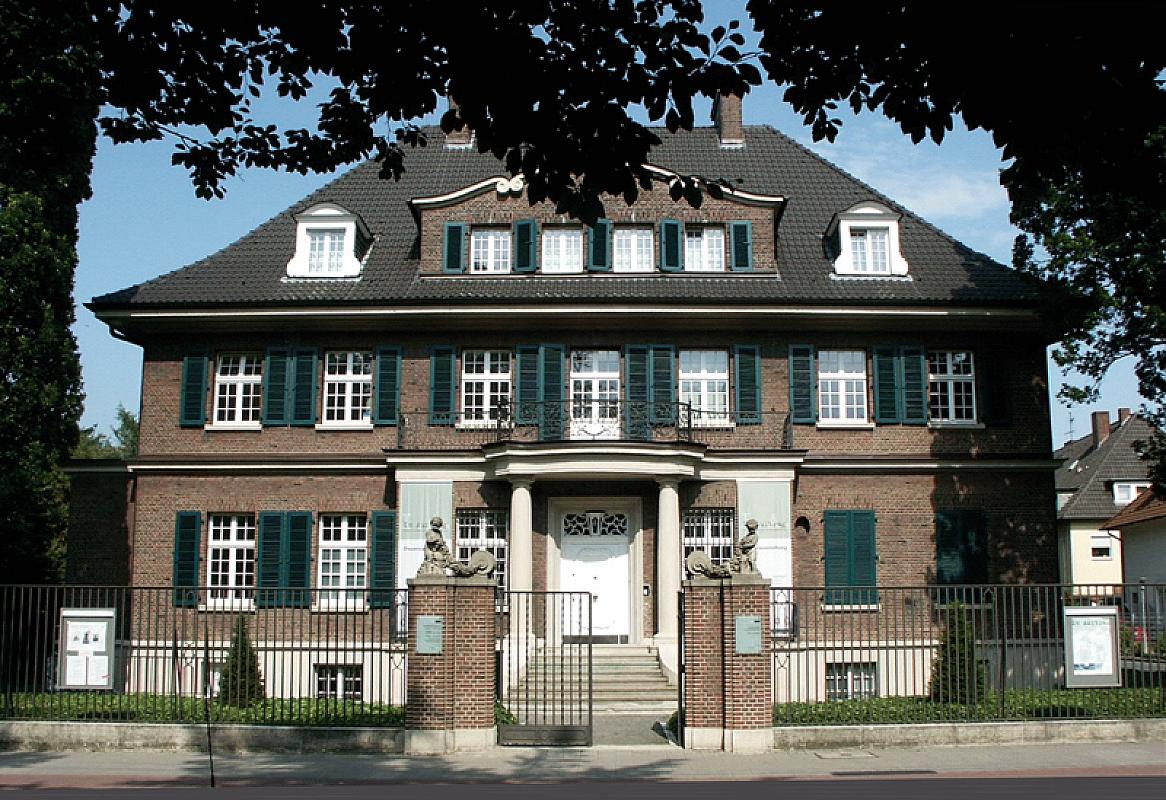
The Salzgitter steel works endured World War II. In 1983, individuals from Salzgitter established the »Arbeitskreis Stadtgeschichte e.V.« (an association called »Study Group for City History«) and then in 1985, the »Drütte Documentation Centre Committee« with the aim of setting up a memorial on the steel works premises. However, the board of what was then the »Peine-Salzgitter AG« stood up to the plans, which had already been endorsed by the workers' council. In 1992, an agreement between the management board and the workers' council was reached: The Peine-Salzgitter AG made one of the former accommodation barracks for concentration camp prisoners available as premises for a memorial centre. On April 11, 1994, the »Drütte Concentration Camp Memorial Site and Documentation Centre« was opened. Presented at the memorial is a permanent exhibition on the Drütte concentration camp.
Open
Only by appointment and with a guide. The memorial is open to visitors without prior booking on the second Saturday of every month from 3 p.m. to 5 p.m.
Contact
http://www.gedenkstaette-salzgitter.de
info@gedenkstaette-salzgitter.de
+49 (0)5341 445 81
Eisenhüttenstraße 99
38239 Salzgitter