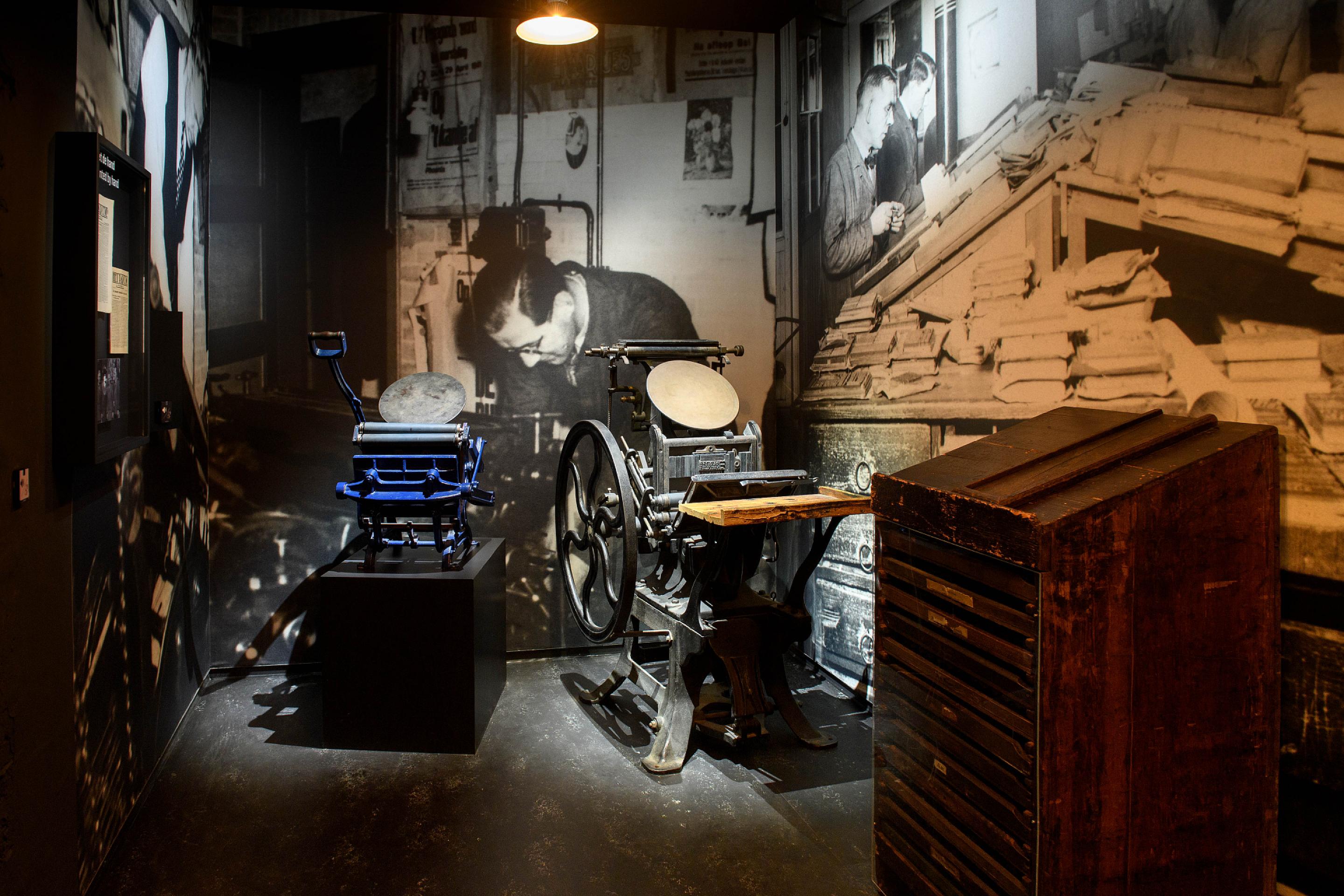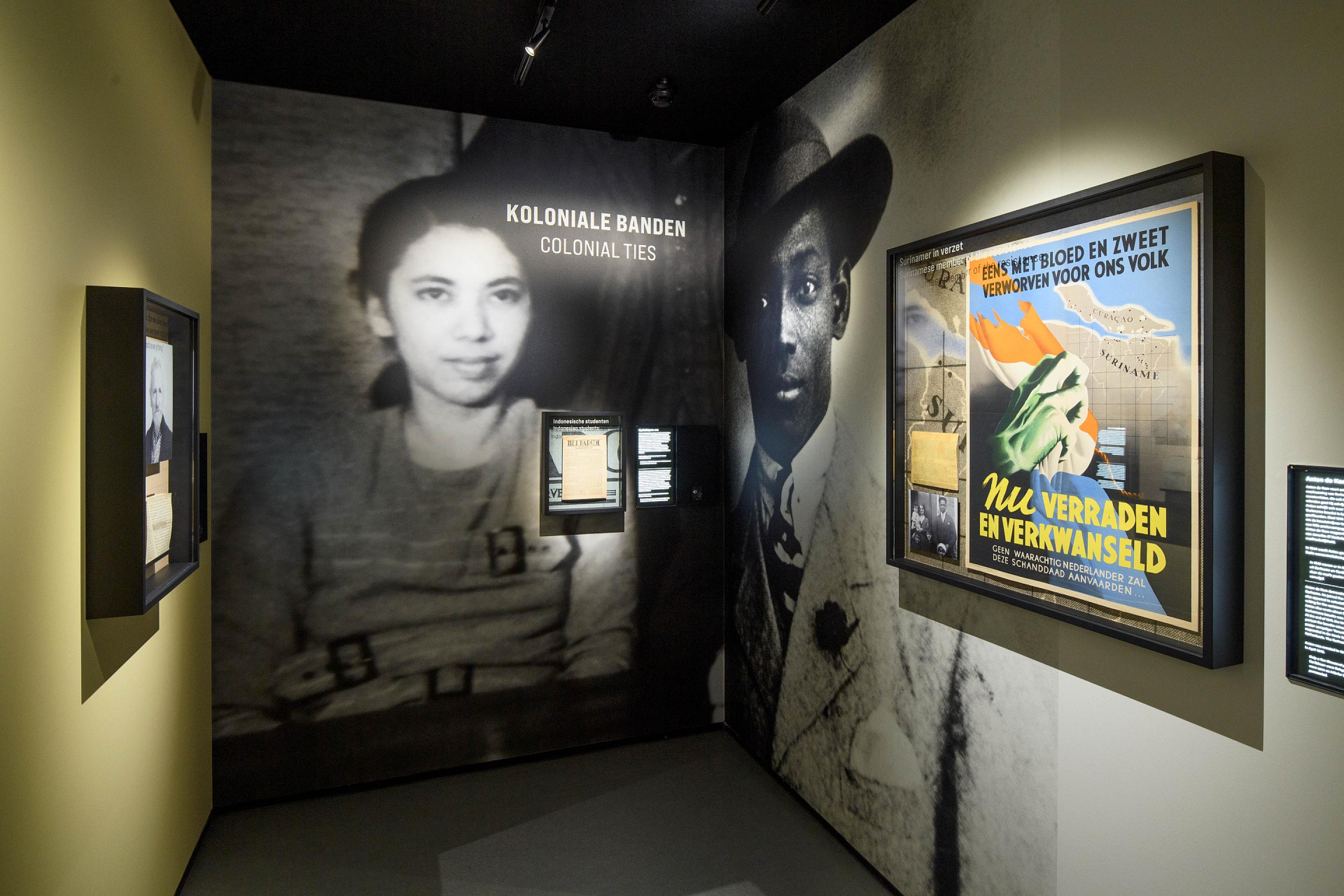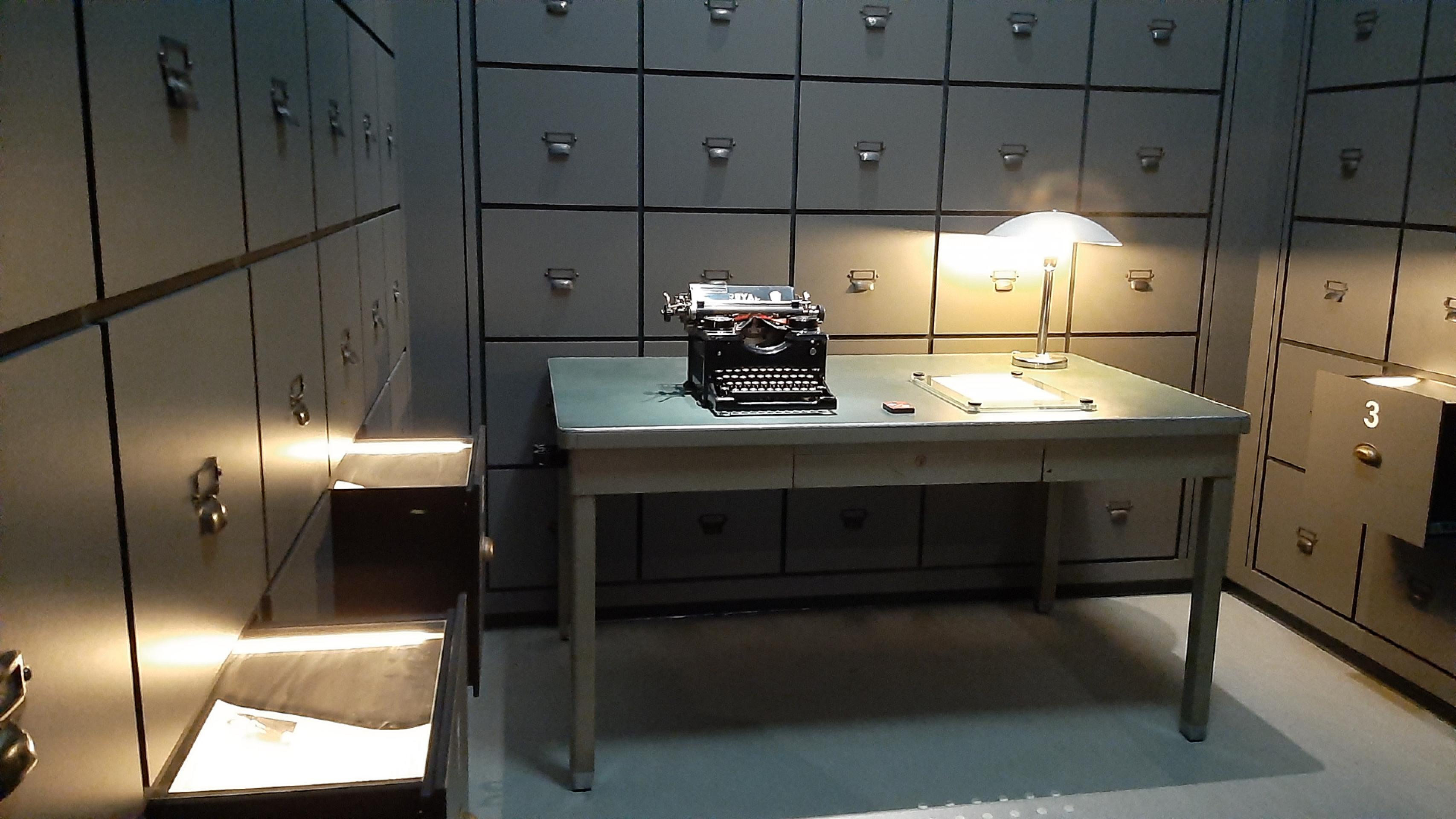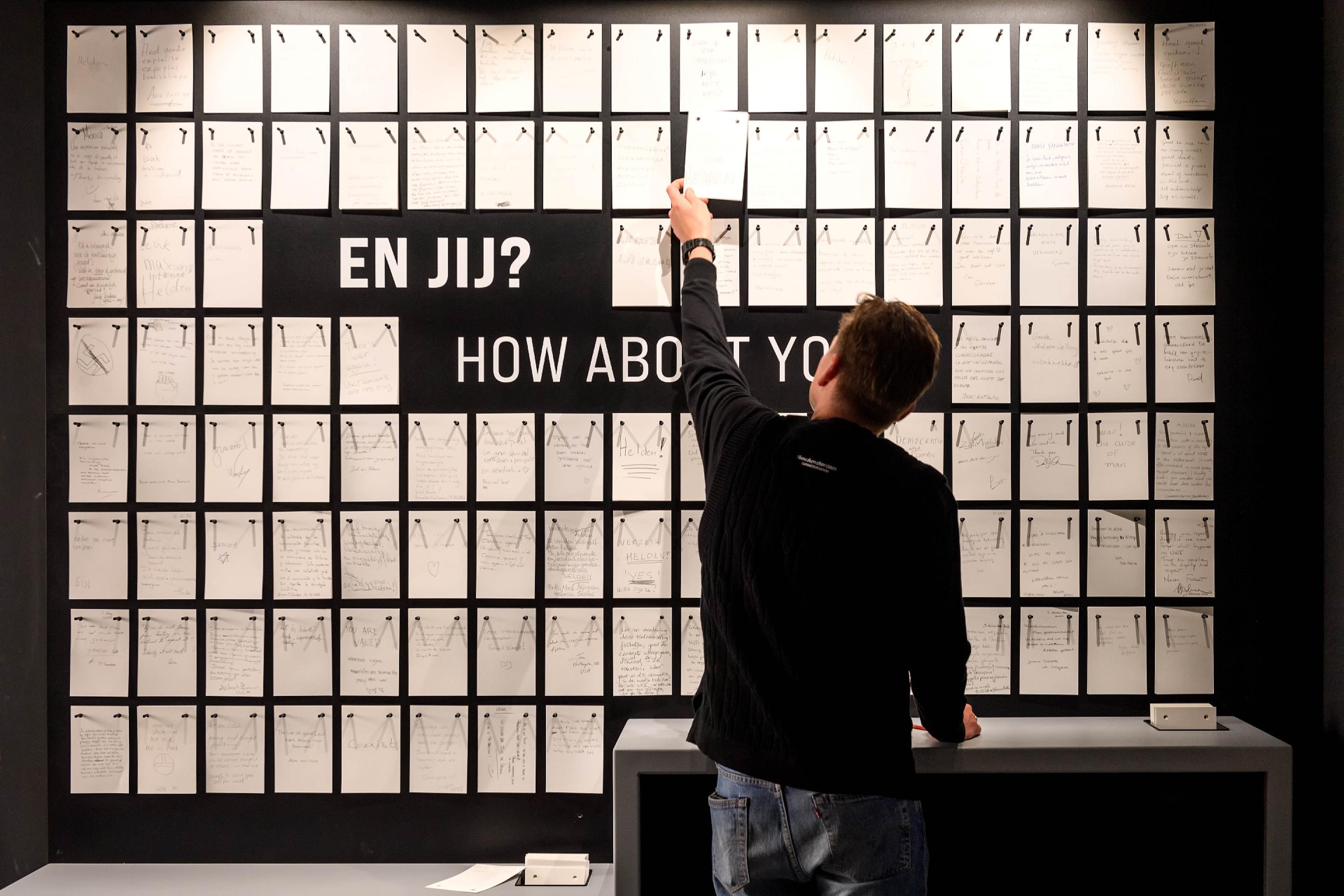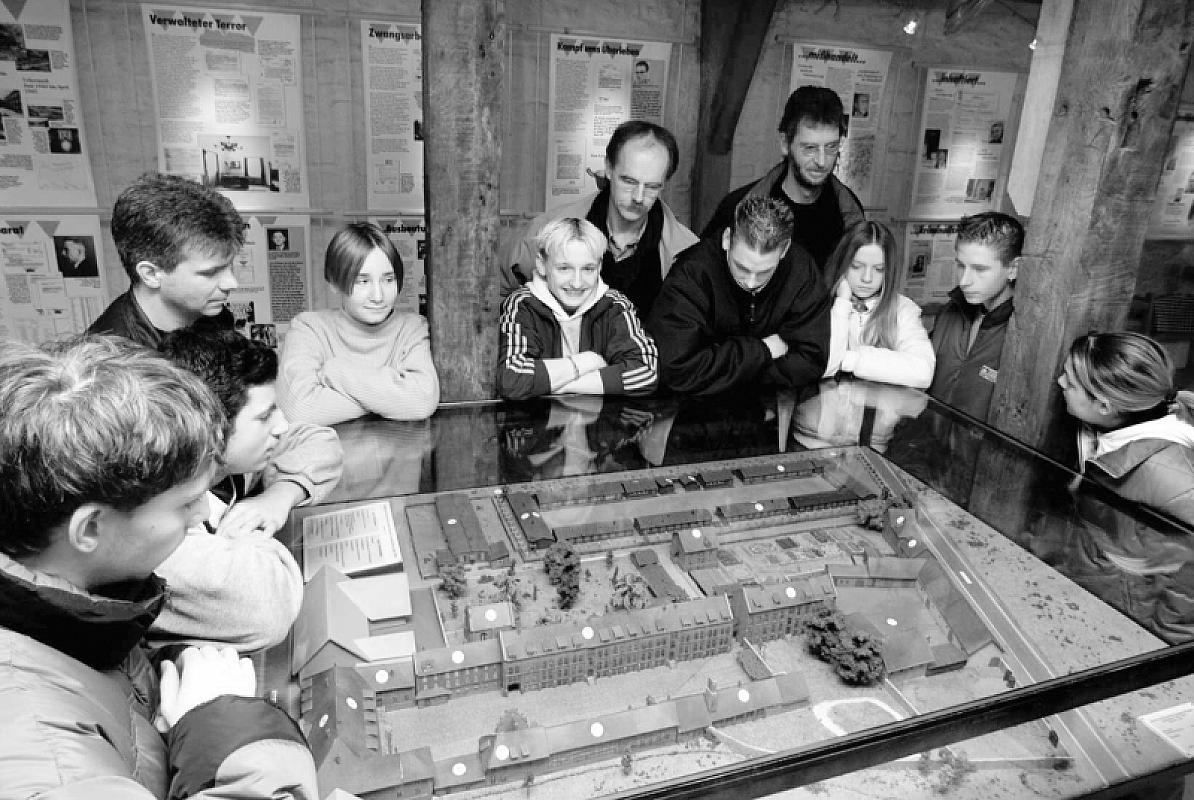
Since opening in 1985, the Dutch Resistance Museum in Amsterdam has presented the history of the occupation and resistance in the Netherlands during World War II.
History
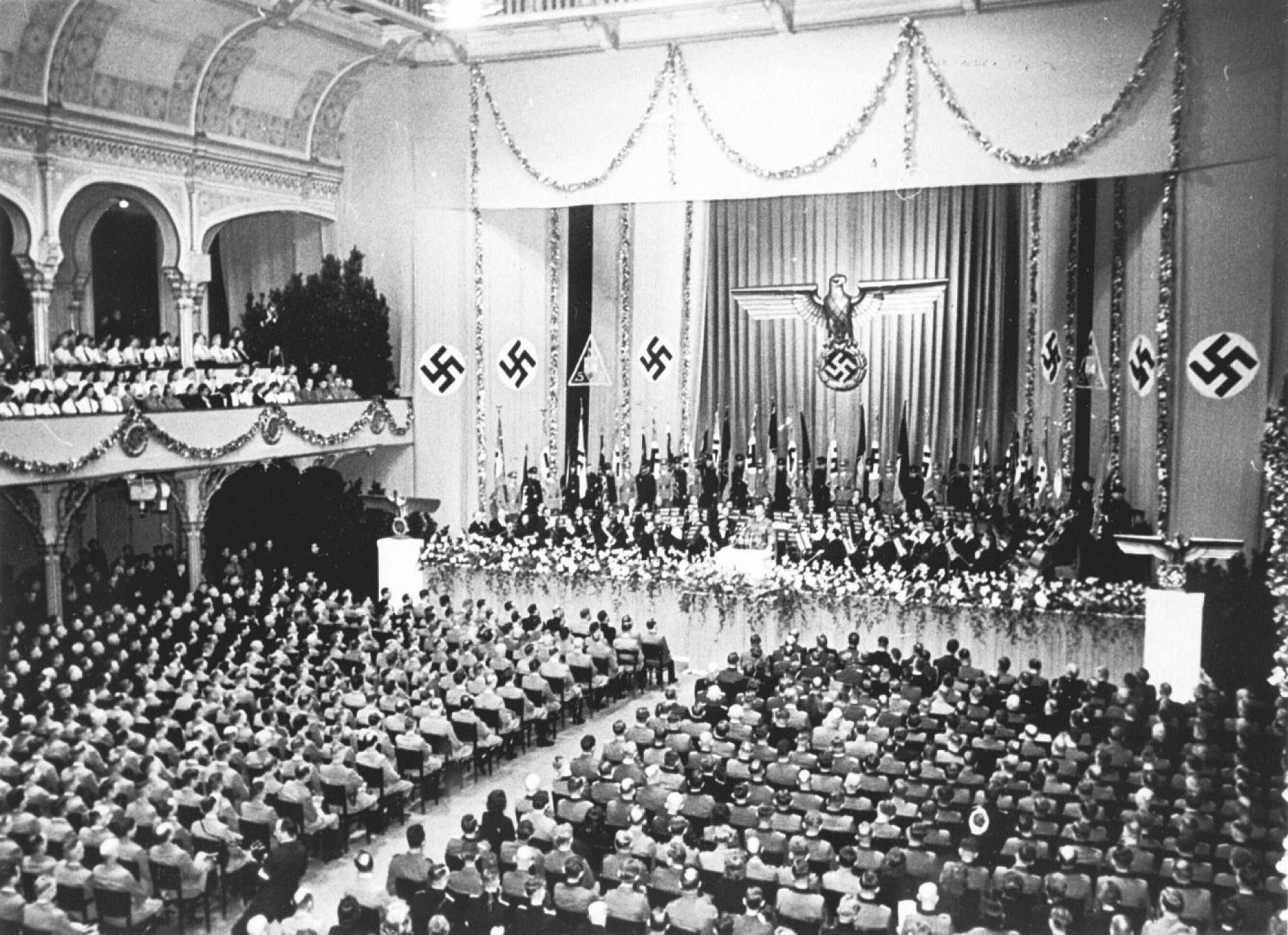
Despite having declared neutrality, the Netherlands were invaded by the German Reich on May 10, 1940. Subsequently, the Queen and the government fled to London. On May 15, the Dutch army surrendered. The country became the »Reich Commissariat of the Netherlands« under Reich Commissar SS-Obergruppenführer Arthur Seyβ-Inquart. Eventually, the Netherlands were to be incorporated into the German Reich. Due to this, the occupation authorities initially proceeded carefully, bargaining on winning the sympathy of the local population, which would, so they hoped, eventually »self-Nazify«. The occupiers supported the »Nationaal-Socialistische Beweging« (English: National Socialist Movement), which was the only political party permitted. However, the support for National Socialism remained slight. Many were appalled when the order police arrested over 400 Jews during raids in the Jewish quarter of Amsterdam in February 1941. Mass protests ensued – the so-called February Strike.
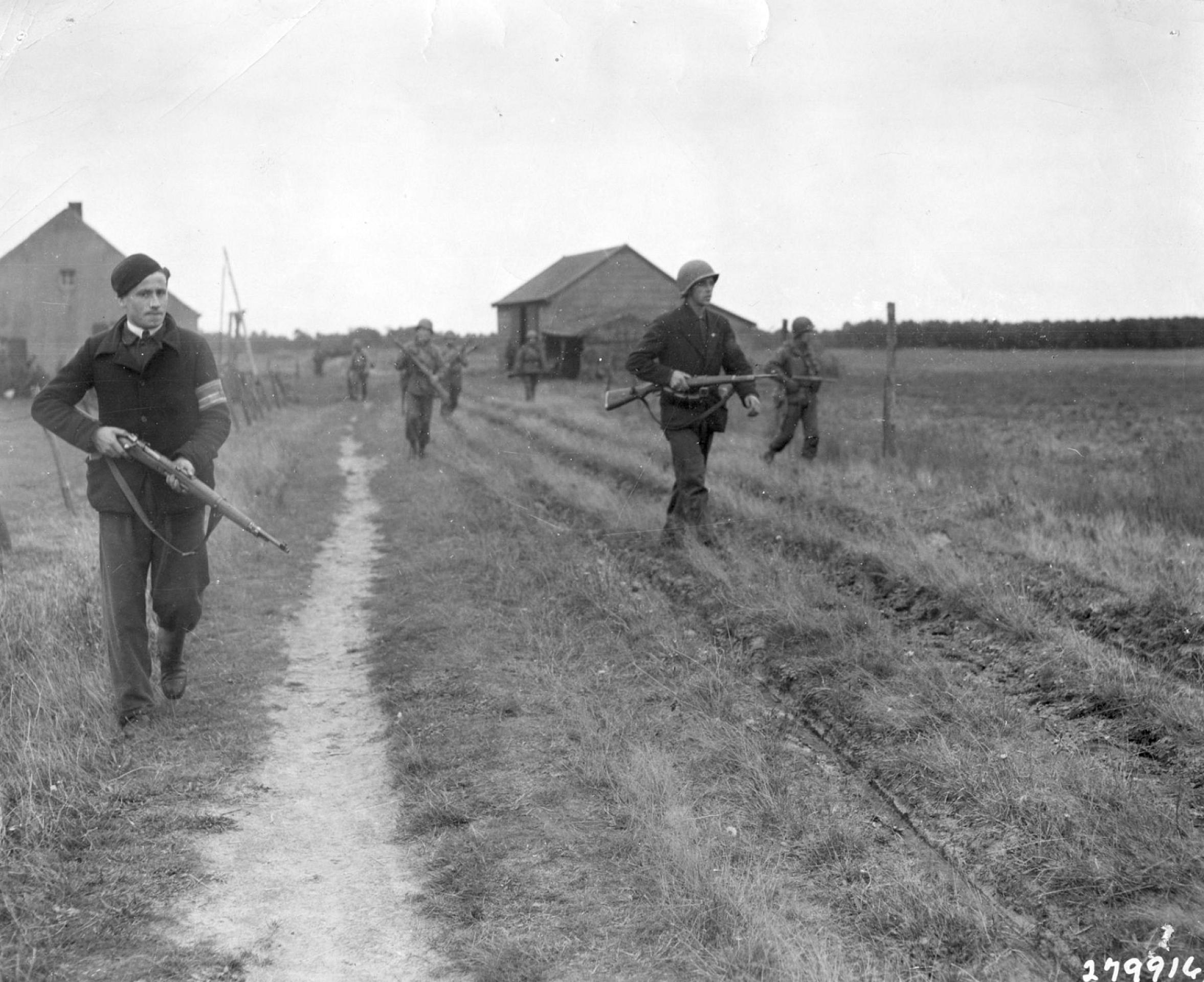
The situation was further aggravated: while the occupation authorities introduced ever harsher measures to suppress the local population, resistance grew in strength. The German occupying forces were now most interested in exploiting the country economically and purging it of Jews to make it »judenfrei« (free of Jews). Mass deportations of the Dutch labour force to Germany additionally exacerbated the population. Although the discontent was widespread, only a small minority was active in the resistance. The resistance movement maintained an underground press, carried out strikes and acts of sabotage, and instigated assassination attempts on both representatives and collaborators of the occupation regime. The occupiers retaliated with raids, shootings of hostages, deportations and executions.
Victims
About 250,000 Dutch citizens died during the occupation. Over 100,000 of them were Jews who were deported to the east and murdered there. Many civilians died as a result of the wartime living conditions. About 20,000 civilians died due to the shortage of food during the so-called winter of starvation in 1944/45.
Remembrance
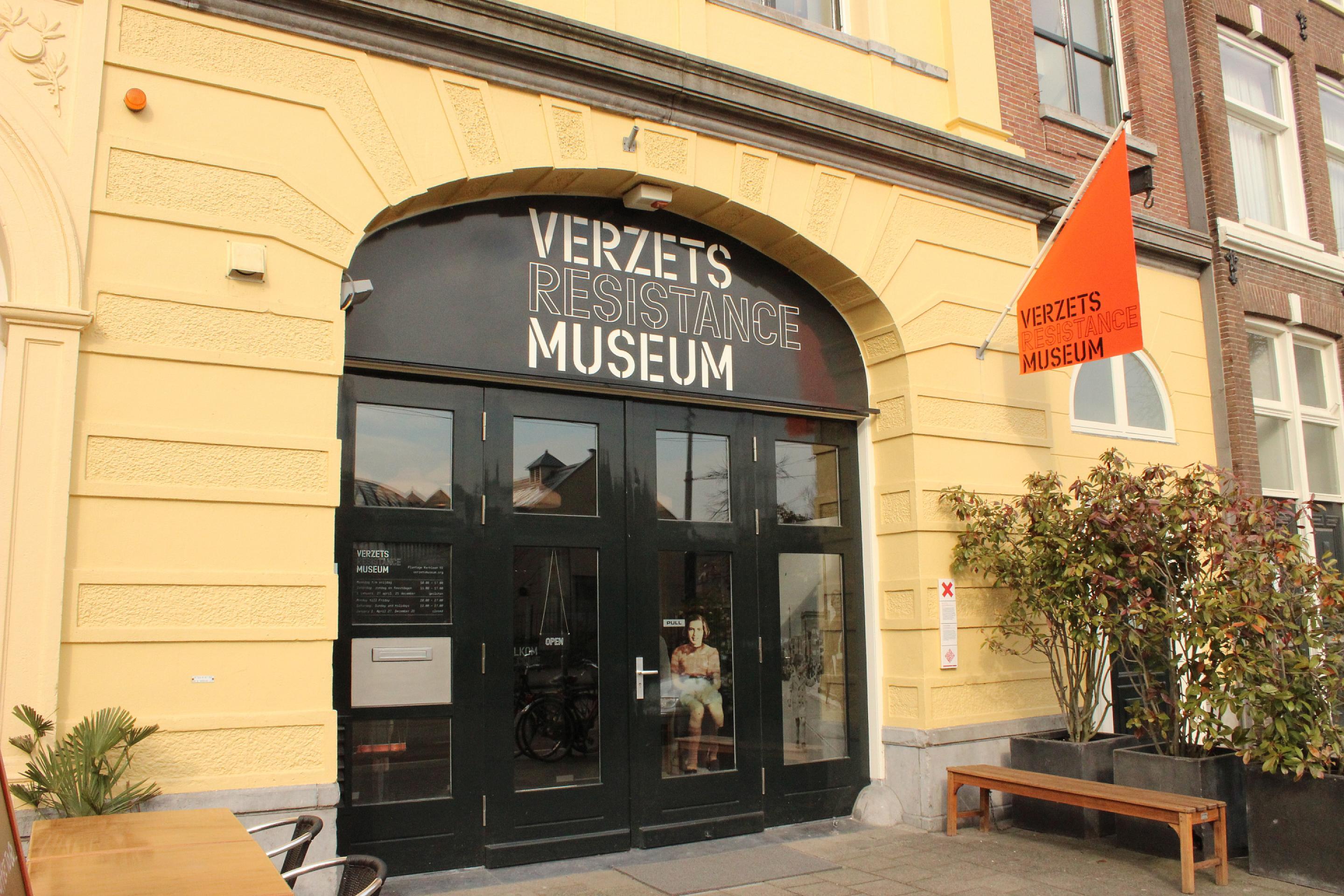
In 1980, an exhibition on the Dutch resistance stirred a public debate, and first suggestions were made to establish a museum exclusively dedicated to the Dutch resistance movement. Former resistance fighters and involved citizens began working on collecting objects which would help illustrate the daily life and resistance under German occupation. The Dutch authorities chose a former synagogue in south Amsterdam as the location for the museum, in agreement with the Jewish community. On November 19, 1985, Prince Bernard opened the museum to the public. In 1999, however, the museum moved to a larger building in the city centre, as the exhibition space in the previous building had been too small and its location deemed too remote to attract tourists. It has since been located in the Plancius building, which was built by the Jewish community in 1876.
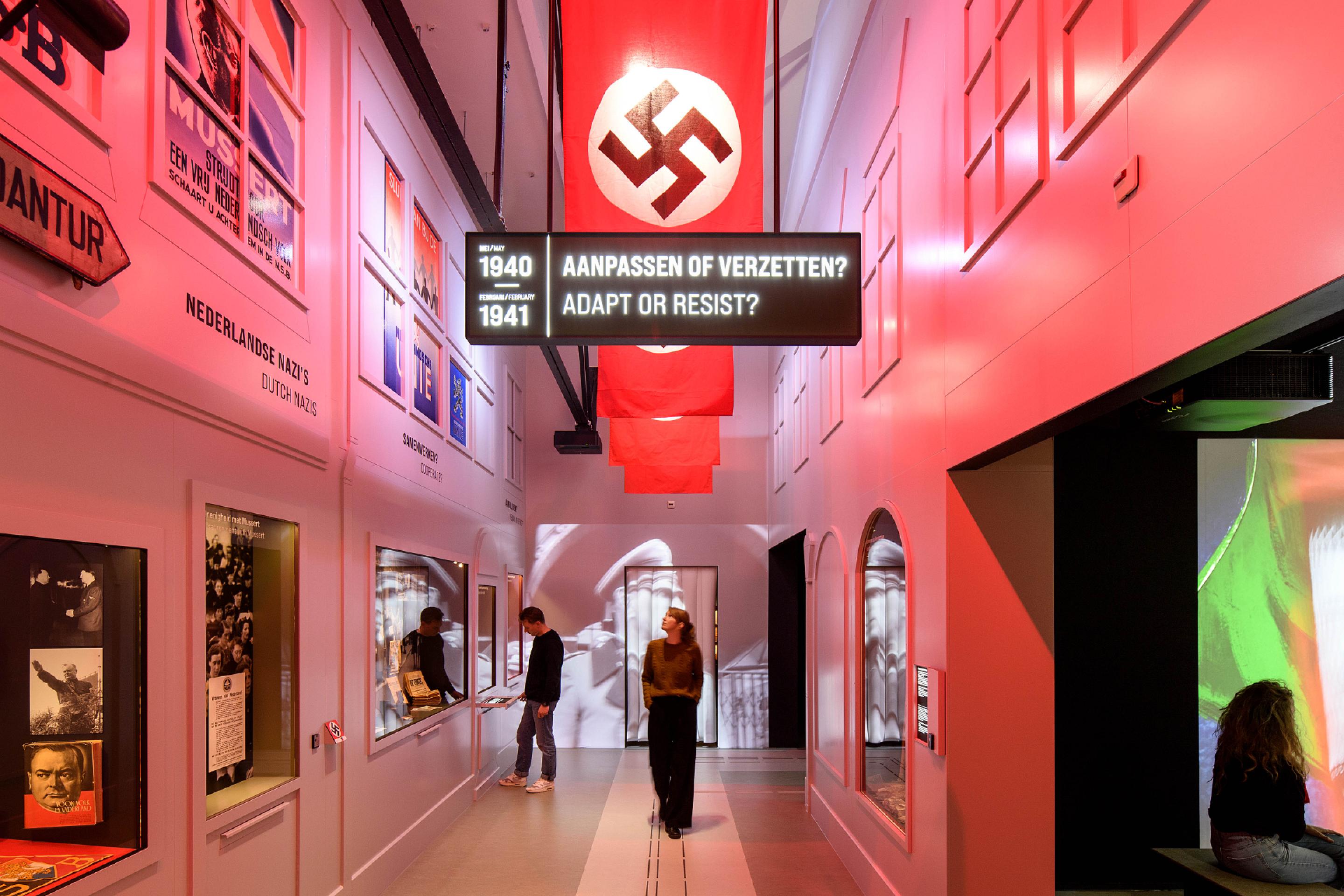
In 2013, the museum was expanded to include the »Resistance Museum Junior« section, which aims to appeal to children and young people. The permanent exhibition was susequently redesigned and finally opened in December 2022. It attempts to draw a differentiated picture of everyday life and individual scope under German occupation, primarily by means of biographies.
Possibilities
Museum with a permanent exhibition and temporary exhibitions, library, archive and collections, guided tours by appointment (available in Dutch, German, and English)
Open
Monday to Friday 10 a.m. to 5 p.m., Saturday, Sunday and on holidays 11 a.m. to 5 p.m.
Contact
info@verzetsmuseum.org
+31 (0)20 620 25 35
Plantage Kerklaan 61
1018 CX Amsterdam