Memorial Site »Uckermark Youth Concentration Camp«
Erinnerung an das »Jugendschutzlager Uckermark«
A memorial in Uckermark, close to the former concentration camp at Ravensbrück, honours the approximately 1,200 girls and young women who were incarcerated at the »Uckermark Youth Protective Custody Camp« between 1942 and 1945.
History
In 1938, the SS established the Ravensbrück women's concentration camp in Fürstenberg in the region of Uckermark, about 90 km north of Berlin. The Reich Criminal Police Department set up a so-called »Youth Protective Custody Camp« for underage girls 1,5 km away from the Ravensbrück women's camp in 1942. A similar camp had been established for boys in Mohringen, Lower Saxony, already in 1940. Despite the name, the camps had nothing to do with protecting the youths; they were in fact penal institutions. Between 1942 and 1945, some 1,200 underage girls were held at the Uckermark camp in atrocious conditions and forced to work, among others, at the Ravensbrück sewing workshop. The Gestapo had arrested the girls deeming them »asocial«. According to the National Socialist authorities, »asocial« youths displayed a corrupted moral conduct which could infect their peers. Most of the girls incarcerated at the Uckermark camp were there because their behaviour had deviated from National Socialist ideas: some had become delinquent, some had listened to swing, others were condemned for their sexual behaviour or relations with »members of foreign races«. The girls were to be corrected and re-educated at the youth protective custody camps. Moreover, members of the Institute of Criminal Biology under Robert Ritter examined the girls in the Uckermark camp, believing that their »criminal« and »asocial« behaviour was heritable.
In 1944, the SS gradually dissolved the youth camp: most of the girls were transferred to other concentration camps, others were released. At the beginning of 1945, the Ravensbrück concentration camp took over the premises, using them as an killing site for prisoners unfit for work or deemed undesirable; others were simply brought here to die.
Victims
Little is known about the victims of the Uckermark youth protective custody camp. Probably some 1,200 girls were imprisoned at the camp until 1945. The girls and young women had been brought to the camp on various grounds. In the National Socialist ideology, their behaviour had been considered »asocial« or »criminal«. Most of them had sparked the authorities' suspicion in other institutions and were brought to Uckermark for »re-education«. There were most probably fatalities at the camp caused by illnesses and dire conditions, however, there is a lack of sources and documentation on the history of the camp to substantiate this.
Remembrance
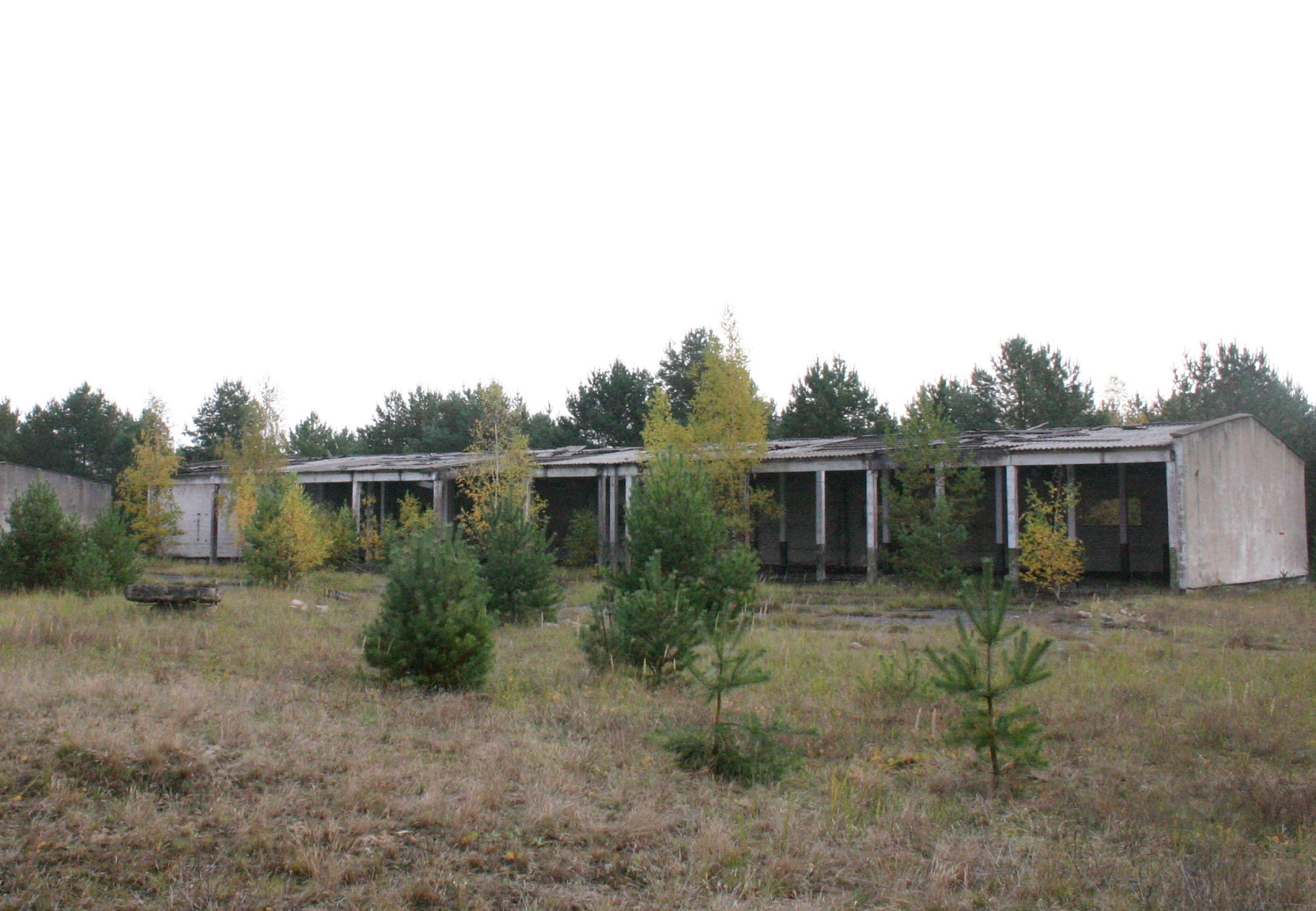
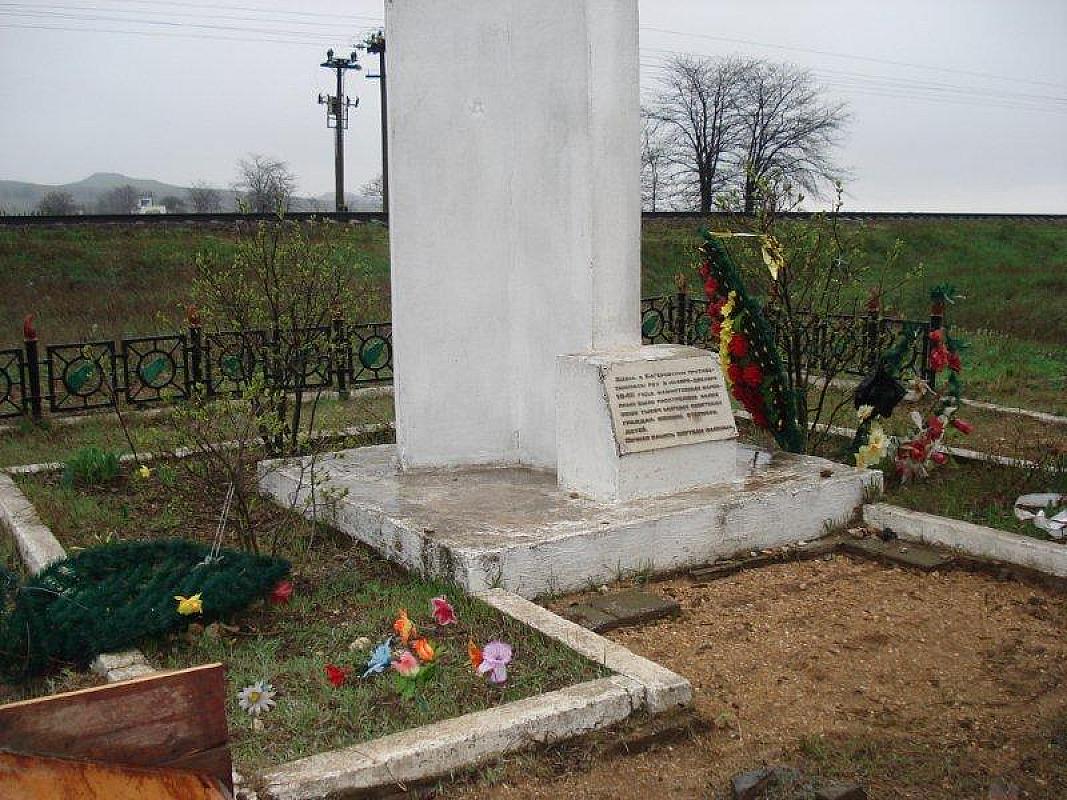
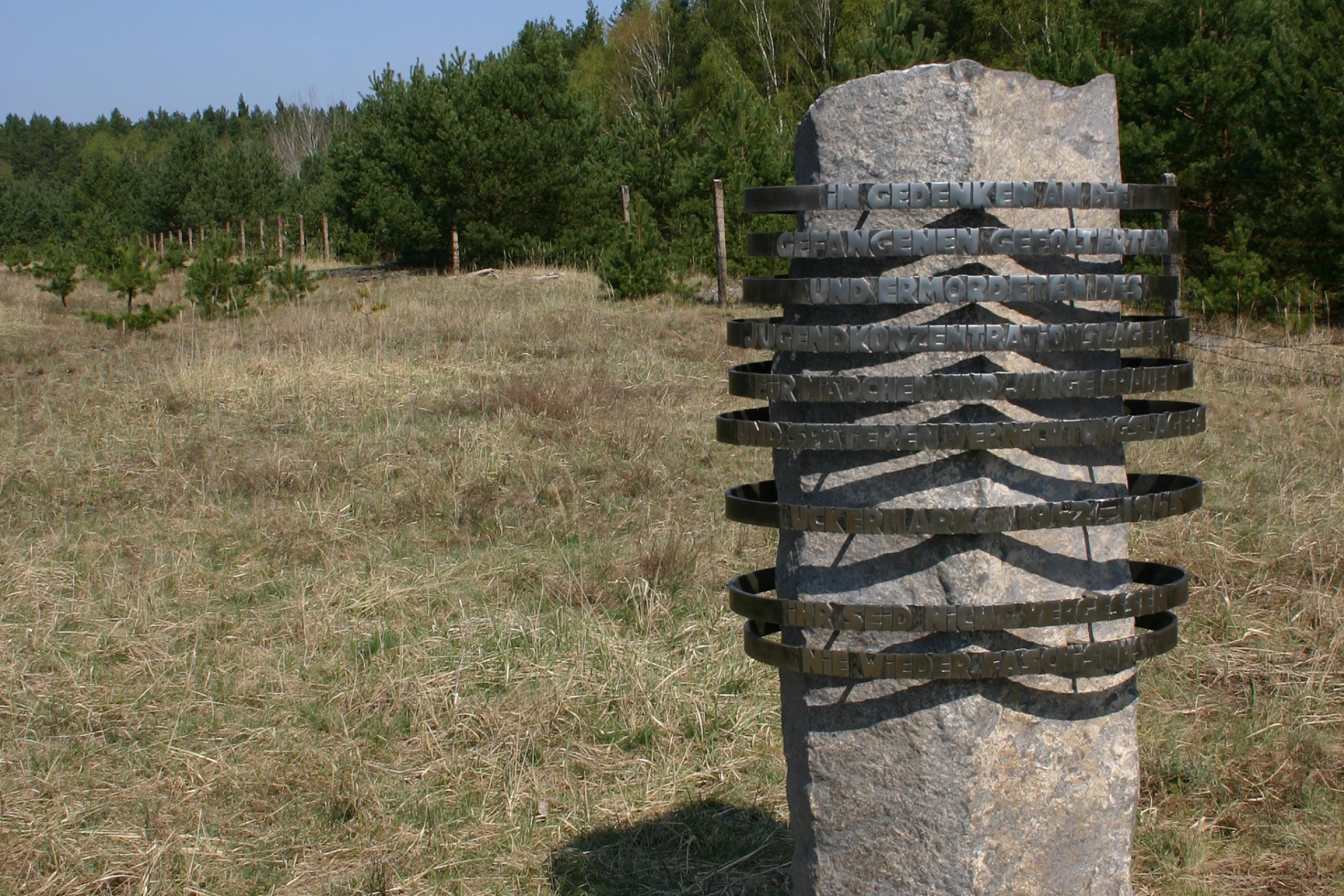
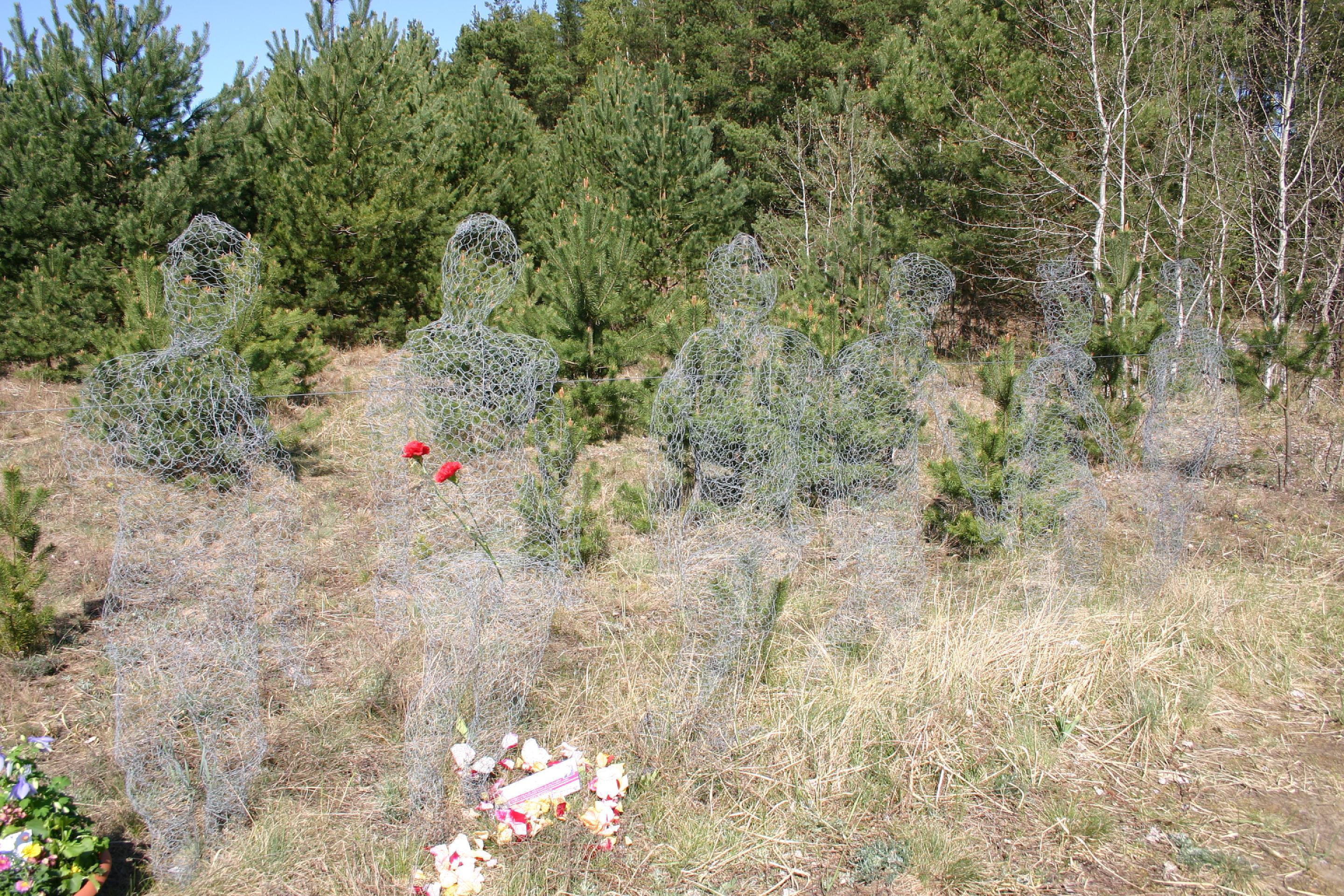
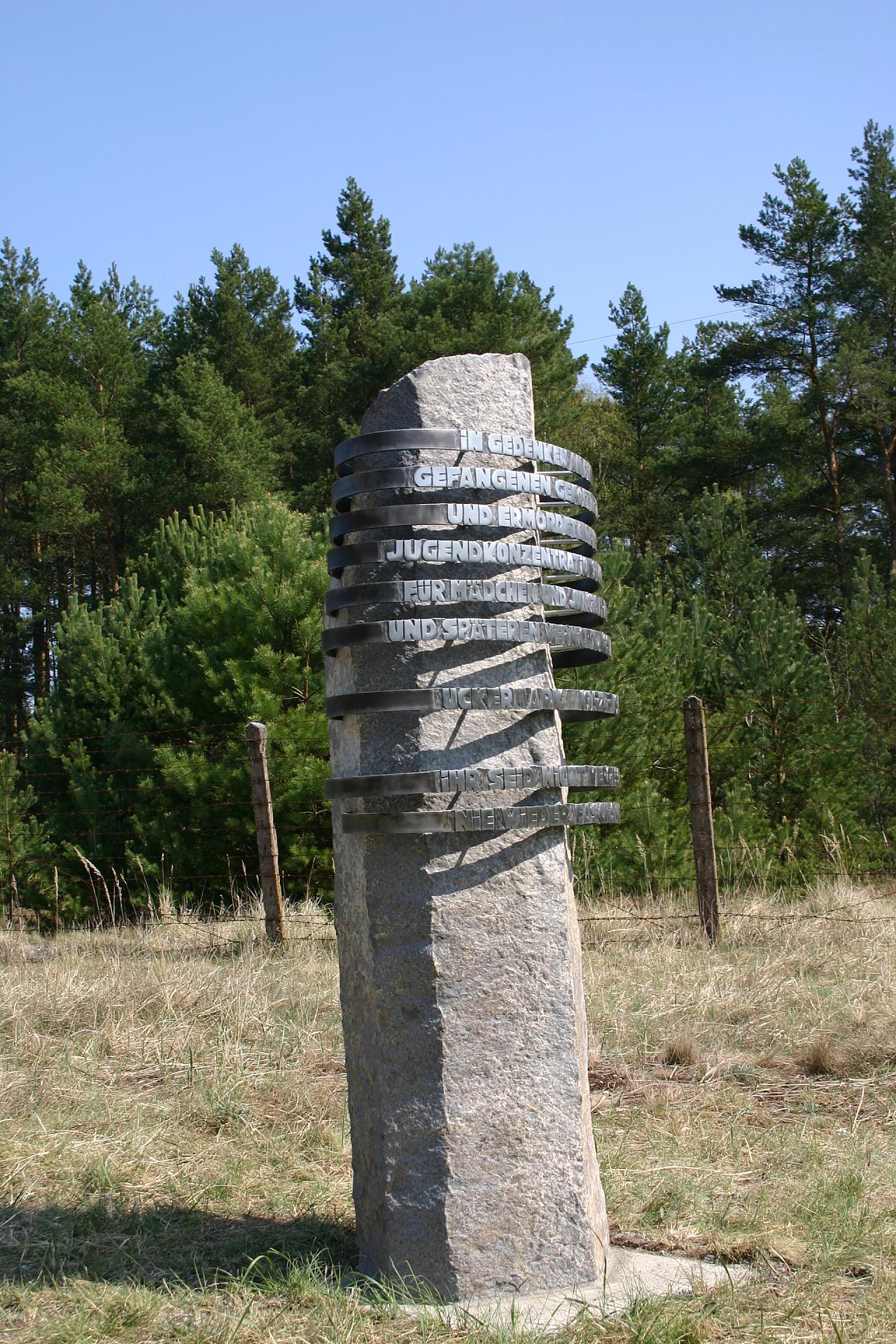
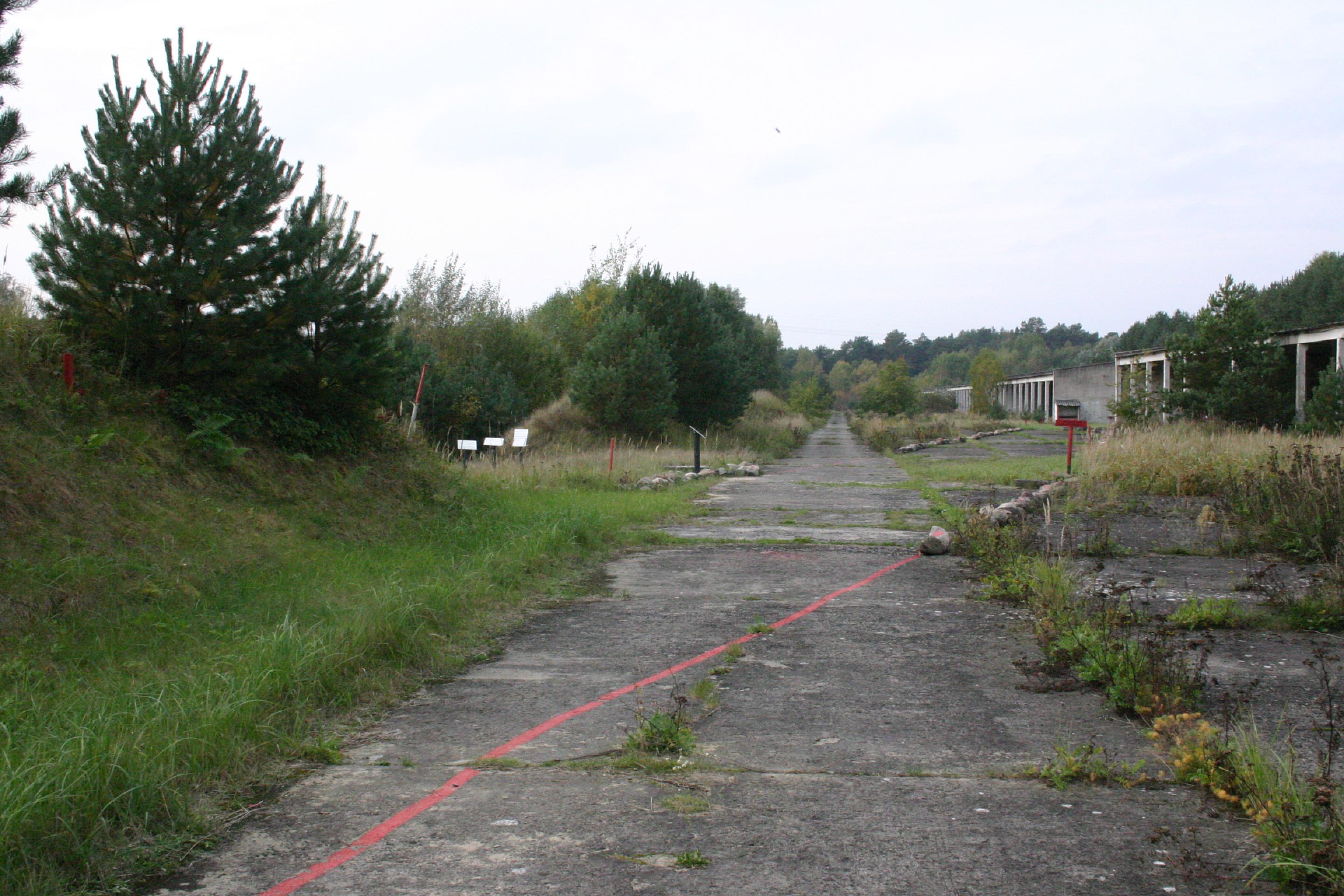
After World War II, the camp fell into oblivion for several decades. From 1945 on, the Red Army used the premises for military purposes, building garages for tanks on the site. Only the foundations of the buildings of the former »Uckermark Youth Protective Custody Camp« remain. When the Russian troops pulled out in 1990, the area was for the first time opened to the public. The Lagergemeinschaft Ravensbrück/Freundeskreis Association dedicated a memorial plaque to the girls of the Uckermark camp in 1995. Since the mid-1990s, various initiatives have campaigned for creating a memorial site on the area. So-called »construction camps« take place almost every year, during which volunteers carry out archeological excavations or construction work on the site. In 2004, participants of an international work camp erected sculptures made of mesh wire, referred to as Mashas, in memory of the camp inmates. A memorial stone was unveiled in 2009.
Contact
http://www.gedenkort-kz-uckermark.de/
Himmelpforter Landstraße
16798 Fürstenberg/Havel