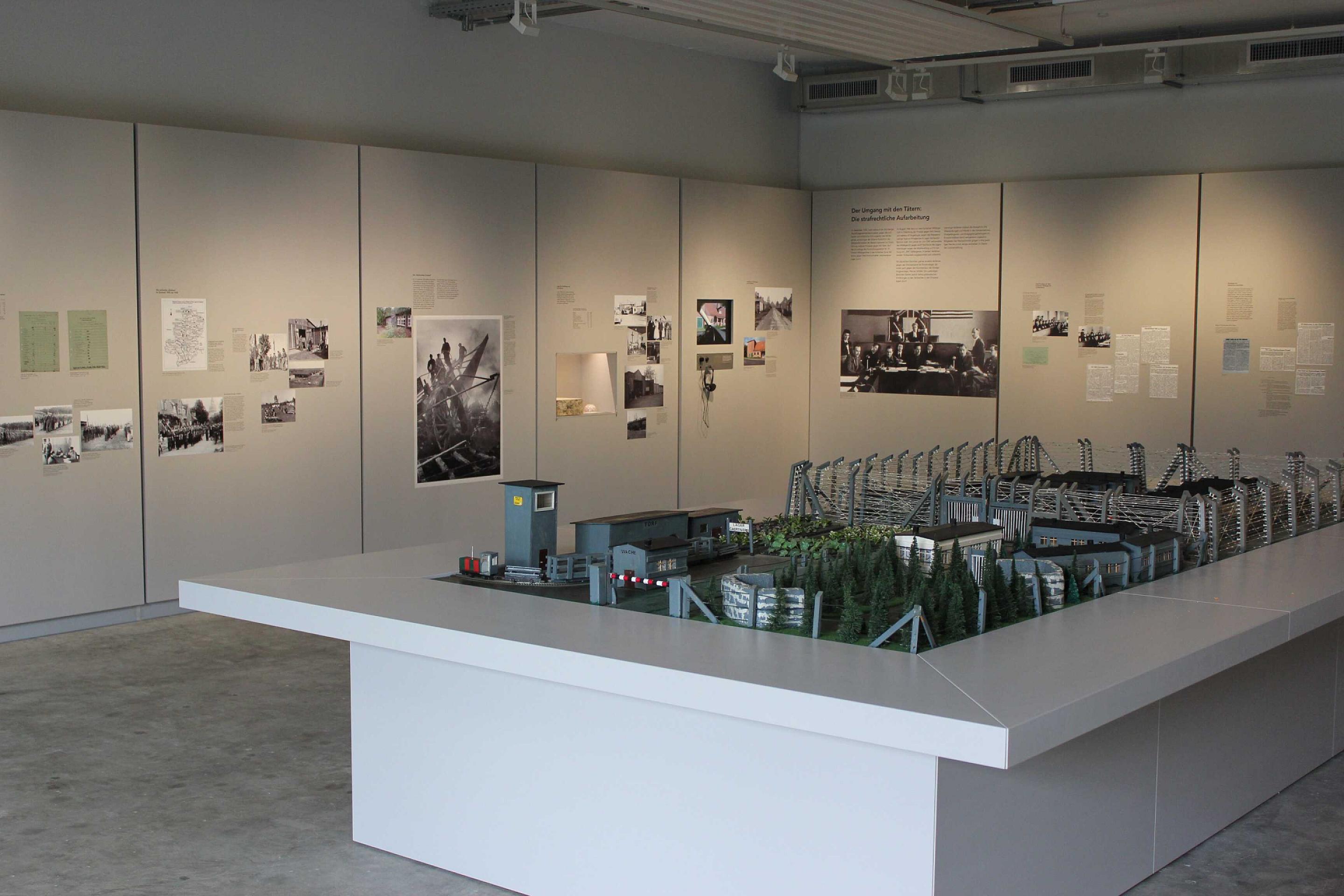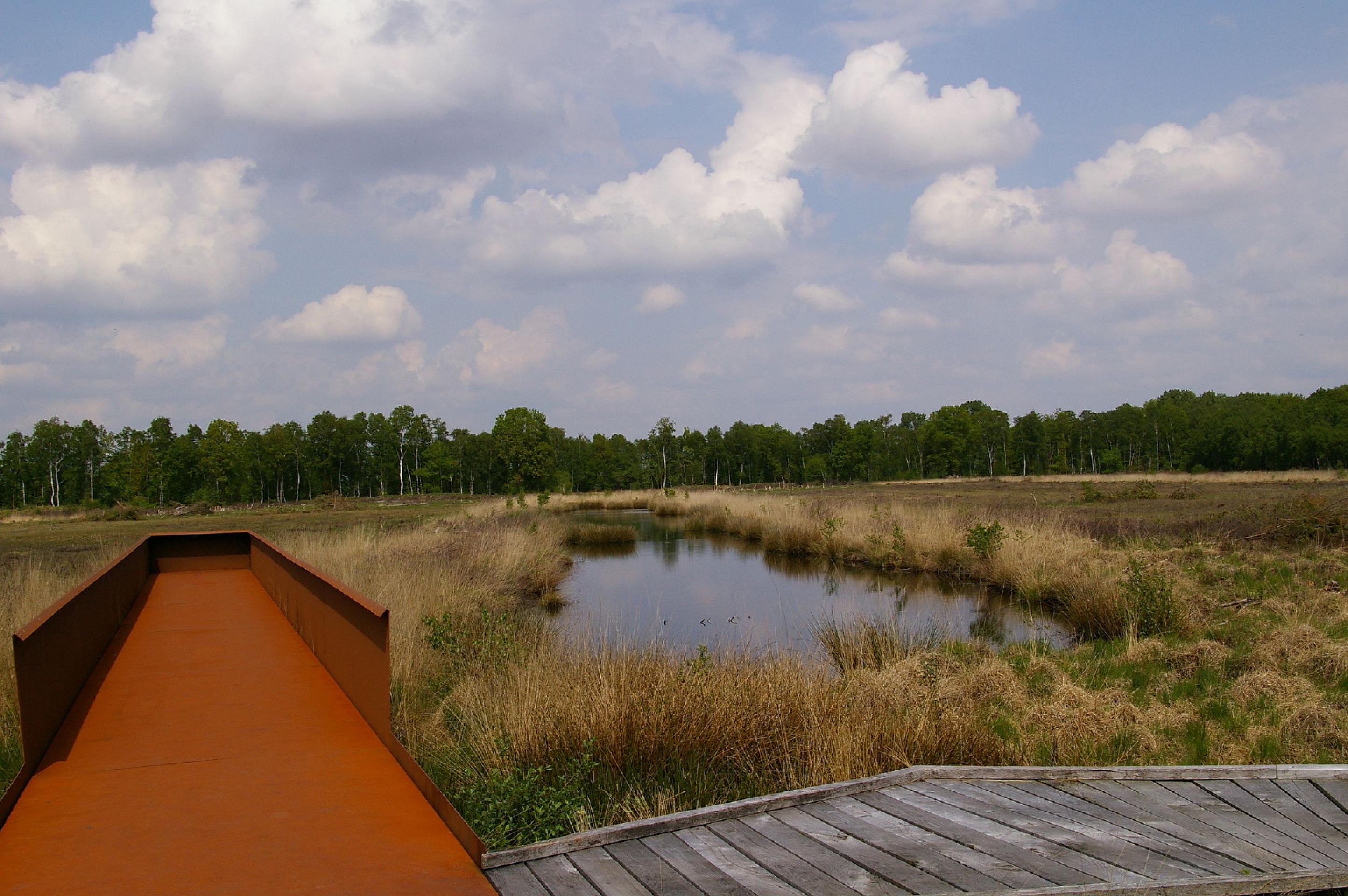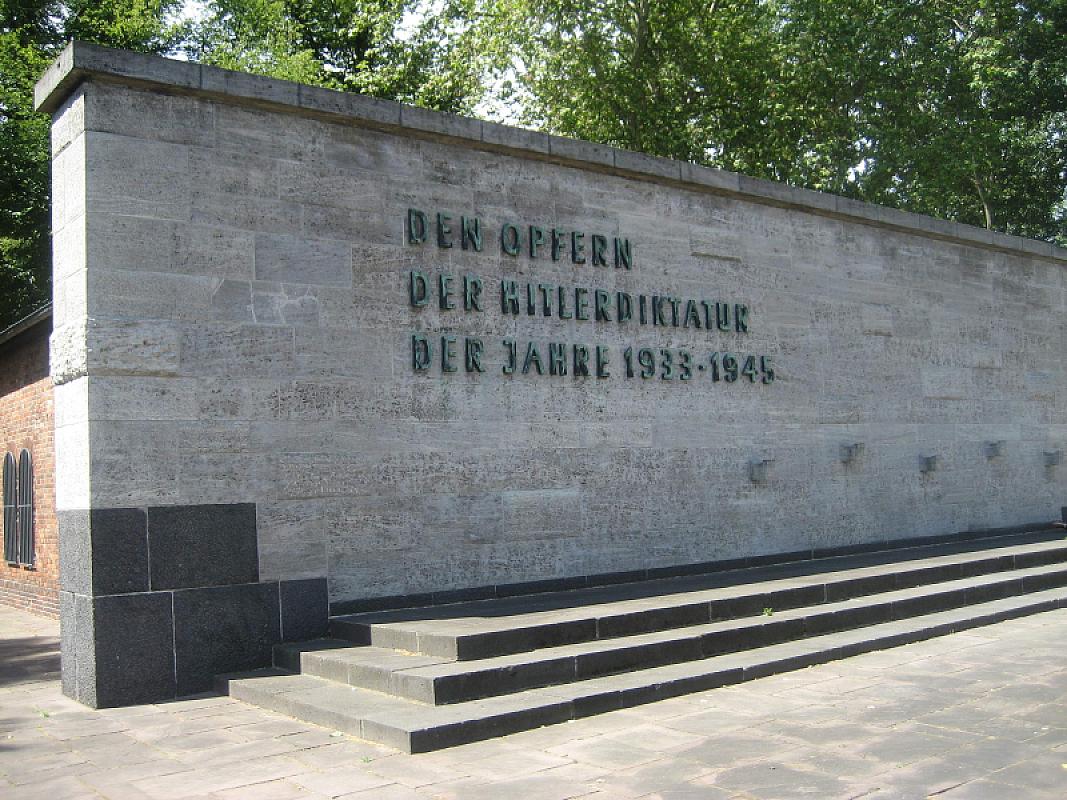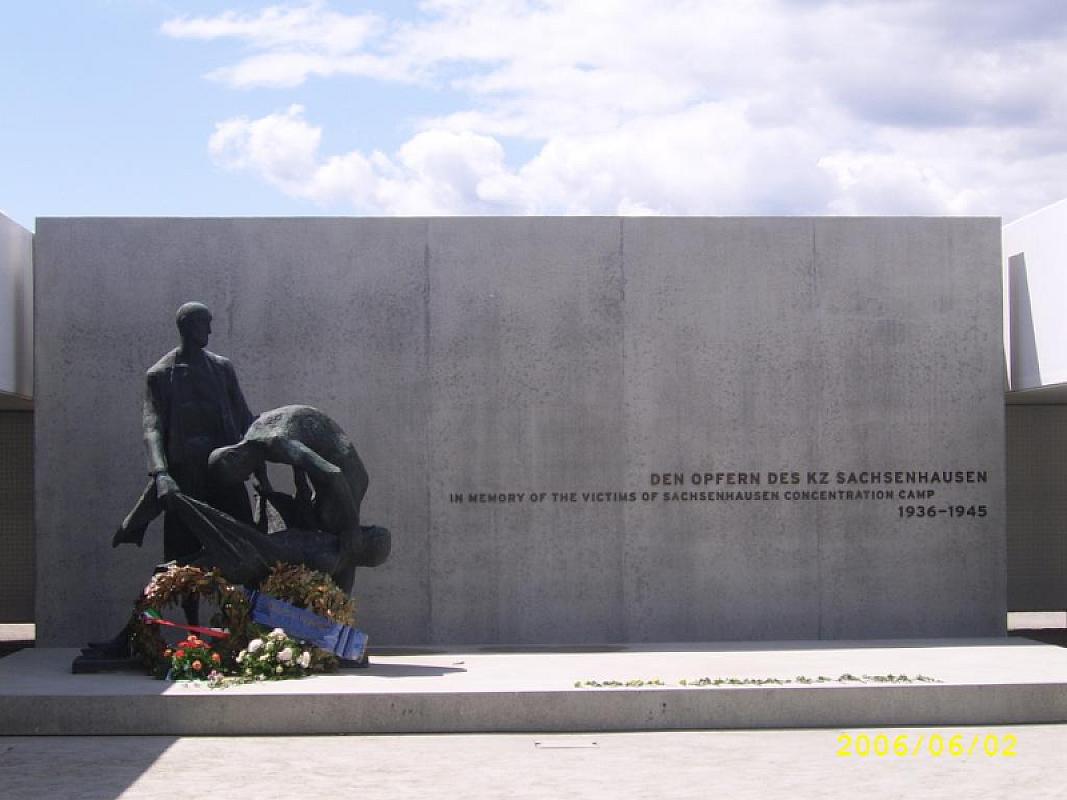
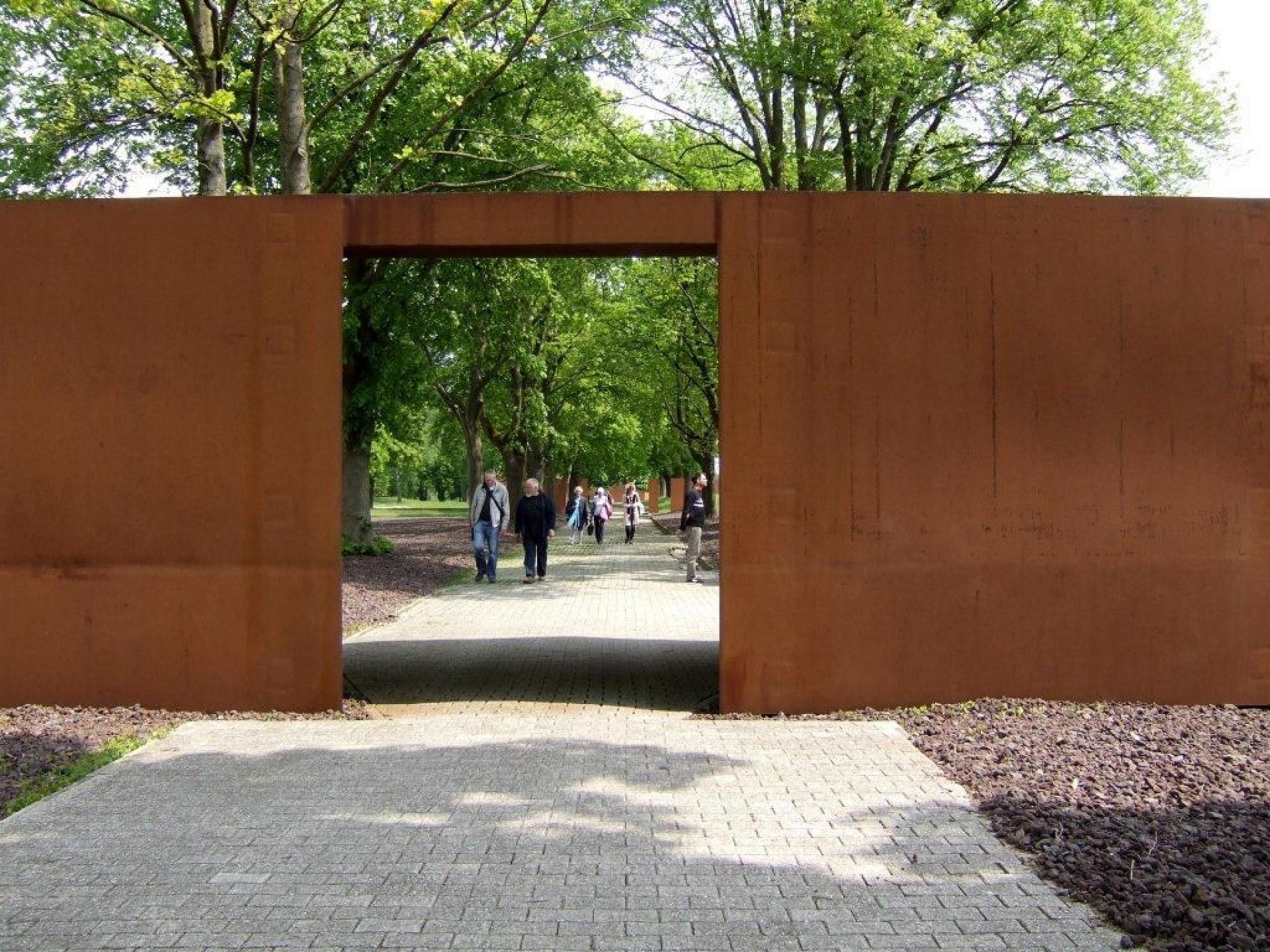
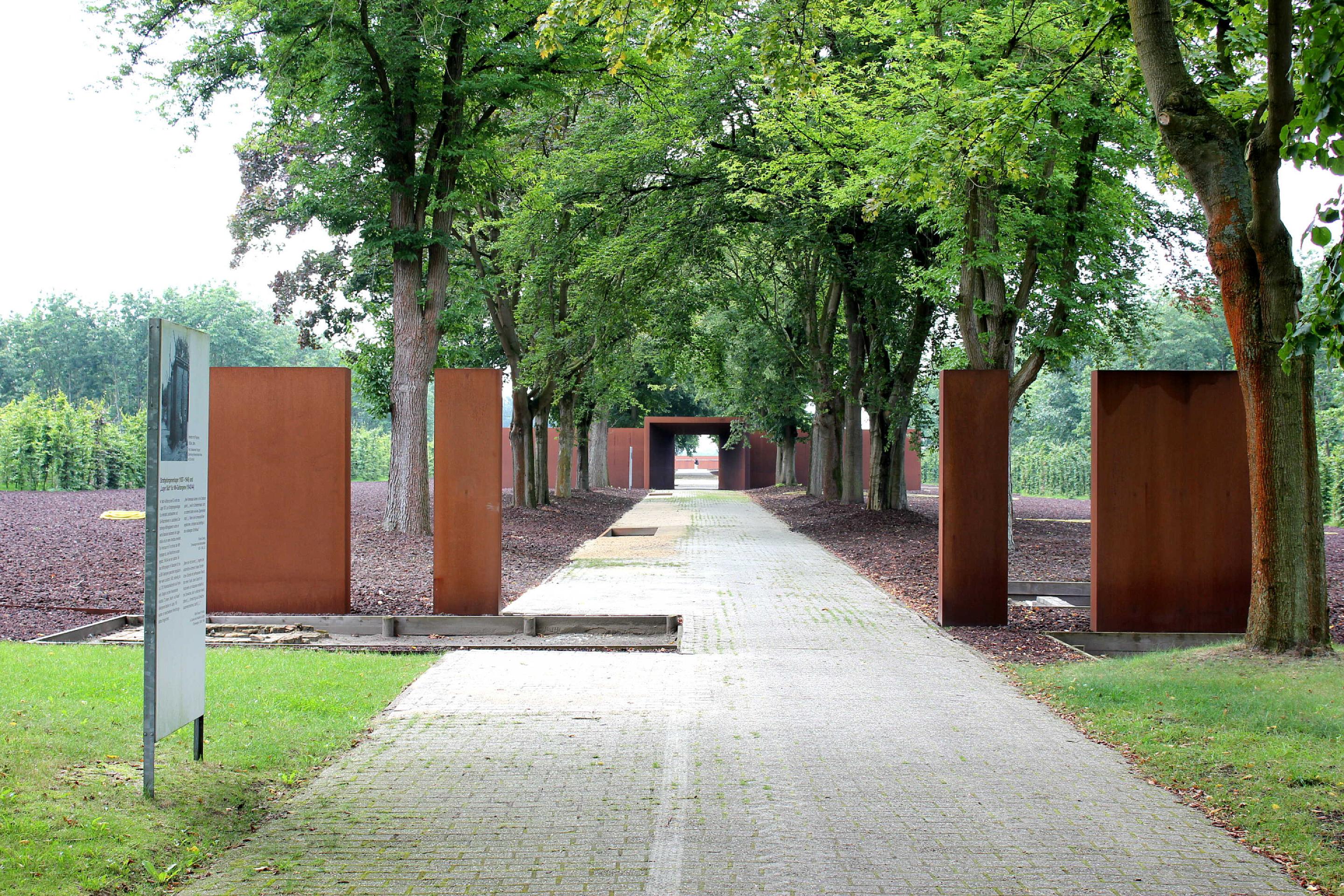
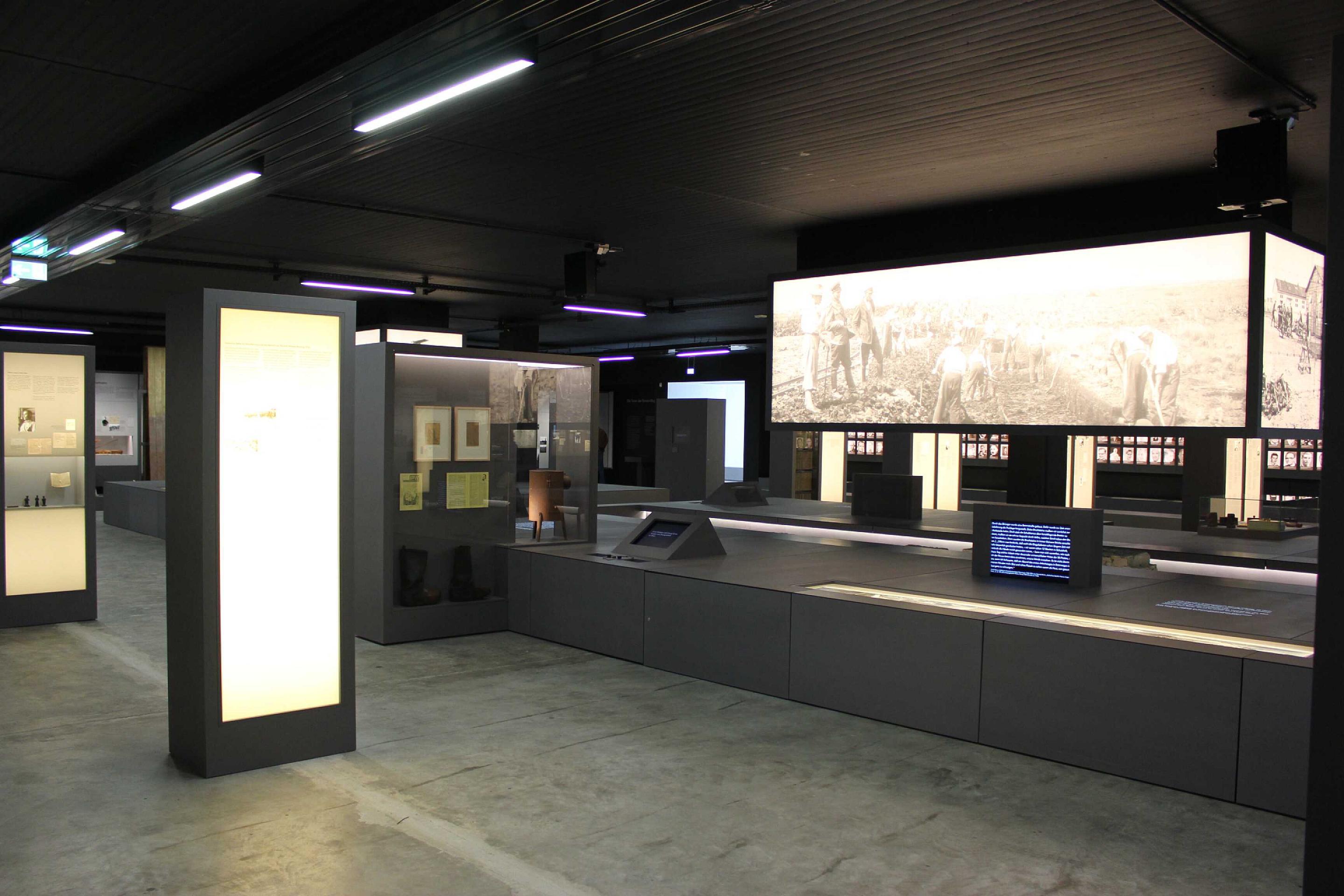
The Esterwegen Memorial opened on October 31, 2011 to remember the 15 different protective custody and POW camps which existed in the Emsland region between 1933 and 1945. The Esterwegen Memorial replaces the »Documentation and Information Centre (DIZ) Emsland Camps« in Papenburg as the central memorial to the Emsland camps.
History
Already in June 1933, the Prussian Ministry of Interior set up several concentration camps in the Emsland region, which was located in the Northwest of the German Reich along the border to the Netherlands. After the National Socialists came to power, there were between 25,000 and 30,000 people in »protective custody« in Prussia alone. The National Socialists persecuted social democrats, communists and trade unionists particularly harshly. They were taken by the police and the SA to improvised concentration camps, where they were abused and tortured. Three such concentration camps were set up in the Emsland region: in Börgermoor, Esterwegen and Neusustrum. According to estimates, between 8,000 and 10,000 people were imprisoned in those early Emsland camps. The prisoners had to conduct forced labour, amongst others in cultivating the moor landscape. This is also the time period during which the »Song of the Moor Soldiers« was composed in Börgermoor. At first, the local Schutzpolizei guarded the concentration camps; from July 1933 on, members of the SS and SA took over this task. In the spring of 1934, the concentration camps at Börgermoor and Neusustrum were shut down, followed by the dissolution of the Esterwegen concentration camp in 1936. They were all converted to prison camps. Four other camps were established in the Emsland in the meantime. Only »lawfully« sentenced criminals were incarcerated in these camps; most of them came there on the grounds of »high treason«. From 1939 on, prisoners of war were also held captive at the nine southern Emsland camps. About 50,000 Soviet prisoners of war were incarcerated there from 1941 on. In all, there were 15 different camps in the Emsland until 1945. They were all liberated by the Allies in April 1945.
Victims
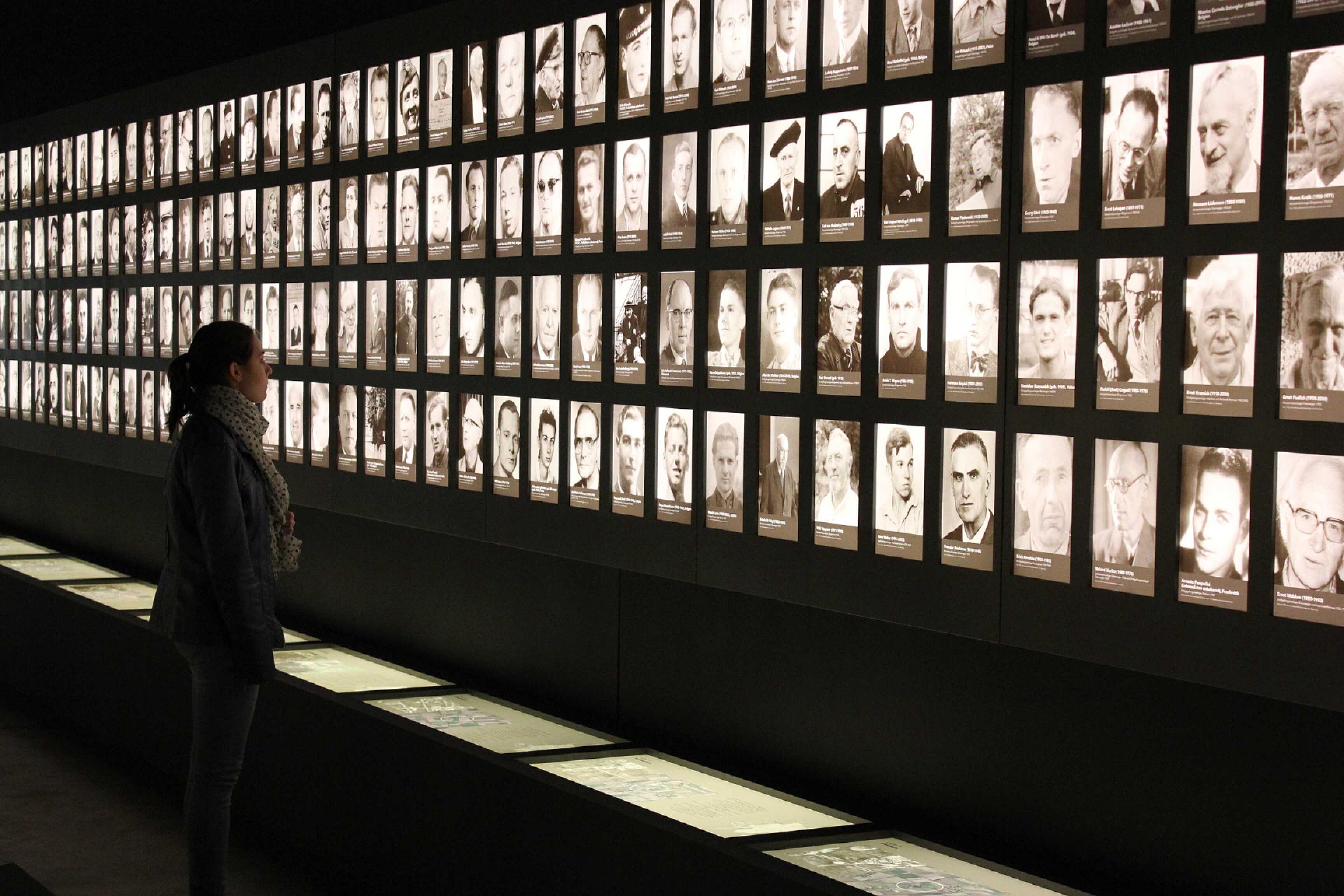
Between 1933 and 1945, about 180,000 people were imprisoned in camps of the Emsland region. Among them were, between 1933 and 1934, about 10,000 concentration camp prisoners from the German Reich and about 66,500 convicts from 1934 on. Beginning 1939, more than 100,000 prisoners of war were held captive at Emsland POW camps; numbers peaked in 1941 with the arrival of over 50,000 Soviet soldiers. Up to 30,000 people perished at the Emsland camps, primarily Soviet prisoners of war – according to estimates, there were up to 26,000 Soviet victims.
Remembrance
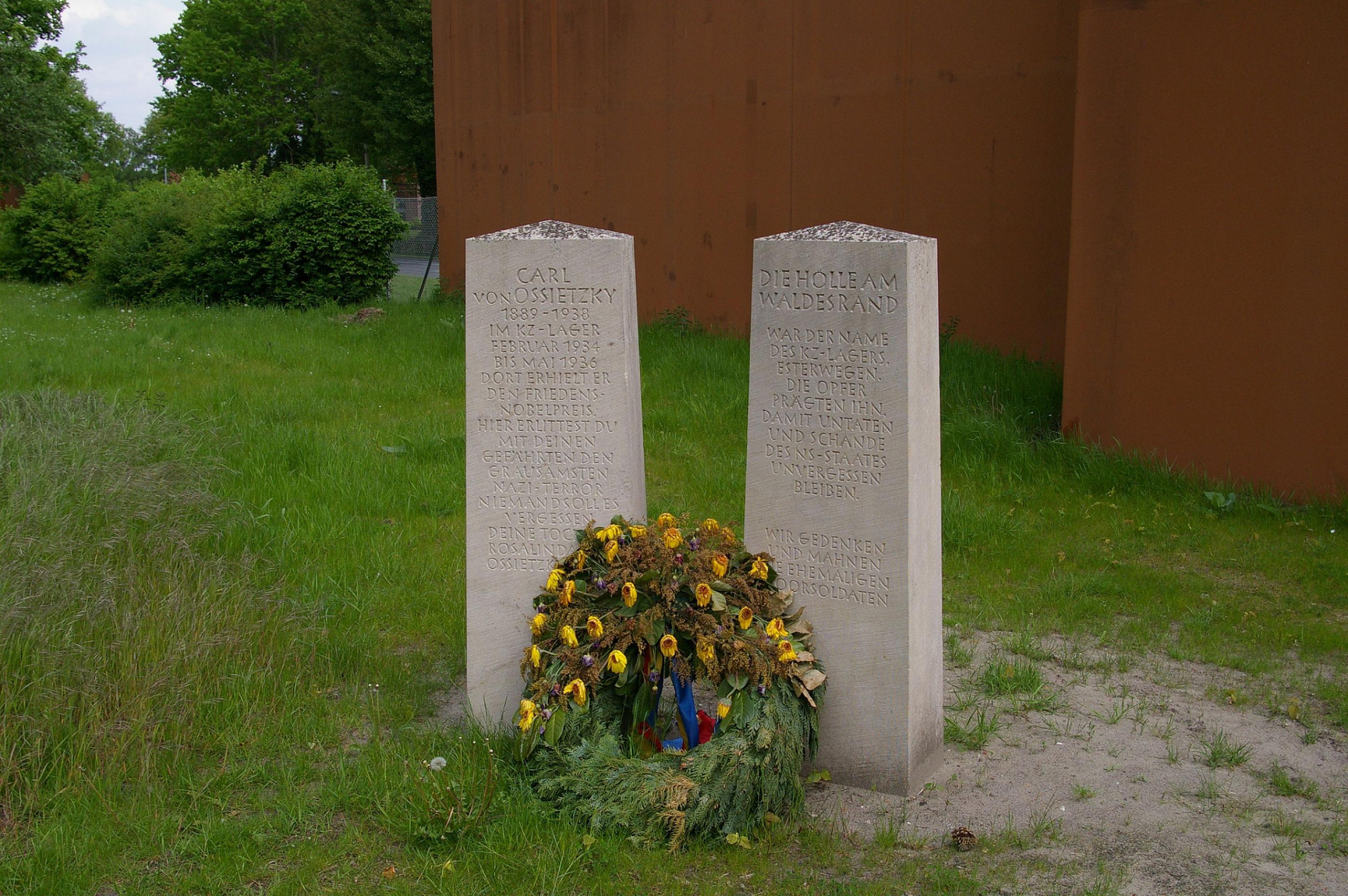
The areas on which the camps once stood today mostly constitute farmland. The Emsland administrative district decided to erect information plaques at those sites in 1990. Immediately after the war the former camp site in Esterwegen was used as a detention camp by the British occupying forces. From 1953 to 1959 the former concentration camp served as a transit camp for refugees from the GDR, during this time all the camp's buildings were demolished. Since a memorial to the victims of the Emsland camps received no political support in the post-war era, the »Action Committee Documentation and Information Centre Emsland Camps« (DIZ) association was founded in 1981 in Papenburg. In 1985, the association opened its first exhibition. The DIZ moved into newly constructed premises in 1993 showing an exhibition on the history of the Emsland camps. In 1994, two memorial stones were inaugurated at the former entrance to the camp, initiated by Gorg Gumpert (1914-2005), a former prisoner of the camp. One of them remembers the »moor soldiers« who called the camp »Hell on the Edge of the Forest«, the other was erected in the memory of journalist, pacifist and Nobel Peace Prize Laureate Carl von Ossietzky (1889-1938) who was an inmate of the camp between 1934 and 1936.
In 2001 the administrative district Emsland acquired the the former camp site in Esterwegen from the Bundeswehr with the aim of founding a central memorial to the victims of the Emsland camps. In 2008 the Emsland Memorial Foundation was established by the Emsland district council. After an extensive redesign of the site and the construction of a new exhibition building the memorial was inaugurated on October 31, 2011. The DIZ moved from Papenburg to the new memorial site in Esterwegen.
Possibilities
Guided tours, educational offer, events, library
Open
April to October: Tuesday to Sunday 10 a.m. to 6 p.m. November to March: Tuesday to Sunday 10 a.m. to 5 p.m.
Closed between December 15 and January 15.
Contact
http://www.gedenkstaette-esterwegen.de
info@gedenkstaette-esterwegen.de
+49 (0)5955 988 950