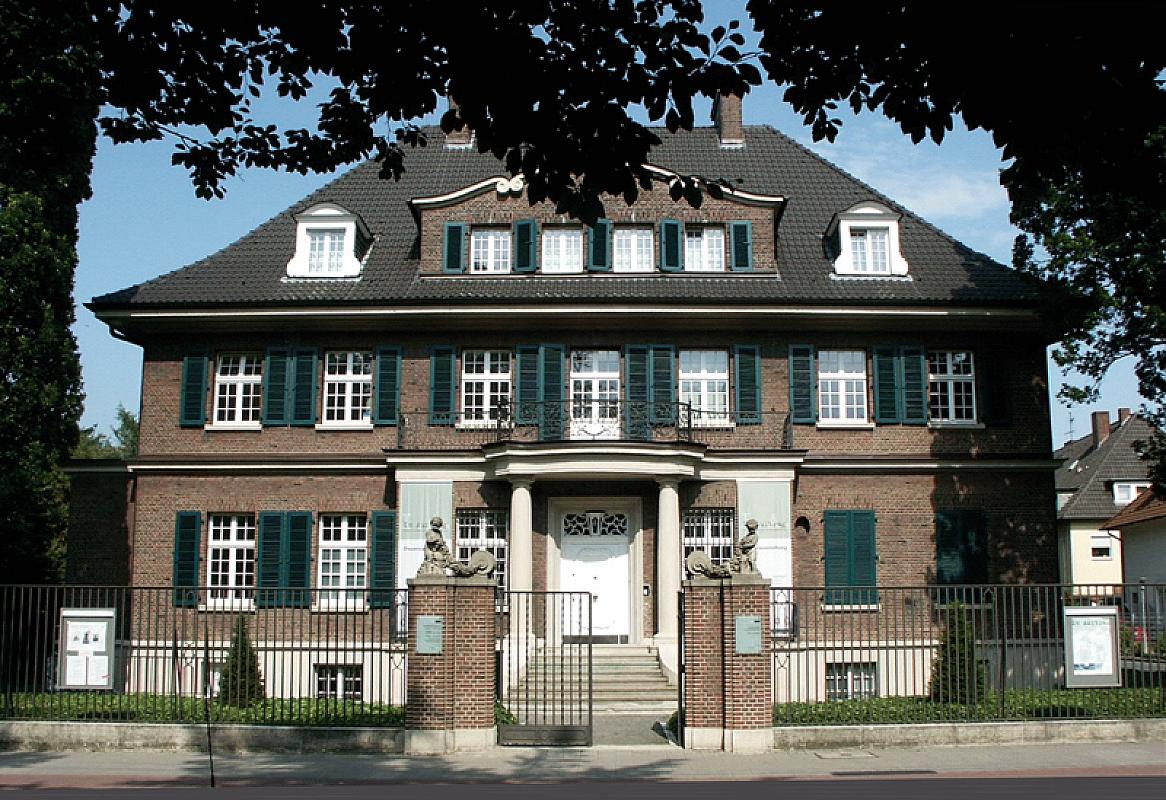
From 1944 onwards eleven forced labour camps were built in the vicinity of Landsberg am Lech. Until 1945 about 30,000 people passed through these camps, most of them Jews. Approximately 14,500 of them died of strenuous labour, diseases, selections and death marches. Since 1985 the European Holocaust Memorial on one of the former camp premises commemorates the fate of the victims.
History
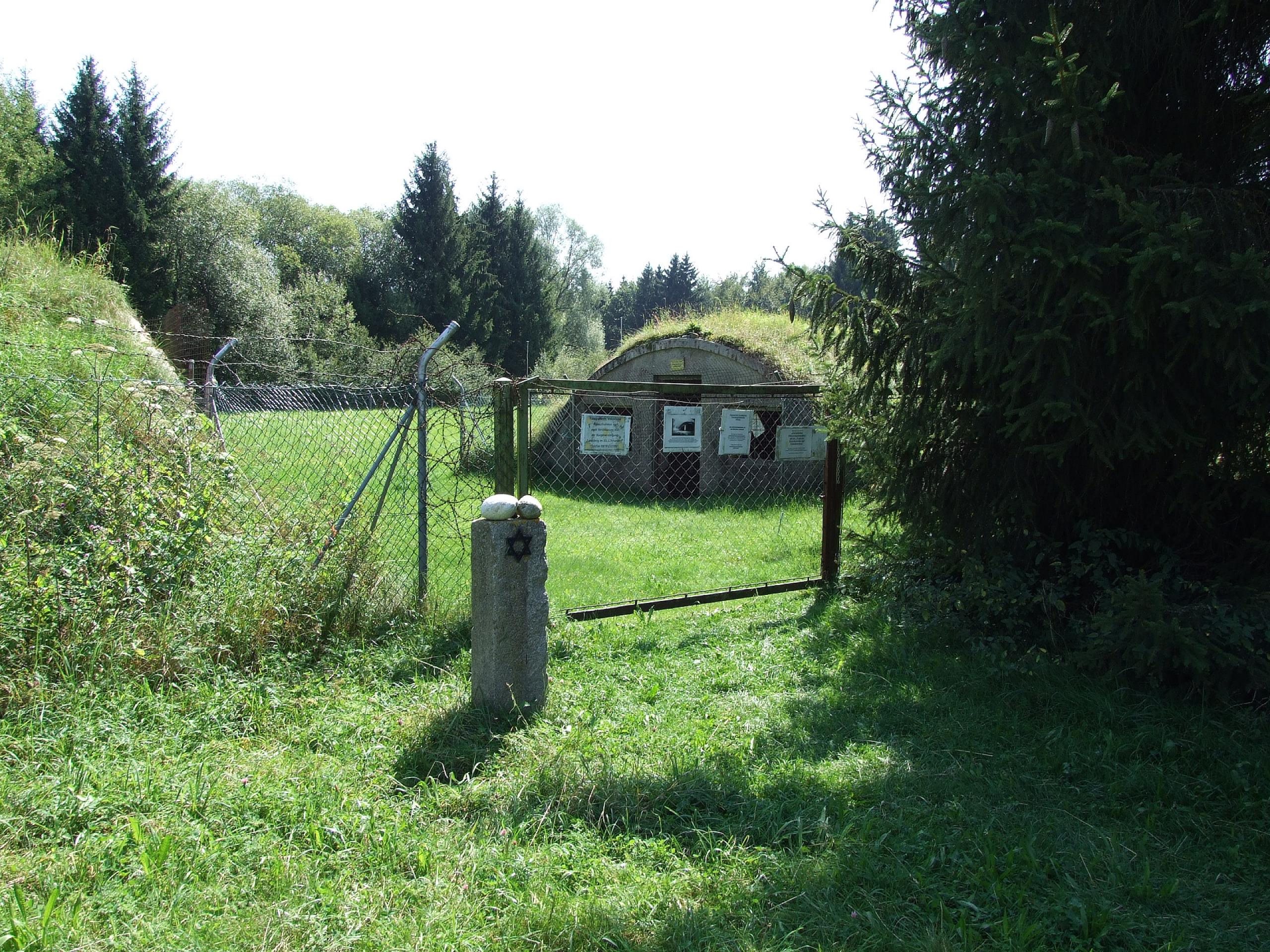
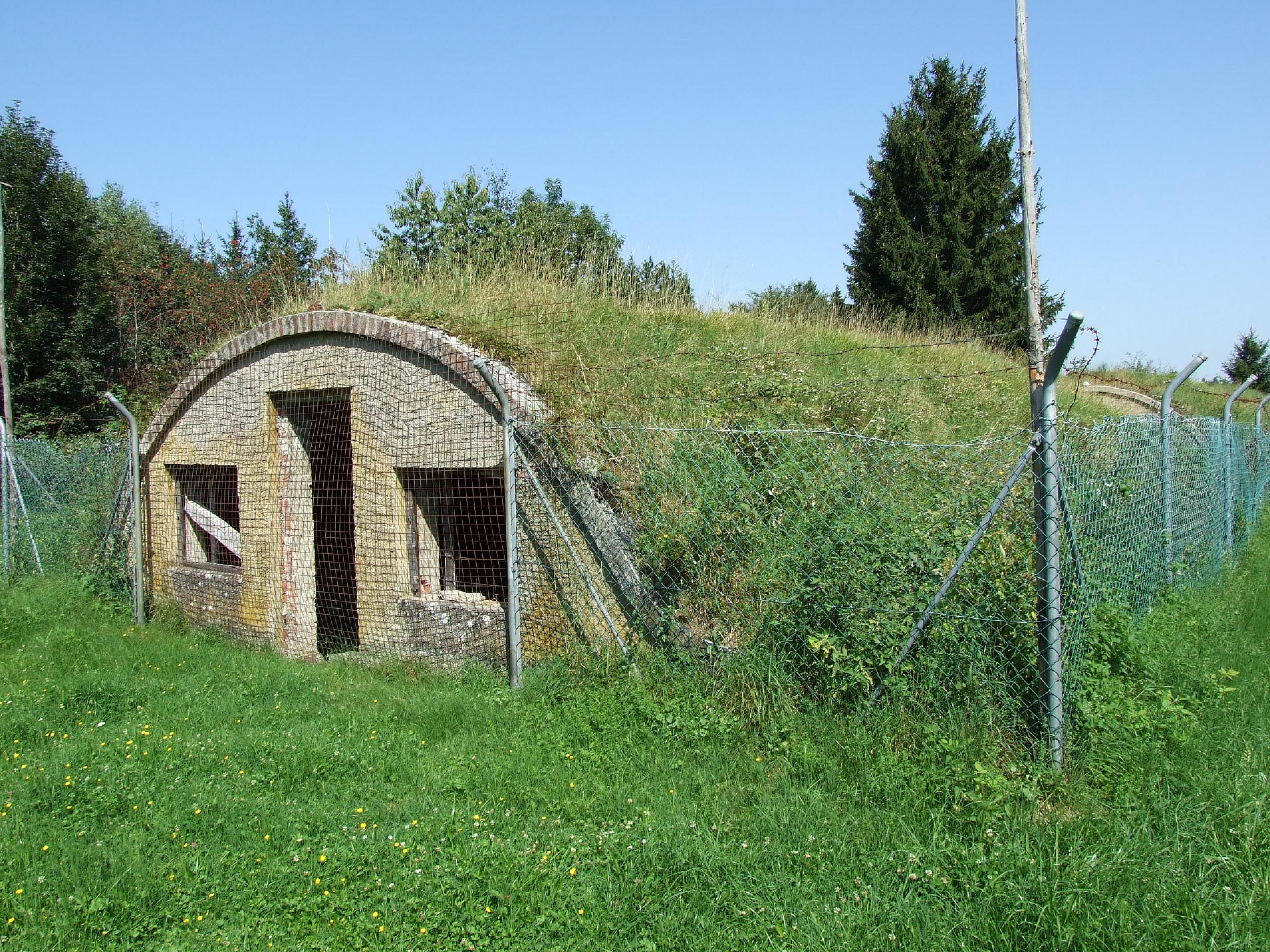
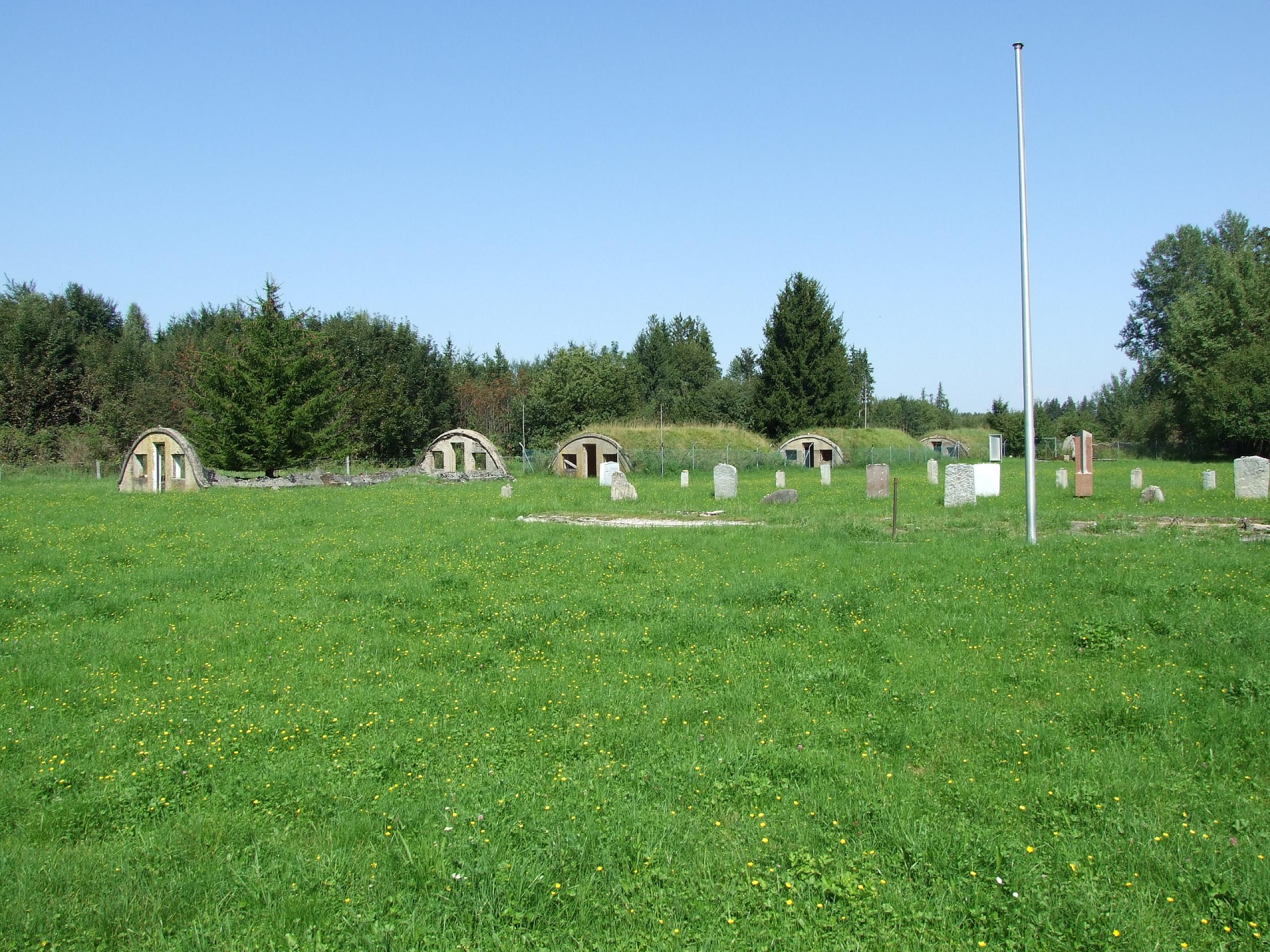
The medieval city of Landsberg is located in Upper Bavaria on the steep banks of the river Lech. In modern times the city was turned into a fortress. After the failed »Beer Hall Putsch« in November 1923, Adolf Hitler started to serve his five year sentence for high treason in the Landsberg Prison. However, of his five year sentence he only had to serve barely two years. During his imprisonment he wrote his book »Mein Kampf« (English: My Struggle) which became the party manifesto of the Nazi Party NSDAP. During World War II a satellite camp (Außenlager) and several sub camps (Außenkommandos) of the Dachau concentration camp were built near Landsberg: in July 1944 the SS established a forced labour camp in Kaufering, in total the Kaufering camp complex comprised eleven camps. The prisoners had to conduct forced labour in arms production. Organisation Todt (OT) deployed the prisoners at building sites for large bunkers, where fighter jets were to be assembled. The construction of three bunker complexes began near Landsberg. The first prisoners arrived in Kaufering in the middle of 1944, mainly Jews from Polish and Lithuanian ghettos. Later Hungarian Jews were added, marched to Bavaria on foot. More than 3,000 people were squeezed in the bigger camps by OT and SS. The living conditions were very poor: The Jews had to live in earthen huts, offering hardly any shelter against weather conditions and the cold. Diseases quickly spread and claimed many victims. The SS selected those who were sick or unable to work, deported them to Auschwitz and killed them by poison gas. Hard labour and insufficient nutrition also caused many prisoners to die. In March 1945 about 10,000 prisoners in the Kaufering camps were still alive. Most of them were sent on a death march to Dachau by the SS in April 1945. Some of the prisoners were liberated there, others wandered through Bavaria until beginning of May 1945.
Victims
All in all about 30,000 people passed through the camps near Landsberg from June 1944 to April 1945. Historians estimate that approximately half of them died through hard labour, diseases or in the Auschwitz gas chambers. Almost all of the prisoners were Jews. The vast majority were men. However, there were about 4,200 women and about 800 children in the Kaufering camps as well.
Remembrance
In April 1945 American troops occupied Landsberg. They liberated the survivors of the camps and accommodated them in the Saarburg military barracks in Landsberg. Most of the former prisoners couldn't and wouldn't return to their home towns, many had lost all of their relatives. These so called Displaced Persons (DP) awaited the continuation of their journey in DP-camps, which had been set up for them. For a period of time, the Landsberg DP camp was home to up to 6,000 people. It was the biggest camp of its kind in the American zone of occupation. All in all about 23,000 people passed through the DP camp until it was dissolved in 1950, the vast majority were Jews. At the same time defendants in the Nuremberg Trials were detained in the Landsberg Prison, including Oswald Pohl and Otto Ohlendorf. More than 250 death sentences against war criminals were carried out in Landsberg until 1951. A large proportion of the Landsberg population sided with the defendants who had been responsible for the deportation and the mass murder of Jews and who were awaiting their execution. Repeatedly Landsberg inhabitants tangled with residents of the DP camp: The inhabitants of Landsberg championed a pardon for the NS criminals, the Jewish survivors protested to emphasize the legitimacy of the sentences against the murderers. Many Jews were victims to anti-Semitic hostilities.
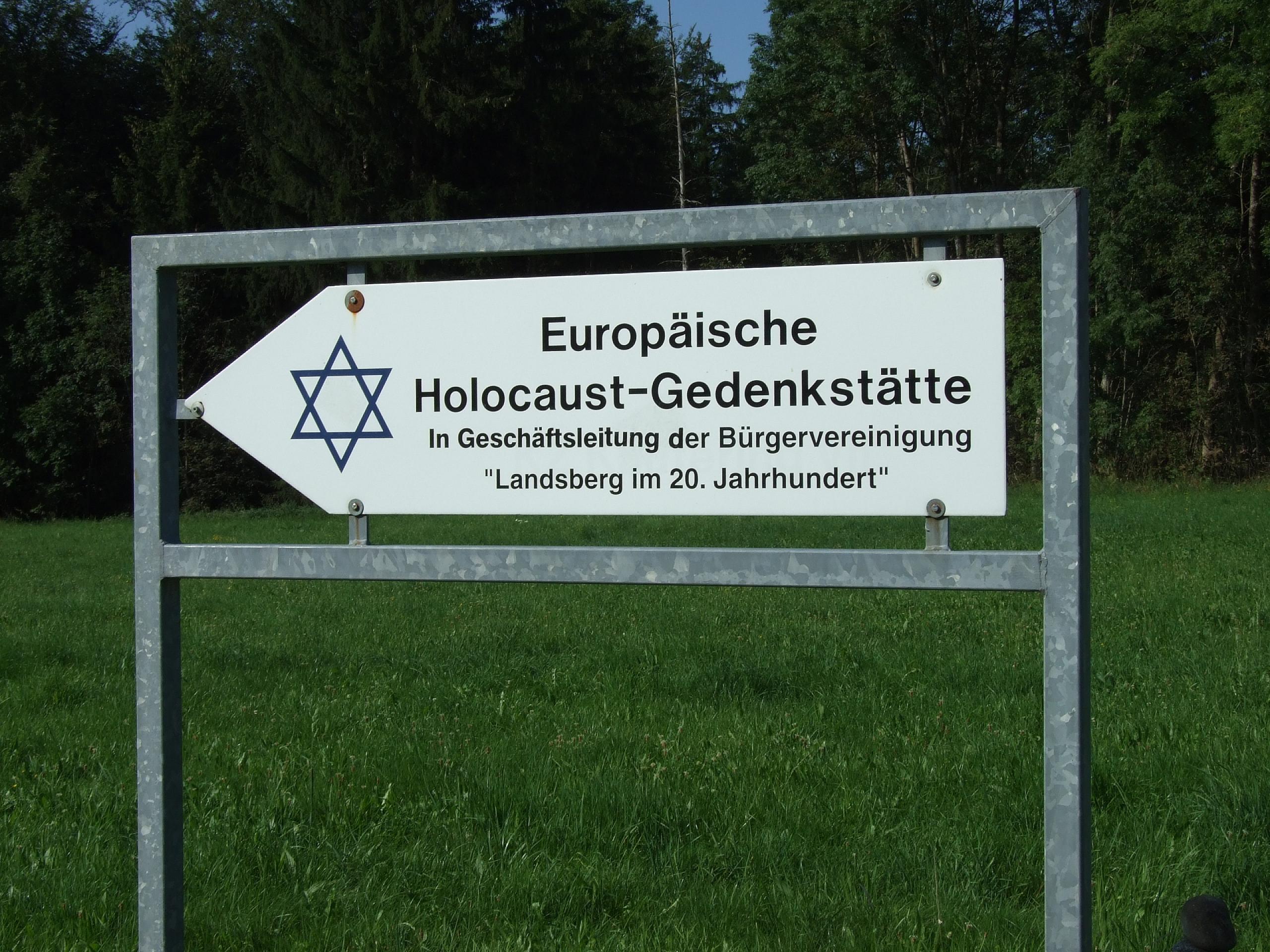
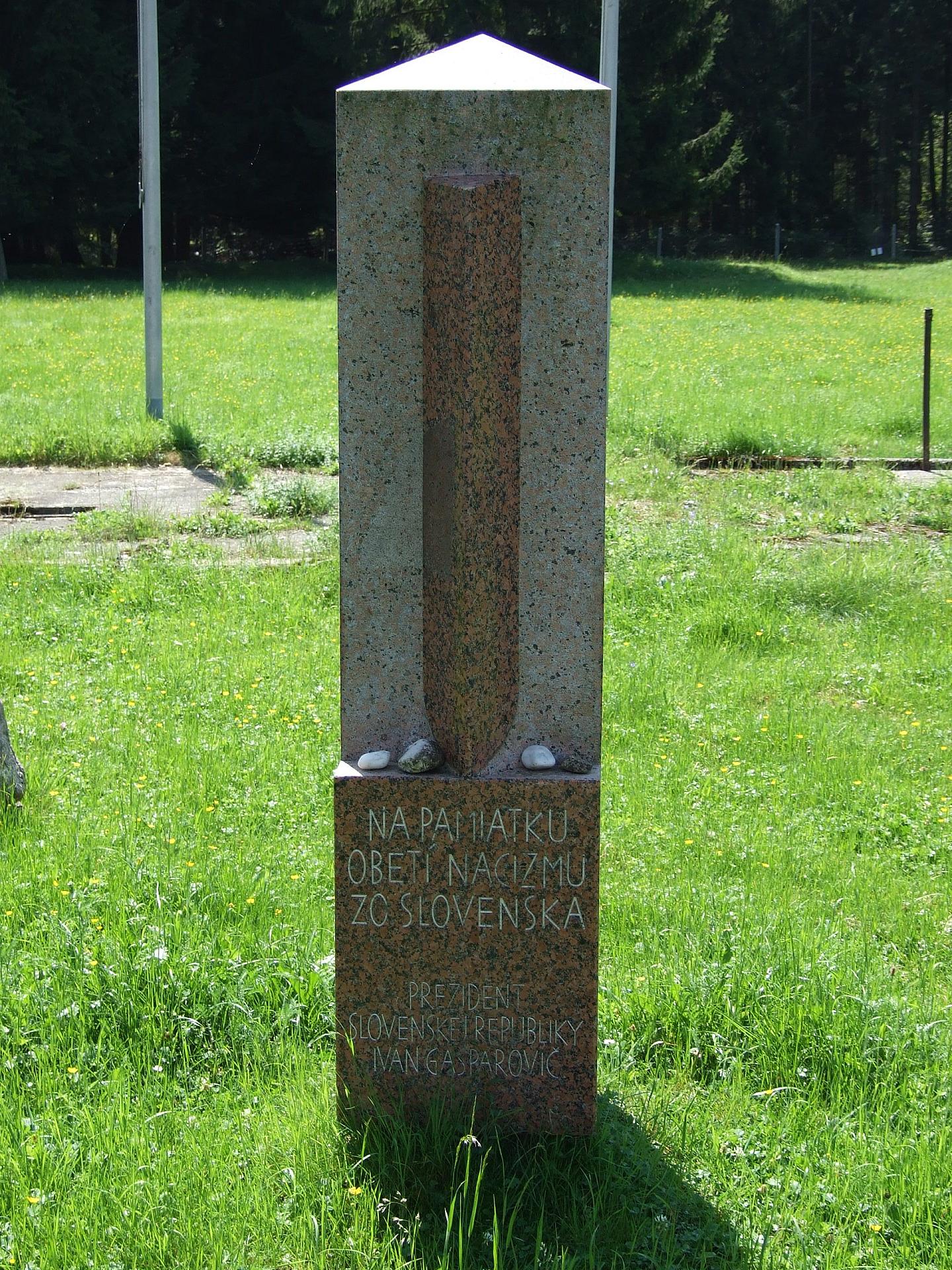
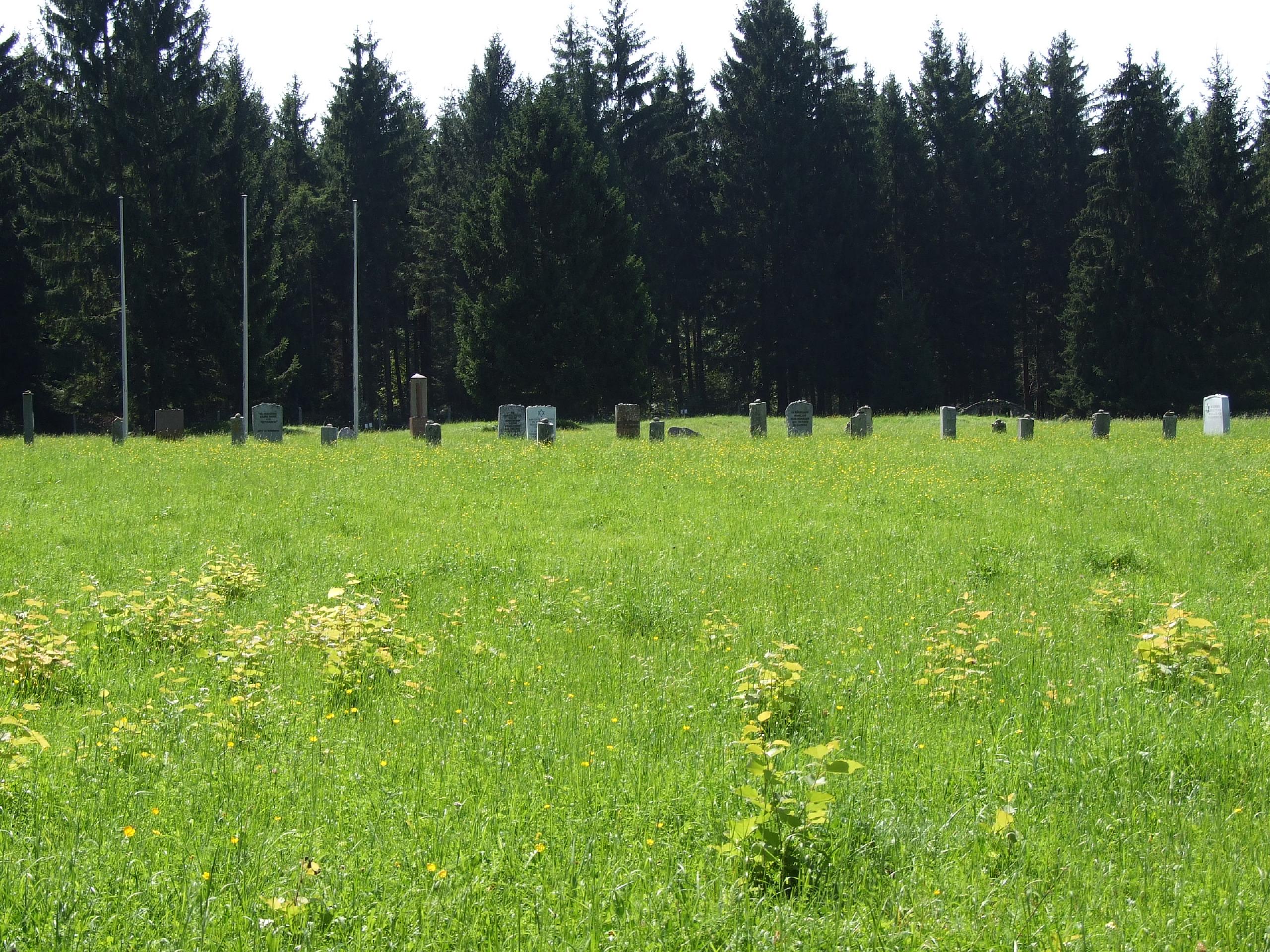
For a long time nothing reminded of the forced labour camps near Landsberg. In 1983 a citizens' initiative teamed up to preserve the ruins of the Kaufering camp and to commemorate the victims. In 1985, their members started to create the European Holocaust Memorial after acquiring the site of the former camp »Kaufering VII«. Bit by bit several memorial stones were set up remembering the victims of the Kaufering camps. Since 2009 the memorial is run by the Europeaan Holocaust Memorial Foundation based in Landsberg.
Possibilities
Guided tours on appointment
Open
The memorial is accessible at all times.
Contact
http://www.landsberger-zeitgeschichte.de/Gedenkstaette.htm
EuropaeischeHolocaustgedenkstaette@gmx.de
+49 (0)8191 392 98
Erpftinger Straße
86899 Landsberg am Lech