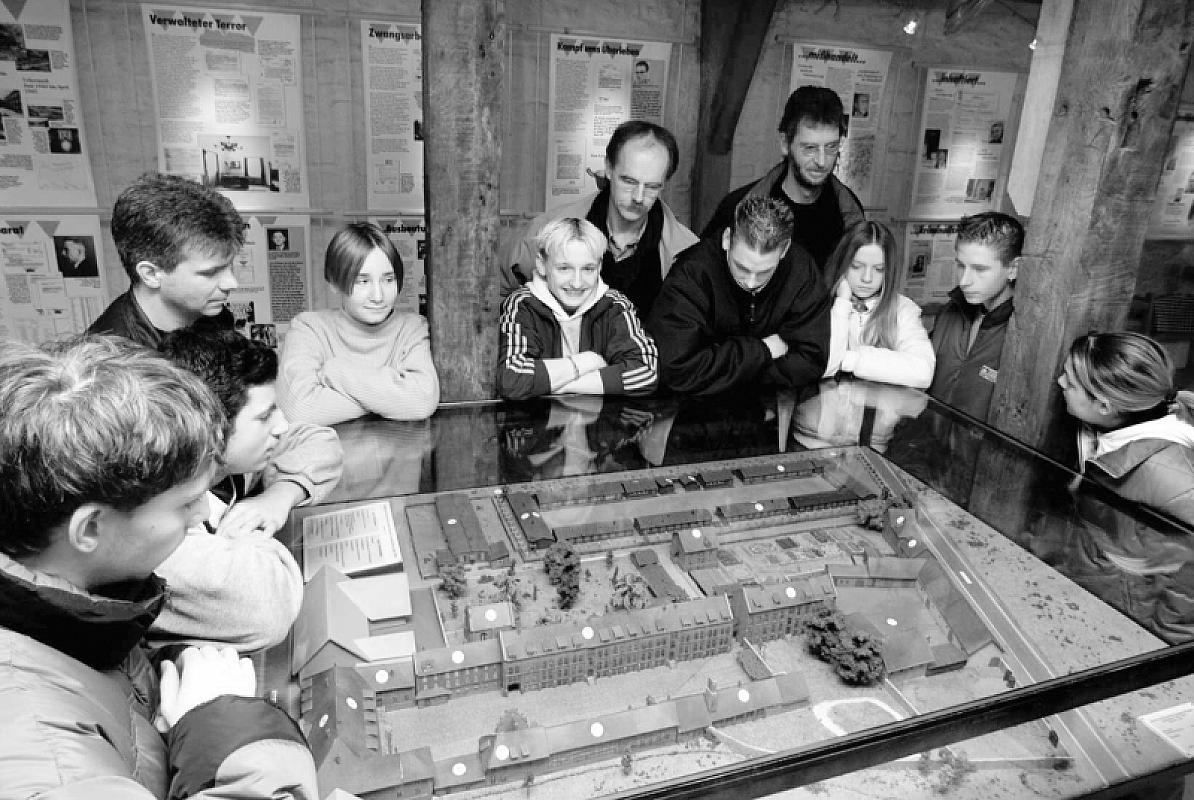
»Euthanasia« Memorial Brandenburg
»Euthanasie«-Gedenkstätte Brandenburg
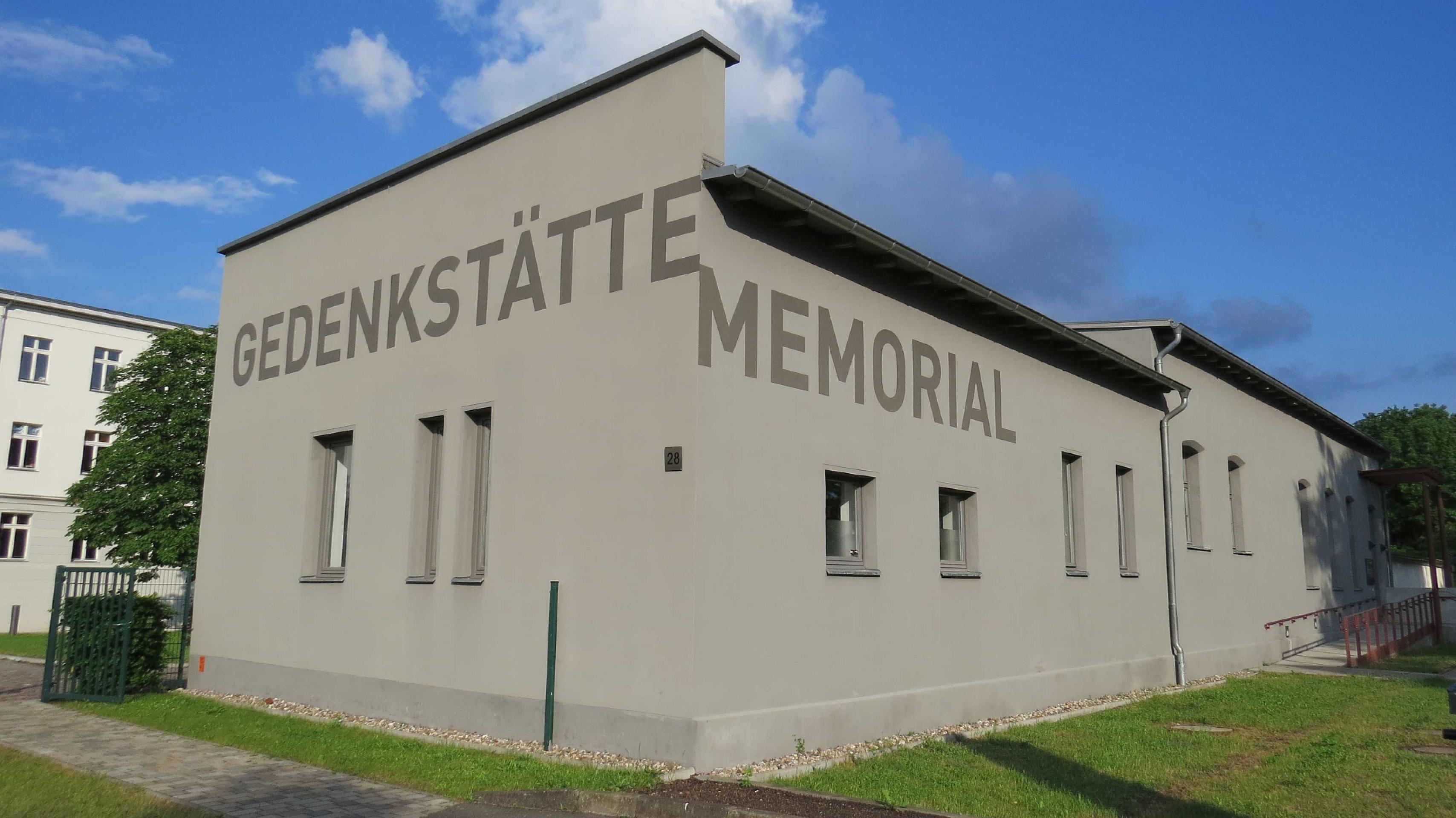
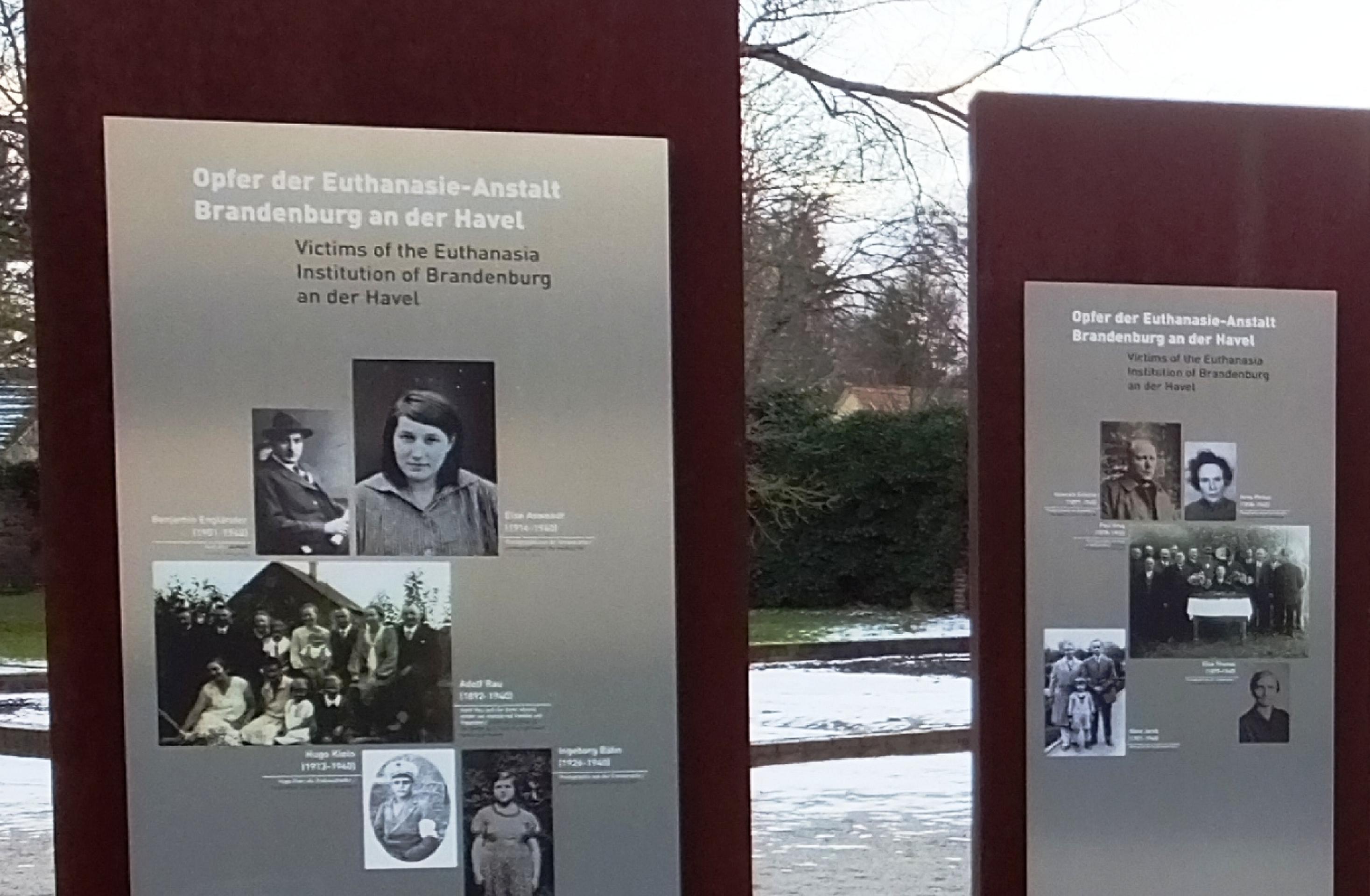
Several steles in Brandenburg an der Havel have commemorated since 1997 the »euthanasia« murders which took place in 1940. Thousands of mentally and physically handicapped people were murdered here within a few weeks in a building disguised as a mental hospital in the course of the »Action T4«. A new memorial site with an exhibition was opened in 2012.
History
Under the National Socialist regime the term »euthanasia« stood for the murder of thousands of mentally and physically handicapped people. The murder was planned and organised by a central office which directly reported to Adolf Hitler. The office was code named »T4« in reference to its postal address in Berlin's Tiergartenstraße. At first, toddlers up to the age of three fell victim to »euthanasia«, later older children and youths were affected. Beginning 1940, handicapped adults and ill people were included in the scheme under the new code »Action T4«. During the initial phase, people were killed by malnourishment, poison or medications. From January 1940, more and more »T4« killing centres began operating gas chambers.
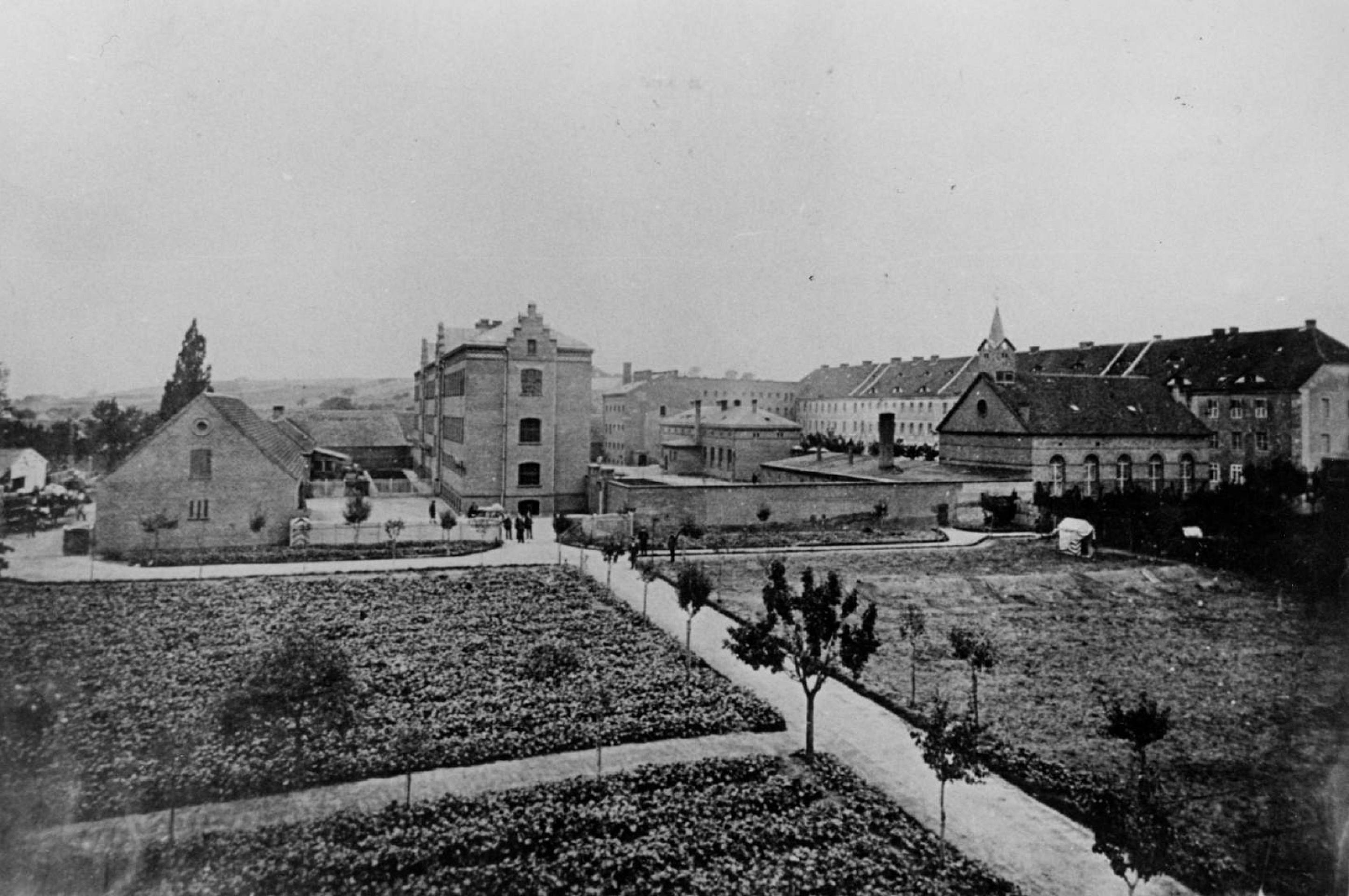
At the time, »trial gasifications« were already taking place in Brandenburg as part of the »T4« campaign. During the trials one group of patients was killed by poison injections, while the other group was asphyxiated with gas. The doctors responsible for »annihilating life unworthy of living« decided to choose the latter killing method after observing that patients died more quickly than by poison injection. A few days after the trials had been conducted, the doctors and medical personnel began the killings. The premises of the old prison in Brandenburg were equipped with a gas chamber and mobile crematoria for this purpose. Most of the victims came from the region of Berlin, Brandenburg and Saxony. After a short medical examination, the patients were asphyxiated in a gas chamber disguised as a shower room, after which their bodies were burned. The smoke produced during the burnings made many of the town's residents suspicious. The »T4« authorities shut the killing centre down in October 1940.
Victims
Doctors and medical personnel in Brandenburg killed over 9,700 people by poison gas in the course of the »Action T4« between January and October 1940. Among the mentally and physically ill men, women and children who were murdered in Brandenburg were also about 400 Jewish patients. The last victims of »euthanasia« were children from the state hospital at Görden. After the »euthanasia« killings in Brandenburg had come to an end, the »T4« authorities had the remaining patients from the region transferred to the mental hospital in Bernburg, which had been remodelled as a »T4« killing centre by October 1940.
Remembrance
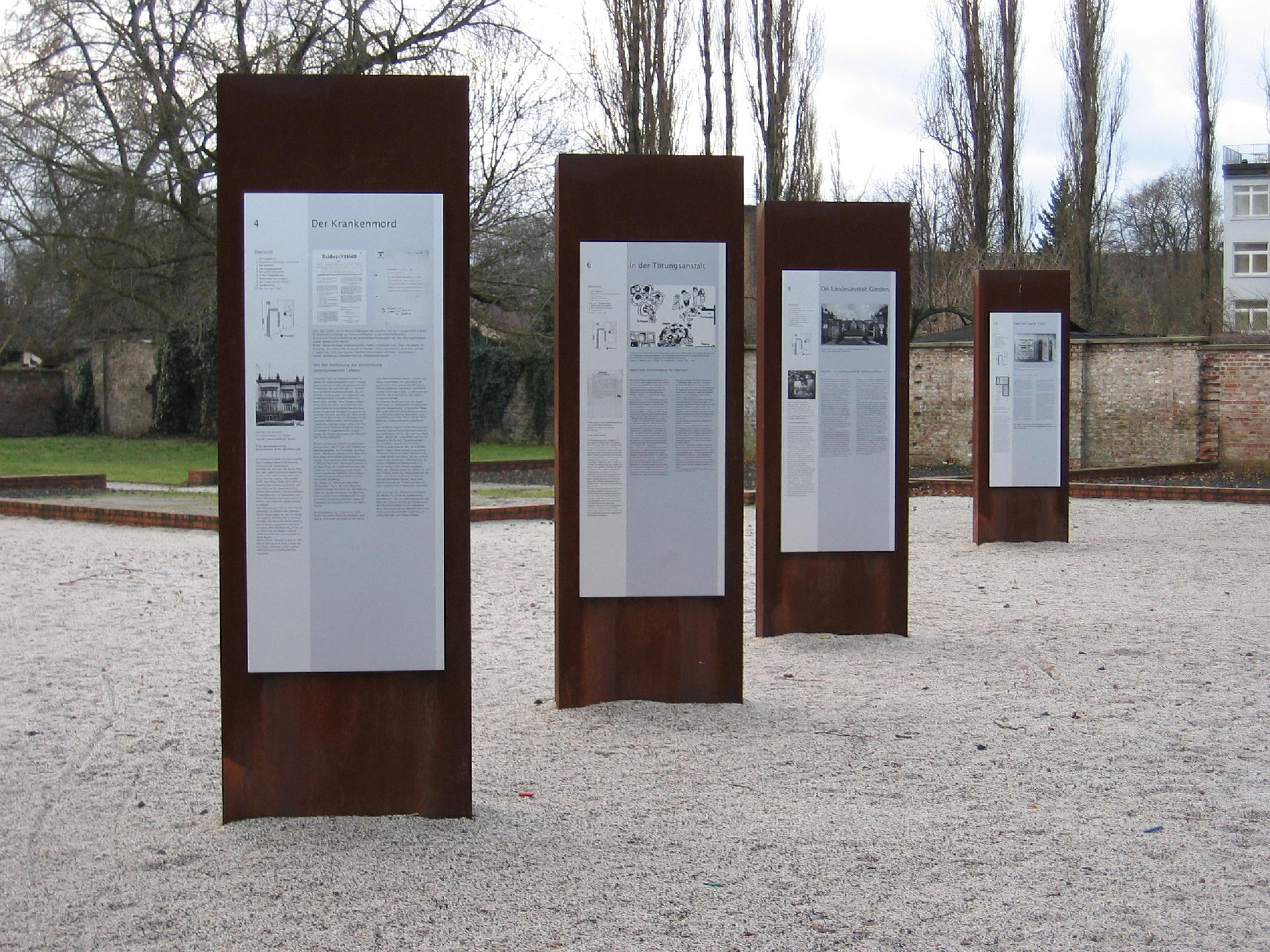
In January 1997, the memorial site consisting of several steles on the premises of the old prison was inaugurated. Information boards present details about the »T4« campaign and its victims in Brandenburg. The memorial site was set up with the support of the city of Brandenburg, the Brandenburg Memorials Foundations, the Central Council of Jews in Germany and the Association of »Euthanasia« and Forced Sterilisation Victims. In 2003, the content of the information boards was edited and updated. The memorial site is administered by the staff of the museum of local history in Brandenburg. The building – which in the 19th century was home to a prison, from 1933 housed an early concentration camp and in 1940 was a »T4« killing centre – was handed over to the Brandenburg Memorials Foundation by the city of Brandenburg on October 1, 2009. Additionally, a memorial plaque was set up in the township of Paterdamm, about 5 kilometres from the city centre, at the site where the bodies of the »euthanasia« victims had been burned.
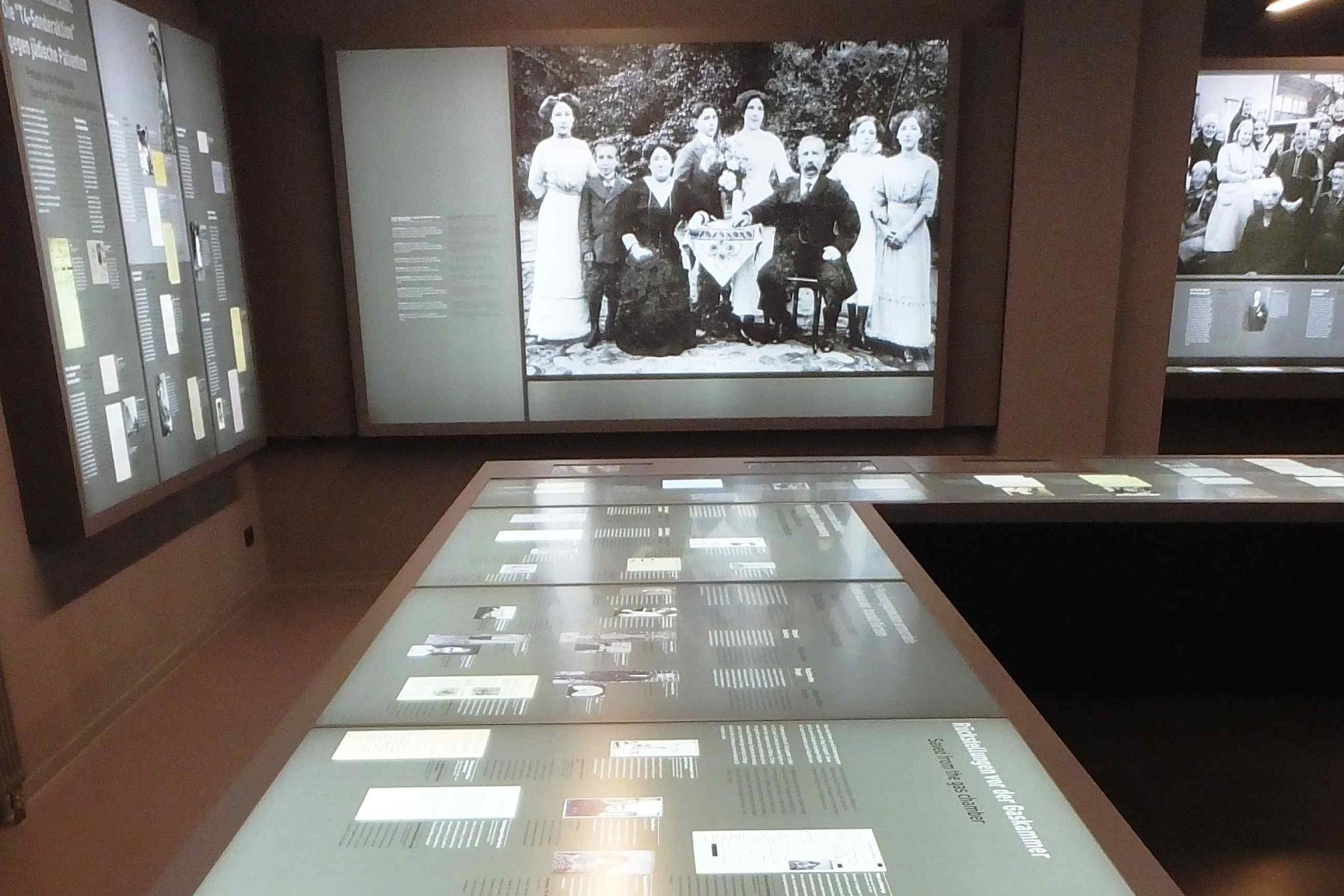
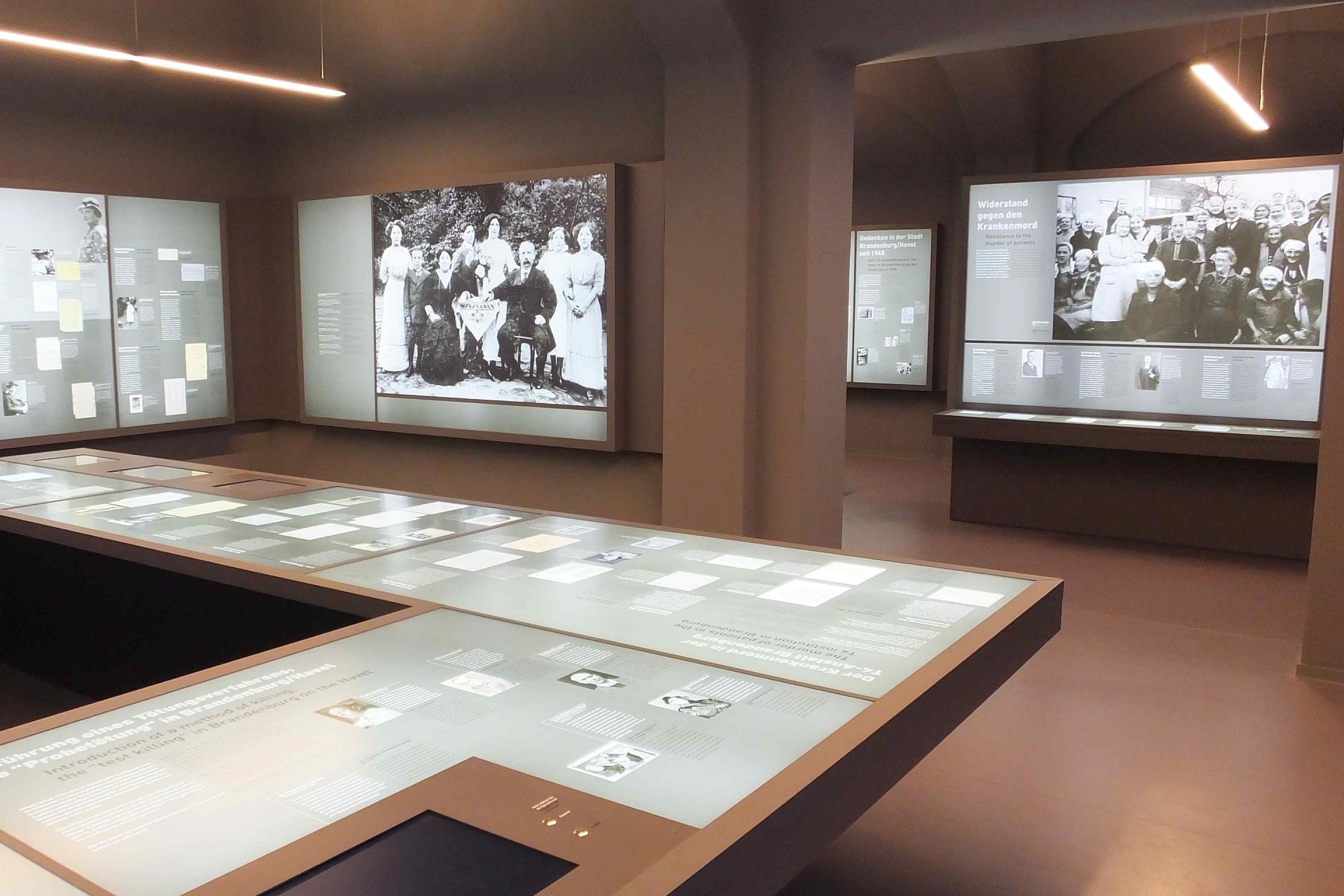
After years of planning, the Brandenburg Memorials Foundation opened a new memorial site with a permanent exhibition in the old prison building in 2012. Brandenburg was the last town to establish such a documentation centre among the six sites in Germany in which »T4« killing centres existed.
Possibilities
Guided tours, workshops in German, English and Easy Language
Open
Thursday and Friday 1 p.m. to 5 p.m., Saturday and Sunday 10 a.m. to 5 p.m.
The information boards are accessible at all times
Contact
https://www.brandenburg-euthanasie-sbg.de/
brandenburg@stiftung-bg.de
+49(0)3381 793 511 2
Nicolaiplatz 28
14770 Brandenburg an der Havel