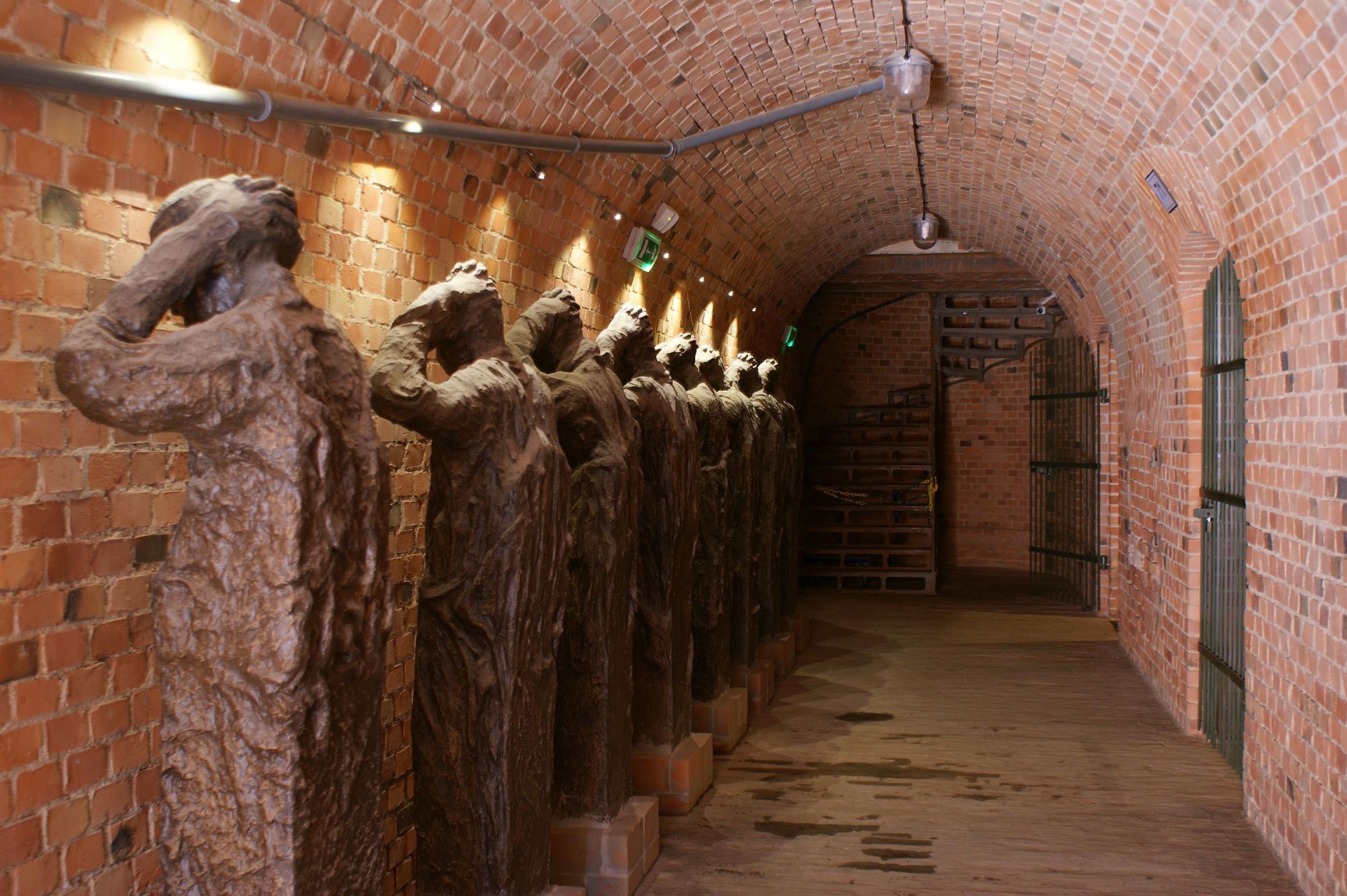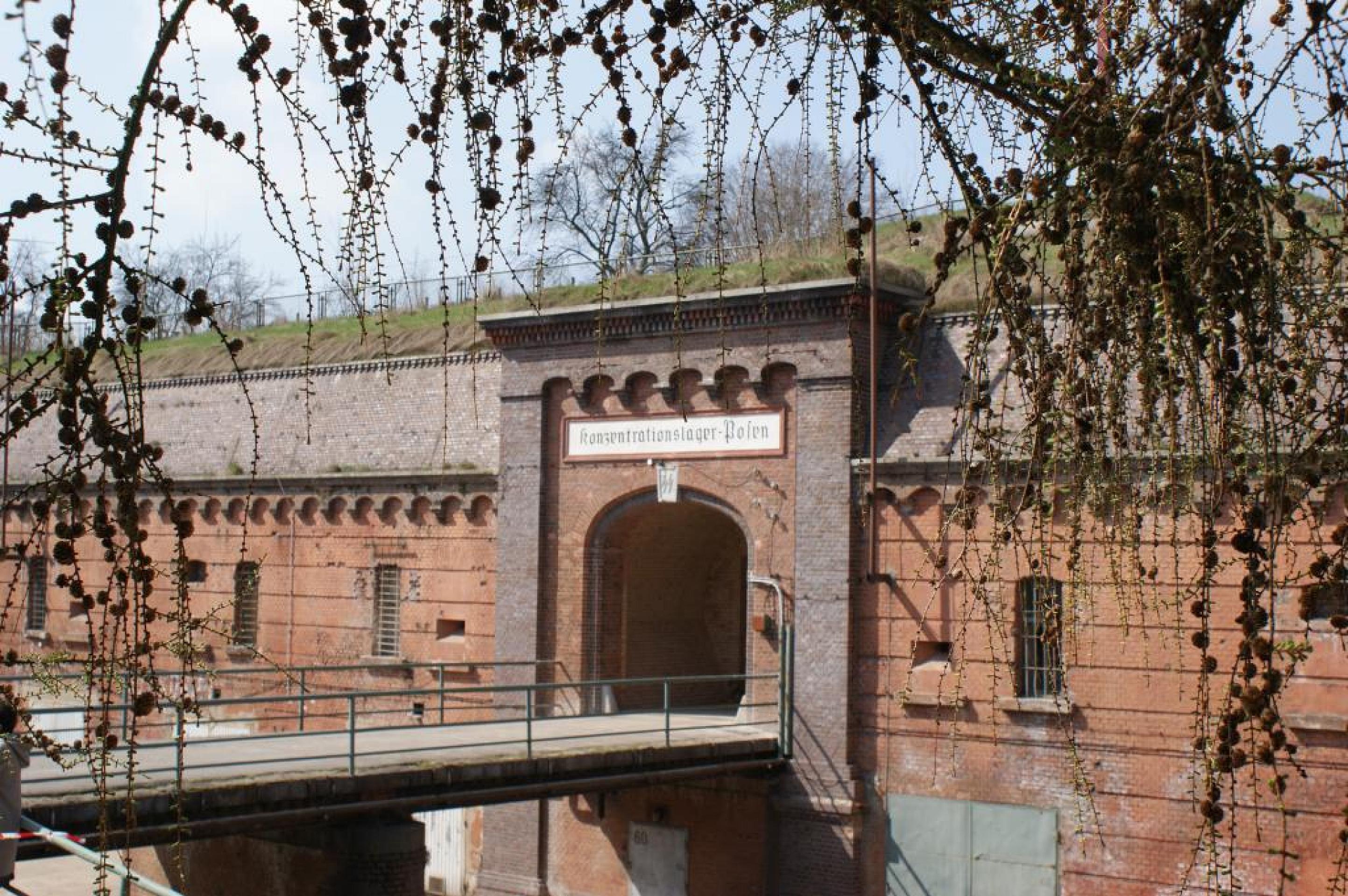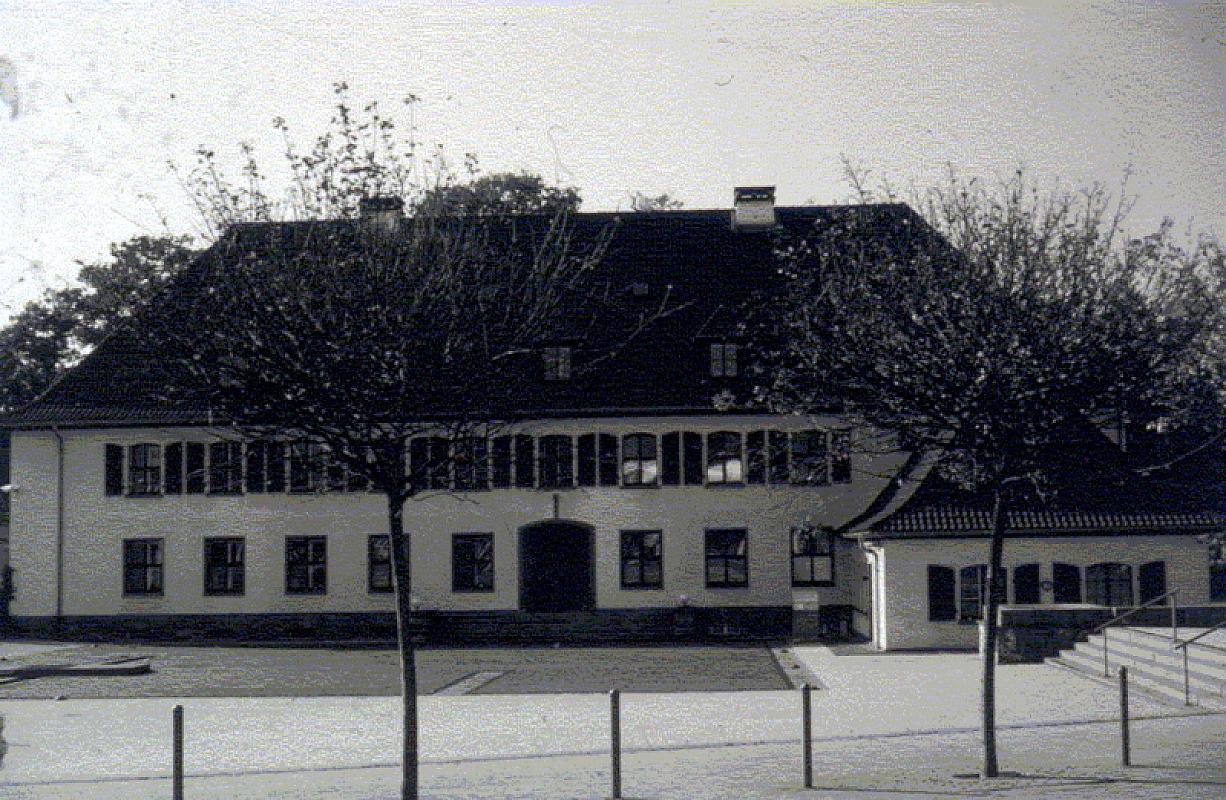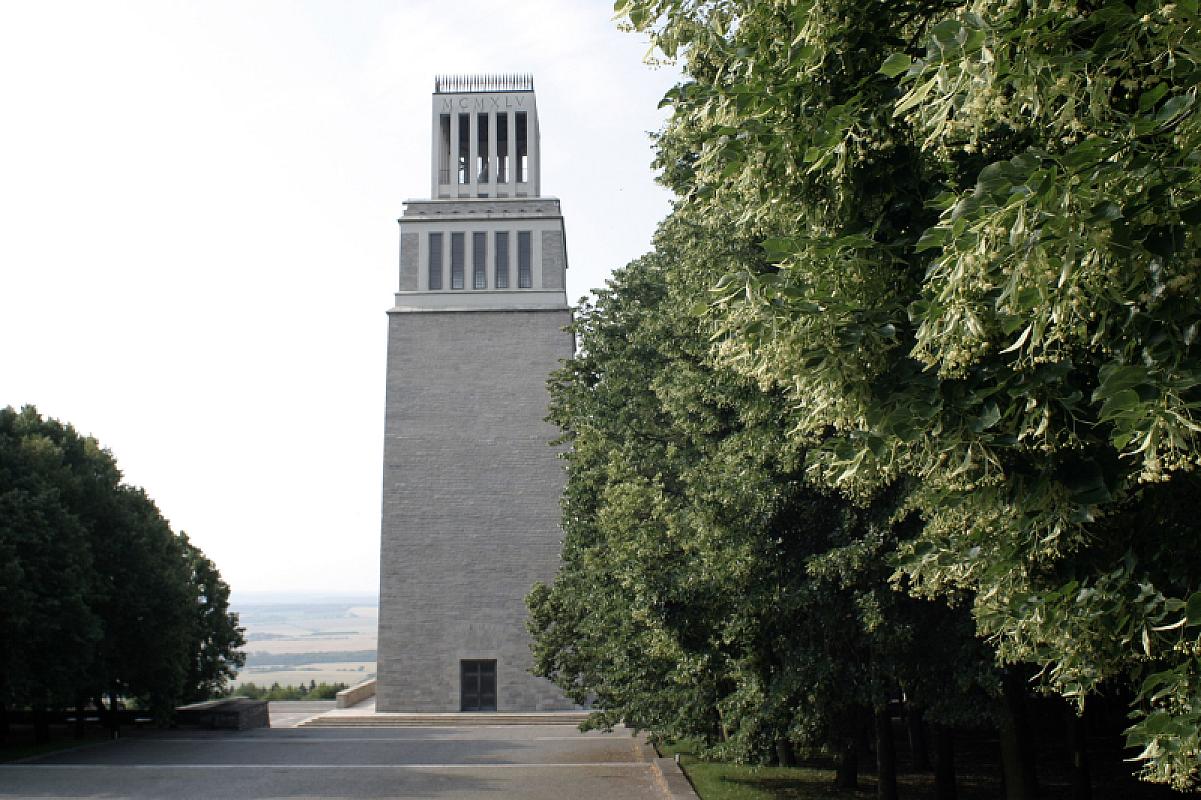
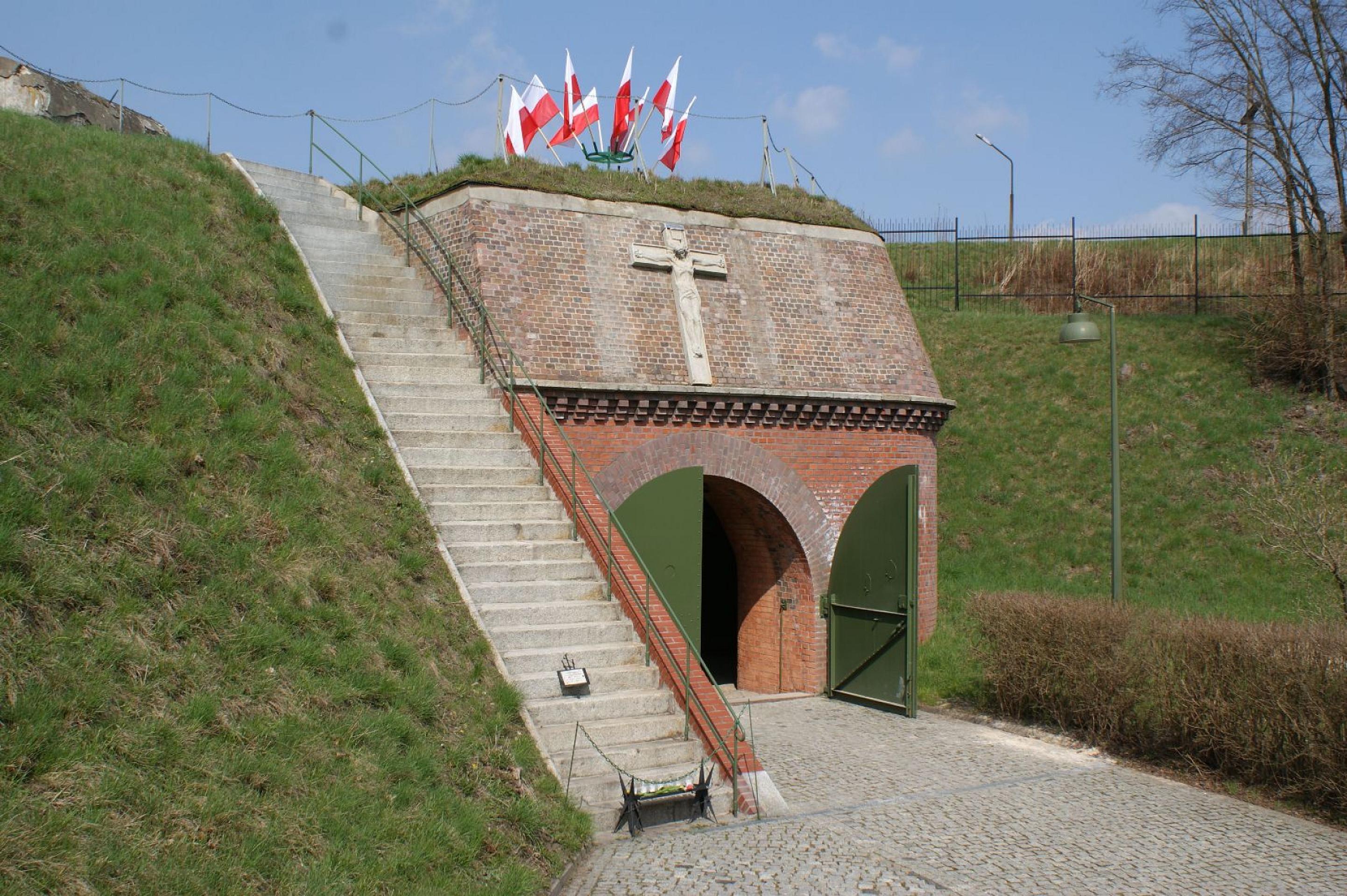
The Fort VII Museum in Poznań commemorates the National Socialist camp which was in operation in the former Prussian stronghold Fort VII between 1939 and 1944. Here was the place where at the end of 1939, the SS murdered patients of psychiatric hospitals for the first time by poison gas.
History
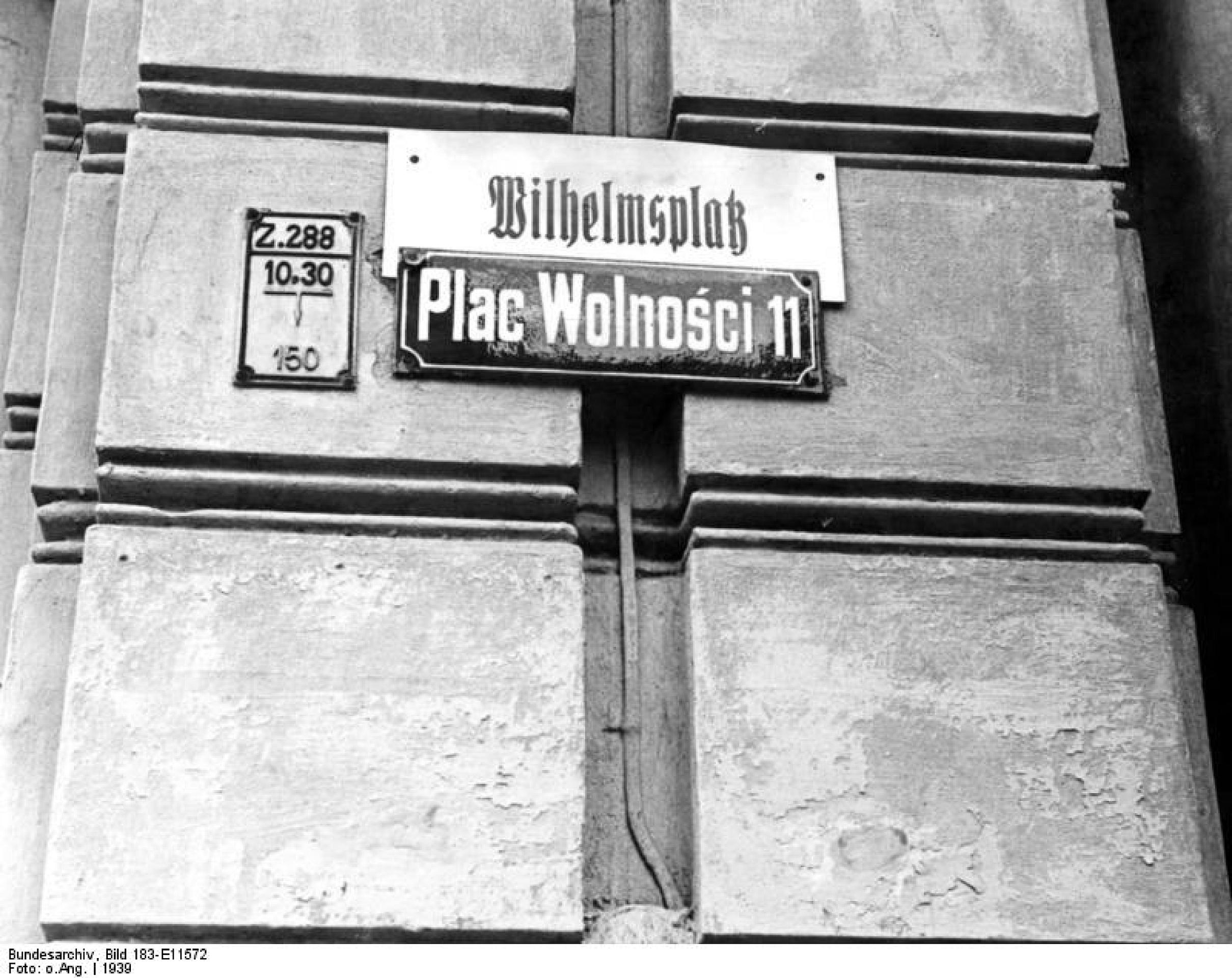
Following the partition of Poland at the end of the 18th Century, the region of Poznań (German: Posen) became part of Prussia; after World War I, it once again became Polish. When the German Wehrmacht invaded Poland in September 1939, the region was incorporated into the German Reich and administered as the »Warthegau«. In October 1939, the Security Police (Sicherheitspolizei, SiPo) established a prison camp in Fort VII (also called Fort Colomb) – one of 18 Prussian fortresses which ringed Poznań since the end of the 19th Century. By mid-November 1939, the SiPo incarcerated members of the Polish elites in the »Posen concentration camp«. Most of the prisoners were executed within days of being brought to the prison.
Between October and December 1939, the SS murdered about 400 patients of psychiatric wards in Owińska and Poznań by poison gas - most probably carbon monoxide. This crime was the first known mass murder of civilians by poison gas.
After 1939, the National Socialist administration renamed and repurposed the camp multiple times. Until about mid-1941, the Gestapo mainly held Polish resistance fighters in the »transit camp«. The prisoners were held there for several months before they were either executed or transferred to other camps. From May 1941 on, Fort VII served as a »labour education camp«; most of the prisoners were Poles who refused to conduct forced labour for the »Third Reich«. From March 1943 on, prisoners of Fort VII were deployed in the construction of the Gestapo camp in Poznań-Żabikowo. In April 1944, all of the prisoners were transferred to that camp, and the camp in Fort VII was dissolved. A factory of the Telefunken company was established in its place – there too forced labourers were deployed.
Victims
The SS mainly incarcerated Poles at Fort VII: at first, the prisoners were members of the Polish elites and upper classes, later, the people imprisoned there were Poles who had breached orders of the occupation forces or who were suspected of being in the political or military resistance. Many were executed at Fort VII, others died of the effects of torture or due to the inhumane living conditions. There were at least two typhus epidemics at the camp, taking the lives of many undernourished and weakened prisoners.
Between October and December 1939, the SS murdered about 400 mentally ill patients with poison gas.
It is not known exactly how many prisoners were held at Fort VII in total or how many of them died, since the National Socialists destroyed all the evidence before retreating. The names of on 479 victims of the camp are known. It is assumed that about 18,000 prisoners passed through the camp, of which some 4,500 perished. Some historians consider much higher numbers realistic.
Remembrance
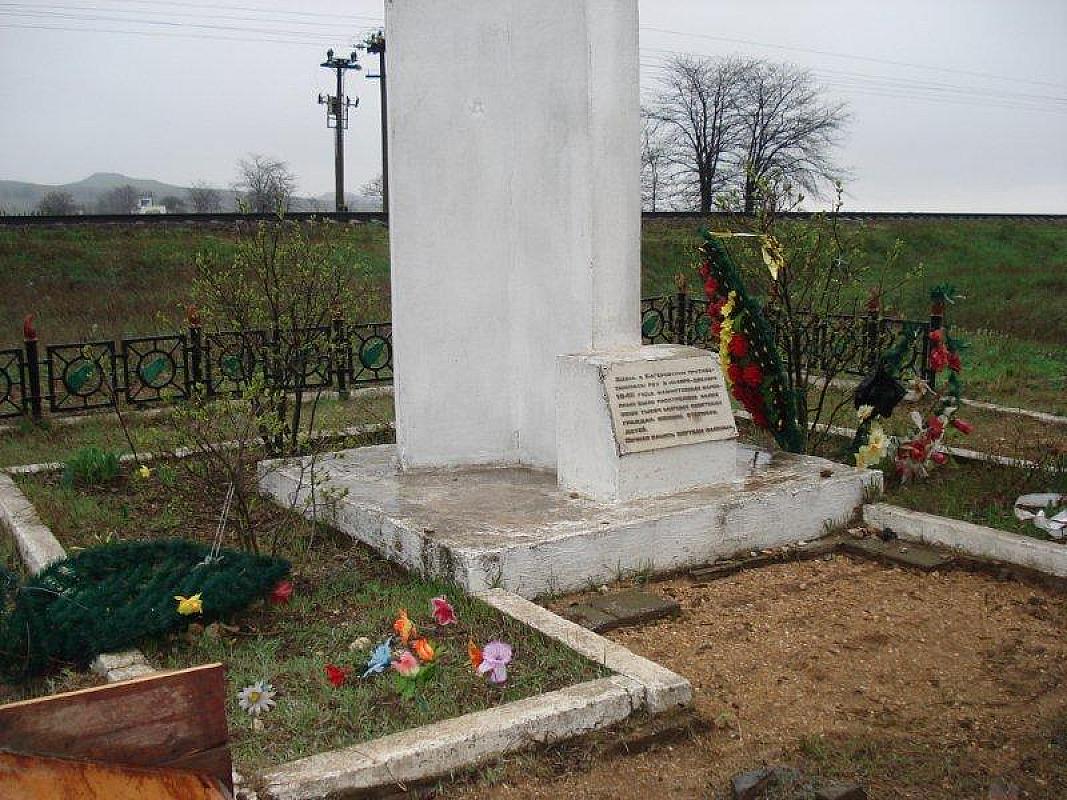
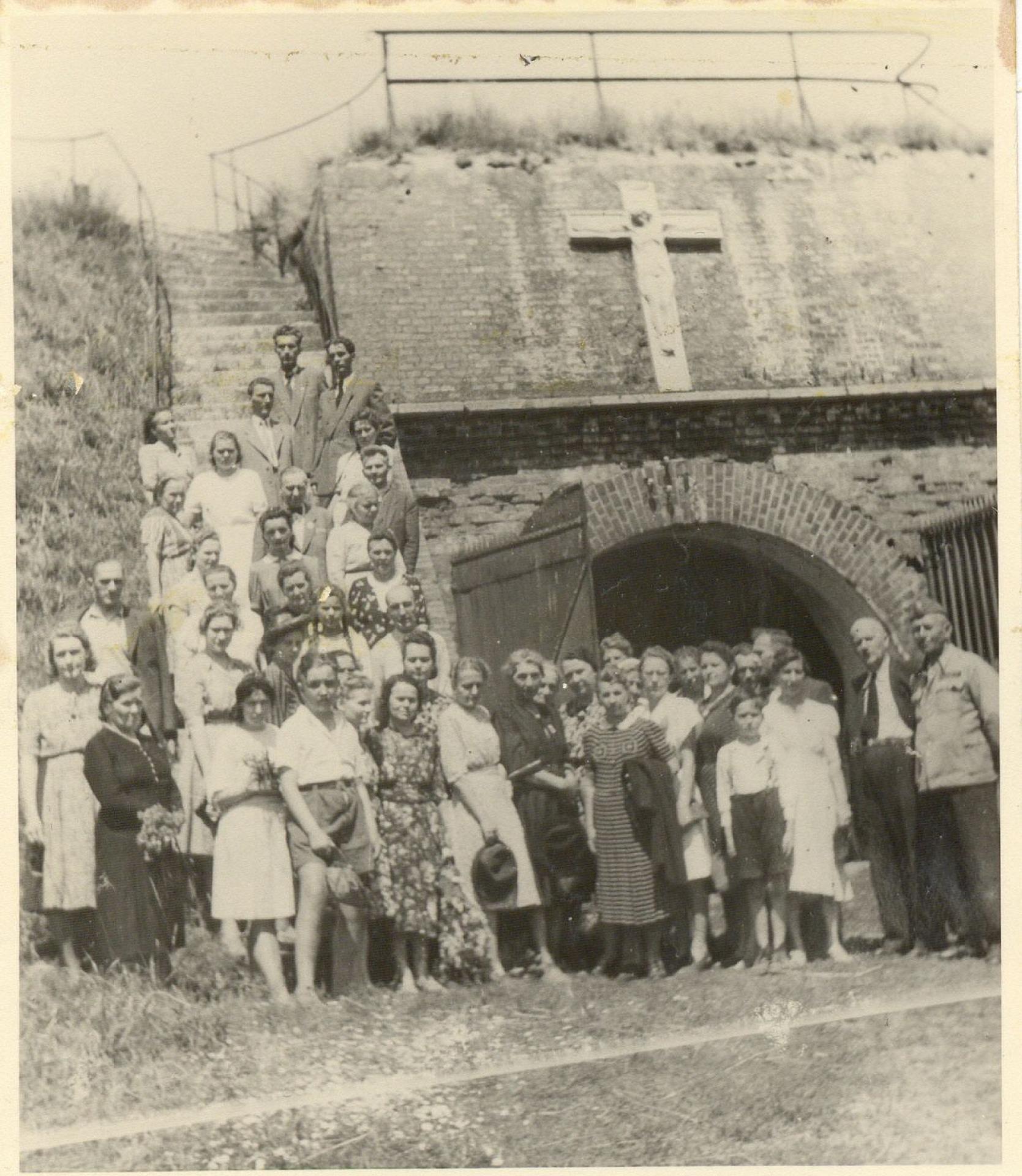
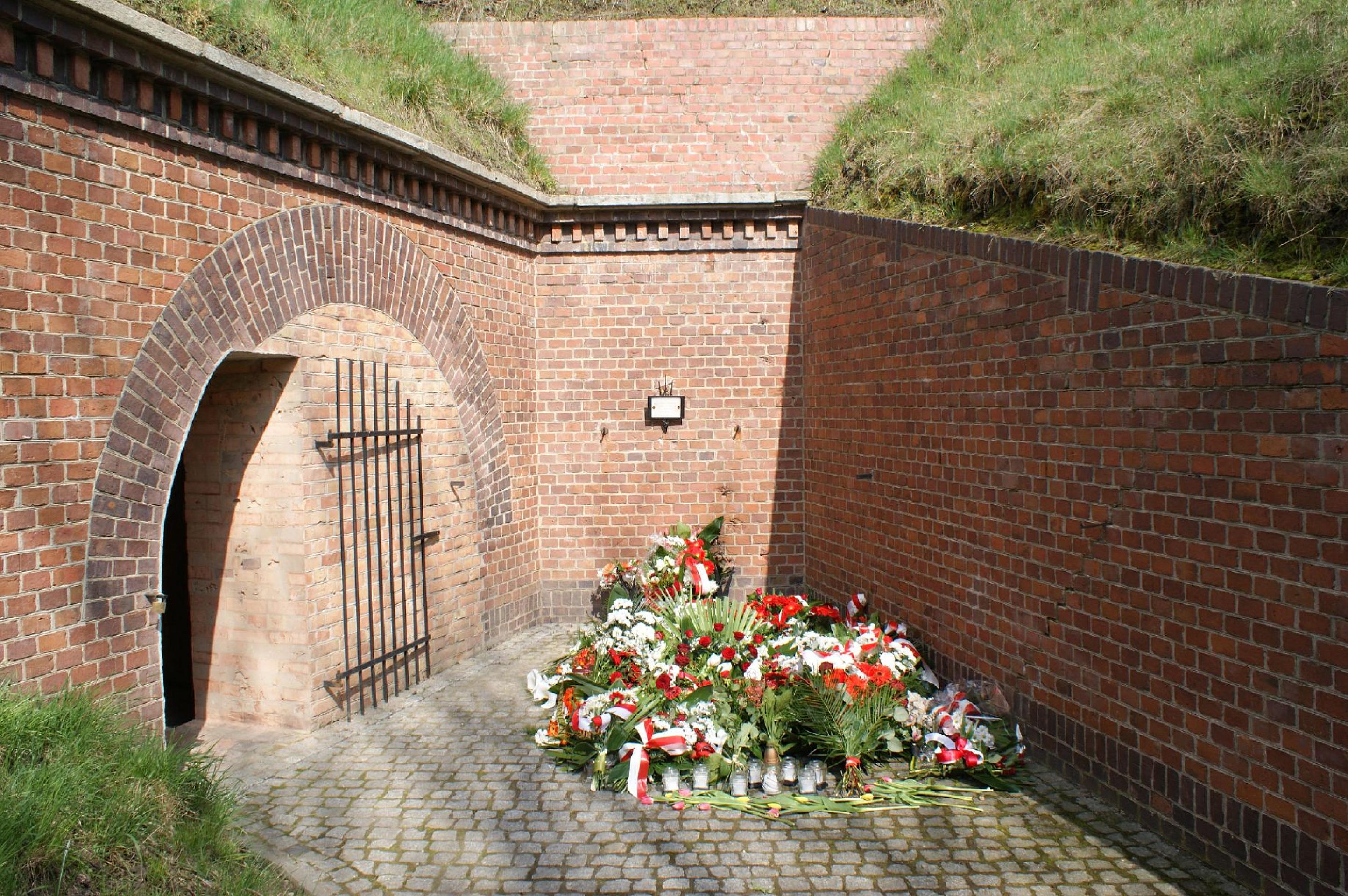
Poznań has since the end of the war been Polish again; today, it is the capital of the voivodeship of Greater Poland (Polish: Wielkopolska) and one of the most important cities of the country. After the war, the fortress served as a materials warehouse for the Polish army and consequently the premises were closed to visitors. In 1963, a first memorial site was dedicated in Fort VII on the initiative of an organisation of former resistance fighters – this was made open to the public on certain days. First plans for a museum in Fort VII came about in 1976; three years later the Muzeum Martyrologii Wielkopolan Fort VII (literally: Museum of Martyrdom of the Residents of Greater Poland) was opened. The museum is currently run by the Wielkopolska Museum of the Struggle for Independence in Poznań (Wielkopolskie Muzeum Walk Niepodległościowych w Poznaniu), which commemorates events such as the fight for independence in 1918/19 or the Poznań workers' uprising in 1956. The suffering of the victims of Fort VII is portrayed using both objects of daily use and tableau scenes. The most important site of remembrance is the »death wall«, where many of the prisoners were shot.
Possibilities
Permanent exhibition, guided tours in Polish and English
Open
Tuesday to Saturday: 10 a.m. to 5 p.m. (from November to February to 4 p.m.)
Sunday: 10 a.m. to 3 p.m.
Closed on Mondays
Contact
http://www.wmn.poznan.pl/odwiedz-nas/muzeum-martyrologii-wielkopolan-fort-vii/
mmw@wmn.poznan.pl
+48 (61) 848 313 8
al. Polska
60-591 Poznań