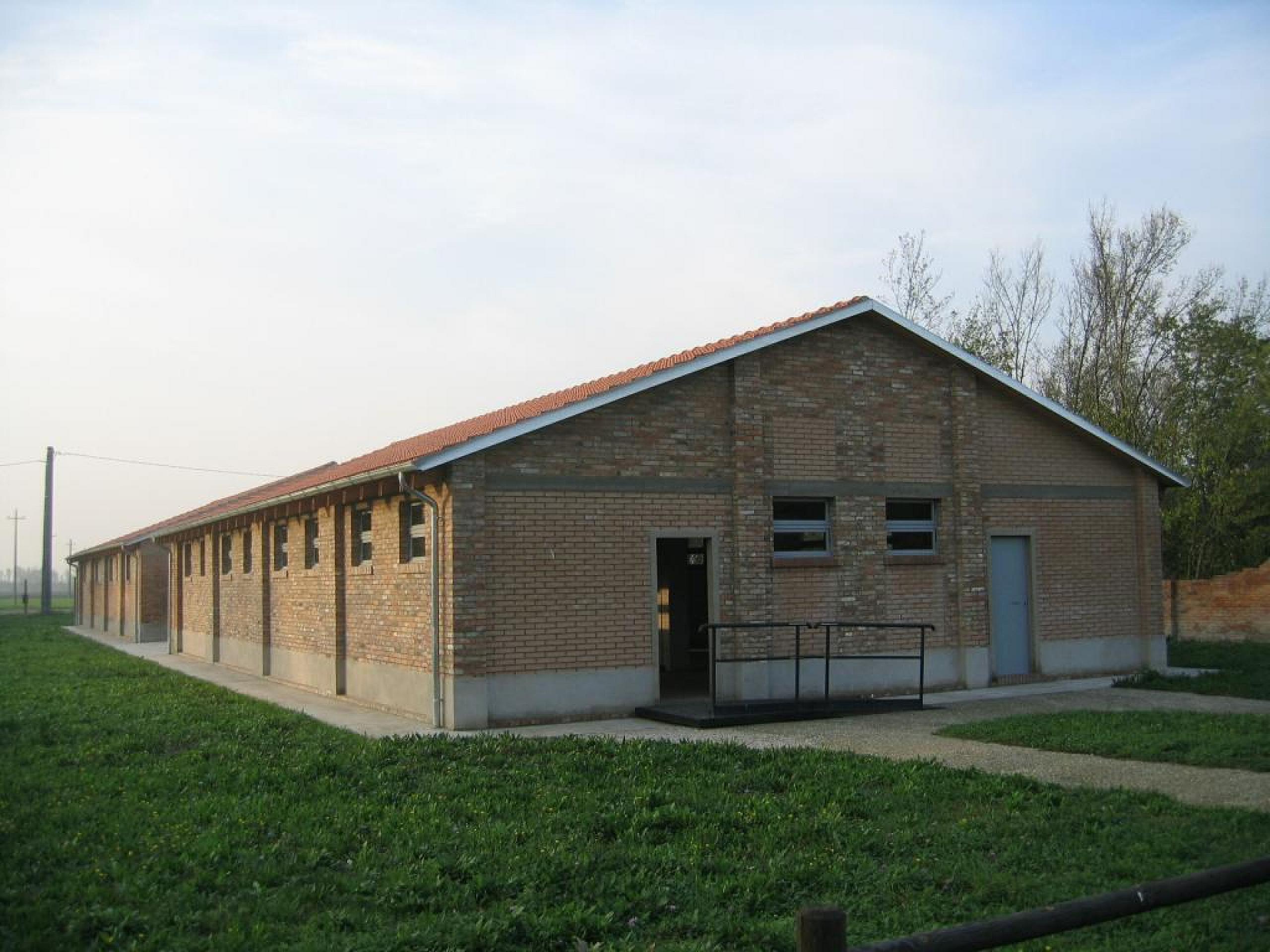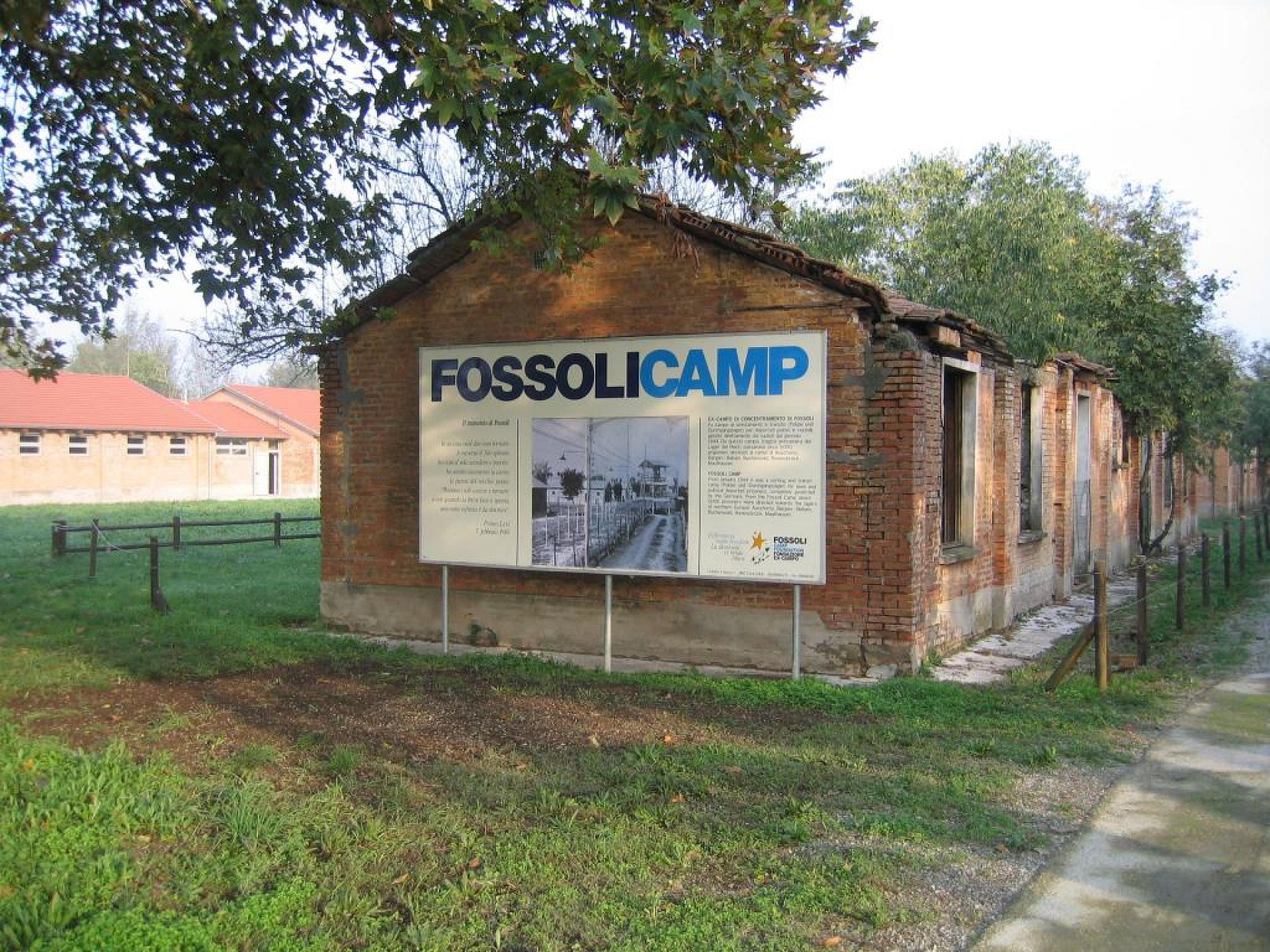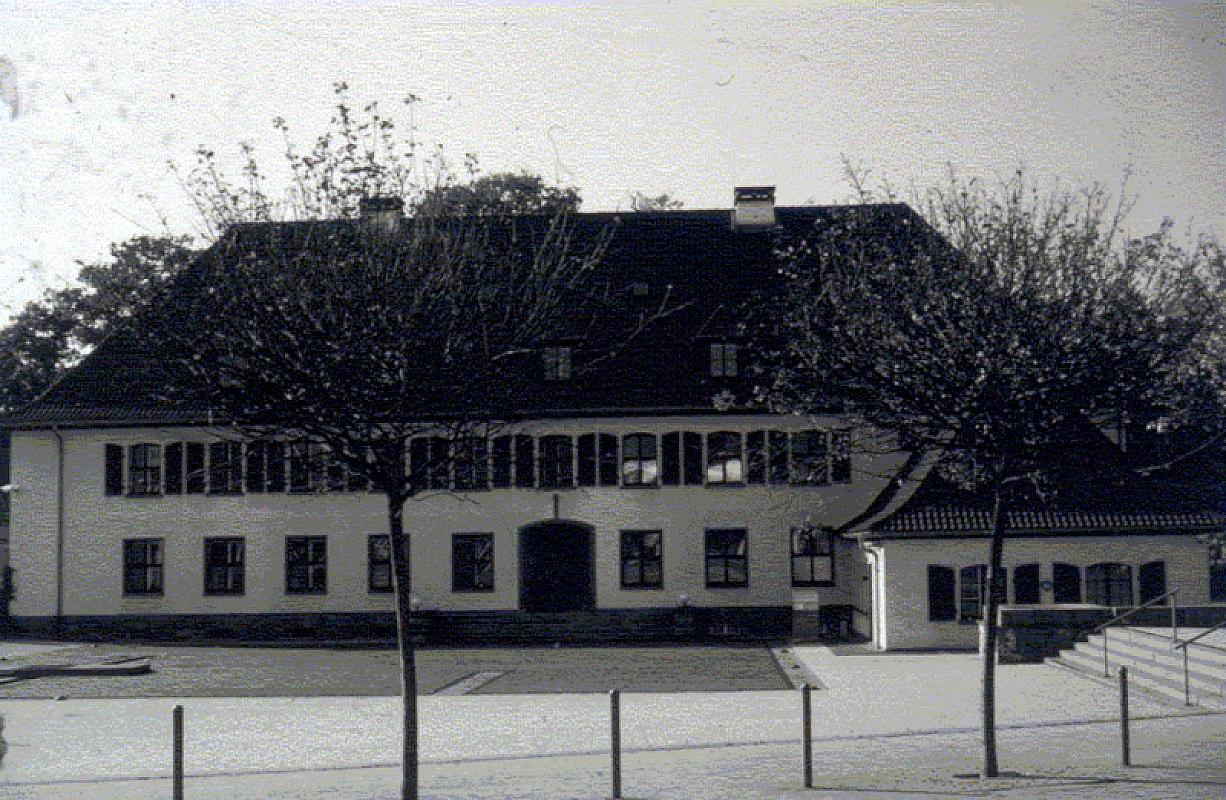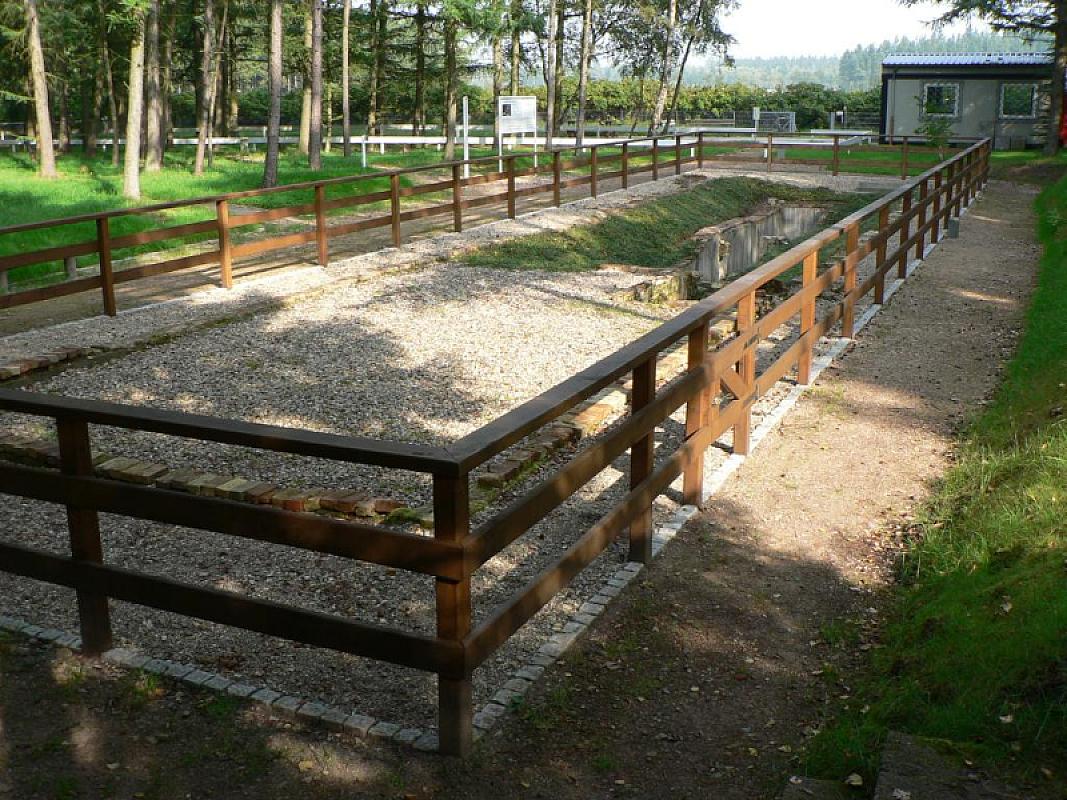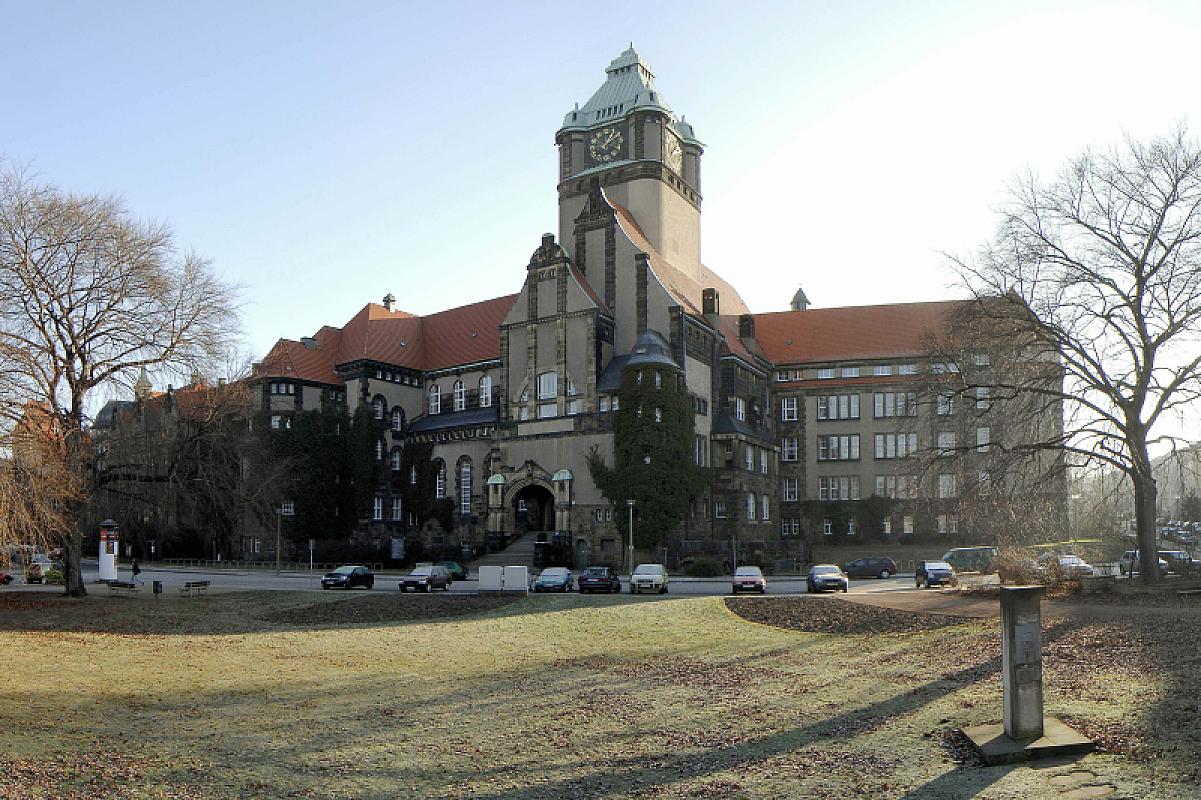
Prisoners of war, political opponents and Jews were held captive at the Fossoli camp - first by Italian fascists, and from 1943 on, by the German SS. The camp was the point of departure for deportations to concentration and extermination camps north of the Alps. A memorial is currently being constructed on the former camp premises. A museum in the nearby town of Carpi has commemorated the deportations since 1973.
History
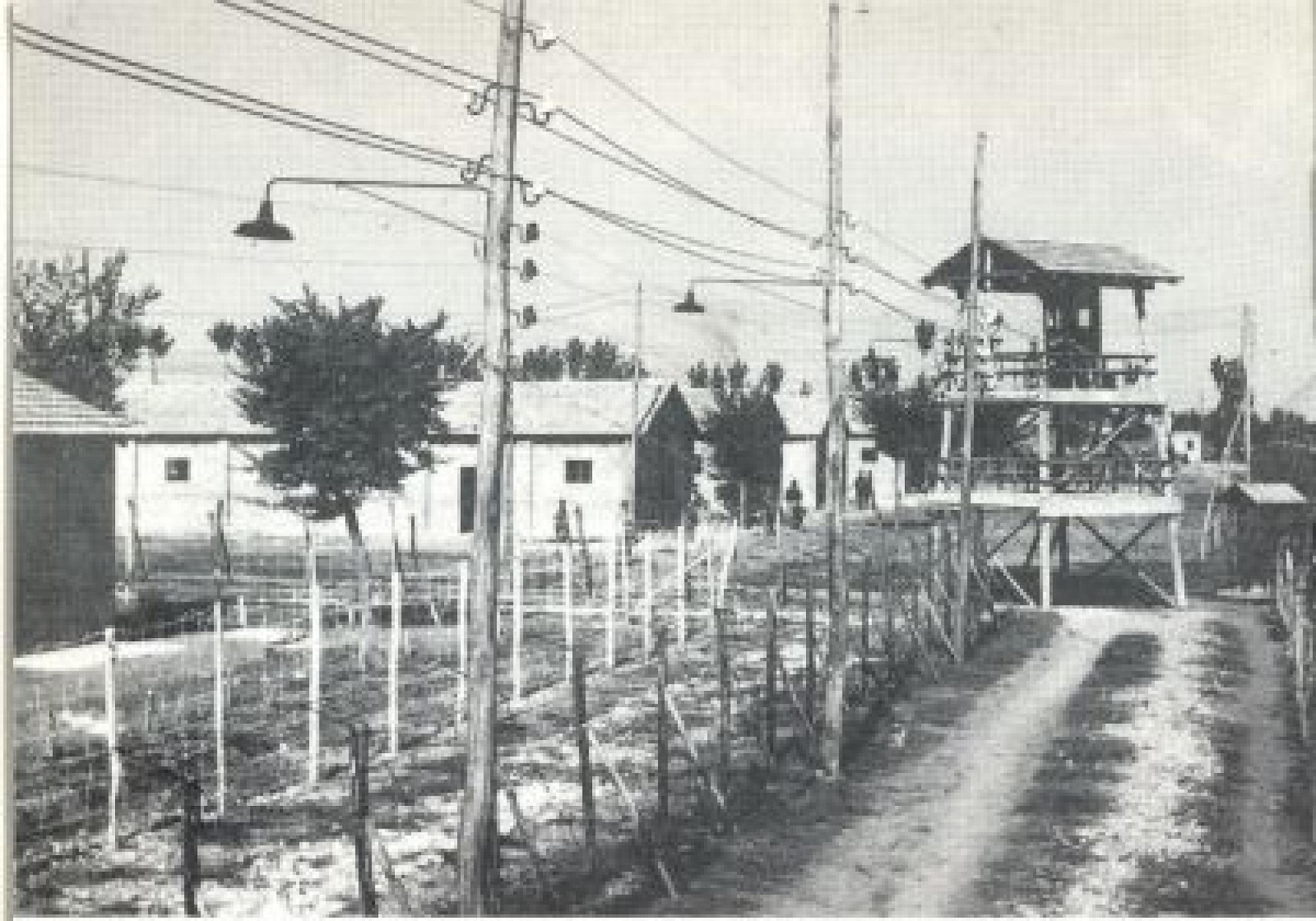
In 1943, after Italy had ended its alliance with Germany and surrendered to the Allies, the »Italian Social Republic« was established in Northern Italy - a fascist puppet state occupied by the Germans. Beginning December 5, 1943, the regime used the Fossili camp as an internment camp for Jews. Located close to Carpi, 20 kilometres north of Modena, the camp was initially meant to hold Allied prisoners of war from the North African front. Jewish prisoners were incarcerated in a part of the camp referred to as the »new camp«, while Italian and foreign civilians were held as the »old camp«. From January 1944 on, political prisoners too were admitted into the »new camp«. On February 19 and 22, 1944, the first Jews were deported from Fossoli to Auschwitz-Birkenau and Bergen-Belsen, at a time when the camp was still under Italian administration. The deportations were organised by Friedrich Bosshammer, who operated from Verona and was responsible for implementing the »final solution« in Italy.
On March 15, 1944, the Germans took control of the camp, which was now officially a »police transit camp«. The main task of the camp now was to compile northbound transports from Fossoli. SS-Untersturmführer Karl Friedrich Titho was the camp commander. On July 12, 1944, 67 political prisoners were shot on the firing range in Cibeno in »retaliation measures«.
On August 2, 1944, the camp was dissolved as it was no longer deemed safe due to partisan activities in the region and the advancement of Allied troops. The guard personnel and prisoners were transferred to the newly established Bolzano police transit camp. Prior to this, Friedrich Bosshammer had all Jews deported who had hitherto been spared due to their status as »of mixed race« or who were part of a »mixed marriage«.
Victims
It is known today that at least eight transports carrying a total of 5,000 people, over half of them Jews, departed from Fossoli before the camp was dissolved and its remaining prisoners transferred to Bolzano in August 1944. Five transports were headed for the Auschwitz-Birkenau death camp, the others went to Mauthausen, Buchenwald, Bergen-Belsen and Ravensbrück. The deportations were conducted by Italian Carabinieri and security police units from South Tyrol. The Jewish prisoners were mostly deported to Auschwitz-Birkenau, only one transport of Jews from neutral countries set out for Bergen-Belsen.
Writer Primo Levi (1919-1987) was among those deported on the first transport from Fossoli to Auschwitz-Birkenau. He describes the camp and his deportation in »If This Is a Man«.
Remembrance
The »old camp« fell into ruin soon after the war and became farmland, whereas the »new camp« was used as an internment camp for former henchmen of the »Italian Social Republic« in the first few months after the war. The premises were then used as a »displaced persons camp« for Jewish refugees, until the establishment of »Nomadelfia«, a living community for war orphans, on the site. After »Nomadelfia« had moved, the premises were used to accommodate Italian refugees from Istria and Venezia Giulia, which had been annexed by Yugoslavia in 1954, in the years 1954 to 1970.
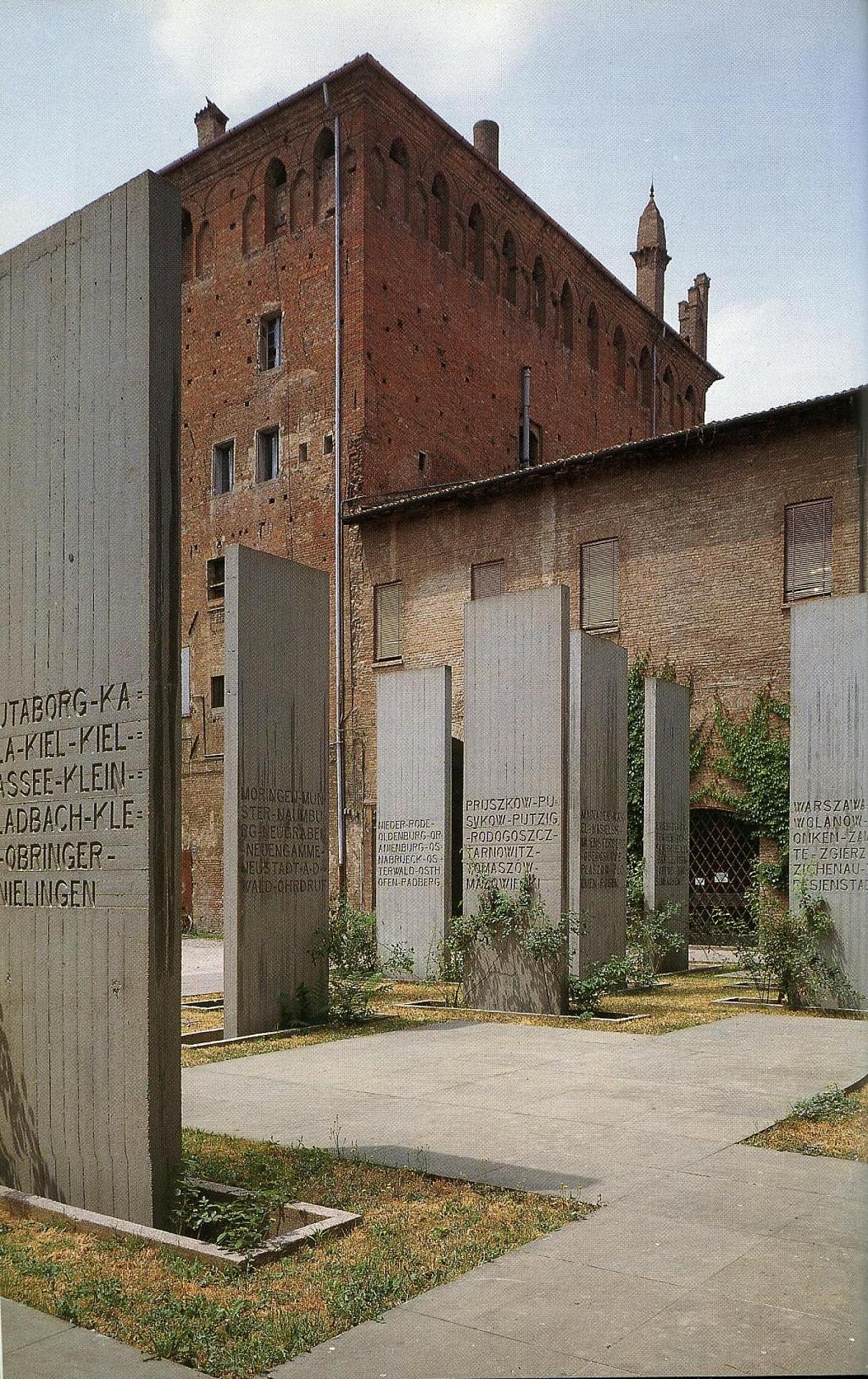
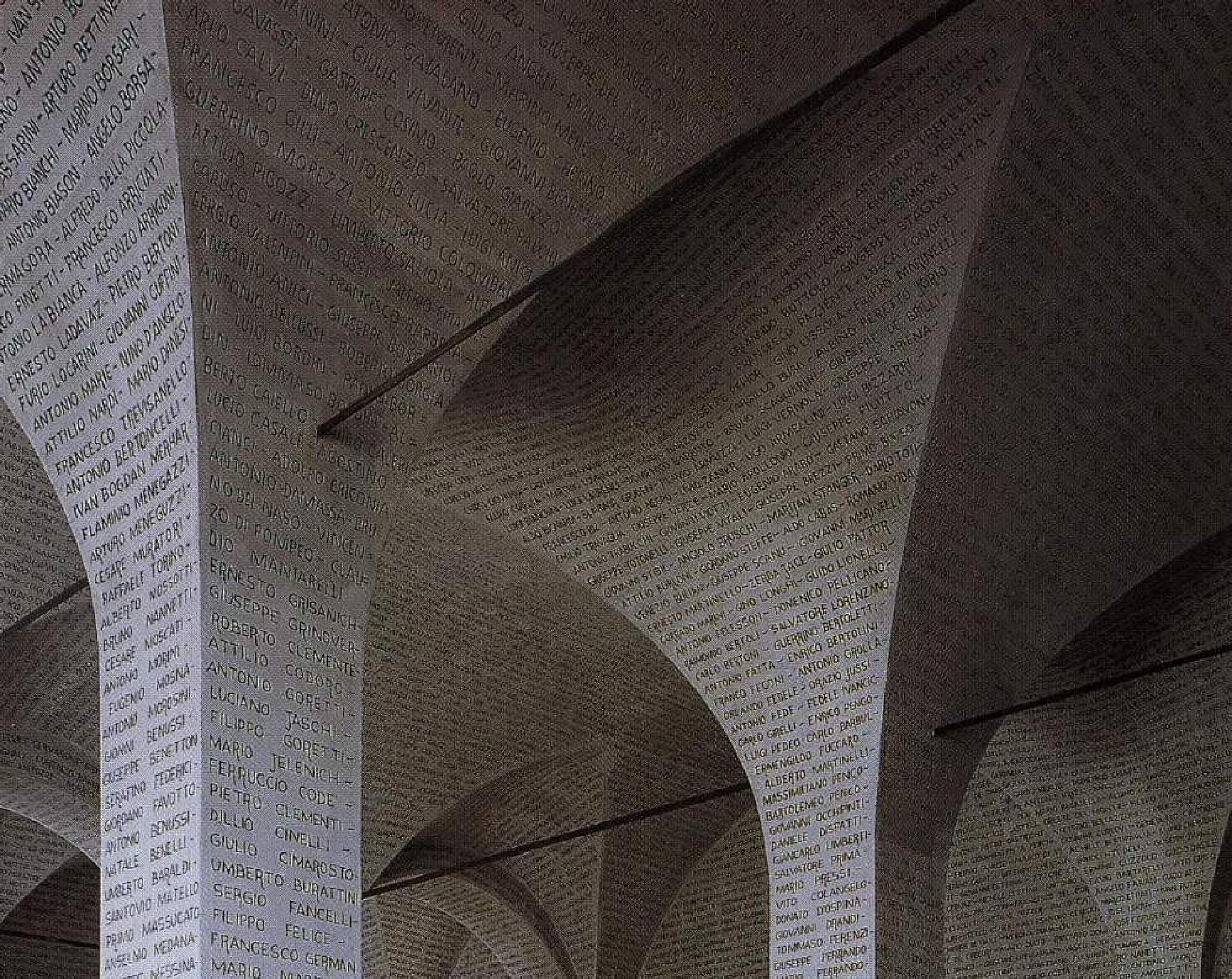
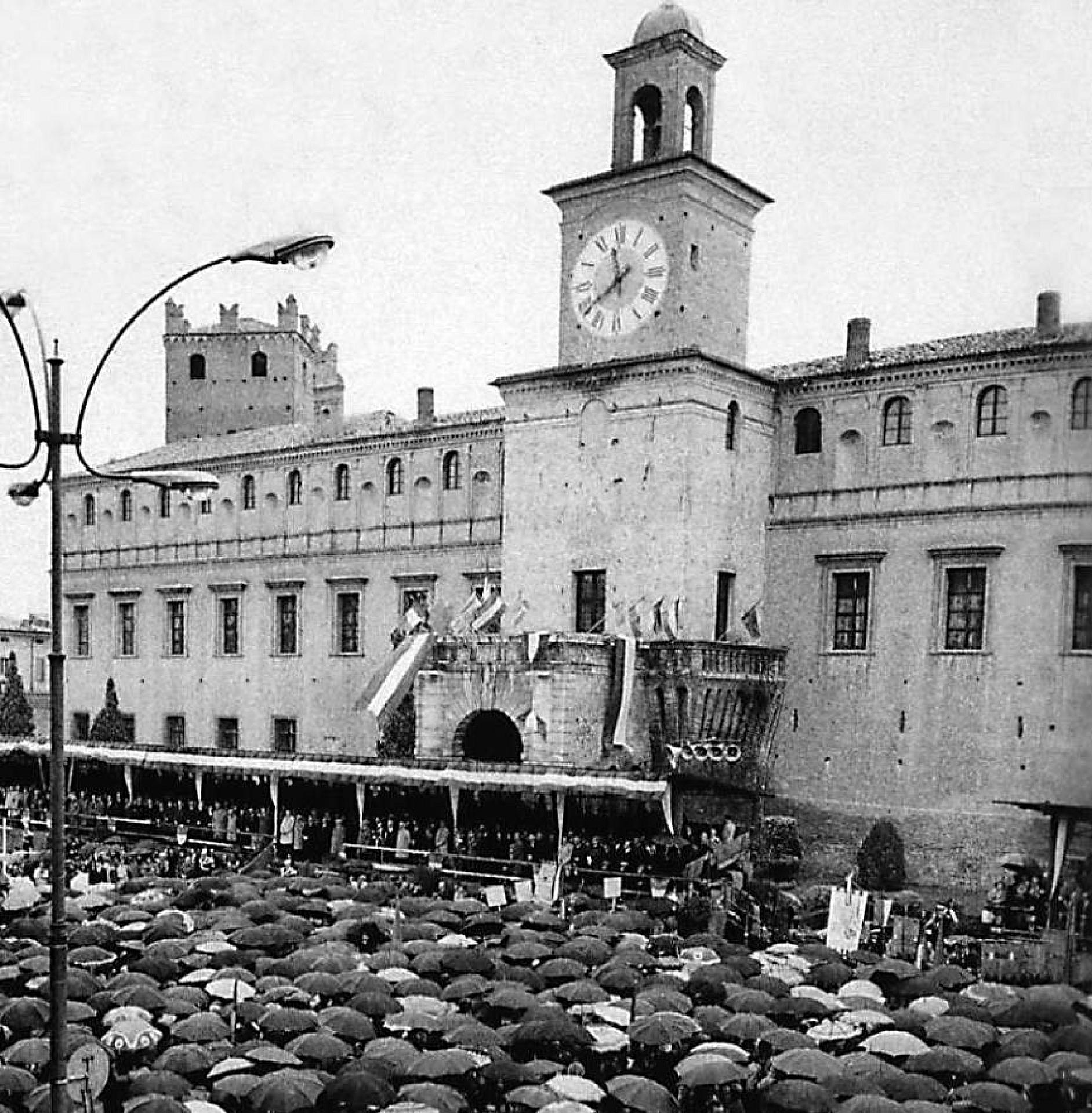
Already in 1955, former prisoners, members of Jewish communities and politicians formed a committee whose aim it was to set up a memorial in the town of Carpi. In 1964, a design for the memorial by architects Belgiojoso, Peressuti and Rogers as well as painter Renato Guttuso was selected. Together with Gianluigi Banfi, the three architects became famous in the 1930s as the BBPR Group. Banfi and Belgiojoso had been deported to Mauthausen in 1944, where Banfi perished. The »Museum and Memorial to the Deportees« was inaugurated on October 14, 1973 with a commemorative service which 40,000 people took part in. The museum primarily displays contemporary art, which is meant to create an atmosphere of emotional encounter. The names of a total of 15,000 Italian deportees, among them many Jews, are listed in the »Room of Names«.
Since 1996, the museum has been run by the »Foundation Former Camp Fossoli«. The mission of the foundation and the affiliated »Study and Documentation Centre« is to preserve the remaining camp premises - of which only the wall of the barracks remain - and to remodel it to a memorial site. This was begun in 2002 according to a design by Tuscan architect Roberto Maestro and is gradually being realised.
Possibilities
Free guided tours (Sundays), tours by appointment (fee required), publication »Quaderni di Fossoli« (Fossoli Magazine)
Open
Camp premises: appointment recommended
Museum in Carpi: Friday, Saturday and holidays 10 a.m. to 1 p.m. and 3 p.m. to 7 p.m.
June 21 to September 20: Friday, Saturday and holidays 10 a.m. to 1 p.m. and 6 p.m. to 8 p.m.
Contact
http://www.fondazionefossoli.org/
fondazione.fossoli@carpidiem.it
+39 (0)59 688 272
Via Giulio Rovighi, 57
41012 Carpi