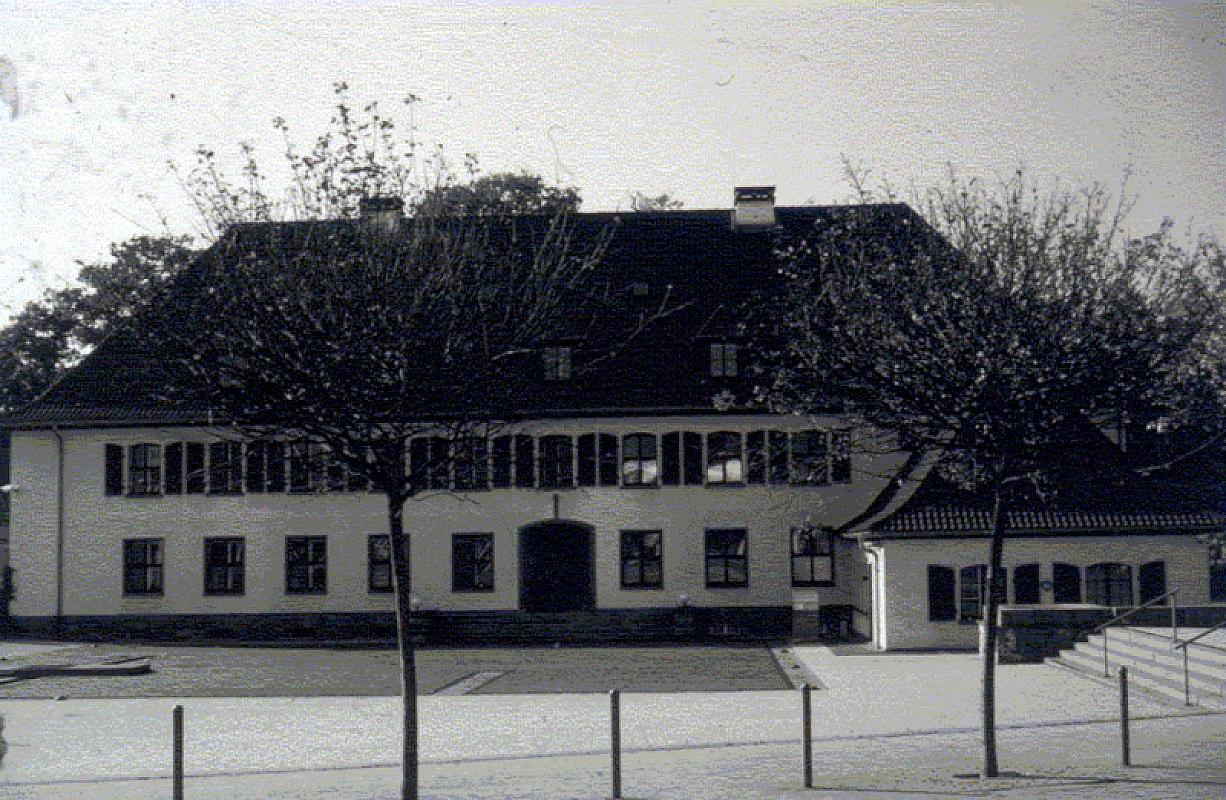
In the spring of 1940, millions of people in France were fleeing from the advancing German occupiers. They fled to the south of the country in the hope of obtaining a visa for a safe country. But no country was willing to take in the many refugees. In this desperate situation, the Portuguese Consul General in Bordeaux, Aristides de Sousa Mendes (1885–1954), defied his government's instructions and handed out Portuguese visas to the refugees. It is estimated that more than 100,000 people were able to flee from France to Portugal via Spain during the Second World War. Most of them crossed the Portuguese border at Vilar Formoso. Since 2017, a museum called »Fronteira da Paz« (English: Frontier of Peace) has commemorated this.
History
Portugal had been under the rule of António de Oliveira Salazar (1889–1970) since at least 1932. He established a dictatorship under the name »Estado Novo« (English: New State). This included the creation of a state security police force modelled on the German Secret State Police (Gestapo), which Salazar used to suppress the population and persecute opponents. In terms of foreign policy, Portugal was allied with Francoist Spain and remained officially neutral during the Second World War. While Salazar still sought proximity to the Axis powers at the beginning of the war, he increasingly turned to the Allies as a result of domestic political opposition. The colony of Portuguese Timor was the only Portuguese territory on which direct combat operations took place during the war.
Compared to most other European countries, anti-Semitism in Portugal was weak at this time. Jews were not subjected to direct state persecution. Nevertheless, Salazar was not prepared to grant refuge to the many Jews fleeing from the National Socialists. Only refugees with a visa for another country were allowed to use Portugal as a stopover on their flight. However, when the Wehrmacht's Western Campaign began in May 1940, some Portuguese consuls defied these instructions and granted many visas to help the refugees. The most famous of them was Aristides de Sousa Mendes (1885–1954), Portuguese Consul General in Bordeaux, who issued several tens of thousands of visas in June 1940.
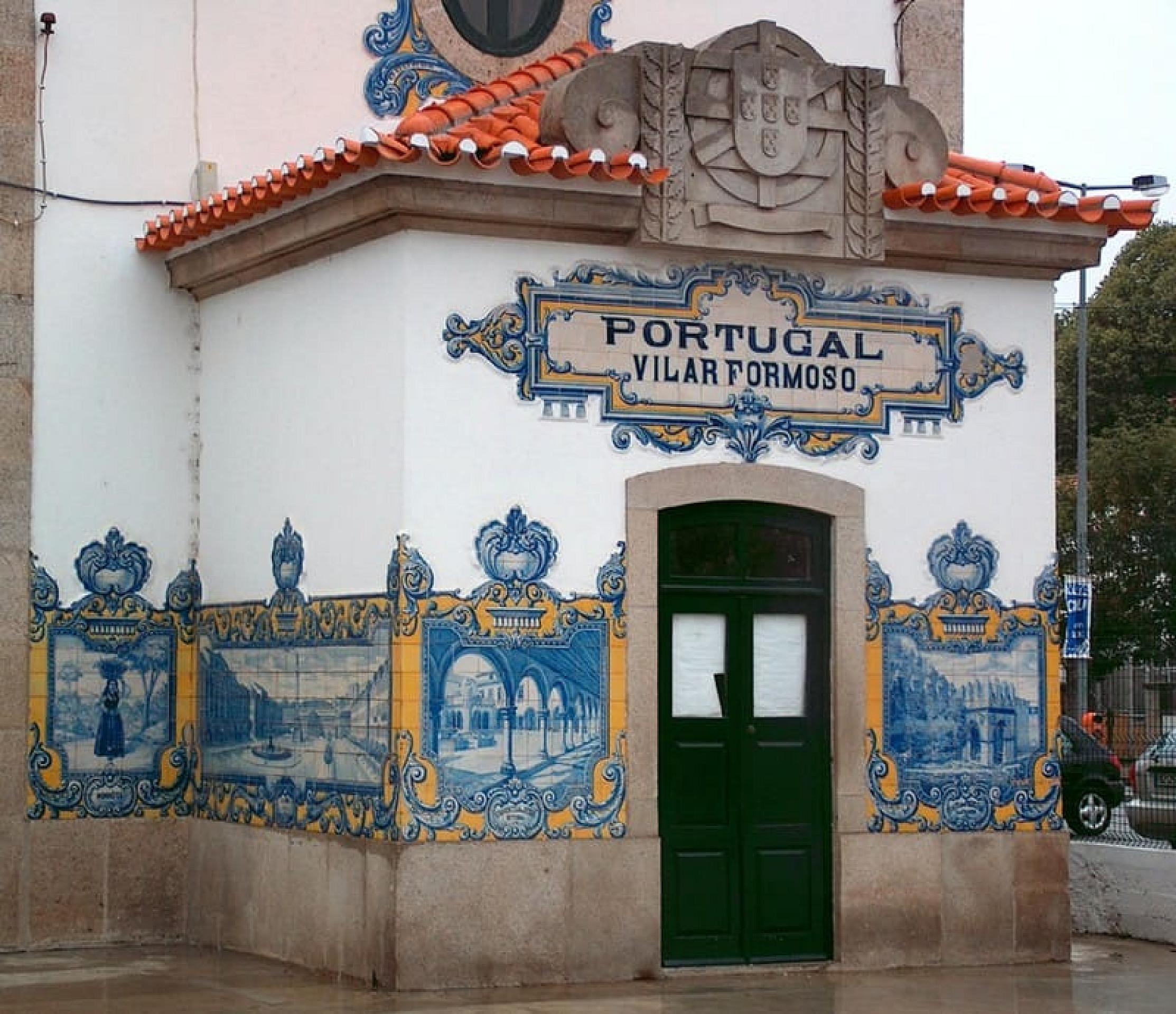
The escape route took most of the refugees from the south of France via Spain to Portugal. They crossed the Spanish-Portuguese border at the railway station in the small town of Vilar Formoso. Among them were some well-known personalities such as Heinrich Mann (1871–1950), Antoine de Saint-Exupéry (1900–1944) and Peggy Guggenheim (1898–1979).
Victims
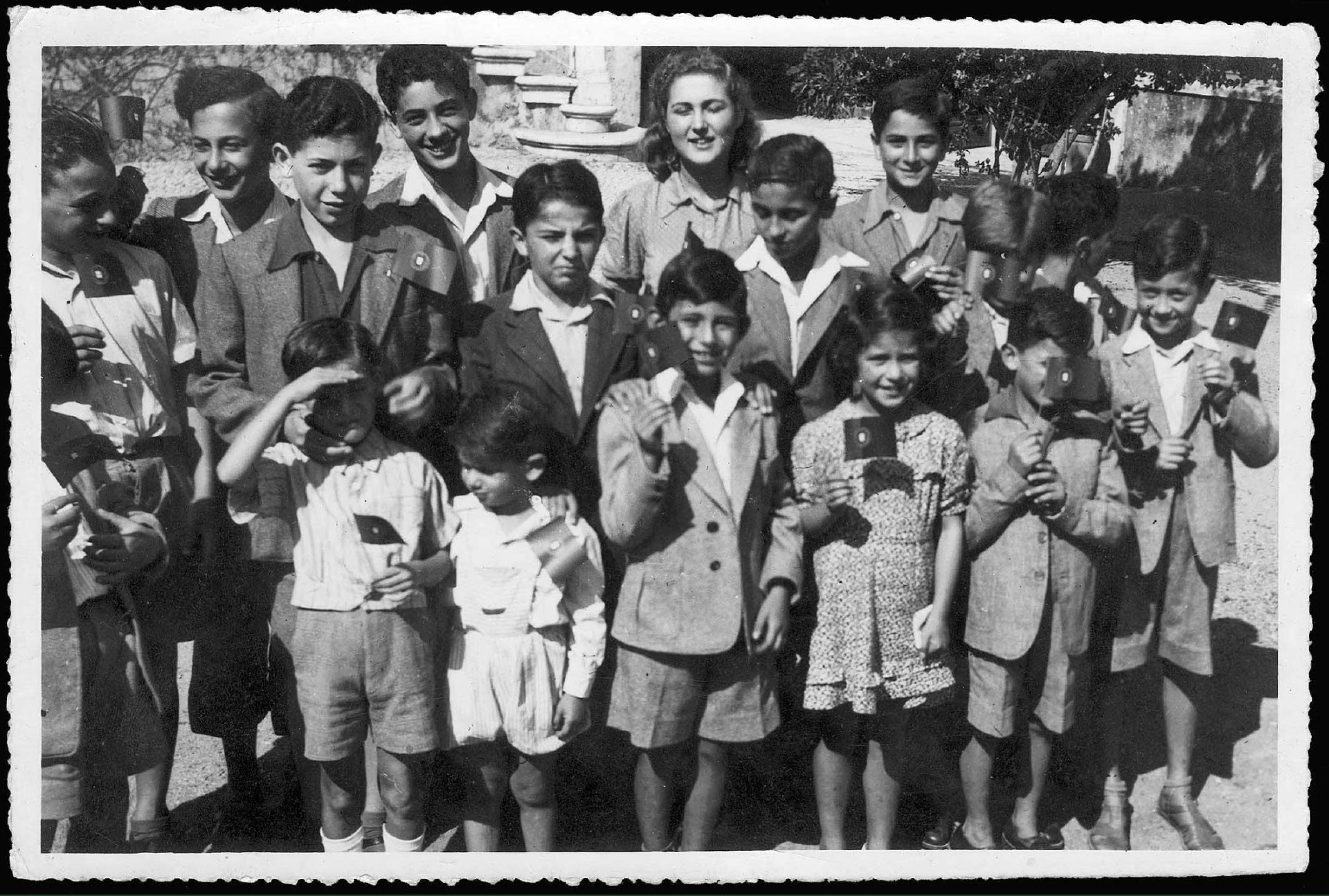
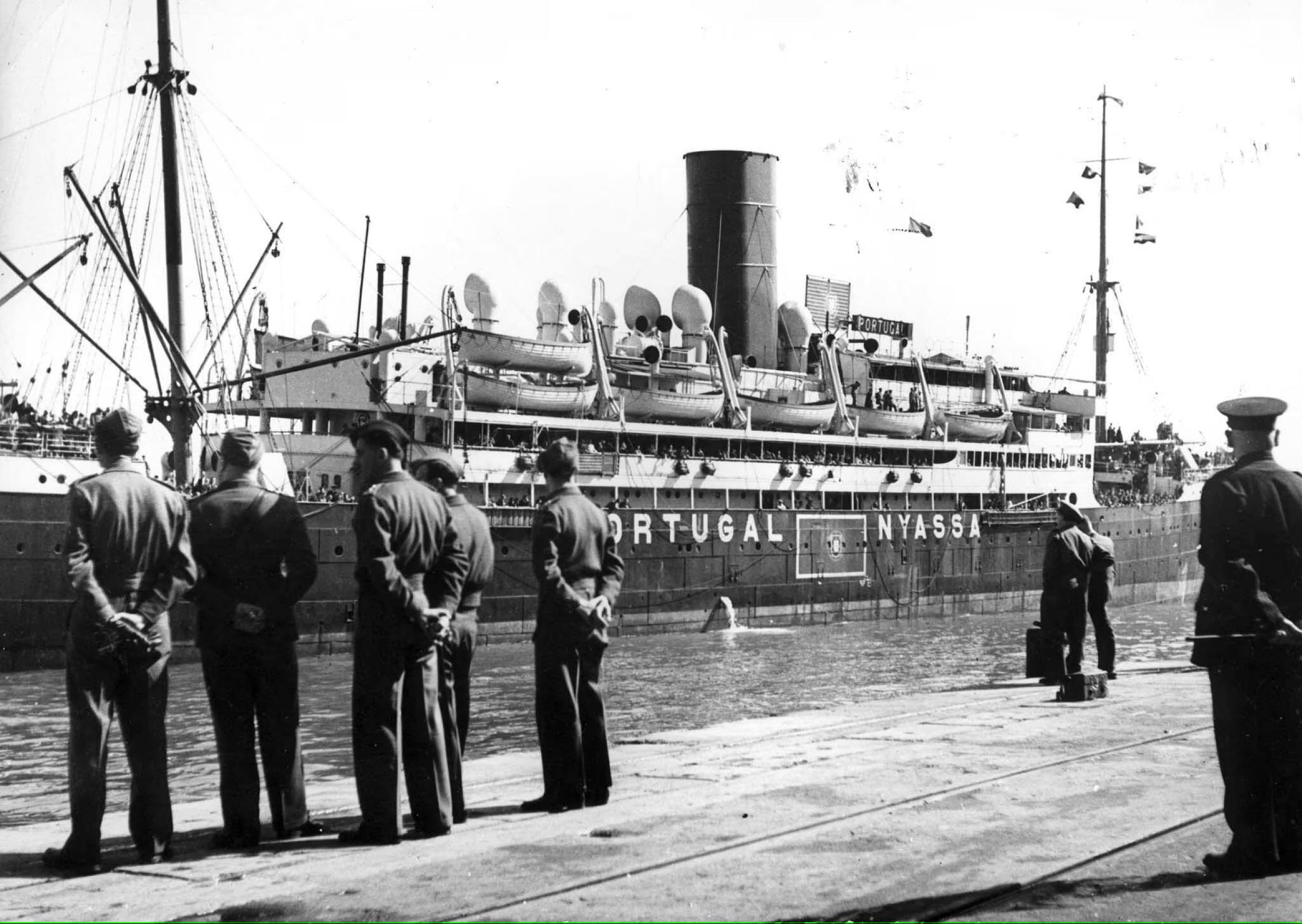
Estimates of the number of refugees who were able to flee to Portugal during the Second World War vary widely. However, it is estimated that there were at least 100,000 refugees in total, a large proportion of whom were Jews.
It is estimated that Aristides de Sousa Mendes saved the lives of around 30,000 people through his efforts, including around 10,000 Jews.
Remembrance
Due to the continued existence of the dictatorship until the Carnation Revolution in 1974, there was no critical examination of Portugal's own role during the Second World War. For instance, Aristides de Sousa Mendes did not receive any recognition from the Portuguese state for his rescue operation. Instead, he was removed from the diplomatic service and eventually died in poverty in 1954. It was not until the democratisation of the country after 1974 that a process of reappraisal began. In 1988, the Portuguese parliament posthumously rehabilitated Aristides de Sousa Mendes.
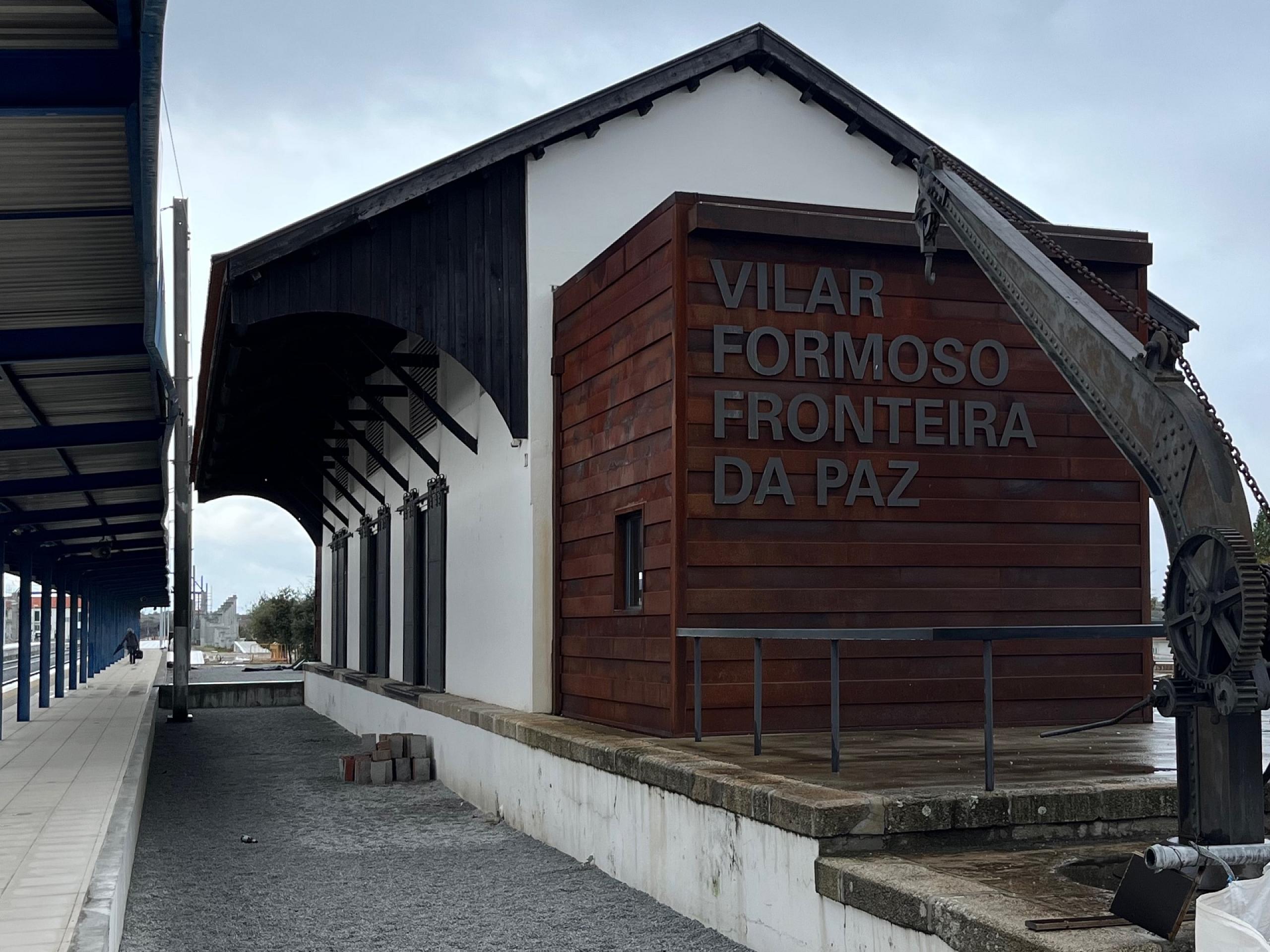
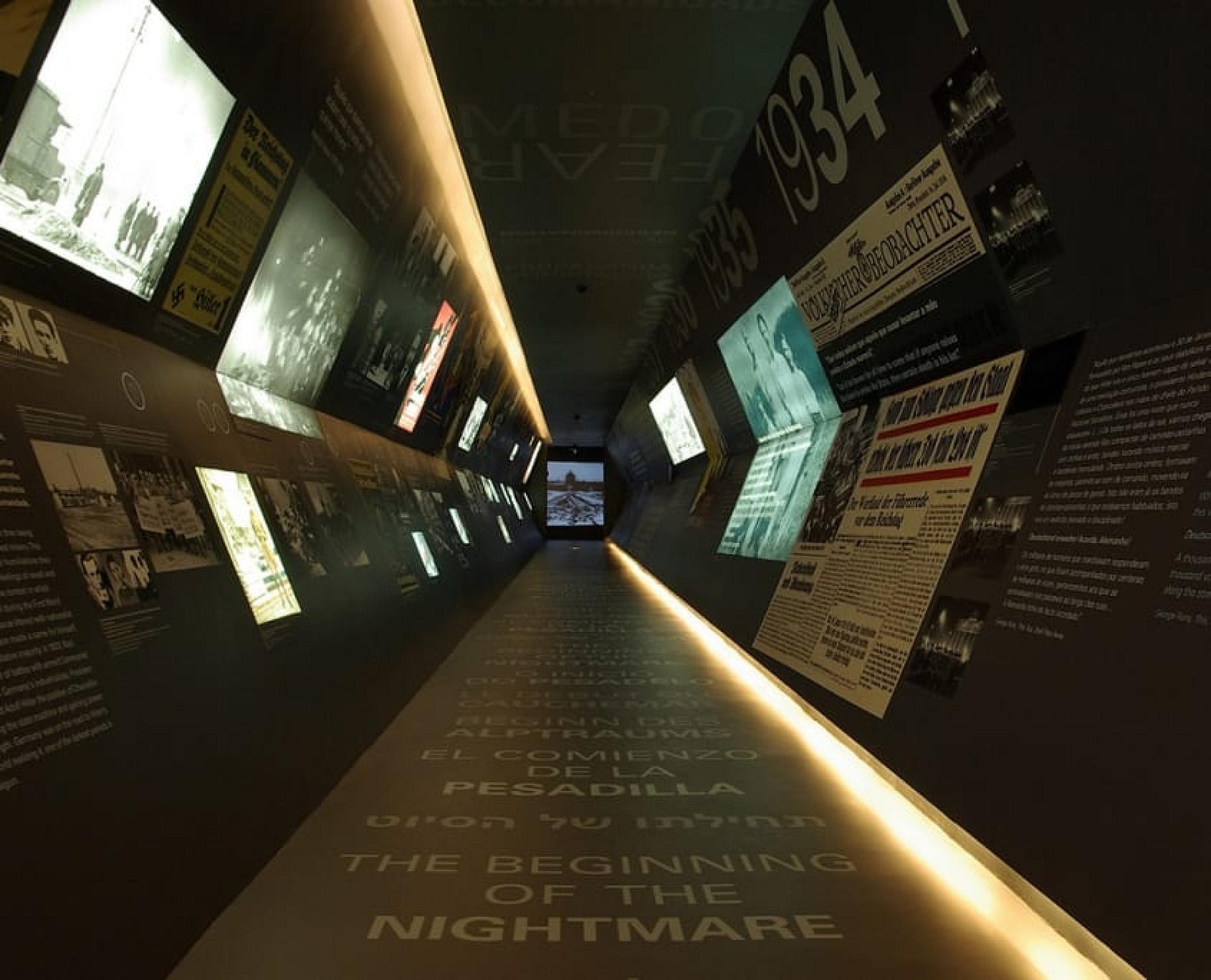
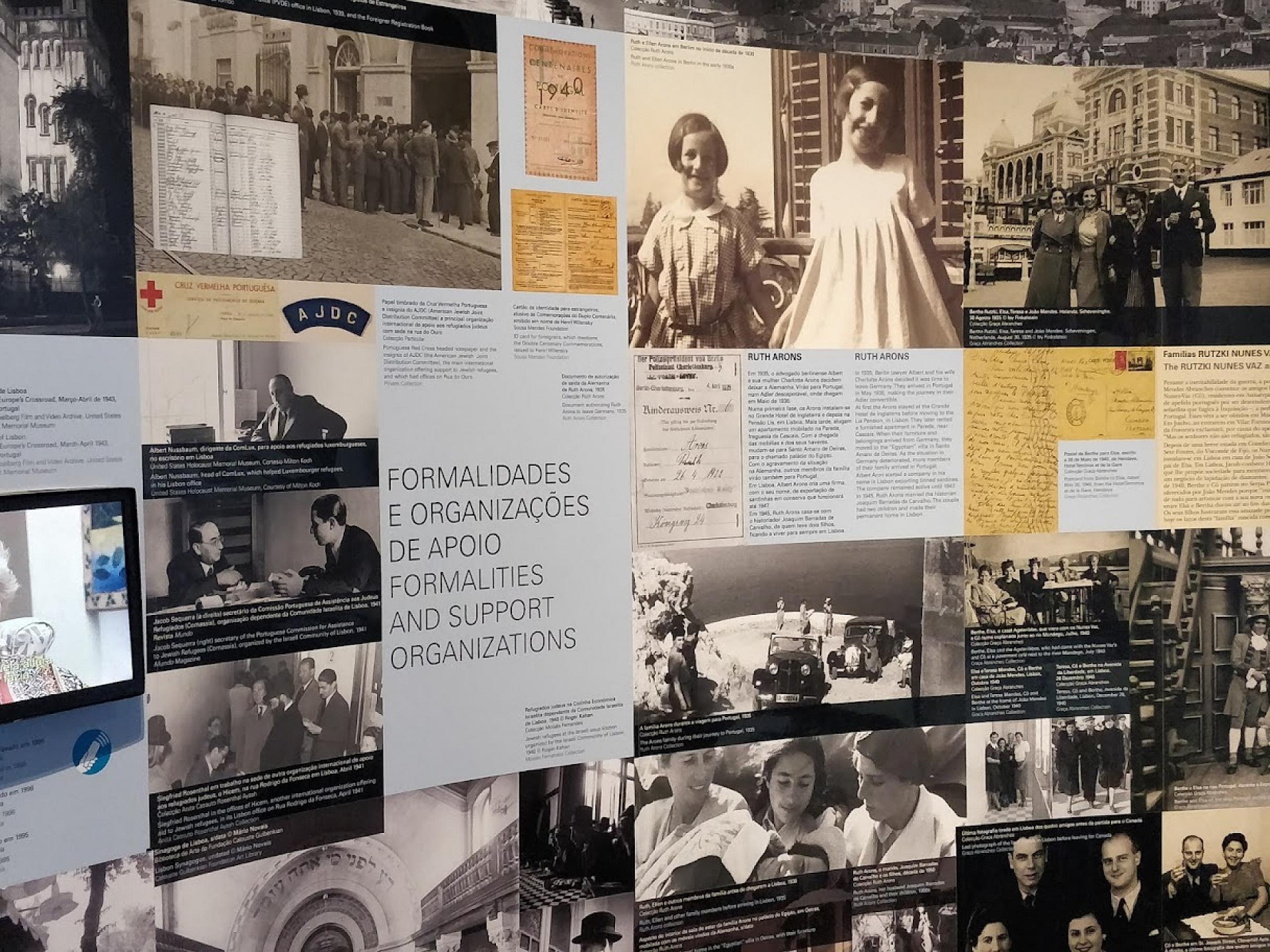
Today, a museum at the border station in Vilar Formoso commemorates the achievements of Sousa Mendes and the role of the Portuguese people in taking in the refugees. It is housed in two former warehouses at the station and was officially opened on 26 August 2017 by the Portuguese President Marcelo Rebelo de Sousa (*1948). The exhibition consists of six sections: »People Like Us, The Beginning of the Nightmare, The Journey, Vilar Formoso / Frontier of Peace, In Portuguese Lands and The Departure«.
Possibilities
Exhibition, guided tours, offers for school classes
Open
Tuesday to Friday 9. a.m. to 12.30 p.m. and 2 p.m. to 5.30 p.m.
Saturday, Sunday and public holidays 10 a.m. to 12.30 p.m. and 2 p.m. to 5.30 p.m.
Monday closed
Contact
https://vilarformosofronteiradapaz.cm-almeida.pt/
+351 271 149 459
Largo da Estação
6355 Vilar Formoso