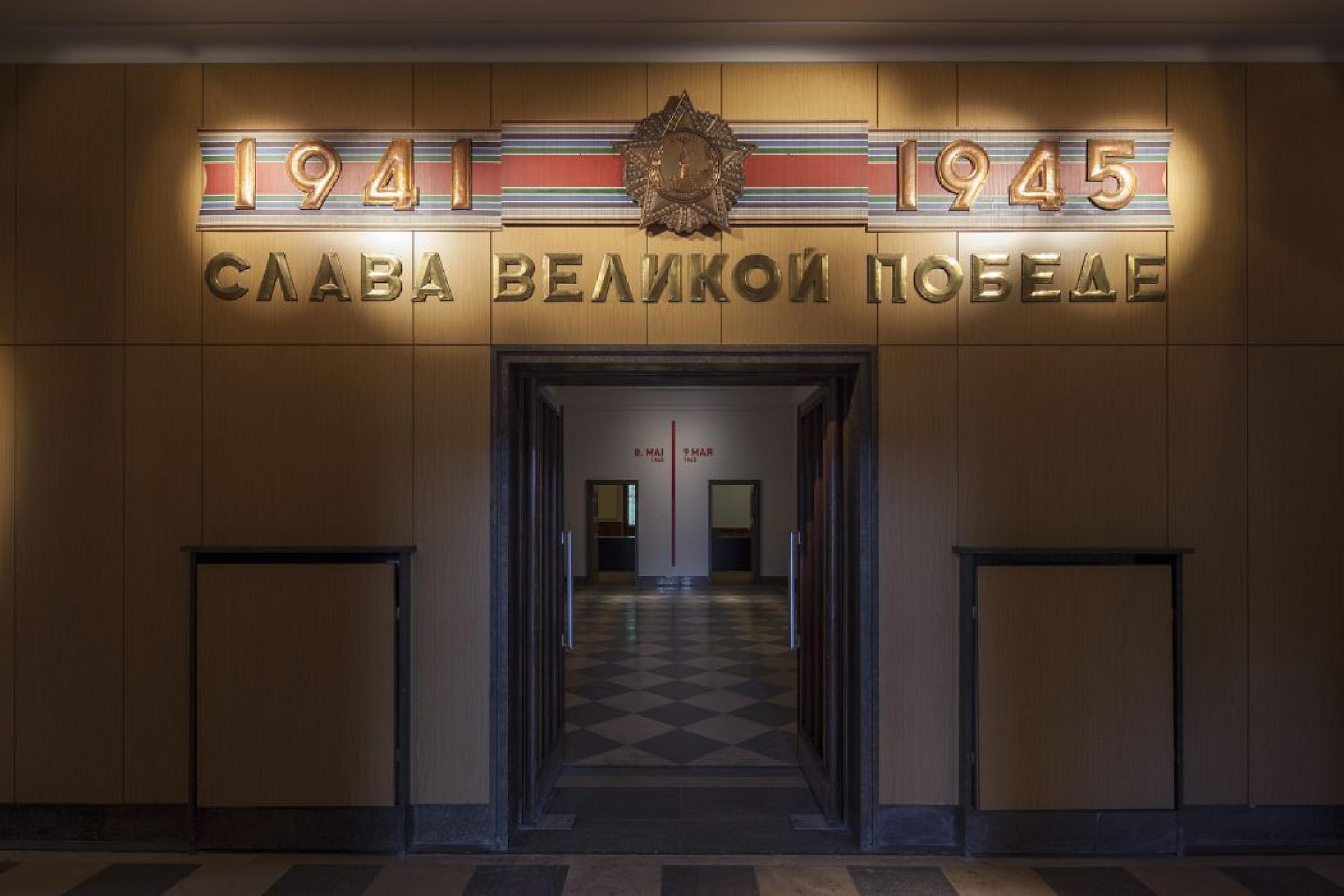
World War II in Europe was brought to an end on the night of May 8/9, 1945, when leading officers of the German Wehrmacht signed the capitulation of the German Reich in a former officers' mess in Berlin-Karlshorst. Today, located in that very building is the German-Russian Museum which commemorates World War II, the events of the last days of war and the many victims, whose lives were claimed at that time.
History
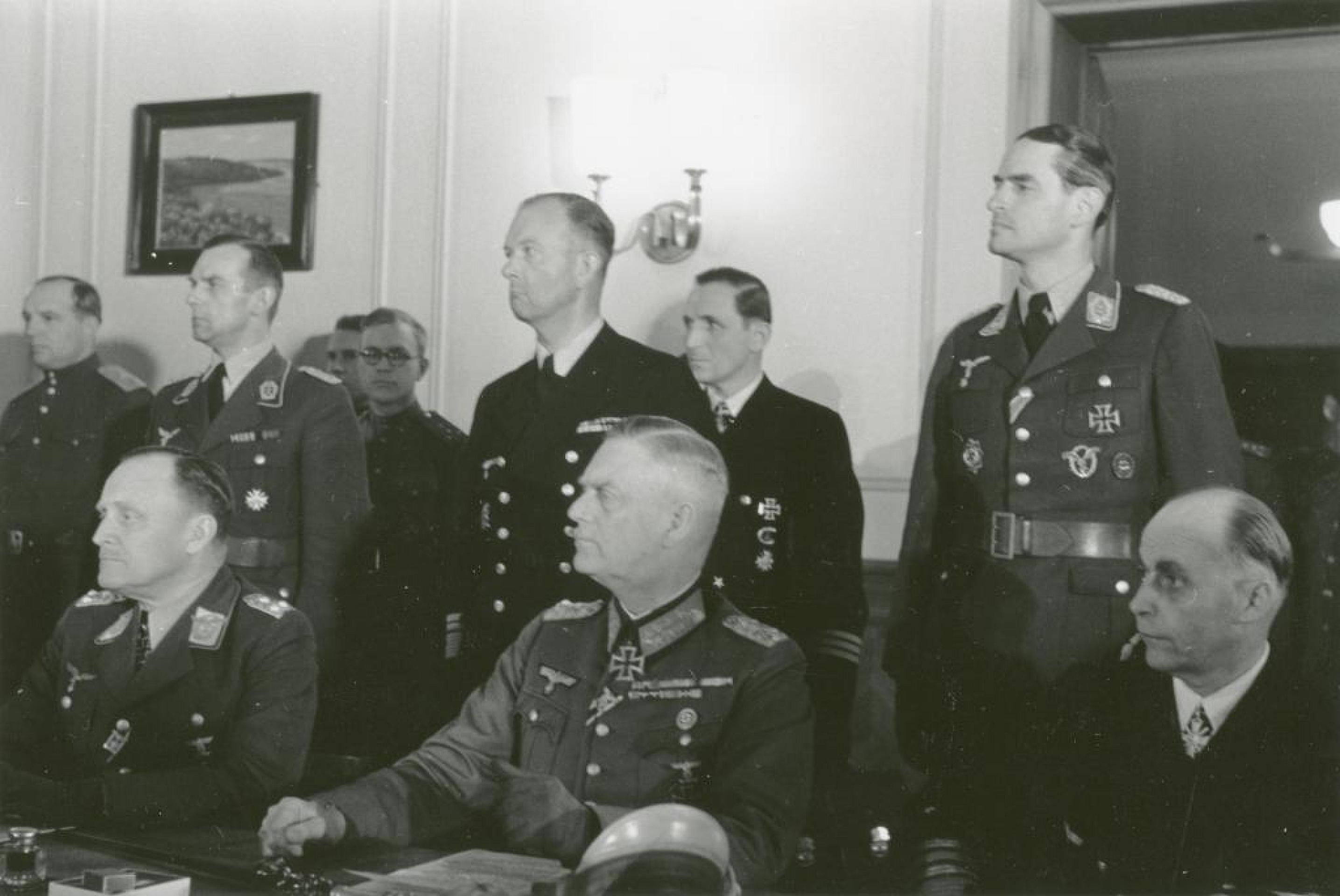
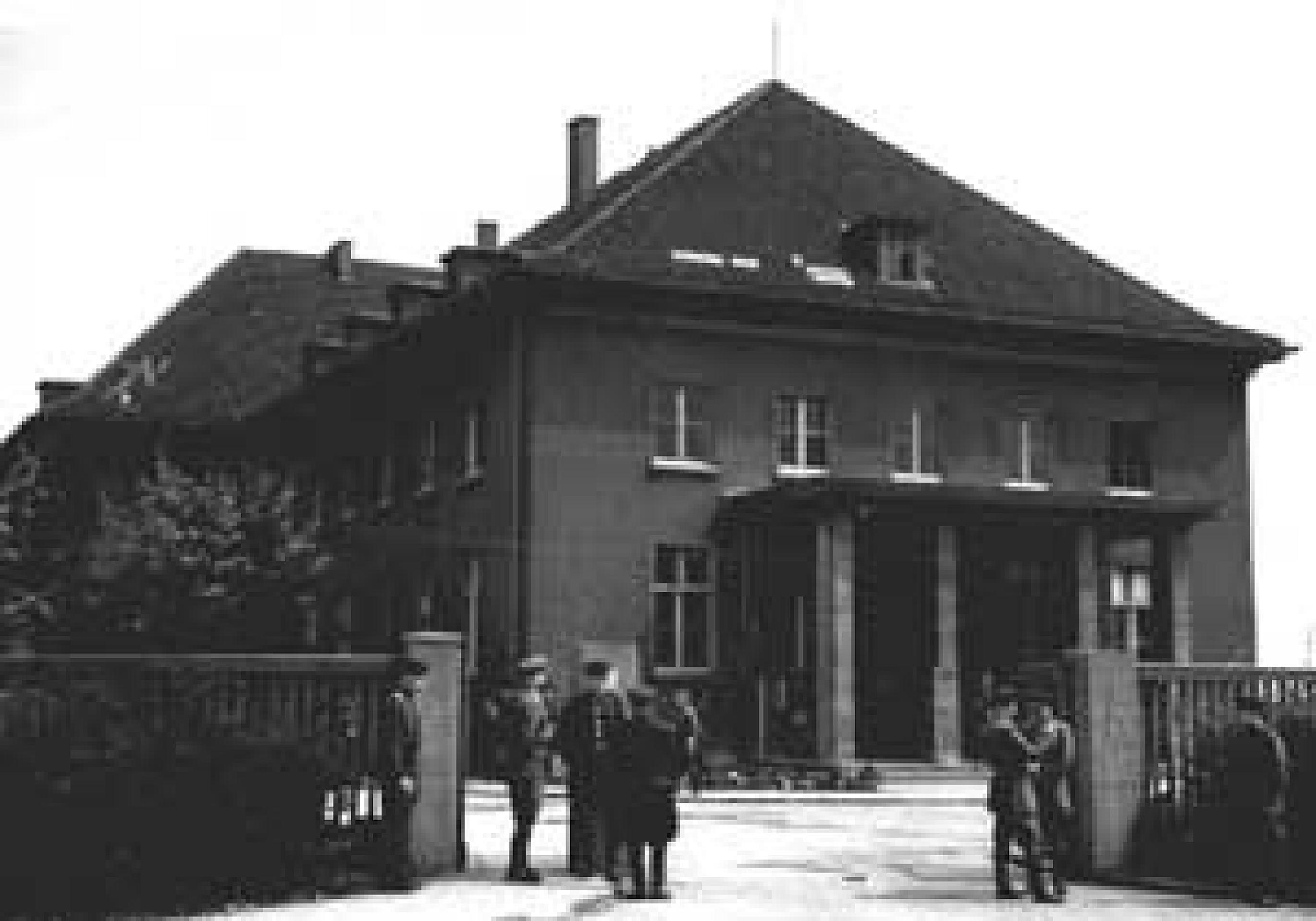
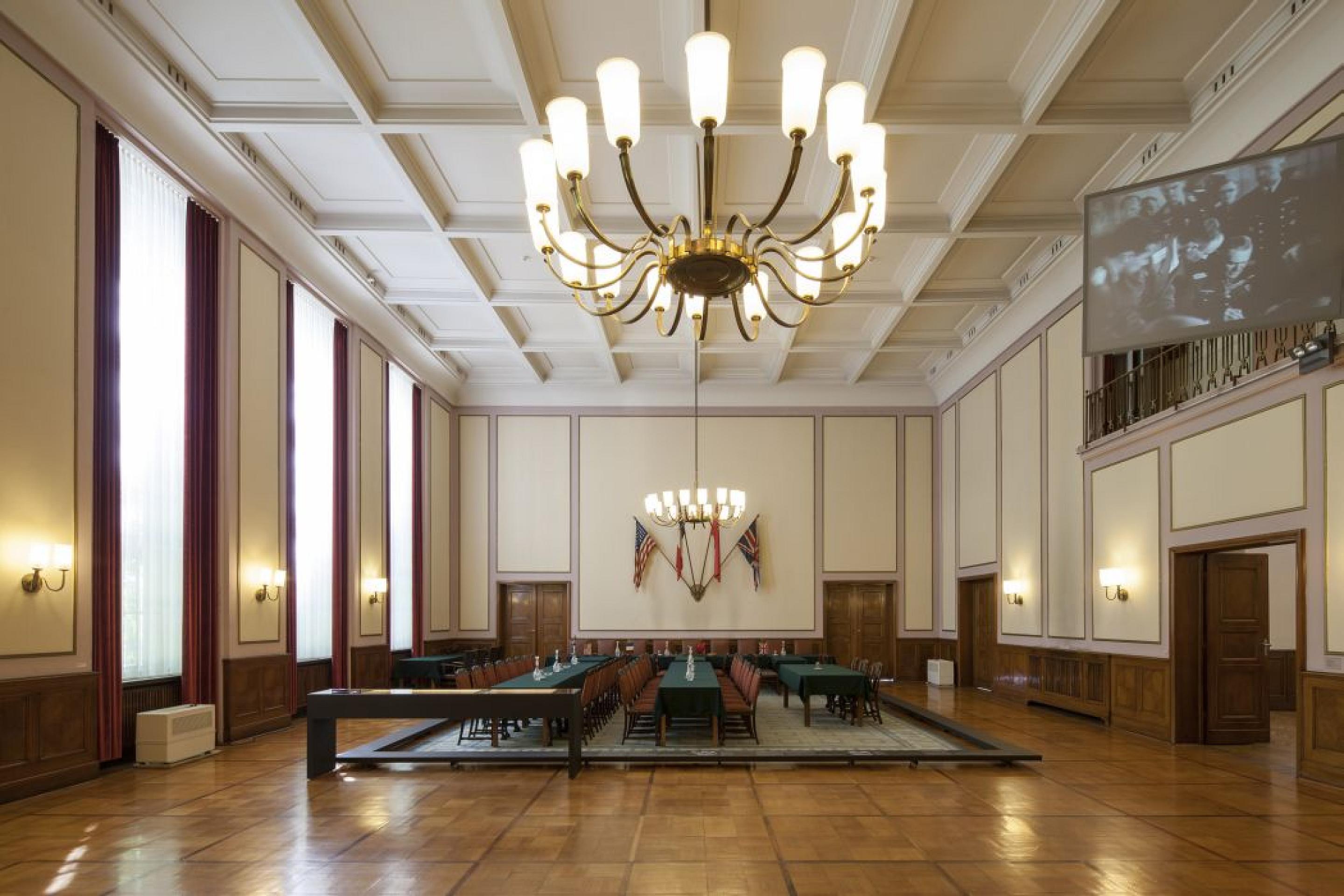
Between 1936 and 1938, the German Wehrmacht had an officers' mess constructed for its engineer school in the Berlin district of Karlshorst. Since the building was not damaged in the war, the Red Army installed its headquarters here in April 1945, led by general Nikolai Berzarin. The Soviet Army organised the taking of Berlin's city centre - at that time still occupied by the Wehrmacht, the Volkssturm and the Hitlerjugend - from its base in Karlshorst. After all resistance had been suppressed and Berlin was militarily conquered by Soviet and Polish soldiers, Germany's unconditional surrender was signed in the night of May 8/9, 1945 by General Field Marshal Keitel, General Admiral von Friedeburg and Colonel General Stumpf in the large dining hall at Karlshorst. Their signatures were accepted by Marshal Zhukov as the Soviet Commander in Chief and the British Marshal and representative of Eisenhower, Sir Arthur Tedder. In addition, the American General Spaatz and the French General de Lattre de Tassigny attended as witnesses. Although a declaration of surrender had already been signed two days earlier by a representative of the German high command in the French town of Reims, only with the formal ratification in Berlin-Karlshorst was the war in Europe definitely ended. From 1945 until 1949, the building housed the headquarters of the Chief of the Soviet Military Administration in Germany. Here, in 1949, the Soviet Military Administration handed over state authority to the newly founded German Democratic Republic.
Victims
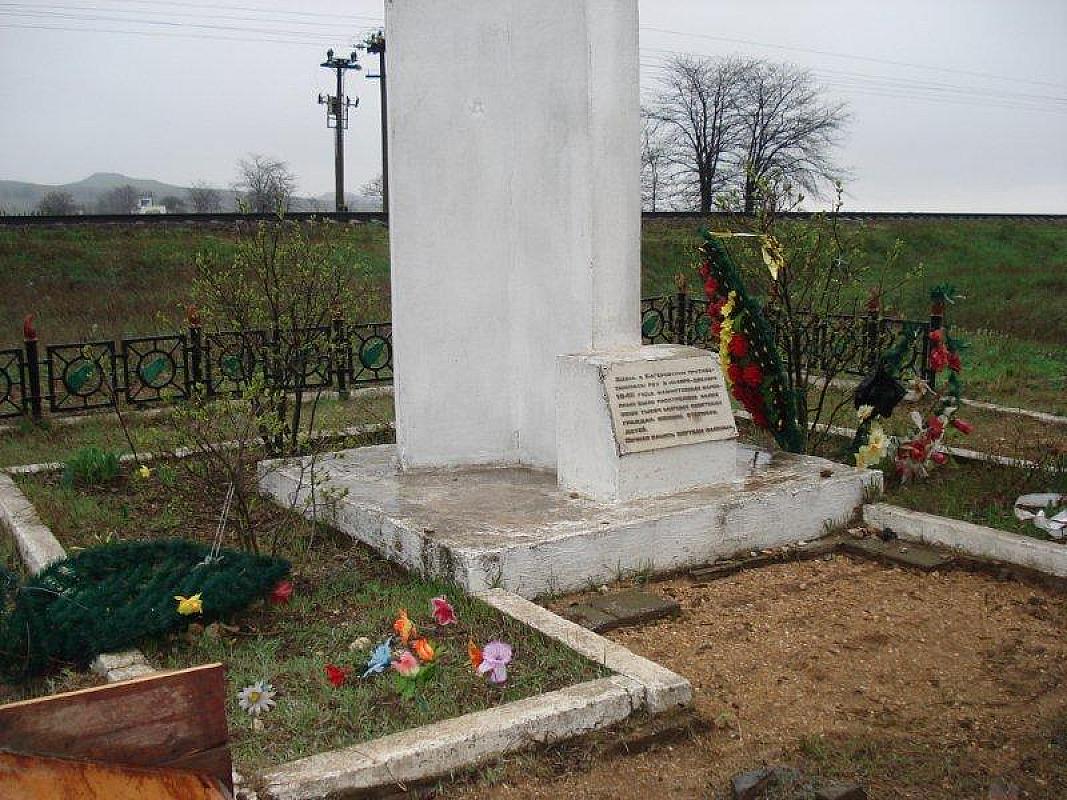
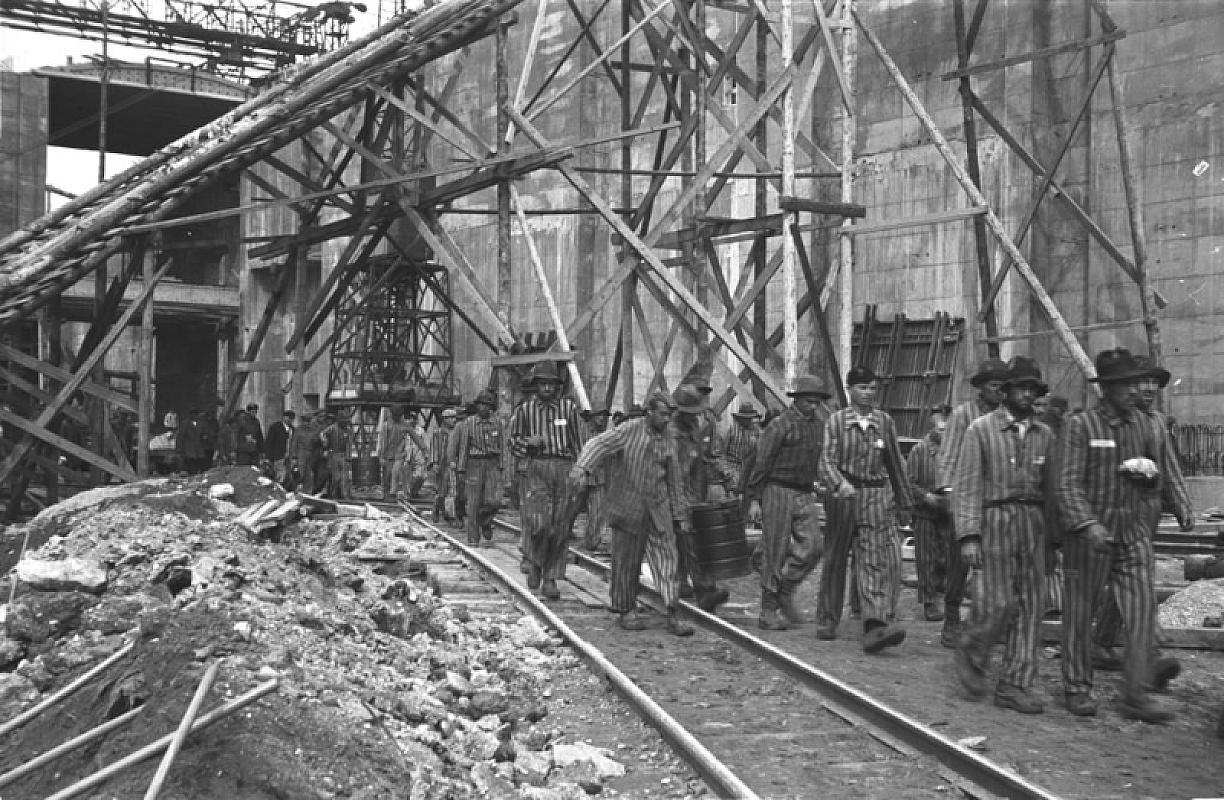
It is estimated that well over fifty million people perished during World War II. Over twenty million soldiers and civilians died on the Soviet side. How many died in the battle for Berlin remains unclear - according to estimates about 100,000 fell on the German side and about 80,000 on the Soviet side. Tens of thousands of civilians in and around Berlin died.
Remembrance
From 1967 until 1994 the »Museum of the Unconditional Surrender of Fascist Germany in the Great Patriotic War 1941-1945« was located in the building. Influenced by Soviet authorities, the museum presented information about the Red Army's battle against the Wehrmacht and about the conquest of Berlin in April/May 1945. Since 1994, the museum has been maintained by an association which is jointly supported by the Federal Republic of Germany and the Russian Federation. The museum was newly conceptualised and reopened under its current name on May 10, 1995. The national world war museums of Belarus and Ukraine joined the board in 1997/98. The museum's mission is to inform about the German-Soviet war 1941-1945 and especially about the final days of war in 1945, but also to present the changeful history of German-Soviet relations between 1917 and 1990. Aside from the historic rooms and the permanent exhibition, the museum regularly displays temporary exhibitions.
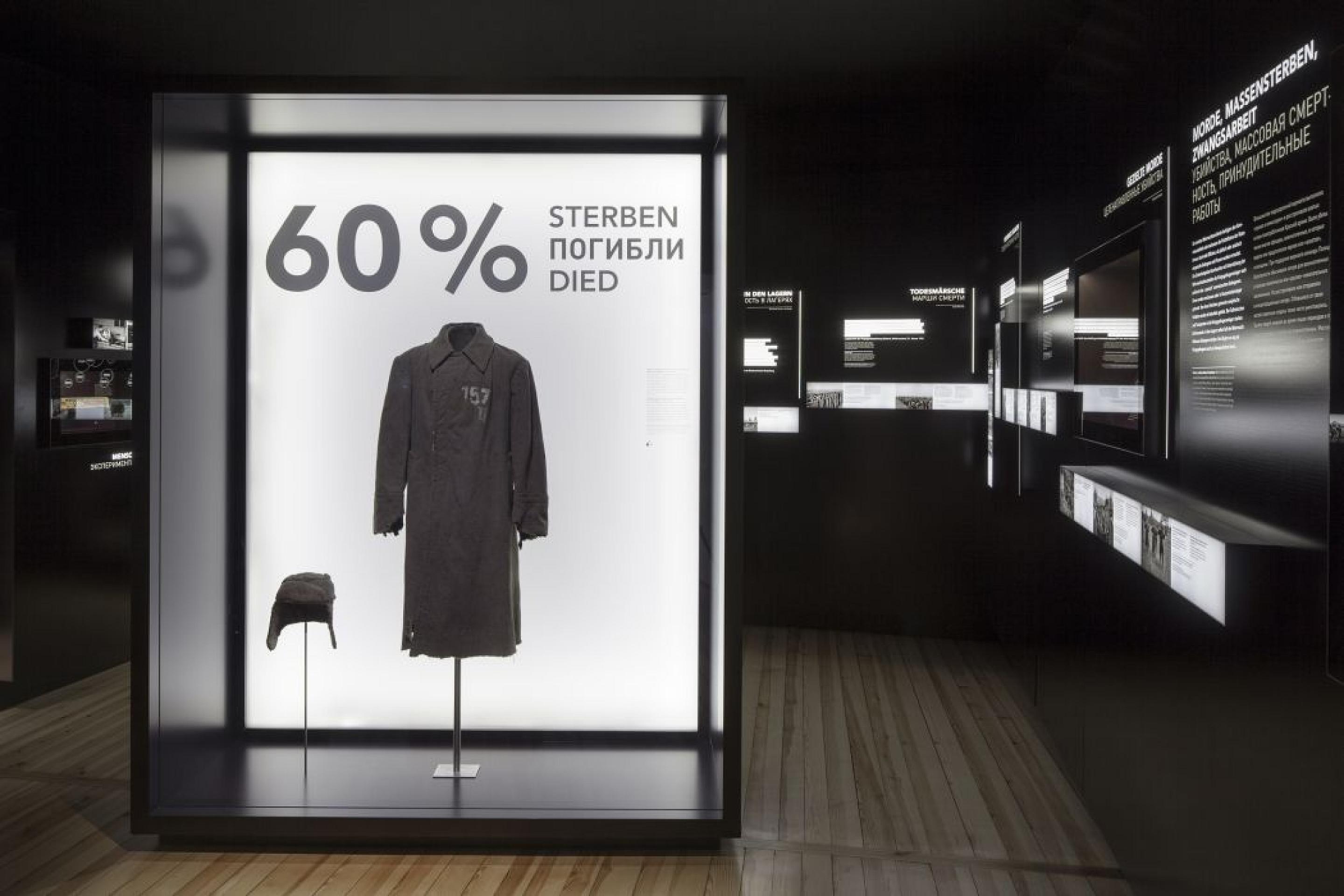
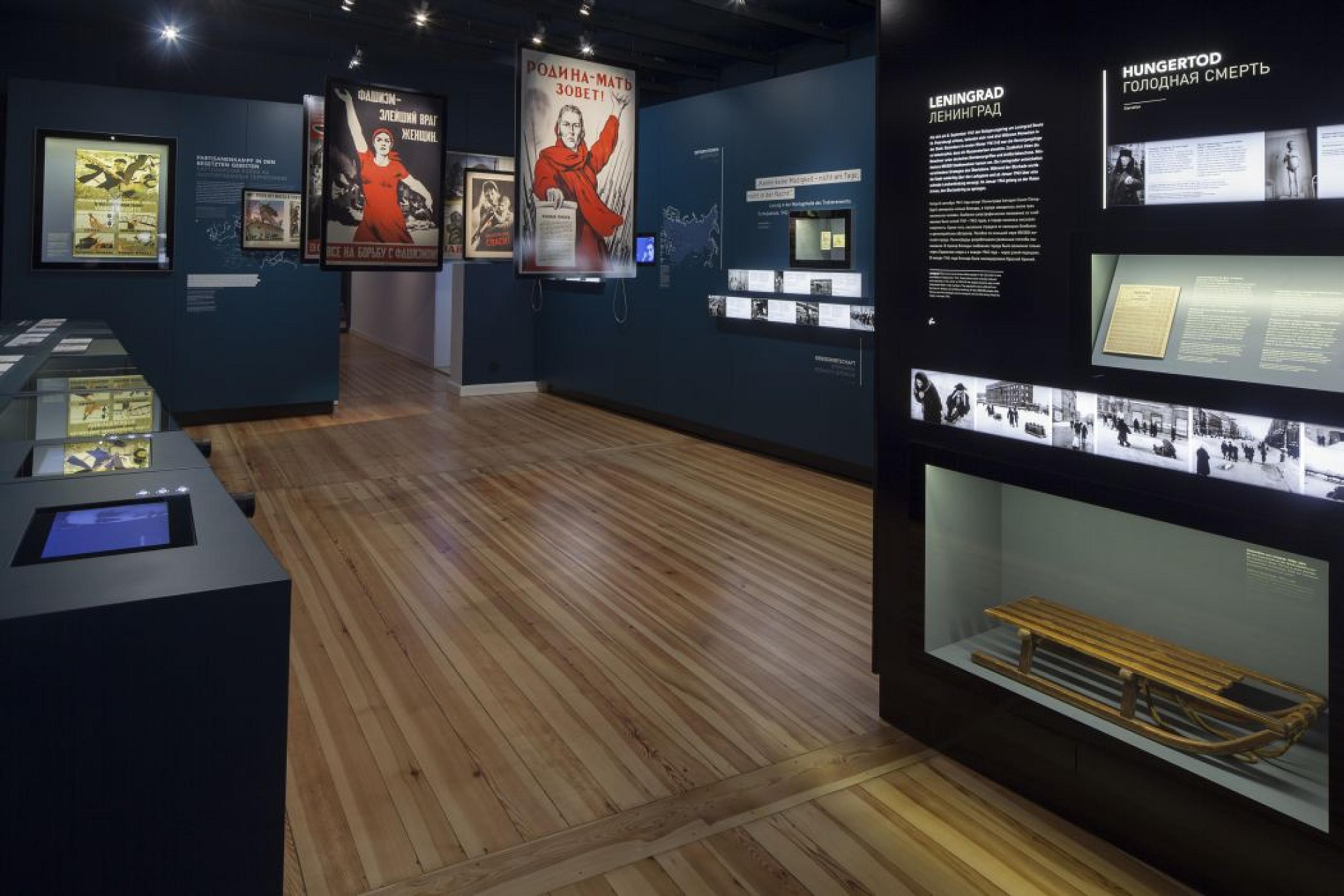
In 2013, a new permanent exhibition was opened in the museum. Aside the presentation of the military history of the war, it informs about the fate of Soviet prisoners of war, the suffering of the civilian population and the mass murder of Jews in the occupied Soviet Union.
Before 2022, the museum was commonly called »German-Russian Museum at Berlin-Karlshorst«. After the Russian attack on Ukraine, however, the museum has decided to only use the official name »Museum Berlin-Karlshorst« instead, without the adjectives »German-Russian«.
Possibilities
Permanent exhibition, film series, music events, readings, academic seminars, temporary exhibitions, German-Russian exhibition catalogues, guided tours in several languages
Open
Tuesday to Sunday 10.00 a.m. to 6.00 p.m.
Contact
http://www.museum-karlshorst.de
kontakt@museum-karlshorst.de
+49 (0)30 501 508 10
Zwieseler Straße 4
10318 Berlin