Skip to content

Gernika Peace Museum

Fundación Museo de la Paz de Gernika


On April 26, 1937 the old city of Gernika in northern Spain, known as the »Holy City of the Basques«, was bombed and totally destroyed by the German »Legion Condor« and the Italian air force. Hundreds of civilians died. Pablo Picasso recorded the event in 1937 in his monumental painting. In 1998, a museum was opened to inform about the bombing and the Spanish Civil War.

History

Gernika (Spanish: Guernica) is a small town in Basque country, located in the North-East of Bilbao. For many Basques, the town has been a symbol of their fight for freedom and independence for centuries.
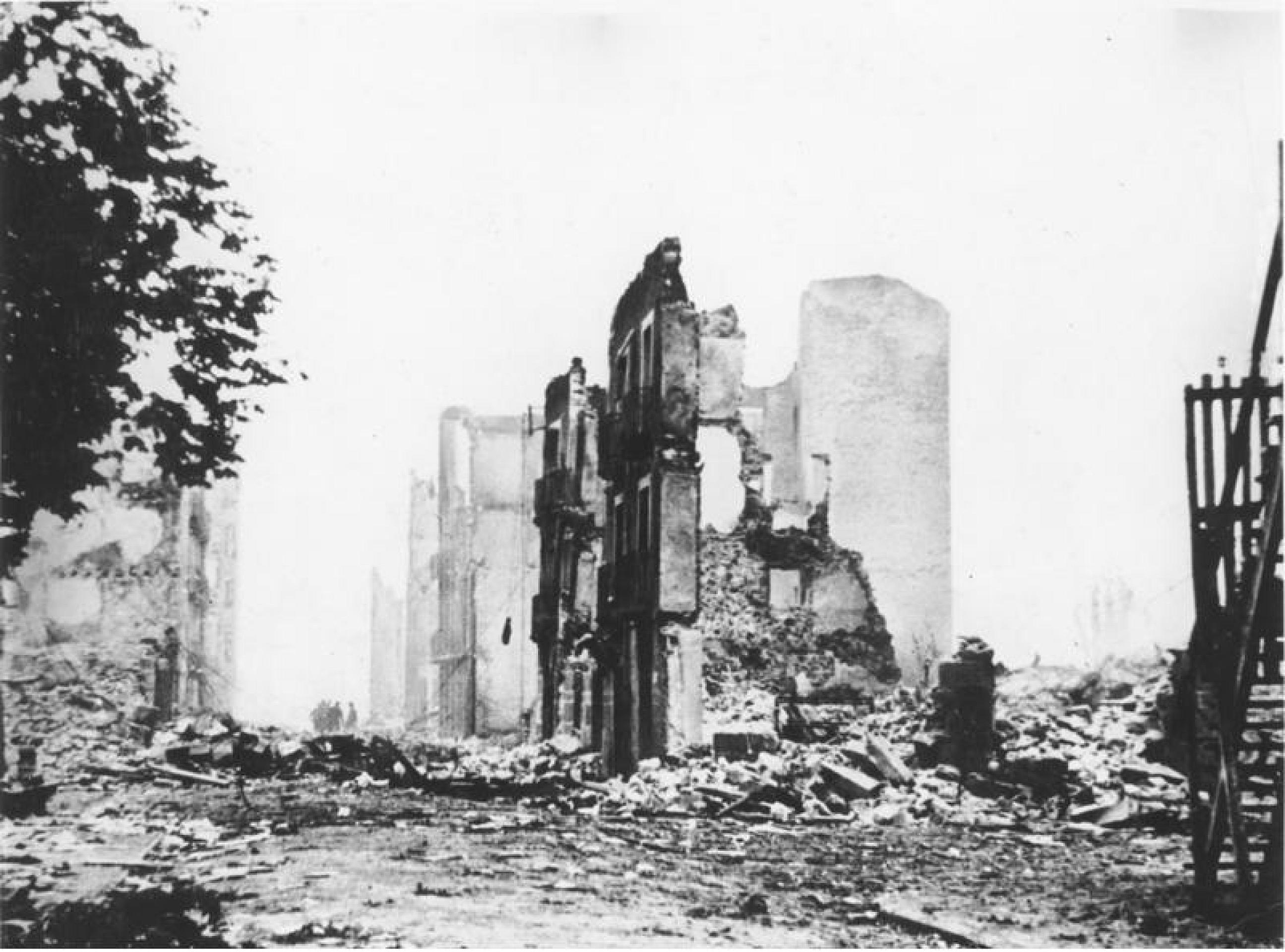
The Basque Country was one of the theatres of the Spanish Civil War of 1936 until 1939. On April 26, 1937, German and Italian war planes attacked the city. They were supposed to facilitate the entry of General Franco's nationalist soldiers into the town. In Gernika, there were no military units of the Republican side to speak of, however, the town was full of war refugees and of peasants visiting the market on that day. The tactical objective of the attack was to destroy a bridge over the river Oca. The German »Legion Condor« and the Italian squadrons flew numerous waves of attack on the city. The planes, with over 20 modern German Ju 52 among them, also used firebombs which would have been completely useless against the stone bridge. The old town was destroyed completely, several hundred civilians perished. The bridge was not damaged in the attack.
Victims

The Basque government at the time reported 1,654 victims. Historians claim today that this number might have been exaggerated and a lower number of around 300 is more realistic. 80 percent of the town was destroyed. Especially the effects of the ensuing fire were devastating.

At the beginning of the 1930s, Spain was marked by deep divisions between republicans - including the socialists - and monarchists supporting a traditional, Catholic society. The country was also unsettled by the independence campaigns of various regions, including the Basque region and Catalonia. In 1936, the political violence that had been brewing in Spain since the mid 19th century spilled over into a bloody civil war of international dimensions following the election victory of the »Frente Popular« (People’s Front) composed of socialists, left-liberals and communists. Nazi Germany and the Italian fascist regime supported the anti-republican forces during the Spanish Civil War, which were led by General Francisco Franco (1892–1975) from October 1936 onwards. The »Condor Legion« of the German Luftwaffe provided military support and bombed a number of towns. In turn, the republican government troops were supported by the International Brigades, which were volunteer corps of foreign communists and left-wing socialists. Franco announced his victory on April 1, 1939. Following the outbreak of World War Two, thousands of republican refugees entered the sphere of influence of Nazi Germany in neighbouring occupied France and were deported to concentration camps. Over 5,000 Spaniards died in the camps. Spain was not involved in the Second World War. However, volunteers and army members fought on the side of the Wehrmacht as »División Azul« (Blue Division) during the campaign in Russia. The Franco regime pursued a contradictory policy towards the Jews. Jews, like Protestants and other non-Catholics, were not allowed to practise their religion once Franco had come to power. At the same time, Spain permitted between 20,000 and 35,000 Jewish refugees from abroad to cross the country in order to leave Europe. In 1944 some 3,500 Jews from the Hungarian capital Budapest were spared deportation by the German occupiers thanks to generous Spanish provisions granting safe passage. Franco remained in power until 1975. His regime was initially ostracised by the international community but later brought into the western community of states. Whilst the regime lasted it was impossible to confront the persecution of republicans in Spain and in the German sphere of influence. Attempts to establish small sites of memory at places associated with the Civil War were partly tolerated and partly blocked by officials. A critical national confrontation with the 1936-39 Civil War only started to emerge in the 1990s. A memorial centre was established in 1998 in Guernica, which had been completely destroyed in bombing raids by the »Condor Legion« in 1937. In 2005 José Luis Rodríguez Zapatero (*1960) became the first Spanish Prime Minister to visit a concentration camp memorial site when he commemorated the Spanish political prisoners who died at Mauthausen. In December 2006 the »Memory Law« was passed to rehabilitate the victims. This law officially denounces the dictatorial regime, which was responsible for countless executions and hundreds of thousands of expulsions. A national memorial dedicated to the »memory of the Jews, Spaniards, gypsies and other groups murdered in the extermination camps« was unveiled in Madrid in 2007.

Remembrance

News of Gernika's destruction spread around the world. For many, it became the symbol for the just cause of the Republican side, while for others it stood for for the horrors of war altogether. It was the first time in the history of warfare that a city was completely destroyed by aerial bombing.
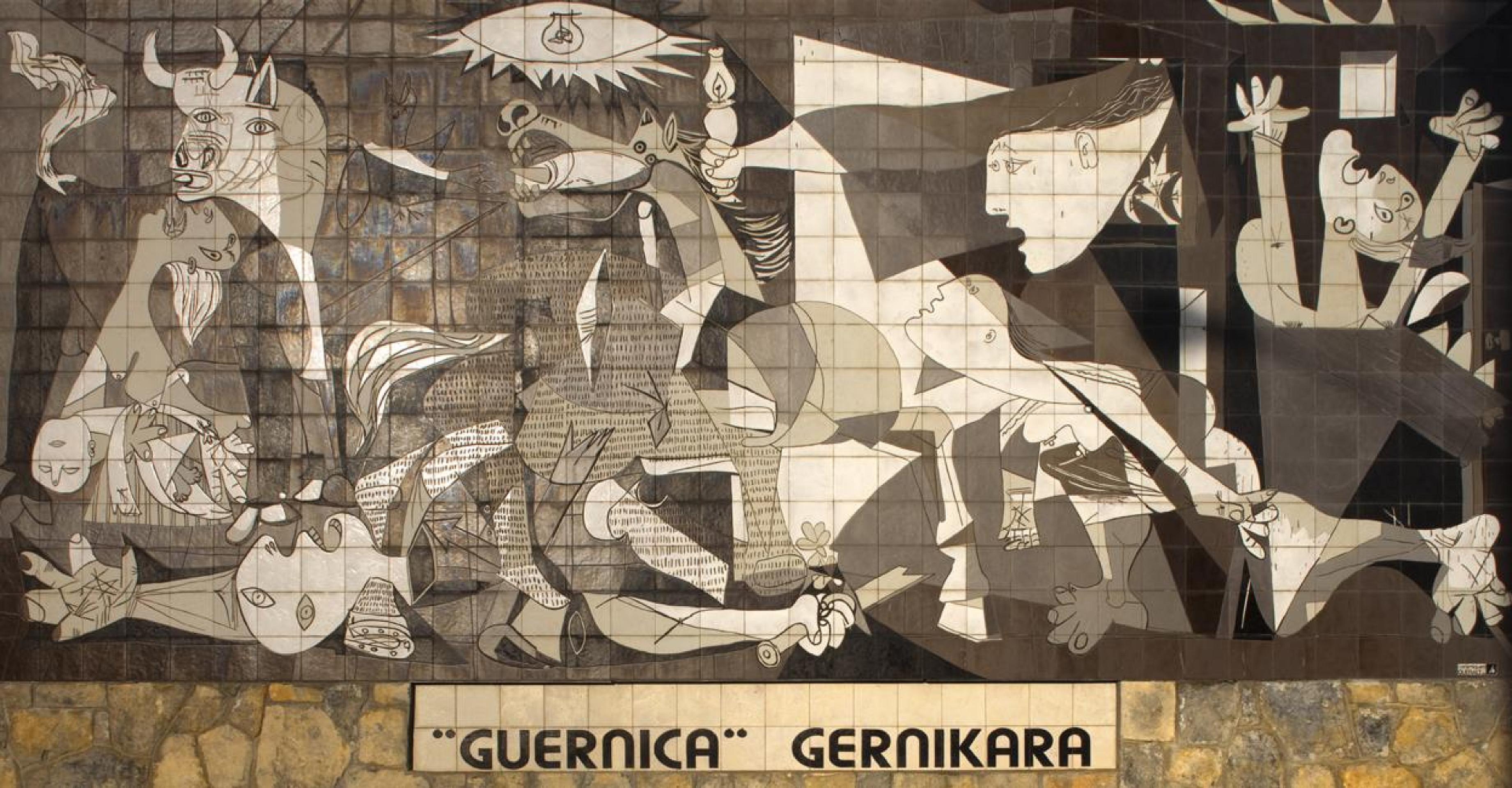
The destruction of Gernika inspired Pablo Picasso (1881–1973) for one of his most famous works, the monumental painting »Guernica«. It was already exhibited in the same year at the World Exhibition in Paris. After the death of Franco, the painting came to Spain in 1981 and has been on display in Madrid since then. Many Basques demand that the painting be brought to Basque country. In Gernika, there is a full-size copy of the painting as a mural made of tiles.
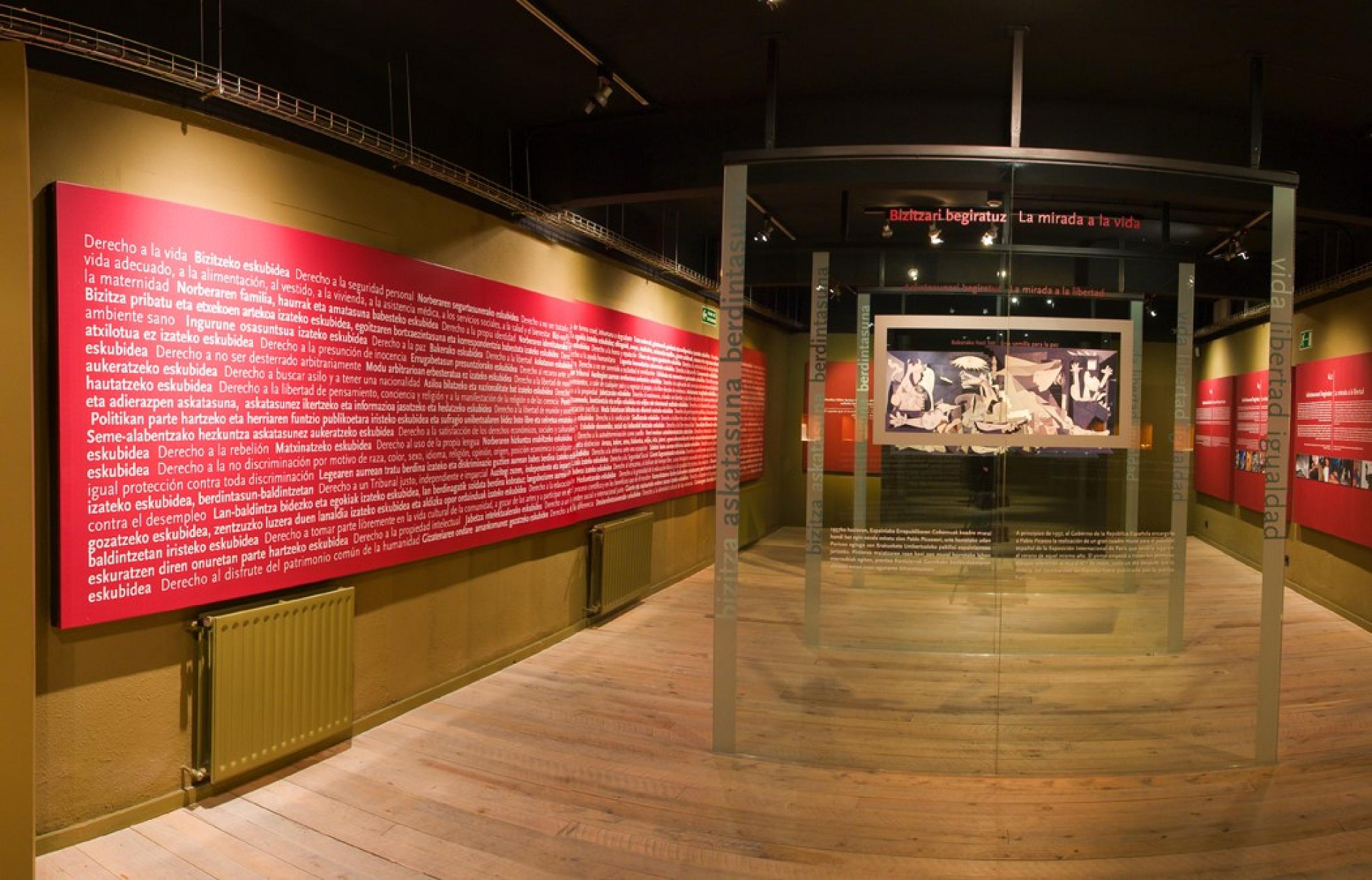
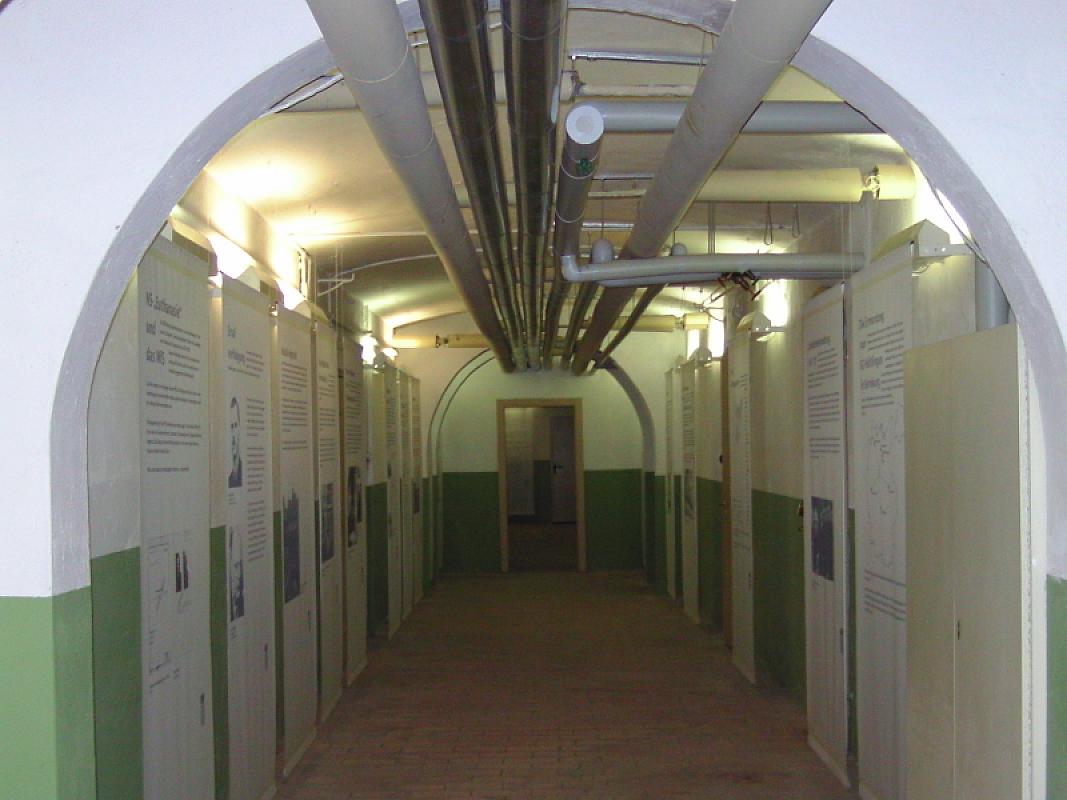
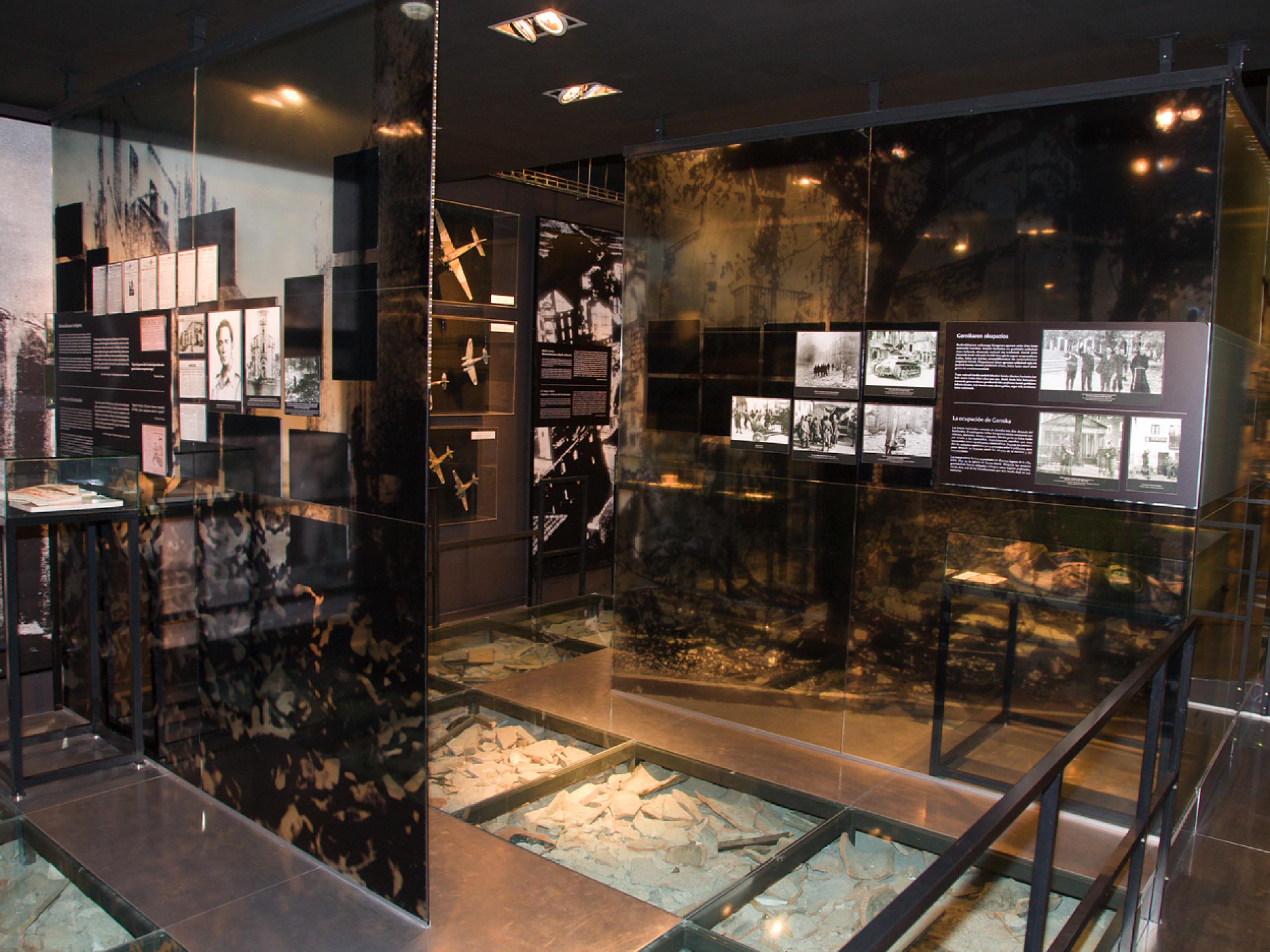
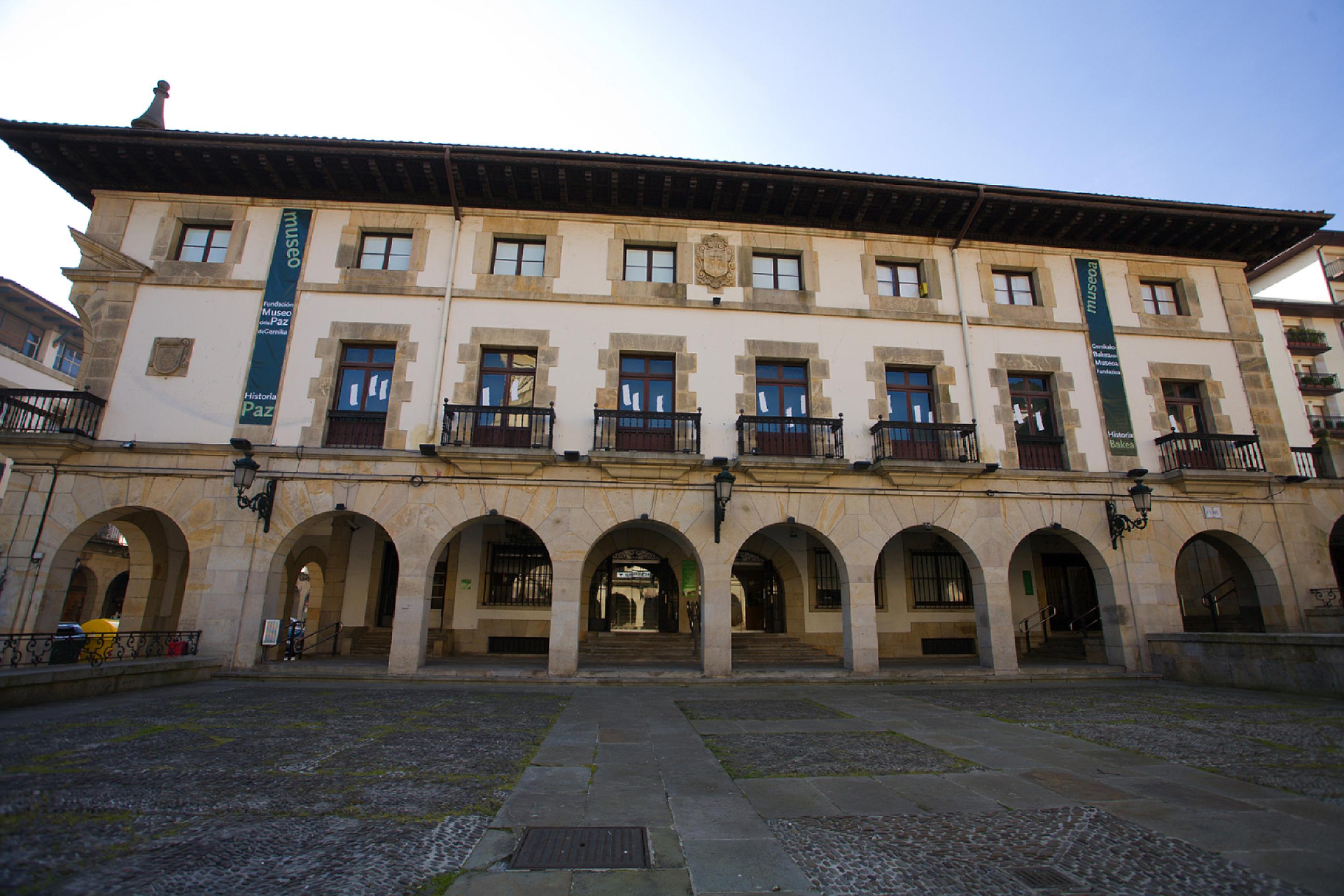
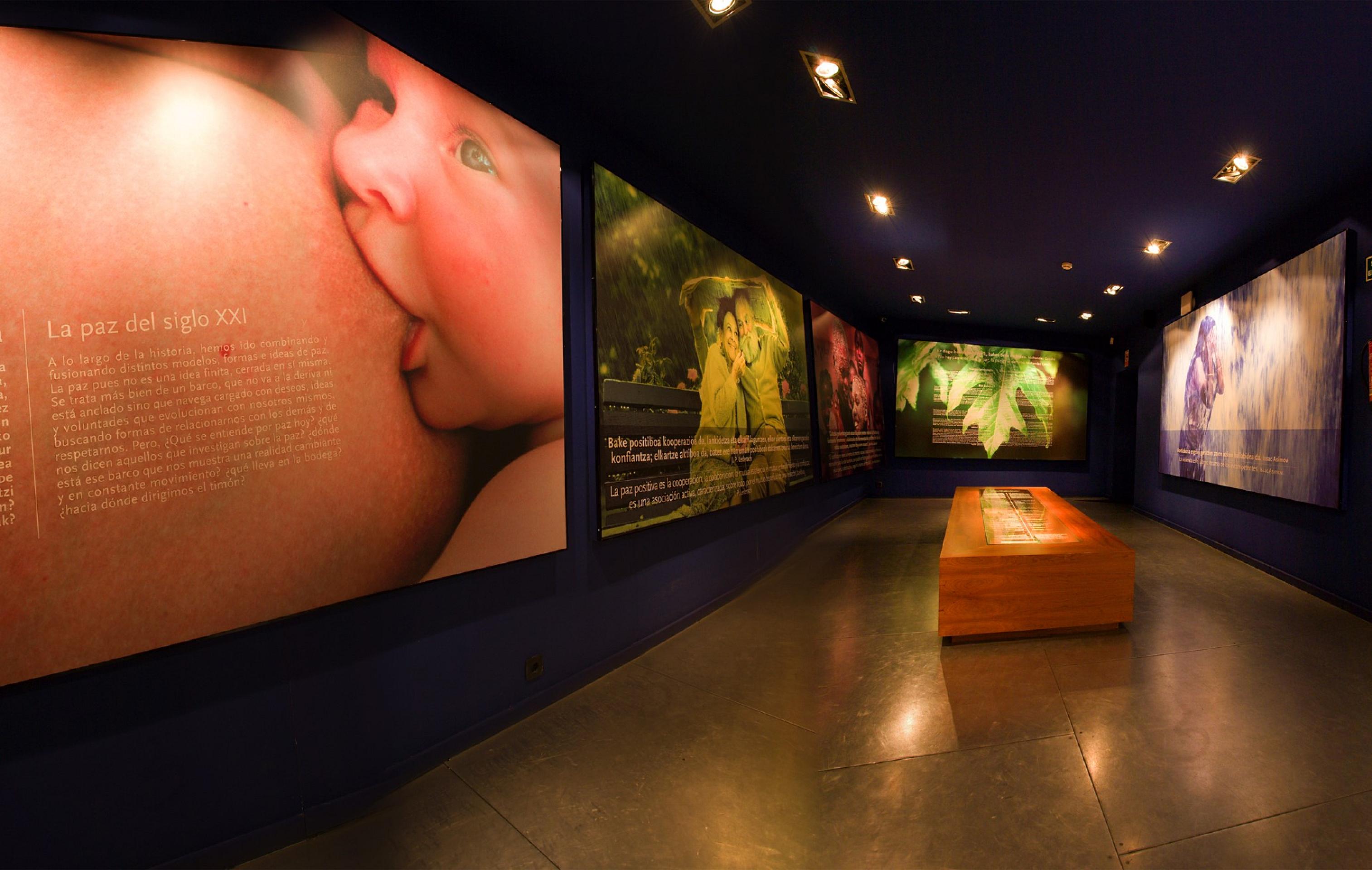
In 1998, 61 years after the bombing, the city administration opened a museum about the bombing and the Spanish Civil War. In 2002 the museum broadened its mandate, leading to the creation of the Foundation Peace Museum Gernika. The foundation works closely with other institutions including peace research centres, and has a wide range of educational activities dealing not only with history but also with the challenges for peace today.
Possibilities

Tours in various languages, educational programmes for children, adults and groups about the culture of peace, the bombing of Gernika and Spanish Civil War, documentation Centre, library, organisation of international conferences

Open

Tuesday - Saturday: 10 a.m. – 7 p.m.
Sunday: 10 a.m. – 2 p.m.

Contact

www.peacemuseumguernica.org

museoa@gernika-lumo.net

+34 (0)94 627 021 3

Plaza de los Fueros, 1
48300 Gernika