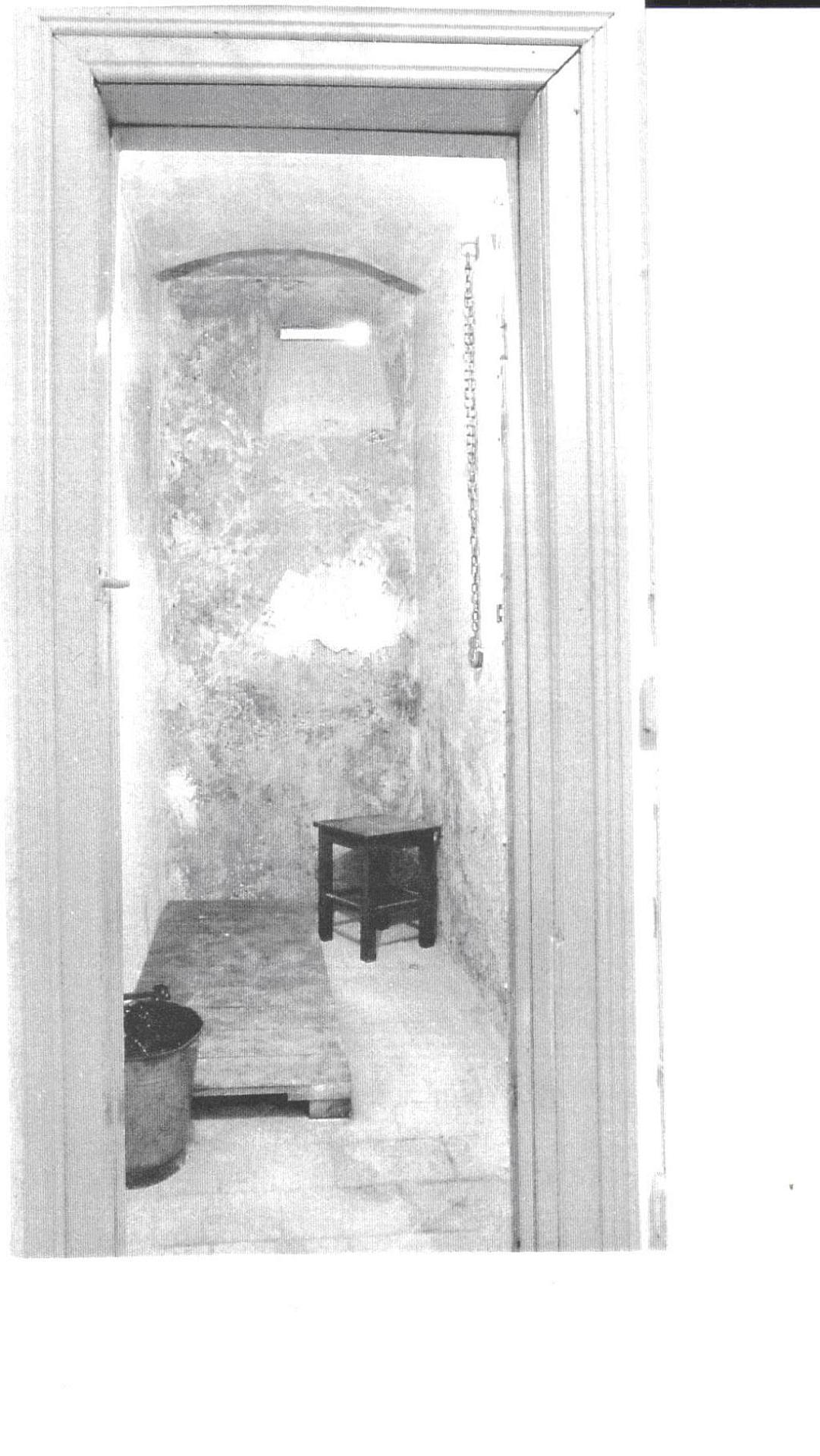
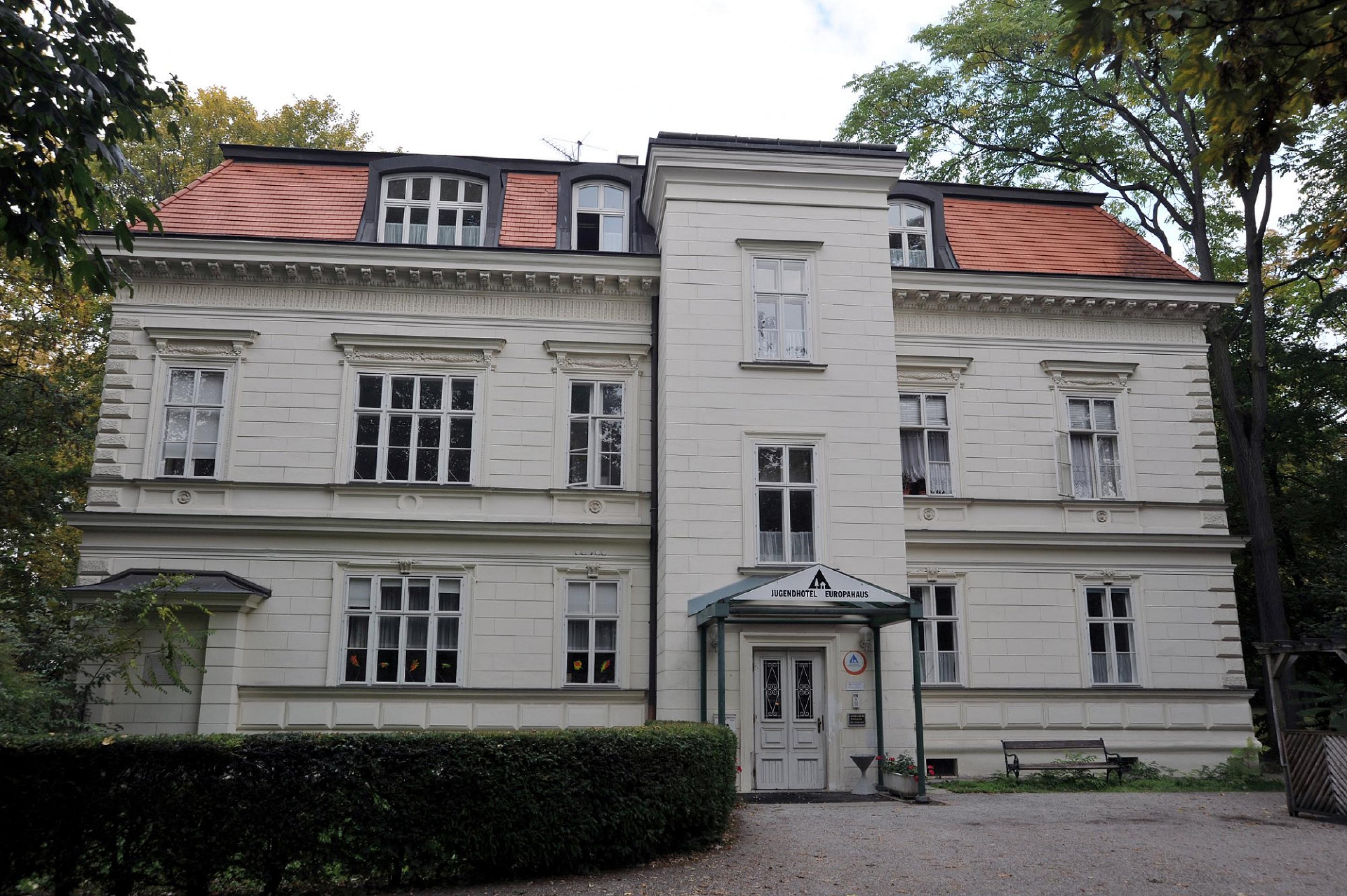
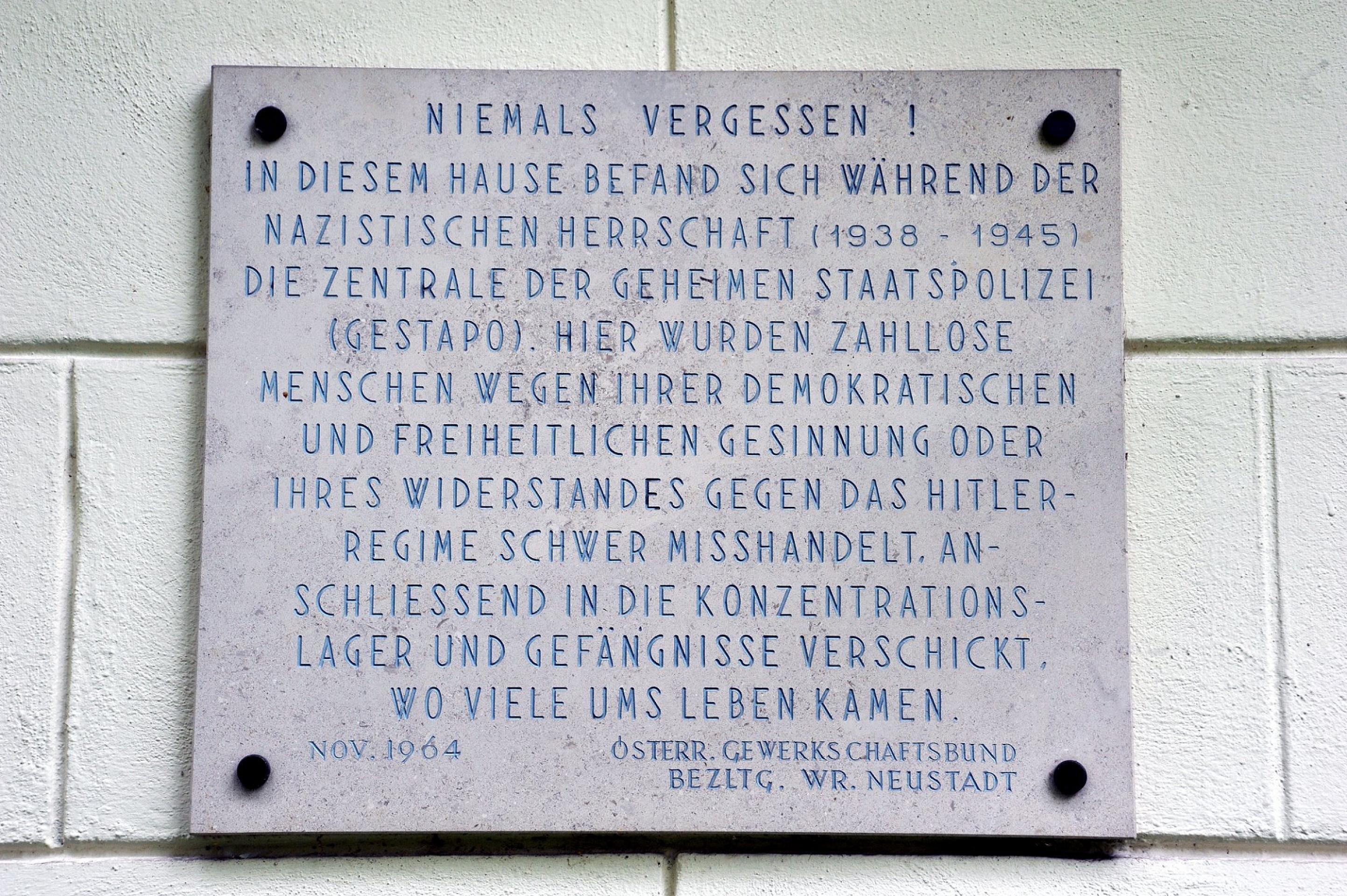
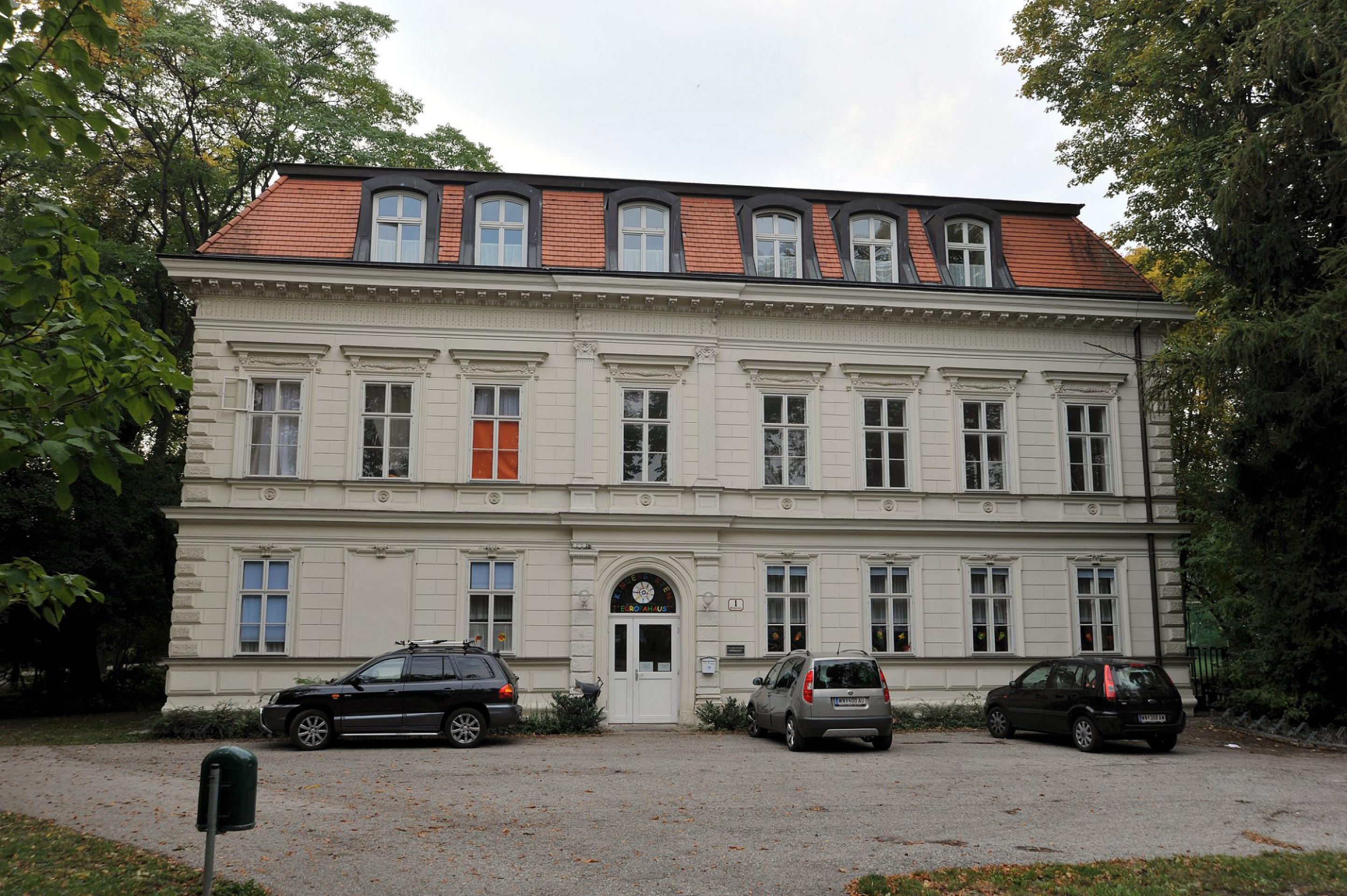
After Austria's »Anschluss« (»annexation«) to the German Reich in March 1938, the Gestapo set up an office in Wiener Neustadt, a town in Lower Austria south of Vienna. The first waves of arrests followed immediately: members of the Gestapo took many political opponents into »protective custody«, and many of them were subjected to torture and abuse. The Gestapo also confiscated and expropriated Jewish property on a large scale. At the beginning of the 1990s, the Industrial Quarter Museum reconstructed a torture chamber in the former Gestapo building. On October 25, 1994, a memorial room was inaugurated.
History
After Austria had been incorporated into the German Reich, the Gestapo extended its organisation to the new territories. A central Gestapo office was set up in Vienna as well as numerous branches. Their main aim was the persecution of political opponents, which set in immediately after Austria's »Anschluss«.
The establishment of the Wiener Neustadt Gestapo began in March 1938. Following the »Anschluss«, the Gestapo conducted arrests on the night of March 12 to 13, 1938, during which about 90 political opponents and Jews were taken into »protective custody«. Some were released after a few days, others were taken directly to labour and concentration camps, such as the Dachau concentration camp close to Munich, upon orders of the Gestapo.
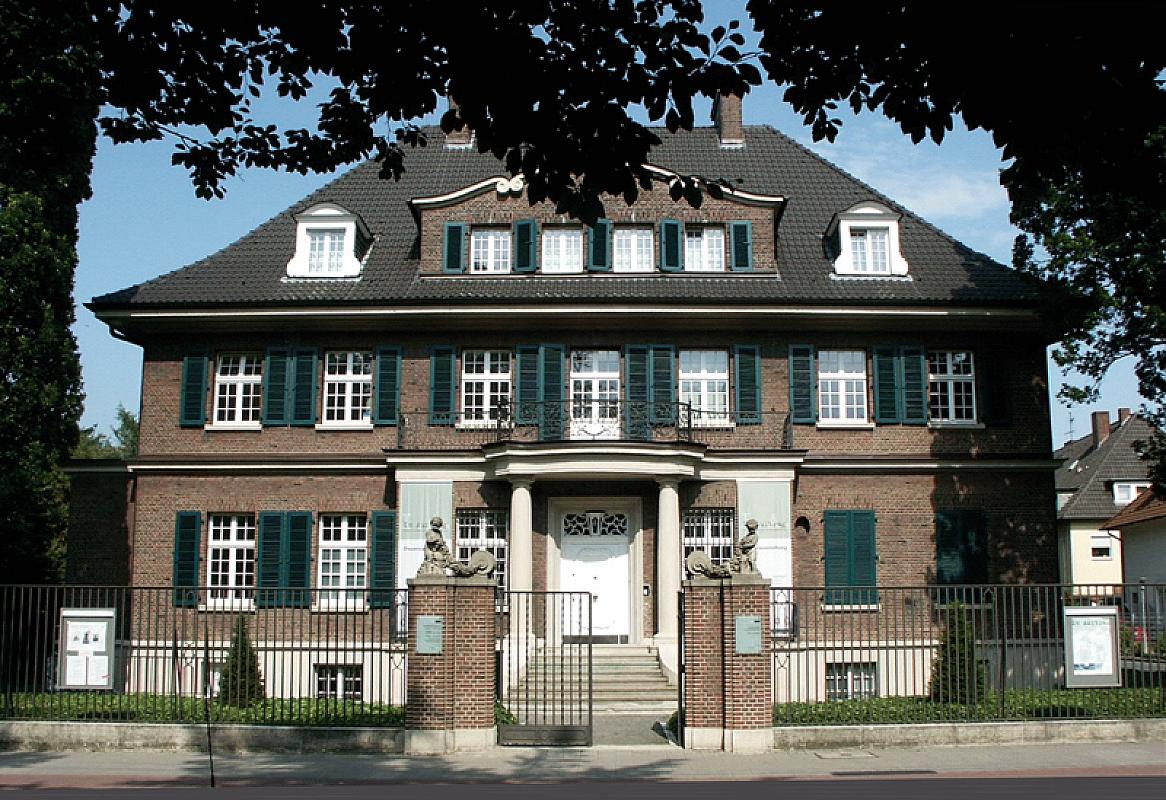
In autumn 1938, the Gestapo moved to a villa in the municipal park which had previously been expropriated from its Jewish owners. The main task of the Gestapo was »combating political opponents«. Until 1942, followers of the Christian Social Party had been most affected. Then, the persecution of communists, social democrats and other political opponents became more prevalent. The Gestapo was moreover involved in searching the houses of Jewish residents in the town and participated in the confiscation and expropriation of Jewish property.
Victims
Numerous people were taken into »protective custody« by the Gestapo in Wiener Neustadt from 1938 on: followers of the Christian Social Party, social democrats, Jews and others. Many fell victim to torture and abuse.
On March 12, 1938 the German Wehrmacht entered the Austrian Republic to a jubilant reaction from much of the population. The next day saw Austria’s »Anschluss« (»annexation«) to the Third Reich; the country was now known as »Ostmark«. Austrian Nazis immediately began to persecute the Jewish minority and opponents of the regime. From May 1938, German anti-Jewish legislation also applied to annexed Austria. Over 126,000 Jews, mainly from Vienna, had managed to escape the country by the end of 1939. The first deportations of Austrian Jews to occupied Poland began in the autumn of that year. By 1945, the SS had deported almost 48,600 Jews from Austria along with 16,600 others who had sought refuge abroad. They were deported to the occupied Eastern territories, where all but a few were murdered. Over 40,000 non-Jewish civilians died in the war, including more than 8,000 Sinti and Roma deported from the province of Burgenland.
In 1945, the Allies divided Austria into four occupation zones. The Soviet occupying powers erected a »Liberation Monument« in Vienna. Representatives of the provisional all-party government made up of the socialists, communists and the conservative People’s Party used the inauguration of this monument on August 19, 1945 to declare Austria as »the first free country to fall victim to Hitlerite aggression«. For decades, this perspective was broadly upheld by politicians and the general public.
However, the 1960s saw the start of bitter disputes on Austria’s involvement in National Socialism. The low point came during a demonstration in March 1965 when a far-right student fatally wounded the former concentration camp prisoner Ernst Kirchweger (*1898). Kirchweger became the first victim of politically-motivated murder in post-1945 Austria. Subsequently, the Austrian public became increasingly vocal in warning against a relativisation of the period 1938 to 1945. The country was rocked by a series of scandals related to the past of its political representatives, for example the »Waldheim Debate« between 1986 and 1992. The country was divided over claims that Kurt Waldheim (1918–2007), the Austrian President and former General Secretary of the United Nations, had been involved in war crimes in the Balkans. Waldheim responded that he had simply done his duty »like hundreds of thousands of other Austrians«. It was not until the early 1990s that the then Chancellor Franz Vranitzky (*1937) acknowledged Austria’s complicity in the Holocaust.
The Documentation Centre of Austrian Resistance was founded in 1963. This institution researches the history of the Holocaust and far-right extremism in Austria and has a small exhibition. For a long time, the permanent exhibition opened in 1970 at the former Mauthausen concentration camp was almost the only museum on the history of National Socialism in Austria. In 1983, the city council of Vienna voted to establish a »Memorial against War and Fascism«. Designed by the sculptor Alfred Hrdlicka (*1928), the memorial was inaugurated in 1991, the »Memorial to the Austrian Jewish Victims of the Shoah« followed suit in 2000 Laws governing compensation for confiscated property, compensation to former forced labourers and the work of a Historians’ Commission between 1998 and 2003 to investigate the expropriation of assets under National Socialism all point to a shift in Austrian national memory. In 2009, former deserters of the Wehrmacht were officially rehabilitated, and a memorial dedicated to them was unveiled in 2014.
Remembrance
After 1945, the former Gestapo building, which has since then been named the Europe House, was used by youth organisations. In 1964, a memorial plaque remembering the victims of the Gestapo was put on the façade of the building. Today, the villa houses a kindergarten and a youth hostel. The Industrial Quarter Museum had a torture chamber reconstructed which was opened to the public in 1992. On October 25, 1994, a commemorative room in memory of the crimes committed by the Gestapo and the National Socialist regime was set up.
Open
The memorial is open all year round and accessible at all times.